
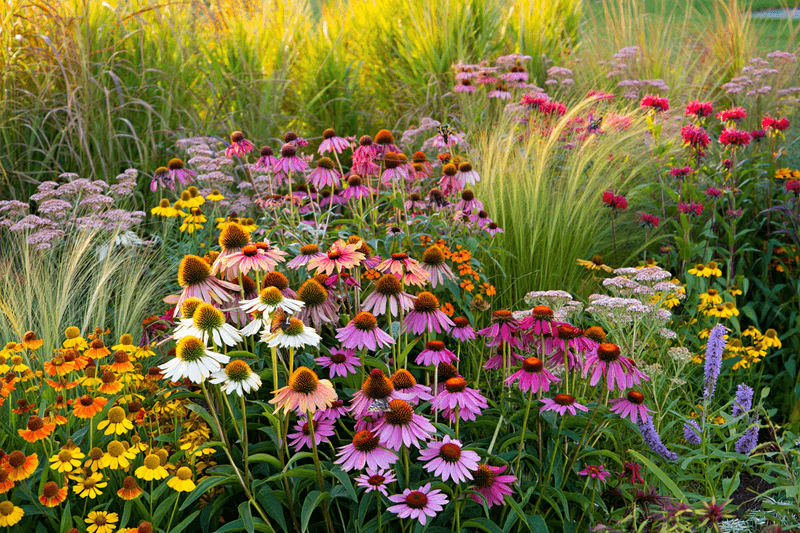
Staring at a bare, empty flower bed can feel discouraging, especially when you want color fast. The good news is that some perennials grow so quickly they can fill that gap in just one warm season.
For gardeners across the South, including Florida and Texas, these plants thrive in heat and come back year after year. Here are the ones worth planting right now.
1. Black-Eyed Susan
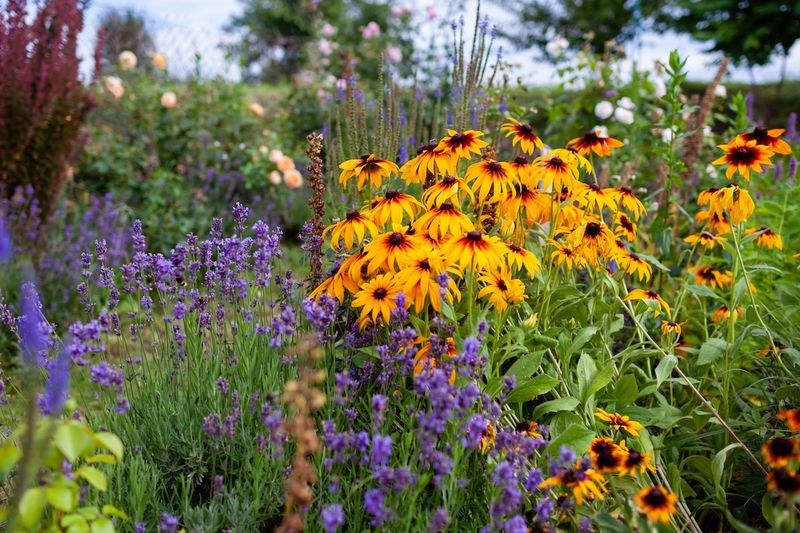
Golden petals with a chocolate-brown center make Black-Eyed Susan one of the cheeriest ways to erase a bare patch fast. Plant a few in spring, and by midsummer they can spread into a glowing carpet of blooms.
Southern gardeners love this one because it laughs at heat and drought once its roots settle in. It handles Florida humidity and Texas sun without much fuss, asking mostly for a spot in full sun.
Pollinators treat these flowers like a buffet. Bees, butterflies, and even goldfinches show up for the seeds later in the season, so you get color and wildlife in a single planting.
Fun bit of history: this native wildflower once dotted prairies across much of the country before gardeners invited it into their beds. It self-seeds gently, meaning next year you may find happy surprises popping up nearby.
Give it decent drainage and space to breathe, and it rewards you with months of blooms. If you want quick, dependable curb appeal that keeps coming back, this is a smart first choice.
2. Purple Coneflower
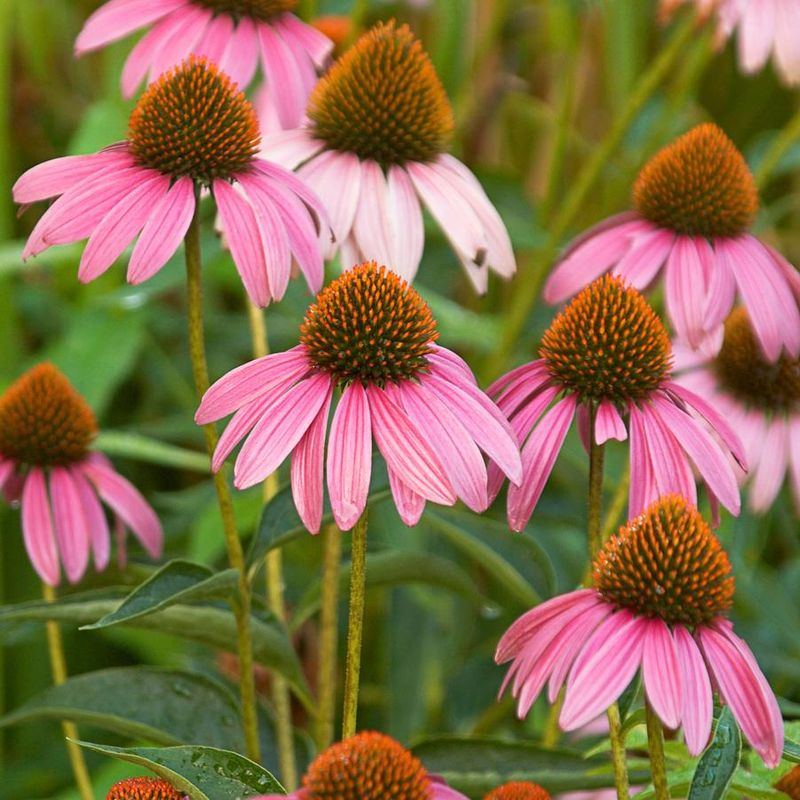
Tough as nails and pretty as a postcard, purple coneflower fills space quickly while shrugging off the kind of heat that wilts fussier plants. Set out young plants in spring, and they bulk up into sturdy clumps by summer’s end.
The daisy-like blooms sit on tall stems, giving your bed instant height and structure. Their raised orange centers act like landing pads for butterflies, making the whole planting hum with activity.
Southern gardeners appreciate how little coneflower complains. Once established, it tolerates dry spells, poor soil, and blazing afternoons across Texas and Florida landscapes.
Herbalists have leaned on echinacea, the plant’s other name, for generations, believing it may support the immune system. Whether or not you brew it, the flowers earn their keep purely on looks and toughness.
Leave the spent seed heads standing into fall, and finches will thank you by dropping in for a snack. That mix of fast fill, easy care, and wildlife appeal makes coneflower a border staple worth planting now.
3. Daylily
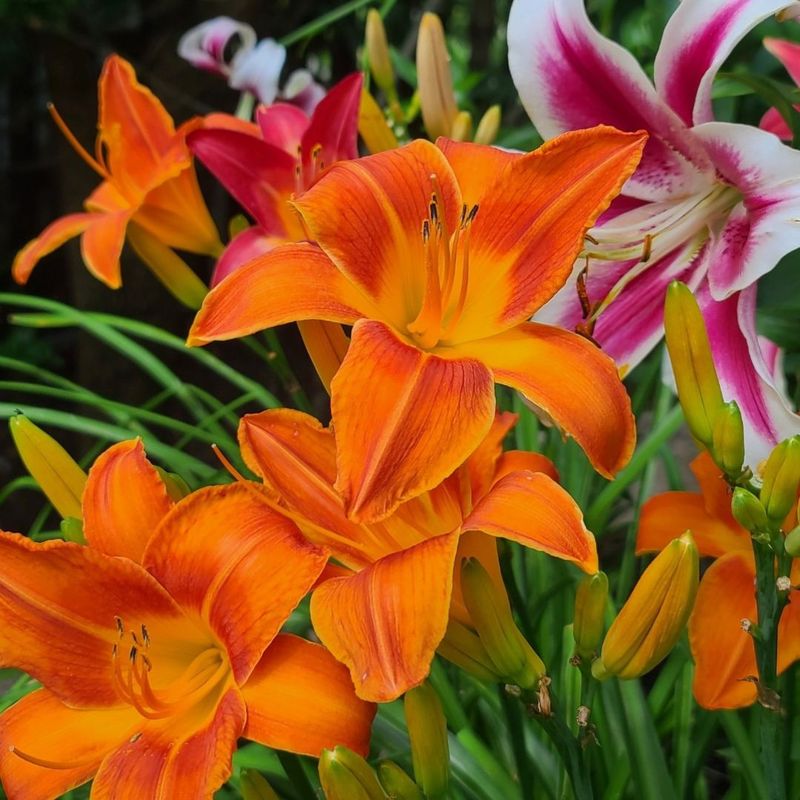
If reliability had a mascot, the daylily would win in a landslide. Drop a few divisions into an empty bed in spring, and their fountains of strappy leaves and trumpet blooms fill the space before you know it.
Each flower lasts just one day, but the plant produces so many buds that the show rolls on for weeks. Colors range from soft peach to fiery red, so you can match almost any garden mood.
Heat and neglect barely register with these plants. They cope with clay, sand, and everything in between, which is why you spot them thriving in yards all across the South.
Here is a tasty tidbit: daylily buds are edible in some cultures and are said to taste a bit like green beans. Most gardeners simply enjoy the flowers, but it is a fun conversation starter.
Divide crowded clumps every few years, and you will have free plants to spread around. For dependable, fast coverage that forgives beginner mistakes, daylilies belong near the top of your list.
4. Shasta Daisy
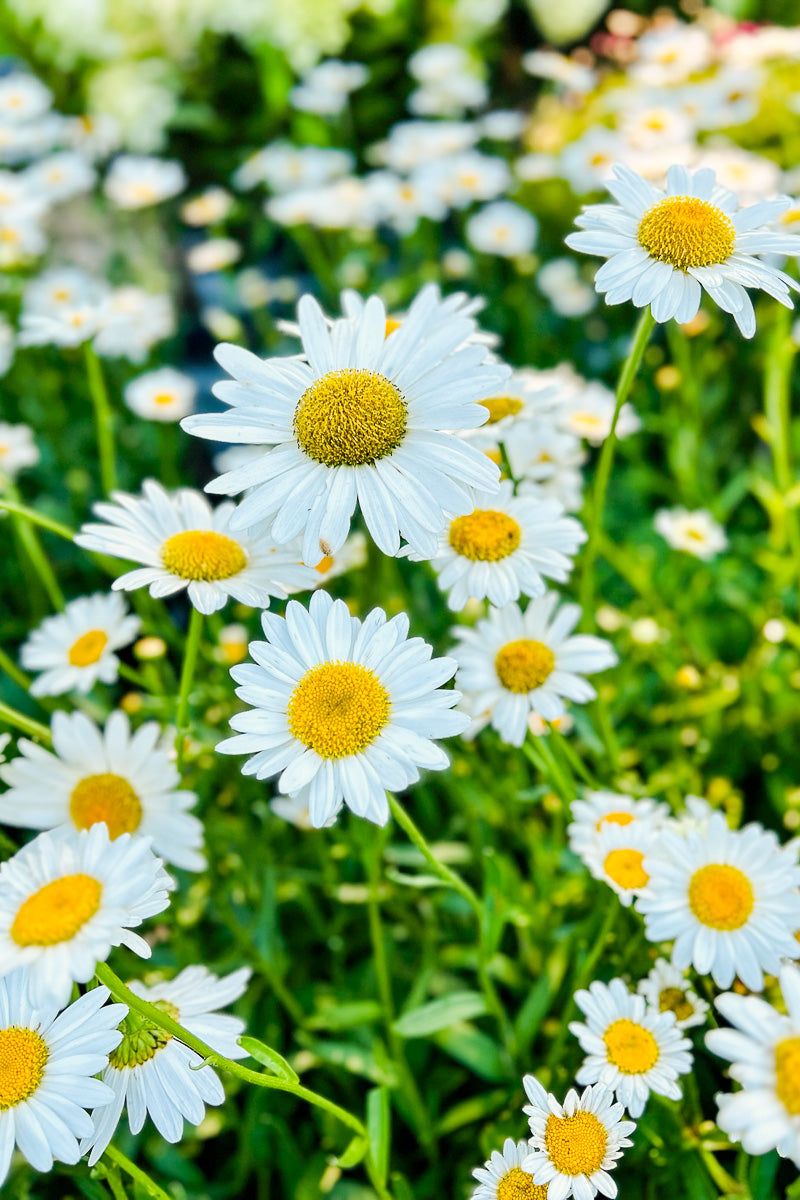
Nothing says fresh and tidy like a sweep of white Shasta daisies nodding in the breeze. Plant them in spring and these cheerful bloomers bush out quickly, filling gaps with crisp, classic color.
The clean white petals and sunny yellow centers pair with almost anything, acting like the neutral shirt of the flower world. That versatility makes them a favorite for gardeners who want an easy, put-together look.
Southern beds suit them well as long as they get sun and reasonable drainage. In hotter zones, a little afternoon shade helps them keep their cool during peak summer.
Cut a handful for the kitchen table and the plant responds by pushing out even more buds. That cut-and-come-again habit stretches the display well into the season.
The name honors California’s Mount Shasta, a nod to the flower’s snowy-white color. Divide the clumps every couple of years to keep them vigorous, and they will keep rewarding you with armloads of blooms and steady, dependable coverage in that once-empty bed.
5. Coreopsis
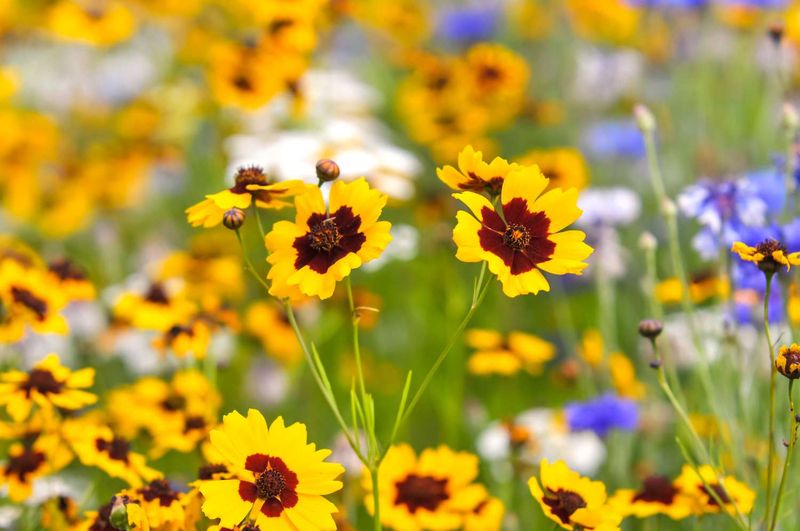
Picture a shower of tiny golden coins scattered across your garden, and you have coreopsis in a nutshell. Also called tickseed, it grows fast and blooms so heavily that the foliage nearly disappears under the flowers.
Airy stems give the planting a soft, meadow-like feel that fills space without looking heavy or crowded. That lightness works beautifully along borders and in front of taller plants.
Drought and heat are no match for this native workhorse. It thrives in the sandy soils of Florida and the sun-baked beds of Texas, asking only for good drainage and plenty of light.
Butterflies and bees adore the steady supply of nectar, so your bed doubles as a pollinator pit stop. Shearing the plant lightly after the first flush often encourages a fresh wave of blooms.
The name tickseed comes from the seeds’ resemblance to little ticks, which is far less charming than the flowers themselves. For quick, sunny fill that keeps buzzing with life all season, coreopsis delivers in a big way.
6. Salvia
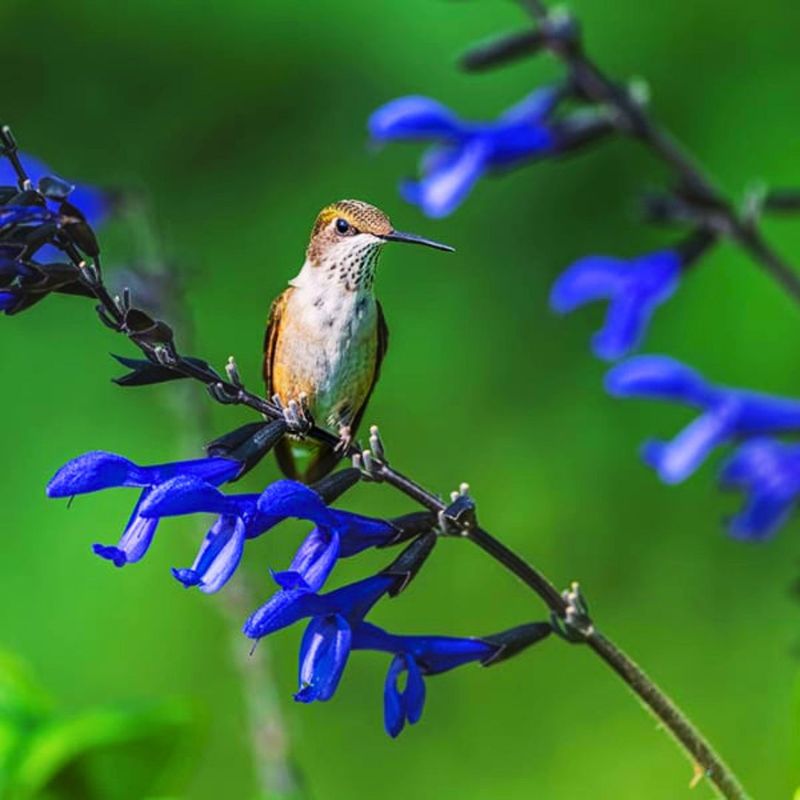
Vertical spikes of purple, blue, or red make salvia the plant that adds instant drama to a flat, empty bed. It shoots up quickly in warm weather, giving your garden welcome height in a matter of weeks.
Hummingbirds simply cannot resist those tubular blooms, and neither can butterflies. Plant a patch and you may find yourself watching more wildlife than television.
Southern gardeners get a lot of mileage from salvia because it handles heat like a champ. Many varieties bloom from spring all the way to frost, especially with a quick trim after each flush fades.
The name comes from the Latin word for save or heal, a nod to the herb’s long medicinal past. Culinary sage is a cousin, though the ornamental types are grown purely for their color.
Choose from tidy compact kinds for borders or taller varieties for the back of the bed. Give salvia sun, decent drainage, and a bit of room, and it fills space fast while keeping your yard buzzing with pollinators.
7. Yarrow
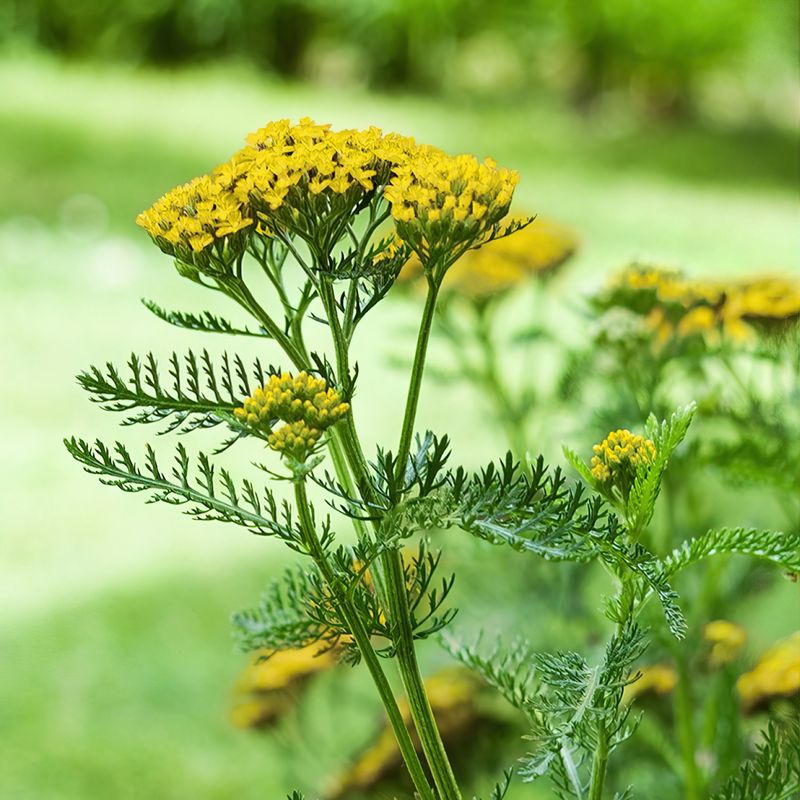
Feathery leaves and flat-topped flower clusters give yarrow a soft, lacy look that spreads impressively fast. Tuck a few plants into an empty bed, and they knit together into a full, textured patch within a season.
Yellow is the classic color, but yarrow also comes in pink, red, and creamy white. The flat blooms make handy landing platforms for beneficial insects that help keep pest bugs in check.
Drought is where yarrow truly shines. It thrives in poor, dry soil that would defeat pickier plants, making it a dream for low-water Southern gardens in Texas and beyond.
Legend says the plant is named after Achilles, who supposedly used it to treat soldiers’ wounds. Folk healers have long believed it may help stop bleeding, though most gardeners grow it simply for its easy beauty.
The dried flower heads hold their shape well, so you can clip them for long-lasting bouquets. If you want a tough, fast-spreading filler that thrives on neglect, yarrow fits the bill perfectly.
8. Lantana
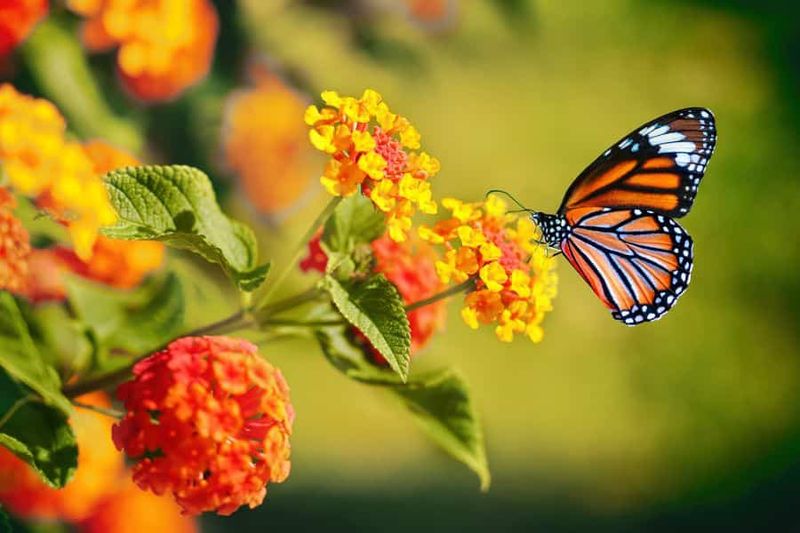
Few plants soak up brutal heat like lantana, which seems to bloom harder the hotter it gets. In a single season it can sprawl into a mounding, flower-covered patch that fills even a large gap.
The little clustered blooms shift colors as they age, often showing pink, orange, and yellow all on one plant. That built-in rainbow keeps the display lively from spring right through fall.
Butterflies flock to lantana in droves, turning your bed into a fluttering spectacle. It is one of the most reliable nectar sources you can plant in Florida and Texas gardens.
A word of caution: the berries and leaves can be toxic if eaten, so keep an eye on curious pets and small children. Handle it thoughtfully and it repays you with nonstop color.
Lantana laughs at drought once established and rarely needs pampering. For gardeners who want maximum bloom with minimum effort in scorching conditions, this heat-lover is hard to beat and easy to fall for.
9. Russian Sage
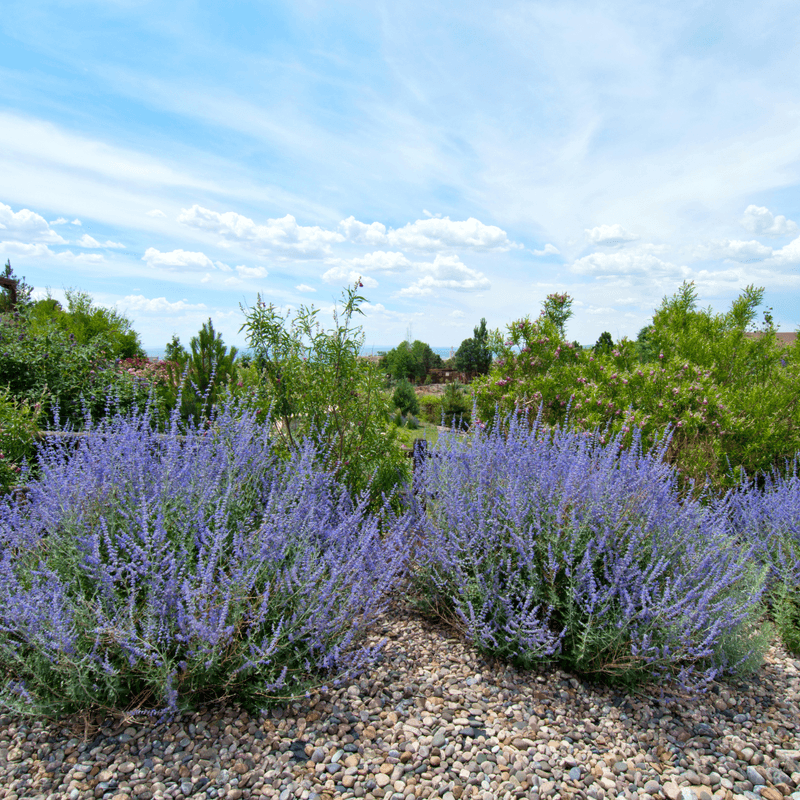
Imagine a lavender-blue cloud hovering over silvery stems, and you have the airy charm of Russian sage. It grows tall and wide in one season, filling empty space with a hazy, romantic softness.
The whole plant gives off a light, herbal scent when brushed, and deer tend to leave it alone because of that aroma. That makes it a smart pick where hungry wildlife browse your beds.
Heat and drought barely faze it once the roots dig in. It thrives in the dry, sunny conditions common across much of the South, asking mainly for good drainage.
Despite the name, this plant hails from Central Asia rather than Russia, and it is not a true sage at all. Bees and butterflies visit the tiny flowers throughout the long blooming stretch.
Cut it back hard in late winter, and it bounces back bigger and fuller each year. For a breezy, low-maintenance filler that adds cool color and gentle motion to a hot garden, Russian sage is a standout choice worth planting now.
10. Gaillardia
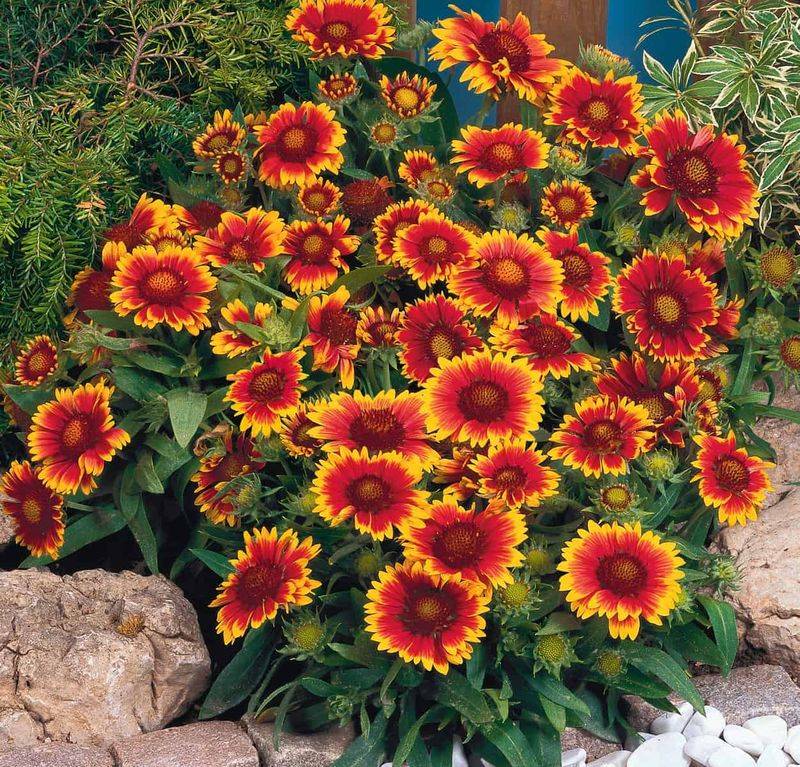
Warm bands of red and gold ring each bloom, which is exactly how gaillardia earned the nickname blanket flower. It settles in quickly and covers a bare bed with fiery, sunset-colored daisies in no time.
These flowers seem built for punishment, thriving in sandy soil, salty coastal air, and relentless sun. Florida beach gardens and dry Texas borders both suit it beautifully.
The nonstop blooming habit is the real draw. From late spring through fall, the plant keeps cranking out flowers, especially if you snip off the faded ones now and then.
Pollinators love the open, welcoming shape of the blooms, and the seeds later feed hungry birds. That makes gaillardia a two-for-one deal on color and wildlife value.
The nickname supposedly comes from the flowers’ resemblance to the bright patterns of Native American woven blankets. Short-lived by nature, it often reseeds itself, so a single planting can keep the party going for years.
For sizzling, dependable color that fills fast and asks little, blanket flower closes out the list on a high note.