
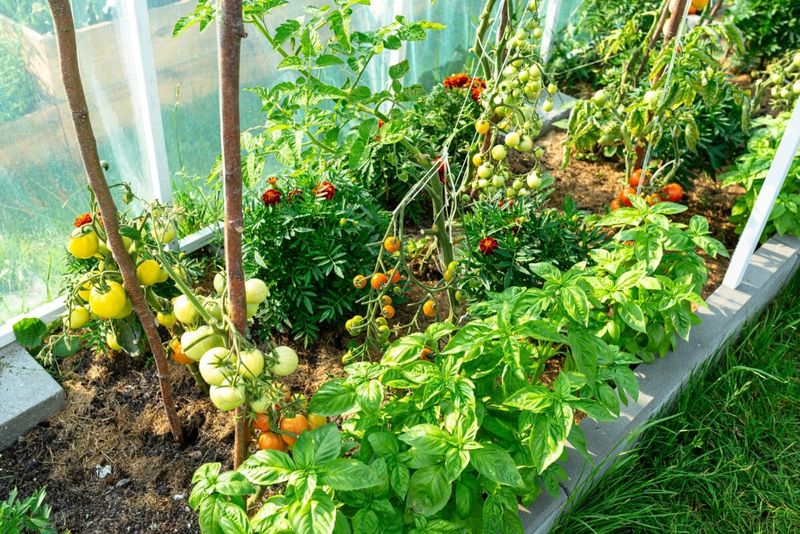
Ever notice your tomato plants looking healthy but barely setting any fruit? Sometimes the problem is not the tomato at all.
It is a nearby plant quietly stealing water, food, and root space while blocking bees. Here are ten bad neighbors to move away from your tomatoes so you can finally get a heavier harvest this Southern growing season.
1. Fennel
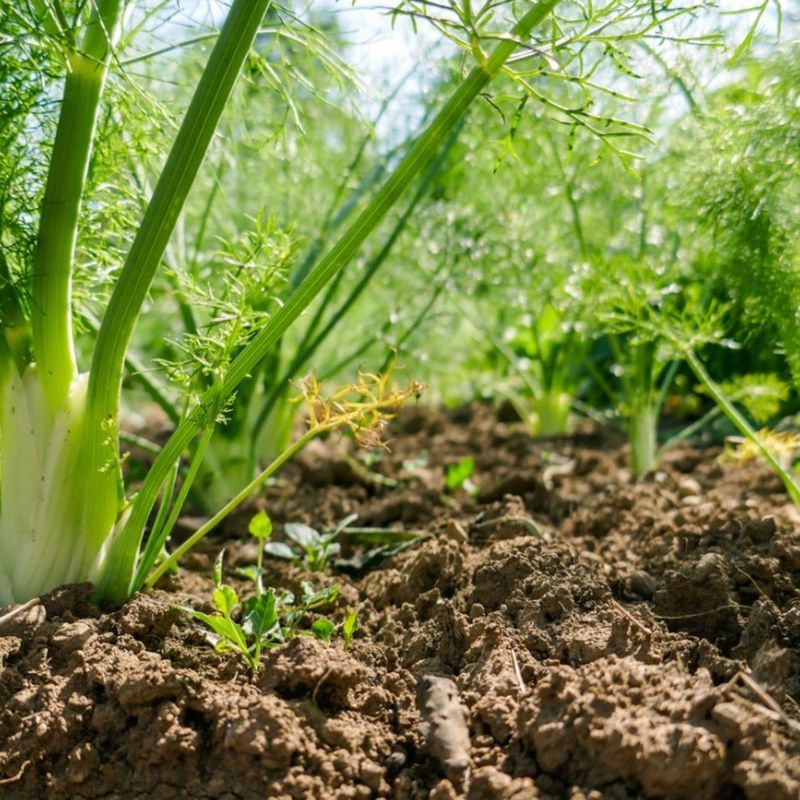
Few plants earn a bad reputation faster than fennel, and tomatoes are one of its biggest victims. This tall, feathery herb releases chemicals from its roots that can slow the growth of neighbors around it.
When your tomatoes are trying to build strong roots and set fruit, that hidden chemical warfare works against them. You may see stunted plants that flower but drop blossoms before any tomato forms.
Fennel also grows fast and wide, hogging sunlight and moisture that your tomatoes badly need during hot Southern afternoons. In Florida and Texas, where the season stretches long, that competition adds up week after week.
The fix is simple and worth doing right away. Move fennel to its own container or a far corner of the yard, well away from the vegetable bed.
Give it at least several feet of separation, or better yet, keep it in a pot entirely.
Once fennel is out of the picture, your tomatoes often perk up and set fruit more freely. Give them a couple of weeks and watch the difference in blossom drop.
2. Corn
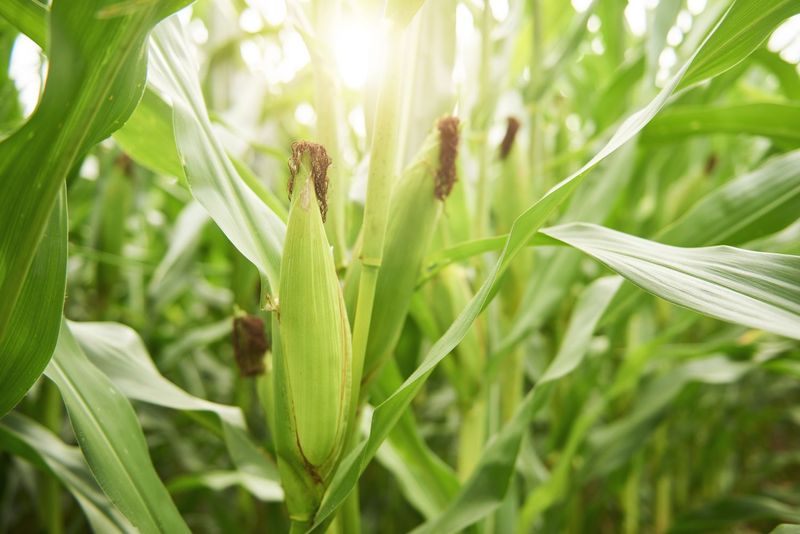
Corn looks like a friendly garden giant, but for tomatoes it is a shady, hungry rival. Those tall stalks throw long shadows across your bed, and tomatoes need full sun to pump out flowers and fruit.
Beyond the shade problem, corn is a heavy feeder. It pulls large amounts of nitrogen and water from the soil, leaving less for your tomato roots trying to fill out fruit.
There is another sneaky issue too. Corn and tomatoes share a common enemy in the tomato fruitworm, which is the same pest known as the corn earworm.
Planting them side by side can invite a bigger pest party.
If your tomatoes sit in the shadow of a corn patch, they may look leafy but set surprisingly little fruit. That is a classic sign of too little light and too much competition.
Move corn to the north side of your garden so it does not shade shorter crops. Better yet, keep a good buffer of several feet between the two.
Your tomatoes will thank you with steadier blossoms and cleaner fruit.
3. Potatoes
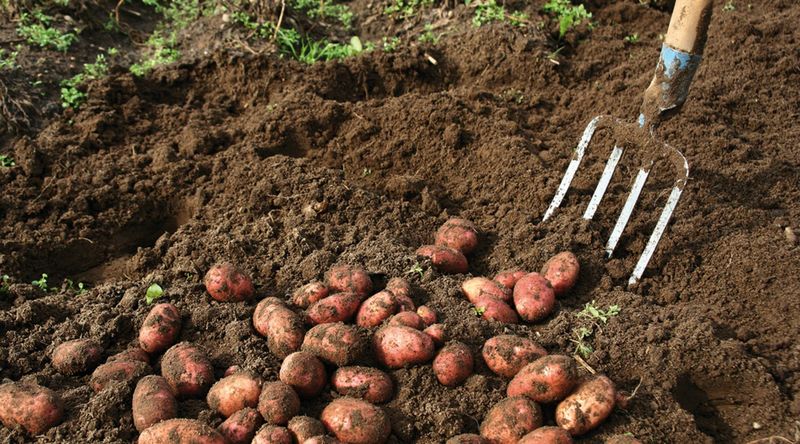
Cousins do not always get along, and potatoes and tomatoes are a perfect example. Both belong to the nightshade family, which means they crave the same nutrients and catch the same diseases.
Growing them close together doubles the risk of early blight and late blight spreading between the two. Once those fungal problems take hold, your tomato plant spends its energy surviving instead of setting fruit.
Potatoes also compete hard underground. Their tubers swell and spread through the soil, crowding tomato roots and grabbing water and food that could have gone toward a heavier harvest.
In warm Southern gardens where blight loves the humidity, keeping these two apart matters even more. A shared bed can turn into a disease highway during a muggy Florida or Texas summer.
Give potatoes their own dedicated space far from the tomato patch, ideally in a separate bed or bag. Rotate where you plant each year so nightshade diseases do not build up in one spot.
With that separation, both crops stay healthier, and your tomatoes can put real energy into flowering and fruiting.
4. Cabbage and Broccoli
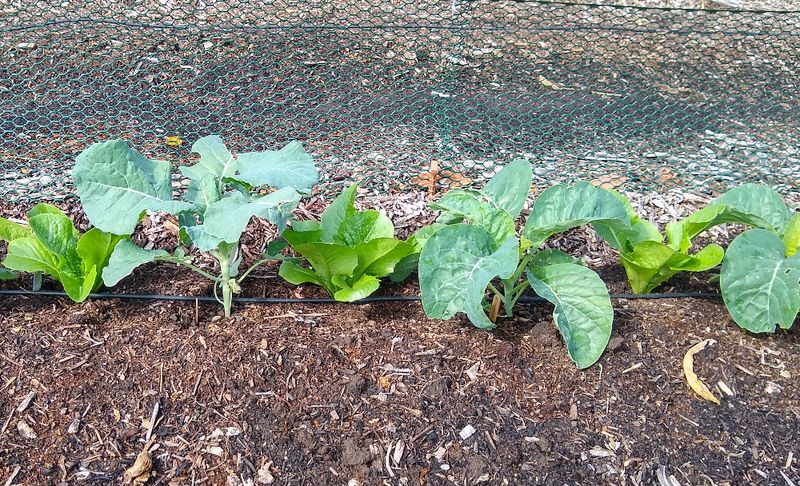
The brassica family, which includes cabbage, broccoli, cauliflower, and kale, plays rough with tomatoes. These leafy giants are notorious feeders that strip the soil of nitrogen and other nutrients fast.
When a cabbage next door is gulping down everything in the ground, your tomato roots come up short. Hungry tomatoes tend to grow slowly and drop blossoms before fruit can form.
Brassicas also spread wide leaves that can shade and crowd nearby plants. That crowding cuts airflow around your tomatoes and blocks some of the sunlight they need to keep flowering.
Many gardeners report that tomatoes planted beside cabbage simply stall out and sulk. It is not your imagination, it is real competition for limited resources.
The smart move is to give brassicas their own bed and their own feeding schedule. Keep them a few feet away from the tomato row so root zones do not overlap.
In the South, where cool-season brassicas and warm-season tomatoes can briefly overlap, timing helps too. Harvest the cabbage crop before your tomatoes hit their heavy fruiting stage, and you avoid the worst of the tug-of-war.
5. Dill (Mature)
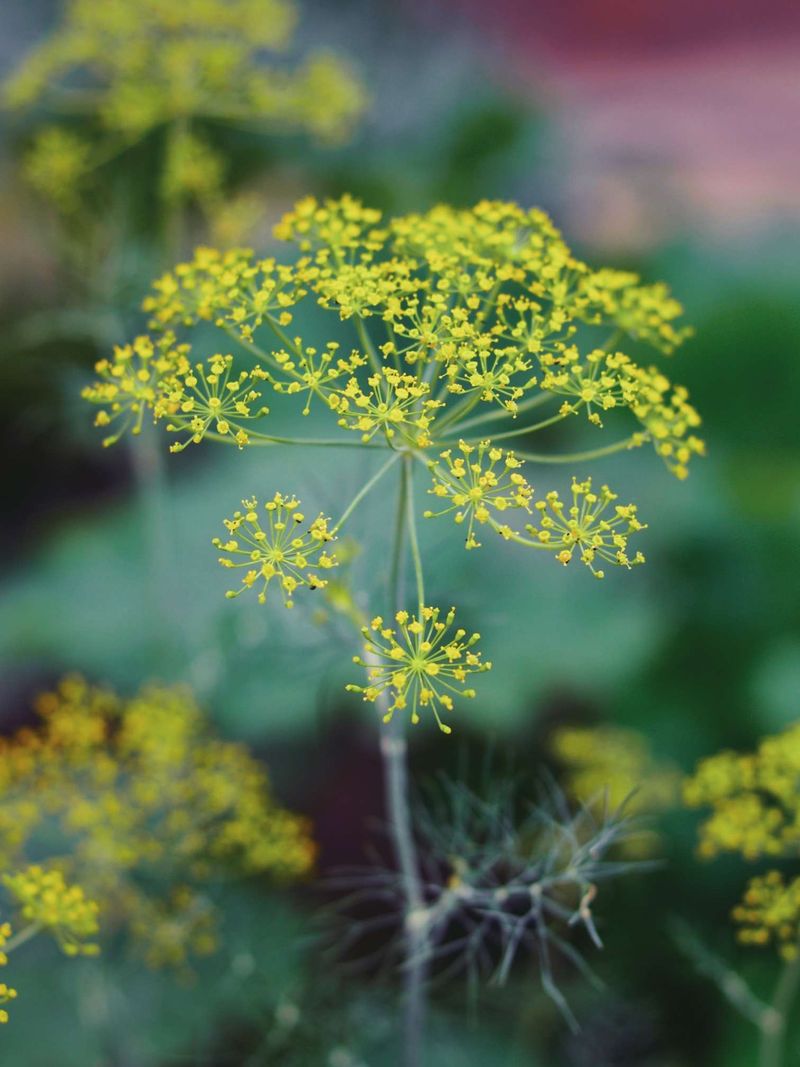
Young dill can actually help tomatoes by attracting helpful bugs, but mature dill flips the script completely. Once it grows tall and starts to flower, it turns into a quiet competitor.
Older dill releases compounds that can slow tomato growth, and its deep roots compete for water and nutrients. A plant trying to bolt and set seed pulls heavily from the soil around it.
That leaves your tomatoes with less to work with right when they should be pumping out blossoms. Fruit set often drops off when mature dill is crowding the bed.
Here is the tricky part. Dill and tomatoes look like friends at first, so gardeners let it stay too long and pay the price later in the season.
The trick is to harvest dill young and keep it trimmed, or grow it in a pot nearby instead of in the same bed. Do not let it tower over your tomato plants and go to flower.
By keeping dill small and separate, you get the herb you love without sabotaging your harvest. Your tomatoes keep their light, water, and nutrients where they belong.
6. Walnut Trees
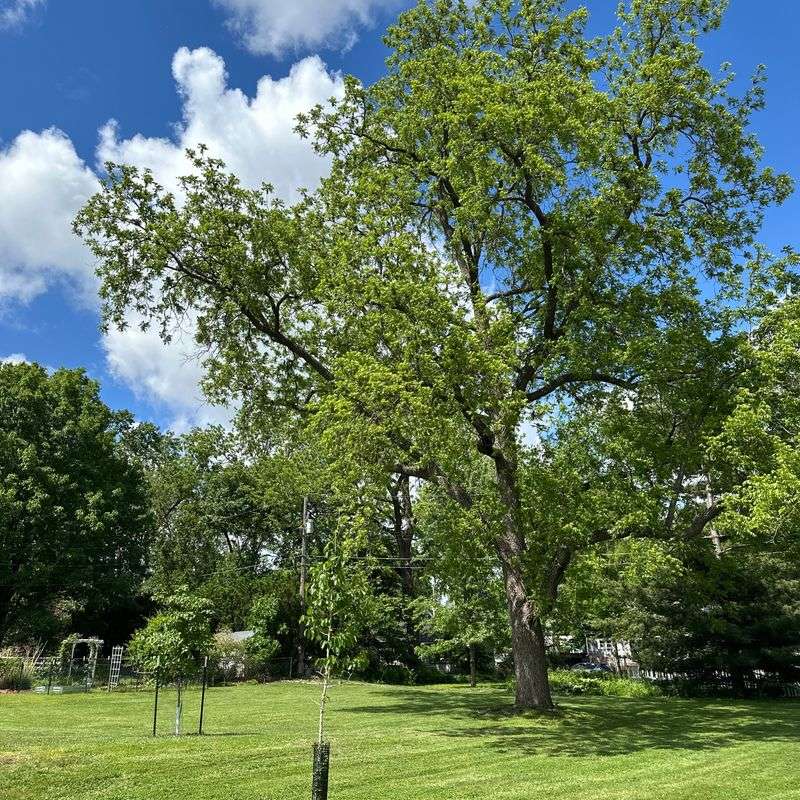
Some bad neighbors are so quiet you never suspect them, and the walnut tree tops that list. Black walnut trees release a natural chemical called juglone from their roots, leaves, and hulls.
Juglone is downright toxic to tomatoes. Plants grown near a walnut can wilt, yellow, and collapse even when you water and feed them perfectly.
The frustrating part is that the damage happens underground where you cannot see it. Your tomato looks like it is being poisoned because, in a way, it is.
Juglone spreads through the soil well beyond the tree’s canopy, sometimes as far as the roots reach and then some. A tomato bed placed anywhere near a mature walnut is asking for trouble.
The clear fix is distance. Keep tomatoes far outside the walnut’s root zone, ideally on the opposite side of the yard.
If you cannot move away from the tree, raised beds with fresh soil and a solid barrier can help reduce the exposure. Growing tomatoes in large containers is another safe workaround.
Once your tomatoes escape that juglone zone, they often bounce back and start setting fruit like normal again.
7. Rosemary (Overgrown)
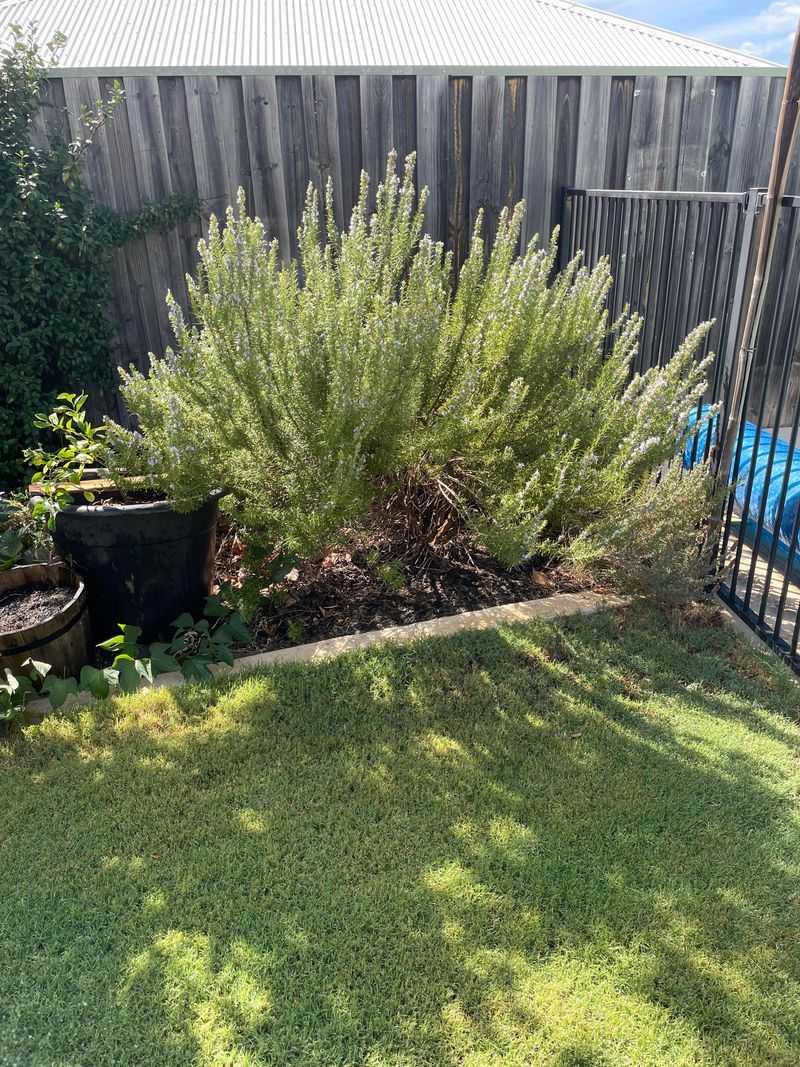
Rosemary smells wonderful and looks tidy, but let it get big and it starts throwing its weight around. In warm Southern gardens, rosemary can grow into a woody shrub several feet across.
That size is the problem. A large rosemary bush soaks up water and shades out the tomatoes planted too close, and it prefers drier soil than tomatoes enjoy.
Your tomatoes like steady moisture, while rosemary thrives when the ground dries out between waterings. Trying to please both in the same spot usually leaves the tomatoes stressed and slow to fruit.
Stressed tomatoes drop flowers, and dropped flowers mean fewer tomatoes on the vine. It is a mismatch of needs more than outright chemical warfare.
Keep rosemary in its own pot or a dry corner of the garden where its size and water habits will not bother your vegetables. Prune it back if it starts creeping toward the tomato bed.
In Florida and Texas, where rosemary can become nearly a small tree, that separation really matters. Give your tomatoes their own moist, sunny space and both plants will do better apart.
8. Peppers
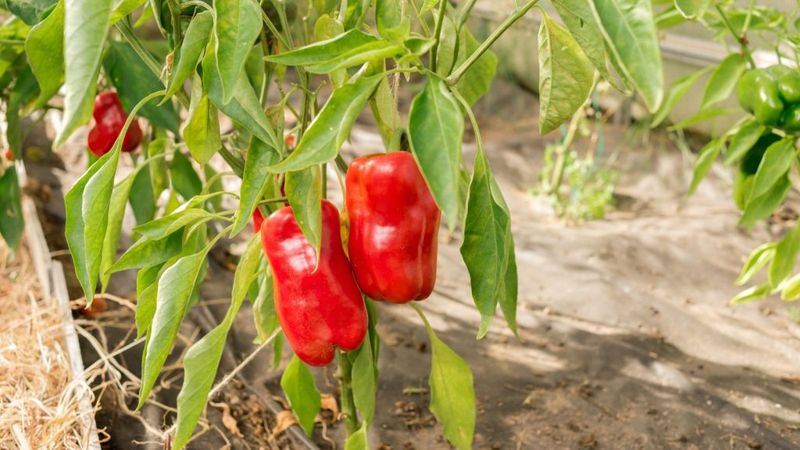
This one surprises a lot of gardeners because peppers and tomatoes seem like the perfect summer duo. They love the same heat and often ripen at the same time, so they end up crammed together in one bed.
That shared family is exactly the catch. Both are nightshades, which means they trade the same diseases like early blight, bacterial spot, and mosaic virus back and forth.
Planted right on top of each other, they also compete for identical nutrients and root space. Two heavy feeders in one small area leaves both a little shortchanged.
When peppers crowd your tomatoes too tightly, airflow drops and humidity climbs, which is a recipe for fungal trouble in muggy Southern summers. Poor airflow around blossoms can also hurt fruit set.
You do not have to banish peppers from the garden, just give them breathing room. Space the two crops well apart and avoid planting them in the exact same soil year after year.
Rotating their spots each season keeps nightshade diseases from building up. With a little distance, both plants stay healthier and your tomatoes set fruit more reliably.
9. Kohlrabi
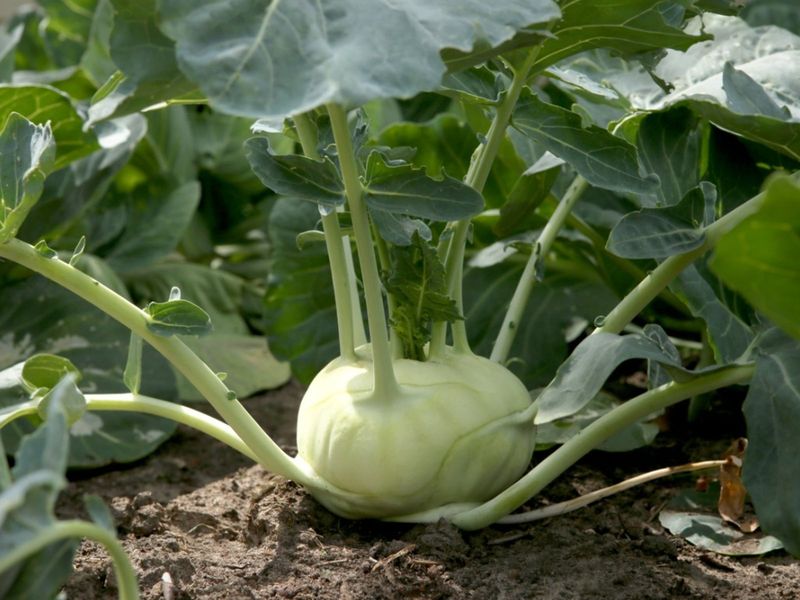
Kohlrabi is the odd-looking cousin of cabbage, and it brings the same competitive streak to the garden. That swollen, alien-looking stem needs plenty of food and water to bulk up.
All that demand comes straight out of the soil your tomatoes are counting on. When kohlrabi is nearby, tomatoes often grow slower and set fewer fruit because the nutrients are being pulled elsewhere.
As a brassica, kohlrabi also seems to have a general falling-out with tomatoes that gardeners have noticed for generations. The two just do not thrive side by side.
Its leafy top can spread out and crowd the base of your tomato plants too, cutting airflow and light near the soil line. Crowded, shaded tomato stems are more prone to problems.
Keep kohlrabi in a separate cool-season bed away from your warm-season tomatoes. In much of the South, kohlrabi grows best in fall and early spring anyway, which naturally keeps it out of peak tomato time.
Give each crop its own space and its own season, and you sidestep the whole rivalry. Your tomatoes hold their blossoms and fill out fruit far more happily.
10. Mint
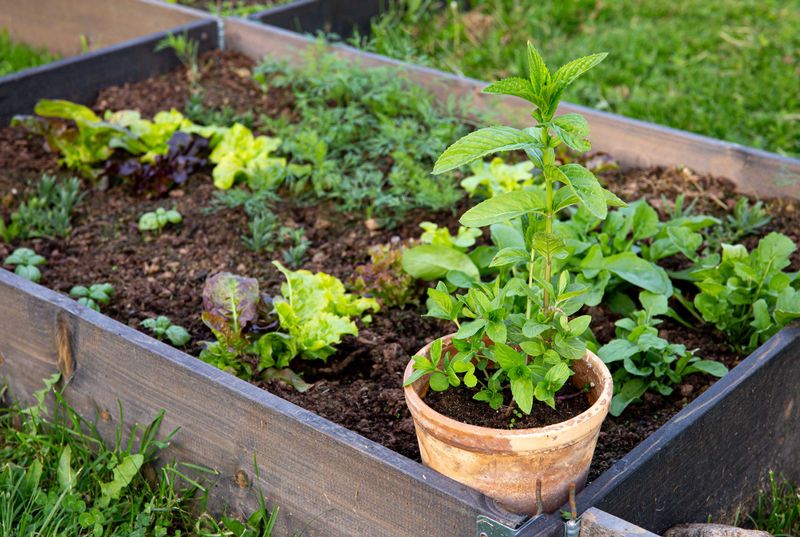
Mint is the neighbor that never respects the property line. Plant a small sprig and within a season it sends runners racing through the bed, popping up everywhere you did not want it.
Those aggressive roots invade the space around your tomatoes and snatch up water and nutrients without mercy. Mint spreads so fast it can practically choke out slower vegetable roots.
Your tomatoes end up fighting a losing battle underground, and stressed roots mean weaker plants and lighter fruit set. What looks like a harmless herb is actually a garden bully.
In the long Southern growing season, mint has even more time to run wild and take over a bed. By midsummer it can blanket the soil around your tomato stems.
The golden rule with mint is simple. Never plant it directly in the ground near vegetables, and keep it locked inside a container instead.
A pot on the patio gives you all the mint you want for tea and cooking without the invasion. If mint is already loose in your tomato bed, dig it out completely and replant it in a pot right away.
Your tomatoes will finally get their root space back.