
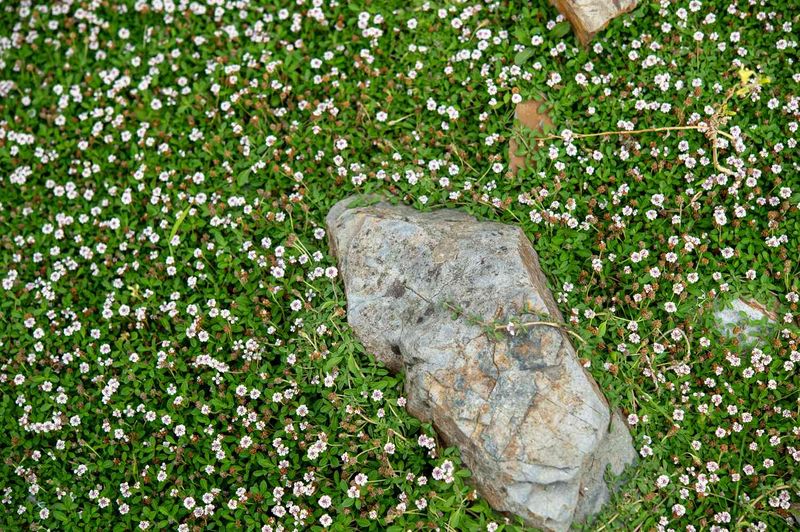
Bare soil and stubborn weeds are two of the most frustrating problems in a California yard, and most solutions trade one headache for another. Frogfruit, a low-growing native plant, offers something genuinely different: a spreading mat that fills empty ground and shades out many weeds as it matures.
The catch is that it works best when you understand exactly what it can and cannot do before you plant.
Meet frogfruit, the mat-forming native groundcover
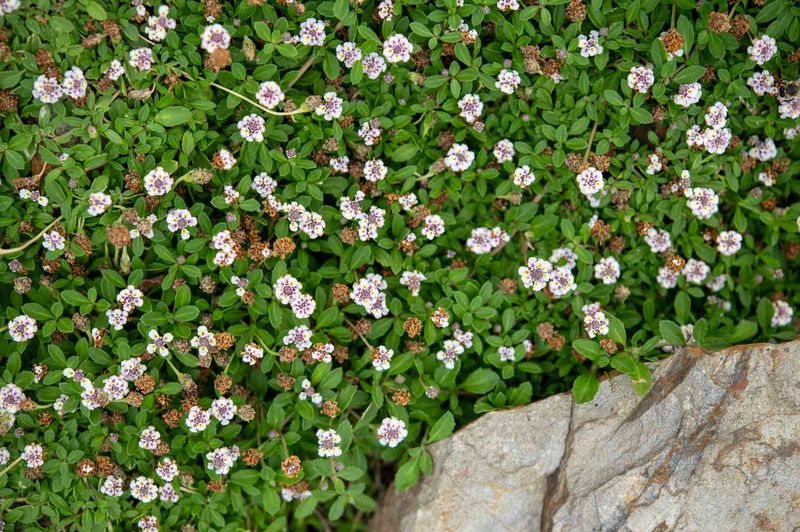
Frogfruit goes by several names – turkey-tangle frogfruit, fogfruit, matchweed, and lippia are all common – but its scientific name is Phyla nodiflora. Calflora records Phyla nodiflora as a perennial herb native to California, with populations documented across coastal, inland, Central Valley, desert, and Southern California counties.
That broad native range is part of why California gardeners looking for an honest lawn alternative keep landing on this plant.
The growth habit is what makes frogfruit so appealing for groundcover use. Long, creeping stolons spread outward from the crown and root wherever a node touches moist soil.
Individual stems can reach 8 to 10 feet in length, yet the foliage sits only about half a foot to one foot off the ground. The result is a dense, low mat that hugs the soil rather than growing upward, which is exactly the behavior gardeners want when replacing thirsty turf or covering exposed slopes.
Some sources describe frogfruit as aggressive, and that word is accurate in favorable conditions – warm temperatures, reasonable moisture, and plenty of sun. Vigorous garden behavior in a well-irrigated yard is not the same as a blanket finding that the plant is invasive throughout California, though.
The plant’s ability to spread quickly after establishment is a feature for most homeowners, not a warning label. The title of this article uses “spreads fast in the best way” as an appeal to that useful habit, but how fast and how far frogfruit spreads depends on your specific site, not on a guaranteed rate that applies everywhere.
How a living mat suppresses weeds
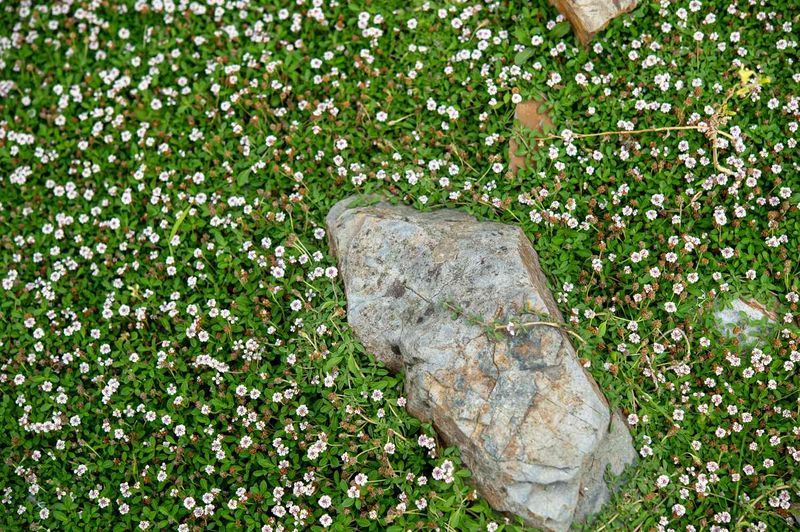
Weed suppression from frogfruit is a real benefit, but it works through a straightforward physical mechanism rather than any chemical magic. As rooted stolons fill bare patches and the canopy thickens, less open soil is available for weed seeds to germinate.
A dense, mature mat shades the ground beneath it, and many annual weeds simply cannot get started without light. UC IPM recommends close planting and soil shading as part of landscape weed management, while also noting that weed encroachment is likely during the establishment period before a groundcover fills in.
One UC Master Gardener report from Yolo County described a lippia planting that filled its plot within 18 months and completely suppressed weeds in that garden. That outcome is encouraging, but it reflects what happened in one specific yard under one set of conditions.
The same report noted that generous irrigation made the plant difficult to keep in bounds, which is a tradeoff worth knowing before you start.
The honest version of the title’s promise is this: frogfruit can suppress many weeds after it becomes established, particularly annual weeds that rely on open, sunlit soil. Perennial grasses, rhizomatous weeds, bindweed, nutsedge, and weeds pushing in from edges may continue to appear and will need hand-pulling.
Weeds are not gone for good after frogfruit moves in – they are reduced, managed, and crowded out over time, which is still a meaningful improvement over bare soil or a struggling lawn.
The establishment period is the most vulnerable window. Until the mat closes, bare patches remain, and weed seeds take full advantage of open ground.
Patience and active spot-weeding during those first months are what actually determine whether frogfruit earns its reputation as a weed-suppressing groundcover.
Prepare the site before planting
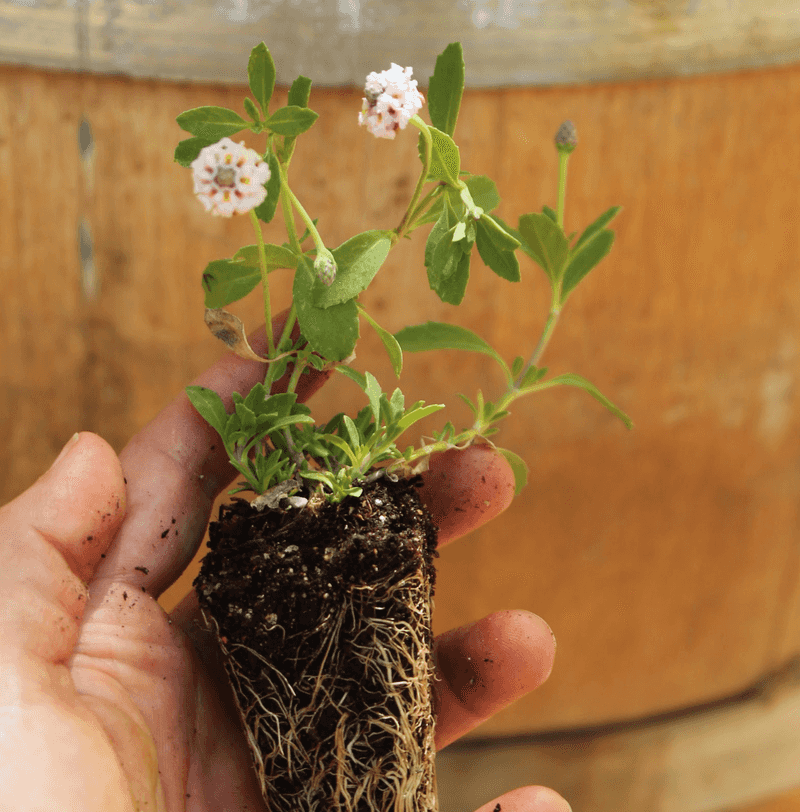
Skipping site preparation is the single fastest way to turn a promising frogfruit planting into a weedy mess. Before a single plug goes in the ground, remove all existing grass and weeds from the planting area.
Hand-pulling, solarizing with clear plastic sheeting during a hot California summer, or smothering with cardboard and compost are all reasonable approaches depending on what you are dealing with. Leaving weed roots behind, especially rhizomatous species like Bermuda grass or bindweed, guarantees competition during the period when frogfruit is most vulnerable.
UF/IFAS recommends installing frogfruit from plugs or divisions and notes that it spreads rapidly into bare patches after planting. Plugs are the most practical starting point for most homeowners because they establish quickly and give you a clear sense of coverage.
One UF/IFAS lawn-alternative guide suggests spacing divisions about 12 inches apart, though closer spacing means faster canopy closure and less open soil for weeds to exploit. Your specific fill-in speed will depend on soil quality, moisture, sun exposure, and the time of year you plant, so treat any spacing recommendation as a starting point rather than a fixed rule.
After planting, water the plugs or divisions consistently until they root in and begin to spread. “Drought tolerant” is a description of mature frogfruit, not newly installed starts. Letting young plants dry out during their first summer in the ground slows establishment and opens the door for weeds to outcompete them.
Hand-remove any weeds that emerge in the gaps between plants before they flower and set seed. UC IPM recommends removing young weeds before seed set to prevent a new weed bank from building up in the soil while your groundcover is still filling in.
A few minutes of pulling every couple of weeks during the first season makes a significant difference in how quickly frogfruit takes over from the weeds rather than competing with them.
Match frogfruit to the yard you have
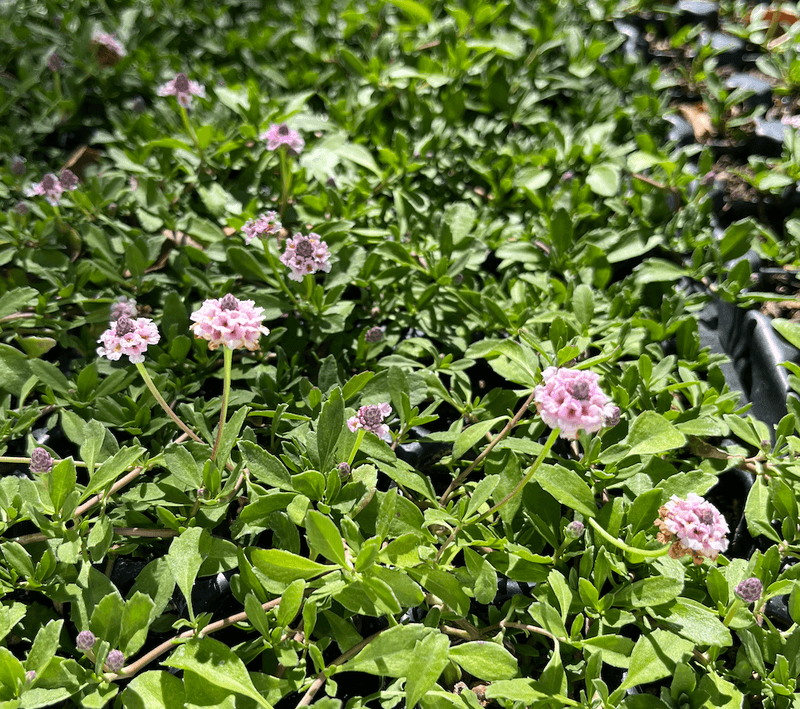
Frogfruit performs best in warm, sunny conditions, and California yards across a wide range of regions can meet that bar. UF/IFAS describes frogfruit as tolerating full sun to partial shade and a broad range of soil textures, including sandy, loamy, and clay soils.
That flexibility makes it a reasonable candidate for the kind of variable, often-neglected soil found in suburban California yards where turf has been removed or never established well.
Summer drought is the most important California-specific variable to plan around. Mature frogfruit is described as drought tolerant, and established plantings in California can get by with little supplemental water once the mat is dense.
However, plants under severe drought stress may look rough, thin out, or go partially dormant. If your yard sits in a hot inland valley with months of triple-digit heat and no irrigation, frogfruit may need occasional deep watering to stay green and dense through the worst of summer, even after establishment.
Winter dormancy is another regional factor. In colder California microclimates and higher-elevation areas, frogfruit may experience dieback or look sparse during cold months and recover with warming temperatures in spring.
Coastal California yards with mild winters generally see less dormancy. Readers in the Southern United States should note that Phyla nodiflora is native across much of the southern U.S., but growing conditions in humid Florida or East Texas differ enough from California that irrigation, drainage, and seasonal timing recommendations from one region do not transfer automatically to the other.
Before buying planting material, check your yard’s sun exposure, drainage, existing soil type, and local water restrictions. A shady, poorly drained north-facing slope is a poor fit.
A sunny, well-drained, south- or west-facing area with reasonable access to irrigation during the first season is exactly where frogfruit is most likely to deliver on its reputation.
A low-water groundcover still needs boundaries
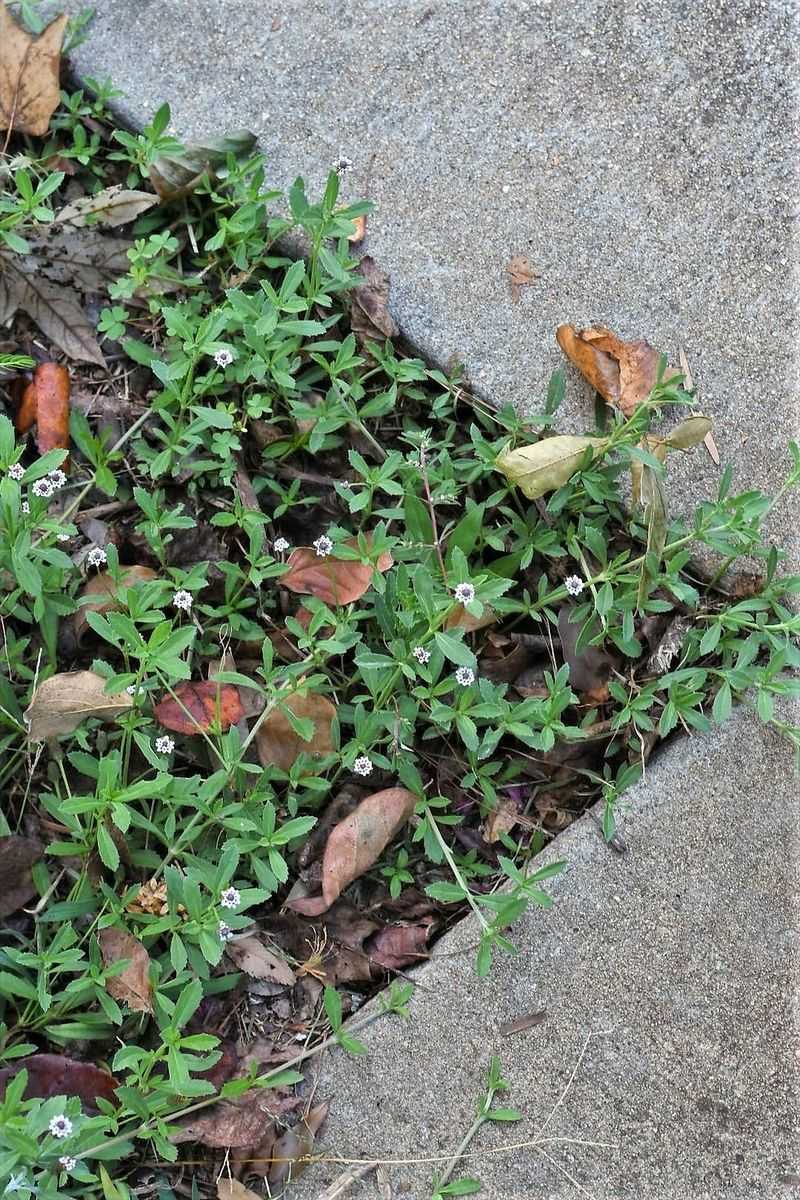
Frogfruit is not a plant-it-and-forget-it solution. The same stolon-rooting behavior that makes it a fast-filling groundcover also means it will cross paths, creep into adjacent beds, and push under fences if nobody is paying attention.
Edging along hard surfaces and garden borders is a regular maintenance task once the mat is established, particularly if you are irrigating generously. The UC Yolo County report noted that generous irrigation made the planting difficult to keep in bounds, which is worth remembering if you are in a yard with an automatic drip or sprinkler system.
Mowing is optional but useful for homeowners who want a tidier, more turf-like appearance. UF/IFAS recommends mowing frogfruit at 4 inches or higher to maintain appearance without damaging the plant.
Mowing height and frequency should reflect your local climate, the time of year, and whether you want flowers for pollinators – mowing removes blooms, so a yard managed primarily for wildlife value may want to mow less often or skip summer mowing entirely. Occasional trimming along edges can substitute for full mowing if the area is small.
Foot traffic is another boundary to set clearly. Frogfruit handles light and occasional walking, such as crossing a yard to reach a gate or stepping through to access a garden bed.
UC Master Gardener guidance distinguishes occasional traffic from frequent, heavy use, and frogfruit is not suited for the latter. Sports play, daily high-traffic paths, and areas where children run repeatedly are better served by conventional turf or a hardscape solution.
The plant can recover from light use, but repeated heavy compaction will thin the mat and create bare patches that invite weeds back in.
Spot-weeding during establishment remains important even after the mat begins to fill. Hand-pull any weeds that emerge at the edges or in gaps before they set seed, and monitor the perimeter where stolons meet sidewalks, driveways, or neighboring plants.
A few minutes of maintenance every couple of weeks keeps frogfruit working for you rather than becoming a new management problem.
Flowers support pollinators but change the lawn tradeoff
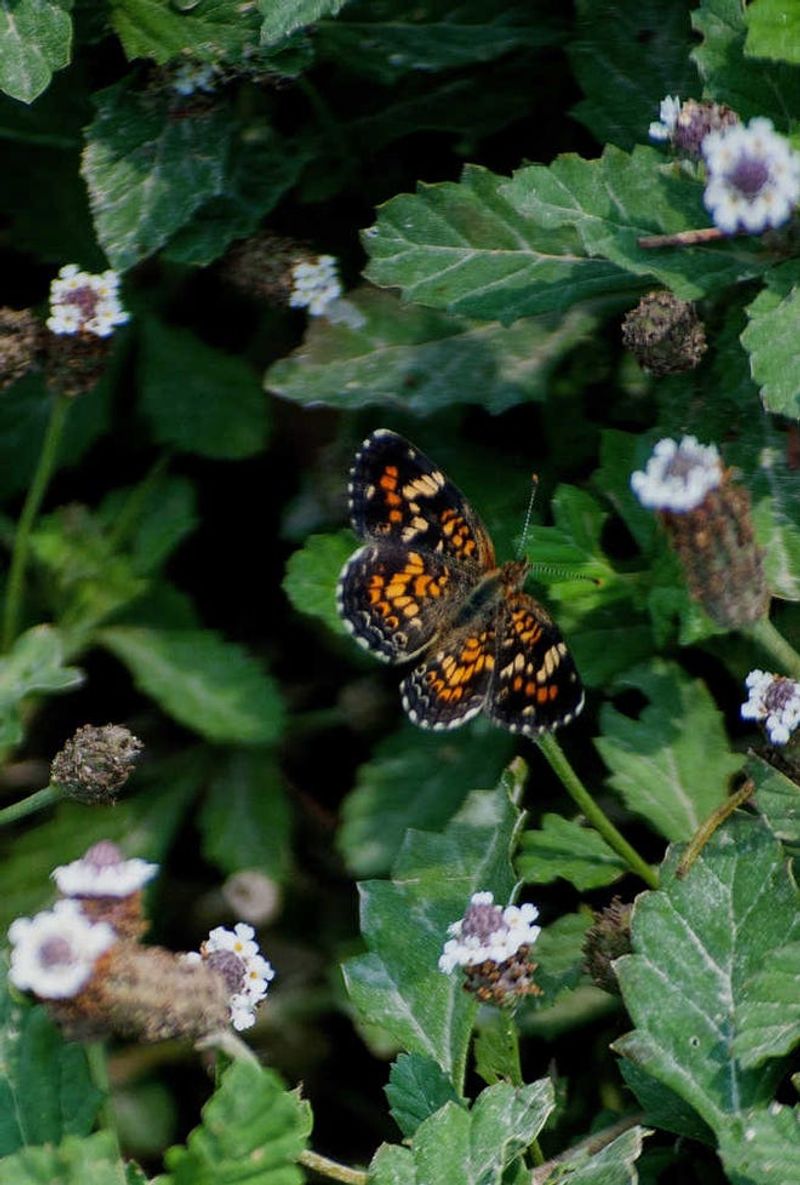
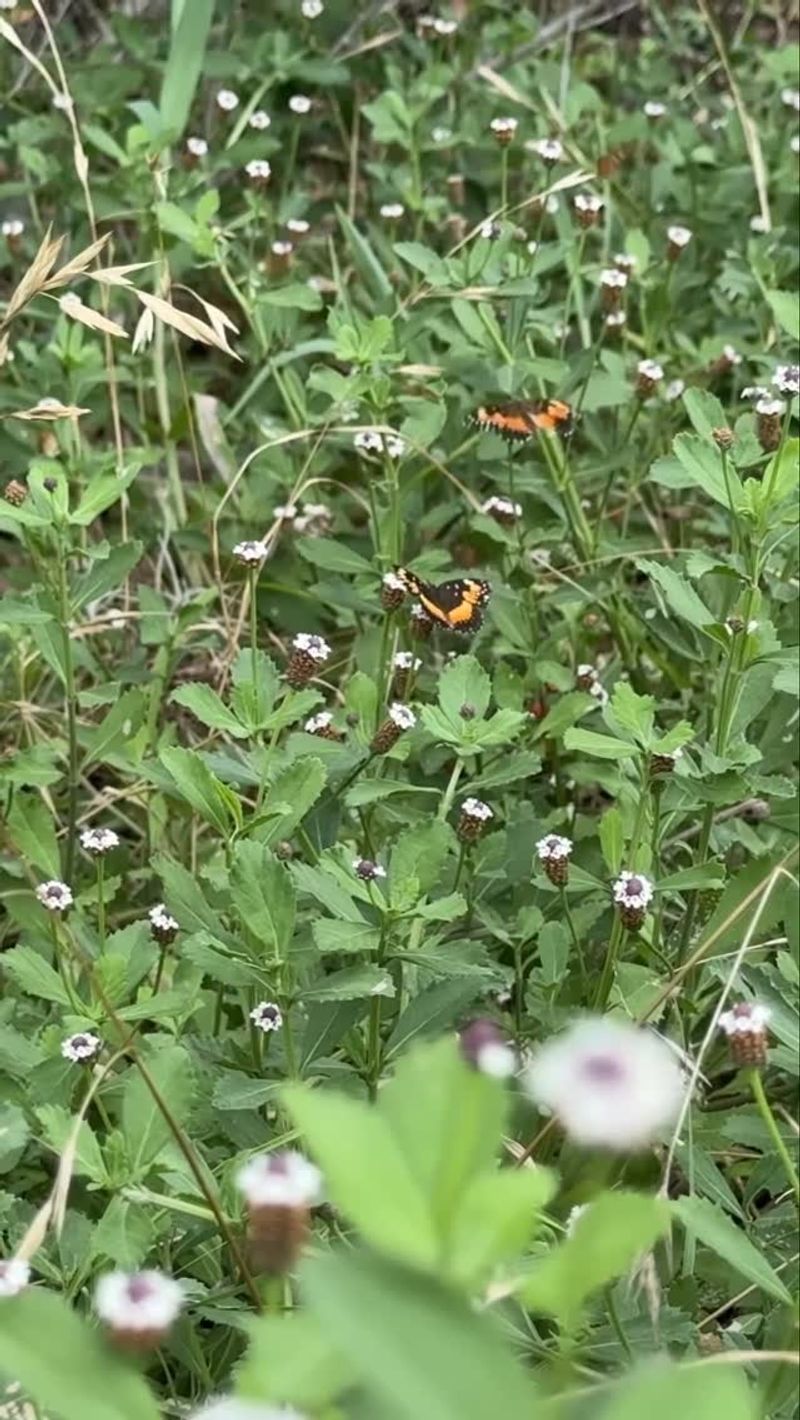
One of frogfruit’s strongest selling points for California homeowners is its value to wildlife. The small, clustered flowers – white to pale pink, appearing from spring through fall – attract bees, butterflies, and other beneficial insects throughout the warm season.
UF/IFAS identifies frogfruit as a larval host plant for phaon crescent, white peacock, and buckeye butterflies, and as a nectar and pollen resource for multiple bee species. For a California homeowner trying to support a yard that feels genuinely alive, that is a meaningful payoff from a plant that also reduces water use and suppresses weeds.
The tradeoff is that a flowering groundcover behaves differently from a conventional lawn. Bees visiting frogfruit flowers are doing exactly what bees are supposed to do, and that is worth factoring into where you plant it.
UC Master Gardener guidance notes that flowering Kurapia – a related cultivar – should not be used in children’s play areas where bees are a concern, and the same logic applies to flowering frogfruit. Barefoot paths, play lawns for young children, and high-use areas where bee encounters could be a problem are not ideal locations for a plant in full bloom.
Mowing can reduce flower production and shift frogfruit toward a more uniform, turf-like appearance. That is a reasonable trade if a tidier look or lower bee activity in a specific area is the priority.
Mowing does not, however, make frogfruit equivalent to conventional turf in terms of surface uniformity, traffic tolerance, or seasonal appearance. The plant is still a groundcover with its own texture and growth pattern, not a grass substitute in every practical sense.
Placement decisions should reflect how the space is actually used, with wildlife value and human activity both factored in before you commit to a location.
Understand the frogfruit–Kurapia distinction
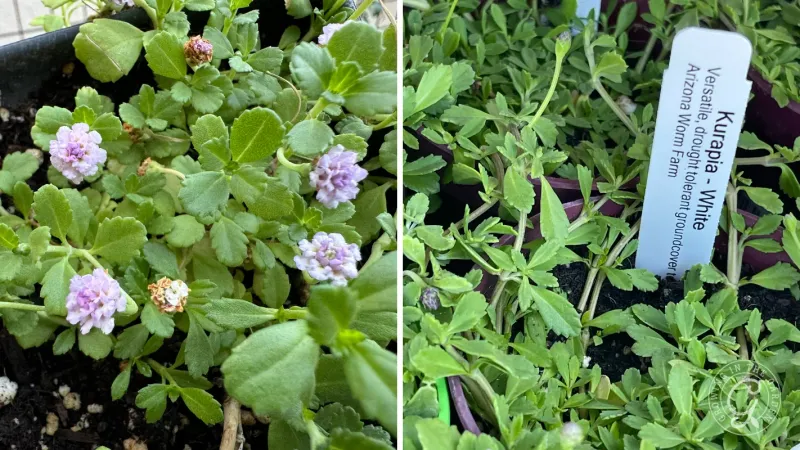
Walk into a California nursery or search online for a low-water lawn alternative, and you may encounter both frogfruit and Kurapia listed under similar botanical names. Understanding the difference between them matters before you buy anything.
Locally native frogfruit refers to plant material or populations of Phyla nodifloraPhyla nodiflora that originate from California native plant sources. Kurapia is a different horticultural product: a sterile cultivated form associated with , developed in Japan and introduced to the U.S. market as a water-wise turf alternative.
UC Davis describes Kurapia as a sterile low-water cultivar developed in Japan, meaning it does not produce viable seed under normal conditions. That sterility is a selling point for homeowners who want a groundcover that cannot spread by seed into neighboring areas.
However, sterility does not mean Kurapia stays put. The plant still spreads vegetatively through stolons, and edging along paths, beds, and boundaries remains a regular maintenance task just as it is with ordinary frogfruit.
The two are related plants, not wholly unrelated products, but they are not interchangeable choices. Calflora documents Phyla nodiflora as a California native, while Kurapia’s cultivated origin in Japan means it carries a different ecological profile and is not considered locally native plant material.
If supporting local genotypes and native plant ecology is a priority for your yard, seek out nursery-grown frogfruit sourced from California native plant collections rather than Kurapia.
On the other hand, if sterility and a more uniform appearance are priorities and supporting strictly local genotypes is less of a concern, Kurapia may suit your yard better. The key is knowing which product you are buying before it goes in the ground, since plants sold under lippia or Phyla nodiflora names at retail nurseries are not always clearly labeled as one or the other.
Choose sensitive sites with extra care
Frogfruit suits a wide range of California yards, but it is not the right choice for every location. Vigorous, stolon-spreading groundcovers require extra caution when the planting site is near wetlands, riparian corridors, vernal pools, or other sensitive native habitats.
An older California Invasive Plant Council inventory flagged Phyla nodiflora for taxonomic and habitat questions, particularly around vernal pools and wetlands. That listing reflects specific ecological concerns rather than a finding that frogfruit is broadly invasive in California gardens, but it is reason enough to check local guidance before planting anywhere near sensitive natural areas.
If your yard backs up to a creek, seasonal drainage, or a native plant preserve, contact your local native plant society, a UC Cooperative Extension advisor, or your county’s invasive plant working group before installing frogfruit or any other vigorous groundcover nearby. UC IPM guidance on landscape weed management consistently emphasizes site-specific decision-making, and the same principle applies to plant selection near ecologically sensitive edges.
What works well in a suburban yard surrounded by hardscape is a different calculation from what belongs near a vernal pool.
Calflora’s county-level records for Phyla nodiflora can help you understand where the plant already occurs naturally near your location, which is useful context when evaluating whether a planting would introduce it to a new area or simply fill a yard within its native range.
For most California homeowners replacing thirsty turf or bare soil in a standard suburban yard, frogfruit is a well-matched, low-water, pollinator-friendly groundcover worth serious consideration – provided you manage establishment, stay on top of weeding and edging, set realistic traffic expectations, and pick a site with the right sun, drainage, and distance from sensitive habitat. Plants that work hard for your yard are worth the honest effort it takes to use them well.