
West-facing windows can turn a Florida room into an oven by late afternoon. The right native shrubs can block harsh sun before it hits the glass, while adding flowers, berries, privacy, and wildlife value.
Pick shrubs that fit your space, soil, and salt or storm exposure, and you can make the house feel cooler without making the yard harder to manage.
1. Walter’s Viburnum
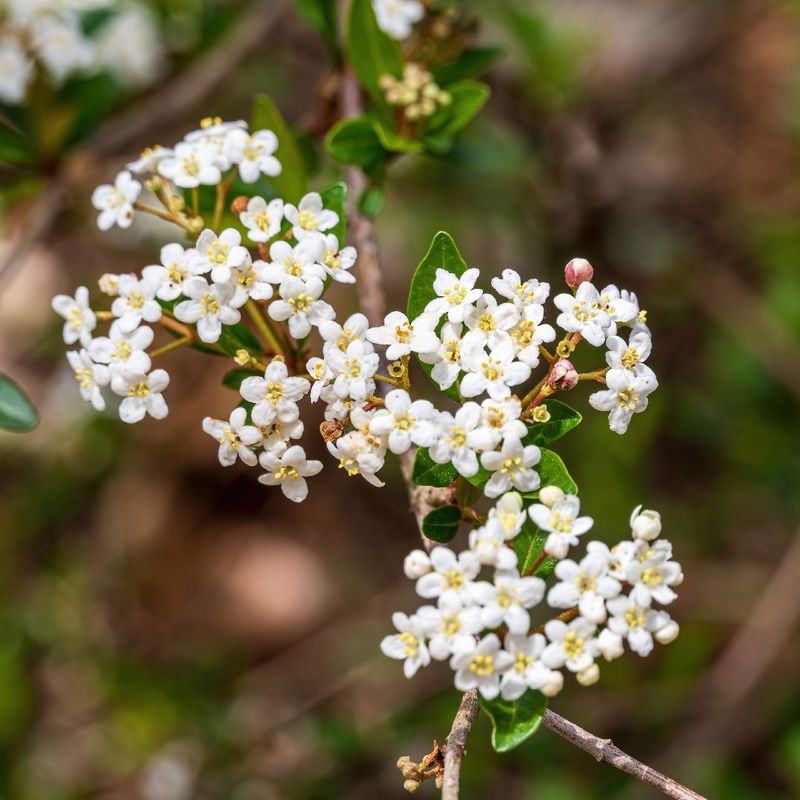
A tidy wall of green can do a lot of work on the west side of a Florida house, and Walter’s viburnum is one of the most useful native choices for that job. It grows dense enough to soften afternoon glare, yet it can be pruned into a neat screen instead of becoming a wild-looking thicket.
For window shade, plant it where the mature canopy will sit between the glass and the low western sun. Many selections can be kept around shrub height, while larger forms can grow into a small-tree shape if you want shade higher on the wall.
Small white blooms in spring bring pollinators, and the berries can feed birds later in the year. In many Florida yards, Walter’s viburnum handles sun, part shade, and typical sandy soil once established, though it appreciates water during dry stretches while young.
Use it where you want a polished look along a foundation, patio edge, or side yard. Give it room for airflow, keep mulch off the trunk, and trim lightly after flowering so it stays full where you need the shade most.
2. Simpson’s Stopper
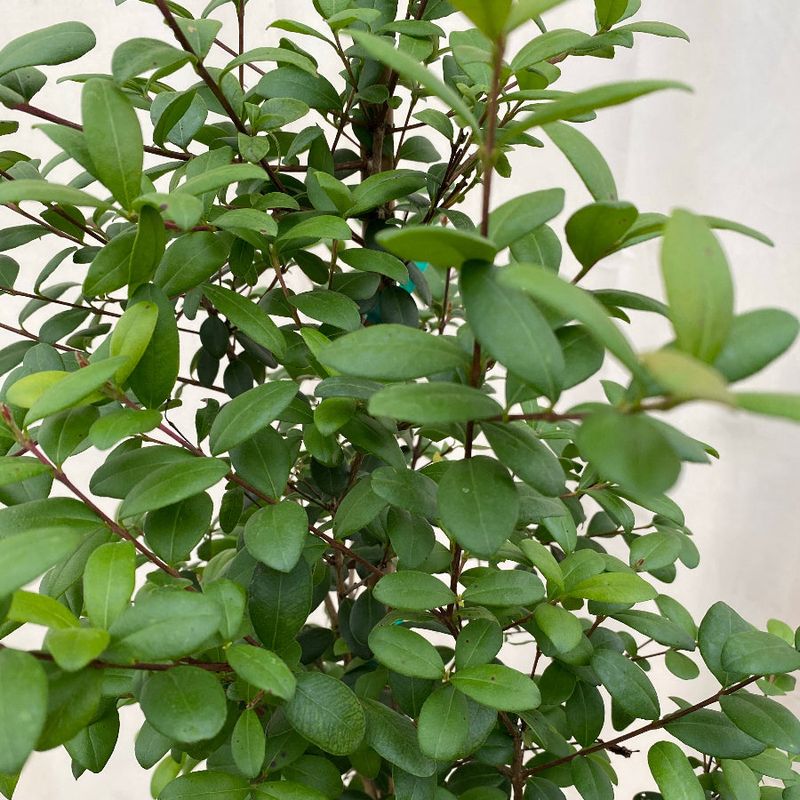
There is something quietly elegant about Simpson’s stopper when it is used as a living curtain. The leaves are glossy, the growth is naturally full, and the plant has enough structure to shade windows without looking stiff or formal.
Homeowners often like it near west-facing bedrooms, dining rooms, and porch windows because it can be maintained as a medium shrub or allowed to grow taller. That flexibility makes it helpful for blocking the low-angle sun that slips under roof overhangs in late afternoon.
Small white flowers appear in warm weather and often draw bees and butterflies. Bright orange to red berries follow, giving mockingbirds, cardinals, and other backyard birds a reason to visit.
The crushed leaves can have a pleasant spicy scent, which is a fun bonus when pruning or walking nearby.
Simpson’s stopper is especially handy in coastal and urban Florida landscapes because it tolerates heat and can handle some salt exposure once established. Plant it in a spot with sun to part shade, water it well during establishment, then let it become one of the lower-fuss shrubs in the bed.
3. Marlberry
If your west side has a little filtered light instead of blazing all-day sun, marlberry may be the native shrub that feels right at home. It has a softer woodland look than a clipped hedge, which makes it useful for gardeners who want shade without a rigid green wall.
Marlberry can form a rounded evergreen screen that helps cool the air around windows and blocks some of the late-day heat before it reaches the glass. It works especially well near patios, side yards, and back walls where you want a natural transition into a wildlife planting.
Clusters of white to pinkish flowers may appear in warm months, followed by dark berries that birds enjoy. The plant is native to parts of Florida and is often associated with hammocks and coastal woods, so it suits gardens aiming for a more layered, native look.
Give marlberry moisture while it gets established, especially in fast-draining sand. It is not the best pick for a hot, dry strip that never gets irrigation, but in a partly shaded or moderately moist spot, it can become a handsome screen with very little drama.
4. Cocoplum
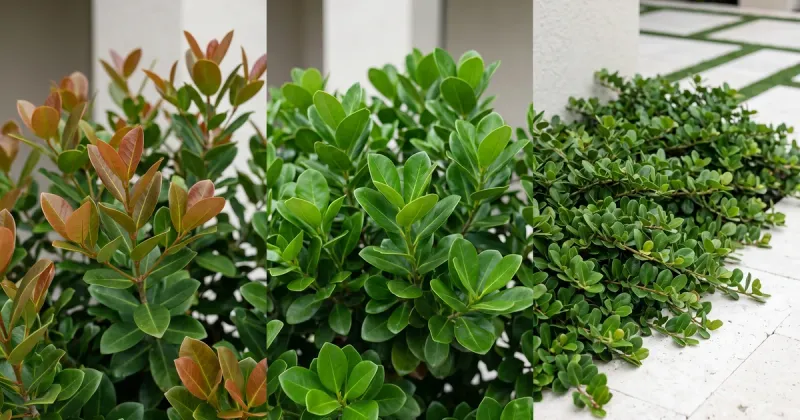
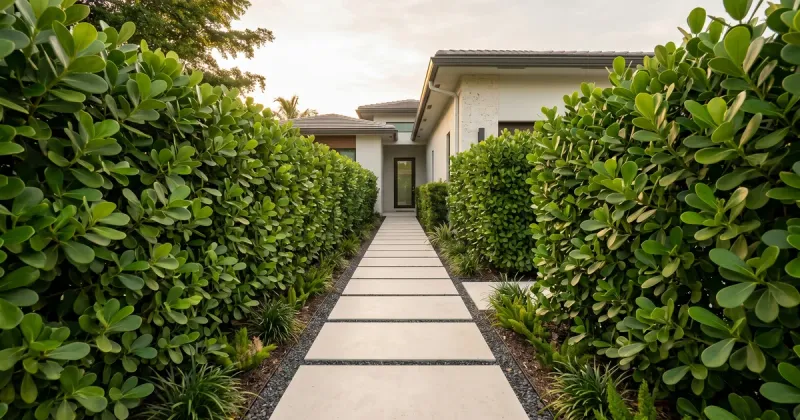
Few native shrubs say South Florida quite like cocoplum. With rounded leaves, colorful new growth, and a naturally dense habit, it can turn a hot west wall into a greener, cooler-looking edge of the home.
Cocoplum is best for central and southern Florida landscapes, especially where cold snaps are less severe. In the right region, it can be clipped into a hedge or left looser for a more tropical feel.
Either way, the foliage can intercept strong afternoon sun and reduce the amount of direct heat hitting windows.
Small flowers are followed by plum-like fruits that wildlife may use, and some people grow the plant partly for its old Florida character. It also handles heat, humidity, and sandy soil once established, which makes it a practical pick for many low-maintenance yards.
For window shading, avoid shearing it into a flat, thin panel. A slightly deeper hedge casts better shade and protects the plant from looking sparse after stress.
In tighter spaces, choose a compact planting distance and prune lightly but regularly, rather than waiting until it becomes oversized.
5. Firebush
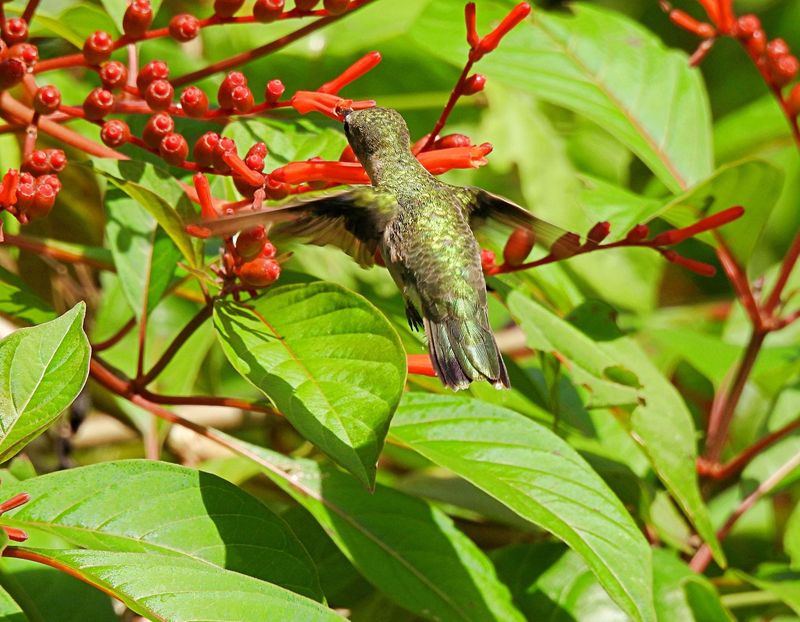
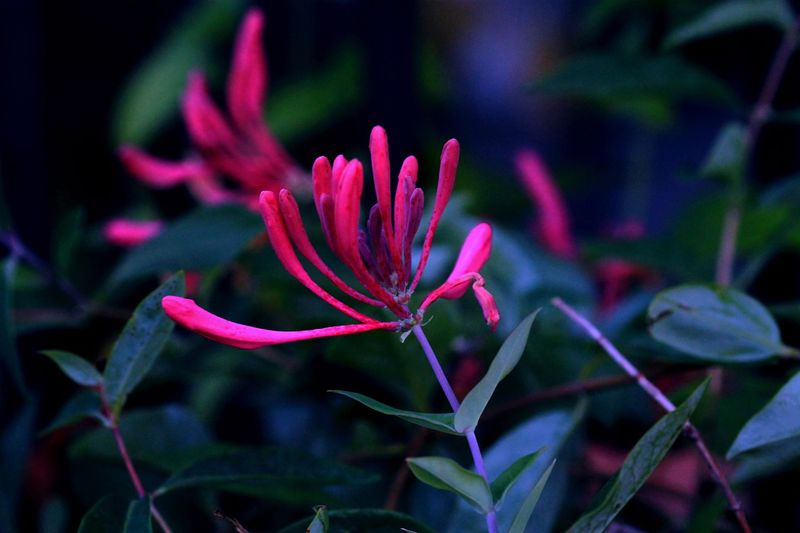
Some shrubs shade a window politely, while firebush puts on a show while doing it. Orange-red tubular flowers bring hummingbirds and butterflies through the warm months, turning a practical heat-blocking planting into a lively view from inside the house.
Firebush grows quickly in warm Florida conditions, which is helpful when you need shade sooner rather than later. It can be placed near west-facing windows where there is enough room for its loose, arching habit.
Instead of a formal hedge, think of it as a colorful screen that filters sun and movement.
In frost-free areas, firebush may stay evergreen and shrub-like year-round. Farther north in Florida, cold weather can knock it back, but it often returns from the roots when conditions warm.
That makes it better for seasonal screening in colder parts of the state, not the main permanent barrier for a window that needs year-round shade.
Plant it in sun for the heaviest flowering, and water during establishment. Once settled, firebush is usually tough, heat-loving, and forgiving, a strong match for gardeners who want cooling shade plus real wildlife payoff.
6. Wax Myrtle
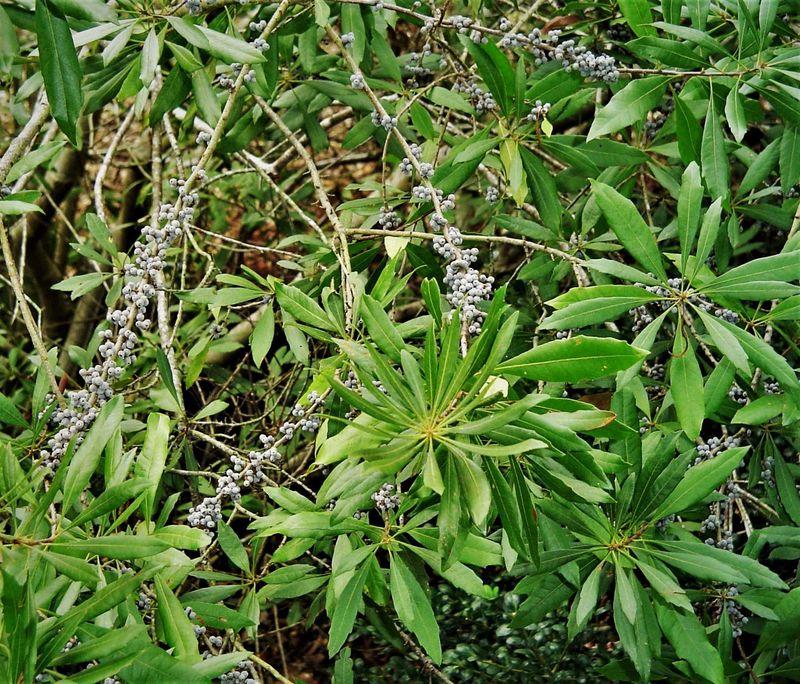
When a window needs taller shade fast, wax myrtle deserves a serious look. It has a relaxed, airy shape that can screen a broad wall without making the house feel boxed in.
Wax myrtle can grow as a large shrub or small tree, so it is best for spots with enough room. Place it several feet away from the foundation, then allow the canopy to spread where it can catch the low western sun.
Used well, it shades glass, siding, and nearby outdoor seating areas.
The foliage is aromatic when crushed, and female plants can produce waxy gray berries that birds eat. It is also useful in Florida yards with sandy soil, periodic wetness, or tough edge conditions, though good establishment care still matters during the first year.
Because wax myrtle grows with energy, plan on selective pruning instead of constant shearing. Remove crowded stems, lift the canopy if needed, and keep it from pressing against screens or gutters.
For larger west walls, garages, and second-story exposure, it offers more height than many smaller native shrubs.
7. Florida Privet
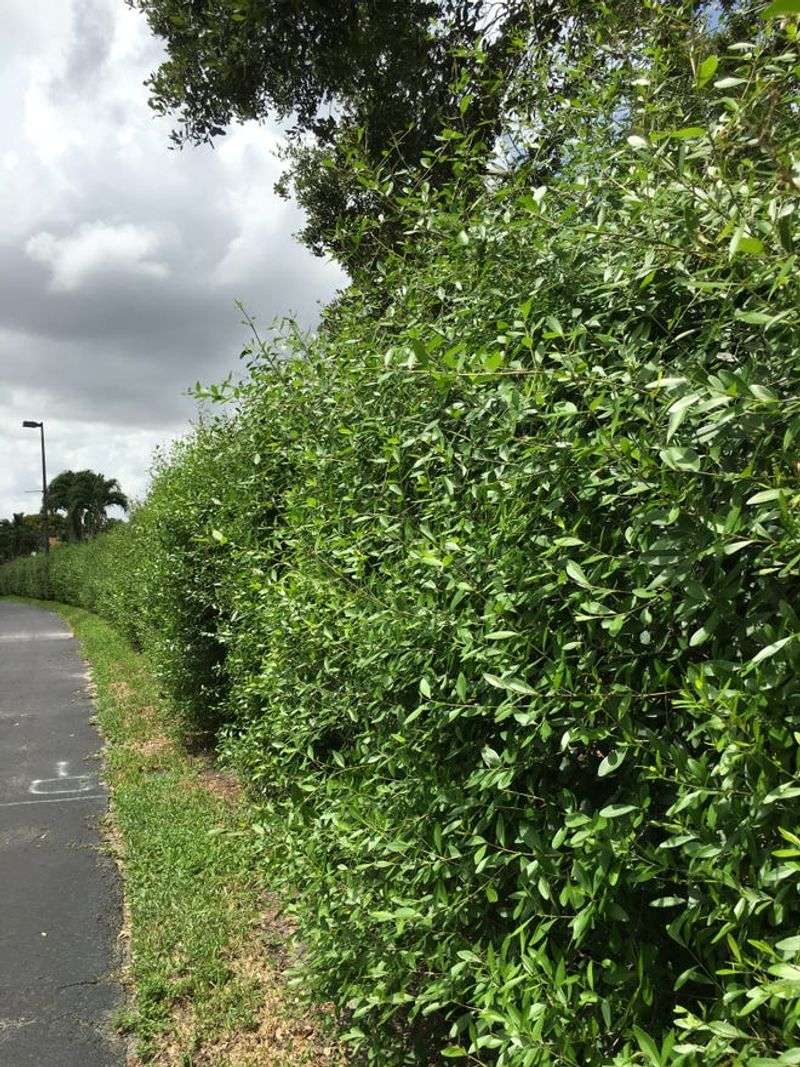
For gardeners who like the idea of a classic hedge but want a native option, Florida privet brings that familiar screening role into a more wildlife-friendly planting. It has small leaves, a dense habit, and enough toughness to work in hot, bright areas when properly sited.
Florida privet can help shade west-facing windows by forming a thick buffer between the sun and the house. It is especially useful where you need a medium-height screen, such as beside a kitchen window, along a side-yard walkway, or near an outdoor sitting area that bakes after lunch.
Clusters of small white flowers can appear and may attract pollinators, followed by berries used by birds. The plant is native to Florida and other parts of the Southeast, and it can fit into coastal-style landscapes, wildlife borders, and foundation beds with a natural look.
Give it sun to part shade and well-drained soil, then prune for fullness rather than shaving it too hard. A layered shape, slightly wider at the base than the top, keeps lower leaves healthier and creates better shade where the afternoon sun hits hardest.