
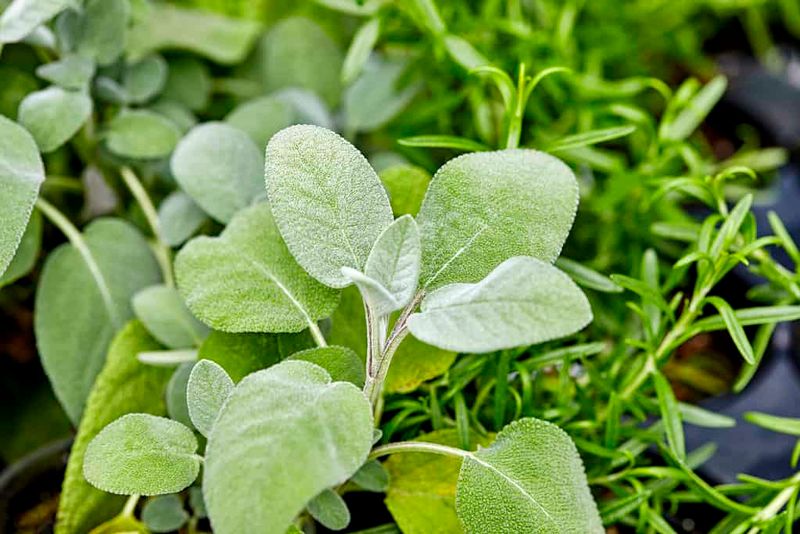
Fall is when rats start hunting for warm places to nest, and your California yard can accidentally roll out the welcome mat. The good news is that a handful of strong-smelling herbs planted right now can make your garden far less inviting to rodents while still keeping bees and birds happy.
These plants love our dry, sunny Mediterranean climate, so they fit right into a water-wise yard. Here are seven herbs to get in the ground before rat season peaks.
1. Rosemary
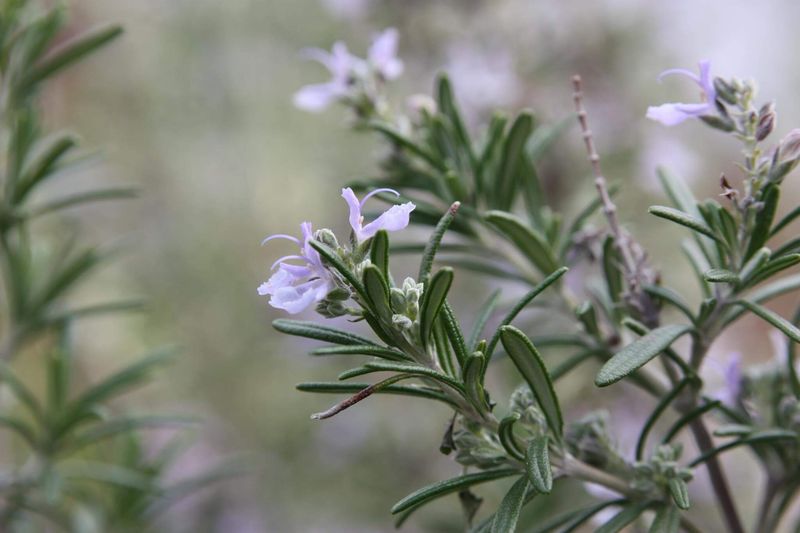
Few plants earn their keep like rosemary, which thrives in California’s long dry summers and shrugs off drought once established. Its resinous, piney scent is exactly the kind of strong aroma that rats tend to avoid when they go looking for a quiet corner to nest.
Plant it now along foundations, fence lines, and the edges of raised beds where rodents like to travel. A woody rosemary hedge can grow dense enough to make those pathways feel exposed and unwelcoming.
You get bonus points too. Rosemary flowers feed native bees through the cooler months, so you are helping pollinators while you may be nudging rats elsewhere.
Give it full sun and sharp drainage, and it will reward you for years with almost no fuss.
2. Mint
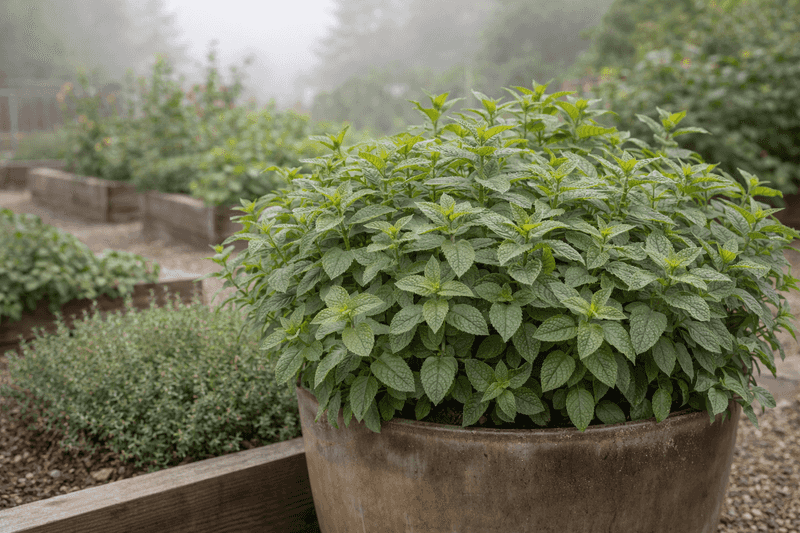
Crush a single mint leaf and the whole area fills with that sharp, cooling smell. Rats reportedly find that intensity overwhelming, which is why gardeners have tucked mint near sheds and crawl spaces for generations.
A word of caution: mint spreads aggressively through underground runners, so plant it in pots or buried containers rather than open beds. In California’s climate it can take over a bed in a single season if you let it roam free.
Set those containers near doorways, garage entries, and along the base of walls where rodents like to squeeze through. The concentrated scent works best in tight spots, and you get fresh mint for tea as a happy side benefit.
3. Lavender
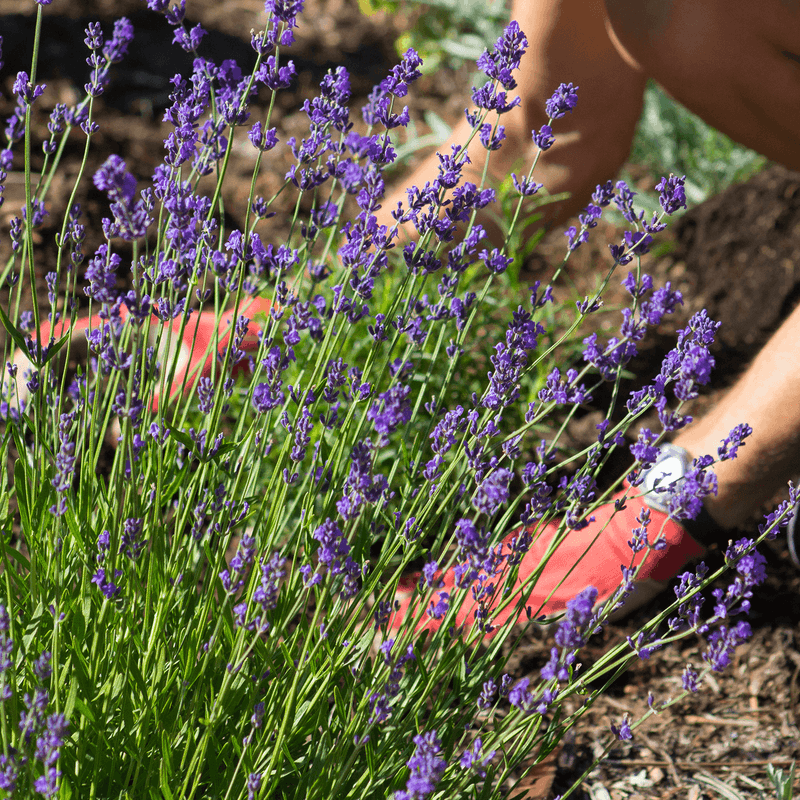
Beloved for its calming scent by people, lavender seems to have the opposite effect on rats. The same fragrant oils that make it a spa favorite can help make your beds smell unpleasant to rodents scouting for shelter.
It is practically built for our region, handling heat, poor soil, and water restrictions like a champion. Plant lavender in a sunny front border or along a walkway and it becomes a low-water anchor for the whole yard.
Pollinators adore it, so a lavender edge buzzes with bees and butterflies while quietly working the perimeter against pests. For hillside homeowners, its tidy, low-growing form also fits neatly into defensible-space planting when spaced properly.
4. Sage
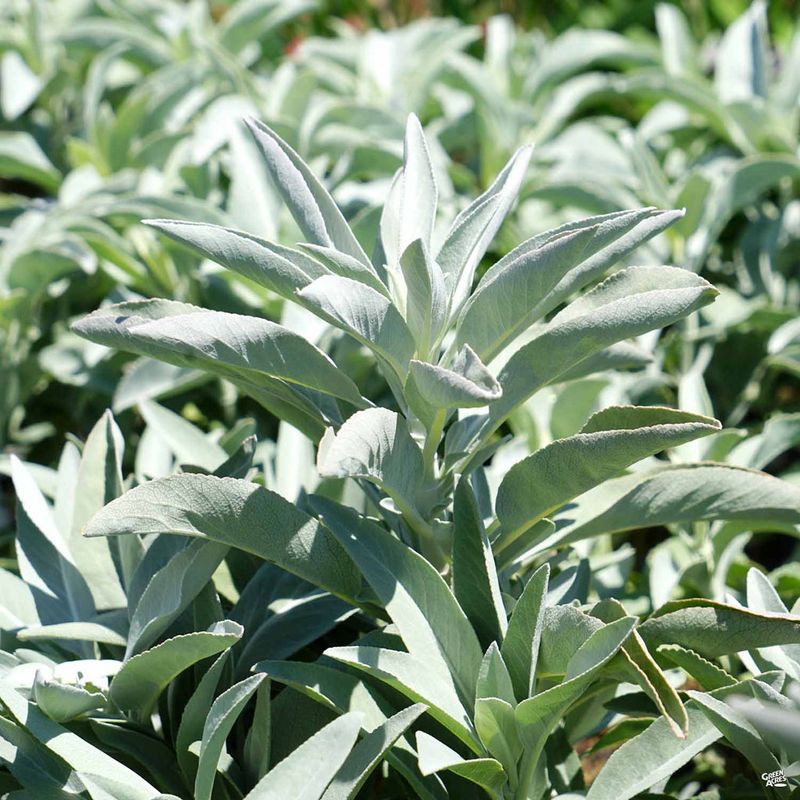
Sage brings a musky, earthy punch that lingers in the air long after you brush past it. That heavy aroma is thought to muddle a rat’s sharp sense of smell, making your beds harder to scout for food and shelter.
Both culinary sage and California’s native sages love our dry summers and rocky soil. Planting native white or black sage does double duty, deterring rodents while feeding native pollinators and fitting a water-wise landscape.
Tuck it near compost bins, vegetable beds, and the corners of the yard where rats tend to congregate. It stays attractive year-round and asks for very little water once its roots settle in.
5. Oregano
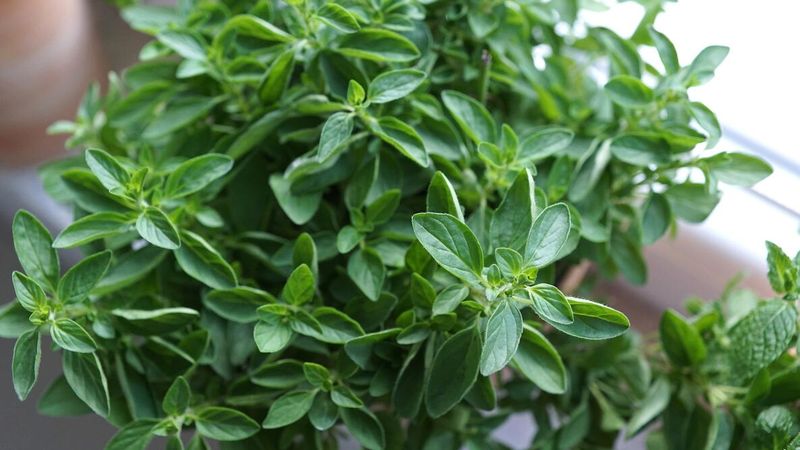
Low, sprawling, and packed with pungent oils, oregano is the quiet workhorse of a pest-aware herb bed. Its sharp scent carries well in warm weather, which suits California’s long growing season nicely.
Because it grows as a spreading mat, oregano is perfect for covering the bare ground along fences and under shrubs where rats like to run unseen. Fill those gaps and you take away the hidden highways rodents prefer.
It handles drought, poor soil, and neglect without complaint, so it is an easy add for busy homeowners. Snip some for the kitchen and let the rest keep working the ground-level defense.
6. Thyme

Small leaves, big smell. Thyme releases a wave of aromatic oils whenever it is stepped on or brushed, and that constant scent release can help keep rodents from settling in.
Creeping thyme works beautifully between pavers and along path edges, turning walkways into fragrant, low-water carpets. In our Mediterranean climate it stays green and tough through the dry months with barely any irrigation.
Plant it where foot traffic will keep releasing its oils, like near the front entry or garden gate. You end up with a soft, living border that smells wonderful to you and far less welcoming to rats.
7. Catnip
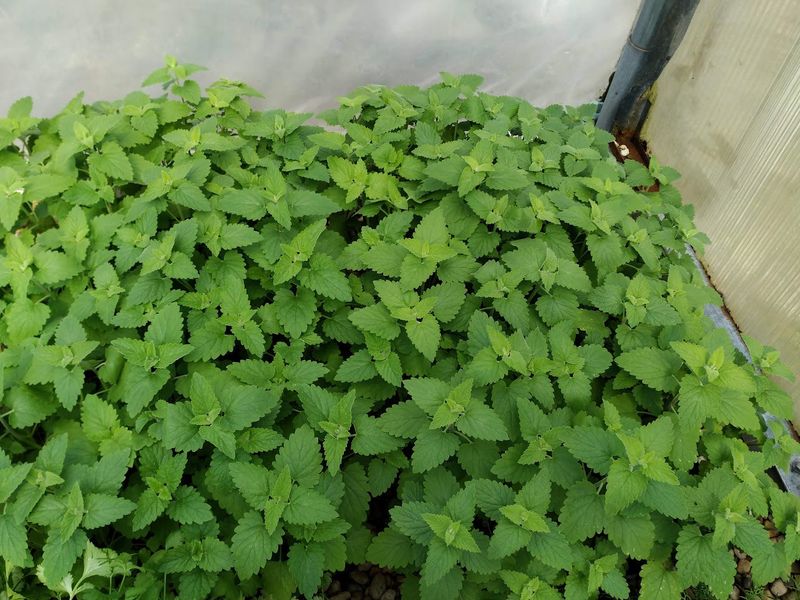
Here is a fun twist: the same plant that sends cats into happy fits contains nepetalactone, a compound studied for repelling insects and thought to bother rodents too. It gives your yard a two-part defense that few other herbs offer.
Plant catnip near sheds and back corners and you may deter rats directly, while also drawing in neighborhood cats who happen to be nature’s oldest rodent patrol. It is a clever way to work with local wildlife instead of against it.
Catnip tolerates heat and dry spells easily, making it a low-effort choice for California beds. Give it a sunny spot with room to bush out, and let it play both roles through the fall season.