
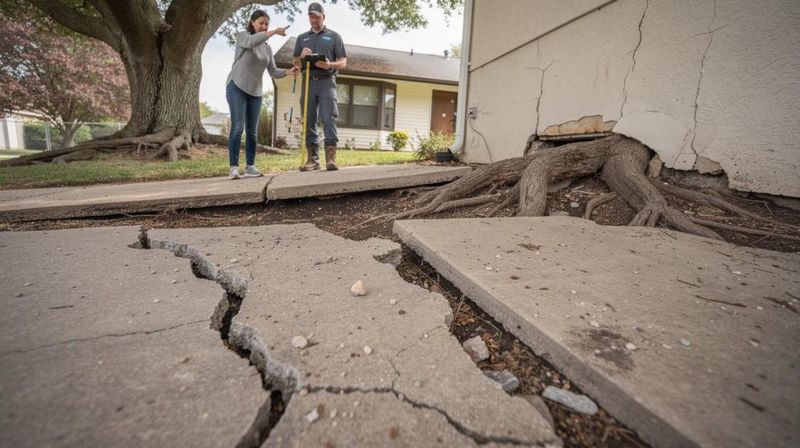
Tree roots creeping under a driveway or pushing against a foundation can turn a neighborly relationship into a stressful dispute fast. Most California homeowners assume the person who owns the tree automatically picks up the repair bill, but the law rarely works that simply.
Several details about the tree, the boundary, the damage, and how each homeowner behaved will determine who actually owes what.
Start with the trunk, boundary, and tree ownership
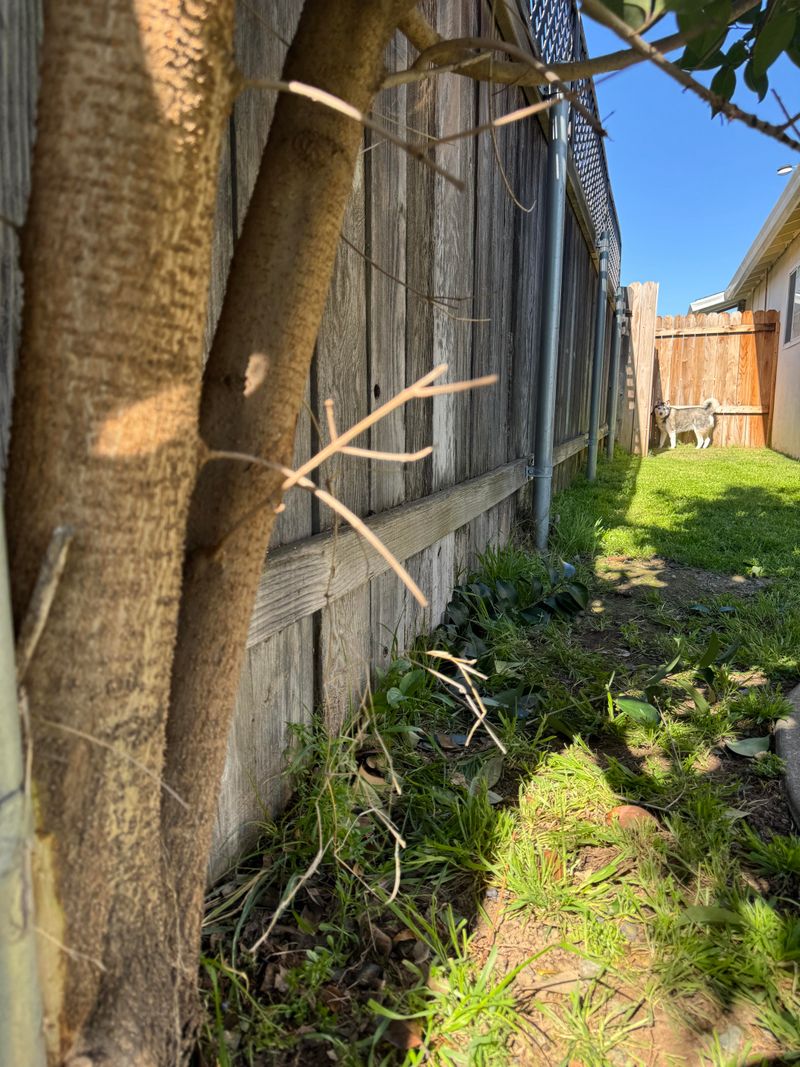
Ownership of a tree in California generally starts with one question: where does the trunk meet the ground? UC Agriculture and Natural Resources guidance on California tree disputes explains that a tree sitting entirely on one parcel belongs to that parcel’s owner, even when roots or branches spread well into neighboring property.
That single fact surprises many homeowners who assume that roots on their side of the fence transfer some form of ownership or control over the tree.
A trunk that straddles the property line at ground level changes the picture considerably. When the trunk intersects the boundary, the tree may be jointly owned by both neighbors.
Joint ownership carries real consequences: a California Court of Appeal case, Kallis v. Sones, allowed substantial damages when one co-owner removed a boundary tree without the other’s consent.
Before touching a tree near the property line, confirm whether the trunk straddles it.
Do not rely on a fence to mark the legal boundary. Fences shift, neighbors install them informally, and a fence line is not conclusive proof of where one parcel ends and another begins.
A licensed surveyor can establish the actual boundary, and that determination matters before you commission any root work, pruning, or removal near the line.
One more distinction worth keeping clear: tree ownership and root location are separate concepts in a practical dispute. The fact that roots have traveled onto your property does not mean you own those roots or that the tree owner has automatically lost control over them.
It means encroaching growth has reached your land, which is a different legal question from who owns the tree. Sorting out ownership first gives you an accurate starting point before any conversation with your neighbor or any professional you hire.
A visible root does not prove what caused the damage
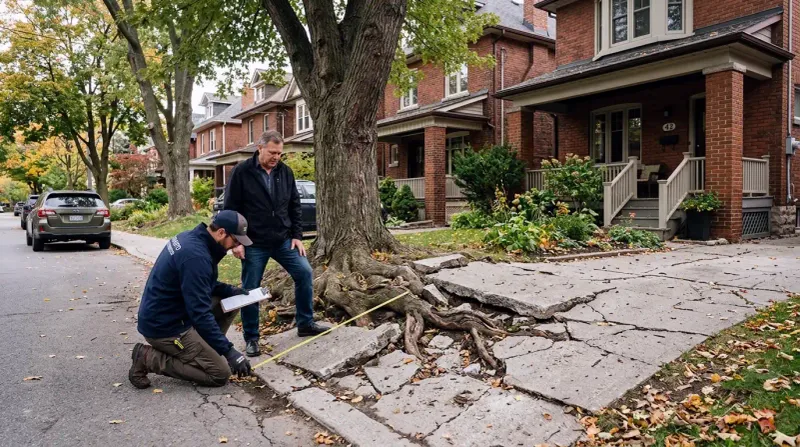
Finding a root under a cracked driveway feels like an open-and-shut case, but a root’s presence is observation, not legal proof of causation. UC IPM guidance on protecting trees during construction notes that most tree roots grow near the soil surface and that many extend well beyond the canopy’s edge.
That means roots from multiple trees, or from a tree farther away than you expect, could be present under the same slab.
Concrete driveways, patios, retaining walls, sewer lines, and building foundations can fail for reasons that have nothing to do with roots. Expansive clay soils shrink and swell with California’s wet-dry cycle, causing slabs to shift and crack on their own.
Settlement, poor drainage, soil compaction from vehicles, grading changes, paving over tree roots during original construction, age of the concrete, and preexisting cracks can all produce the same cracked or heaved surface a root might cause.
Structural foundation damage is a separate category from hardscape displacement. A lifted patio slab is a different problem from a cracked stem wall or a settling foundation, and the two require different professional evaluations.
California Department of Forestry and Fire Protection tree notes document how construction activity, grading, and soil changes can damage roots and alter the soil environment in ways that contribute to structural problems over time, complicating any single-cause explanation.
Before assuming a particular tree caused a particular crack, get a written opinion from a qualified arborist who can assess root proximity and condition, and a structural engineer or licensed foundation professional who can evaluate the slab or foundation independently. A visible root sitting under a damaged area is a clue worth investigating, not a conclusion worth acting on before the evidence is assembled.
When root damage may support a California property claim
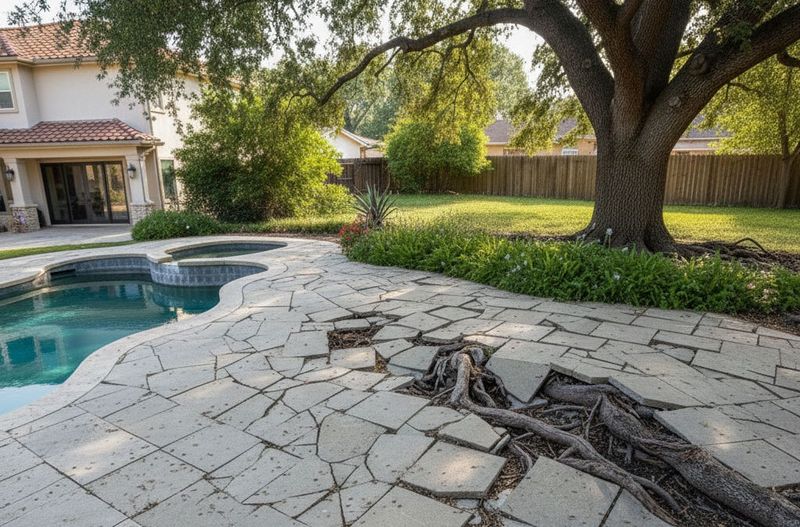
Physical damage from encroaching roots can support a legal claim, but it does not establish one automatically. Under California Civil Code section 3479, a nuisance includes any condition that substantially interferes with the comfortable use and enjoyment of property.
Root intrusion that lifts a driveway, damages a sewer line, or undermines a retaining wall may fit within a private nuisance theory, but the claimant must still prove the required elements, not just point to a damaged surface.
The Judicial Council of California Civil Jury Instructions identify the elements a plaintiff must establish for a nuisance claim, including that the interference was substantial and unreasonable. Minor inconveniences, ordinary leaf drop, a small root near the surface, or shade from a neighbor’s tree generally fall short of that threshold.
The damage must be real, measurable, and caused by the specific condition at issue.
California courts have recognized claims involving roots and branches crossing onto neighboring land. Booska v.
Patel addressed encroaching tree growth and the limits of a neighbor’s right to respond, while Judicial Council materials on private nuisance and tree liability survey how different theories apply to different tree-related disputes. Nuisance, trespass, and negligence can each apply, but they carry different standards, and the facts must match the theory chosen.
Negligence claims require showing that the tree owner owed a duty, breached it, and that the breach caused the damage. Sprecher v.
Adamson Companies addressed landowner duties with respect to natural conditions on property, an authority courts have applied in tree-related disputes. Matching the right legal theory to the actual facts is the step that determines whether a claim holds together, and that analysis usually benefits from legal advice before a formal demand or filing.
Root cutting can create responsibility for the person who does it
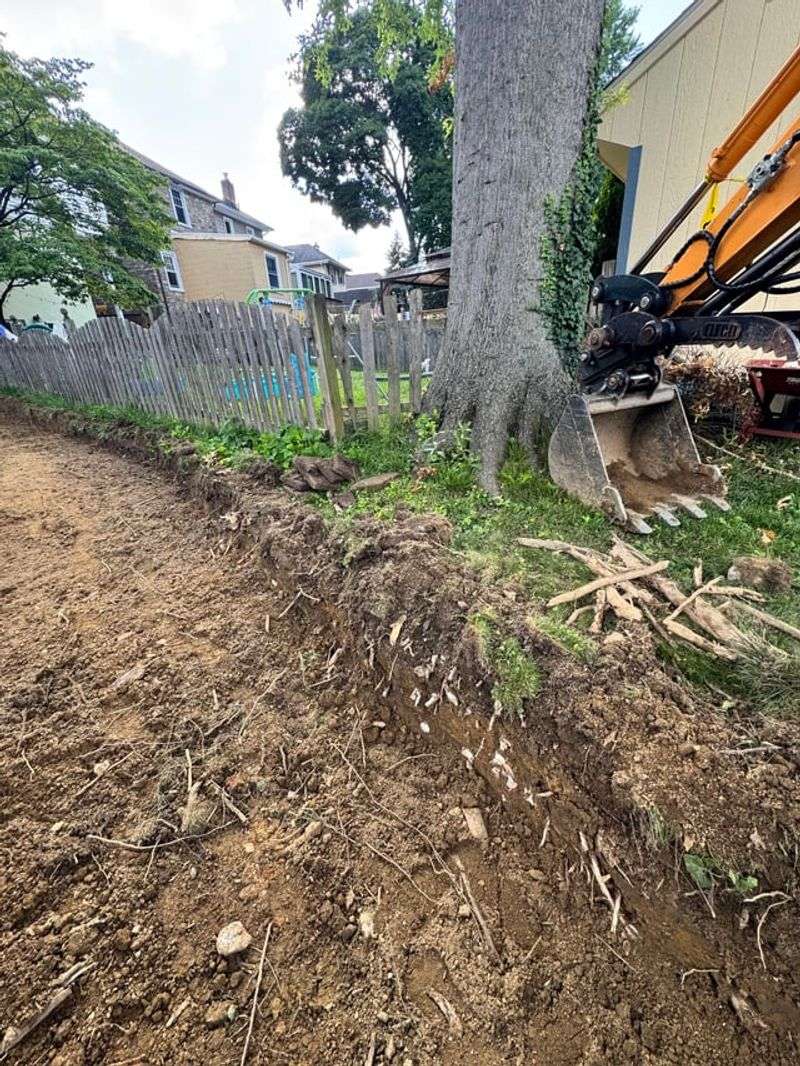
Many California homeowners believe they have an unlimited right to cut any root that crosses onto their property. That belief is only partially correct, and acting on the broader version of it can shift legal responsibility onto the person holding the saw.
Booska v. Patel, decided by the California Court of Appeal, rejected the argument that a neighbor has an unrestricted right to cut encroaching roots without regard for foreseeable harm.
The court emphasized reasonableness and ordinary care as the governing standard.
A homeowner may address roots that have entered their own property, but the work must stay within the legal boundary, use reasonable care, and account for the foreseeable consequences to the tree and to neighboring property. Cutting a root on your side of the line is different from crossing the boundary to work on the neighbor’s land, and the distinction matters legally.
California Courts self-help materials offer an example involving overhanging branches that neighbors may trim on their own side, but that example does not define a complete rule for every root situation, particularly when deep or large roots are involved.
The physical risk is substantial and worth treating seriously before any cutting begins. UC IPM advises avoiding the cutting of roots larger than about 2 inches in diameter where possible and warns that injuring large roots increases a tree’s risk of being blown over, especially when soil is saturated after rain.
A destabilized tree that later falls onto a structure or a person can generate a claim against the person who cut the roots, not just the tree’s owner.
Local ordinances add another layer of complexity. Many California cities and counties protect mature trees, require permits before significant root work or removal, and impose penalties for unauthorized cutting.
Check those rules before any work begins. The practical first step is consulting a qualified arborist who can assess the root system, identify which roots are structural, and recommend a scope of work that addresses the encroachment without creating a new hazard or a new liability.
A tree owner may face a claim, but a known root condition is not enough
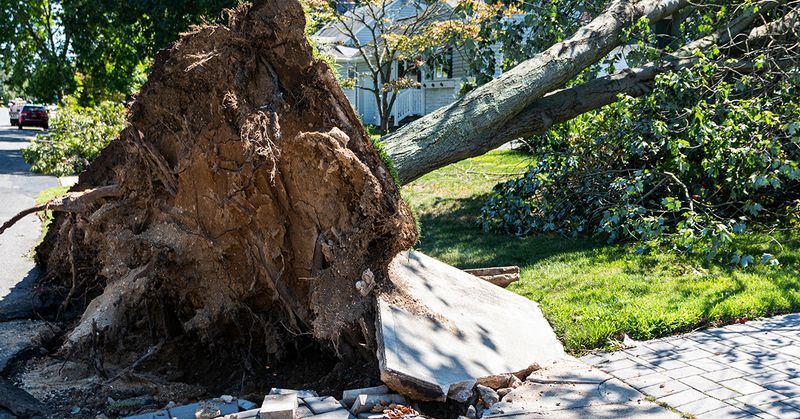
Responsibility can attach to a tree owner when the right elements are present, but a neighbor simply knowing their tree has roots does not establish liability by itself. Under California law, a tree owner could face responsibility through a nuisance, negligence, or related theory only when the required elements of that specific theory are proven.
Those elements typically include notice or foreseeability of the harm when relevant, conduct that was unreasonable under the circumstances, a causal connection between that conduct and the damage, and actual legally recognizable damage.
Booska v. Patel and the Judicial Council’s materials on tree liability both reflect that California does not impose automatic liability on a tree owner simply because roots crossed the property line and damage appeared nearby.
The claimant must build a factual record that ties the tree owner’s conduct, or failure to act when action was reasonably required, to the specific harm claimed.
Sprecher v. Adamson Companies addressed how California courts analyze a landowner’s duty regarding natural conditions, a framework that courts have applied in tree-related cases.
That framework does not convert every known root condition into an actionable claim. A tree owner who receives a written notice describing specific, documented damage and then does nothing to address a condition that is genuinely unreasonable is in a different position from one who is simply told roots exist near a fence.
Gradual root intrusion is also a different situation from a storm-related falling-tree case. California Courts property-damage guidance uses a dying tree falling on a garage as an example of how negligence and maintenance duties apply, but that scenario involves visible structural decline and a sudden event.
Applying those same rules automatically to slow-moving root displacement without establishing the required elements for the theory at hand can weaken an otherwise supportable claim.
Build evidence before excavation, cutting, or removal
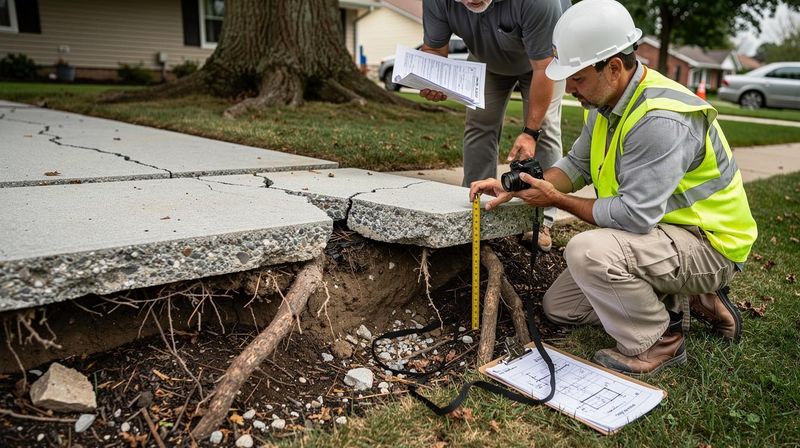
The strongest position in any root-damage dispute belongs to the homeowner who documented everything before lifting a single slab or cutting a single root. California Courts guidance on property-damage cases advises plaintiffs to identify responsible parties, establish the legal basis for the claim, and preserve clear information about the amount and nature of the damage.
That advice applies equally whether the dispute settles informally or ends up in court.
Start with dated photographs that show the full extent of cracks, heaving, displacement, or other visible damage. Measure the width and length of cracks and record any change over time.
Pull together prior repair records, contractor invoices, and any written communications with your neighbor about the tree or the condition. Document the trunk’s location relative to the property line, measure its circumference, and note whether it appears to straddle the boundary.
Verify the legal boundary before doing anything near the property line. UC Agriculture and Natural Resources guidance on California tree disputes cautions that a fence is not conclusive evidence of the legal boundary and that boundary trees may be jointly owned.
A licensed surveyor’s report gives you a defensible foundation for every decision that follows.
Obtain written professional opinions before irreversible work begins. An arborist can assess root proximity, species, and likely growth pattern.
A structural engineer or qualified foundation professional can evaluate whether roots, soil movement, drainage, settlement, or some combination of factors caused the specific damage you are seeing. UC IPM’s guidance on construction impacts to trees underscores how construction, grading, and drainage changes can interact with root systems in ways that complicate single-cause explanations.
Removing a tree or destroying roots before that documentation is complete can make causation harder to prove later and create a separate dispute over the value of the tree or the work performed.
Notify the insurer and check local restrictions before irreversible work
Calling your homeowner’s insurer before scheduling major repairs is not optional, and doing it promptly matters. The California Department of Insurance residential property claims guide advises policyholders to discuss structural damage with an adjuster and obtain written repair bids.
Coverage for root-caused driveway or foundation damage depends entirely on the specific policy language and the cause of loss, so ask your insurer directly how the policy treats this type of claim rather than assuming coverage exists or does not exist.
While waiting for insurer guidance, take reasonable temporary steps to prevent additional damage when you safely can, such as covering an exposed area or redirecting water away from a damaged section. Preserve all photographs, measurements, professional reports, and written communications.
If a true emergency requires immediate action to protect safety, address it, but understand that the policy controls what the insurer will reimburse, and nonemergency or irreversible repairs generally benefit from insurer input first.
UC IPM notes that local ordinances may protect mature or publicly owned trees, and those rules can restrict pruning, root cutting, or removal even when the work would otherwise seem straightforward. Many California cities and counties require permits before removing a tree above a certain size, protect heritage oaks and other specified species, and impose fines for unauthorized work.
Check with your city or county planning or public works department before proceeding.
HOA rules, recorded easements, and public-tree requirements add further layers that state law alone does not address. Kallis v.
Sones is a reminder that boundary trees carry co-ownership implications that can make removal without consent a costly mistake. Confirm all applicable restrictions in writing before any irreversible work begins, and keep those confirmations in your documentation file alongside the photographs and professional reports.
The answer is a documented, fact-specific decision
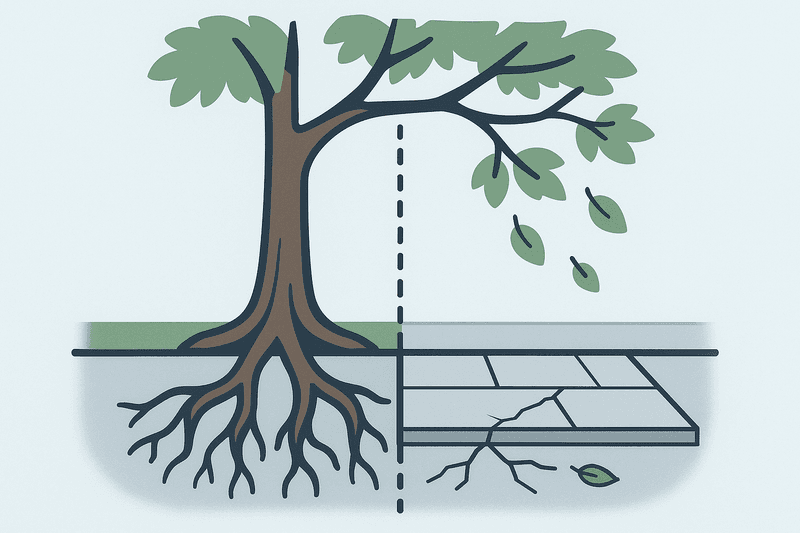
No single fact settles a California root-damage dispute. The outcome depends on a chain of connected determinations: where the trunk meets the ground and what the legal boundary actually is, whether professional evidence ties the roots to the specific damage rather than to another cause, which legal theory fits the facts, and whether either homeowner acted unreasonably before or after the damage appeared.
Work through those questions in order before spending money on repairs or making demands of a neighbor. California Courts property-damage guidance and the framework from Booska v.
Patel both point toward the same practical approach: establish the facts, match them to the applicable legal standard, and act on that analysis rather than on assumptions about who the tree belongs to.
For a straightforward monetary dispute within the applicable limit, California small claims court currently allows individuals to seek up to $12,500. That forum works when the facts are clear, the amount fits the limit, and no one needs expert testimony or injunctive relief.
Complex causation questions, requests to remove a tree, or disputes involving significant structural damage usually benefit from legal advice and a different forum.
Check insurance coverage and local restrictions before committing to any irreversible work, preserve your evidence file, and get written professional opinions on both causation and the scope of any proposed root work. Neither the tree’s location on the neighbor’s lot nor the presence of a root under your driveway alone determines who pays.
The documented facts do.