
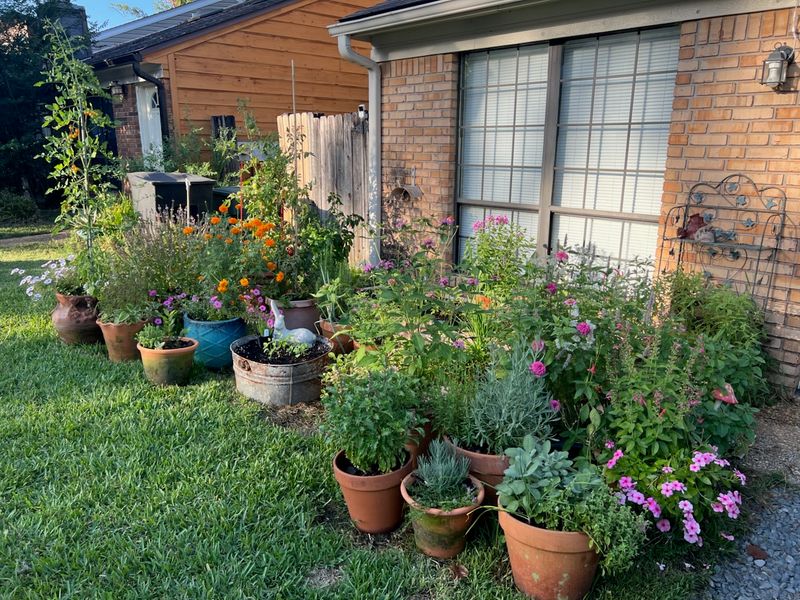
Florida patio pots can look beautiful all summer, but they can also hide damp, dark spaces that roaches love. By fall, warm nights, rain, leaf litter, and crowded containers can turn a pretty porch into a pest problem.
The good news is that a few small potting changes can make your plants happier and your patio less inviting to roaches.
1. Letting Saucers Hold Water After Every Rain
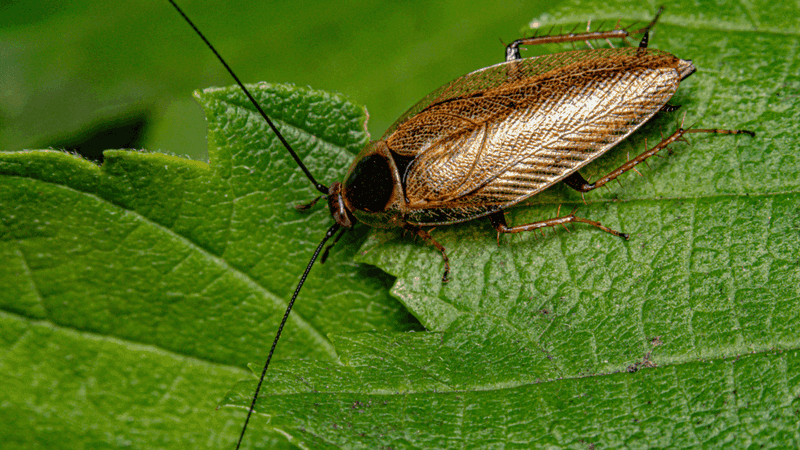
After one heavy afternoon storm, a saucer can go from helpful drip catcher to tiny backyard swamp. In Florida, that water may sit warm for hours, especially on shaded patios, lanais, and front porches where air does not move much.
Roaches are drawn to moisture, and a wet saucer gives them a reliable drink right beside a dark hiding place under the pot. If bits of potting mix, algae, fertilizer crust, or fallen leaves collect in that saucer, it becomes even more useful to pests looking for food and cover.
The fix is simple but easy to forget: dump saucers after rain and irrigation. If a plant truly needs a saucer to protect wood decking or tile, use pot feet or small risers inside the saucer so the container bottom does not sit in water.
For Florida patios, think of saucers as temporary tools, not storage bowls. Check them after thunderstorms, sprinkler runs, and tropical downpours, especially from late summer into fall when roaches stay active and outdoor living spaces are still warm.
2. Packing Pots With Heavy, Waterlogged Soil
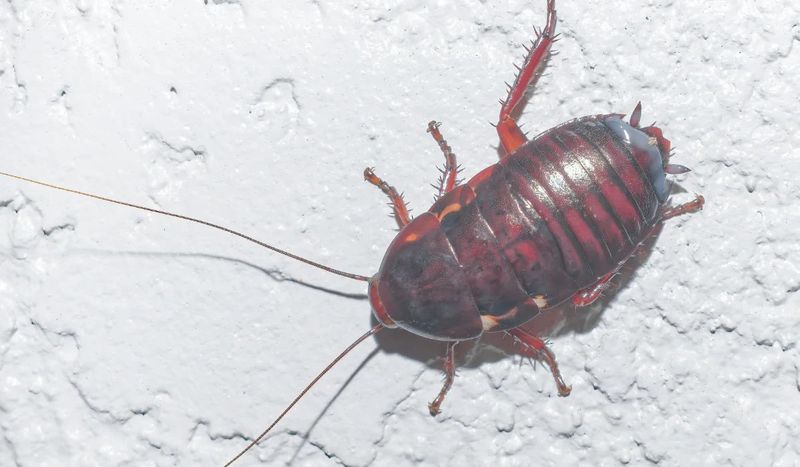
A pot that feels like wet cake batter is not doing your porch any favors. Heavy soil holds moisture for too long, and in Florida heat, that damp mass creates a cool shelter under the soil surface and along the pot walls.
Many gardeners try to save money by filling containers with yard soil, compost-heavy blends, or old mix that has broken down into fine particles. The trouble is that Florida rains can compact those materials fast.
Once air pockets disappear, roots struggle, drainage slows, and pests find the pot easier to use as cover.
Roaches do not need your plant to be dying to move in. They just need a protected place that stays damp through the day, and soggy potting mix can provide that.
Use a quality container mix labeled for pots, not garden beds. For plants that prefer sharper drainage, such as many herbs, succulents, and Mediterranean favorites, amend with materials suited to containers, like perlite, pine bark fines, or coarse sand when appropriate.
Refresh tired mixes before fall displays go in. If the potting soil smells sour, drains slowly, or has shrunk into a hard block, replace it instead of topping it off and hoping for the best.
3. Hiding Drainage Holes Against the Patio Floor
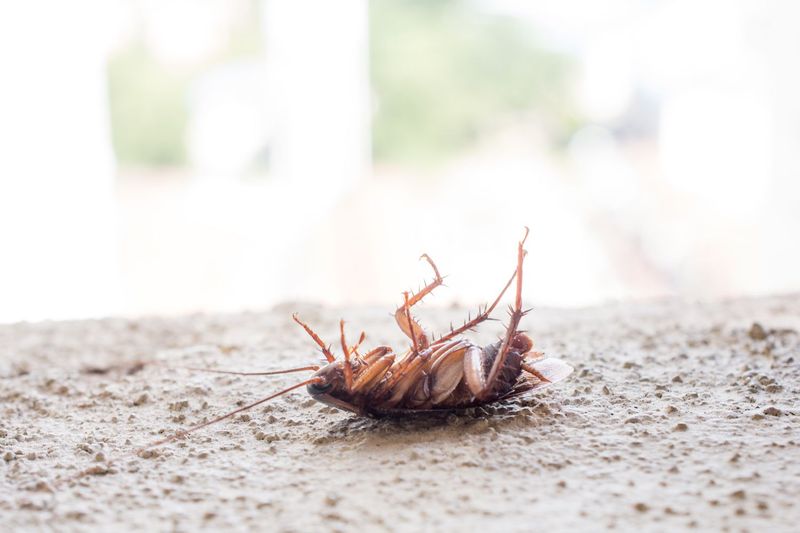
Flat-bottomed pots can fool you because the top looks dry while the bottom stays damp and dark. When drainage holes press directly against concrete, pavers, or a porch slab, water may not escape well after storms or watering.
That trapped moisture is only part of the problem. The hidden space under the pot also collects soil crumbs, dead leaves, mulch bits, and insect droppings.
To a roach, that tight underside feels like a safe motel room with snacks nearby.
Raise containers with pot feet, bricks, plant caddies, or sturdy risers that allow air to move underneath. Even a small lift can help water drain, speed drying, and make it harder for roaches to settle where you cannot see them.
This habit matters even more on Florida lanais and covered patios. Those areas often stay shaded and protected from drying winds, so moisture lingers longer than it would in an open bed.
Do a quick underside check when you water. If you see mud rings, packed debris, or a musty smell, scrub the surface, clear the drainage path, and lift the pot before fall decorating adds more containers to the same tight space.
4. Using Leaf Litter as Free Mulch in Containers
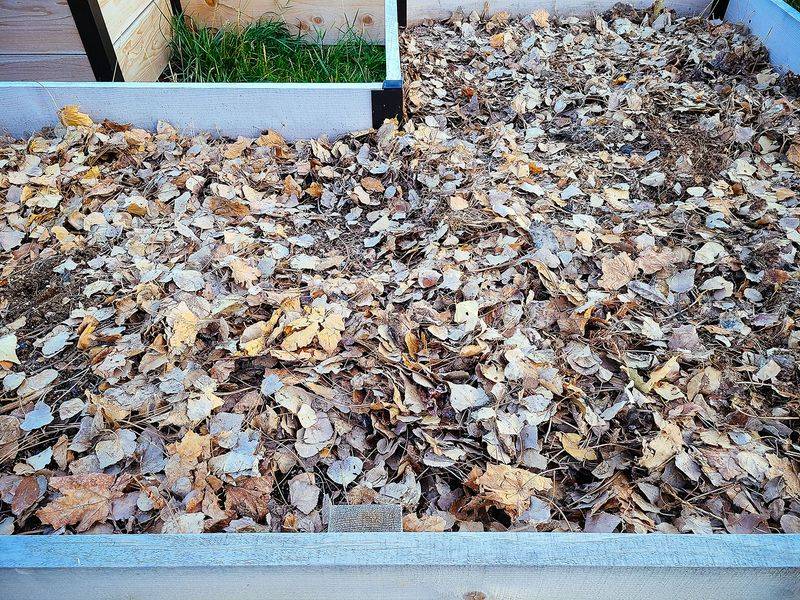
A few fallen leaves look harmless, and in a garden bed they can even feed the soil. In a patio pot, however, a thick layer of damp leaf litter can become a roach buffet by the time fall rolls around.
Florida yards shed plenty of plant debris, from live oak leaves to palm fibers to bits of tropical foliage after storms. When that material piles up in containers, it traps moisture, hides the soil surface, and starts breaking down in a small, protected space.
Roaches feed on decaying organic matter, so a pot packed with old leaves is more attractive than a clean one. The problem grows when containers sit near doors, outdoor kitchens, grill stations, or pet bowls, where food smells may already draw pests closer to the house.
Use mulch carefully in patio pots. A thin layer of pine bark fines or a container-safe mulch can help reduce splashing and moisture loss, but it should not be packed against stems or left to rot into a soggy mat.
Before fall, pull back the top layer and remove slimy leaves, seed pods, and dead flowers. Your pots will look tidier, roots will breathe better, and roaches will have fewer reasons to hang around your porch after dark.
5. Crowding Containers So Air Never Moves
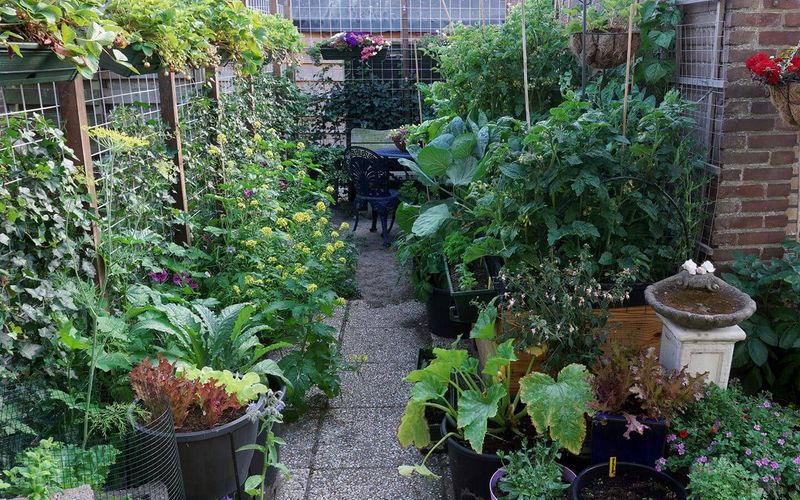
That lush collected-pot look can be gorgeous, almost like a mini jungle by the front door. The catch is that a wall of containers can create hidden pockets where air barely moves and moisture hangs around all day.
Roaches prefer tight, protected places. When pots touch each other or press against walls, railings, storage bins, or outdoor furniture, the gaps between them become shaded tunnels.
Add fallen blooms, damp saucers, and a few overgrown stems, and you have a quiet pest highway along the patio edge.
Florida gardeners often group containers to make watering easier and to help plants handle heat. That makes sense, but the grouping needs breathing room.
Leave a few inches between pots, especially near doors and windows, and avoid stacking containers so tightly that you cannot sweep between them.
Rotate pots once in a while and trim plants that flop over neighboring containers. Good airflow helps leaves dry faster, reduces fungal issues, and makes the whole area less cozy for roaches.
If you love a full porch display, create layers with plant stands instead of floor-level crowding. Vertical spacing gives the same full look while cutting down on damp, dark hiding spots where pests can settle before fall.
6. Leaving Old Roots and Dead Annuals in the Pot
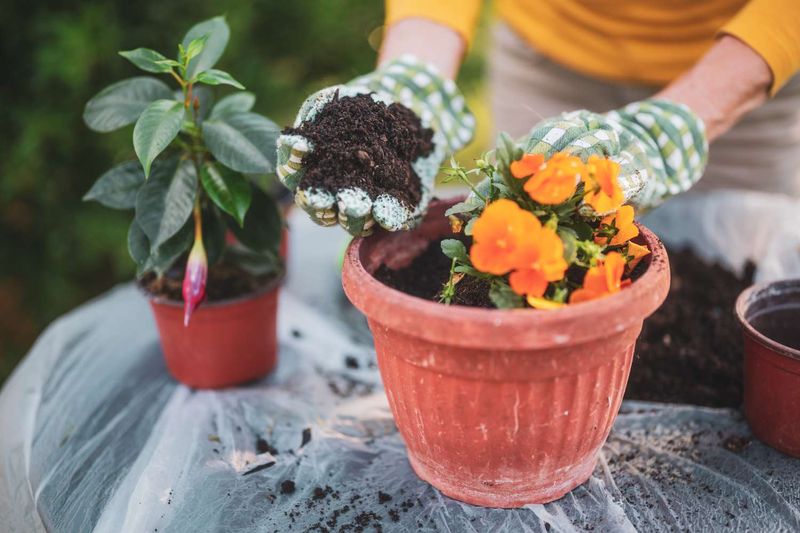
By late summer, tired annuals can look like they are only taking a short nap. Then fall arrives, and the pot is still full of dead stems, old roots, and half-rotted plant crowns.
Decaying plant material breaks down into food and shelter for insects. Roaches are not picky diners, so a neglected pot with dead begonias, coleus, petunias, or herbs can become part compost pile and part hiding place.
The mess is often worst below the surface, where old roots hold moisture and create small tunnels.
Before replanting for fall color, empty the container enough to inspect what is inside. Remove dead root balls, mushy stems, and any potting mix that smells sour or looks slimy.
If the plant died from disease or root rot, it is usually smarter to discard that mix rather than reuse it in a fresh display.
Clean the pot too, especially around the rim, bottom, and drainage holes. A quick scrub with soapy water removes grime that pests can use as cover.
Fresh potting mix gives pansies, snapdragons, herbs, or other cool-season choices a stronger start in North and Central Florida. In South Florida, where warm-season pots may keep going, regular cleanup matters even more because pests rarely get a true winter break.
7. Storing Empty Pots With Soil Still Inside
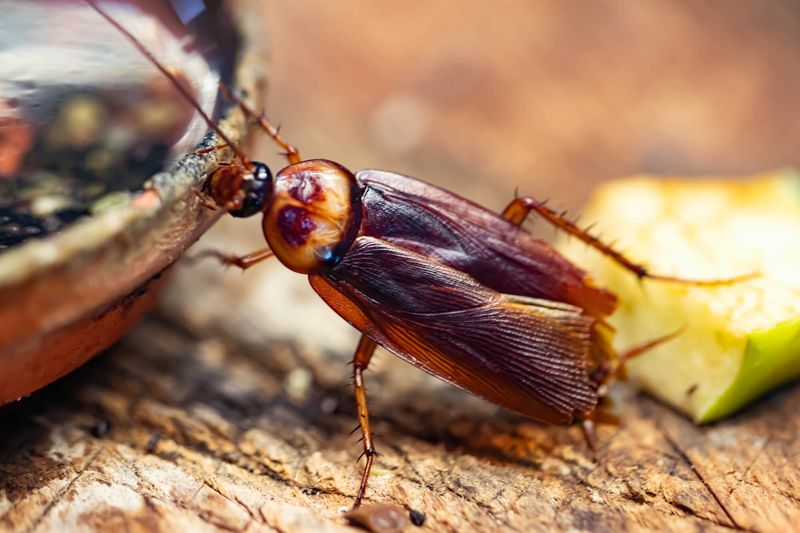
The forgotten pot behind the grill is often the sneakiest troublemaker. It is not holding a plant, so it gets ignored, but it may still be holding old soil, leaves, rainwater, and a few hidden pests.
Empty containers are perfect roach shelters when they are stacked damp or left upright in a shady corner. Old potting mix gives them cover, and a stack of nested pots creates narrow spaces that stay dark even during bright Florida afternoons.
After changing seasonal displays, dump unused soil into an active compost system only if it is healthy and pest-free, or dispose of it if it smells bad, has disease issues, or contains roach activity. Rinse pots, let them dry fully, and store them upside down or under cover so rain cannot collect inside.
Avoid piling pots directly beside exterior doors, pet feeding spots, trash cans, or outdoor refrigerators. Those areas already offer food smells and shelter, so adding dirty containers makes pest control harder.
Fall is a smart time to sort the pot stash. Keep the sizes you actually use, clean them before storage, and recycle cracked plastic pots when possible.
A tidy storage spot gives roaches fewer places to hide and makes your next planting project easier to start.