
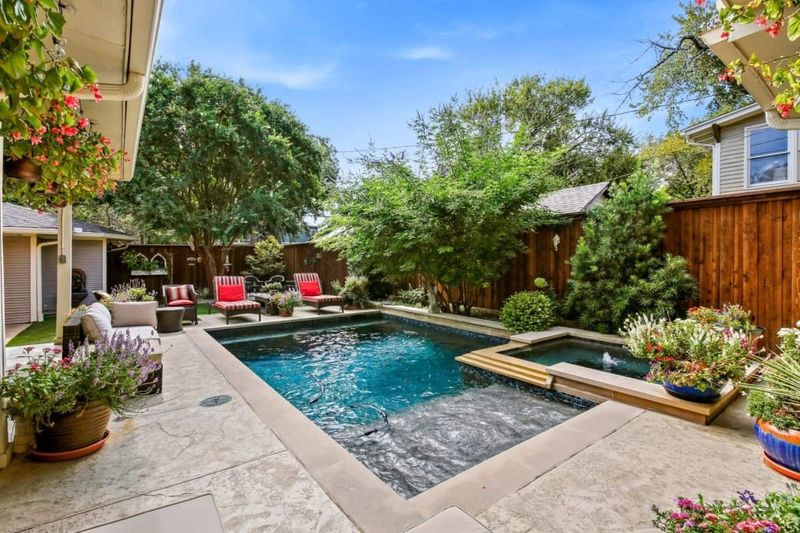
A small backyard in California doesn’t have to feel cramped or boring. With the right plants and features, even a tight patch of ground can become a cool, water-wise escape that welcomes birds and bees.
The best part is that most of these upgrades work with our long dry summers and drought rules instead of fighting them. Here are ten simple ideas that can turn your little yard into a place you never want to leave.
1. A Drought-Tolerant Native Plant Corner
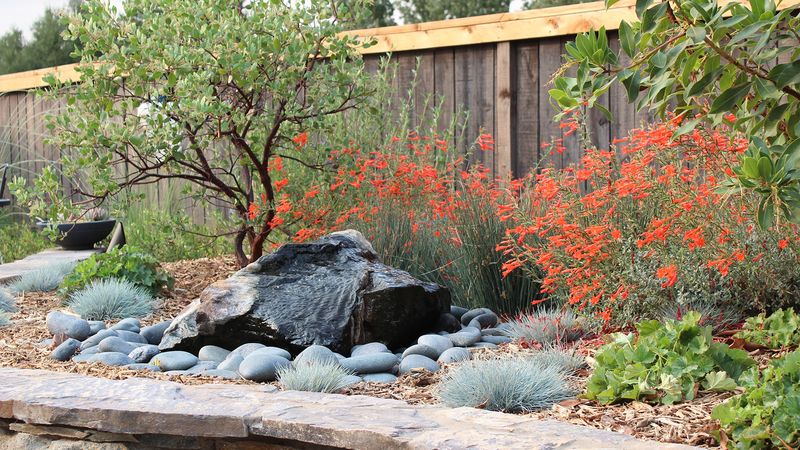
Ripping out a patch of thirsty lawn and tucking in a corner of California natives is one of the fastest ways to make a small yard feel intentional. Think California poppies, Cleveland sage, and a low manzanita that shrugs off summer heat without begging for water.
Natives fit our Mediterranean climate because they expect wet winters and bone-dry summers. Once established, many can coast on rainfall alone, which keeps you on the right side of local water restrictions.
There’s a hidden bonus, too. Native bees and hummingbirds recognize these plants, so a corner that used to be plain grass suddenly hums with life.
If you’ve worried you were accidentally starving pollinators with a barren lawn, this small swap gives them food and gives you a lower water bill.
2. A Gravel Patio Instead of Grass
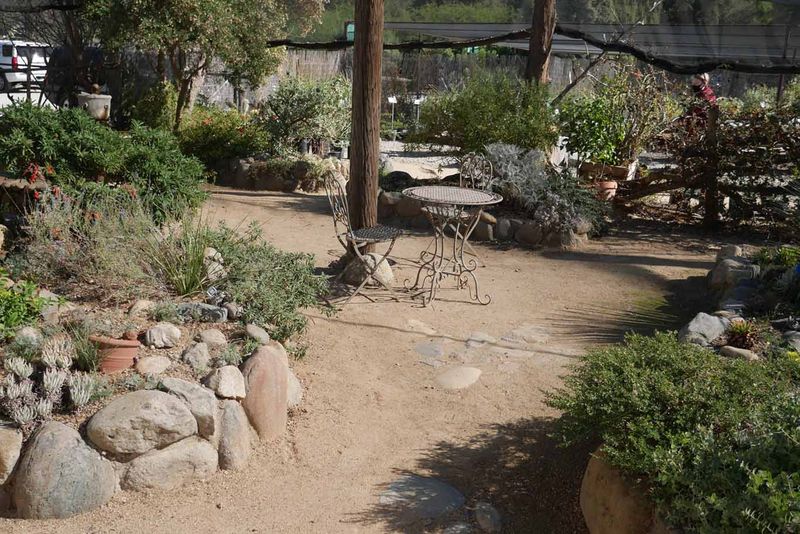
Grass in a tiny yard often means a mower you can barely turn around, plus water you can’t really spare. Swapping it for a gravel or decomposed granite patio instantly opens up usable, low-maintenance space.
Gravel drains well during those rare winter downpours and stays permeable, so rain soaks into the ground instead of running off. It also handles foot traffic without turning to mud.
Set a small bistro table and a couple of chairs on it, and suddenly you have an outdoor room. No mowing, no sprinklers, no guilt about wasting water during a dry spell.
For fire-prone hillside homes, a gravel zone near the house doubles as defensible space that won’t feed a grass fire.
3. Vertical Gardens on a Fence Wall
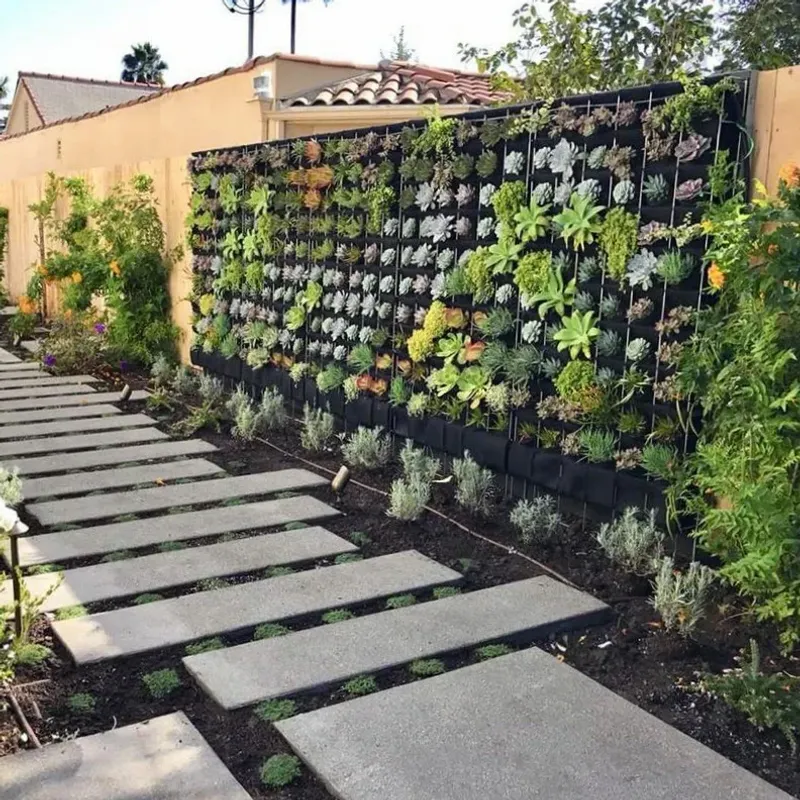
When you can’t grow out, grow up. A blank fence is wasted space, and a vertical garden turns it into a living wall bursting with herbs, succulents, or trailing greenery.
Pocket planters, mounted pots, and simple trellises let you pack a lot of plants into almost no floor area. Drought-friendly picks like echeveria, rosemary, and trailing lantana thrive on a warm California wall with minimal water.
Fun fact: succulents actually prefer the sharp drainage a vertical setup provides, so they often look better on a wall than in a soggy bed. A green wall also softens harsh afternoon sun and makes a boxed-in yard feel wrapped in nature rather than fenced in.
4. A Compact Pollinator Bed
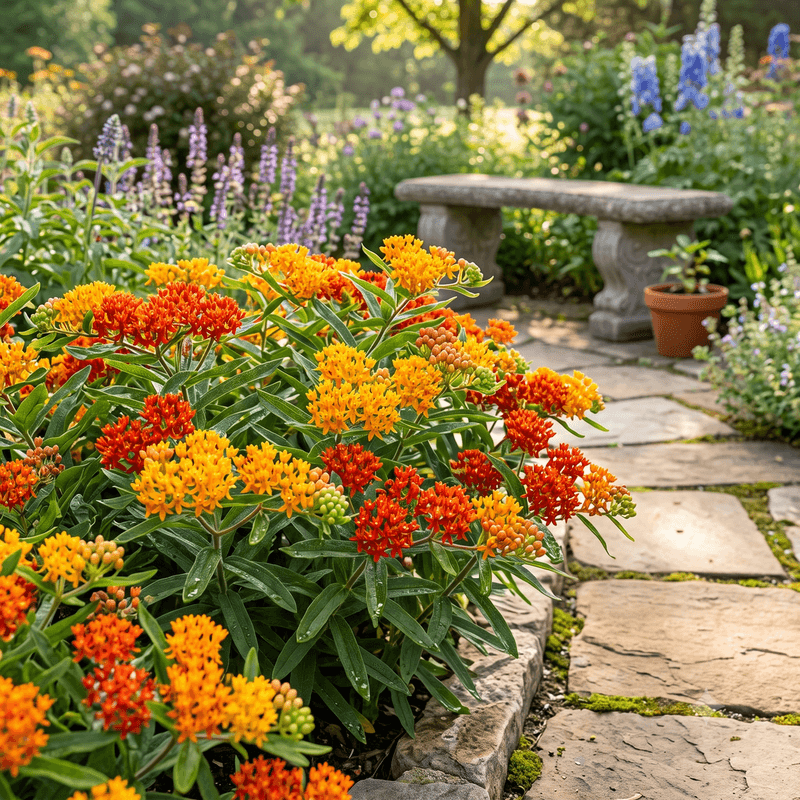
Even a bed the size of a doormat can feed dozens of butterflies and native bees. Pack it with yarrow, narrowleaf milkweed, and salvia, and you’ve built a tiny pollinator diner that stays busy from spring into fall.
Many California homeowners quietly worry they’re doing pollinators harm with pesticide-heavy lawns. A small, chemical-free bloom bed flips that script and offers real habitat instead.
Milkweed matters especially for monarchs, whose caterpillars can only eat that one plant group. Choose a native narrowleaf milkweed rather than tropical types, which can disrupt monarch migration.
Position the bed where you’ll actually see it from a window, and the flutter of wings becomes part of your daily view.
5. String Lights for a Cozy Glow
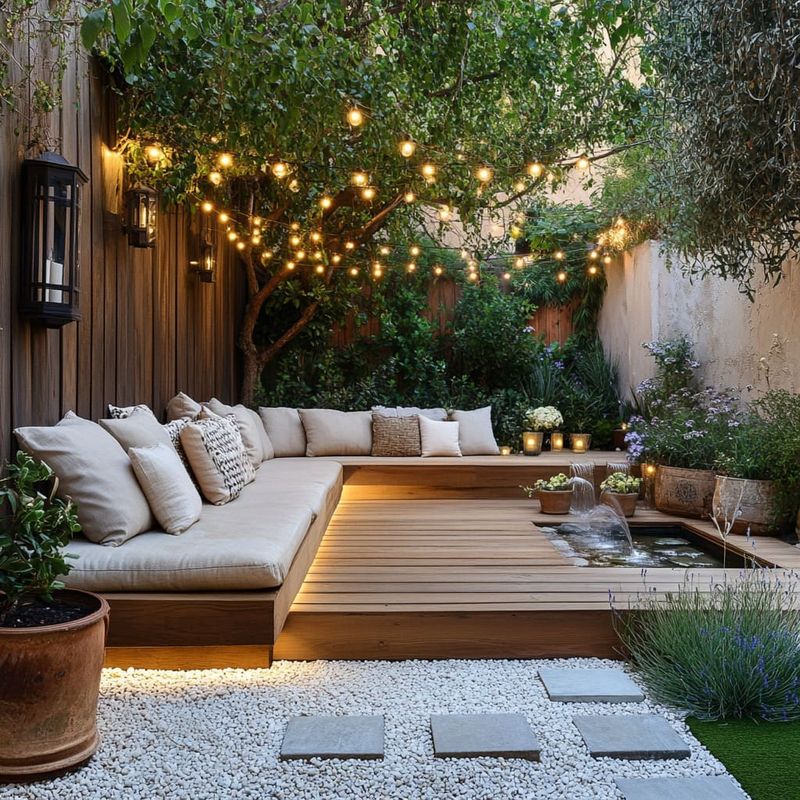
Nothing stretches a small space like good lighting after sunset. Warm string lights zigzagged overhead draw the eye up and make a tight patio feel like a private cafe.
Solar-powered strands are a smart match for our long, sunny days, charging all afternoon and glowing free all evening. No new wiring, no bump in the electric bill.
During California’s warm season, which stretches from spring well into fall, those extra evening hours outside are the whole point. Soft light hides the fence line, blurs the edges of a cramped yard, and turns a plain corner into the spot everyone gravitates to once the sun drops.
6. A Small Water Feature for Birds
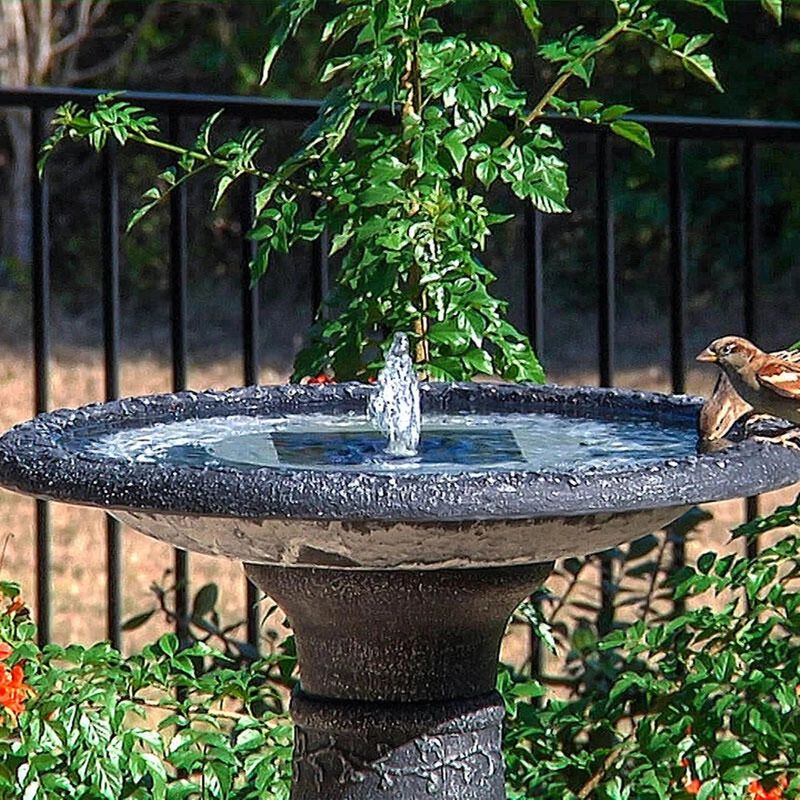
The gentle trickle of moving water does something magical in a small yard: it masks street noise and instantly cools the mood. A compact recirculating fountain or a shallow birdbath fits almost anywhere.
Water is scarce in a California summer, and a clean, shallow dish becomes a lifeline for finches, hummingbirds, and lizards during a heat wave. You’ll be shocked how quickly the birds find it.
Choose a recirculating design so you’re reusing the same water rather than wasting it, and keep it shallow with a few pebbles so pollinators can sip safely. Refresh it every few days to keep mosquitoes from moving in.
It’s a tiny feature that turns your yard into a wildlife stop.
7. Raised Beds for Herbs and Veggies
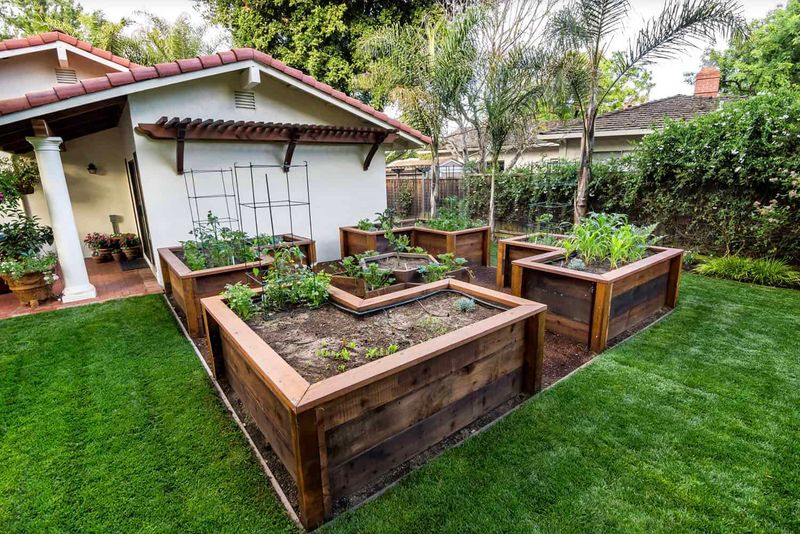
You don’t need acreage to grow dinner. A pair of compact raised beds tucked along a sunny wall can supply tomatoes, peppers, and basil through California’s long, warm growing season.
Raised beds give you control over soil quality, which matters in yards with hard clay or sandy patches. They also drain well and warm up fast, so plants take off.
Pair them with drip irrigation on a timer and you water precisely at the roots, wasting almost nothing, which keeps things water-wise even in dry months. Edible plants also invite bees, so you get pollinators and produce from the same small footprint.
It’s a productive corner that earns its keep every week.
8. A Shade Sail or Pergola
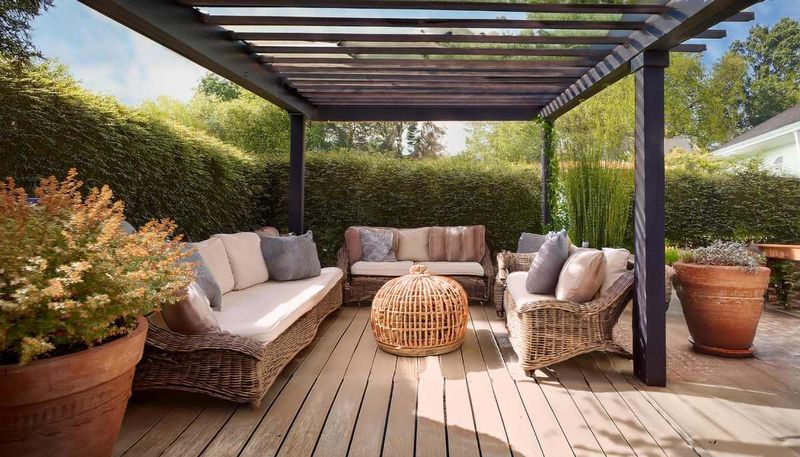
Inland valley summers can turn a small yard into a frying pan by noon. A shade sail or a slim pergola carves out a cool pocket where you’ll actually want to sit.
A pergola also gives climbing plants like grape or trumpet vine something to grab, adding living shade that gets better every year. That green canopy can drop the temperature noticeably underneath.
For a boxed-in yard, overhead structure adds a sense of a real ceiling, making the space feel like an outdoor room rather than leftover ground. Angle a sail to block the harsh western afternoon sun and you reclaim hours of usable space during the hottest stretch of the year.
9. Potted Succulents and Container Gardens
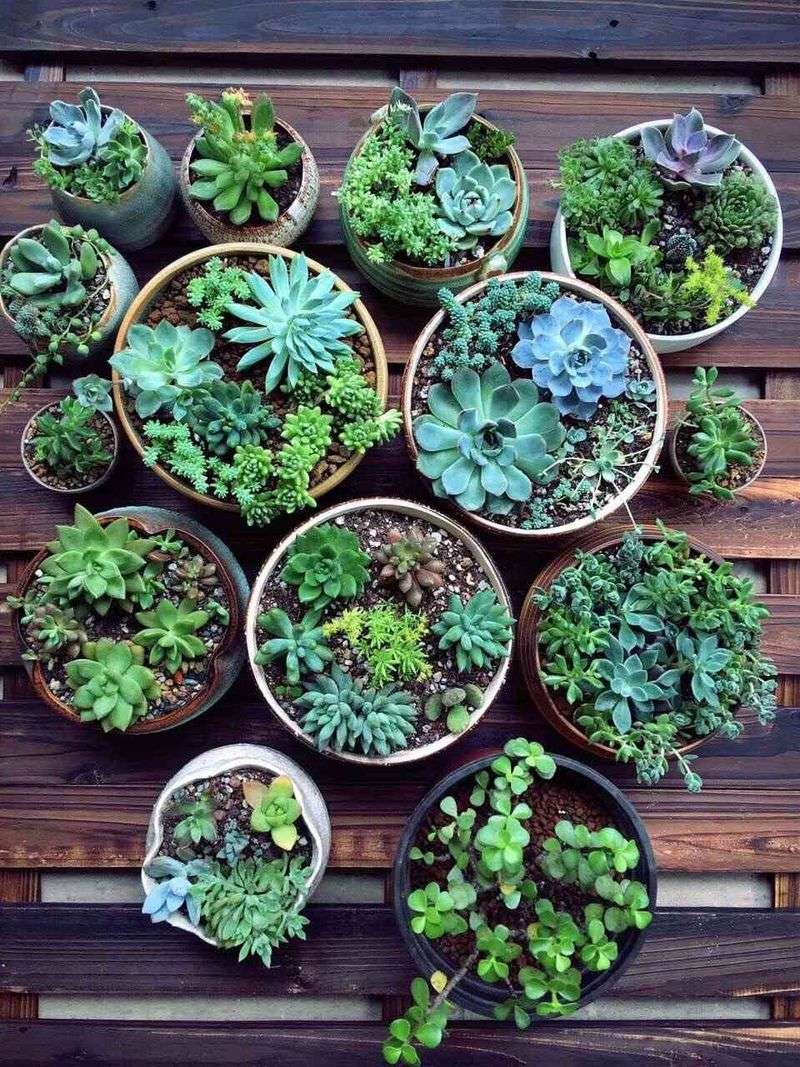
Containers are the secret weapon of tight spaces because you can rearrange your whole garden without a shovel. Group potted succulents, agave, and aloe for a sculptural display that sips almost no water.
Succulents store water in their leaves, so they laugh at dry spells and forgotten watering days. That makes them nearly foolproof for busy or first-time gardeners.
Mix pot heights and colors to add depth to a flat corner, and move them seasonally to chase or dodge the sun. Because they live in containers, you can protect the tender ones during a rare frosty night.
For renters who become owners or anyone testing a layout, pots let you experiment before committing anything to the ground.
10. A Fire-Wise Rock and Mulch Border
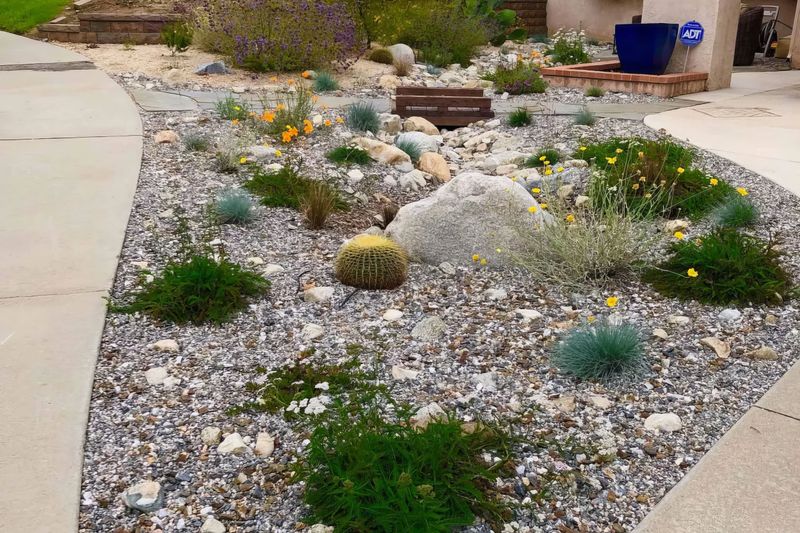
For homeowners near hillsides or wildland edges, the border of your yard is quietly your first line of defense. A strip of river rock or gravel mulch instead of flammable bark chips creates a break that fire struggles to cross.
Keeping the zone closest to fences and structures lean, green, and low is a core part of California defensible space guidance. Rock, gravel, and well-spaced succulents fit that goal without looking barren.
Beyond safety, a clean rock border sharpens the whole yard, framing beds and paths with a tidy edge that never needs watering. It’s the rare upgrade that can reduce fire risk, cut maintenance, and make a small space look deliberately designed all at once.
Time this work for late spring, before peak fire season sets in.