
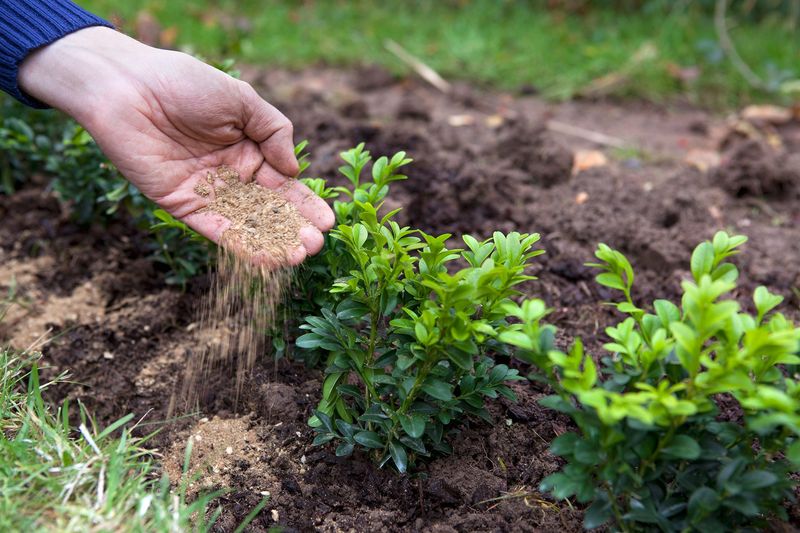
Coyotes have a nose that can pick up a whiff of food from a surprising distance, and fall is when they start roaming more. Young coyotes leave their families this time of year, and hungry ones go looking for easy meals in neighborhoods across Texas, Florida, and the rest of the South.
Many of the smells drawing them in come from everyday yard chores and leftovers you might not think twice about. Here are nine common scents to watch for, plus simple fixes that may help keep these wild visitors at a safer distance.
1. Fallen Fruit Rotting Under Trees
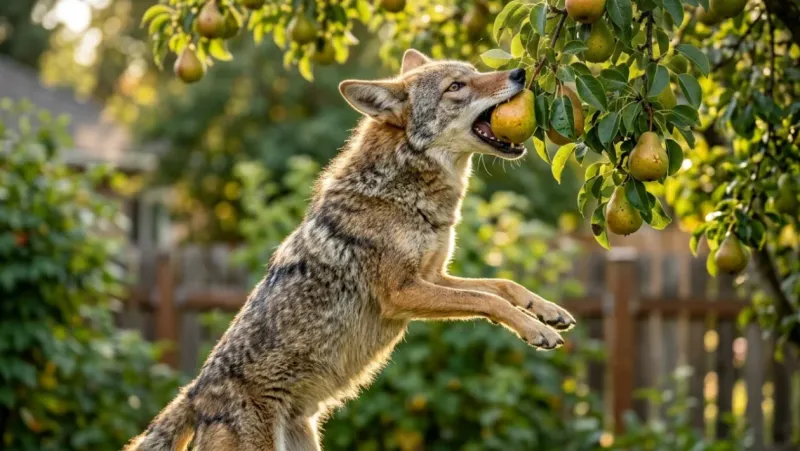
Picture a backyard pear or persimmon tree in late October, its branches heavy and the ground below covered in soft, split fruit. To you, it looks like a mess.
To a coyote, it smells like a free buffet.
Coyotes are not strict meat eaters. They happily snack on persimmons, figs, citrus, pears, and even fallen pecans, which are common across Texas and much of the South.
As fruit ferments, the sweet, sour smell grows stronger and can drift well beyond your fence line.
Rotting fruit also draws rats, mice, opossums, and insects. That creates a second layer of attraction, since those small animals are exactly what coyotes like to hunt.
One messy tree can quietly turn your yard into a feeding zone.
The fix is simple, though it takes steady effort. Pick up dropped fruit every day or two during peak season, and harvest ripe fruit before it falls when you can.
Bag it and put it in a sealed bin rather than tossing it in an open pile.
If you have more fruit than you can handle, consider sharing with neighbors or a local food pantry. Keeping the ground clean may noticeably reduce nighttime visitors.
2. Open Compost Piles With Kitchen Scraps
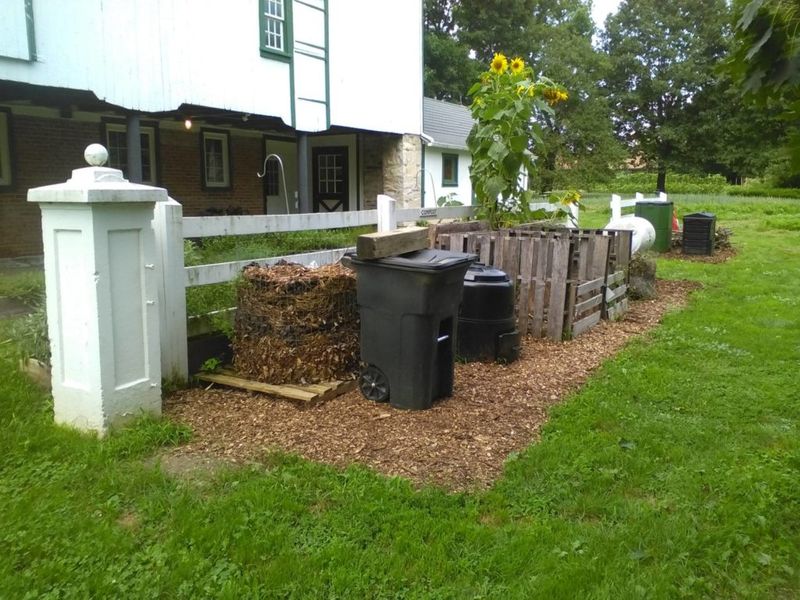
Composting is one of the best things a gardener can do for tired soil. The trouble starts when that pile becomes the most interesting smell on the block.
Kitchen scraps like melon rinds, corn cobs, bread crusts, and especially meat or dairy give off strong odors as they break down. Coyotes can follow those scents straight to an open heap.
Once they find a reliable snack spot, they tend to come back.
An open pile also hosts rodents that burrow in for warmth as nights cool off. More mice means more reasons for a coyote to linger near your vegetable beds.
A few changes can make your compost far less tempting:
Switch to a closed bin or tumbler with a tight lid. Never add meat, bones, fish, oil, or dairy.
Bury fresh food scraps under a thick layer of dry leaves or shredded cardboard, which helps mask the smell and balances the mix.
Turn the pile often so it heats up and breaks down faster. A hot, well-managed compost usually smells earthy rather than rotten.
Your garden still gets that rich soil, and your yard may stop showing up on a coyote’s nightly route.
3. Pet Food Left on the Porch
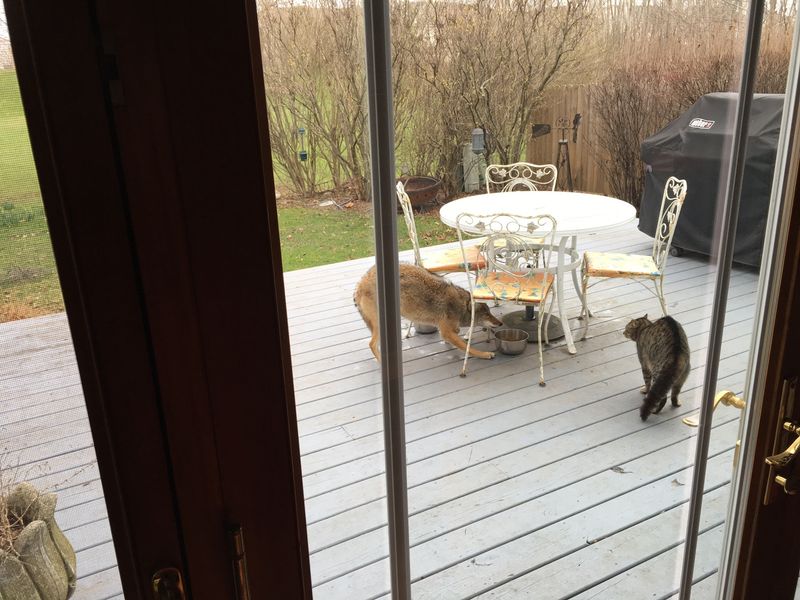
Ask any wildlife officer about coyote problems in neighborhoods, and pet food left outside comes up again and again. It is one of the strongest lures a yard can have.
Dry kibble and canned food are packed with fat and protein, and their meaty smell carries in the cool evening air. A bowl on the back porch for the dog or a dish set out for a neighborhood cat can bring a coyote right up to your door.
That is much closer than anyone wants.
The bigger worry is what happens next. A coyote that learns your porch means food may lose its natural fear of people.
It may also start watching your pets, especially small dogs and cats, as possible prey.
Feed pets indoors whenever possible. If they must eat outside, pick up the bowl as soon as they finish, and never leave food out overnight.
Store bags of pet food inside a garage or a sealed plastic or metal container. Wipe up spilled kibble on decks and patios, since even crumbs leave a scent.
Small habits like these can lower the odds of a coyote treating your home like a drive-through.
4. Spilled Birdseed Under Feeders
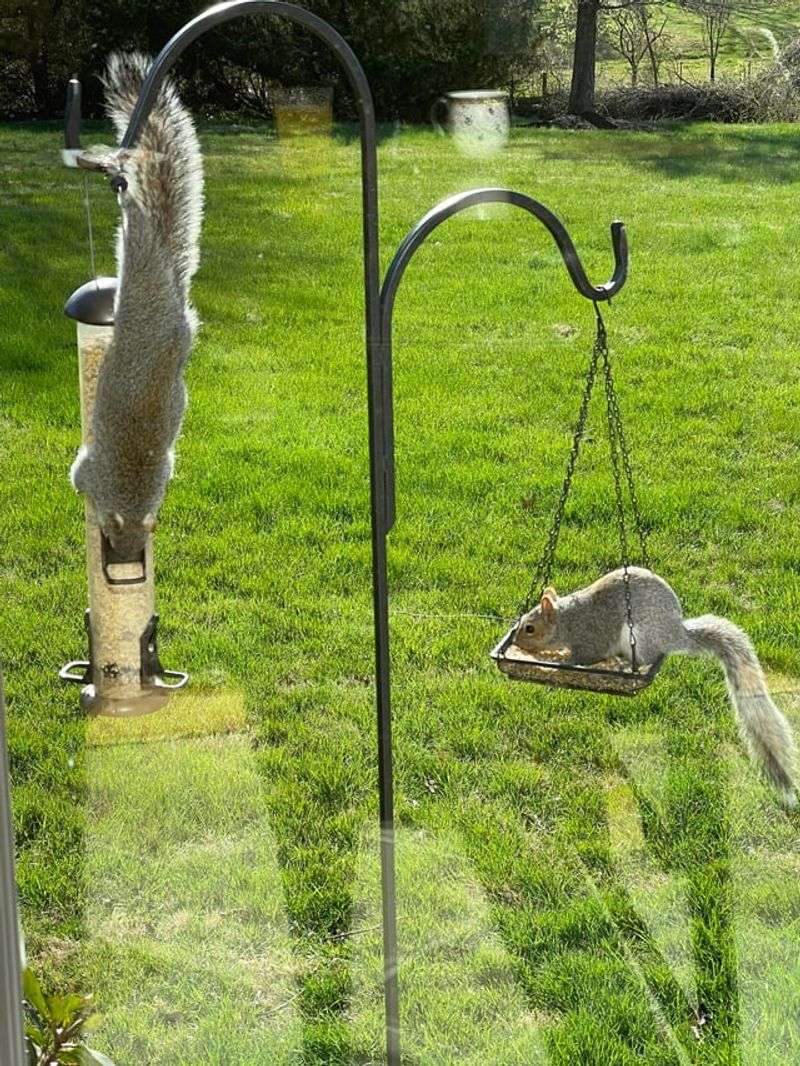
Here is a twist many bird lovers never see coming. Coyotes rarely care about the seed itself.
They care about everything the seed brings in.
Fall migration fills Southern feeders with hungry birds, and messy eaters fling sunflower hulls, millet, and cracked corn all over the ground. That spill pile draws squirrels, rabbits, mice, rats, and ground birds like doves.
Each one is on a coyote’s menu, and the oily seed smell adds to the pull.
In other words, a feeder can quietly build a small food chain right in your flower bed. Coyotes simply show up at the top of it.
You do not have to give up birdwatching. Try a tray or seed catcher under the feeder to keep spills off the ground.
Choose no-mess blends, such as hulled sunflower hearts, which leave less waste.
Rake up spilled seed every few days and bring feeders in at night if you notice coyote activity nearby. Hanging feeders farther from your house and away from dense shrubs may also help.
Fun fact: coyotes can hear the high squeaks of rodents under leaves. A quiet feeding area is a less interesting one.
5. Unsecured Trash Cans

Leftover barbecue ribs, chicken bones, greasy takeout boxes. Your trash can may be the smelliest spot on your property, and coyotes know it.
Garbage is a classic coyote attractant because it offers high-calorie food with very little effort. Warm Southern falls make things worse, since afternoons in Texas and Florida can still feel like summer and speed up rotting smells.
A can with a loose lid, or bags set out the night before pickup, can be an open invitation.
Once a coyote tips a can or tears a bag, it gets rewarded. That success teaches it to keep checking your street.
Start with a sturdy can that has a tight-fitting or locking lid. Bungee cords or lid straps can help if your current can pops open easily.
Store cans in a garage or shed when you can, and put them at the curb the morning of pickup rather than the night before.
Rinse cans every few weeks with water and a little dish soap or vinegar to cut lingering odors. Double-bag meat scraps, or freeze them until trash day.
Each step makes your bins a little less worth the trip.
6. Grease and Food Bits Around the Grill

Fall is prime grilling season in the South. Football Saturdays, cooler evenings, and family cookouts all mean the smoker or grill is working overtime.
Long after the burgers are gone, though, the scent hangs around. Grease traps, drip pans, and the charred bits stuck to grates hold a smoky, meaty smell that coyotes find hard to resist.
Dropped scraps on the patio or lawn only add to the appeal.
Some homeowners notice paw prints near the grill or a knocked-over drip tray in the morning. That is often a sign something came sniffing overnight.
Clean up while the grill is still warm. Scrape the grates, empty the drip tray, and wipe down side shelves after each use.
Let collected grease cool and harden, then wrap it and throw it away in a sealed can instead of pouring it on the ground.
Do a quick sweep of the patio for dropped food before heading inside. A grill cover can help trap lingering odors, and storing the grill in a garage or shed adds another layer of protection.
A clean grill tends to be a boring grill, which is exactly what you want after dark.
7. Backyard Chicken Coops and Feed
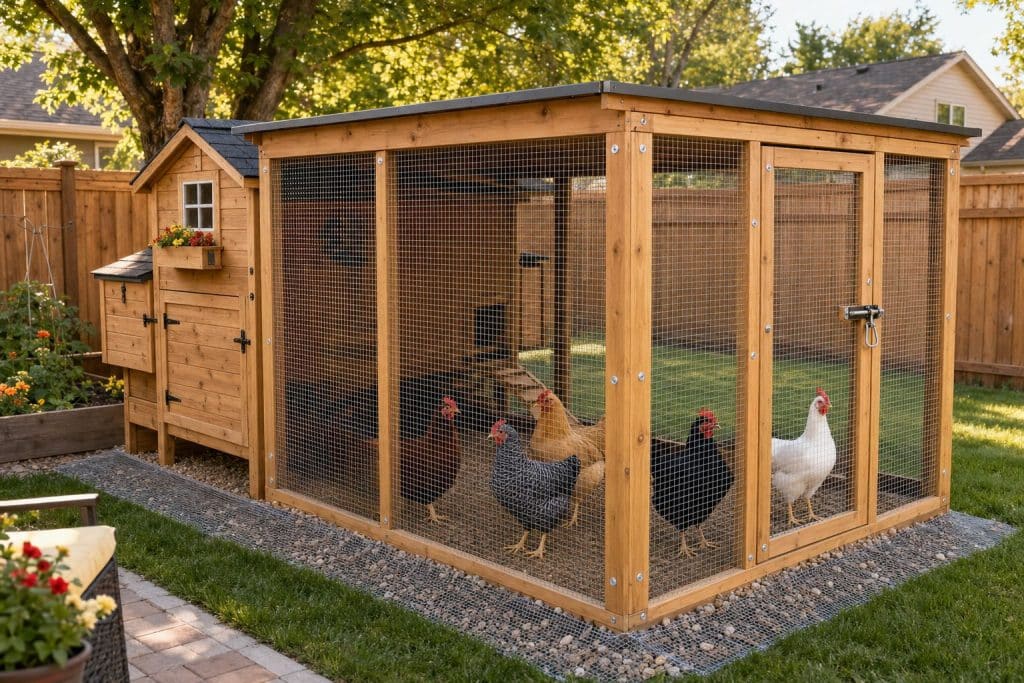
Backyard flocks have exploded in popularity, and anyone raising hens knows the joy of fresh eggs. Coyotes notice those flocks too.
A coop carries several smells at once. There is the birds themselves, scattered feed, spilled water, droppings, and sometimes cracked eggs.
Together they send a strong message that small, easy prey lives here. In fall, when young coyotes are out searching for their own territory, coops often see more nighttime pressure.
Feed is a sneaky part of the problem. Spilled layer pellets and scratch grains draw rodents, which add yet another reason for a predator to circle.
Store feed in metal cans with tight lids, and clean up spills daily. Collect eggs often and remove any broken ones right away.
Change bedding regularly to cut down on odors.
Most important, lock hens inside a secure coop every night. Hardware cloth tends to hold up better than chicken wire, and burying a skirt of wire around the base may help stop digging.
Motion-activated lights near the run can also discourage visits. No setup is perfect, but these steps can greatly improve your flock’s odds.
8. Fish Emulsion and Bone Meal Fertilizers
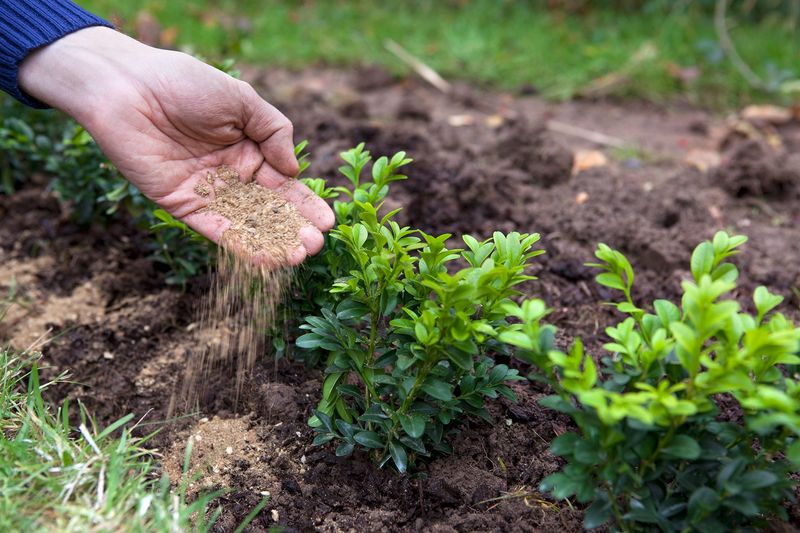
Few gardeners connect their fertilizer with wildlife, but organic products can smell like dinner to a hungry animal.
Fall is planting time across much of the South for crops like broccoli, kale, lettuce, and garlic. Many people feed those beds with fish emulsion, blood meal, bone meal, or feather meal.
These work well for plants, yet they are made from animal parts, and their scent can be surprisingly strong for days.
Dogs often dig in freshly fertilized beds for the same reason. Coyotes, raccoons, and opossums may do the same, tearing up young seedlings while they search for the source of the smell.
You can keep using organic fertilizers with a few tweaks. Work granular products a couple of inches into the soil instead of leaving them on the surface.
Water right after applying to wash scent down into the root zone.
Dilute fish emulsion carefully and avoid splashing it on paths or patios. Store open bags indoors in sealed bins.
If digging continues, try plant-based options like alfalfa meal or compost, which usually smell far milder. Your fall vegetables still get fed, and your beds may stay intact.
9. Water Sources and Standing Puddles
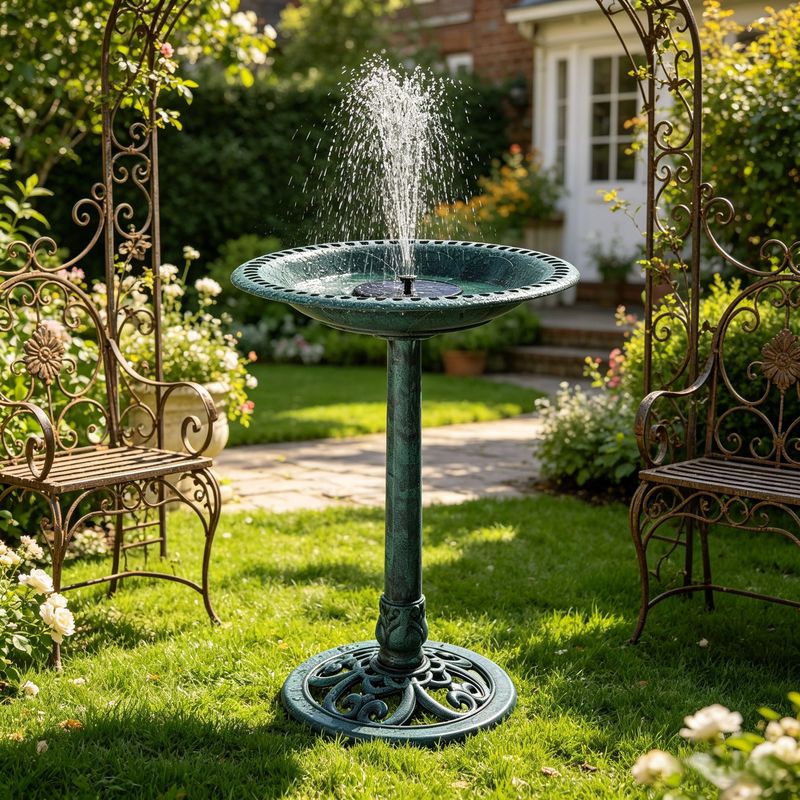
Water does not smell like much to us. To wildlife during a dry Southern fall, it can be one of the most valuable scents around.
Much of Texas and parts of Florida often see dry spells in autumn, when creeks shrink and puddles vanish. Coyotes can detect damp soil and water, and they will travel to reliable sources.
Birdbaths, garden ponds, leaky hoses, pet water bowls, and buckets left out all qualify.
Water also draws frogs, birds, and rodents, so a pond or soggy corner can double as both a drink stop and a hunting ground.
Fix dripping spigots and leaky irrigation lines, which can create wet spots you may not notice. Empty buckets, wheelbarrows, and plant saucers after rain.
Bring pet water bowls inside at night.
You do not need to give up a birdbath or pond. Keep plants trimmed around the edges so there is less cover for a lurking animal, and consider a motion-activated sprinkler nearby, which may startle visitors away.
Paired with the other cleanup habits on this list, managing water can make your yard less inviting overall and help coyotes keep moving past your house.