
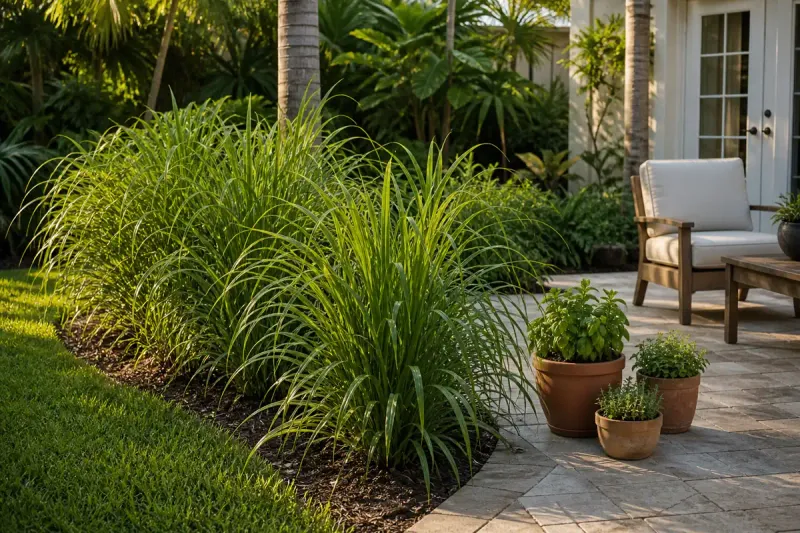
Florida porches are made for coffee, iced tea, and late sunsets, but mosquitoes can ruin the mood fast. A few hard-working plants can help make your patio less inviting to them while also making the space look better.
They are not a magic shield, but when you place them near chairs, doors, and walkways, their strong scents can support your regular mosquito control. Here are seven porch-friendly picks that handle Florida warmth and bring more than a plain citronella candle ever could.
1. Lemongrass
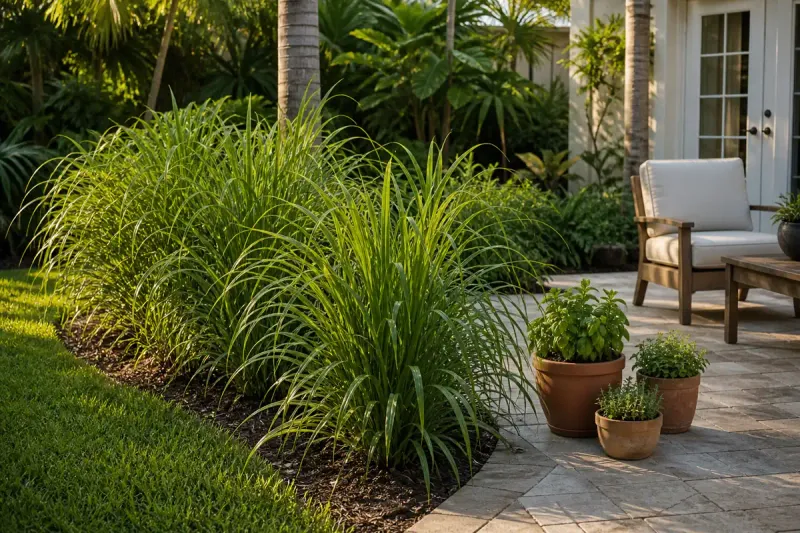
One whiff of crushed lemongrass leaves and you understand why mosquitoes tend to give this plant some space. It has that bright, lemony scent people often associate with outdoor candles, but in a living form that keeps growing through Florida’s long warm season.
Lemongrass likes sun, heat, and roomy containers, which makes it a natural fit for patios in much of Florida. Use a pot with drainage, because the roots do not want to sit in stormwater after a hard afternoon downpour.
In sandy garden soil, mix in compost before planting, or keep it in a container where you control the moisture better.
For the strongest effect, place lemongrass near seating areas where people brush past it. The oils release more when the leaves are rubbed or trimmed, so do not expect it to work like a plug-in repellent from across the yard.
Clip a few blades now and then to keep it tidy, and use the trimmings in garden-safe ways, such as adding scent to a patio arrangement.
What makes lemongrass different from the rest of this list is its bold size and tropical look. It can act almost like a soft privacy screen in a big porch pot while adding a clean scent mosquitoes are less likely to enjoy.
2. Rosemary
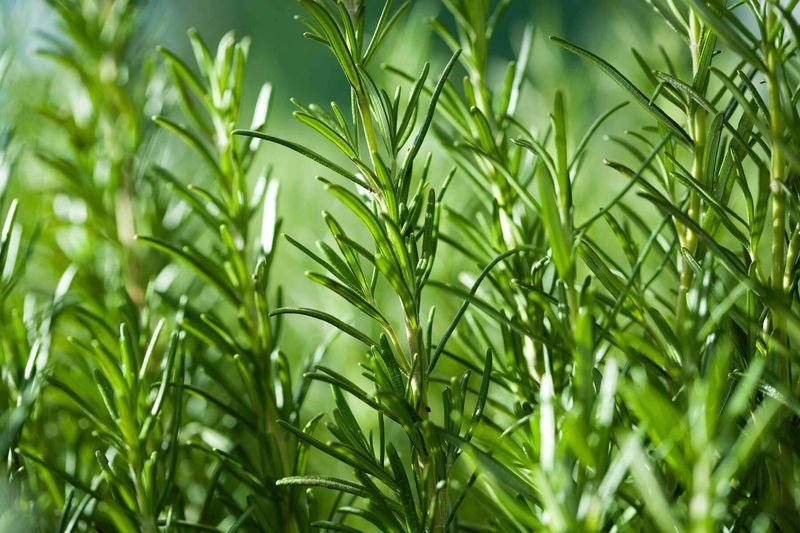
Rosemary is the porch plant for gardeners who forget to water until the afternoon sun has already done its worst. Once settled, it handles heat better than many tender herbs, and its piney scent can help make a patio feel fresher while discouraging mosquitoes from lingering close by.
Florida gardeners should give rosemary excellent drainage. That is easy in a container with a gritty potting mix, but harder in spots that flood during summer storms.
If your porch gets full sun for at least six hours, rosemary can thrive near steps, outdoor kitchens, and sunny sitting areas.
The useful trick is movement. Brush your hand along the stems before guests arrive, or trim a few sprigs to release more fragrance around the table.
Rosemary’s oils are strongest when the plant is touched, clipped, or warmed by the sun, so placement matters more than simply owning one pot.
Unlike softer mosquito-deterring herbs, rosemary brings structure. It can be clipped into a neat mound, tucked into a formal container, or grown as a rugged little anchor plant beside seasonal flowers.
As a bonus, it is kitchen-friendly, so your patio pot can season roasted potatoes one night and help freshen the porch the next.
3. Basil
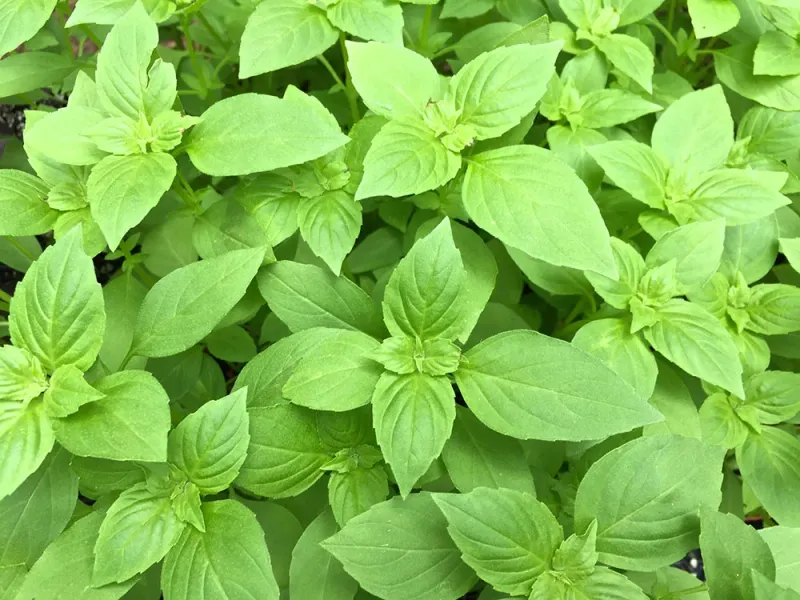
Nothing says summer porch supper quite like a pot of basil sitting close to the table. The same spicy-sweet aroma that makes it so good in the kitchen may also make mosquitoes less eager to hang around your eating area.
Basil grows fast in Florida warmth, especially where it gets morning sun and a little afternoon protection during the hottest stretch of the year. In containers, it appreciates regular water, but it should not be left soggy after heavy rain.
Pinch the tips often to keep it bushy instead of tall and tired.
Several basil types can work, including sweet basil, Thai basil, and lemon basil. Lemon basil is especially useful for patios because its citrusy scent feels bright near doors and seating spots.
Holy basil, also called tulsi, is another aromatic option, though gardeners should check local recommendations and choose non-invasive, appropriate varieties for their area.
Basil earns its place on this list because it is quick. If you want a porch plant that fills out fast before a weekend cookout, basil is one of the easiest wins.
Keep it close enough that people can pinch a leaf as they pass, and replace tired plants when they flower heavily or decline in Florida’s steamy weather.
4. Mint
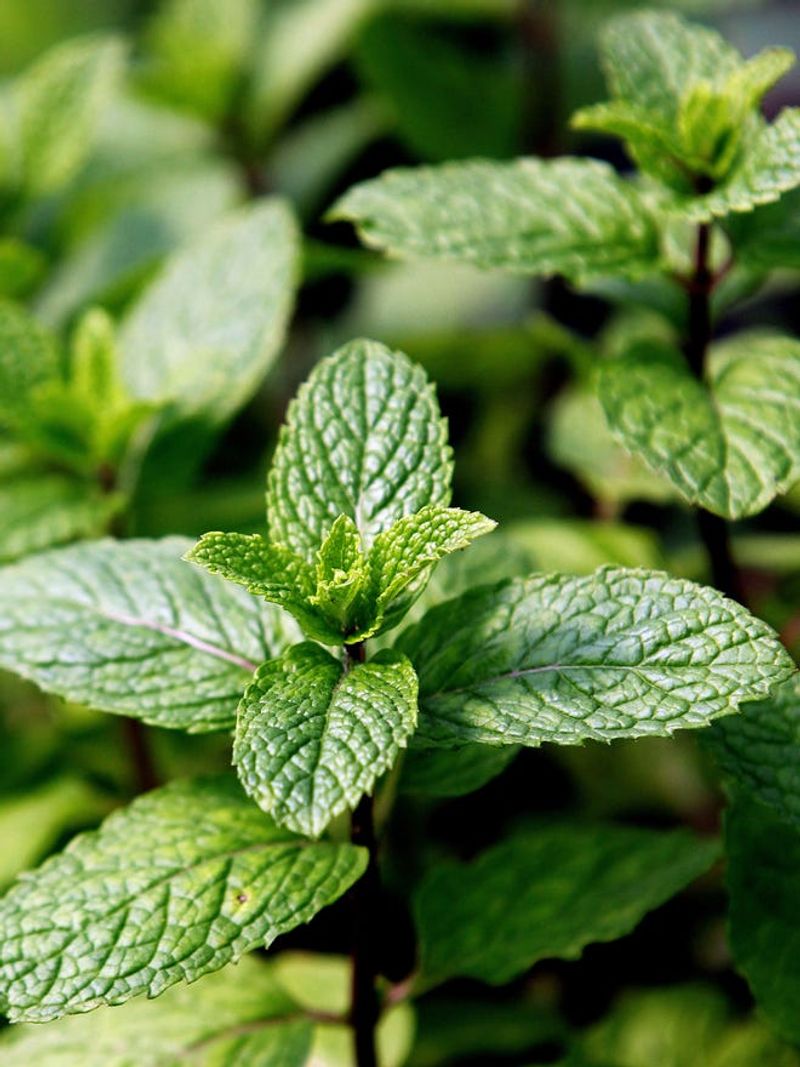
Mint has a way of taking over a garden bed like it owns the deed, which is exactly why it belongs in a pot on the porch. In a container, its strong fragrance stays useful without becoming a long-term weeding problem.
The cool scent of mint comes from aromatic oils that many biting insects seem to dislike at close range. Spearmint, peppermint, and other common culinary mints can all be useful around patios, especially where guests brush against the leaves.
Crush a few leaves before sitting outside to release more scent near chairs and side tables.
Florida’s heat can be rough on mint in harsh afternoon sun, so give it morning light or bright shade. Keep the soil evenly moist, since container mint wilts quickly when the pot dries out.
A saucer may help during dry spells, but empty standing water often, because mosquito larvae love stagnant water more than they dislike mint.
The reason mint stands apart is its speed and usefulness in small spaces. Even apartment balconies and narrow townhome patios can hold one pot by the door.
Snip it for tea, fruit salad, or a pitcher of lemonade, then let the plant regrow for another round of porch-scented help.
5. Lavender

Lavender feels like a little piece of a dry Mediterranean hillside, which makes it both beautiful and slightly fussy in humid Florida. When grown well, its floral, resinous scent can help freshen porch seating areas while making mosquitoes less comfortable nearby.
The secret is drainage and air movement. Lavender dislikes wet roots, heavy soil, and cramped corners where humidity sits all day.
Use a raised container, a fast-draining mix, and a sunny spot with good airflow. In the muggiest parts of Florida, gardeners often have better luck treating lavender as a seasonal porch plant rather than a forever shrub.
Choose varieties known for heat tolerance, and avoid overwatering out of kindness. Water deeply when the mix is dry, then let the pot drain fully.
A light-colored container or gravel mulch can help keep the crown drier after summer rain.
Lavender’s special value is mood. Rosemary smells bold and kitchen-like, basil smells lively, but lavender softens the whole porch.
Place it near a reading chair or entry bench where the scent can be noticed up close. It will not replace mosquito control after a rainstorm, but it adds fragrance, flowers, and a calmer feel to the space.
6. Marigold
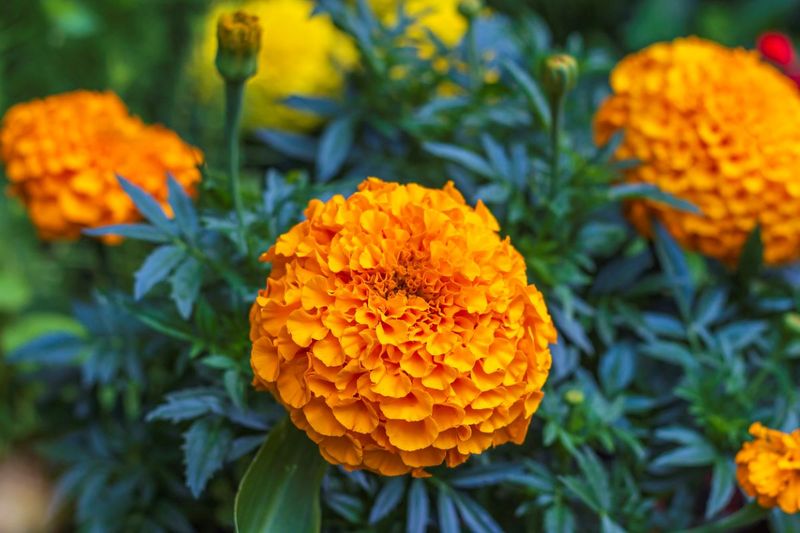
Marigolds bring the cheerful look of a front-porch flower box, but their usefulness is not only about color. Their distinct, musky scent is one reason many gardeners use them near vegetable beds, doors, and outdoor sitting areas.
In Florida, marigolds can be especially handy during the milder parts of the year, including fall, winter in warm areas, and spring. They may struggle during the most brutal heat and humidity, so refresh plantings when they get leggy or tired.
Give them sun, regular water, and containers that drain quickly after storms.
French marigolds are compact and fit nicely in porch pots, railing planters, and mixed containers. African marigolds are taller and bolder, better for large tubs or sunny porch steps.
Deadhead spent flowers to keep the plant blooming and looking sharp for visitors.
Marigold earns a different role than the leafy herbs because it is highly visible. If your patio needs color as much as mosquito help, marigolds make the fix look intentional.
Tuck them near seating, but also use them as a bright edge around the porch, where their scent and color greet people before the mosquitoes do.
7. Catnip
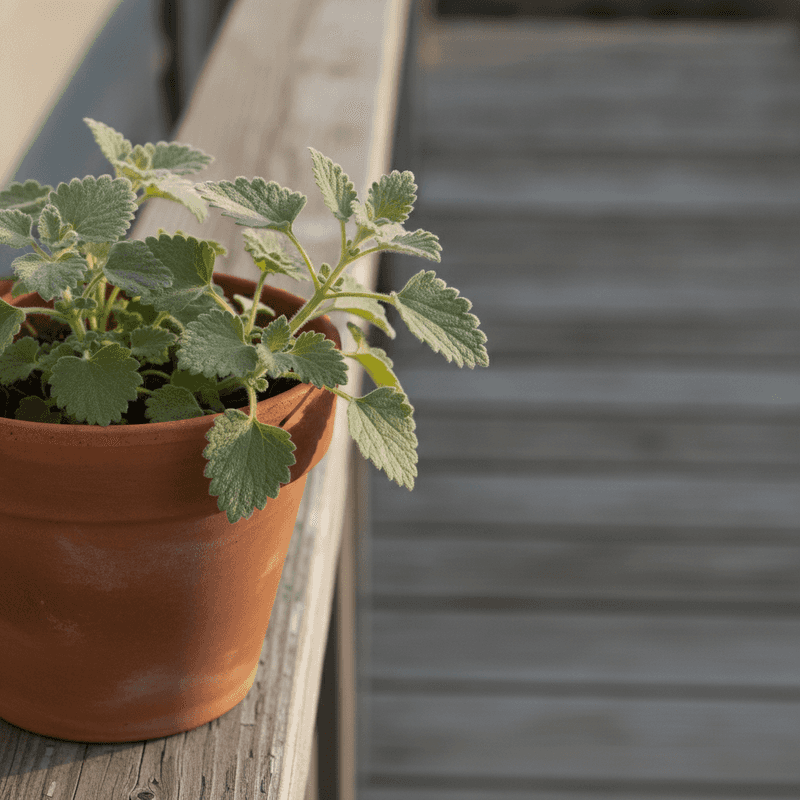
Catnip has a funny reputation because cats can act ridiculous around it, but gardeners should not overlook its porch value. The plant contains aromatic compounds that researchers have studied for insect-repelling potential, and its sharp herbal scent can make a patio less attractive to mosquitoes at close range.
Grow catnip in a container unless you truly want it spreading. It belongs to the mint family, so it can get pushy in open soil, especially where water and warmth are steady.
A pot also lets you move it away from curious pets or tuck it closer to the seating area when needed.
Florida gardeners should give catnip morning sun or bright filtered light, plus a potting mix that drains well. Trim it often to keep it compact and to release more scent from the leaves.
If neighborhood cats visit your porch, consider a hanging basket or plant stand so the pot does not become a rolling mat.
Catnip is the quirky pick on this list, and that is its charm. It is not as polished as lavender or as bold as lemongrass, but it is tough, fragrant, and surprisingly useful.
For a casual patio where pets, kids, and gardeners all share the space, one guarded pot can add personality while helping with the mosquito problem.