
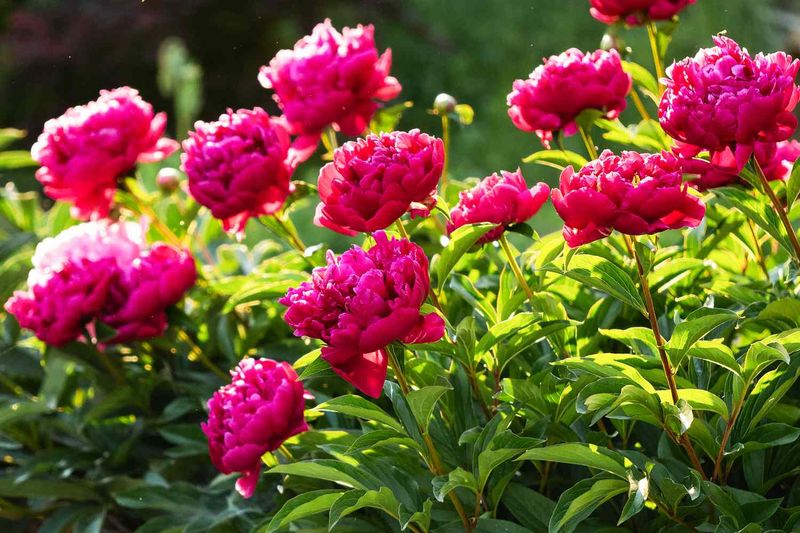
Peonies are one of the most rewarding perennials a North Carolina gardener can grow, but they come with a reputation for being finicky about bloom. A lot of advice floating around the internet tells you to cut them back in September, or else forget about flowers next spring.
That rule sounds tidy, but it skips the most important step: actually looking at your plant before reaching for the shears. What your foliage tells you in fall matters far more than any date on the calendar.
Use foliage condition instead of a September deadline
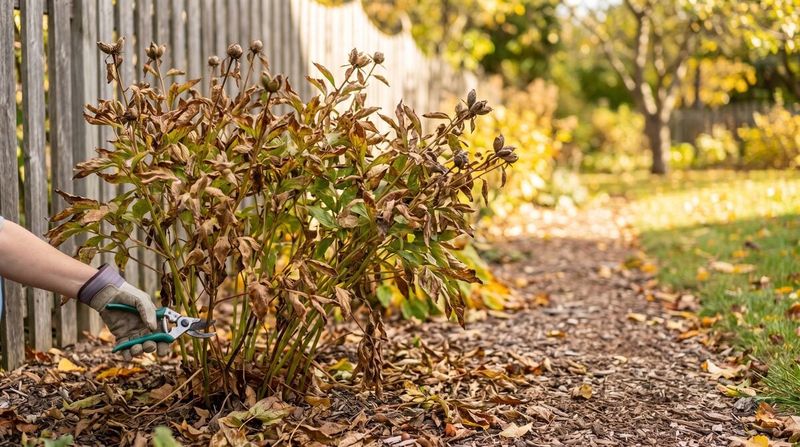
Cutting peonies back on a fixed September date feels satisfying, like crossing something off a to-do list. The problem is that calendar-based advice ignores what your plant is actually doing, and acting too early can work against you.
For established herbaceous peonies, the smarter move is to step outside and look at the foliage before you do anything else.
If the leaves are still green and upright, leave them alone. Green foliage is working foliage, and removing it before it has naturally finished its job can reduce the plant’s stored reserves heading into winter.
Iowa State Extension’s peony bloom guidance specifically flags early foliage removal as a factor that weakens plants and can compromise future flowering. That warning applies even when the calendar says September.
A September cut makes sense under two conditions: the foliage has already yellowed and died back on its own, or the leaves show clear signs of disease such as dark spots, gray mold, or water-soaked patches. Healthy green foliage does not qualify for removal just because it is fall.
Conditions vary considerably across North Carolina. A peony in the mountains may experience its first frost weeks earlier than one growing in the Coastal Plain, and a plant in a warm Piedmont yard may carry green leaves well into October.
NC State’s peony profile acknowledges this regional variation without prescribing separate cleanup dates for different parts of the state. Use your plant’s foliage condition as the signal, not a regional calendar.
Healthy leaves help preserve future flowering potential

Peony foliage does not shut down when summer ends. Through early fall, the leaves continue converting sunlight into energy that travels down into the root system and crown.
That stored energy is what the plant draws on to develop and support next spring’s flower buds during the long months of winter dormancy.
Strip those leaves off while they are still green, and you cut the process short. Iowa State Extension’s overview of peony bloom problems notes that removing foliage in July or August weakens plants, and the same logic extends to any premature removal in early fall before the leaves have run their course.
The plant simply has less to work with going into dormancy.
One thing worth keeping straight: allowing foliage to remain does not itself create flower buds or guarantee a bloom-filled spring. Extension peony care guidance frames fall cutting as a sanitation and dormancy practice, not a bloom trigger.
The foliage supports the plant’s reserves, and those reserves improve the odds of flowering, but other factors including light, planting depth, cultivar choice, chilling hours, and disease all play roles too.
Waiting for natural yellowing or dieback is not passive neglect. It is a deliberate choice to let the plant finish its seasonal work on its own schedule.
Once the foliage begins to yellow, collapse, or take frost damage, the transfer of energy has wound down and cleanup can begin without shortchanging the plant.
Complete cleanup after dieback or frost damage
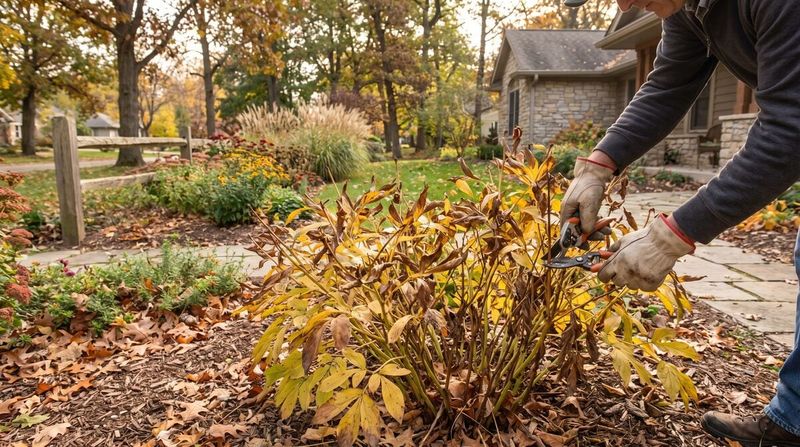
Once your peony foliage has yellowed, collapsed on its own, or been knocked down by a frost, the timing is right to complete fall cleanup. The process is straightforward: cut herbaceous peony stems close to ground level, then gather and remove all the fallen leaves, cut stems, and any debris that has accumulated around the base of the plant.
Getting that debris out of the bed matters. Old plant material left around the crown can harbor fungal spores and other pathogens through the winter.
UC IPM’s peony disease overview identifies Botrytis blight as a common and damaging peony disease, and the pathogen overwinters in infected plant tissue. Removing spent material reduces the amount of disease pressure that carries over into spring.
Diseased foliage is a separate case and should not wait for natural dieback. If you spot leaves with dark lesions, gray fuzzy mold, or stems that are turning brown and collapsing before the season ends, remove that material promptly and keep it out of your compost pile.
Iowa State’s guide to peony problem management recommends removing and discarding infected plant parts to limit the spread of disease.
The distinction between diseased foliage and healthy foliage is the key judgment call. Leaves that are green, firm, and free of spots or mold are doing useful work and should stay in place.
Leaves that are clearly infected are a liability and can come off whenever you notice them, regardless of the date. Healthy foliage that has simply died back naturally at the end of the season can be cut and cleared as part of routine fall garden cleanup.
North Carolina’s climate may limit flowering

Fall care decisions do not exist in a vacuum. The bigger picture for North Carolina peony growers includes a climate variable that no amount of careful September cleanup can fix: winter chilling.
Peonies need a sustained period of cold temperatures to break dormancy and produce flowers reliably, and not every part of the state delivers that consistently.
According to NC State’s herbaceous peony profile, peonies generally perform well in the mountains and cooler parts of the Piedmont, but they may struggle in warmer areas of the state where the chilling requirement is difficult to meet. A gardener in Asheville and a gardener near Wilmington are not working with the same conditions, and the same cultivar may thrive in one location and bloom poorly in the other.
Low-chill cultivars are sometimes suggested for warmer locations, and they may be worth exploring if you are growing peonies in the warmer Piedmont or Coastal Plain. They are not a universal solution, though, and a low-chill cultivar in a borderline climate still needs everything else to go right: good drainage, adequate sun, proper planting depth, and a healthy root system.
Correct fall cleanup cannot compensate for insufficient chilling. If your peony produces lush foliage every spring but stubbornly refuses to flower, and your fall care has been sound, the problem may be climate rather than technique.
That is a useful distinction because it changes the solution from adjusting your cleanup timing to reconsidering your cultivar or your planting site altogether.
Check the growing conditions when leaves outnumber flowers
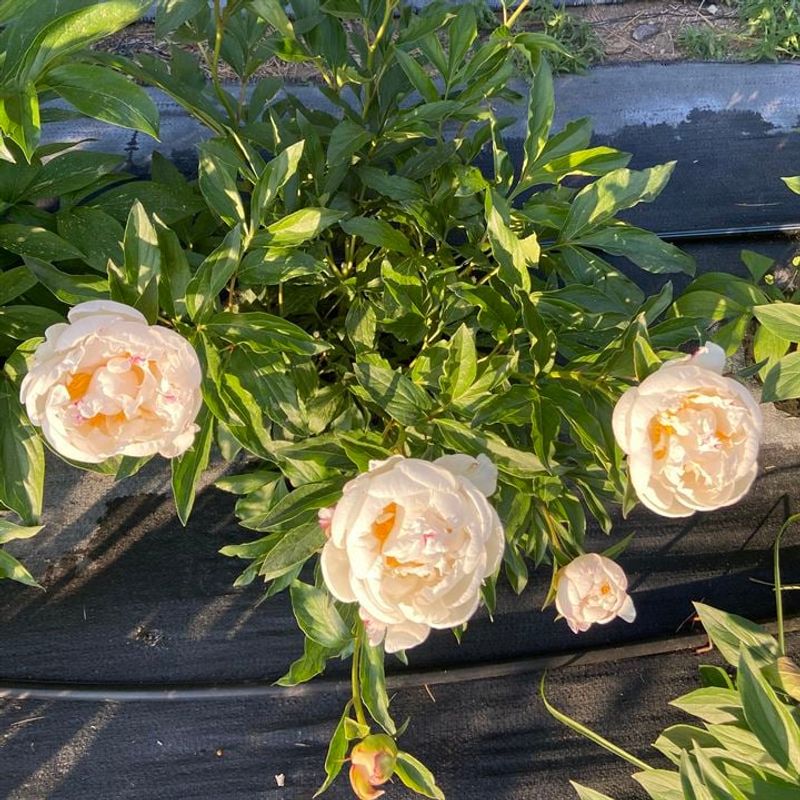
A peony that grows vigorously but never blooms is frustrating, and it is easy to assume the problem traces back to fall care. More often, the real cause is something structural about how the plant is growing.
Running through a short checklist of growing conditions can save a lot of guesswork.
Planting depth is one of the most common culprits. Herbaceous peony crown eyes should sit shallowly in the soil, generally about 1 to 2 inches below the surface.
Iowa State Extension’s planting guidance emphasizes that too-deep planting is a reliable way to produce plenty of foliage and few or no flowers. NC State advises warm-region growers to keep crowns no more than 1 inch deep, which is shallower than the standard range used in cooler climates.
Published research in HortScience also supports the connection between crown depth and flowering performance in peonies.
Sun exposure is the next thing to evaluate. Peonies prefer full sun, and even moderate shade can suppress flowering.
If nearby trees or shrubs have grown up around a plant that used to bloom well, reduced light may be the answer. NC State’s peony profile notes that excessive shade can inhibit flowering in an otherwise healthy plant.
Fertilizer habits also matter. Excess nitrogen pushes leafy growth at the expense of flowers.
Avoid high-nitrogen fertilizers around peonies, and skip the late-season fertilizing entirely. Iowa State’s bloom troubleshooting resource lists excess nitrogen as a direct contributor to poor flowering.
Age and recent planting round out the list: newly established peonies commonly bloom poorly or skip blooming altogether in their first year or two, and that is normal, not a sign of failed fall care.
Fall division can delay the next spring’s flowers
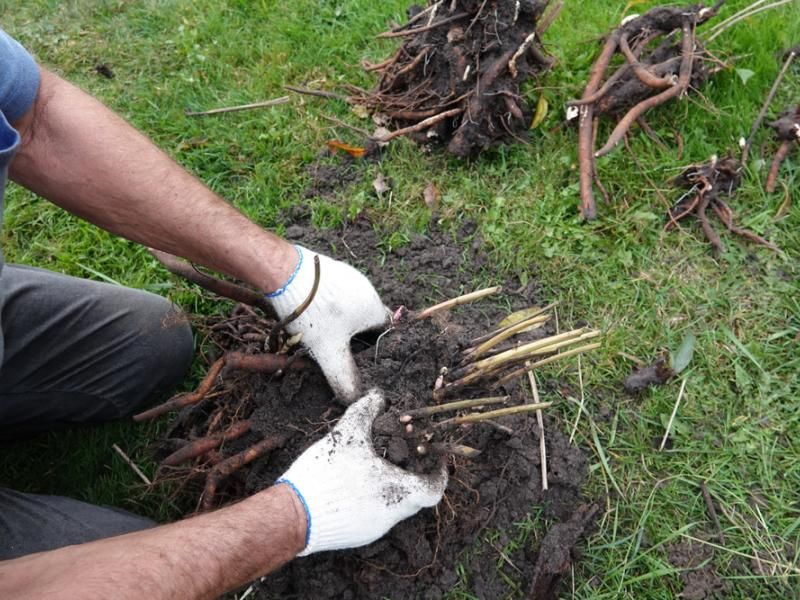
Some gardeners read advice about September peony care and assume the action being recommended is dividing or transplanting. Fall is genuinely a reasonable time for that work in many settings, including much of North Carolina.
The catch is that moving or dividing a peony often costs you the following spring’s flowers, sometimes more than one spring’s worth.
When you dig and divide an established peony, you are disrupting a root system that may have been in place for years. The plant channels its energy into recovery and re-establishment rather than flower production.
Iowa State Extension’s transplanting guidance makes clear that newly moved peonies may take multiple seasons to reach full flowering again. Expecting blooms the spring after a fall division is often unrealistic.
If you do divide in fall, give each division the best possible start. Each piece should retain a healthy root system and several eyes, which are the pink or red buds visible on the crown.
Extension peony division advice and Iowa State both recommend divisions with at least three to five buds to support recovery. Divisions with only one or two eyes are slower to establish and less likely to flower on a predictable timeline.
NC State’s peony profile notes that newly planted peonies commonly bloom poorly during their first year or two. That applies equally to divisions and fresh transplants.
Patience is the most important ingredient after fall division, and treating a bloom-free spring as a sign that something went wrong in September misreads what the plant is actually doing.
Identify the peony before cutting it down
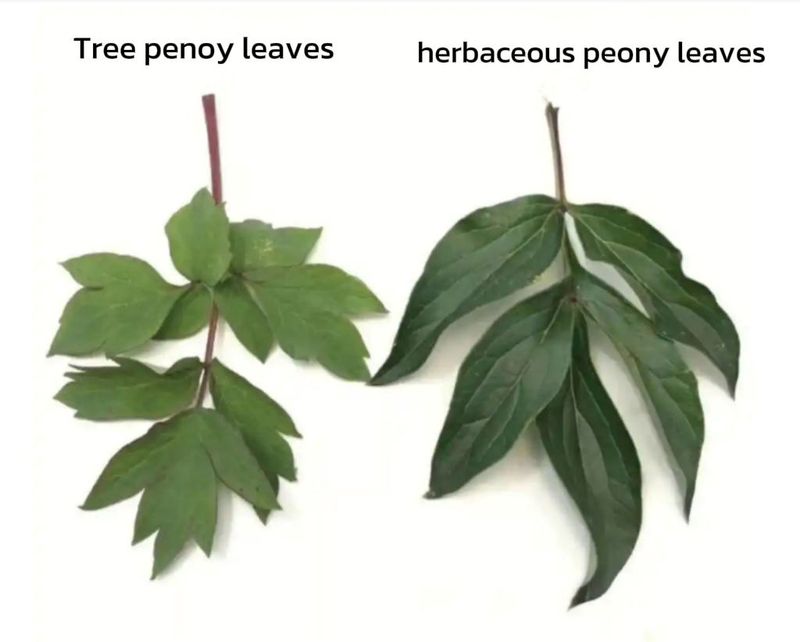
Before any fall cutback happens, spend a moment confirming what type of peony you are actually dealing with. The distinction between herbaceous and tree peonies is not a minor technicality.
Applying herbaceous cutback instructions to a tree peony can cause serious damage to the plant.
Herbaceous peonies die back to the ground naturally at the end of the growing season. Their stems are soft, not woody, and cutting them close to the ground after fall dieback is the correct approach.
University of Connecticut’s peony factsheet confirms this growth habit and the corresponding care difference between herbaceous and tree peonies.
Tree peonies are a different plant with a different structure. They develop woody stems that persist above ground through winter, and those stems are the framework for next season’s growth and flowers.
Cutting a tree peony to the ground the way you would a herbaceous peony removes that framework and can severely set back or kill the plant. Iowa State Extension’s peony growing guide documents this distinction and treats the two types as requiring separate handling.
If you are not certain which type you have, look at the stems as the season winds down. Herbaceous peony stems will soften, collapse, and die back on their own.
Tree peony stems stay firm and woody. When in doubt, do less rather than more, and research your specific plant before cutting anything back in fall.
The safe fall-care rule

The clearest fall rule for established herbaceous peonies is also the simplest: check the foliage before you cut anything. Green, healthy leaves should stay on the plant.
Clearly diseased foliage, with spots, mold, or collapsing stems, can come off whenever you spot it. The main cutback and debris removal happen after the foliage has naturally yellowed, died back, or been damaged by frost.
Following that sequence supports the plant’s late-season energy production and reduces the amount of disease material that carries over into spring. UC IPM’s peony management guidance and NC State’s peony profile both support cleanup as a sanitation practice rather than a bloom guarantee.
Good fall care improves conditions for flowering, but it does not override other factors.
If your peony is producing full, healthy foliage but few or no flowers, look beyond fall cleanup. Iowa State Extension’s bloom troubleshooting guide points to planting depth, insufficient sun, excess nitrogen, disease, plant age, recent transplanting, cultivar suitability, and inadequate winter chilling as the more likely explanations.
A peony that blooms well is one whose complete growing environment supports it, and fall cleanup is just one piece of that picture.