
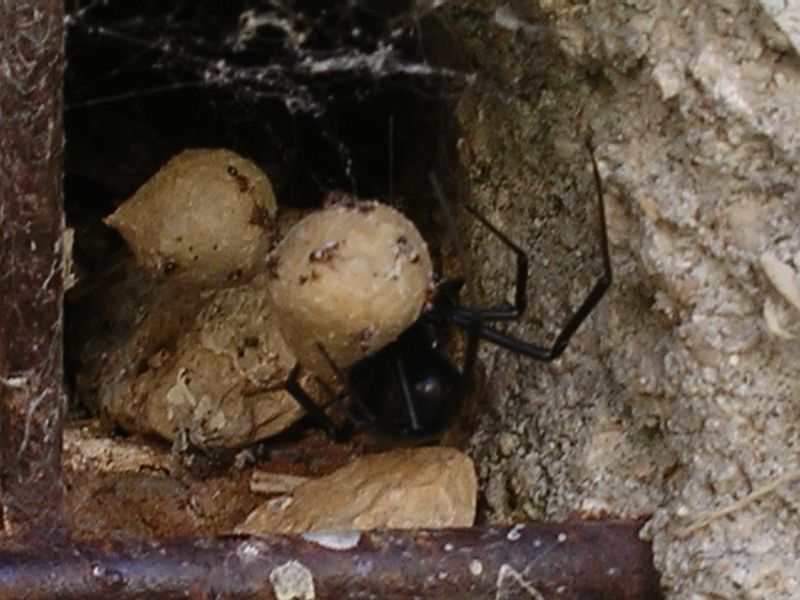
Black widows are a real part of Central Texas outdoor life, and most homeowners would rather not find one under a flowerpot or inside a garage box. The good news is that specific yard conditions, not bad luck, tend to make the area around your house more suitable for these spiders.
Understanding what those conditions are gives you a practical path to reducing unwanted encounters near porches, entryways, and storage spaces where people actually spend time.
Your yard can create habitat without luring spiders from far away
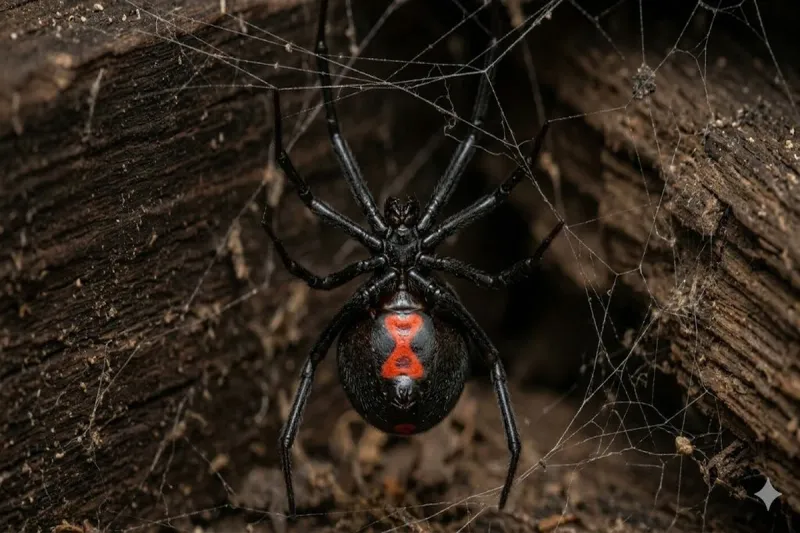
Finding a black widow near your back door does not mean your yard sent out an invitation. Texas A&M AgriLife Extension notes that widow spiders are common around homes and gardens across Texas, where they settle into sheltered spots such as eaves, dense plants, outdoor furniture, and other protected structures.
A spider found near your foundation was almost certainly already living in your general area, not recruited from a neighboring field by a specific habit you have.
What yard and structural conditions can do is make the space immediately around your house more comfortable for widow spiders to stay. Shelter, available insect prey, and easy access to gaps in the structure are the three conditions that matter most.
When those conditions stack up near a doorway, garage wall, or storage shed, encounters become more likely simply because spiders that wander through have good reasons to stop and settle.
Texas has four widow species, and they vary in appearance across sexes and life stages. The familiar glossy black female with a red hourglass on her underside is the most recognized, but juveniles and males can look quite different.
Identifying a spider from color or web shape alone is not reliable, which is one reason careful observation from a safe distance matters more than a quick grab.
The practical goal here is not to eliminate every outdoor spider, which is neither realistic nor ecologically useful. EPA integrated pest management guidance focuses on reducing conditions that create avoidable encounters in high-use areas, and university extension fact sheets consistently recommend habitat modification and exclusion before reaching for any pesticide.
That sequence, correcting conditions first, is what the rest of this article covers.
Wall-side clutter supplies protected hiding places
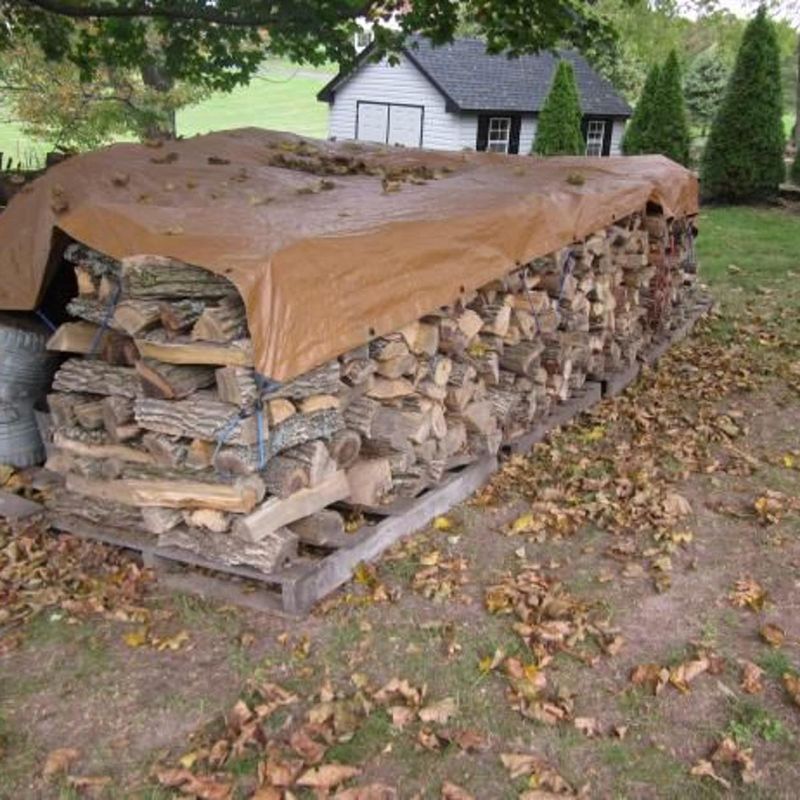
Firewood stacked against the back wall, a forgotten stack of lumber from last spring’s project, loose bricks left over from a border repair, empty plastic pots nested together near the spigot – these are not just eyesores. Each one creates a dark, sheltered gap that widow spiders find genuinely useful as a resting and nesting site.
Utah State University Extension’s black widow guidance specifically lists woodpiles, debris, and undisturbed materials stored near structures as recognized habitat. Moving those materials away from the wall, even a few feet, reduces the protected zone right at the foundation.
Elevating firewood on a rack keeps it off the ground and makes the underside inspectable rather than a blind cavity.
Irrigation control boxes, utility meter housings, and rarely opened equipment stored against an exterior wall deserve the same attention. These fixtures stay dark, undisturbed, and sheltered for months at a time, which suits widow spiders well.
Make a habit of checking them before reaching in, especially if they have not been opened recently.
Handling warning: never put bare hands into a woodpile, box, pot, or debris pile without looking first. Use a long-handled tool to shift materials before reaching in, and wear sturdy work gloves.
Texas A&M AgriLife points out that widow spiders generally avoid confrontation but may bite when they are trapped, touched, or disturbed suddenly. Slow, deliberate movement and proper gloves go a long way toward preventing that situation.
Keeping the zone within two feet of your exterior walls clear and inspectable is one of the most straightforward steps you can take. Less clutter means fewer hidden pockets and a much easier time spotting irregular webs before you reach through them.
Overgrown edges and unnecessary lights can add cover and prey
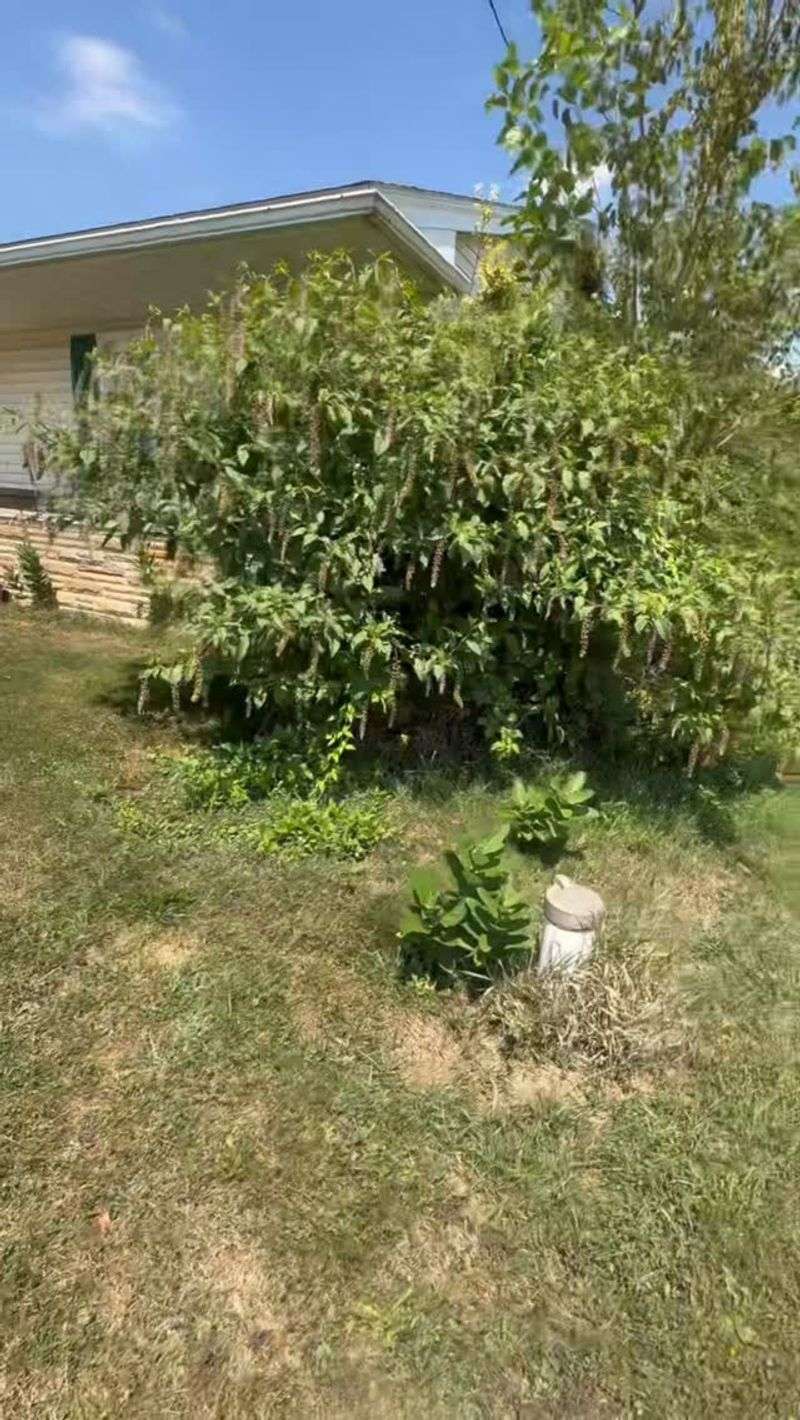
Grass that runs tall right up to the foundation and shrubs that press against the siding give spiders a continuous covered corridor from the open yard to the structure itself. Keeping a mowed or cleared band along exterior walls removes that bridge and makes the area much easier to inspect visually.
University of Minnesota Extension recommends trimming vegetation that contacts the house as part of a broader spider-reduction approach, framing it as habitat reduction rather than a guaranteed repellent.
Shrubs that touch window sills, drain pipes, or eave overhangs are worth particular attention. They create a shaded, humid microhabitat that stays undisturbed for long stretches, and they make it harder for you to spot webs during a routine walkabout.
Trimming them back a foot or more from the wall is a simple fix that also improves airflow and reduces moisture along the foundation.
Exterior lighting is a separate but related factor. Lights themselves do not pull widow spiders toward a house, but they can concentrate flying insects near doors, porches, and walls.
Where insects gather, spiders that eat insects may find conditions favorable. The USU Extension spider fact sheet and related structural pest guidance both mention sodium-vapor or yellow bulbs as options that tend to attract fewer insects than standard white bulbs, though no specific bulb type eliminates spiders.
The practical step is to reduce unnecessary lighting rather than overhaul every fixture. Turn off porch lights when no one is outside, add motion-sensor switches so lights run only when needed, and consider moving any decorative lighting away from entry points and wall surfaces where insects tend to collect.
Small adjustments to when and where lights are on can meaningfully reduce the insect concentration near your most-used doors.
Sealing gaps limits indoor access
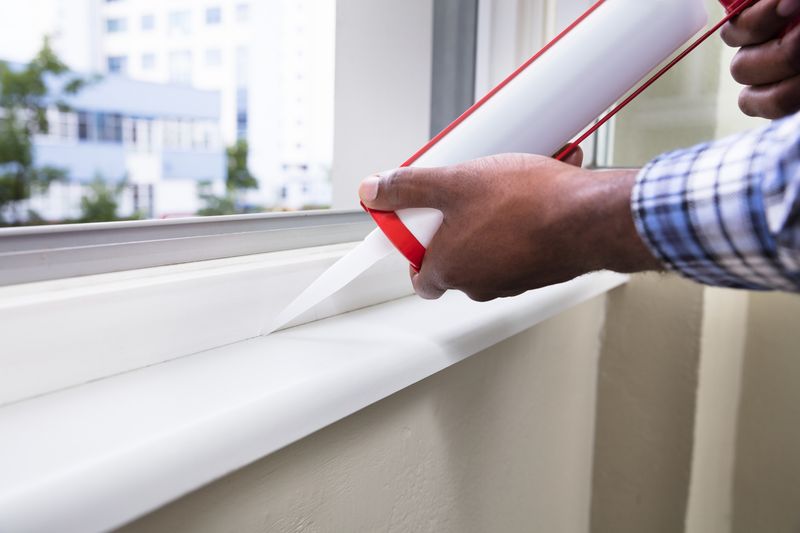
Cracks along the foundation, gaps around pipe penetrations, torn screen mesh, and door bottoms that do not quite meet the threshold are all openings that spiders and other small pests can use to move inside. Sealing those openings does not remove spiders from your yard, but it does reduce the chance that one finds its way into a closet, cabinet, or room where contact with a person becomes more likely.
A focused exclusion checklist for a Central Texas home should cover: door sweeps and weather stripping on all exterior doors, window screens checked for tears or bent frames, caulk or foam applied around utility penetrations such as hose bibs and electrical conduit, and visible cracks along the foundation sealed with an appropriate masonry filler. USU Extension spider guidance and University of Minnesota Extension both list these physical barriers as standard spider-reduction measures.
Garage doors deserve specific attention because they often have gaps along the bottom edge or at the sides where the seal has worn down. A well-fitted rubber bottom seal is inexpensive and closes off one of the most common entry routes into an attached garage.
EPA pest control resources for residents reinforce that physical exclusion is a first-line control measure under an integrated approach.
One distinction worth keeping clear: sealing the house addresses indoor access only. Outdoor spiders will still be present, and the shelter and prey conditions along your exterior walls will still matter.
Exclusion works best as one layer in a broader set of habitat-reduction steps, not as a standalone fix that handles everything on its own.
Inspect garages, sheds, porches, and quiet storage
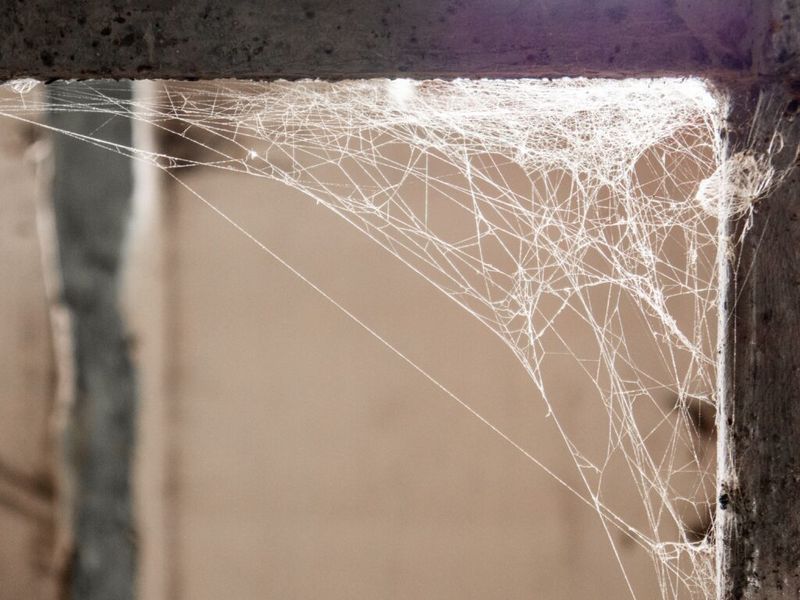
Garages, storage sheds, covered porches, and utility closets share a common trait: they stay quiet for long stretches, accumulate clutter gradually, and rarely get a thorough cleaning. Those qualities make them some of the most encounter-prone spaces around a Central Texas home, because webs and egg sacs can persist for weeks without being noticed.
Cardboard boxes stacked on a garage floor are a particular concern. They absorb moisture, stay dark on the inside, and create dozens of small gaps that a spider can use for cover.
Switching stored items to sealed plastic bins removes a lot of that sheltered space in one step. USU Extension spider guidance recommends vacuuming webs and egg sacs as a direct control measure, and that step works well in these spaces – run the vacuum along wall corners, shelf undersides, and the gap between shelving units and the wall.
Sticky traps placed along baseboards and in corners can help you figure out where spider activity is concentrated before you see a spider directly. They are not a standalone solution, but they give you useful information about which corners of a garage or shed to prioritize during a cleanup.
Porches with stored furniture cushions, stacked plant pots, or piled garden bags are worth checking along the same lines. USU Extension’s broader spider context is a useful reminder that most outdoor spiders are harmless and ecologically beneficial, so the goal is targeted attention to high-contact areas rather than removing every web you can reach.
Focus your effort on spots where a hand, foot, or child is likely to make contact without looking first.
Follow IPM guidance instead of an automatic spray schedule
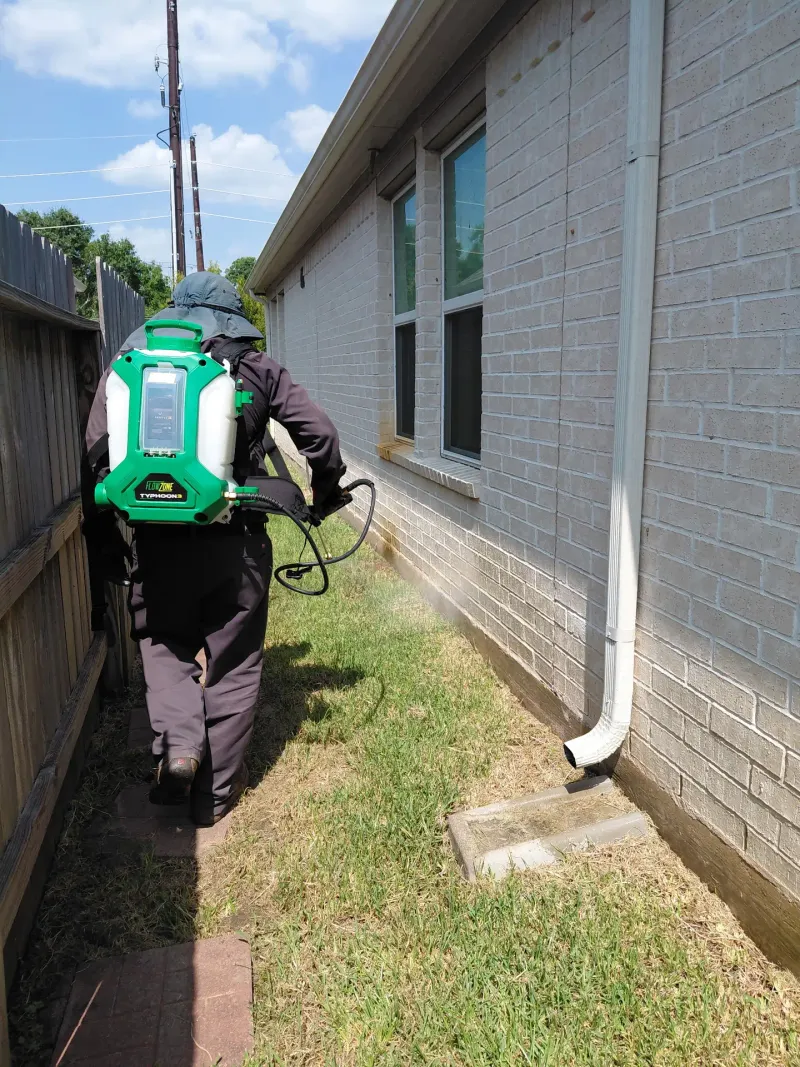
Reaching for a can of pesticide as the first response to seeing a spider near the house skips several steps that are both more effective and less likely to create unintended problems. EPA integrated pest management principles lay out a clear sequence: monitor and correctly identify the pest, address the shelter, food, water, and entry conditions that support it, and then use pesticides in a targeted way only when a confirmed need remains after those steps.
Calendar-based perimeter spraying, meaning a scheduled spray around the entire house every month or every season regardless of observed activity, is not consistent with that guidance. Extension sources advise against it as a default spider strategy because it applies product broadly without addressing the underlying habitat conditions, and it can harm non-target insects and other organisms.
EPA’s pest control resources for residents reinforce that targeted, label-compliant application is the appropriate approach when treatment is warranted.
When a targeted treatment is appropriate – for example, treating confirmed widow activity in a high-contact area after habitat reduction steps have been taken – use only products registered for the intended site and pest. Read the label fully before applying.
Never spray plants, pets, people, food-preparation surfaces, or any surface the label does not list as an approved application site. USU Extension spider guidance specifically notes that pesticide residues break down quickly on outdoor surfaces, so habitat modification and exclusion provide more durable results than spraying alone.
Before any treatment decision, make sure you are actually dealing with a widow spider. Texas A&M AgriLife notes that four widow species occur in Texas and that markings vary by sex and life stage.
A black spider, an irregular cobweb, or a red marking viewed from a distance does not confirm species. Many harmless cobweb spiders produce similar webs.
If you need to identify a spider, photograph it safely from a distance rather than handling it, and consult a local extension office or pest professional if you are uncertain.
Use late summer and fall as inspection reminders

Late summer and early fall are practical times to work through an exterior inspection checklist, not because Texas black widows begin a special nesting period at that time of year – the available evidence does not establish that – but because the season naturally prompts outdoor cleanup before cooler weather arrives. University of Minnesota Extension notes that spider encounters indoors can increase in fall in general, though that pattern is not specific to widow species or Central Texas conditions.
A useful seasonal checklist covers the conditions discussed throughout this article: clear debris and undisturbed materials from wall edges, trim any vegetation that has grown back into contact with the structure, check exterior lighting and switch unneeded fixtures to motion control, inspect door sweeps and screens for gaps that developed over summer, and work through garages, sheds, and covered porches to vacuum webs and reorganize stored items. Completing those steps together gives you a cleaner baseline heading into the months when outdoor spaces often get less attention.
Bite prevention deserves a direct mention here as a closing habit. Wear gloves any time you are moving stored materials, pulling debris from wall edges, or reaching into spaces that have been undisturbed for a while.
Shake out shoes, gloves, and clothing that have been left outside before putting them on. CDC guidance on venomous spiders recommends exactly these precautions for anyone working in areas where widow spiders may be present.
If a bite is suspected, wash the area with soap and water and apply a cold cloth or a wrapped ice pack. Merck Manual clinical guidance recommends seeking professional medical care if pain spreads, or if muscle cramps, sweating, nausea, weakness, breathing difficulty, or severe abdominal or chest pain develop.
Do not try to identify the spider from a skin lesion alone. A yard that gets regular attention is a yard where surprises are less likely, and that steady habit matters more than any single seasonal sweep.