
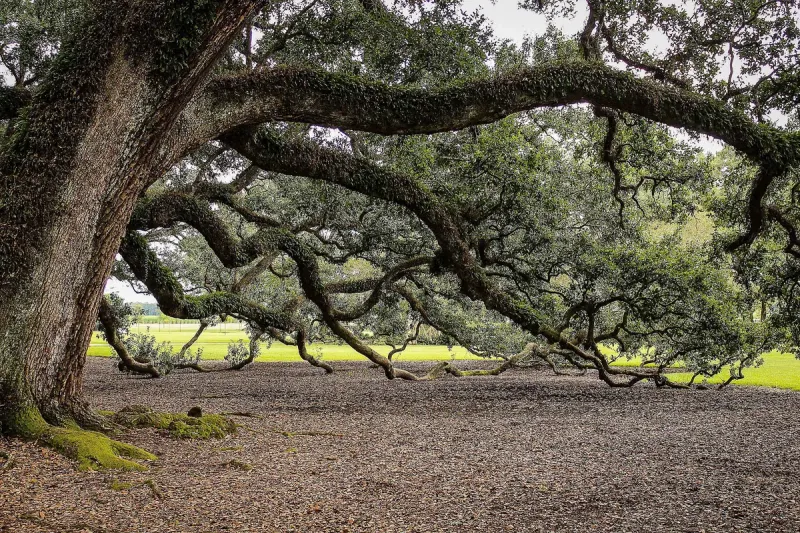
Live oaks are beautiful, but their huge surface roots can be rough on driveways, walkways, and small front yards. The good news is that Florida has other native trees that still bring real shade, wildlife value, and curb appeal.
Pick the right tree for the right spot, give it room, and you can cool your yard without planting a future concrete problem.
1. Southern Magnolia
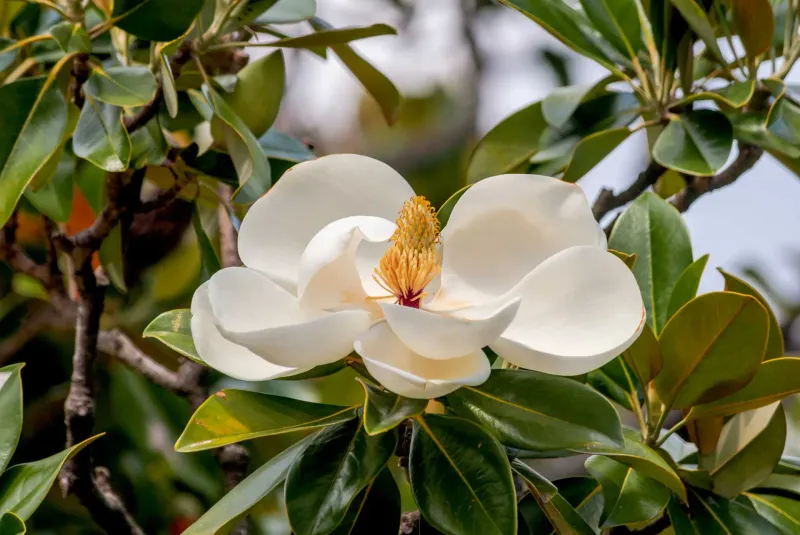
A Southern magnolia feels like old Florida dressed up for Sunday, with shiny evergreen leaves and creamy white blooms that can perfume a whole corner of the yard. It is the pick for gardeners who want shade with a polished, formal look instead of the wide, sprawling shape of a live oak.
Magnolias do best when you give them space, sun to part sun, and a planting bed that is not crowded by turf right up to the trunk. Their roots are still strong, as all tree roots are, but the tree has a more upright, contained habit than a mature live oak, which can make it easier to place in a front yard or side yard with a generous mulch ring.
For Florida homeowners, the biggest payoff is year-round structure. The evergreen canopy blocks harsh sun, the thick leaves help screen views, and the spring-to-summer flowers feed pollinators while adding serious curb appeal.
Place it well away from pavement, septic systems, and the house foundation, especially if you choose a full-size form. In smaller yards, look for compact native selections when available, and water deeply while young so it builds a healthier root system in sandy soil.
2. Dahoon Holly
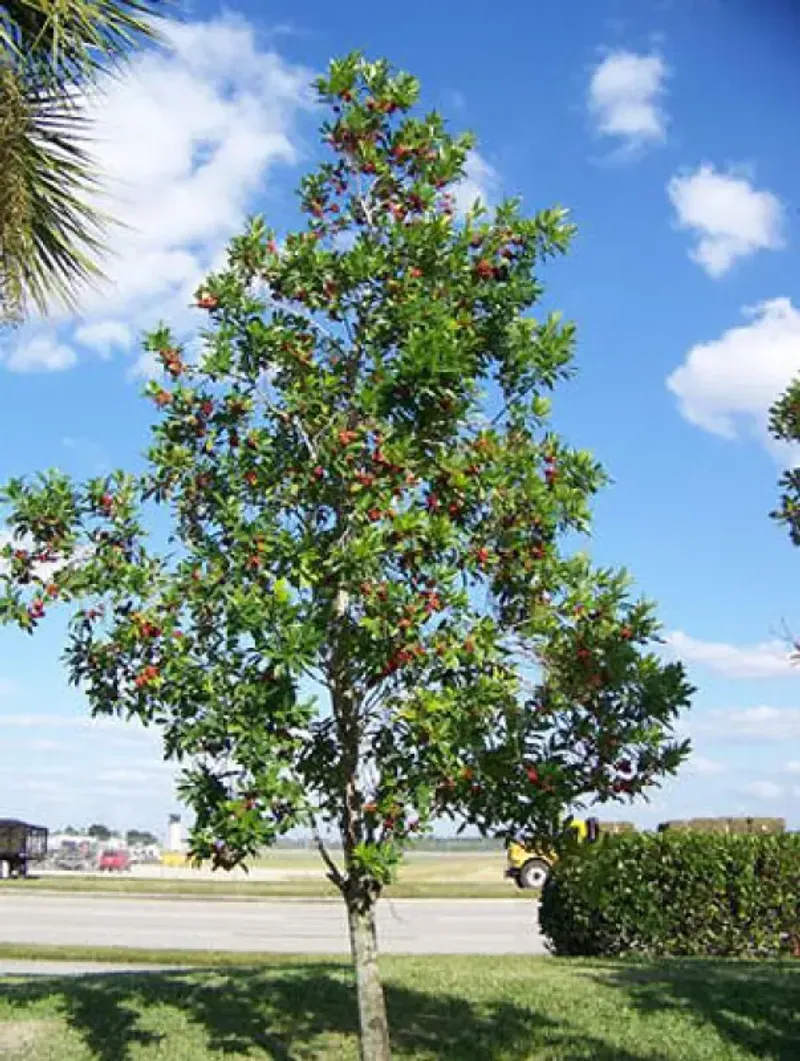
Birds seem to find Dahoon holly before people do, especially when the red berries show up and turn the tree into a living snack bar. For homeowners who want shade without a giant trunk taking over the yard, this native holly brings a lighter, more vertical shape.
Dahoon holly naturally grows in wet flatwoods, swamps, and low areas, so it is a smart choice for Florida yards that stay damp after rain. It can also adapt to average garden beds if watered during establishment, but it is not the best match for very dry, neglected sand unless you improve the planting area and mulch well.
The canopy is not as heavy as a live oak, so think of it as patio-edge shade, small-lawn shade, or screening shade. Its tidy size makes it useful near driveways and walkways where you still need visibility and clearance, though you should still avoid planting it right against hard surfaces.
Another bonus is wildlife value. Female trees produce the showy berries when a male pollinator is nearby, and those berries attract birds through cooler months when many yards look bare.
3. American Hornbeam
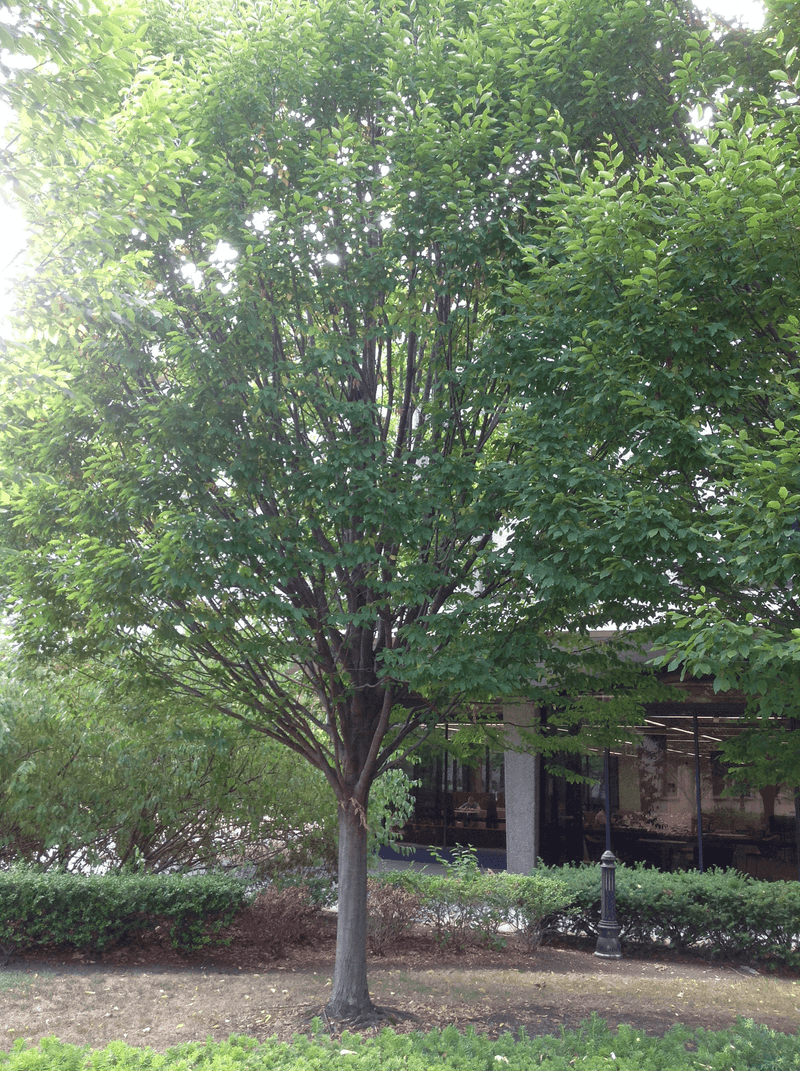
One look at the smooth, rippled trunk of American hornbeam and you understand why some people call it musclewood. It is not the biggest shade tree on this list, but that is exactly why it earns a place in Florida yards where live oak would be too much tree.
American hornbeam works beautifully as an understory tree, especially in part shade or along the edge of a wooded lot. In North and Central Florida, it can bring a cool, layered look to gardens that already have taller trees but need shade closer to a porch, bench, or narrow side yard.
Its root system is generally less aggressive around hardscape than a massive oak when the tree is planted with reasonable spacing. That said, no tree belongs inches from a driveway, and hornbeam will perform best with a wide mulched area that keeps mowers and string trimmers away from the trunk.
Home gardeners who like a natural, woodland feel will appreciate its fine-textured leaves and modest height. It is also a good choice for adding shade without creating the dense, dark canopy that makes lawn and flower planting difficult under larger trees.
4. Winged Elm
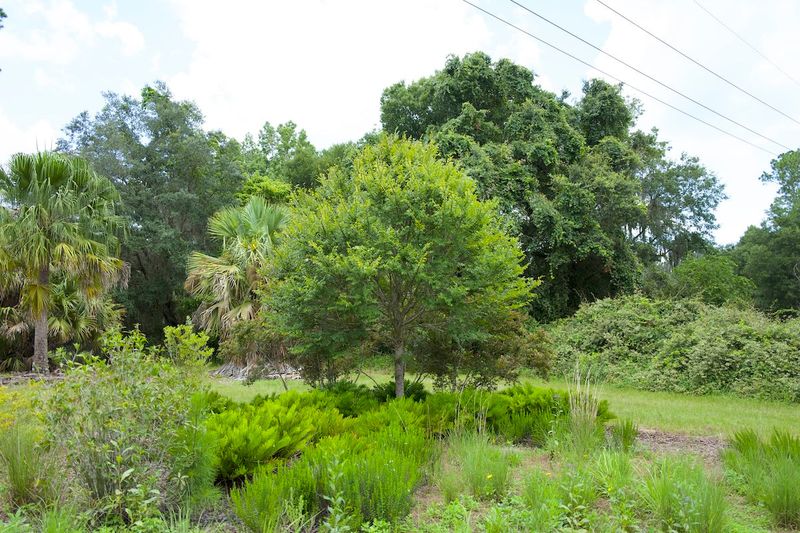
If your yard needs a tougher shade tree that can handle sun, wind, and less-than-perfect soil, Winged elm deserves a closer look. Its corky little ridges on the twigs give it a quirky detail, but its real value is dependable shade in a practical size.
Winged elm is native across much of Florida and is often better suited to ordinary home landscapes than people expect. It tolerates a range of soils, including sandy sites, once established, and it can create a pleasant canopy over a lawn, driveway approach, or backyard sitting area when placed with room to mature.
The shade is filtered rather than gloomy, which helps nearby plantings survive better than they might under a dense evergreen tree. It also has a finer branch pattern than live oak, giving the yard a softer look without the same massive horizontal spread.
Keep it out of tight strips between sidewalk and street, because those spaces are hard on almost any shade tree. In a broad front yard or along the sunny edge of a property, Winged elm can be a sturdy, native workhorse that asks for less fuss after its first few years.
5. Red Maple
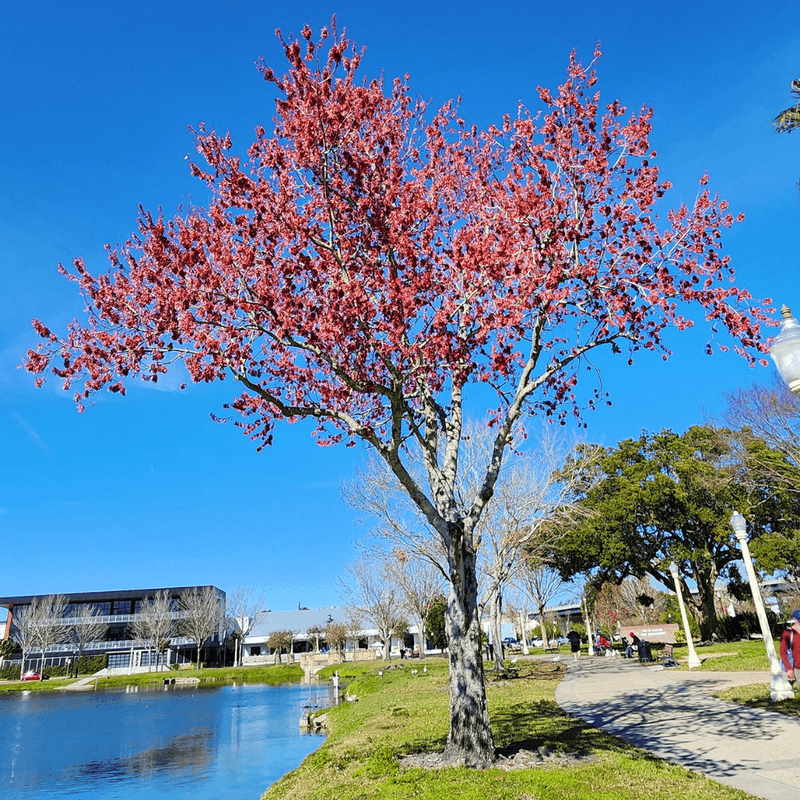
Color is the Red maple’s calling card, even in Florida where fall can be subtle. New leaves, flowers, and seed clusters can bring red tones to the yard, and in cooler parts of the state the autumn show can be surprisingly pretty.
Red maple is a strong fit for moist areas, rain gardens, pond edges, and low spots that frustrate gardeners trying to grow drier-site trees. If your yard collects stormwater after summer downpours, this tree can turn a soggy problem area into a shady feature.
Its roots appreciate moisture, so placement matters. Avoid squeezing it into a dry, hot strip beside a driveway, but consider it for a roomy lawn area where water naturally moves or settles, especially with a wide mulch zone to protect the root area.
Compared with live oak, Red maple usually offers faster shade in a more upright form, which many homeowners like when they want results within a few years. It is also useful for seasonal interest, giving you more than just a green canopy through Florida’s long growing season.
For best results, match it to the wetter side of the yard and water well during establishment. A tree planted where it wants to grow is much less likely to struggle, lean, or send roots hunting under pavement for better conditions.
6. Sweetbay Magnolia
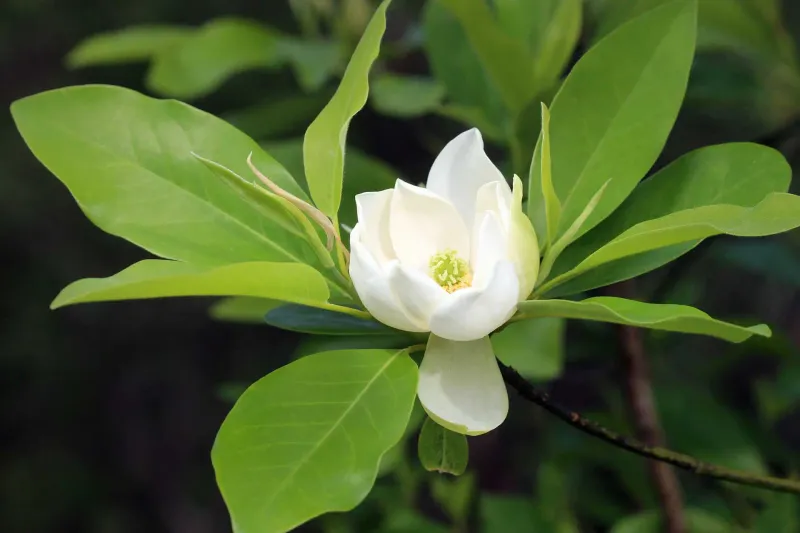
Sweetbay magnolia has a quieter charm than Southern magnolia, almost like a shade tree that learned good manners. The leaves flash silvery underneath in a breeze, and the lemony white flowers bring fragrance without making the tree feel oversized.
For Florida gardeners, Sweetbay is especially useful because it handles moist soil and can fit into landscapes where a full-size Southern magnolia would feel too bulky. It is often semi-evergreen to evergreen in much of the state, so it can provide screening and shade for a long stretch of the year.
The tree’s more open habit lets light move through the canopy, which works well near patios, native shrubs, and mixed borders. It can soften a fence line or cool a sitting area without creating the heavy, root-dominated footprint that makes live oak risky near hardscape.
Give Sweetbay consistent moisture while young, then keep a broad mulch ring as it matures. It is a lovely match for low areas, rain-garden edges, and wildlife-friendly yards where homeowners want beauty that still feels natural.
One small pleasure is watching pollinators visit the flowers while birds use the branches for cover. That makes Sweetbay a two-for-one choice, part shade tree and part backyard habitat upgrade.
7. Florida Elm
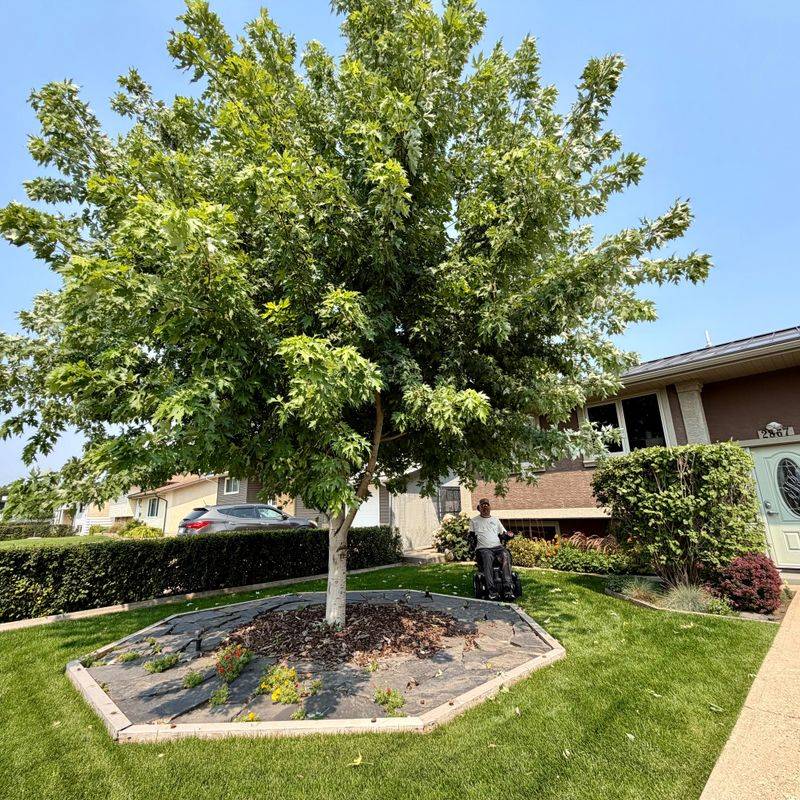
A Florida elm can give a yard that classic shade-tree feeling without copying the heavy, sprawling presence of a live oak. Its upright, vase-like shape makes it useful where you want overhead cooling but still need open space beneath the canopy.
This native tree grows well in many parts of Florida and can handle the warm, humid conditions that stress less-adapted species. In a roomy lawn, it creates dappled shade that feels comfortable for people while still allowing enough light for some turf or groundcovers nearby.
Florida elm is not a tiny tree, so it should still be planted with planning and respect. Keep it away from narrow parking strips, utility lines, and pavement edges, and think in terms of mature width rather than the small tree you bring home from the nursery.
Where it shines is in the middle-distance zone of a yard, not jammed against the driveway but close enough to shade hot concrete and reduce reflected heat. That can make a front yard feel cooler and help outdoor spaces stay more usable during Florida’s long warm season.
Choose a healthy nursery-grown tree with a straight central leader, then prune lightly when young to build good branch structure. With the right start, Florida elm becomes a practical native shade tree with a clean, neighborhood-friendly look.