
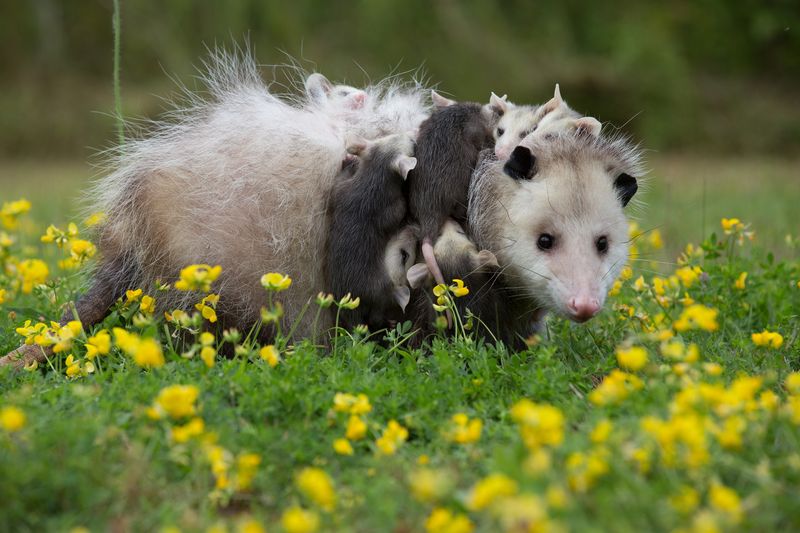
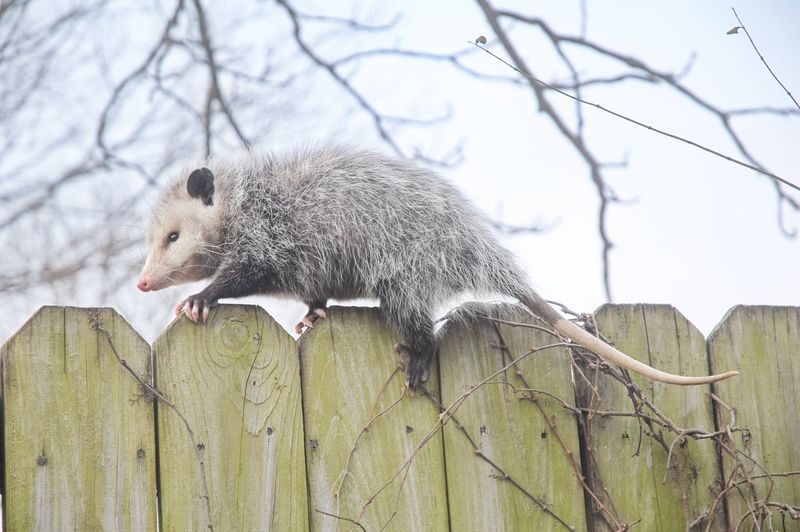
A nighttime opossum in the yard can be more helpful than it looks. These quiet visitors eat many small pests, including beetles, roaches, snails, slugs, and other crawlies they find while roaming.
By planting Florida natives that create shade, leaf litter, berries, and bug-rich edges, you can make your yard a better hunting ground for nature’s cleanup crew.
1. Beautyberry
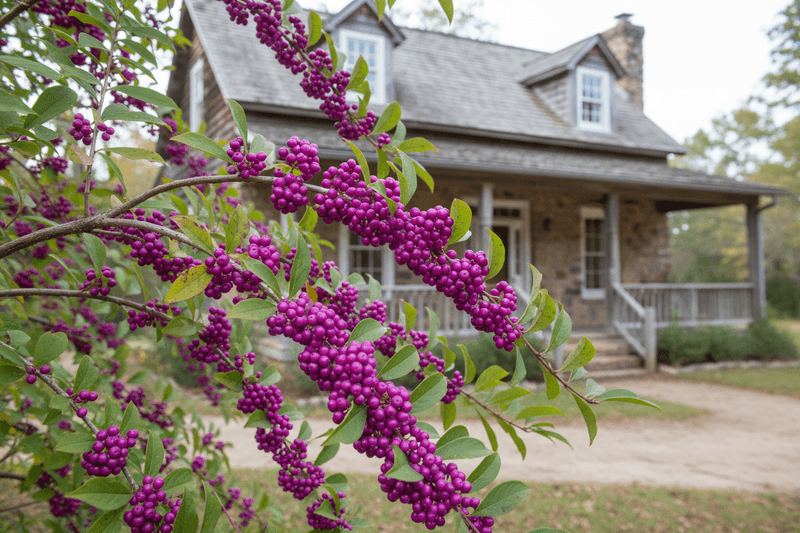
Bright purple berries make beautyberry look almost too pretty to be useful, but this Florida native earns its space in a practical yard. The arching branches create a soft, shady pocket where leaf litter gathers, insects hide, and nighttime foragers have a reason to stop and search.
Opossums are not visiting beautyberry like polite guests coming for a single snack. They are more likely to nose around the base, where beetles, roaches, spiders, worms, and other small creatures collect in the cool, protected ground layer.
That makes beautyberry a smart choice for gardeners who want wildlife value without turning the yard into a high-maintenance project.
Plant it along a fence, near the back of a mixed border, or at the edge of a wooded area. It handles Florida heat well once established, and it fits sandy soil better than many thirsty ornamentals.
Birds love the berries too, so you get daytime color and wildlife watching, while the opossum shift happens after dark.
For best results, leave a light layer of fallen leaves under the shrub instead of raking it bare. That little messy-looking zone is exactly where pest insects often gather, and where an opossum can quietly do some useful cleanup.
2. Coontie
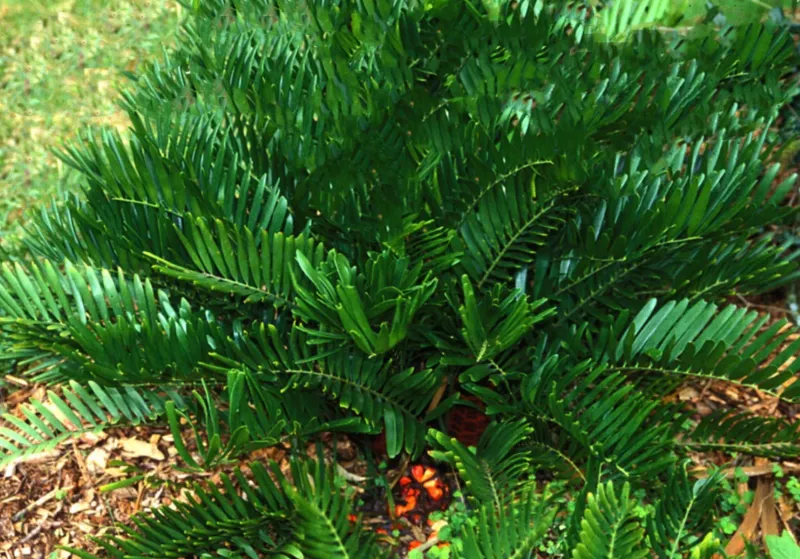
A tidy yard does not have to be bare, and coontie proves it. With stiff, glossy fronds that stay low to the ground, this ancient Florida native fills space without acting wild or weedy.
Coontie is useful because it builds a living ground layer. Under those leaves, the soil stays a bit cooler and more protected, which encourages small insects, larvae, and other ground-dwelling critters to move through.
An opossum passing by may investigate that sheltered strip, picking off pests that would otherwise hide near patios, foundation beds, or walkway edges.
Homeowners often like coontie because it looks polished enough for front-yard planting. It works well around palms, beside porches, near mailboxes, and in partly shaded beds where grass struggles.
In much of Florida, established plants can handle dry spells, sandy soil, and heat with far less fuss than many tropical-looking imports.
Coontie also has a special wildlife bonus: it is the larval host plant for the atala butterfly, a once-rare native butterfly that has made a comeback in planted landscapes. That does not make it a pest magnet in a bad way.
Instead, it helps build a small food web, where birds, beneficial insects, lizards, and sometimes opossums all play a role.
3. Firebush
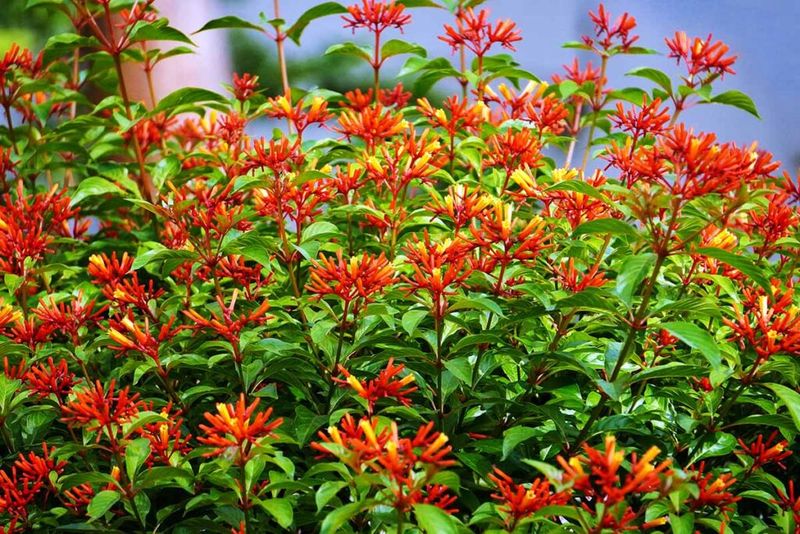
Few shrubs say Florida quite like firebush in bloom. The red-orange flowers bring hummingbirds and butterflies by day, while the dense base can become a busy little hunting zone after sunset.
Firebush stands out because it adds height, color, and motion to a yard without needing constant babying. In warm parts of Florida, it can grow into a bold shrub that softens fences and screens utility areas.
The flowers draw pollinators, the foliage gives cover to small insects, and the shaded soil below becomes a place where beetles, roaches, and other nighttime pests may gather.
That is where opossums come in. A wandering opossum is an opportunistic feeder, so it checks the places where food is easiest to find.
A mature firebush with mulch and fallen leaves beneath it can act like a natural buffet line for pest hunting, especially along the edge of a patio or back border.
Choose a spot with sun to part sun, and give it room so you are not constantly cutting it back. In North Florida, cold snaps can knock it down, but it often returns from the roots.
In Central and South Florida, it can be a long-season workhorse for color, pollinators, and late-night pest patrol.
4. Simpson’s Stopper
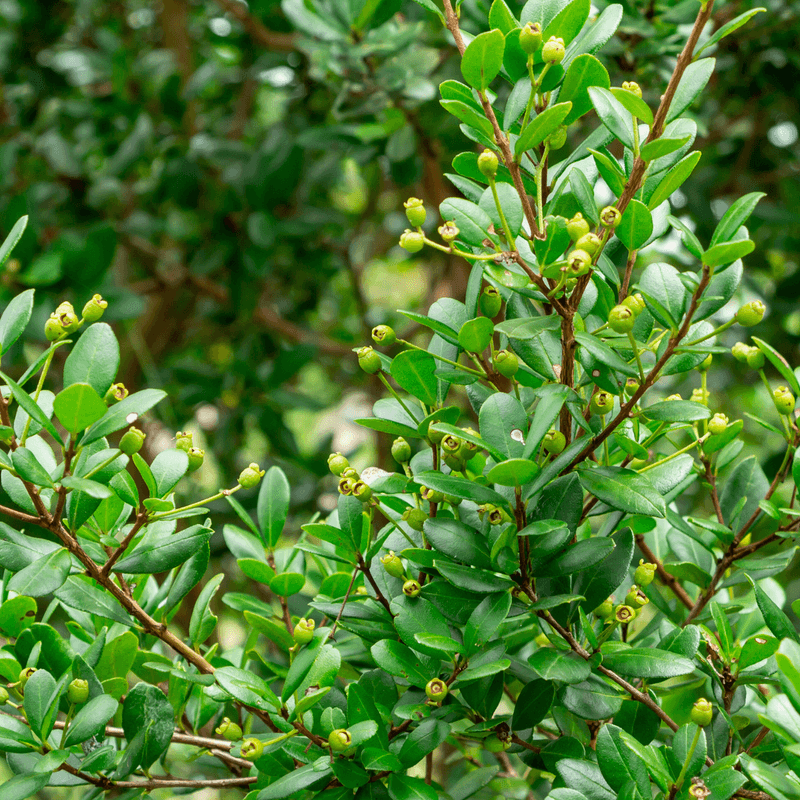
Neighbors may notice the red berries first, but gardeners usually fall for Simpson’s stopper because it behaves so well. It can be clipped into a tidy hedge or left looser for a softer, wildlife-friendly screen.
What makes this plant different from flashier shrubs is its structure. The branching is dense enough to create shade and shelter, but not so aggressive that it swallows the yard.
Beneath the shrub, leaf litter and mulch can support the kinds of insects and small invertebrates that opossums hunt during their nightly rounds.
Simpson’s stopper is especially handy near property lines, side yards, and back corners where you want privacy without planting something invasive. It is native to Florida, fits many coastal and inland landscapes, and can tolerate drought once established.
The small white flowers attract pollinators, while the berries feed birds and add color at a time when plain hedges can look dull.
If your goal is pest control, resist the urge to keep the base spotless. A thin layer of natural debris under the hedge gives beetles, snails, and other small creatures a place to collect.
An opossum moving along the hedge line may treat that shaded path like a low-key dinner route.
5. Walter’s Viburnum
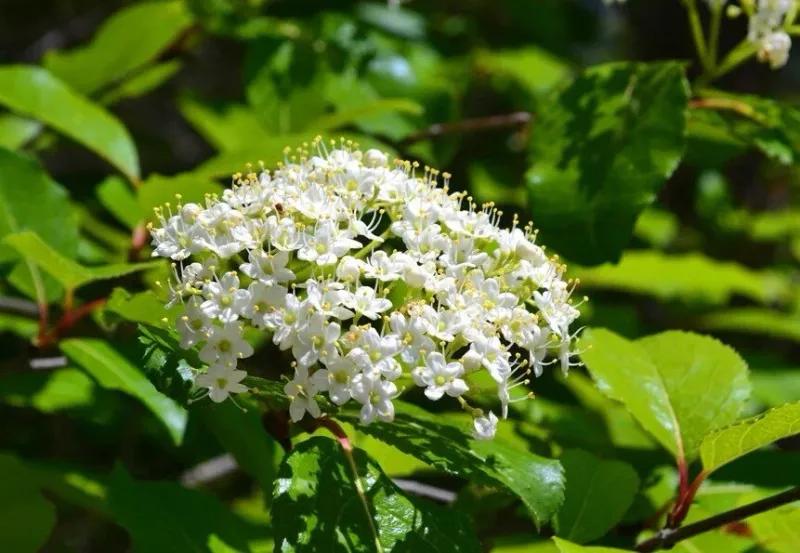
A good hedge can do more than block a view. Walter’s viburnum gives Florida gardeners flowers, berries, nesting cover, and a shaded understory where pest activity becomes easier for opossums to find.
Unlike many imported hedge plants, Walter’s viburnum is tied into Florida’s native food web. Spring flower clusters bring in pollinators, berries support birds, and the dense branching creates a cooler pocket at ground level.
In sandy Florida soil, that protected base can hold organic matter better than open, sun-baked ground.
For an opossum, the appeal is simple: edges are worth checking. Hedge lines often collect fallen leaves, mulch, snails, beetles, roaches, and other small animals.
When Walter’s viburnum is planted as a mixed screen or back-border shrub, it gives a visiting opossum a safe, shadowy route where it can forage without crossing wide open lawn.
This shrub can be kept compact with pruning or allowed to grow larger, depending on the variety and site. It works nicely for Florida homeowners who want a more natural privacy planting but still need something presentable.
Pair it with coontie, beautyberry, or native grasses for a layered bed that looks intentional while quietly supporting nighttime pest control.
6. Saw Palmetto
Saw palmetto brings a bit of old Florida into the home landscape. Its fan-shaped leaves and rugged form feel right at home in sandy soil, especially in naturalistic yards, large borders, and wildlife corners.
Plenty of plants offer flowers, but saw palmetto offers structure. Its low, spreading habit creates cover near the ground, which is valuable in yards where everything else has been trimmed into open space.
That cover can shelter insects, spiders, beetles, snails, and other small prey that opossums search for at night.
This is not the plant for a tiny walkway where you brush past it every day. The leaf stems can be sharp, and mature plants need room.
Used well, though, saw palmetto can anchor a low-maintenance area near a fence, drainage swale, back corner, or wide sunny bed where turf struggles.
Florida gardeners dealing with heat, dry spells, and poor soil often appreciate how tough this native can be once established. It also handles wind better than many delicate ornamentals, which matters in storm-prone landscapes.
Add pine straw or leaf litter around the base, and you create the kind of rough, living edge where a visiting opossum can hunt pests while staying out of sight.
7. Muhly Grass
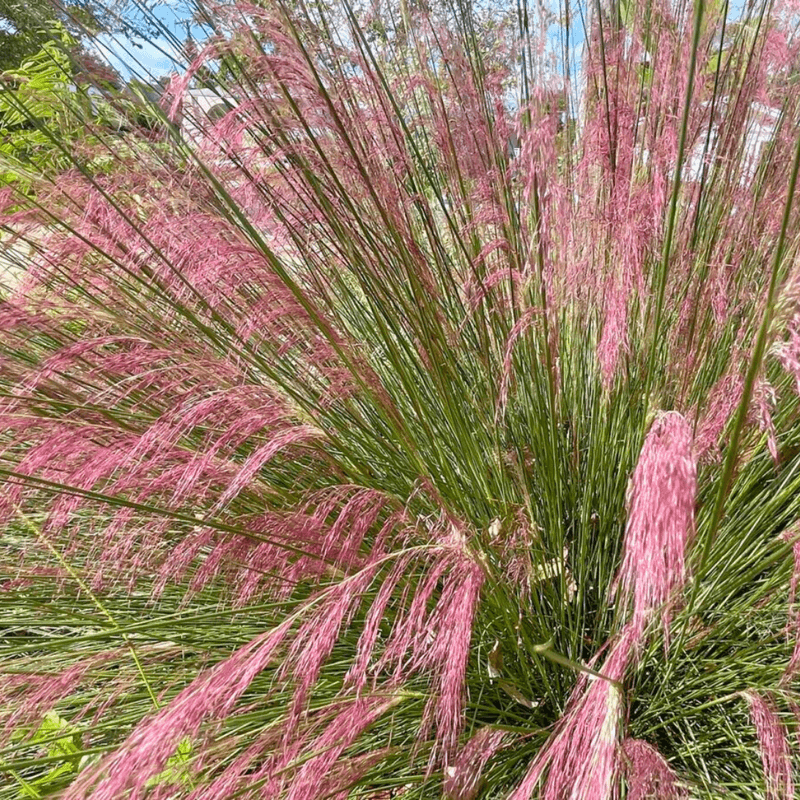
When muhly grass blooms, it looks like pink smoke floating over the garden. That showy fall color is the eye-catcher, but the clumping base is the part that helps make your yard more useful after dark.
Muhly grass gives Florida beds texture without needing rich soil or heavy watering once established. The narrow leaves form dense clumps where small insects can shelter, especially when planted in groups instead of as lonely single plants.
Opossums moving through the yard may check around those clumps for beetles, crickets, roaches, and other small prey.
Use muhly grass in sunny borders, mailbox plantings, driveway edges, or the front of a mixed native bed. It pairs beautifully with firebush, beautyberry, coontie, and other Florida natives because it adds movement while leaving space for shrubs behind it.
In sandy areas, it can help make a bed look full without relying on thirsty annuals.
One simple habit makes it more wildlife-friendly: do not scalp it too early or too often. Trim old growth when needed, but let the clump keep some structure through cooler months.
That small choice gives beneficial insects a better chance to use the plant, which in turn gives opossums more reason to patrol your planting beds instead of ignoring them.