
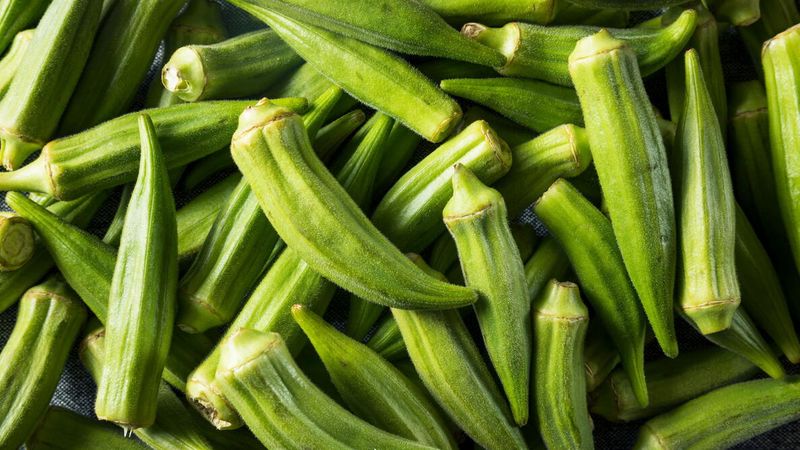
Growing okra in North Carolina through late summer is rewarding right up until the moment you miss a few pickings and end up with pods that snap like wood instead of slicing clean. The real threat is not a single missed night but a short harvest window that shrinks fast when temperatures stay high and plants are pumping out pods.
Knowing when and how often to pick makes the difference between a steady supply of tender okra and a plant full of overgrown, fibrous pods that nobody wants to cook.
The real late-season rule: harvest before pods mature
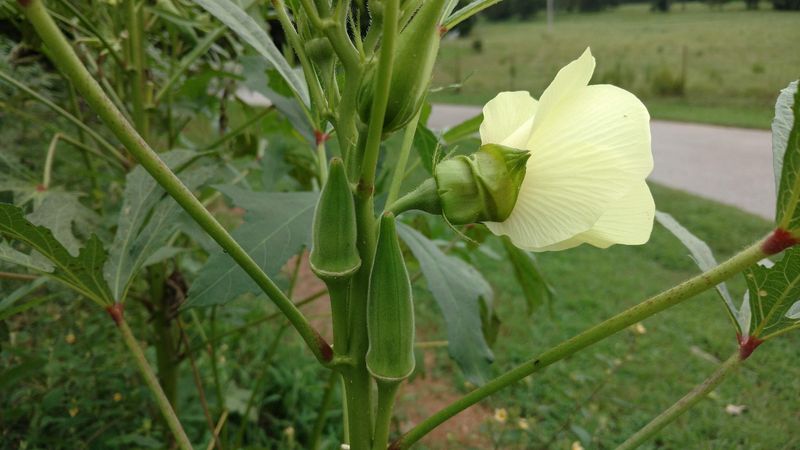
Frequent picking is the one practice that keeps late-season okra tender, and everything else in the garden is secondary to it. Pods left on the plant past their tender window become tough, pithy, fibrous, and sometimes stringy, and once that change happens, nothing you do after the fact can bring the tenderness back.
Beyond ruining the pod itself, leaving overmature pods on the plant can slow or stop additional flowering, which cuts into how much okra you get for the rest of the season.
The title’s “overnight” language is worth correcting right away. Hot weather does speed up pod growth significantly, but the real danger builds over several days of missed harvests rather than in a single night.
A more accurate way to think about it: during a hot North Carolina August or September, pods can move from perfectly tender to past their prime within a few days, so checking plants every day and harvesting at least every other day is the safest approach during heavy production. UF/IFAS guidance on okra production notes that daily harvesting may be needed at peak season, and that leaving pods on the plant leads directly to reduced quality and fewer subsequent pods.
The central action is simple: pick pods while they are still immature, check plants on a consistent schedule, and remove anything that has already passed the tender stage. Size, pod appearance, tenderness, and variety all factor into that decision, and the sections that follow walk through each one.
Moisture management, ratooning, and proper storage all support a productive plant, but none of them replaces the habit of getting out to the garden and picking regularly.
Set the checking schedule to match heat and production
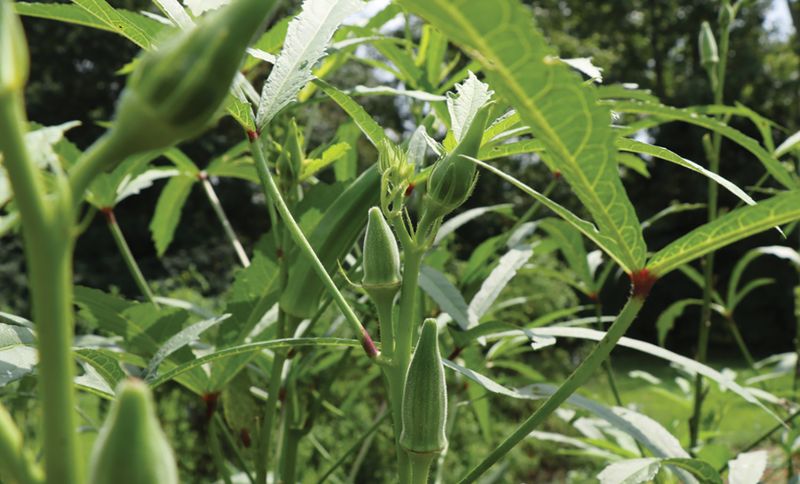
Checking your okra plants on a consistent schedule is not optional during late summer in North Carolina. When plants are producing heavily or temperatures are running high, check every plant daily and plan to harvest every one to two days.
Pods that look small and firm one morning can be noticeably larger and approaching overmaturity by the following day when heat is pushing growth hard.
Under slower production conditions, such as when temperatures ease slightly or plants are between flush cycles, checking and harvesting every two to three days is generally workable. What you want to avoid is stretching that interval to four or five days without a good reason, because the tender window for most varieties closes faster than gardeners expect.
Texas A&M AgriLife Extension recommends picking every one to two days, while N.C. Cooperative Extension commonly recommends checking about every two days as a practical home-garden standard.
Several variables shape how quickly pods mature on your specific plants. Cultivar matters because some varieties push pods through their tender stage faster than others.
Pod type plays a role too, since round-podded varieties and long-podded varieties do not always behave the same way under heat. Production intensity is another factor: a plant loaded with developing pods in late August needs more attention than one that is just getting started after a midsummer lull.
Oklahoma State University Extension reinforces that harvest frequency should reflect actual weather and plant conditions rather than a fixed calendar rule. Build your schedule around what your plants are doing right now, and adjust as September heat continues.
Use pod size as a guide, not a guarantee
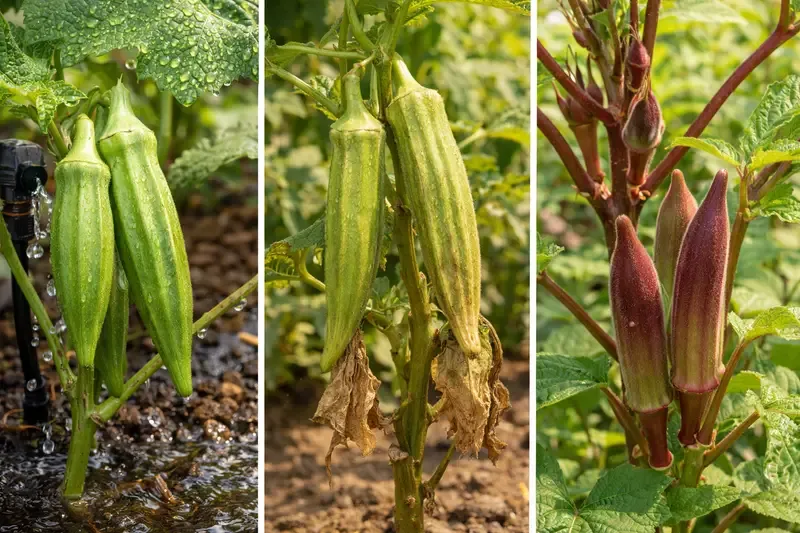
Pod length gives you a starting point, but it cannot make the harvesting decision for you on its own. North Carolina and South Florida guidance generally identifies pods in the two-to-three-inch range as the target for most home-garden varieties, and that range works well as a baseline.
Some Texas and Oklahoma sources put the tender window closer to three to four inches for many fresh-market cultivars, which reflects real differences between varieties and growing regions rather than a disagreement about the rules.
The reason no single measurement fits every plant is that okra cultivars vary considerably in pod shape, wall thickness, and how quickly they develop fiber. UF/IFAS Gardening Solutions notes that some varieties remain tender at larger sizes, including certain long-podded and round-podded types that simply do not behave like a standard Clemson Spineless.
Blanket statements about picking everything at exactly two inches can lead you to harvest some varieties too early while letting others slip past their peak.
A physical and visual check alongside the length measurement is what actually confirms readiness. Young pods that are ready to pick tend to look fleshy and bright, with skin that has a healthy sheen and seeds that are still small and undeveloped.
UC Davis postharvest guidance describes overmature pods as pithy, tough, and fibrous, with visible seed development and a duller, sometimes yellowing exterior. If a pod feels resistant when you try to bend the tip gently, or if the skin looks faded or the ridges feel sharp and hard, it has likely moved past the eating stage.
Oklahoma State University Extension also emphasizes combining size with a tenderness check rather than relying on length alone. Know your variety, use the size range as a guide, and let the pod itself tell you the rest.
Pick gently and protect your skin
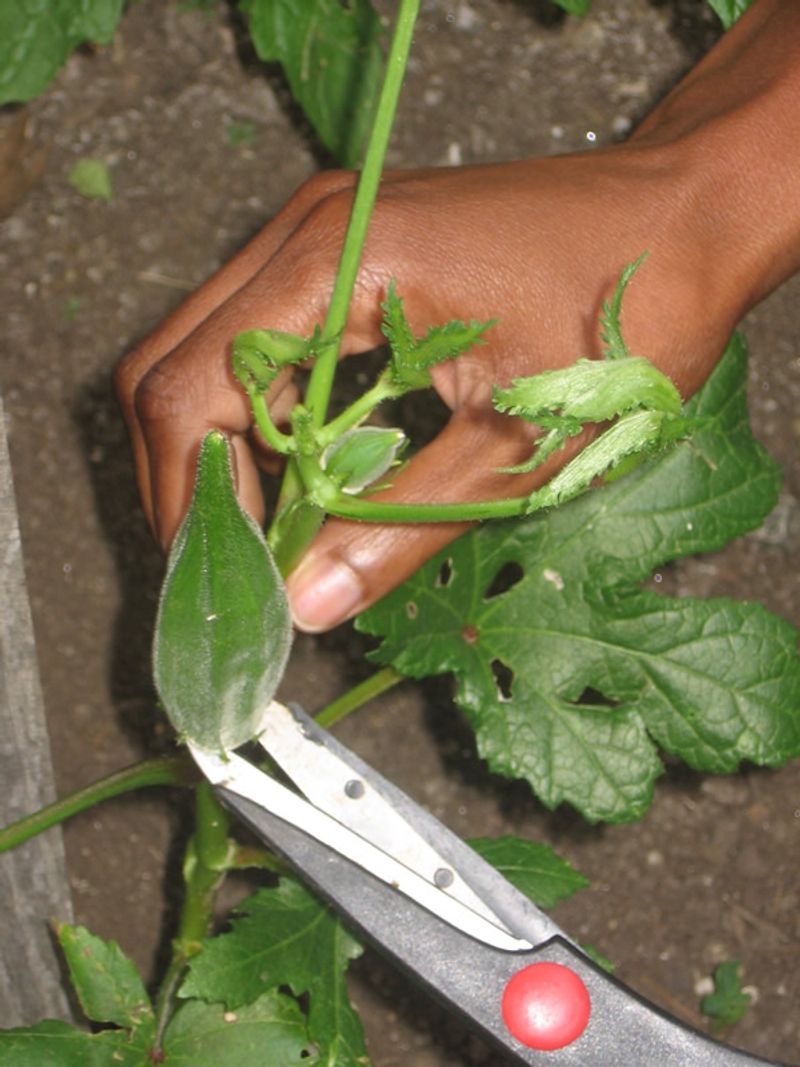
Building a repeatable harvest routine starts before you touch the first pod. Wear gloves and a long-sleeved shirt every time you work around okra plants because the fine hairs and spines on stems, leaves, and pods can cause real skin irritation, especially after repeated contact.
Some gardeners find that the irritation gets worse as the season goes on and plants get larger, so do not skip the protection even if you have handled the plants before without a reaction.
Garden shears or scissors make the job cleaner and faster, particularly later in the season when stems become more fibrous. Snapping or twisting pods off by hand can damage the stem, bruise the pod, or leave a ragged wound on the plant that is slower to heal.
UF/IFAS production guidance recommends cutting rather than pulling as a standard harvesting practice, and that advice holds whether you are picking two pods or two dozen.
Gentle handling after the cut matters just as much as the cut itself. Okra pods bruise easily, and mechanical damage from rough handling causes brown or black discoloration that appears quickly and speeds up overall quality loss.
Set picked pods into a basket or container rather than dropping or stacking them carelessly, and avoid piling them too deep if you are bringing in a large harvest.
Morning is a practical time to harvest for most North Carolina gardeners. Picking before the day heats up means the pods go into storage with less accumulated field heat, which helps preserve quality.
Oklahoma State University Extension notes that harvesting in cooler morning hours supports better postharvest quality. The routine does not require special equipment beyond gloves, a cutting tool, and a container, and keeping it simple makes it easier to stick to the frequent schedule your plants need.
Remove overgrown pods even when they are not edible
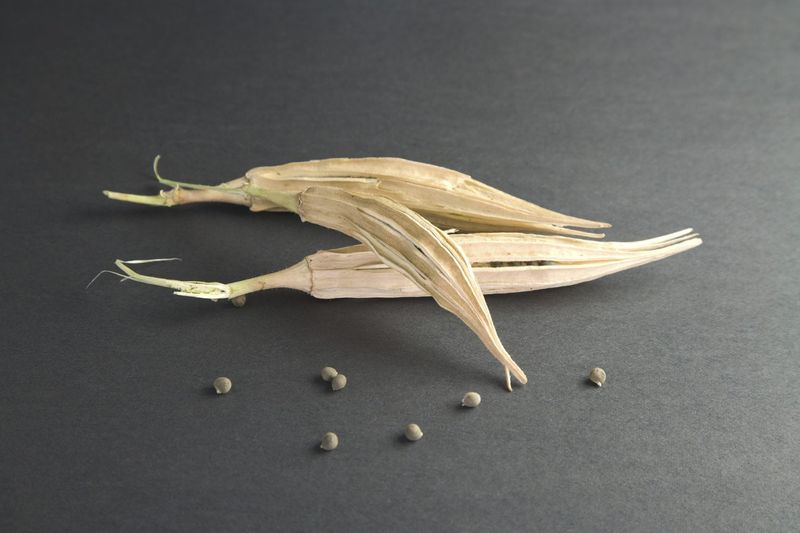
Pods that have already passed the eating stage still need to come off the plant. Mature pods left in place signal to the plant that seed production is underway, which can slow or stop new flower formation and reduce how many additional pods the plant sets.
Texas A&M AgriLife Extension and other extension sources consistently advise removing overmature pods as part of routine maintenance to support continued productivity through the rest of the season.
Pulling those pods off will not make them edible again. Once a pod has developed the fibrous, pithy texture of an overmature okra, that change is permanent.
The pod can go into the compost pile, and the plant can redirect its energy toward new flowers and pods rather than finishing out seeds that nobody intends to use.
There are two situations where leaving a mature pod on the plant makes sense. If you want to save seed from a particular variety, select a few healthy, well-formed pods from vigorous plants and let them dry fully on the stem before collecting the seeds.
Dried okra pods also work well in floral arrangements and decorative displays, so a few can stay on the plant for that purpose. Outside of those intentional choices, though, every overmature pod that stays on a plant you want to keep producing is working against you.
A quick walk through the garden to pull anything that has grown out should be part of the same routine as your regular harvest, not a separate task you save for the end of the season.
Maintain even moisture without overwatering
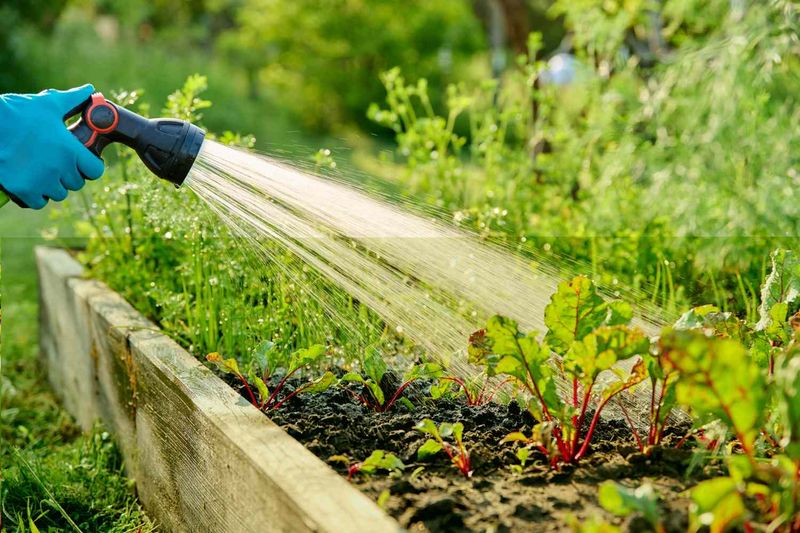
Okra has a well-earned reputation for tolerating drought, but that tolerance does not mean the plant performs at its best without water. Adequate, even moisture during continued late-season production supports flowering, pod development, and overall plant health.
The goal is consistency rather than volume: keeping soil moisture relatively steady from one day to the next does more good than alternating between bone-dry conditions and heavy soaking.
N.C. Cooperative Extension specifically recommends maintaining an even moisture supply for home-garden okra, and that guidance applies with extra weight during the hot stretches of August and September when soil dries out quickly.
Adjust how much and how often you water based on your soil type, recent rainfall, and current temperatures rather than following a fixed daily schedule. Sandy soils in the coastal plain dry out faster than clay-heavy Piedmont soils, so the right interval varies by location.
What moisture management cannot do is fix a woody pod or substitute for frequent harvesting. A well-watered plant still produces tough pods if those pods are left on the plant past their tender stage.
The relationship runs in the other direction: consistent moisture helps the plant keep flowering and setting new pods, which gives you more opportunities to harvest at the right time. Overwatering is also a real risk, particularly in poorly drained soils, and waterlogged roots can damage or kill plants faster than a short dry spell.
Keep moisture even, adjust to conditions, and treat watering as plant support rather than a tenderness fix.
Use ratooning only when flowering has stalled
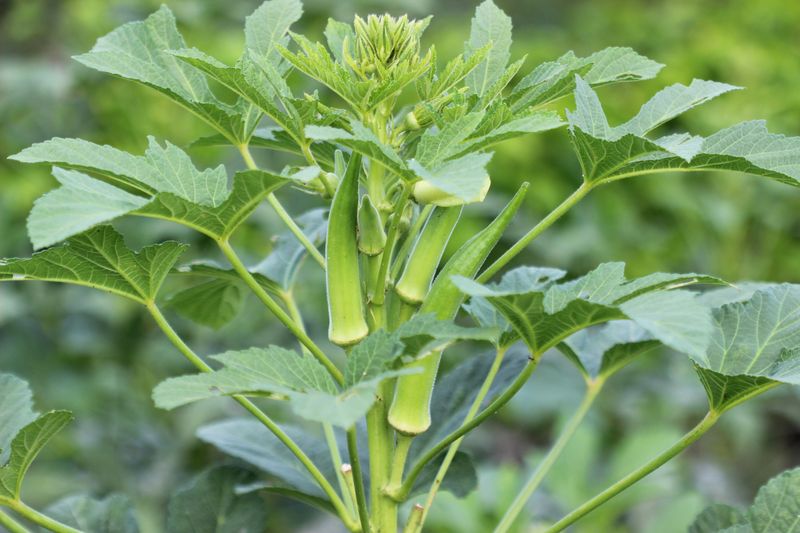
Ratooning is a specific late-season technique that North Carolina gardeners can use when extreme heat and drought have caused okra plants to slow down or stop flowering altogether. The practice involves cutting stems back to roughly six to twelve inches above the ground, then following up with fertilizer and irrigation to push the plant into a new flush of growth.
N.C. Cooperative Extension describes this approach as a way to renovate a plant that has essentially stalled out, giving it a chance to produce again before the season ends.
Ratooning is not the answer for a plant that is still actively flowering and setting pods. If your okra is producing but the pods are coming out tough, cutting the plant back will not help because the problem is harvest timing, not plant vigor.
Ratooning addresses a different situation entirely: a plant that has essentially stopped producing new flowers because the heat and dryness have pushed it into a kind of dormancy.
Timing matters when you decide to ratoon. Cutting plants back too late in the season may not leave enough warm weather for the new growth to produce a meaningful second crop before temperatures drop.
If you ratoon in late August or early September in North Carolina, you may get several more weeks of production before the season closes. If you wait until October, the window is likely too short to be worth the effort.
Think of ratooning as a renovation tool for stalled plants, keep it separate from your regular harvest routine, and do not expect it to substitute for the frequent picking that keeps active pods tender.
Store picked pods carefully after harvest
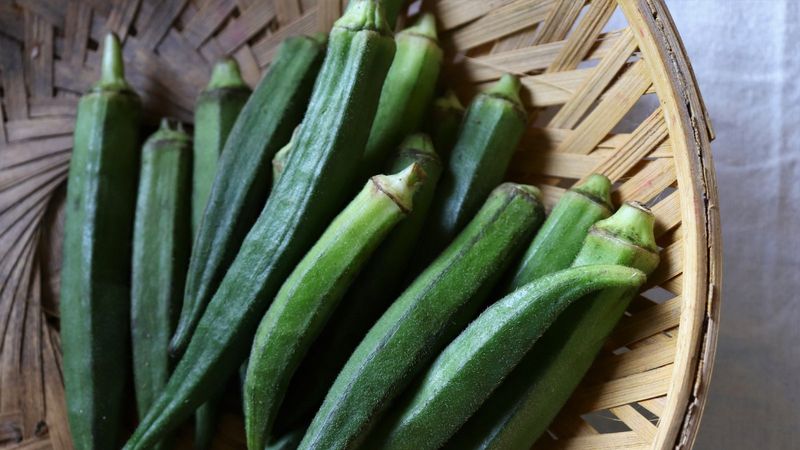
Good storage starts the moment you finish picking. Handle pods gently on the way from the plant to the kitchen because bruises and pressure marks show up quickly on okra and accelerate decay.
Set pods in a single layer or a loose pile rather than compressing them under other produce, and skip the temptation to rinse them before putting them away. Washing okra before refrigeration speeds up decay by introducing surface moisture that the pod’s skin cannot shed easily.
Temperature is the other key variable. UC Davis postharvest research identifies 45 to 50 degrees Fahrenheit as the recommended storage range for okra and warns that colder temperatures can cause chilling injury, which shows up as surface pitting, discoloration, and accelerated decay.
Many standard home refrigerators run colder than 45 degrees, so storing okra in a warmer drawer or in a spot near the door rather than the back of the refrigerator can help keep it in that safer range. N.C.
Cooperative Extension similarly recommends a moist environment around that same temperature range for short-term storage.
Refrigeration can keep freshly picked pods in good condition for several days, but that window only applies to pods that were harvested at the right time. A pod that was already tough and fibrous on the plant will not improve in the refrigerator.
Cold storage preserves quality; it does not create it. Pick at the immature stage, handle carefully, skip the pre-wash, and keep temperatures in the 45-to-50-degree range to get the most out of each harvest before cooking.
Keep the harvest window short and deliberate
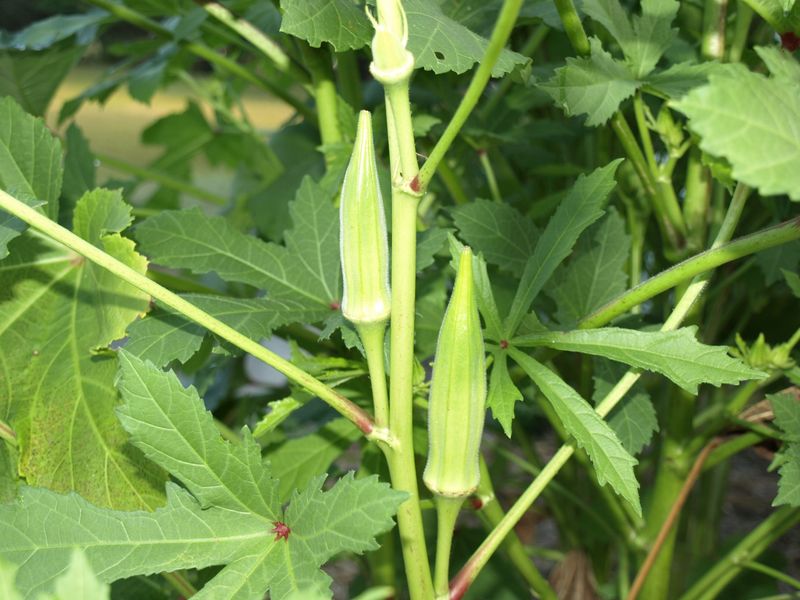
Late-season okra rewards gardeners who treat the harvest window as short by design rather than a flexible suggestion. When plants are producing heavily or September heat is still pushing growth, daily checks and harvesting every one to two days keeps pods in their tender stage.
When production slows, a two-to-three-day interval is workable, but stretching beyond that without checking is how pods quietly pass you by.
Pod size is a useful starting point, but tenderness, appearance, and variety always factor into the final call. UF/IFAS production guidance and Texas A&M AgriLife Extension both point to the same core practice: harvest at the immature stage and do it often.
Overgrown pods should come off the plant whether or not they are edible, because leaving them slows new production. Water and refrigeration both support the crop, but neither one replaces the habit of checking plants on a consistent schedule and picking every pod that has reached its variety’s tender stage.
The gardeners who end up with the best late-summer okra are simply the ones who show up to pick it on time.