
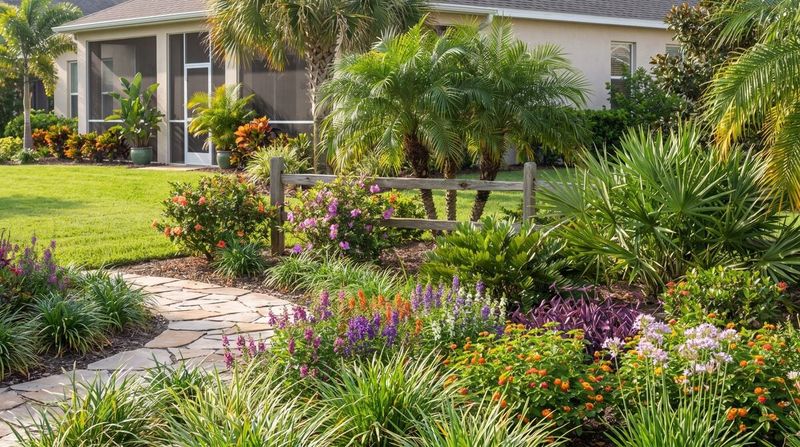
Porches in Florida can feel like a welcome mat for mosquitoes, and the soft soil nearby can tempt armadillos to root around for bugs. Native plants will not work like a fence or a spray, but the right ones can make the porch edge less inviting while still looking good.
The best choices bring strong scents, rough textures, dense roots, or prickly stems that add a little natural pressure against both pests. Here are seven Florida native picks that fit porch pots, entry beds, or sunny borders without fighting the climate.
1. American Beautyberry
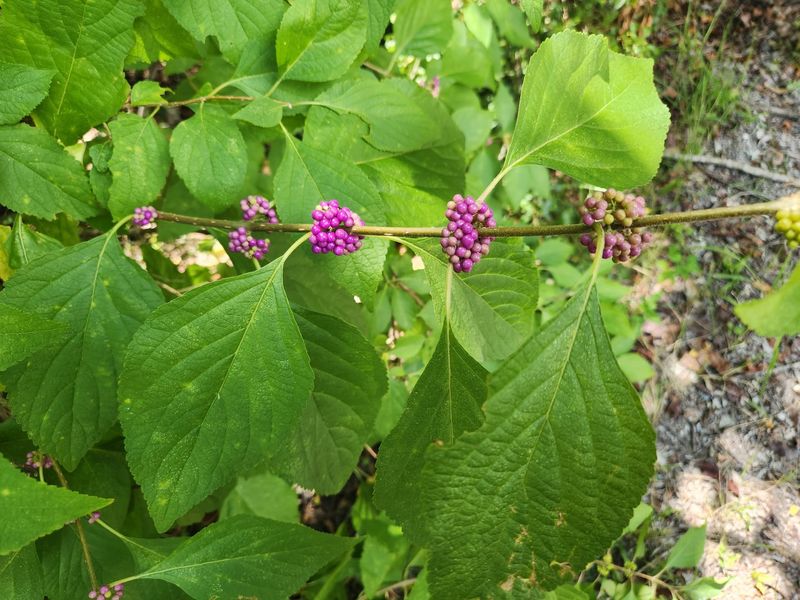
Few native shrubs feel as cheerful as American beautyberry when those bright purple berries show up like beads along the stems. For a porch planting, it earns its spot because the leaves contain aromatic compounds that have been studied for mosquito-repelling potential, especially when the foliage is brushed or lightly crushed.
Beautyberry is not an instant mosquito shield, but it can be a smart part of a layered porch plan. Place it where people pass by, near steps or a walkway, so the leaves release more scent as you move around the plant.
Armadillos are after grubs, worms, and soft digging spots, not berries. A mature beautyberry helps by filling space with woody stems and roots, making the bed less open and easy to nose through.
Give it part sun to light shade and room to arch naturally. In sandy Florida soil, water it well while young, then let it become a low-fuss native that supports birds, handles heat, and adds color without needing pampering.
2. Spotted Beebalm
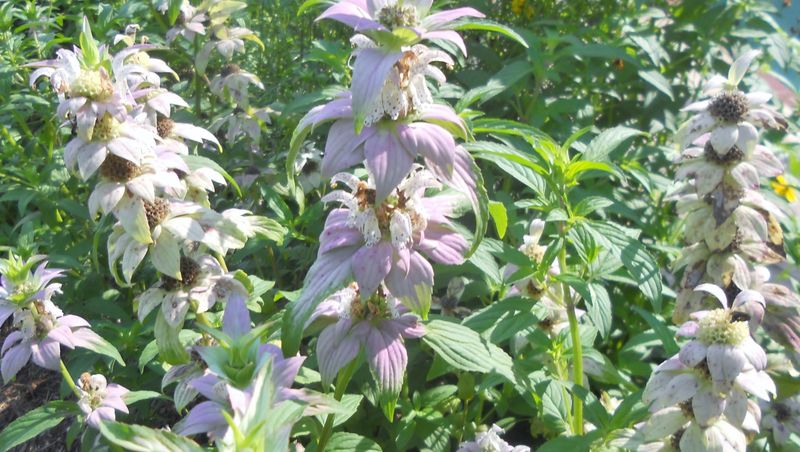
A sunny porch pot can smell like a tiny herb garden when spotted beebalm is happy. Also called horsemint, this Florida native brings a sharp, spicy fragrance that makes it different from softer-looking porch flowers.
The minty aroma is the main reason it belongs on this list. Mosquitoes are less fond of strong aromatic oils, and while one plant will not clear a whole patio, a cluster of spotted beebalm near a chair, gate, or porch rail can help make that small zone less appealing.
For armadillos, spotted beebalm works more as a bed-management plant than a true repellent. Its upright stems, frequent branching, and ability to fill dry sunny patches help cover bare sandy soil where digging damage is most obvious.
Plant it in full sun with excellent drainage, especially in containers. It is well suited to Florida porches because it accepts heat, lean soil, and periods of dryness better than many fancy annuals.
Bonus: bees and butterflies often visit the unusual spotted blooms, so the plant adds life to the entryway while helping you avoid a bare, bug-friendly strip of soil.
3. Narrowleaf Mountain Mint
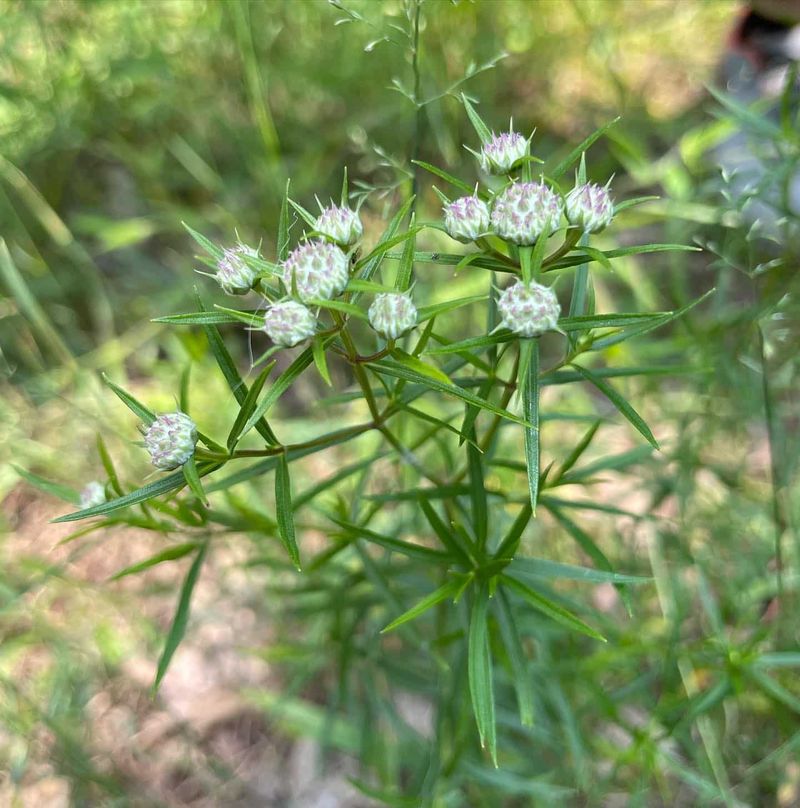
Brush your hand across narrowleaf mountain mint and the plant answers right back with a clean, cool scent. That strong fragrance is its porch superpower, especially for gardeners who want a native that feels tidy rather than wild.
Mosquito pressure around porches often gets worse where air is still and containers collect water. Mountain mint does not replace dumping saucers or fixing drainage, but its aromatic foliage can support a porch strategy that avoids sweet, lush, pest-friendly planting.
Compared with larger shrubs, this plant is easier to tuck into narrow beds beside steps or along a walkway. The slim leaves and small white flowers create a fine texture that looks crisp next to pavers, shell paths, or painted porch skirting.
Armadillos are less likely to keep returning to a bed that is densely planted and harder to probe. A drift of mountain mint can help knit open soil together, especially when paired with mulch that is not loaded with insects.
Use it in sun to part sun and avoid soggy pots. Once established, it is a good fit for Florida gardeners who want fragrance, pollinator visits, and a cleaner-looking porch edge with less bare ground.
4. Yaupon Holly
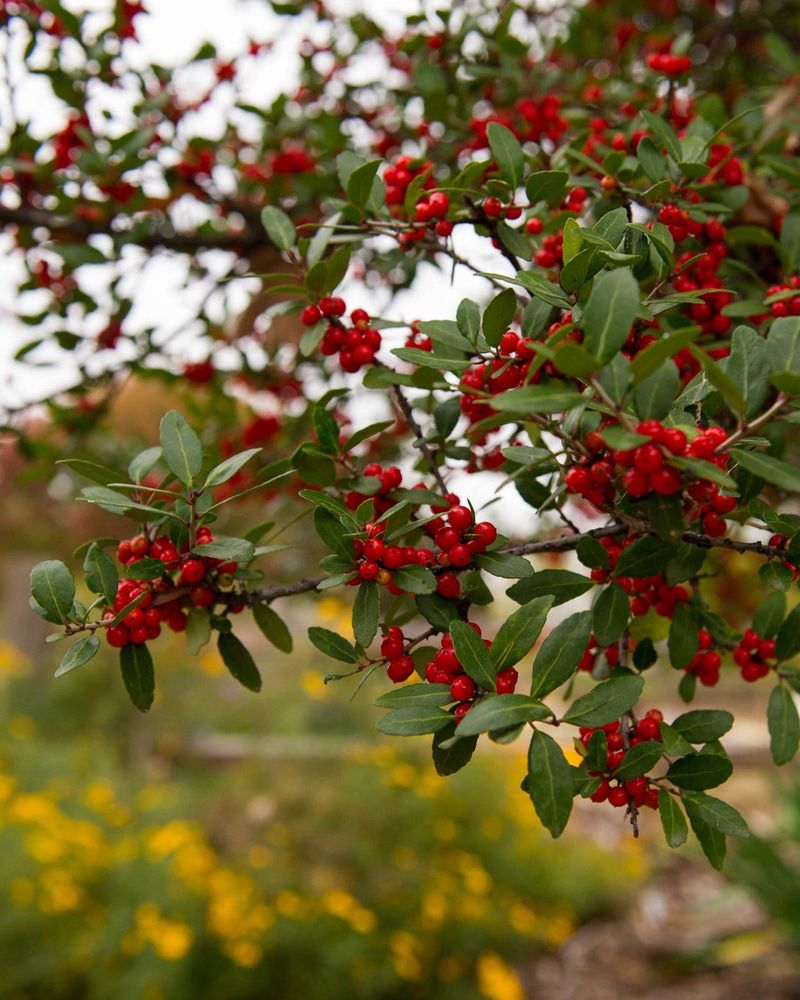
Every porch needs at least one plant that looks put together even when the weather is rude. Yaupon holly fills that role with small glossy leaves, evergreen structure, and enough toughness for Florida heat, wind, and sandy soil.
Its value against armadillos comes from structure. A clipped yaupon or dwarf form creates a firm, woody edge that makes a bed feel less like open digging ground and more like a planted barrier.
For mosquitoes, yaupon is not famous as a repellent in the same way beautyberry or mint-family natives are. Its benefit is more practical: it can replace thirsty, messy porch plantings that need constant watering and leave damp pockets where mosquitoes linger.
Use yaupon in large containers, foundation beds, or matching pots near steps. Female plants may produce red berries if a male plant is nearby, and birds appreciate the food.
Keep the shape simple with light pruning instead of hard shearing. A neat evergreen outline, dry soil surface, and reduced clutter around the porch can make the whole entry less comfortable for pests while still looking polished year-round.
5. Coontie
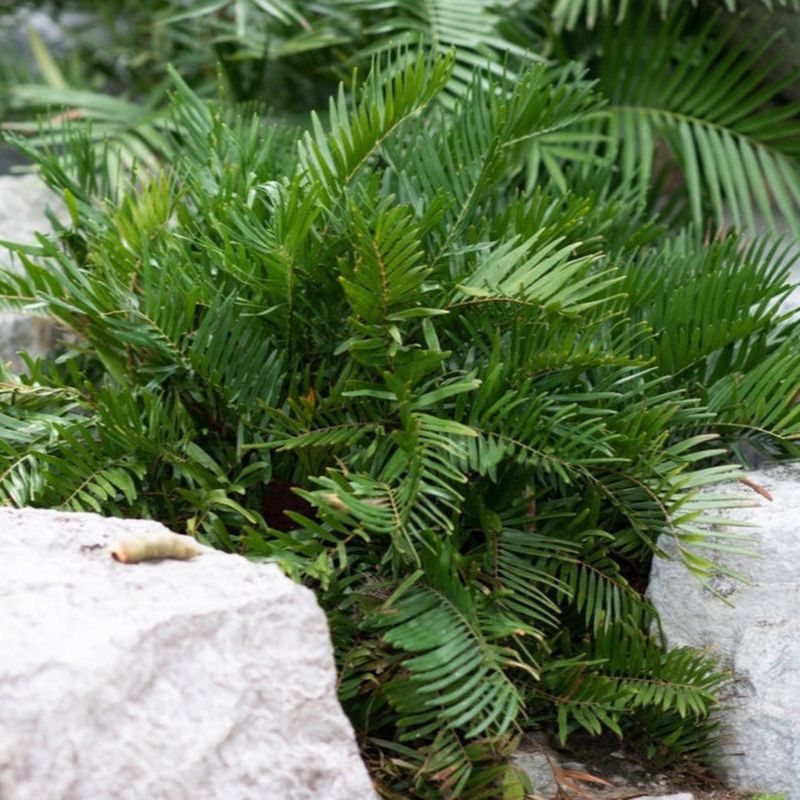
Coontie looks tropical without acting needy, which is exactly why Florida porch gardeners keep coming back to it. The stiff, palm-like fronds bring shape and shine to shady entries where many flowering plants fade out.
Armadillos usually dig where soil is open and full of easy food. Coontie helps by forming a low, tough clump that covers ground and discourages casual rooting right at the porch edge.
The plant is also naturally toxic if eaten, so wildlife tends to leave it alone. That does not mean it should be used carelessly, especially around pets or children, but it does explain why coontie is often a durable choice in real yards.
Its mosquito value is indirect but useful. Coontie handles drier shade once established, so you can avoid soggy, overwatered porch beds that turn into mosquito comfort zones.
Plant it in part shade to shade, in the ground or a wide container with drainage. It is also the host plant for the atala butterfly, a Florida conservation success story that gives this sturdy porch plant a second reason to earn its space.
6. Muhly Grass
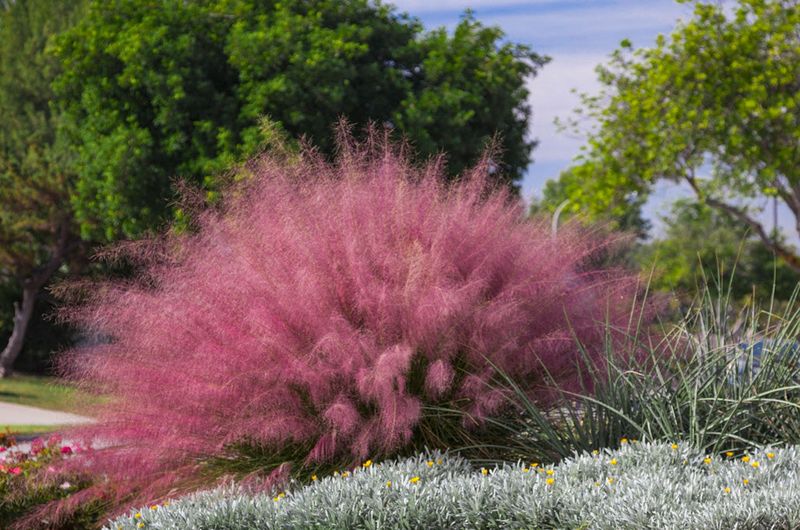
When pink muhly grass catches late-day light, a plain porch border can suddenly look planned and expensive. Its airy fall plumes are beautiful, but the real homeowner payoff is the tough clumping habit underneath.
Armadillos dislike obstacles more than open buffet-style soil. A row of muhly creates a wiry, dense base that makes digging along the porch less convenient, especially when plants are spaced close enough to touch at maturity.
Muhly is not an aromatic mosquito plant, so its role is different from beebalm or mountain mint. It helps by thriving in dry, sunny conditions where you do not need to keep the soil constantly wet, and drier porch beds are less friendly to mosquitoes.
Use muhly in full sun, along steps, beside driveways, or in big containers where the drainage is sharp. It shrugs off sandy soil once established and brings movement without flopping all over the walkway.
Cut it back once a year before fresh growth pushes out. For Florida gardeners planning ahead toward fall curb appeal, muhly gives you pest-aware texture now and a soft pink show when many porch plantings start looking tired.
7. Eastern Prickly Pear
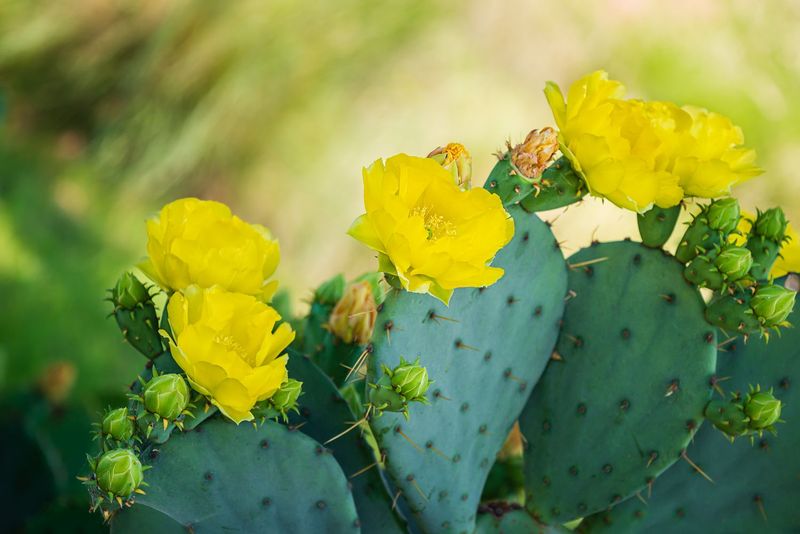
For the porch corner everyone cuts across, eastern prickly pear sends a clear message without needing a sign. Its flat pads, yellow blooms, and tiny hidden glochids make it one of the strongest physical deterrents on this list.
Armadillos are persistent, but they are not eager to push through prickly cactus pads to reach soft soil. A container or dry border of prickly pear can protect problem corners where digging keeps happening near steps, skirting, or foundation beds.
Its mosquito help comes from dryness. Prickly pear wants fast drainage and very little watering once established, which means fewer damp pots, wet mulch pockets, and saucers sitting around the porch.
This is a plant for full sun and careful placement. Keep it away from narrow walkways, pets, and spots where children play, because the small spines can irritate skin.
In the right location, though, it is a Florida-native problem solver with personality. It suits hot, sandy sites, coastal-style entries, and gardeners who would rather plant a living barrier than keep repairing the same dug-up patch every week.