
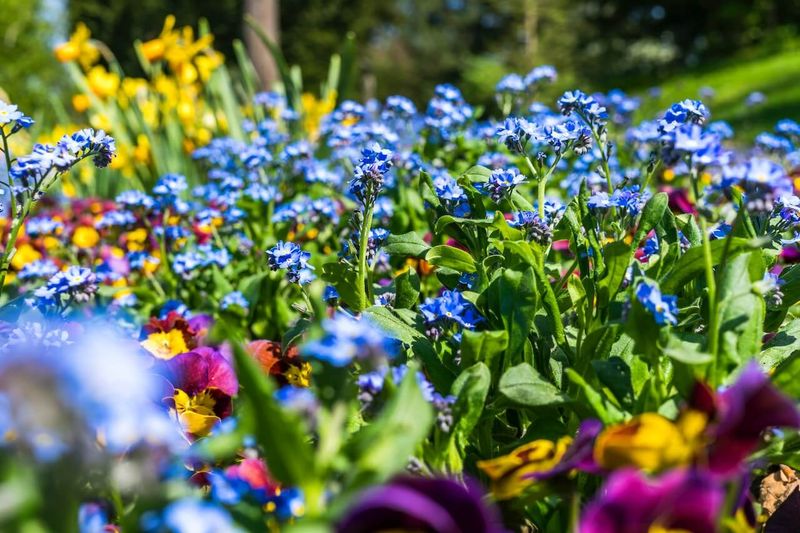
Blue flowers can feel rare in a Florida garden, especially once summer heat starts pressing down. Many pretty spring bloomers quit fast, leaving beds tired by midsummer.
The right perennials keep color going longer, handle sandy soil better, and give pollinators a reason to visit. Here are seven blue-flowering choices that bring cooler-looking color to hot Florida yards.
1. Blue Daze
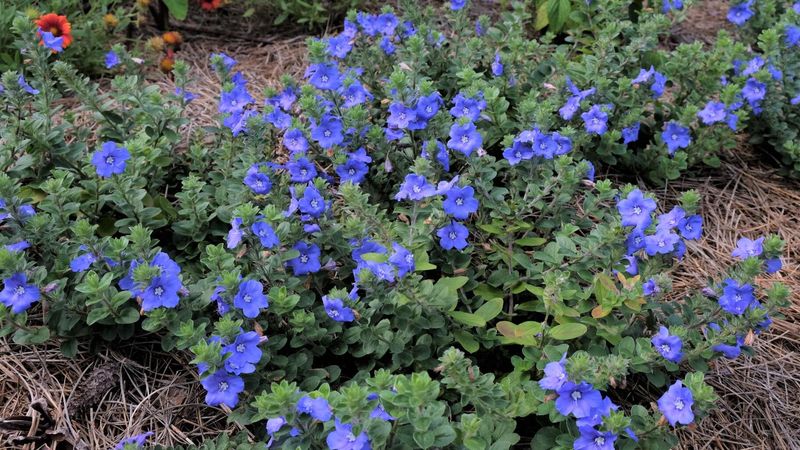
Few plants make hot pavement look less harsh quite like Blue Daze. Its clear, true-blue flowers open in the morning and give a low border, mailbox bed, or walkway edge a soft splash of color when many annuals are already sulking.
In much of Florida, Blue Daze behaves as a tender perennial, especially in frost-free or protected spots. It likes full sun, fast drainage, and lean soil, which makes it a natural fit for sandy beds where richer, thirstier plants struggle.
What earns it a place on this list is its ground-hugging habit. Instead of asking for a tall spot in the back of the bed, it fills the front with a neat, spreading mat that helps cover bare soil and soften hard edges.
Give it regular water while it gets established, then let the soil dry slightly between soakings. Too much shade can make it leggy and less flower-heavy, so save the brightest space for it if you want the bluest show.
2. Porterweed
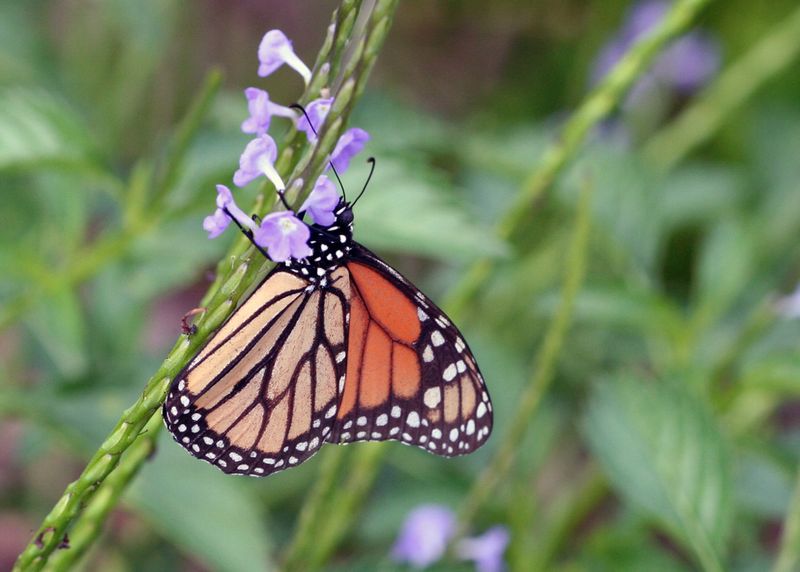
A butterfly landing on Porterweed looks like it found a snack bar made just for hot weather. The slim blue flower spikes are not big and flashy like a hydrangea, but they keep sending up tiny blooms that pollinators notice quickly.
Native blue porterweed, often listed as Stachytarpheta jamaicensis, is especially useful in South and Central Florida gardens. It handles heat, rebounds from pruning, and fits wildlife-friendly yards without looking overly fussy.
The standout trait here is movement. Butterflies, bees, and sometimes hummingbirds work the flower spikes, so the plant brings life as well as color to a sunny bed or patio-side planting.
Plant it in full sun to part sun and give it well-drained soil. In North Florida, cold may knock it back, but it can return from the roots in protected places or be replanted where winters are harder.
Because some nonnative porterweeds and hybrids can behave differently, Florida gardeners should check local UF/IFAS guidance and buy from reputable nurseries. Choosing the right type keeps the garden both pretty and responsible.
3. Mealycup Sage
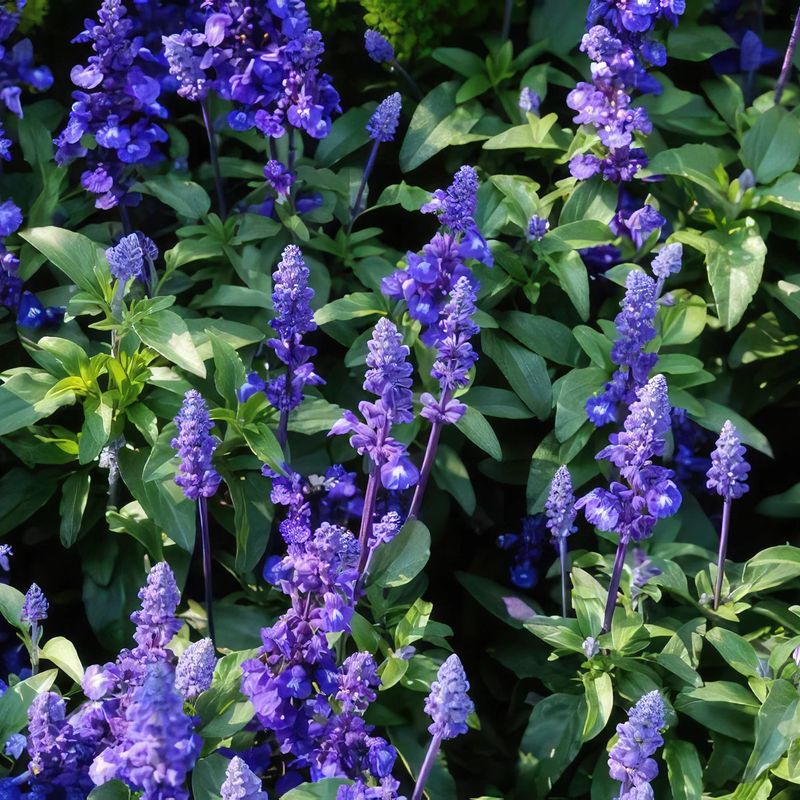
When a garden needs height without drama, Mealycup Sage steps in like a reliable neighbor with a full watering can. Its upright blue to violet-blue spikes add structure, so a flat bed suddenly looks layered and intentional.
Salvia farinacea is a strong performer in warm climates and is often used as a perennial in parts of Florida, though it may act more short-lived in some gardens. It stands up to sun, humidity, and busy pollinator traffic better than many soft, spring-only bloomers.
Its reason for making the list is vertical color. Blue Daze spreads low and Porterweed dances with tiny blooms, but Mealycup Sage gives you those clean flower spikes that look good behind shorter edging plants or mixed with ornamental grasses.
Full sun brings the best flowering, though a little afternoon relief can help in the hottest inland yards. Cut back spent spikes to encourage more bloom and keep the plant from looking tired.
Good drainage matters, especially during Florida downpours. If your bed holds water after storms, raise the planting area or mix it into a mound so roots are not sitting wet.
4. African Blue Basil
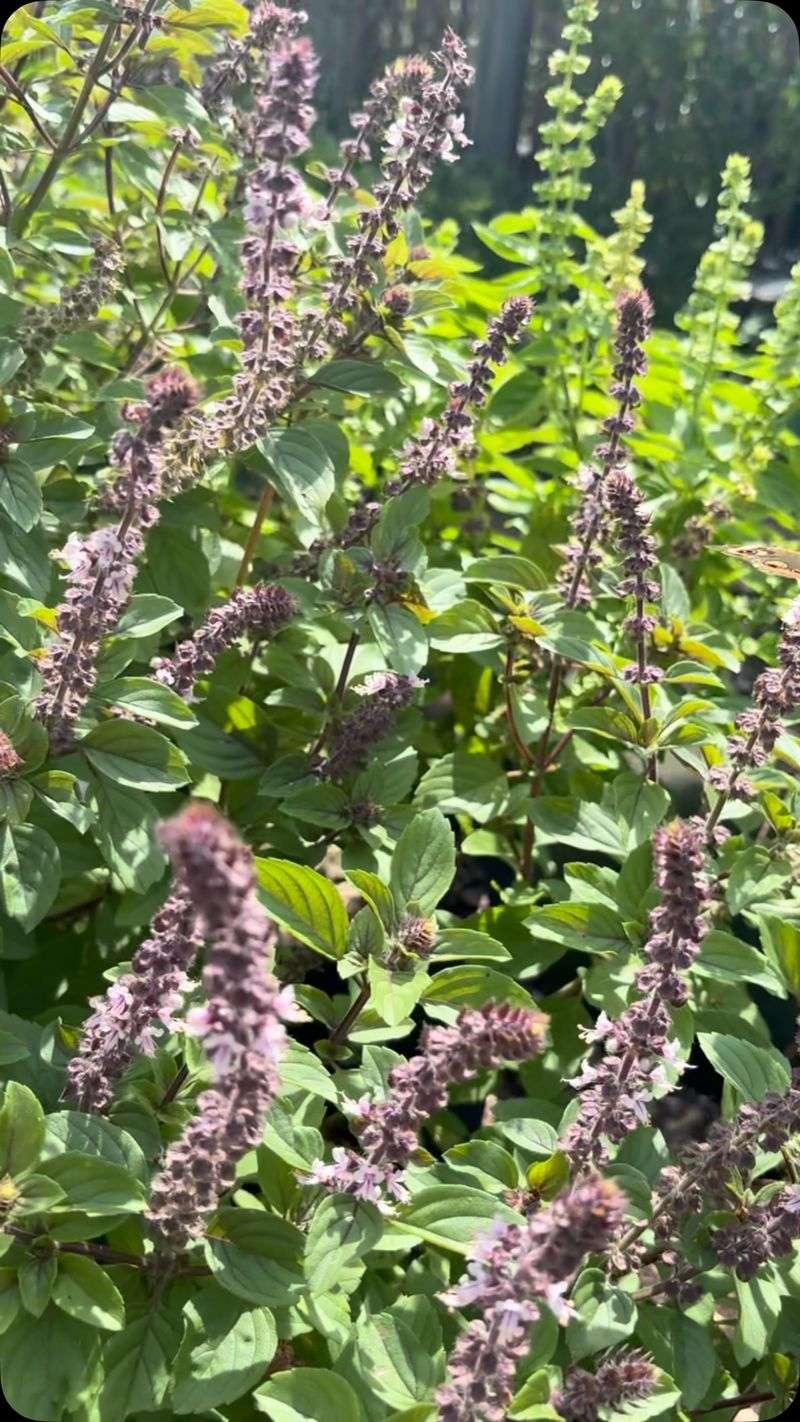
Herb gardens are usually about flavor, but African Blue Basil insists on bringing the bees too. Its blue-purple flower spikes rise above fragrant leaves and keep going through sticky weather that makes sweet basil bolt and collapse.
African Blue Basil is a sterile hybrid, so it does not set seed the way many basils do. That odd little detail is part of its magic, since the plant keeps blooming for a long time instead of quickly finishing its life cycle.
What makes it different from the other picks is its usefulness near kitchens, patios, and vegetable beds. You get flowers for pollinators, aromatic foliage for casual clipping, and a handsome shrub-like shape that can fill a sunny corner fast.
Florida gardeners should treat it as a warm-season perennial in frost-free areas and as a tender perennial or easy cutting-grown plant where cold snaps hit. It loves sun, steady moisture, and drainage that does not stay soggy after summer rain.
Trim it often to keep the plant bushy and fresh. The flowers are more lavender-blue than pure blue, but their heat stamina and pollinator pull make them too useful to leave out.
5. Blue Plumbago
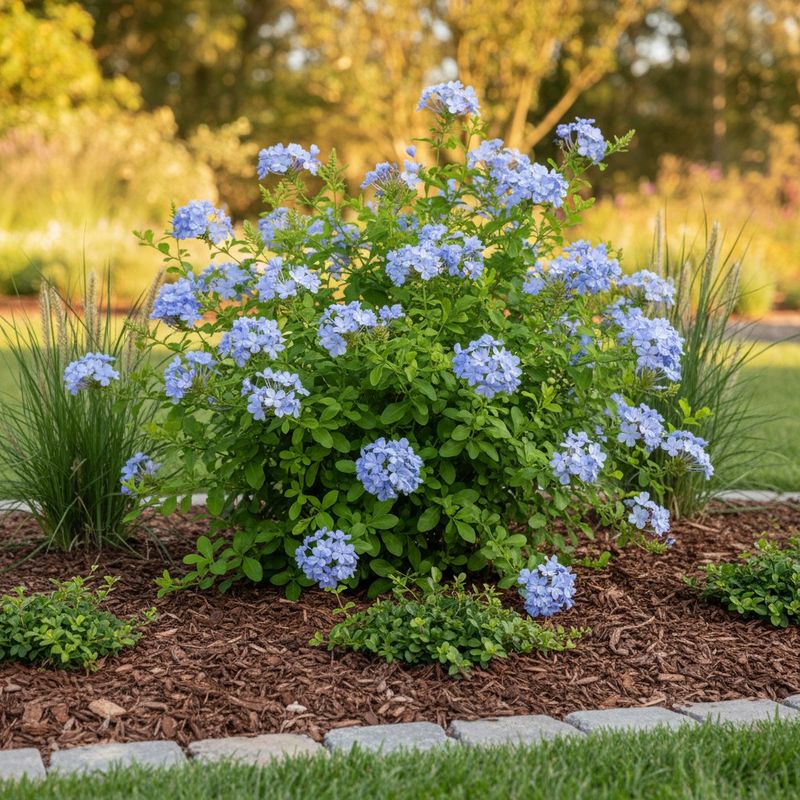
Blue Plumbago has that breezy, coastal look people try to fake with paint colors and patio pillows. In the garden, its pale blue flower clusters can cool down a hot fence line or soften the base of a sunny wall.
Plumbago auriculata is not Florida native, but it is widely grown in warm parts of the state because it handles heat with impressive ease. Once established, it can tolerate dry spells better than many lush-looking flowering shrubs.
The special advantage here is volume. While some blue perennials offer small accents, Plumbago can become a loose, flowering mass that works as a backdrop, informal hedge, or large container feature.
Give it full sun for the heaviest bloom and enough room to stretch. It can be pruned back to control size, and in colder parts of North Florida it may die back in winter and return when warm weather settles in.
Drainage is still important, especially in low yards that flood during summer storms. Plant it high, mulch lightly, and avoid crowding it against plants that need constant irrigation.
6. Blue Mistflower
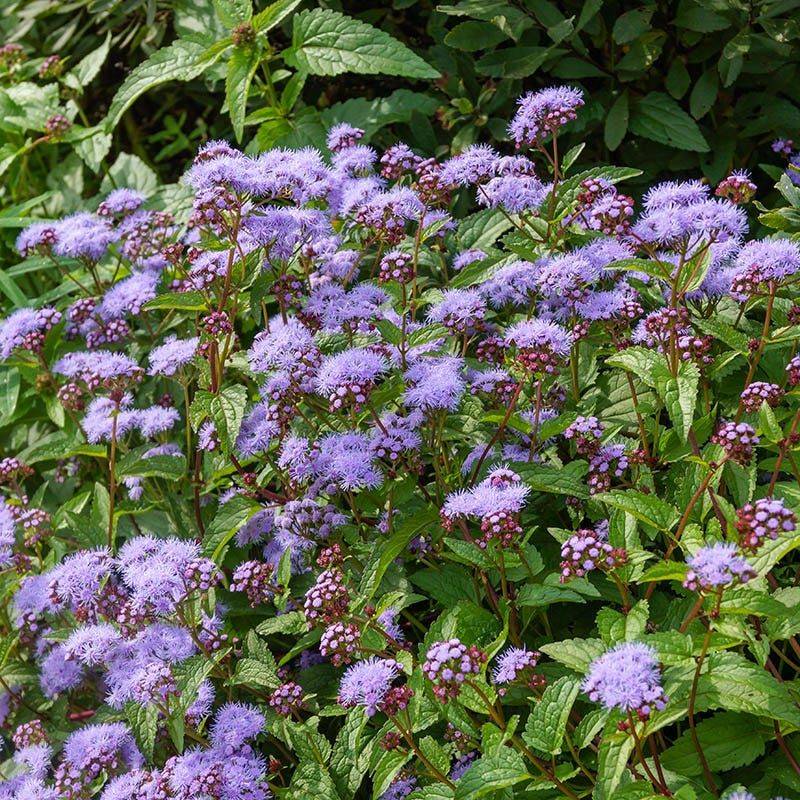
Soft, fuzzy blue blooms give Blue Mistflower a wildflower charm that feels right at home near a rain garden, pond edge, or casual backyard border. It does not look stiff or formal, and that is exactly the point.
Conoclinium coelestinum is native to the eastern United States, including Florida, and it can be a valuable nectar plant. In the right spot, it spreads into a colony, creating a cloud of late-season blue that butterflies often visit.
Its place on this list comes from timing and texture. Many blue flowers are strongest in spring or early summer, but Blue Mistflower can carry color later, helping bridge the garden toward fall when Florida gardeners are refreshing beds.
Unlike the tougher dry-bed plants here, it appreciates more consistent moisture. Use it where irrigation reaches, where soil stays a bit richer, or where runoff naturally collects without leaving roots underwater for long periods.
One friendly warning: it can spread with enthusiasm. In a wildlife bed, that may be welcome, but in a tight formal border, plant it where you can thin or edge it as needed.
7. Tropical Sage
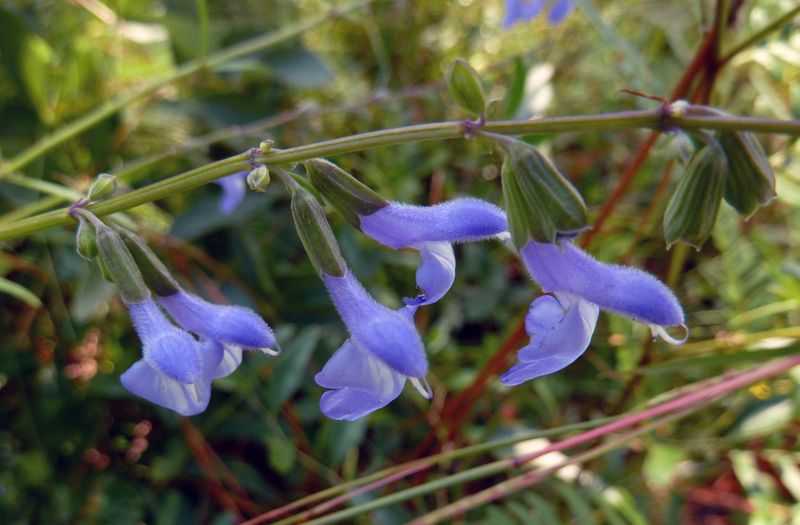
A plant does not have to shout to earn its keep. Blue forms of Tropical Sage bring a lighter, more cottage-garden look, with airy stems and small tubular blooms that fit beautifully between bolder Florida plants.
Salvia coccinea is a Florida native commonly seen in red, but blue and bicolor selections are also grown. The blue-flowering types may be less common at nurseries, yet they are worth watching for if you want native-leaning color with a softer mood.
The reason it stands apart is adaptability. Tropical Sage can tuck into pollinator beds, sunny borders, and partly shaded edges where heavier bloomers might look awkward or overgrown.
It grows best in well-drained soil and usually handles heat better than many delicate-looking flowers suggest. Once established, it can reseed politely to generously, depending on the site, which helps keep a relaxed native garden filled in.
Trim plants when they get rangy, especially after a big bloom cycle or a rough storm. Pairing blue Tropical Sage with yellow coreopsis, white gaura, or silvery foliage gives the bed a clean Florida-friendly look without needing constant fuss.