
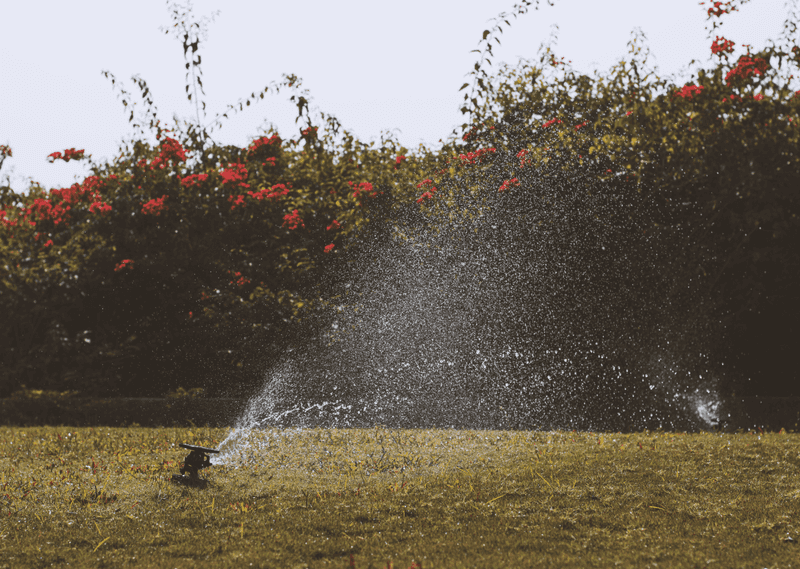
Grabbing the hose at noon on a scorching California day feels like the right thing to do, but the way you water matters as much as when you water. Routine overhead sprinklers running at peak heat can lose a surprising amount of water before it ever reaches your plants’ roots, leaving the garden thirstier than it looks.
The good news is that noon watering does not burn leaves, and a plant that is genuinely wilting in dry soil should not have to wait until morning. Understanding what actually goes wrong, and what to do instead, puts you back in control without the guilt.
Noon watering does not burn leaves—but exposed sprinklers can waste water
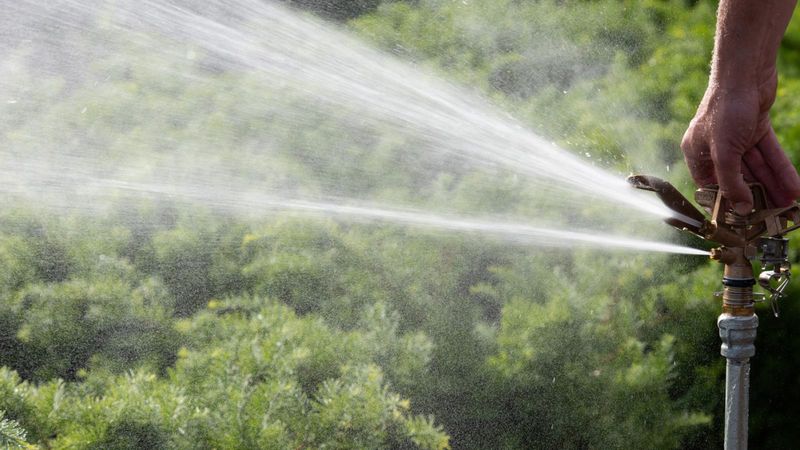
One of the most persistent pieces of garden advice circulating in California is that watering at noon will burn your plants’ leaves because water droplets act like tiny magnifying glasses in direct sunlight. Penn State Extension identifies this as a garden myth, and UC Cooperative Extension confirms that midday irrigation does not harm plants.
The real concern is narrower, and it has nothing to do with sunlight reacting badly with water.
What actually happens during a hot, sunny, or windy afternoon is a water-delivery problem, not a chemistry problem. Overhead sprinklers spraying an open bed can lose a meaningful portion of their output to evaporation while the water is still in the air, and more water evaporates quickly from the soil surface before it can soak down to the roots where your plants need it most.
UC ANR’s guidance on watering in very hot weather emphasizes getting water to the root zone rather than briefly wetting the soil surface.
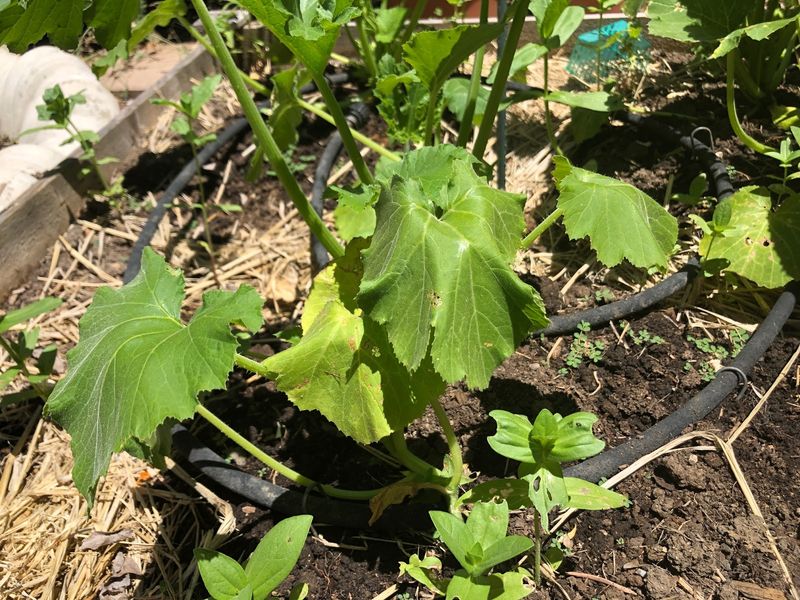
That concern applies specifically to exposed overhead spray. A drip line running at noon delivers water directly at the emitter, close to the soil surface, where wind and radiant heat have far less opportunity to steal it before it soaks in.
A soaker hose or careful hand-watering at the base of a plant works the same way. The problem with noon watering is about method and conditions, not some harmful interaction between sunlight and water droplets.
So if you have been watering your garden at noon with an overhead sprinkler and wondering why plants still seem stressed, the issue is likely that less water is reaching the roots than the run time suggests, not that the sun is scorching foliage through wet leaves.
Heat and wind reduce exposed overhead sprinklers’ efficiency
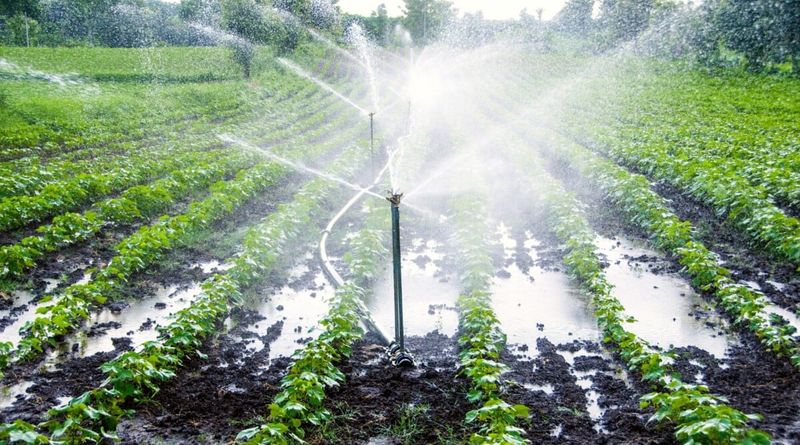
Running an overhead sprinkler on a 100-degree inland California afternoon is a bit like pouring water onto a hot skillet and expecting it all to reach the pan’s surface intact. Between the spray head and the soil, water travels through air that is actively pulling moisture away.
On windy days, a significant share of the spray can drift sideways and land outside the bed entirely before it has any chance to soak in.
Once the water does hit the ground, exposed soil in direct sun loses additional moisture rapidly. USDA guidance on urban agriculture notes that plants lose water through transpiration during extreme heat, and when soil moisture cannot keep pace with that demand, real damage follows.
Wilting is the first visible signal, but prolonged water stress can lead to leaf scorch, dieback, increased vulnerability to pests, and in severe cases, plant death.
The method-specific distinction matters here. UC ANR’s drought and water conservation guidance points out that drip irrigation can be scheduled at any time because wind and evaporation are far less consequential at ground-level emitters.
A drip line or soaker hose running at noon is not fighting the same losses that an overhead sprinkler is. The water goes straight into the soil, where it is shielded from radiant heat and moving air.
For gardeners using overhead sprinklers on exposed beds, the practical takeaway is this: your timer may say the bed received half an inch of water, but during a peak-heat afternoon with any kind of breeze, the roots may have received considerably less. That gap between what the sprinkler delivers and what actually reaches the root zone is the quiet backfire this article is really about.
Check the soil and plant before obeying the clock
Before adjusting your watering schedule, check two things: the soil and the plant itself. Push a finger or a thin wooden dowel two to three inches into the ground near the root zone.
If the soil feels dry at that depth, the plant likely needs water regardless of what time the clock shows. If the soil still feels moist, adding more water at noon or any other time will not solve a wilting problem and could make it worse.
Wilting is easy to misread. UC ANR’s summer heat gardening guidance explains that overwatering, root damage, disease, and heat stress can all produce symptoms that look like drought stress.
A plant sitting in waterlogged soil may wilt for the same visible reason as a plant in bone-dry soil, but adding more water to the first one will only deepen the problem. Check drainage and look for other signs of trouble before reaching for the hose.
When a plant is genuinely wilted and the soil is dry, Oregon State University’s heat-wave garden guidance is direct: water as soon as reasonably possible. Waiting until morning to help a plant that is already in distress is not good stewardship; it is unnecessary delay.
The goal is to respond to actual conditions, not to follow a rigid clock rule.
California’s climate also makes a universal schedule unreliable. Watering basics from Oregon State Extension reinforce that soil type, exposure, and plant maturity all affect how quickly moisture depletes.
A coastal garden in Marin may hold moisture for days after watering, while an exposed inland valley bed can dry out in 24 hours during a heat event. Checking conditions beats following a calendar, every time.
Water slowly at the root zone
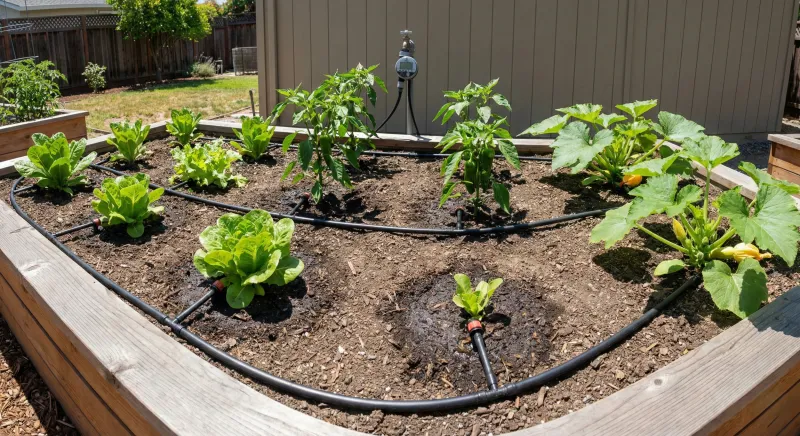
Getting water to the root zone slowly and thoroughly is the most reliable way to keep plants hydrated during a California heat wave, regardless of what time you water. A quick overhead spray that wets the foliage and the top inch of soil may satisfy a timer but leaves roots in the dry zone below.
UC ANR’s hot-weather watering guidance recommends wetting the soil several inches deep for most garden plants, with depth and frequency adjusted for plant type, soil texture, and site conditions.
Drip irrigation lines, soaker hoses, and careful hand-watering at the base of a plant all deliver water directly where it is needed. They minimize the evaporation and wind drift that cost overhead sprinklers efficiency during hot afternoons, and they keep foliage dry, which reduces the risk of foliar disease in beds with dense planting or poor airflow.
California DWR’s conservation guidance recommends drip and soaker systems as water-efficient alternatives to overhead spray for home landscapes.
Root-zone delivery methods are also more forgiving about timing. A drip system running at noon on a hot day loses very little to evaporation compared with a sprinkler doing the same job.
UC ANR’s drought and conservation resource notes specifically that drip irrigation can be scheduled at any time of day, because wind and evaporation have minimal effect at ground-level emitters. That flexibility matters when a plant needs water mid-afternoon and waiting until the next morning could mean real stress.
For gardeners currently using overhead sprinklers, even a temporary switch to hand-watering at the soil level during a multi-day heat event can make a noticeable difference in how well plants hold up. You do not need to replace your entire irrigation setup to deliver water more effectively during the hottest days of the year.
Containers and new plantings may need daytime attention
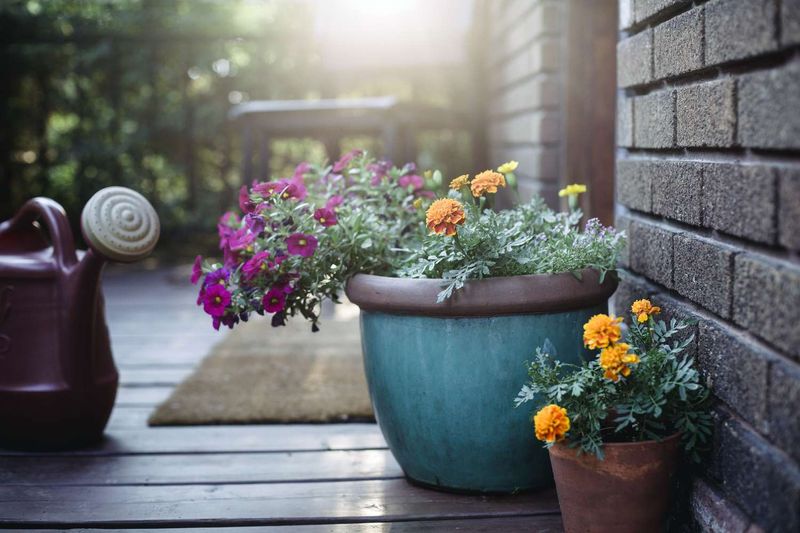
Established in-ground plants with deep root systems can often go a day or two between waterings during a heat wave, but containers and newly planted beds operate by completely different rules. A terra cotta pot sitting near a south-facing stucco wall or on a concrete patio can reach temperatures that dry the root zone within hours, not days.
During extreme heat, those containers may need to be checked once or twice a day, though checking the soil is always the right move before adding more water.
UC ANR’s guidance on caring for container plants during heat waves notes that containers exposed to afternoon sun, wind, and heat-reflective surfaces can dry out with surprising speed. The instruction is to inspect them regularly rather than water on a fixed schedule, because soil that feels moist in the morning may be critically dry by early afternoon on a 105-degree day.
A dry container plant that is visibly wilting needs water right then, not the following morning.
Newly planted trees, shrubs, perennials, and seedlings face a related challenge. Their root systems have not yet spread into the surrounding soil, so they depend entirely on moisture in the small zone where they were planted.
UC ANR’s drought and water conservation resource explains that new plantings may need daily watering for several weeks during warm weather, which is a very different standard than the deep-and-infrequent approach that works well for established plants.
Container gardening basics from UC Master Gardeners Santa Clara County reinforce that container plants are an exception to most general watering rules. If your midday check shows dry soil and a drooping plant, that is a clear signal to water now, regardless of the time on the clock.
Use mulch and temporary shade to reduce heat stress
Mulch is one of the most effective tools a California gardener has for getting through a heat wave without watering more often than necessary. A layer roughly 2 to 4 inches deep spread over the soil surface slows evaporation, moderates soil temperature, and suppresses weeds that would otherwise compete for moisture.
UC Master Gardeners Contra Costa’s hot-weather watering tips specifically recommend mulching as a way to keep soil cooler and reduce how often you need to water during extreme heat.
Keep mulch a few inches away from plant stems and tree trunks. Piling it against woody tissue traps moisture and can encourage rot or pest problems over time.
Applied correctly, though, a good mulch layer means the soil beneath it stays noticeably cooler and holds moisture longer than bare ground, which reduces the pressure on both your plants and your irrigation schedule. UC ANR’s water conservation guidance recommends this practice as part of a broader drought-response strategy.
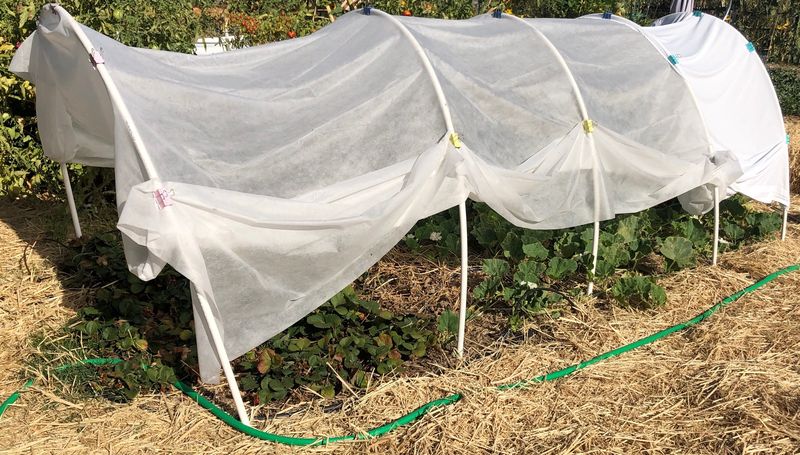
Temporary shade is the other tool worth having ready before a multi-day heat event arrives. UC Master Gardener statewide guidance on gardening in extreme heat recommends shade cloth or a similar temporary structure for newly transplanted plants, container-grown specimens, or heat-sensitive species that have not yet hardened to full sun exposure.
Oregon State’s heat-wave garden resource echoes this for vulnerable plants during the hottest days.
Neither mulch nor temporary shade replaces the soil-moisture check or compliance with your local water agency’s current schedule. They are complementary steps that reduce how often emergency intervention becomes necessary, giving your plants a better buffer when temperatures spike.
Match watering to natives, weather, and local rules
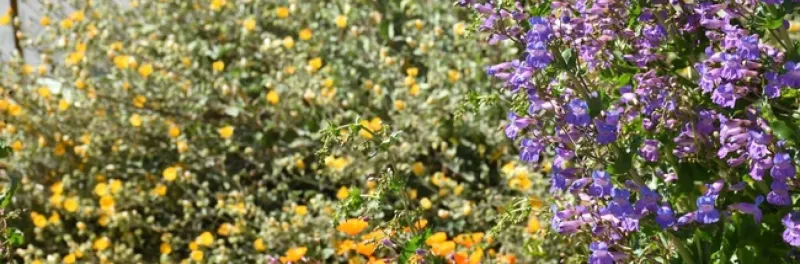
California native plants bring a specific complication to heat-wave watering advice: many established natives need very little summer irrigation, and giving them too much can cause more harm than a missed watering. UC ANR’s summer care guide for California native plants explains that drought-adapted species like ceanothus, toyon, and many native salvias are accustomed to dry summers and can develop root rot or other problems if overwatered during their natural dormant period.
Newly planted natives are the exception. They still need regular irrigation while their roots are getting established, which can take a full growing season or more.
UC Master Gardeners San Mateo and San Francisco County’s native gardening resource draws this distinction clearly: the establishment phase requires consistent moisture, but once a native is settled in, pulling back on irrigation is often the right move, even during summer heat. Overhead irrigation is also poorly suited to many California natives, which prefer the dry-foliage conditions that drip or root-zone delivery provides.
UC Marin Master Gardeners’ irrigation guidance reinforces that plant maturity, soil type, and exposure should drive irrigation decisions more than any fixed schedule. That principle applies across California’s varied regions, from coastal fog zones to hot inland valleys to high desert communities with very different humidity, wind, and soil conditions.
Local water agency rules add another layer. California DWR directs residents to their local water agencies for current watering schedules, restrictions, rebates, and conservation guidance.
Some agencies limit outdoor irrigation to specific days or times, which may override the timing recommendations in this article. Checking with your local provider is not optional during drought conditions – it is part of being a responsible California gardener.
Use a condition-based heat-wave rule
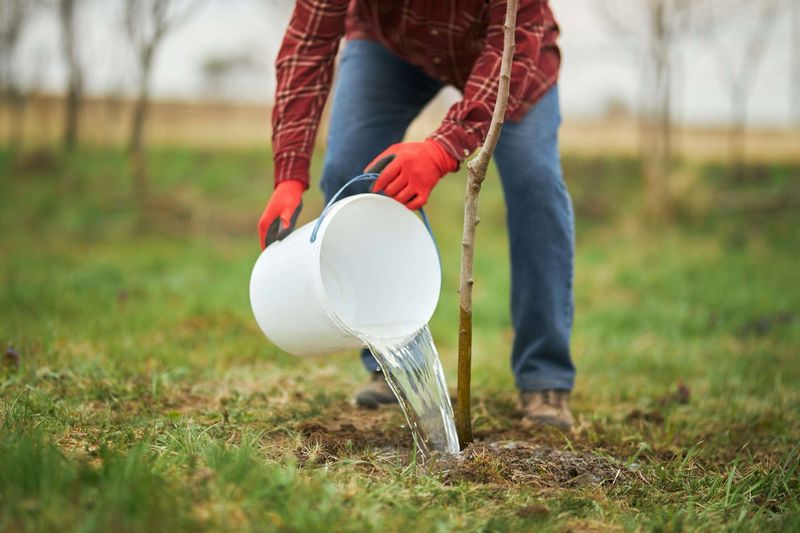
The clearest operating rule for California heat waves is not a clock time. Check the soil and the plant first.
If the soil is dry and the plant is genuinely wilting, water as soon as reasonably possible, even if it is noon, using the most root-directed method available to you. Oregon State’s heat-wave guidance is clear that delaying necessary water to stick to a schedule can deepen stress rather than prevent it.
For routine overhead or spray irrigation, early morning remains the best default. UC ANR identifies very early morning as optimal for spray irrigation because cooler air, lower wind, and reduced evaporation allow more water to reach the root zone.
UC ANR’s hot-weather watering resource reinforces slow, thorough delivery at the root zone as the standard to aim for, regardless of timing. Drip lines and soaker hoses can run at any hour because they sidestep the evaporation and wind losses that penalize exposed overhead spray.
Adjust for what your garden actually contains. Containers and new plantings may need midday attention.
Established California natives may need less water than you think, even during a heat event. Check your local water agency for any current restrictions or schedule requirements that apply to your area.
The goal is not to pick the perfect hour on the clock. Delivering enough water to the roots without wasting it, and responding to what the plant and soil are actually telling you, is what good California gardening looks like under heat.