
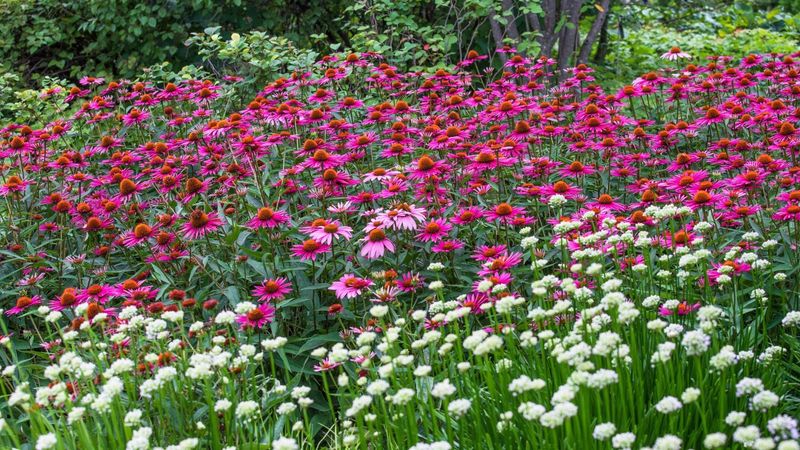
If you love the idea of a yard that gets prettier every year without you digging and replanting each spring, native perennials are your best friends. These tough North Carolina plants come back on their own, shrug off our hot summers, and feed the bees, butterflies, and birds that belong here.
Best of all, many of them fill in dense enough to crowd out weeds and give ticks fewer shady hiding spots near your home. Here are nine native perennials worth planting once and enjoying for years.
1. Purple Coneflower (Echinacea purpurea)
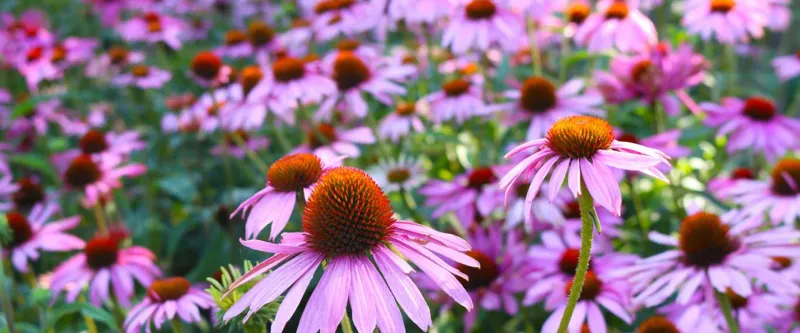
Few plants earn their keep like purple coneflower. Plant a few small clumps in a sunny Piedmont bed and within a couple of seasons you will have a drift of daisy-like blooms standing tall through July heat.
Pollinators adore the spiky orange centers, and goldfinches show up in fall to pick seeds right off the dried heads. That means you can skip the deadheading and let the plant feed the birds.
Coneflower handles clay soil, drought, and neglect with grace. Once its deep roots settle in, it returns thicker every spring, and it self-sows just enough to gently expand without taking over.
2. Black-Eyed Susan (Rudbeckia hirta)
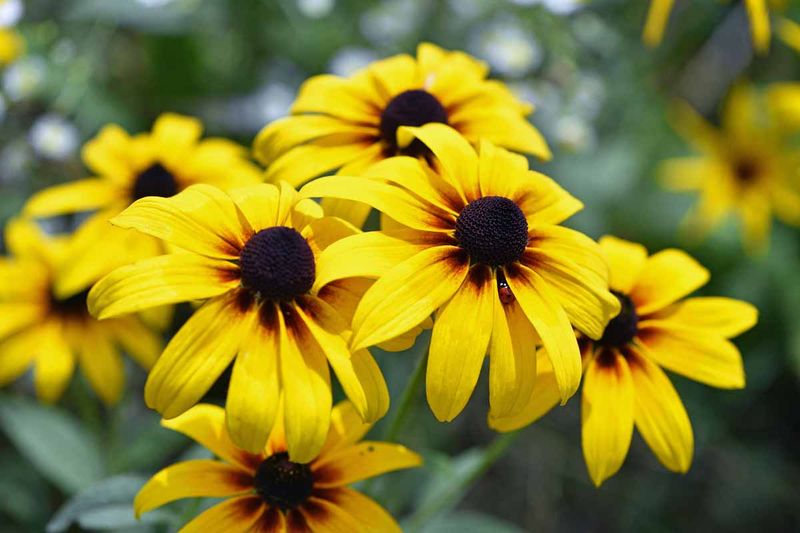
Golden petals with a chocolate-brown button in the middle make black-eyed Susan one of the most recognizable faces in a Southern yard. It blooms hard from midsummer into fall, right when a lot of other flowers are fading.
Butterflies and small native bees work the flowers all day, and the plant asks for almost nothing in return. Poor soil, blazing sun, and dry spells barely slow it down.
Set out a few plants this weekend and they will reseed and spread into a bright, low-effort patch. Fun bit: it is the state flower of Maryland, but it feels right at home across North Carolina too.
3. Butterfly Weed (Asclepias tuberosa)
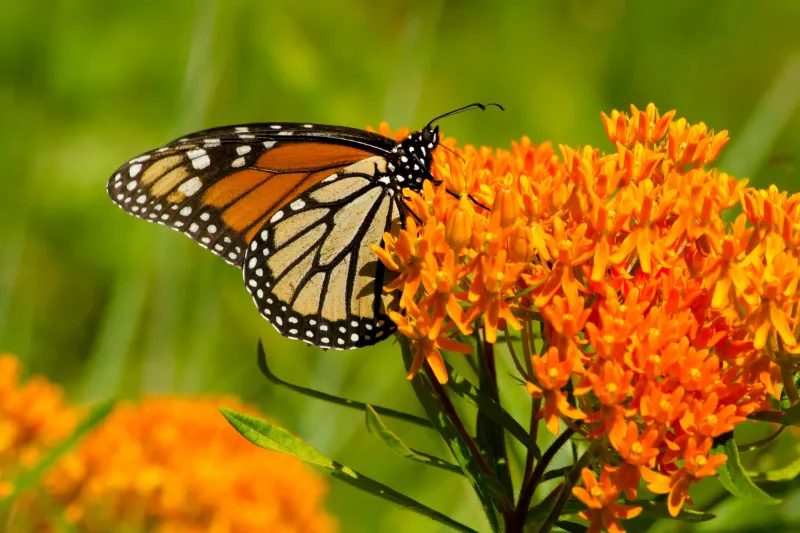
Want monarchs in your yard? Butterfly weed is the ticket.
As a native milkweed, it is one of the only plants monarch caterpillars can eat, so a single clump turns your garden into a nursery.
The blazing orange flower clusters look like they belong in a fireworks show, and adult butterflies of all kinds swarm the nectar. Bright color, real wildlife purpose, no contest.
It sends down a long taproot that makes it drought-proof once established, which also means you plant it and leave it alone. It comes back reliably each year and rewards patience with more blooms as it matures.
4. Eastern Bluestar (Amsonia tabernaemontana)
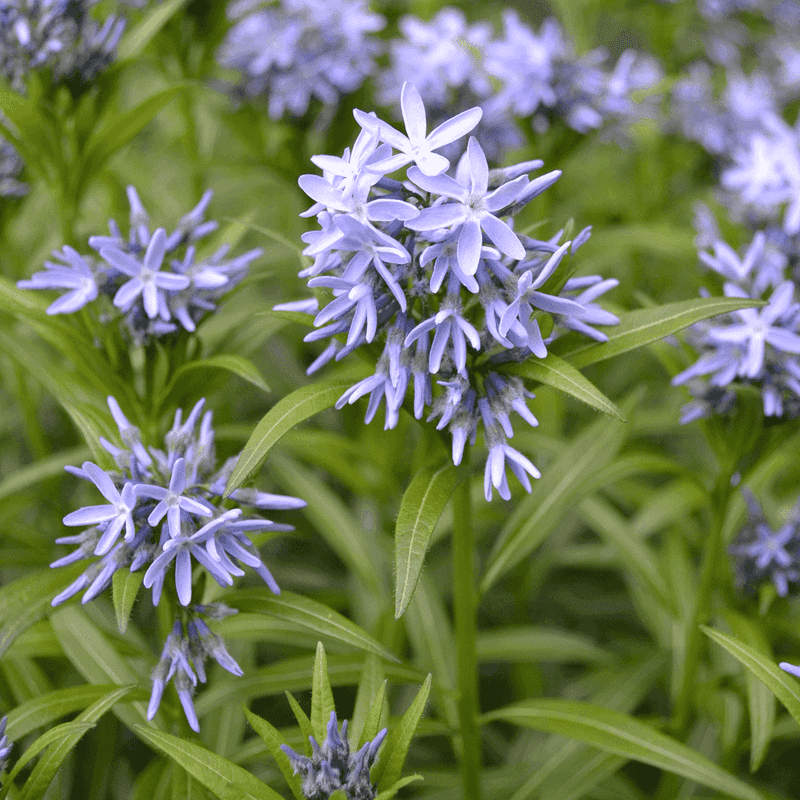
Soft powder-blue stars cover this shrubby perennial in spring, a color you rarely see in native gardens. It is a calm, refined choice for anyone who wants something a little different up front by the porch.
The real surprise comes in autumn, when the fine green foliage turns a glowing golden yellow that lights up the whole bed. You basically get two shows from one plant.
Bluestar grows into a tidy, dependable mound that needs no staking and no fuss. Once its roots are down it returns fuller each year and pretty much ignores drought and deer.
5. Cardinal Flower (Lobelia cardinalis)
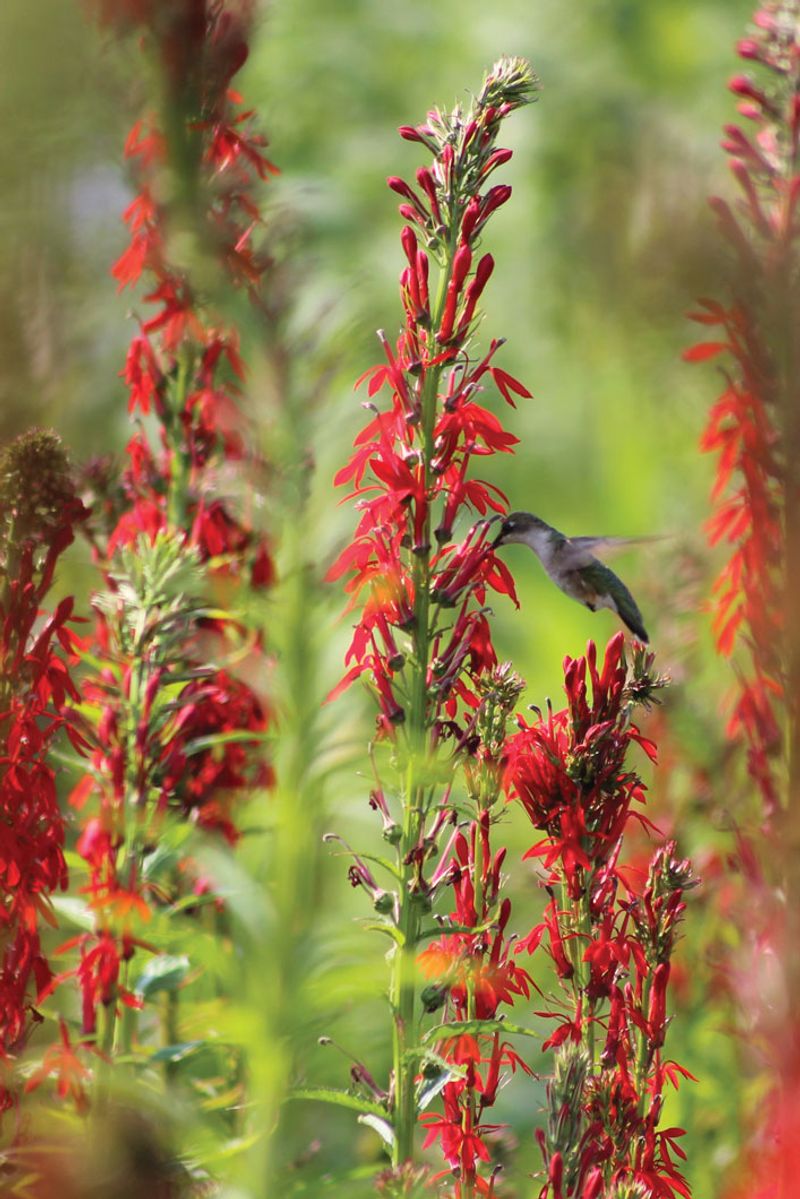
That damp, shady corner where nothing seems to thrive? Cardinal flower loves it.
This one thrives in the moist spots most perennials hate, which makes it a problem-solver as much as a beauty.
Its tall spikes of fire-engine red are basically a magnet for ruby-throated hummingbirds, who can reach the deep tubular blooms better than most insects. Sit on the porch in late summer and enjoy the show.
Give it consistent moisture near a downspout, rain garden, or pond edge and it will return year after year. It may reseed into nearby damp ground, quietly building a bolder splash of red each season.
6. Joe-Pye Weed (Eutrochium fistulosum)
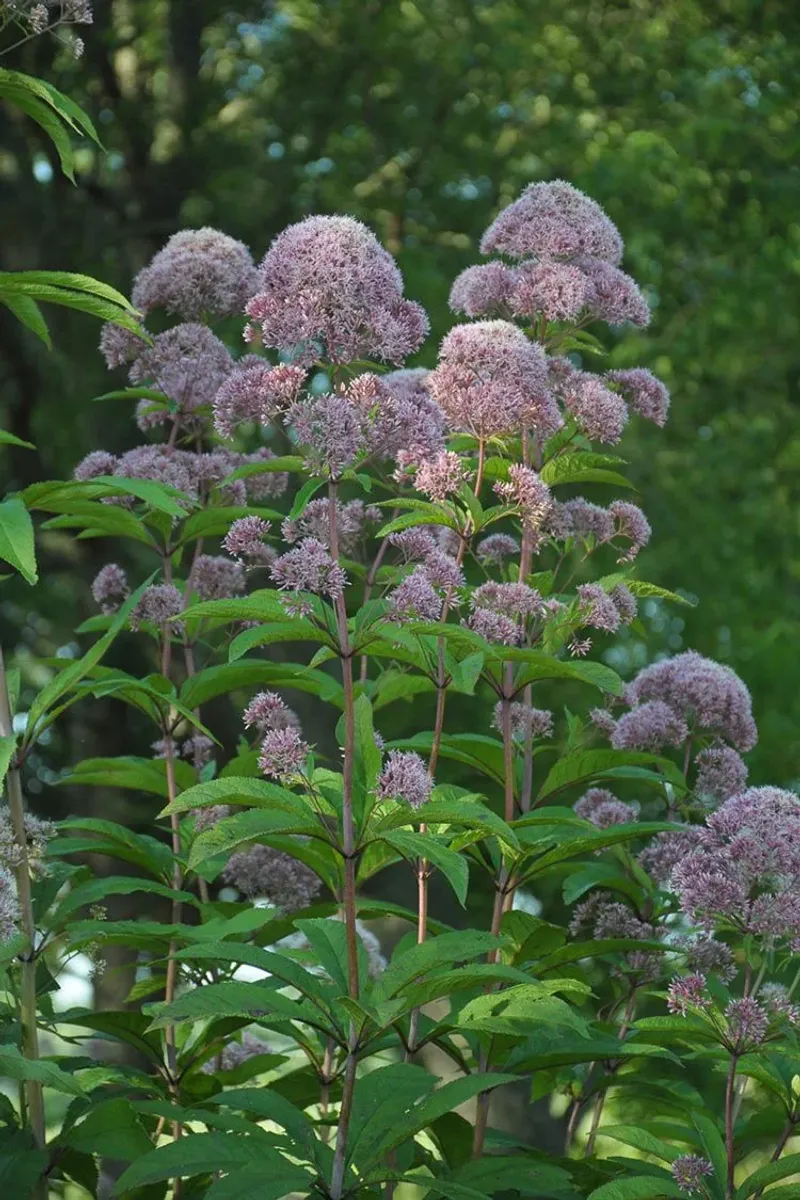
Standing five to seven feet tall with big mauve-pink flower heads, Joe-Pye weed is the gentle giant of the native border. Plant it at the back of a bed and it becomes a living wall of late-summer color.
Butterflies cannot resist it. On a warm August afternoon you may count a dozen swallowtails on a single stand, along with countless bees.
It handles the moist, sunny-to-part-sun spots common in NC yards and needs zero babysitting. Cut it back once in late winter and it charges back taller and wider, no replanting required.
7. Wild Bergamot (Monarda fistulosa)
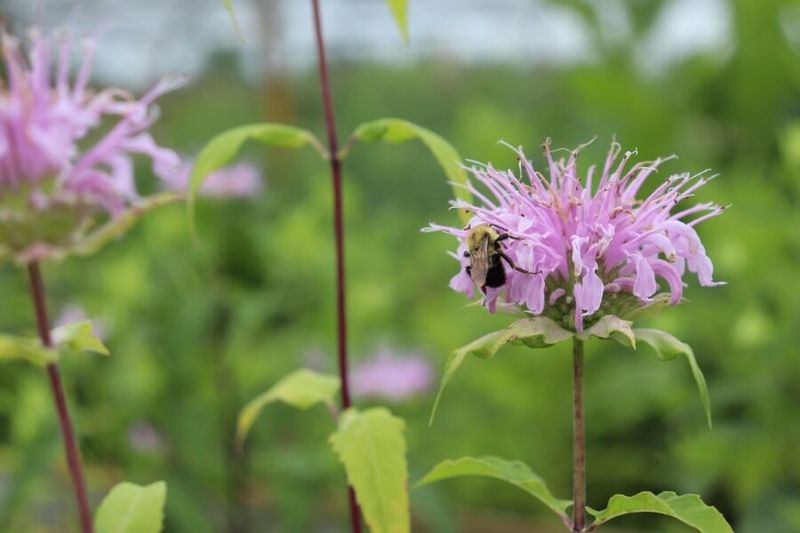
Crush a leaf of wild bergamot and you get a fresh, minty scent that hints at its old-fashioned charm. Also called bee balm, it wears shaggy lavender flowers that look like little bursts of confetti.
Bees, hummingbirds, and even sphinx moths line up for the nectar, so the plant practically hums on a summer day. It is a true pollinator powerhouse packed into an easygoing package.
Native bergamot spreads by underground runners, so one planting slowly forms a fragrant colony. It laughs off heat and dry soil and comes back stronger each year with almost no help from you.
8. Little Bluestem (Schizachyrium scoparium)
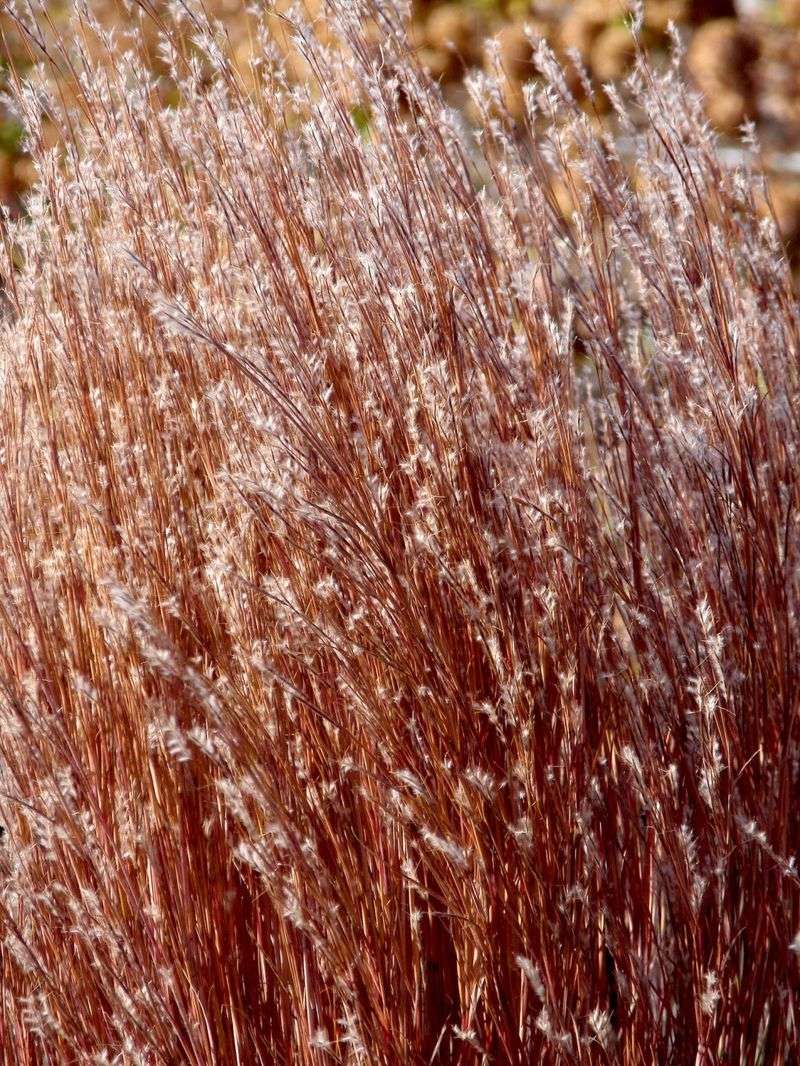
Not everything on this list is a flower, and that is exactly why little bluestem belongs here. As a native bunchgrass, it brings movement, texture, and gorgeous copper-orange fall color to spots where flowers struggle.
It also does quiet work for wildlife, sheltering ground beetles and giving small birds seeds and nesting material through winter. Leaving it standing feeds the yard when everything else has gone brown.
Tough as nails in poor, dry, sandy soils, it fills in as a low-effort lawn alternative or a soft edge along a bed. Once rooted, the clumps return bigger and more colorful every single year.
9. Eastern Columbine (Aquilegia canadensis)
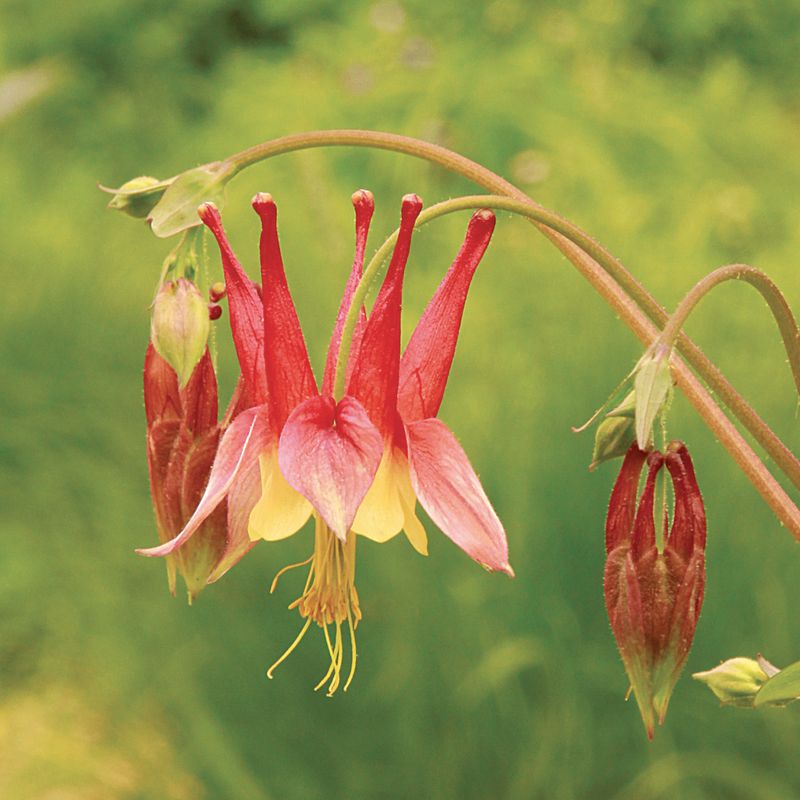
Dangling like tiny red-and-yellow lanterns, eastern columbine brings early color to the shady woodland edges that stump so many gardeners. It blooms in spring when hummingbirds first return, timing that feels almost planned.
The nodding, spurred flowers are as pretty up close as they are from the porch, and they thrive in part shade under trees where turf never fills in well. That makes it a smart choice for those tricky transition zones.
Columbine gently self-sows around the garden, popping up in new nooks and slowly weaving a natural, effortless look. Plant it once, and it keeps reintroducing itself for years to come.