
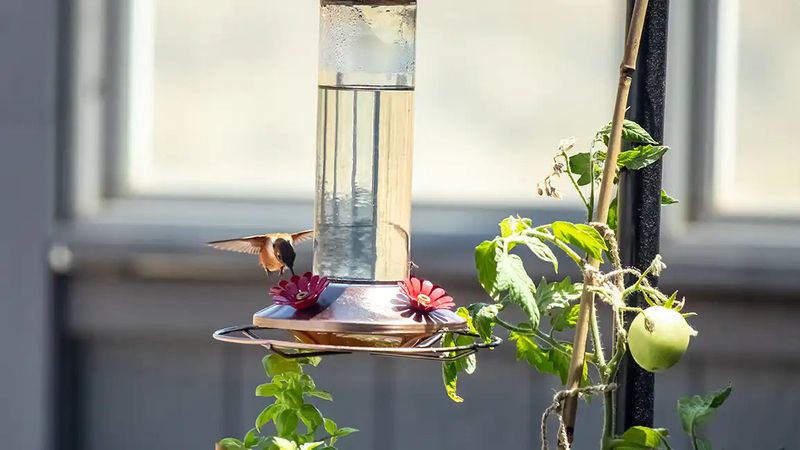
Every summer, North Carolina yards buzz with ruby-throated hummingbirds looking for a safe sip of sweet nectar. But where you hang your feeder matters just as much as what you put in it, and a bad spot can send these tiny visitors packing.
From the Piedmont to the coastal plain, the wrong location can scare off birds, invite pests, or even put your feathered guests in danger. Here are nine places to avoid so your hummingbirds feel welcome and keep coming back all season.
1. Right Next to a Window in Full Sun
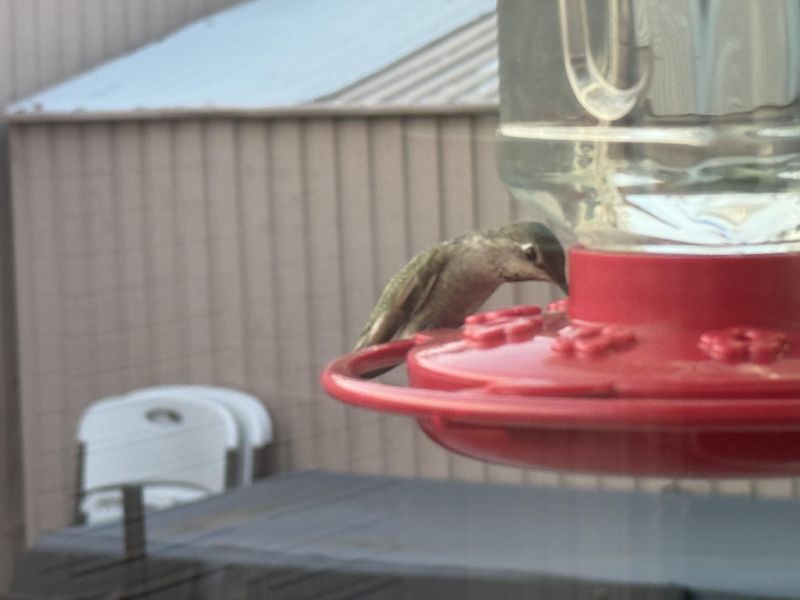
Picture a hummingbird zipping toward what looks like open sky, only to smack into a reflective pane of glass. Feeders hung inches from a big sunny window turn into a hazard, because the reflection tricks birds into flying full speed at something solid.
These collisions can injure or kill the very visitors you are trying to attract. In bright afternoon light, windows on the south and west sides of your home act like mirrors, and hummingbirds simply cannot tell the difference.
If you love watching from indoors, hang the feeder either within three feet of the glass, where birds cannot build up dangerous speed, or well beyond fifteen feet away. Adding window decals or screens helps too.
Skipping that shiny middle zone keeps your yard a safe place instead of a trap.
2. Beneath a Busy Bird Feeder or Nesting Box
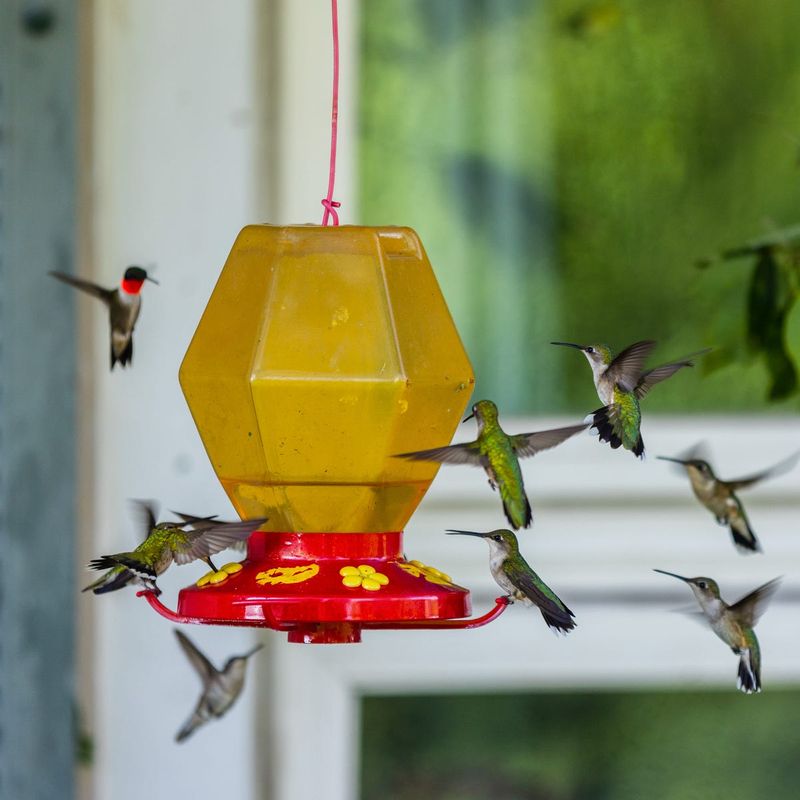
Hang your nectar feeder under a crowded seed station and you have basically invited chaos. Larger birds like cardinals, jays, and sparrows scatter seed hulls, droppings, and squabbles that make timid hummingbirds nervous.
Hummingbirds are territorial but tiny, and they avoid the noise and mess of a busy feeding hub. Falling debris can also contaminate the nectar, speeding up spoilage in the North Carolina summer heat.
Give your hummingbirds their own quiet corner, away from the seed buffet and any nesting boxes where parent birds are already on high alert. A little separation lets them sip in peace and helps you keep the sugar water cleaner between refills.
3. In the Blazing Afternoon Sun
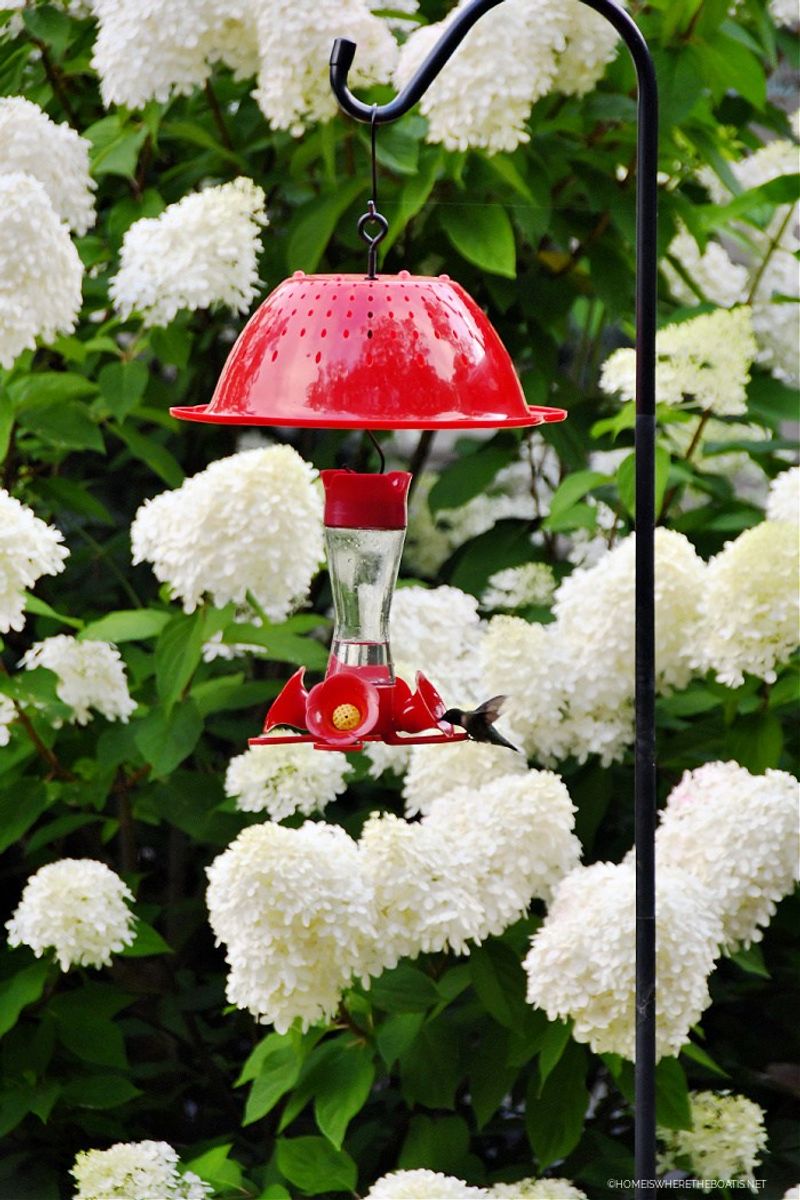
Summer in the Carolinas can push afternoon temperatures well past ninety degrees, and a feeder baking in full sun turns nectar into a science experiment. Sugar water ferments fast in the heat, growing cloudy and even harmful within a day.
Spoiled nectar can make hummingbirds sick, and they quickly learn to avoid a feeder that always tastes off. On top of that, warm sugar water expands and can leak, drawing ants and wasps to the sticky mess.
Find a spot with dappled morning sun and afternoon shade, like the east side of a shade tree or a covered porch overhang. Cooler nectar stays fresh longer, which means fewer refills for you and healthier birds all summer long.
4. Near an Outdoor Cat’s Favorite Perch
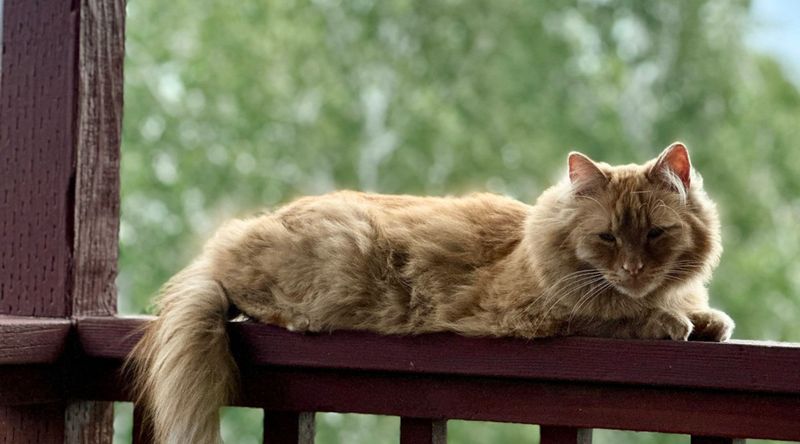
A crouching cat and a low-hanging feeder are a recipe for heartbreak. Outdoor cats are patient ambush hunters, and hummingbirds hovering at a fixed spot become easy targets when the feeder sits within pouncing range.
Even the hint of a predator lurking below will keep cautious birds from settling in. Feeders placed on low fence posts, deck rails, or near dense shrubs where a cat can hide are especially risky.
Raise your feeder at least five feet off the ground and keep it away from launch points like walls, woodpiles, or thick cover. Doing right by these little visitors means giving them a clear escape route in every direction, so they can feed without one eye on the ground.
5. Right Over Your Patio Table
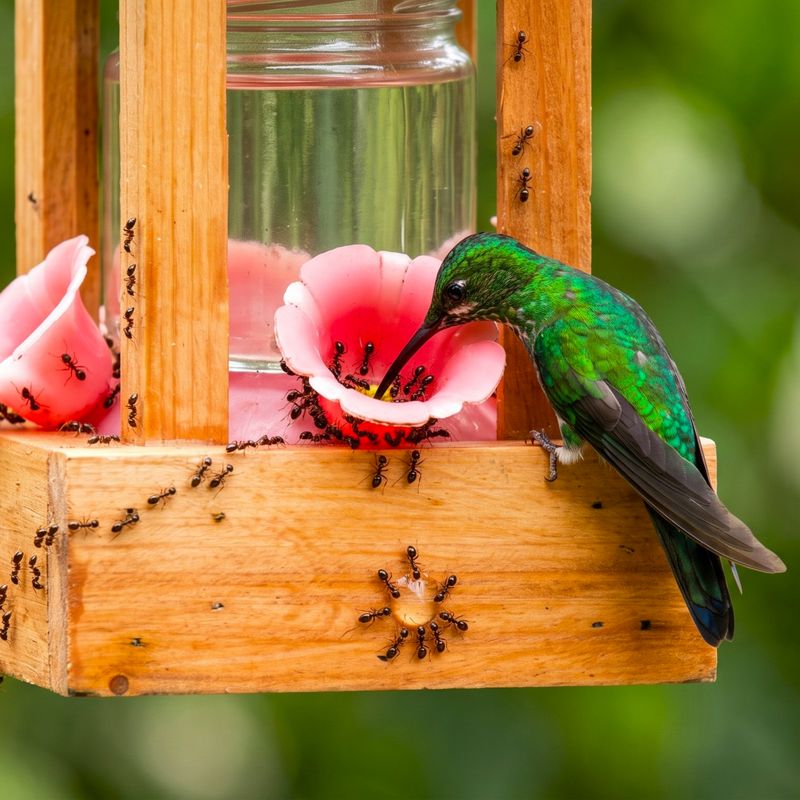
It sounds charming to sip your morning coffee beneath a feeder, but reality gets messy fast. Nectar drips, bird droppings, and the constant buzz of wasps drawn to sugar water quickly turn your dining space into a no-go zone.
Hummingbirds also dislike heavy human traffic right below their meal. When people are constantly coming and going, waving arms and scraping chairs, skittish birds hold back and feed less often.
Move the feeder to a spot you can watch from a comfortable distance, maybe near a flower bed you can see from the patio rather than directly overhead. You will keep your table clean and your hummingbirds relaxed enough to visit while you enjoy the show.
6. Tucked Deep Inside Thick Shrubs
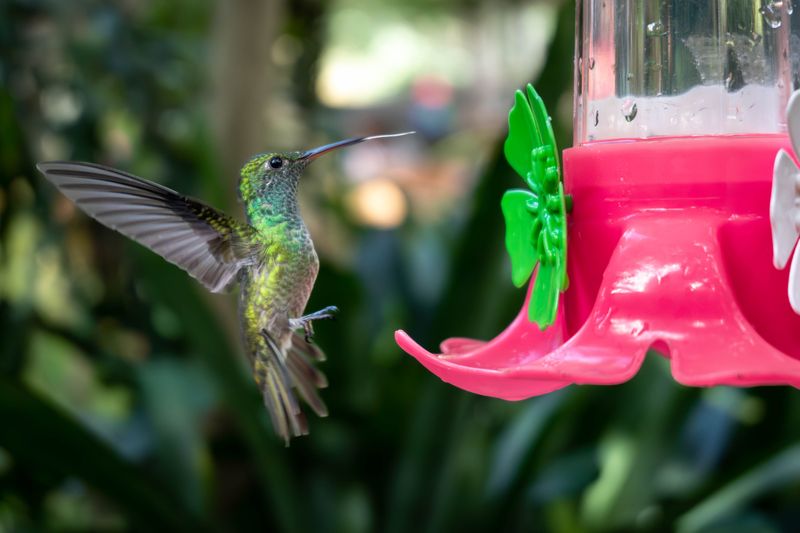
Hiding a feeder inside a dense hedge might feel like giving birds privacy, but it actually works against them. Hummingbirds rely on quick, open flight paths, and a feeder buried in tangled branches leaves them no room to hover or dart away from danger.
Thick cover can also conceal predators like snakes or the neighborhood cat, making the whole area feel unsafe. And a hidden feeder is simply harder for passing birds to spot in the first place.
Position it near flowering shrubs and small trees for a natural resting perch, but keep the feeder itself out in the open with clear approaches. A nearby branch for perching plus an unobstructed flight lane strikes the balance hummingbirds love best.
7. On a Windy, Exposed Corner
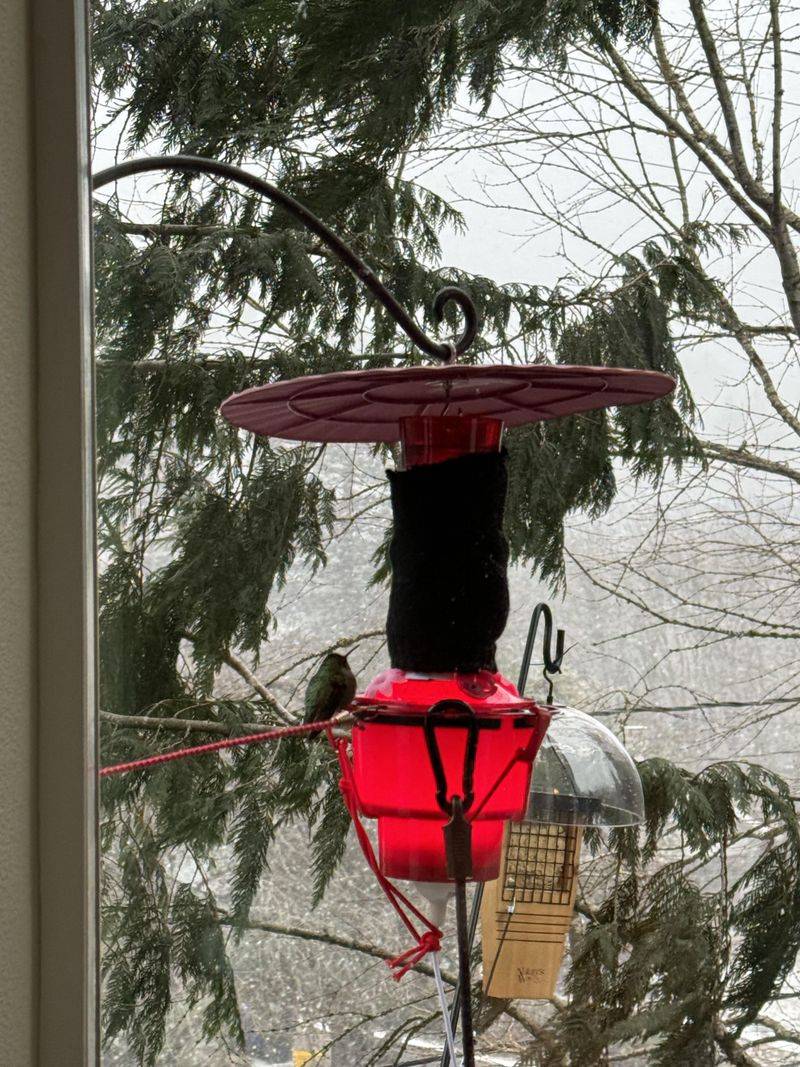
A gusty corner might have the best view, but for a bird that weighs about as much as a nickel, wind is exhausting. A feeder swinging and spinning in the breeze spills nectar and makes it nearly impossible for hummingbirds to steady themselves for a drink.
Along the North Carolina coast and in open mountain clearings, steady wind is especially common and can wear tiny birds out. Constant motion also splashes sugar water everywhere, wasting nectar and attracting ants below.
Choose a sheltered spot protected by a wall, fence, or tree line where the feeder can hang mostly still. Calm air lets hummingbirds feed efficiently and conserve the energy they need for those blazing wingbeats.
8. Beside a Wasp or Ant Highway
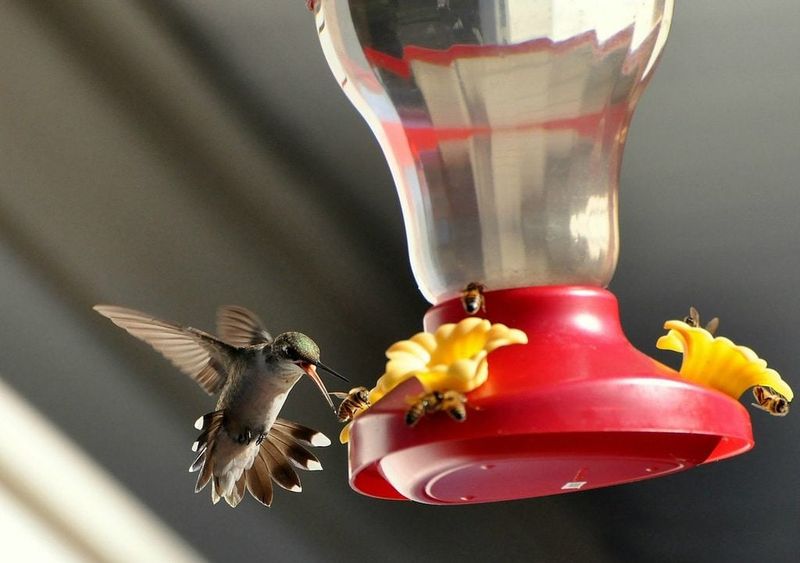
Set your feeder near an active ant trail or a wasp nest and you may as well roll out the welcome mat for insects instead of birds. Wasps and bees crowd the feeding ports, and their stings and swarming behavior scare hummingbirds off completely.
Ants march up the hanger in long lines and drown in the nectar, fouling it fast. Once bugs take over, hummingbirds abandon the feeder and search elsewhere.
Keep feeders away from eaves, woodpiles, and garden beds where nests and colonies thrive. An ant moat filled with water and bee-resistant ports help, but smart placement away from insect traffic does most of the work.
Your goal is a clean, calm station the birds can claim as their own.
9. Too Far From Any Native Nectar Plants
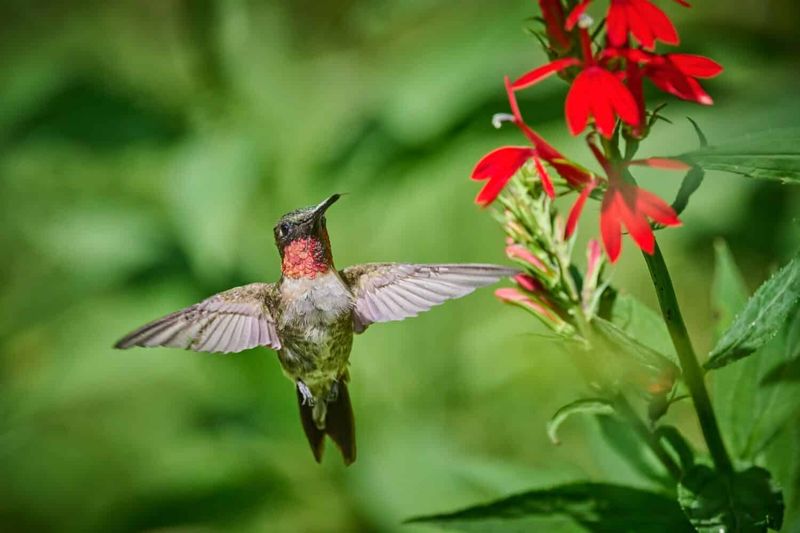
A feeder standing alone in the middle of a bare lawn is a lonely sight, and hummingbirds seem to think so too. These birds are drawn first to real flowers, and a feeder near blooming natives feels far safer and more natural than one stranded in empty grass.
North Carolina hosts wonderful hummingbird plants like trumpet honeysuckle, cardinal flower, bee balm, and native columbine. Clustering these blooms near your feeder creates a habitat that supports pollinators and gives birds backup food when the nectar runs low.
Placing the feeder within sight of these native flowers does double duty: it protects family-friendly wildlife and helps you do right by the land. Pair the feeder with a patch of blooms, and you turn a single sugar-water stop into a thriving corner of your yard the hummingbirds will return to year after year.