
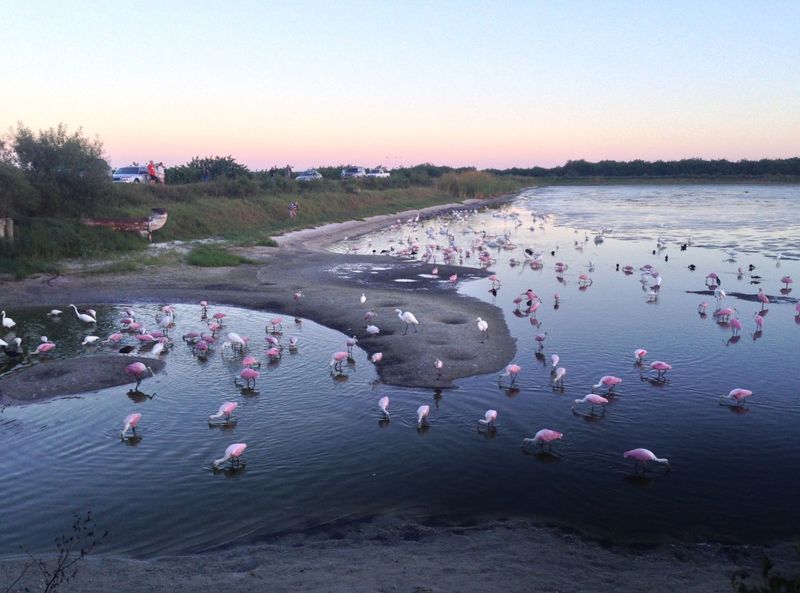
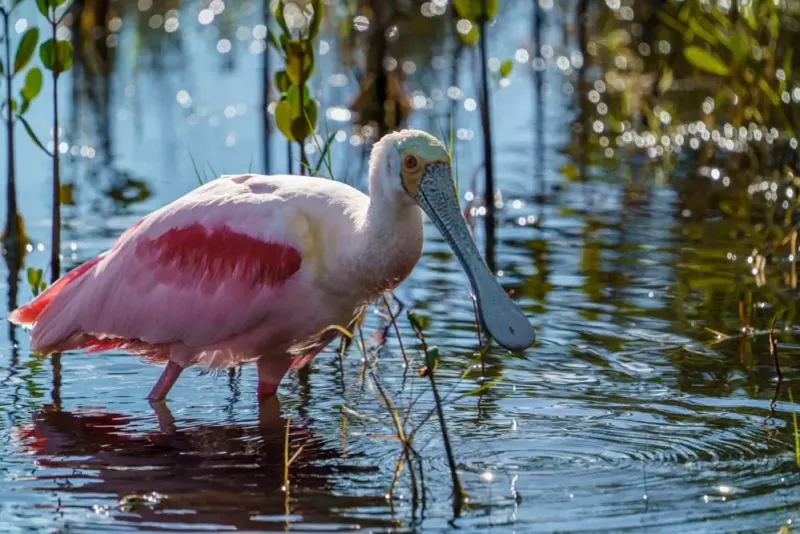
A roseate spoonbill in the yard can stop you in your tracks. That bright pink bird is often looking for shallow water where tiny fish, insects, and other small creatures gather.
Florida yards with wet spots, pond edges, or rain garden pockets can become more useful when planted with the right natives. Here are native plants and yard features that make standing water healthier, prettier, and more welcoming to spoonbills and other wading birds.
1. Pickerelweed
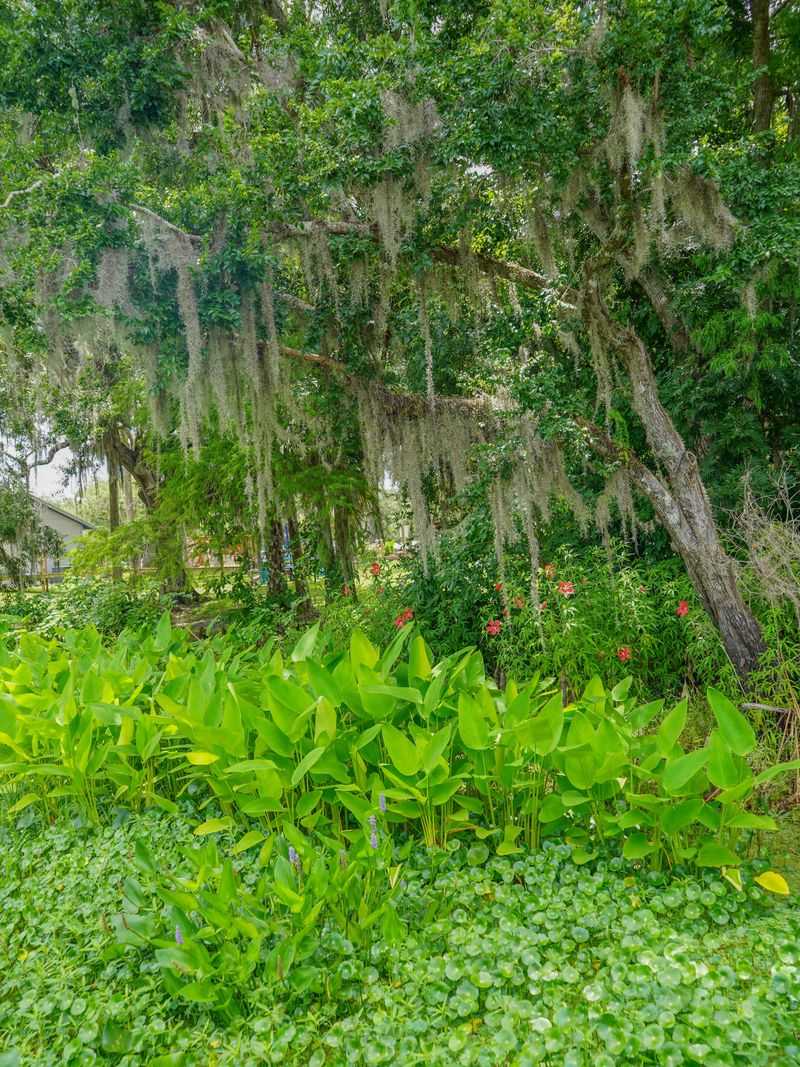
Purple flower spikes rising from a wet corner can make a soggy yard look planned instead of forgotten. Pickerelweed is one of the most useful Florida natives for shallow water, pond margins, drainage swales, and low spots that stay damp after summer storms.
Roseate spoonbills are not visiting for the flowers, of course. They are more interested in the small aquatic life that gathers around plant stems, roots, and calm edges, where their spoon-shaped bills can sweep side to side through shallow water.
For homeowners, pickerelweed earns its space because it handles wet feet while still looking tidy enough for a visible backyard feature. It also supports pollinators, including bees and butterflies, so the planting works above and below the waterline.
Plant it where water is usually a few inches deep or where soil stays mucky, and give it room to form a natural-looking patch. In Florida sandy soils, a wet pocket with organic matter can help it settle in faster, especially around rain gardens or retention pond edges.
2. Duck Potato
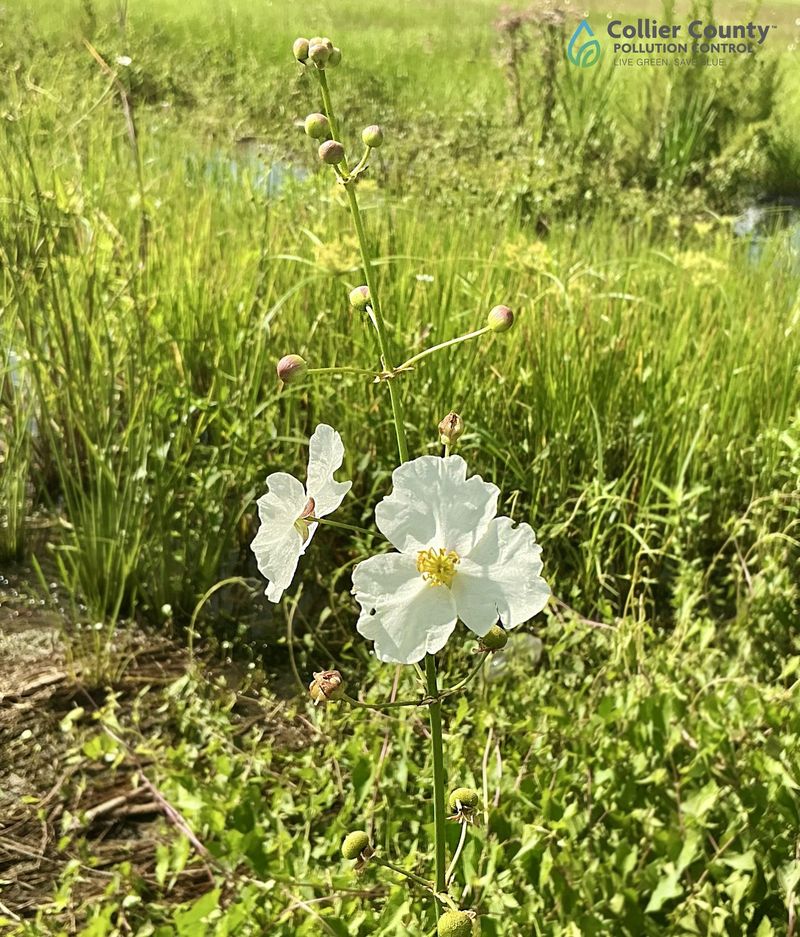
Some plants look like they belong in a glossy wildlife refuge photo, yet they can grow right along a backyard pond. Duck potato, also called arrowhead, brings bold arrow-shaped leaves and white blooms to wet places without needing a fussy garden bed.
Its real value for spoonbill-friendly yards comes from structure. The stems soften bare pond edges, slow water movement, and create cover where small aquatic animals can live, which helps turn a plain wet spot into a feeding zone.
Florida homeowners with stormwater ponds, ditches, or low back corners often fight erosion and muddy edges. Duck potato helps stitch that edge together while giving the area a cleaner, more natural look than open mud.
Place it in shallow water or saturated soil where it can spread modestly. It fits best in informal native plantings, especially where you want wildlife value but still need something attractive from the patio or kitchen window.
3. Blue Flag Iris
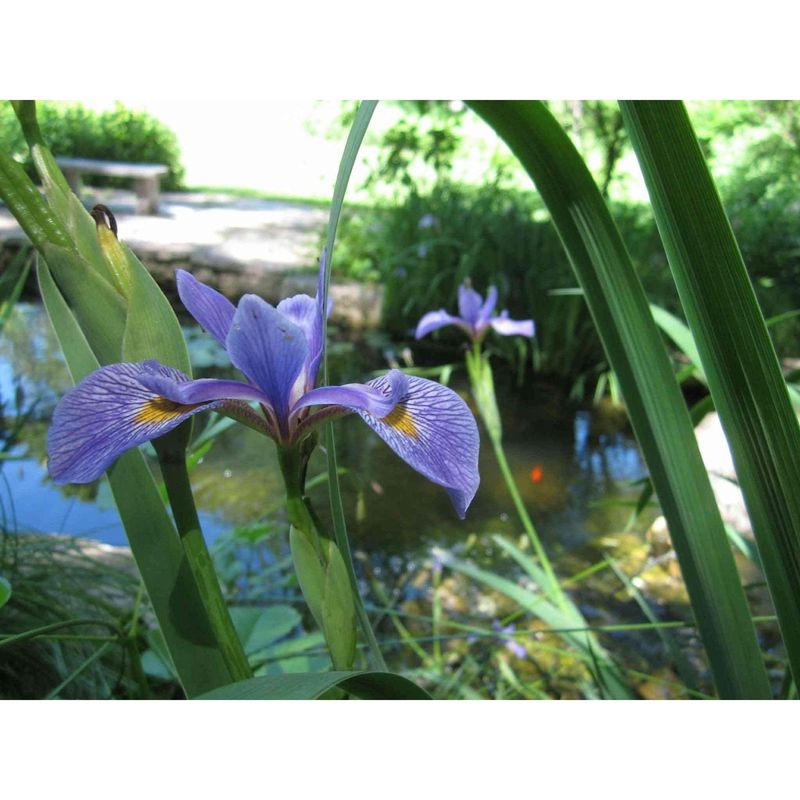
A flash of blue along wet soil feels almost too elegant for a drainage problem. Blue flag iris turns soggy ground into a showy seasonal display, especially around rain gardens, pond shelves, and low areas that collect water after heavy Florida downpours.
For roseate spoonbills, the benefit is indirect but meaningful. A planted edge is usually richer than a bare one, with insects, tadpoles, minnows, and other tiny creatures finding shelter among leaves and roots.
Gardeners like blue flag iris because it has a refined look without needing dry, pampered conditions. It can bridge the gap between a wildlife area and a more polished yard, which matters when the wet spot sits near a porch, walkway, or front-facing side yard.
Use it in groups rather than single plants for the best effect. In Florida, give it consistent moisture and avoid letting nearby aggressive plants smother the clump, since open sun and breathing room lead to stronger blooms.
4. Soft Rush
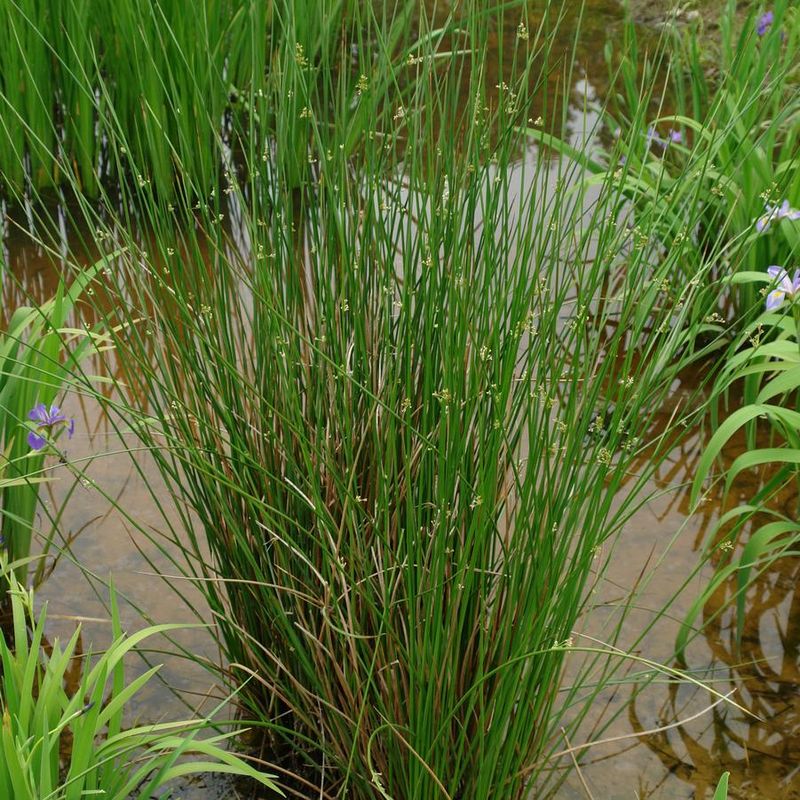
Soft rush may not shout for attention, but it does the quiet work that makes a wet yard function better. Its upright green stems bring neat texture to places where turf struggles, especially along swales, pond rims, and rain garden basins.
Standing water in a bare low spot can turn messy fast. Add rushes, and the area gains roots that help hold soil, stems that break up water flow, and habitat that can support the small prey wading birds search for in shallow water.
Roseate spoonbills prefer feeding where water is shallow enough for easy sweeping. A planted margin with soft rush can create little pockets and edges instead of one flat puddle, which is more useful for wildlife and better-looking for people.
This is a smart pick for homeowners who want a cleaner design, not a wild-looking thicket. Plant several clumps in repeating drifts, then pair them with flowering wetland natives for color while the rush supplies year-round structure.
5. Fire Flag
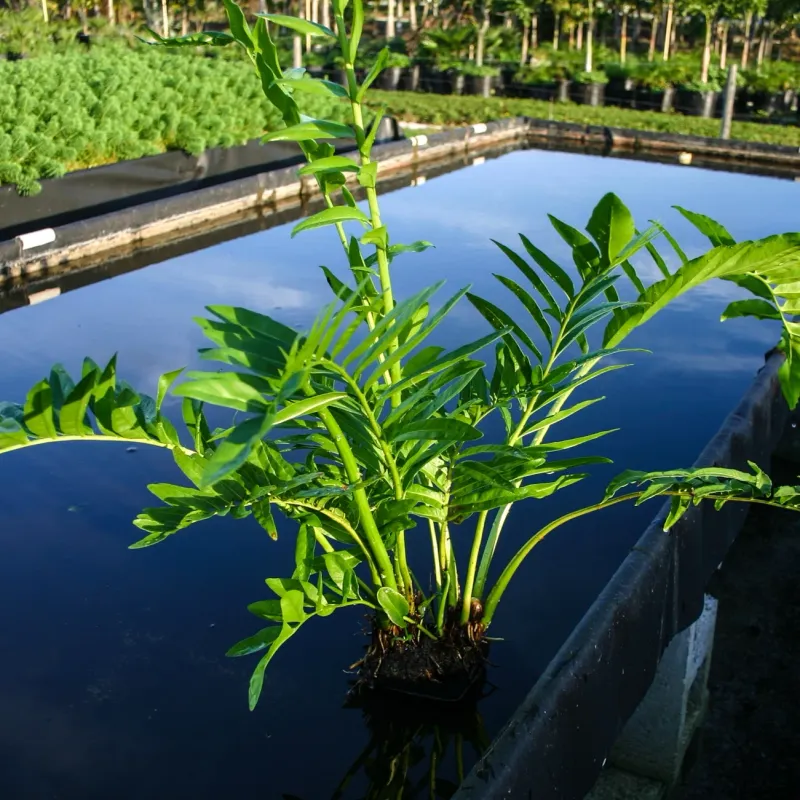
Big tropical leaves can make a wet backyard corner feel lush rather than swampy. Fire flag is a Florida native wetland plant with bold foliage and purple blooms that suit the warm, humid look many Florida gardeners already love.
Unlike delicate ornamentals that sulk in saturated soil, fire flag belongs in wet places. It can grow along pond margins, marshy edges, and consistently damp areas where ordinary landscape plants may rot or fade.
Spoonbills are drawn to productive shallow water, and tall wetland plants help create that productivity. The leaves and stems offer shade, cover, and organic matter, all of which can encourage the tiny aquatic food web that supports visiting wading birds.
Because fire flag can become large, place it where its size feels intentional. It works beautifully behind lower plants like pickerelweed or blue flag iris, giving a rain garden or pond edge a layered look that feels more like a natural Florida wetland.
6. Giant Leather Fern
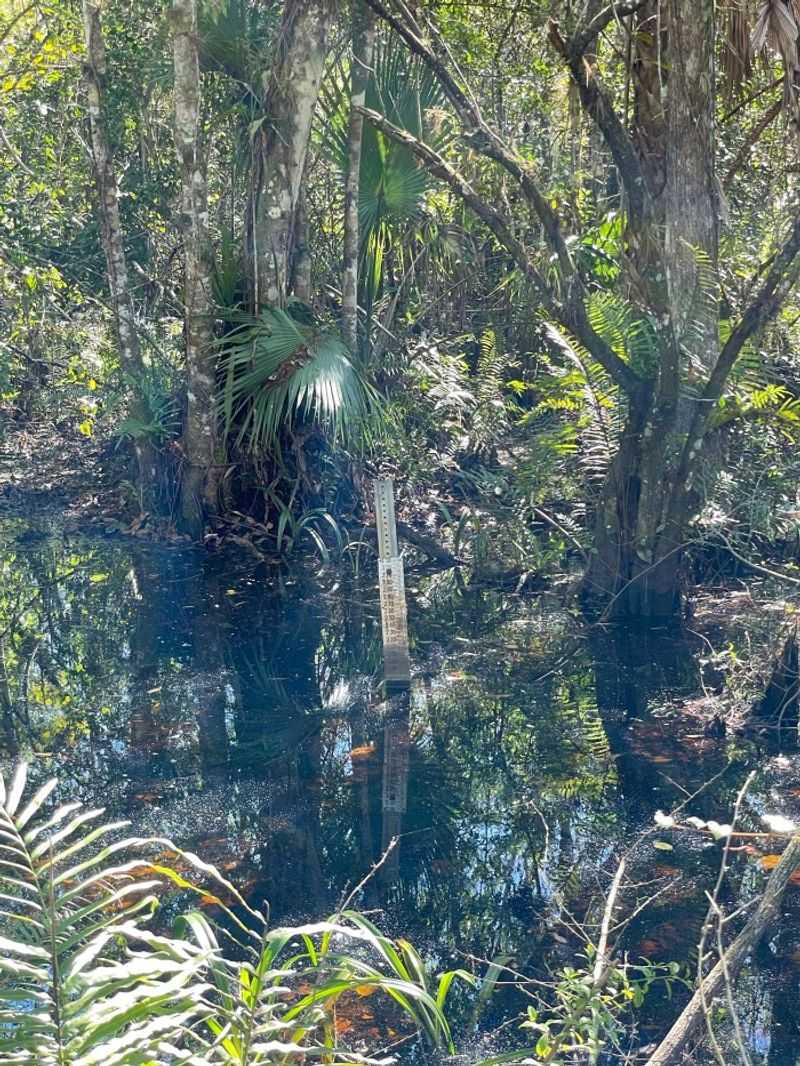
Not every wet yard sits in blazing sun. In shadier corners, giant leather fern brings a dramatic Everglades feel with huge arching fronds that love moist to wet soil.
This plant is best for larger spaces, especially near canals, wet woodland edges, shaded pond margins, or low areas under palms and trees. Its size can be too much for a tiny bed, but in the right spot it makes a soggy area look rich and intentional.
Roseate spoonbills usually feed in open shallow water, so keep the waterline accessible rather than blocking it completely. Giant leather fern works well as a backdrop, giving cover and shade nearby while leaving open muddy or watery edges where birds can walk and forage.
Florida gardeners dealing with sandy soil should focus on moisture first. If the area dries hard for long stretches, choose a lower-water plant instead, but if the soil stays damp or floods after storms, this fern can become a striking native anchor.
7. Spatterdock
Floating leaves change the whole mood of a small pond. Spatterdock, a native water lily relative, adds yellow flowers and broad leaves that shelter fish, insects, frogs, and other pond life.
For spoonbills, a healthy shallow pond edge can be far more inviting than a sterile basin with trimmed turf right to the water. Spatterdock helps build that living system by shading water, offering cover, and creating feeding activity around the leaf stems and margins.
Homeowners should treat this as a plant for actual ponds, not a regular flower bed that gets damp once in a while. It belongs where water remains present, such as a pond shelf, naturalized retention edge, or wildlife pool with enough space for floating growth.
Keep it balanced by choosing the right location and avoiding overcrowding a very small water feature. A few patches can look beautiful and useful, while too much growth may need thinning so open water remains available for birds to land, wade, and feed.
8. Sand Cordgrass
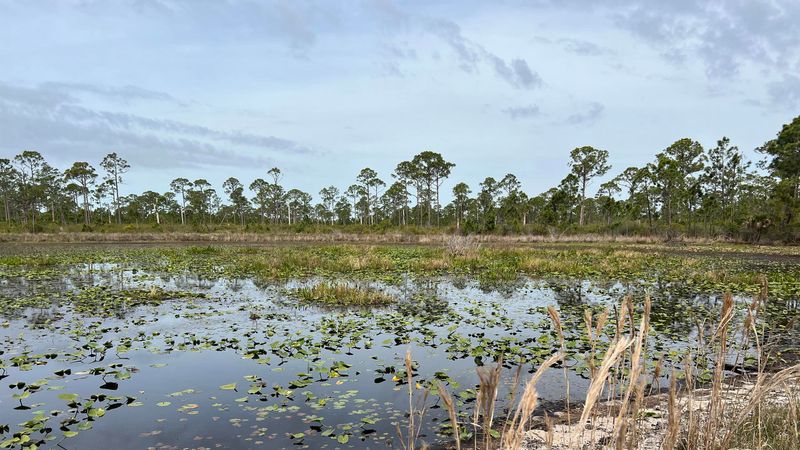
Salt, wind, sandy soil, and occasional flooding can make coastal Florida yards tricky. Sand cordgrass brings toughness to that mix, forming graceful clumps that handle challenging wet edges better than many ornamental grasses.
Its role in a spoonbill-friendly yard is about edge habitat and stability. Around a swale, pond, or low ditch, cordgrass can help reduce bare soil, soften runoff, and provide cover for small wildlife near the water.
This plant has a wilder coastal look, so it fits best in naturalized backyards, waterfront properties, and larger rain gardens where movement and texture are welcome. Pair it with lower wetland flowers to keep the planting from looking like a single wall of grass.
In storm-prone areas, sturdy native grasses can also be practical. They bend, recover, and hold soil in places where mulch may float away during heavy rain, making them useful for homeowners tired of rebuilding the same soggy edge after every big weather event.
9. Shallow Native Rain Garden
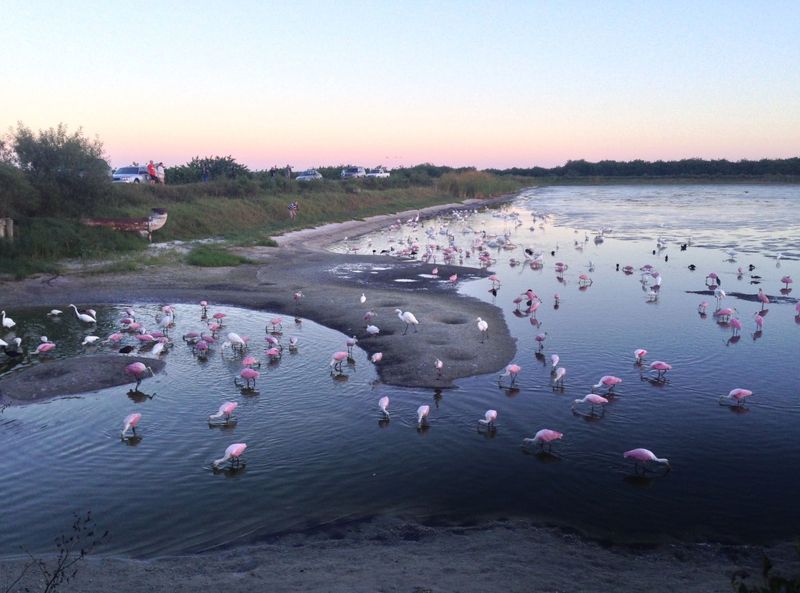
A shallow rain garden is where the whole idea comes together. Instead of letting stormwater sit in a random puddle, you shape a low basin that catches runoff, drains slowly, and supports native plants that enjoy wet feet.
Roseate spoonbills may visit yards when shallow standing water holds small fish, aquatic insects, and other prey. A native rain garden cannot promise spoonbills, but it can make your yard more useful for wading birds while also helping manage Florida downpours.
Keep the design simple. Place the basin where water already collects, use gentle slopes, avoid steep sides, and choose plants such as pickerelweed, duck potato, soft rush, and blue flag iris for different heights and textures.
Safety and maintenance matter too, especially in mosquito-heavy areas. Moving water, mosquito dunks labeled for wildlife-safe use, and a garden that drains between storms can reduce problems while still giving wildlife a temporary feeding zone.
For many Florida homeowners, this is the best payoff: a wet spot becomes a feature, stormwater has a job, and the yard feels more connected to the birds that make Florida landscapes so memorable.