
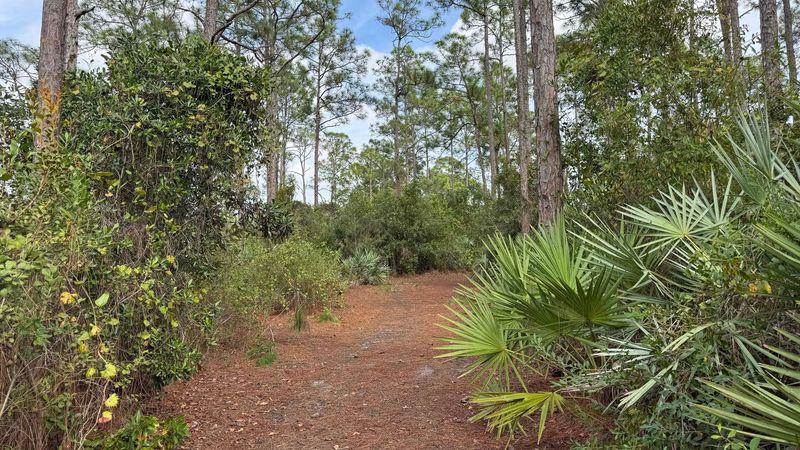
September evenings in Florida can feel alive when chimney swifts and swallows start slicing through the sky. The right native trees and shrubs can make your yard a better place for the small flying insects these birds chase at dusk.
You are not planting a bird feeder, you are planting a tiny insect-rich airspace. Here are seven Florida natives that can make the evening show easier to spot from your porch or patio.
1. Southern Live Oak
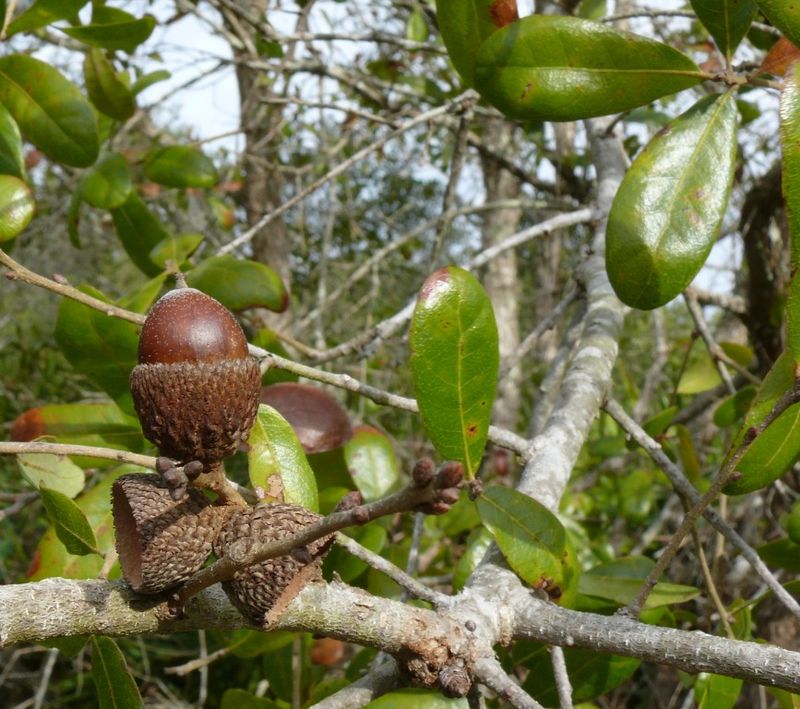
Some evenings, a live oak feels less like a tree and more like a whole neighborhood. Its huge limbs, rough bark, leaf litter, and shady understory support moths, beetles, flies, and other small insects that become food for chimney swifts and swallows as the light fades.
Southern live oak is the heavyweight on this list because it changes the yard at canopy level. Instead of offering just flowers or berries, it builds a layered habitat where insects can live, hide, hatch, and fly.
That steady insect supply is what brings aerial hunters looping above the crown at dusk.
Florida gardeners also get practical benefits. Live oak handles heat, wind, and sandy soil once established, though it needs room.
Use it where you can allow a wide canopy away from foundations, driveways, and overhead lines.
For the best wildlife payoff, avoid over-cleaning beneath it. Keep a natural mulch ring of fallen leaves, skip routine broad-spectrum insecticides, and add shade-tolerant native plants near the drip line.
By September, when young birds and migrants are moving through, that big native canopy can become one of the busiest spots in the evening sky.
2. Red Maple
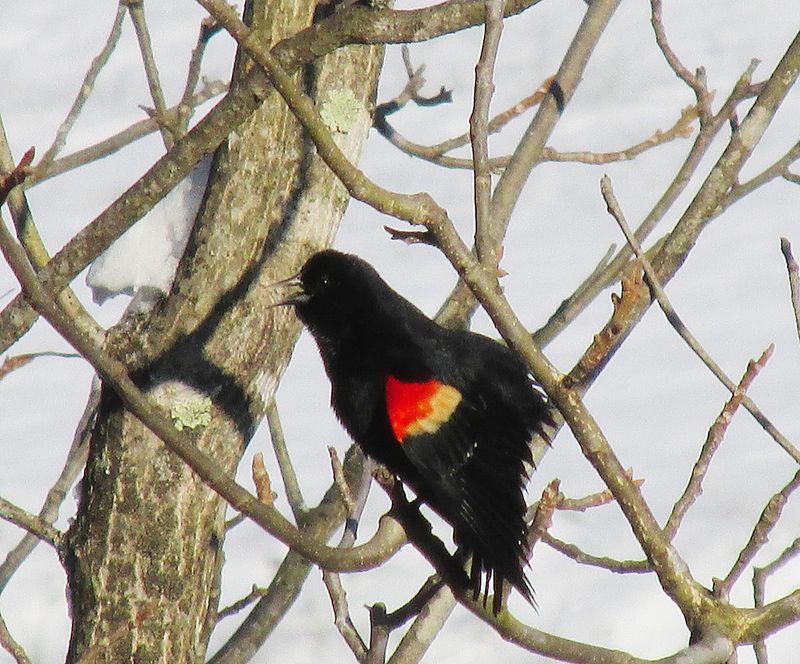
A damp corner that looks useless to a gardener can be prime dinner space for swifts and swallows. Red maple shines in those low, moist places where mosquitoes, midges, and other small flying insects often gather near sunset.
What makes red maple different from live oak is its love for wetter ground. In Florida yards with a swale, pond edge, rain garden, or seasonally soggy spot, it can turn a problem area into a useful native planting.
Its early spring flowers feed pollinators, and its leaves add welcome color in parts of North and Central Florida.
September interest comes from the tree’s relationship with water and insects. Swallows often hunt low over open, damp areas, while chimney swifts may sweep higher above the canopy.
A red maple near open lawn or a retention pond gives you a clear view of that movement.
Plant it where soil stays evenly moist, not on the driest sand ridge in the yard. Mulch well, water during establishment, and give it space to grow into a medium to large tree.
If your yard already holds water after storms, red maple can be one of the smarter native choices.
3. Buttonbush
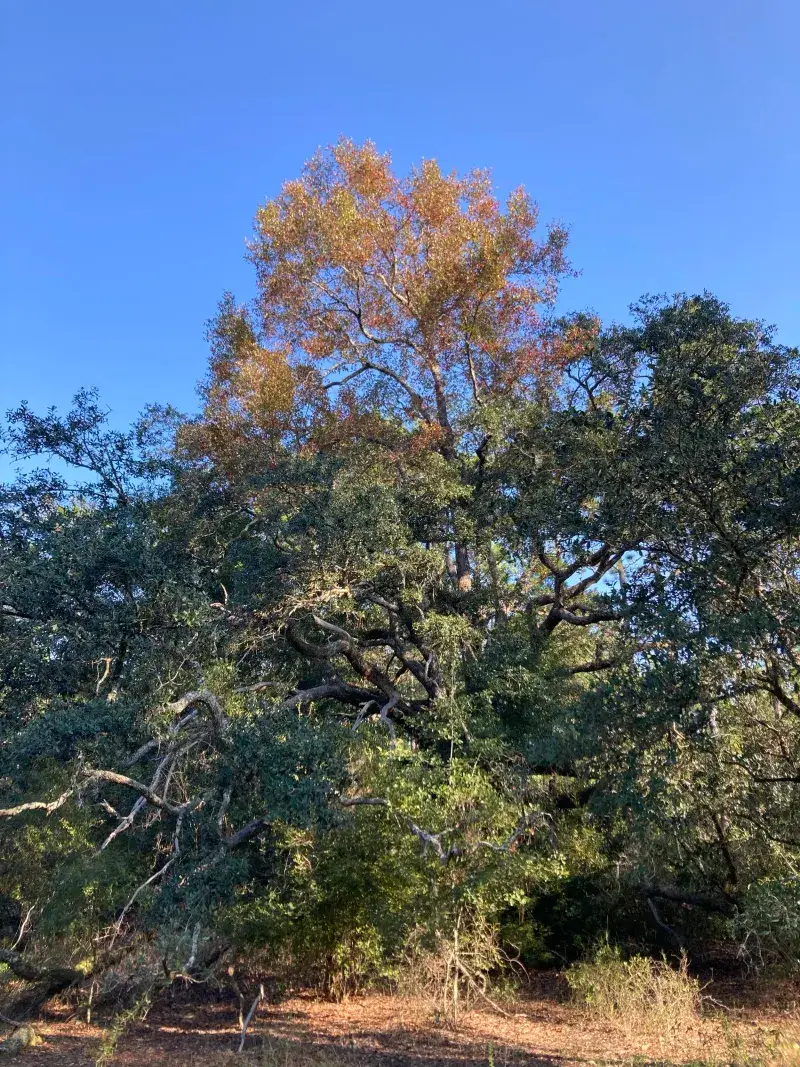
Buttonbush looks almost playful, with round white blooms that resemble tiny pincushions. Pollinators do not treat it like a novelty, though.
Bees, butterflies, moths, and flies visit the flowers, helping create the kind of insect activity that aerial birds notice.
For small to medium Florida yards, buttonbush earns its spot because it works where many shrubs sulk. It likes wet feet, which makes it useful beside ponds, ditches, rain gardens, and low areas that stay damp after summer storms.
In a state where heavy rain and fast-draining sand can exist in the same neighborhood, that flexibility matters.
Swifts and swallows are not coming for the shrub itself. They are coming for the flying insects that rise from wet planting zones near evening.
Buttonbush helps make that damp edge more alive, especially if you leave nearby areas pesticide-free.
Give buttonbush sun to part shade and room to form a rounded shrub. It can be pruned after flowering if you need to keep it tidy near a patio or path.
For a dusk-watching yard, place a bench or chair nearby and look above the wet edge around sunset.
4. Dahoon Holly
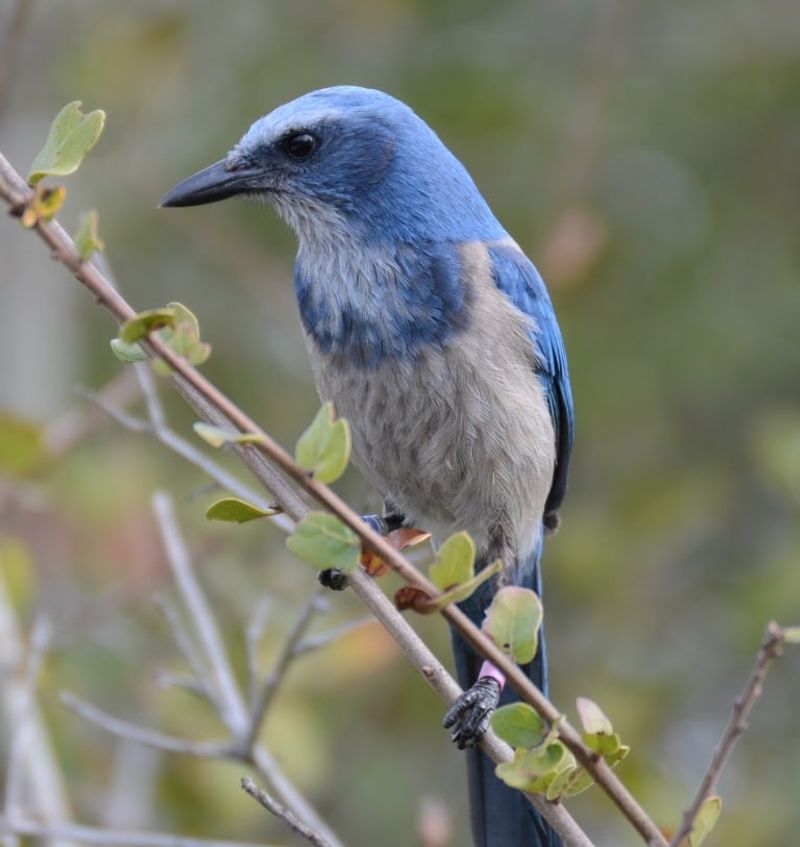
Glossy, neat, and quietly useful, dahoon holly is the native tree for gardeners who want wildlife value without a messy look. It brings evergreen structure to the yard while supporting insects and offering berries for many fruit-eating birds later in the season.
Its dusk value is tied to habitat layering. Dahoon holly grows well in moist areas but can adapt to average landscape soil once established, especially with mulch and good watering at the start.
The flowers attract pollinators, and the dense foliage gives small insects shelter through hot Florida days.
Compared with the bolder canopy trees, dahoon holly is easier to fit near property lines, rain gardens, and mixed borders. That makes it useful for suburban yards where a massive oak is not realistic.
Planting several natives around it can create a pocket of insect life that swifts and swallows may patrol in September evenings.
Choose a site with sun to part shade and avoid shearing it into a stiff box. A natural shape is better for wildlife and often looks softer in Florida landscapes.
If you want berries, remember that hollies generally need a female plant and a compatible male nearby for good fruiting.
5. Wax Myrtle
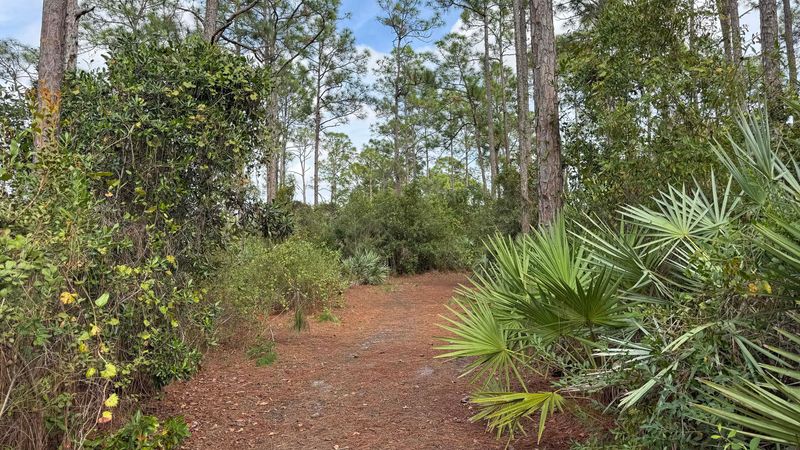
Need a screen that does more than hide the neighbor’s fence? Wax myrtle can turn a plain property edge into a living, buzzing border without demanding pampered soil.
Wax myrtle stands out because it is fast, tough, and very Florida-friendly. It tolerates sandy soil, salt spray in coastal areas, heat, and regular pruning.
The fine-textured foliage shelters insects, and the plant’s small flowers and waxy fruits support a broader backyard food web.
For chimney swifts and swallows, the benefit is the insect-rich edge it helps create. Birds often hunt along transitions, such as where a hedge meets open lawn, a driveway, or a pond.
A wax myrtle screen gives insects cover during the day and gives birds a clear hunting lane when those insects lift into the evening air.
Use it as an informal hedge rather than a tightly clipped wall when possible. A looser shape gives more leaf surface, more shelter, and a softer look.
In hurricane-prone areas, regular selective pruning can help keep the plant from becoming too top-heavy.
Wax myrtle is especially handy for homeowners who want quick results. Plant it in full sun to part shade, water it well the first year, and let it become a green backdrop for September’s dusk flights.
6. Sabal Palm
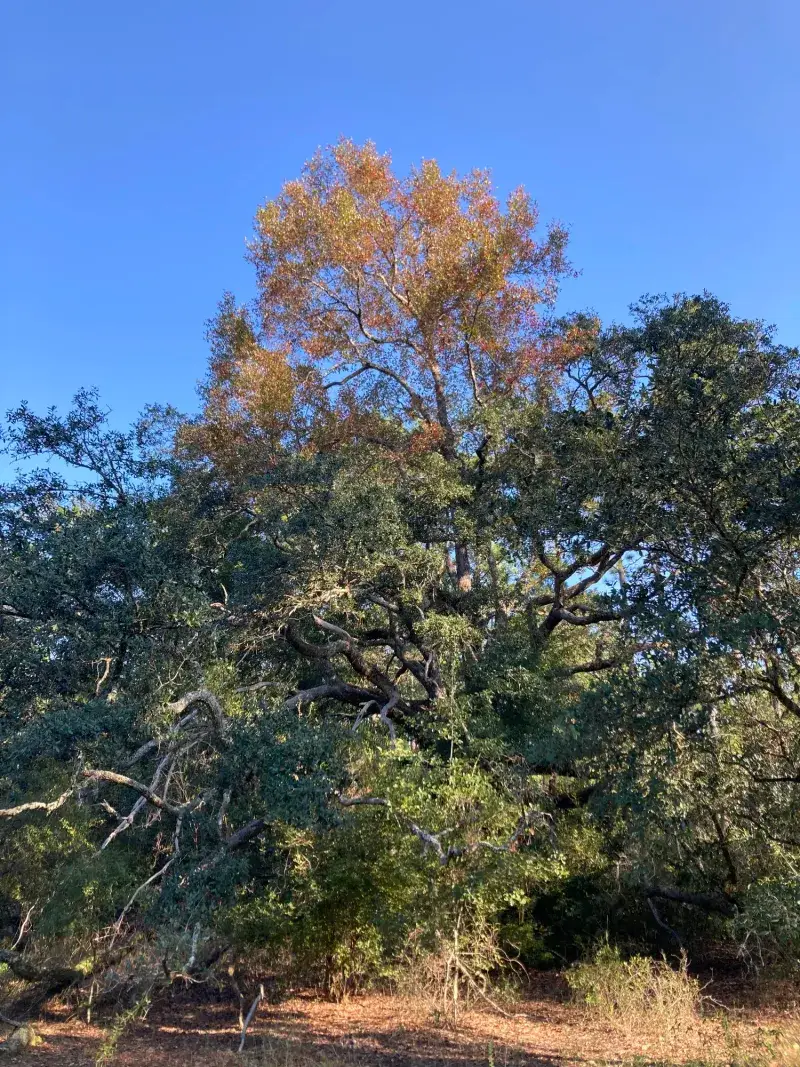
Nothing says Florida evening quite like a sabal palm silhouette against a pink sky. Around that simple shape, plenty can happen that helps swifts and swallows find food.
Sabal palm, also called cabbage palm, is Florida’s state tree and one of the most storm-adapted native choices for home landscapes. Its old leaf bases, flowers, and fruit support insects and wildlife, while the open crown leaves plenty of sky visible.
That matters when you are trying to watch fast birds at dusk.
Unlike dense shade trees, sabal palm creates vertical structure without blocking the whole yard. Swallows can skim nearby open spaces, and chimney swifts can wheel above the palms where insects drift upward in the warm evening air.
It is a good fit for smaller lots that need height but cannot handle a huge spreading canopy.
Plant sabal palm in full sun and well-drained soil, and avoid removing healthy green fronds. Over-pruning into a skinny feather-duster shape weakens the palm and takes away useful cover for wildlife.
Once established, it is drought-tolerant and low-maintenance, which is exactly what many Florida gardeners need.
Pair it with native shrubs below, such as coontie, firebush, or wax myrtle, to build more insect activity near ground level.
7. Simpson’s Stopper
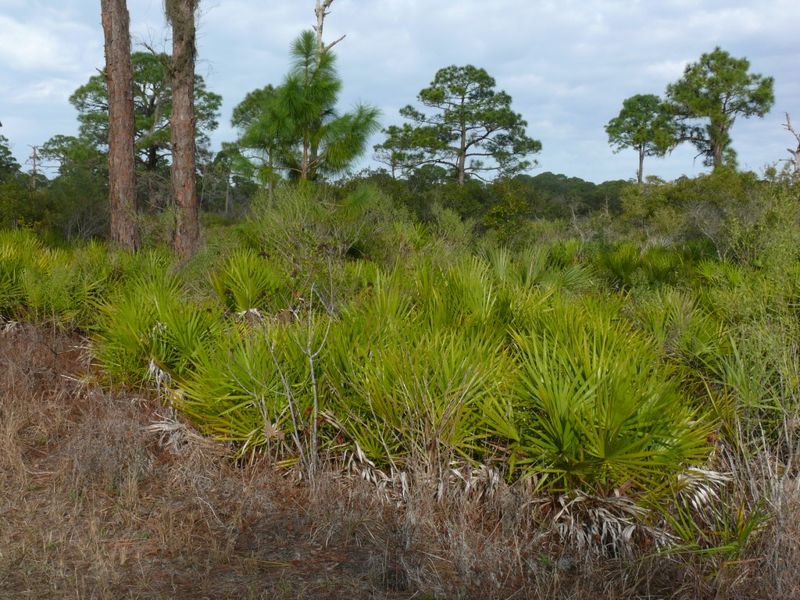
A tidy front walk can still be wild in all the right ways. Simpson’s stopper proves it, offering glossy leaves, small fragrant flowers, and colorful berries without looking unruly.
The special strength of Simpson’s stopper is scale. Many wildlife plants get too large for entries, patios, and side yards, but this native shrub or small tree can fit into everyday landscapes.
Its flowers draw pollinators, and those pollinators help feed the larger insect community that swifts and swallows hunt in the air.
September is a good time to think about it because Florida gardeners are often refreshing beds after the hardest summer heat. Simpson’s stopper handles sun to part shade, works in sandy soil with proper establishment, and can be used as a specimen, hedge, or mixed-border plant.
In South and Central Florida, it is especially valuable as an attractive native evergreen.
Keep the planting style relaxed rather than overly clipped. A natural form supports more blooms and creates better shelter for small insects.
If you want to watch birds at dusk, place it near an open view, such as a driveway, lawn, or patio edge, where flying insects are easier for birds to chase.
For homeowners who want curb appeal and wildlife value in the same plant, Simpson’s stopper is one of the easiest natives to like.