
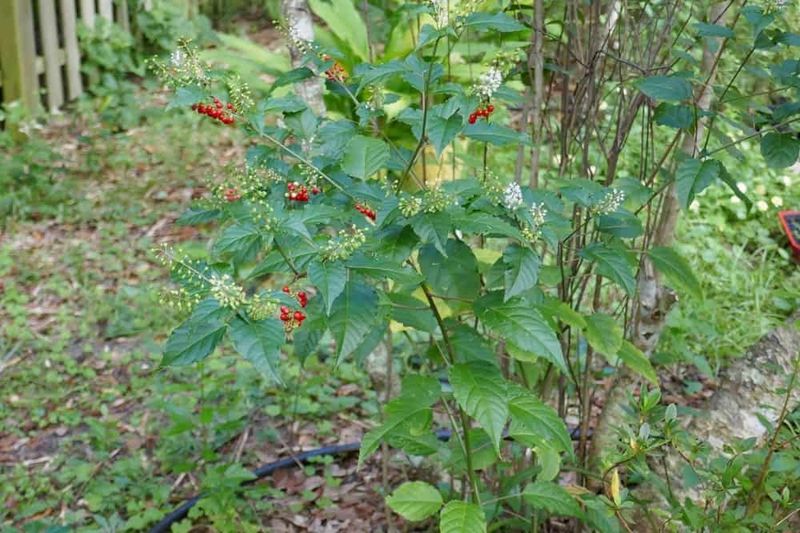
Beautyberry is loved for its bright purple berries, but it can sprawl wider than some small garden beds can handle. The good news is that Florida has plenty of native shrubs with color, wildlife value, and better manners in tight spaces.
These picks bring berries, blooms, or bold foliage without making your border feel crowded. Use them near porches, paths, fences, or pollinator beds where easy care matters.
1. Dwarf Walter’s Viburnum
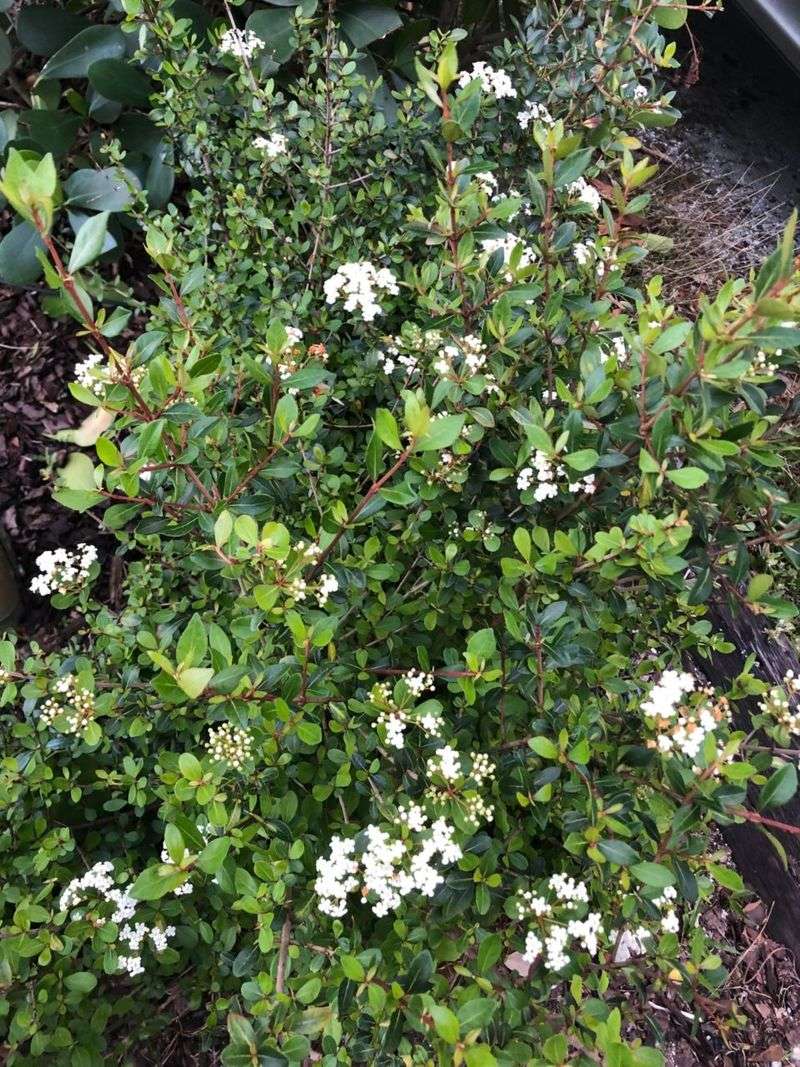
A tidy little evergreen that behaves itself can feel like a gift in a Florida bed. Dwarf Walter’s viburnum gives you the native-shrub toughness gardeners want, but it stays much easier to manage than a free-roaming beautyberry.
Its spring flowers are small, white, and held in clusters that brighten the plant before the heavier heat settles in. Birds may visit for the dark berries that follow, and pollinators often work the blooms when the shrub is in flower.
Use it where you want structure first and color second, such as along a walkway, in a mixed foundation bed, or near a porch edge. It handles pruning well, but the dwarf forms are the real win because they naturally keep a tighter shape.
Give it sun to part shade and well-drained soil, then mulch lightly to help sandy Florida soil hold moisture. Once established, it is a smart choice for gardeners who want native color without constant trimming.
2. Simpson’s Stopper
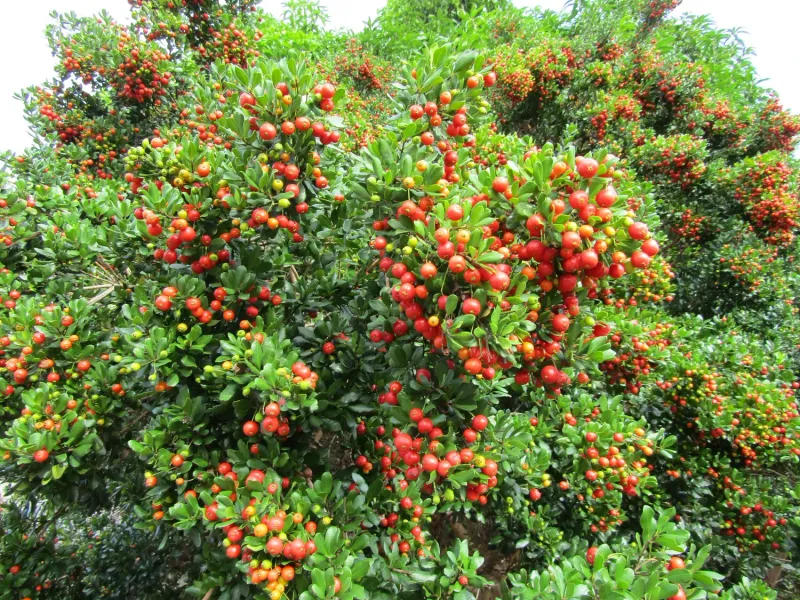
Walk past Simpson’s stopper on a warm day, and the small flowers may surprise you with a light, sweet scent. For a shrub with such good wildlife value, it can look remarkably polished in a home landscape.
The berries shift into bright red to orange tones, giving the plant a cheerful pop that feels different from beautyberry’s purple bead-like clusters. Birds appreciate the fruit, while the flowers bring in bees and other small pollinators.
Florida gardeners often use Simpson’s stopper as a hedge, screen, or background shrub, but it can also be kept smaller with thoughtful pruning. In a mixed bed, place it behind lower perennials or native grasses so the berry color shows without swallowing the whole planting.
It does best in sun to part shade and is known for handling typical Florida conditions once established. In coastal or inland yards, it offers a clean evergreen look, seasonal color, and a more controlled habit than many loose, arching shrubs.
3. Wild Coffee
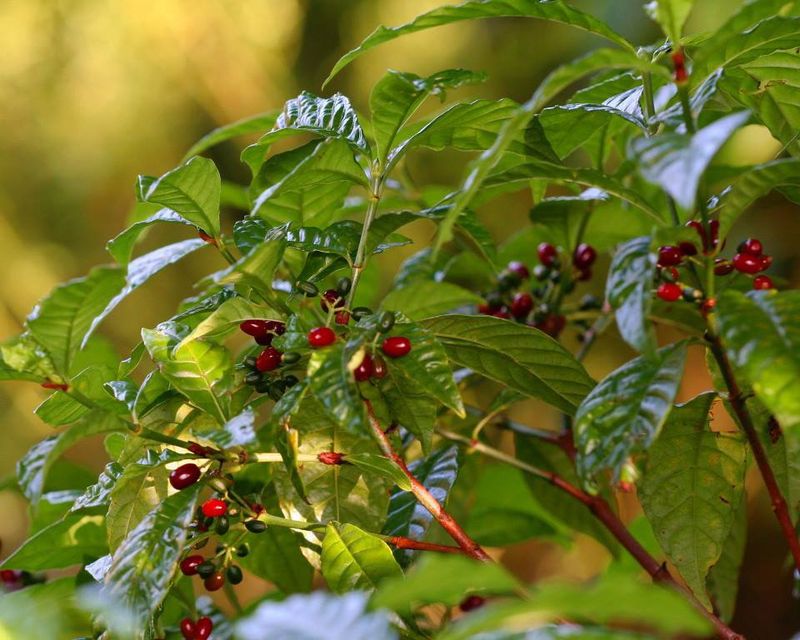
Shade beds under oaks and palms can look tired fast, especially in sandy soil. Wild coffee brings a deep green, almost tropical look to those dimmer spots, plus red berries that add color without needing a huge footprint.
The glossy leaves are the first thing most gardeners notice. They make the shrub look fresh even when it is not flowering, which is helpful in front-yard beds that need to look good between bloom cycles.
Small white flowers appear before the berries, and the fruit is attractive to birds. The plant is related to true coffee, but it is grown for wildlife and beauty rather than your morning cup.
Wild coffee prefers part shade to shade, making it a strong pick for the side yard, under high tree canopies, or near a shaded entry. It may need some protection from hard freezes in colder parts of North Florida, but in much of the peninsula it is a dependable native for a softer, greener bed.
4. Coralbean
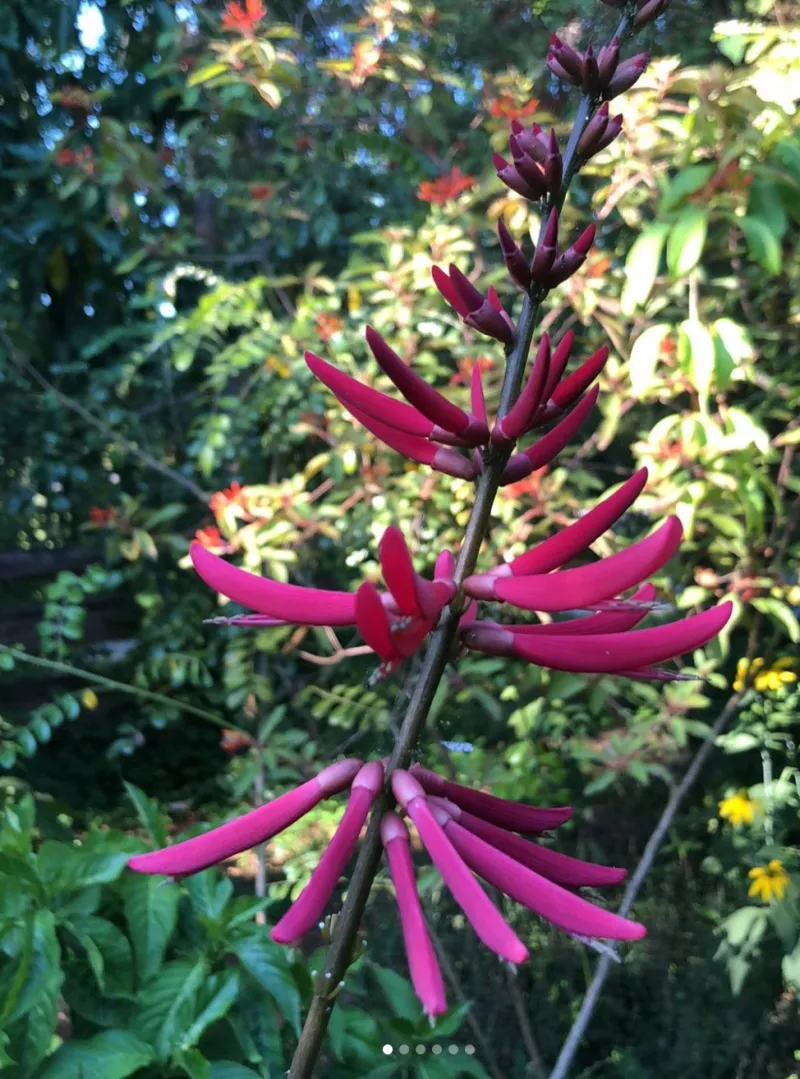
Few shrubs make hummingbirds change direction like coralbean in bloom. Its red tubular flowers look bold and a little wild, which makes it a fun choice when you want drama without giving a whole bed to one plant.
Coralbean is deciduous, so it does not pretend to be a year-round green screen. Instead, it earns its space with spring color, sculptural stems, and excellent wildlife appeal during its showiest season.
Unlike beautyberry, which is famous for fruit color, coralbean delivers its strongest color through flowers. That makes it useful in beds where you already have berrying shrubs but still want that bright native punch near a fence, mailbox bed, or sunny corner.
Plant it in sun to part shade with well-drained soil, and give it room to show off without crowding a walkway. One caution for family yards: the seeds are toxic if eaten, so place coralbean thoughtfully where children and pets are not likely to handle the seed pods.
5. Firebush
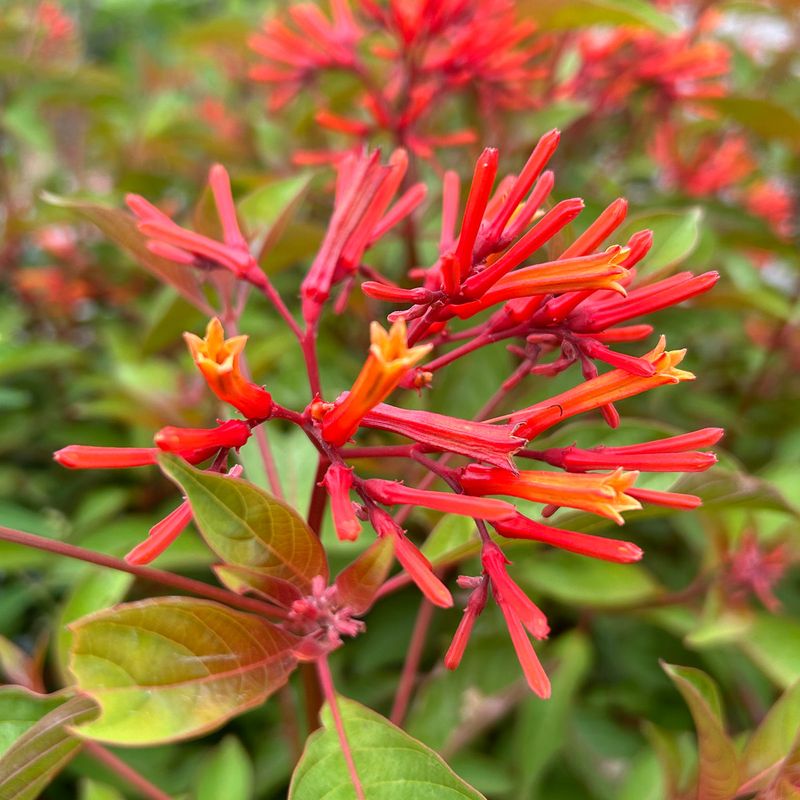
Hot weather does not scare firebush. When many plants start looking worn out, this Florida native keeps pushing orange-red flowers that pull in butterflies and hummingbirds like a backyard snack bar.
The color is warmer than beautyberry’s purple, but the payoff is similar: strong visual impact and plenty of wildlife interest. Dark berries can follow the flowers, giving birds another reason to stop by.
Firebush can grow large in frost-free parts of South Florida, so the key is choosing the right spot and pruning with a plan. In smaller beds, use it as a seasonal anchor or place it where a little height is welcome, such as the back of a pollinator border or along a sunny fence.
North and Central Florida gardeners may see it die back after cold snaps, then regrow when warm weather returns. For a low-fuss, high-energy native that looks made for long Florida summers and fall color, firebush is hard to beat.
6. Rouge Plant
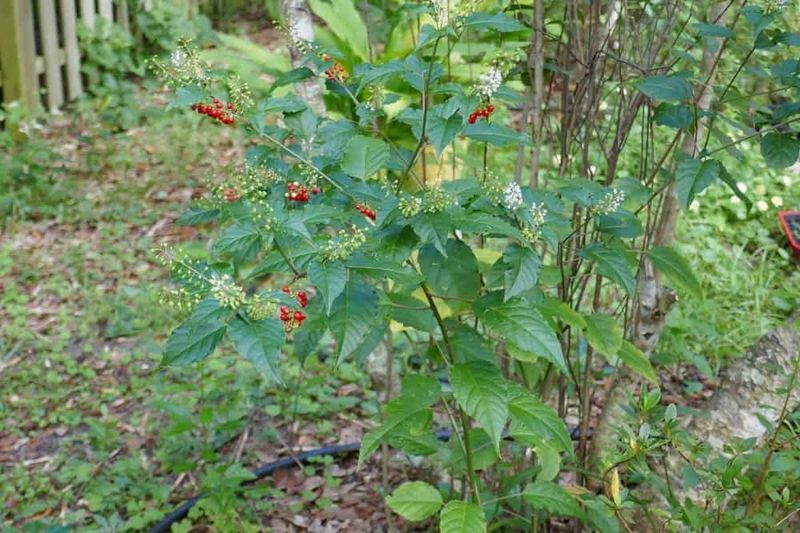
Some garden color whispers instead of shouts, and rouge plant has that woodland-edge charm. It brings small flowers and bright berries to partly shaded beds without creating the big, arching mass that makes beautyberry tricky in tight spaces.
The plant gets its common name from the red fruit, which was historically used as a source of color. In a modern Florida yard, that same berry display gives birds food and gives gardeners a soft native accent.
Rouge plant is especially useful where a formal hedge would feel too stiff. Tuck it near a shaded path, under taller shrubs, or in a native understory planting where its lighter texture can mingle with ferns and groundcovers.
Moist but well-drained soil is helpful, though established plants can adapt to many Florida garden situations. If your goal is a more natural bed with color tucked into the layers, this shrub offers a quieter alternative to the classic beautyberry look.
7. Florida Privet
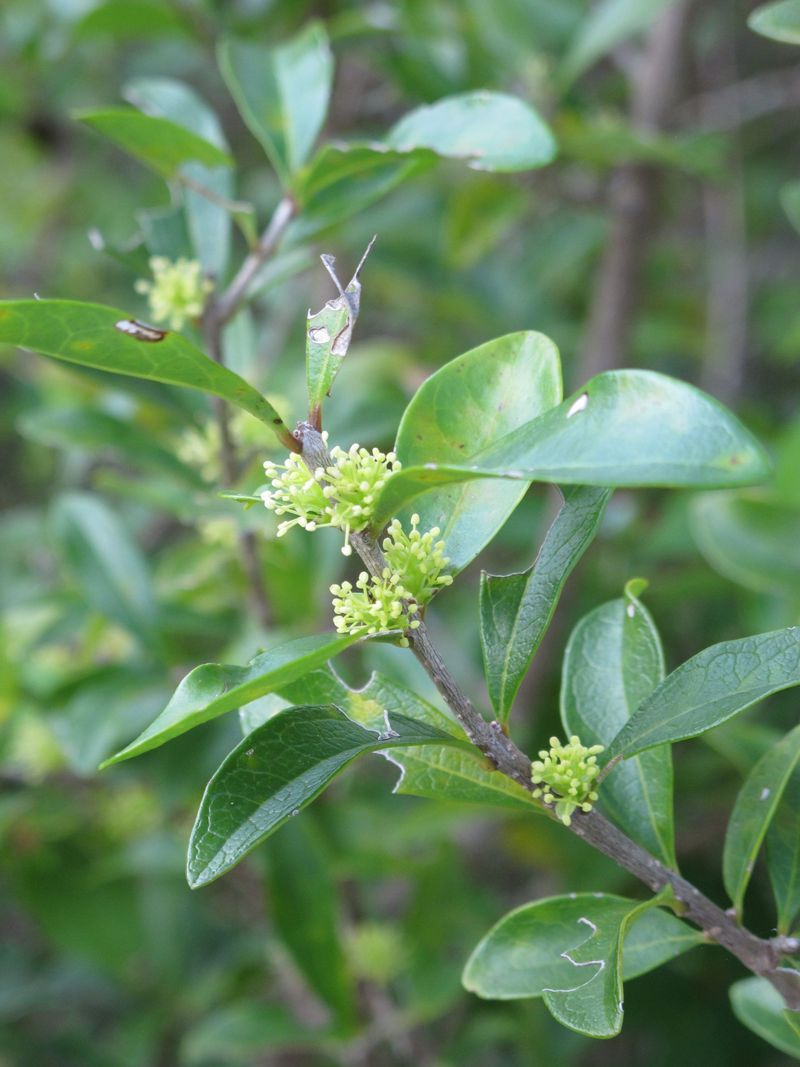
Coastal yards need plants with backbone, not fussy shrubs that sulk after wind, salt, or dry spells. Florida privet fits that tougher role while still offering berries and a tidy presence in the landscape.
Do not confuse it with invasive privets from other regions. Florida privet, also called forestiera, is a native shrub that can be shaped into a hedge or allowed to keep a looser, natural form.
Its small flowers are not flashy, but they support pollinators, and the dark fruits can feed birds. The overall effect is more subtle than beautyberry, which makes it valuable near driveways, property lines, or utility areas where you want native function without a loud focal point.
Full sun to part shade works, and the plant is often a good match for well-drained sandy soils. If your bed needs a native shrub with structure, wildlife value, and a better sense of boundaries, Florida privet deserves a closer look.