
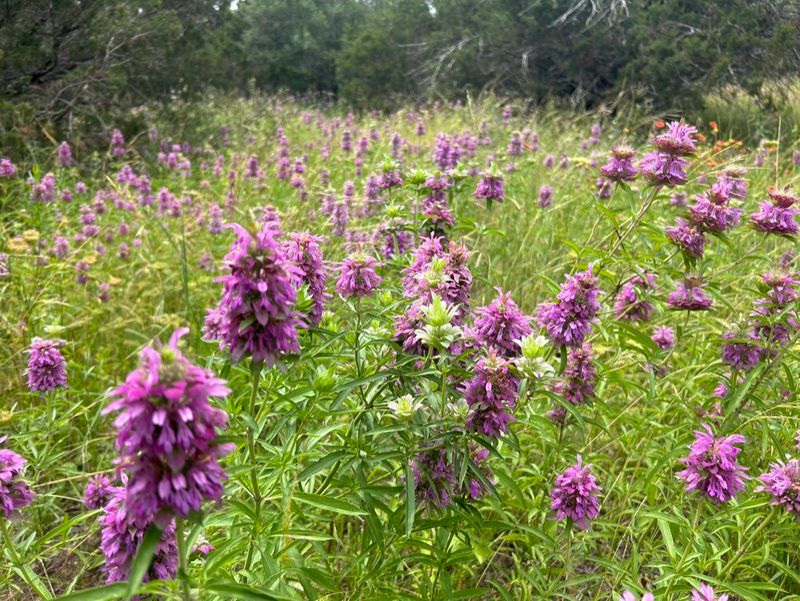
A wildflower growing across Texas roadsides and meadows has picked up a reputation for keeping rats out of backyard beds, and that reputation is only half right. The plant is real, it is genuinely useful, and it belongs in many Southern gardens, but the rat-repellent story needs a correction before you plant it expecting pest control.
Lemon beebalm, also called lemon mint or purple horsemint, earns its place through low water needs, easy soil tolerance, and strong pollinator appeal, not through any proven ability to drive rodents away.
Lemon beebalm is the wildflower behind the unsupported rat claim
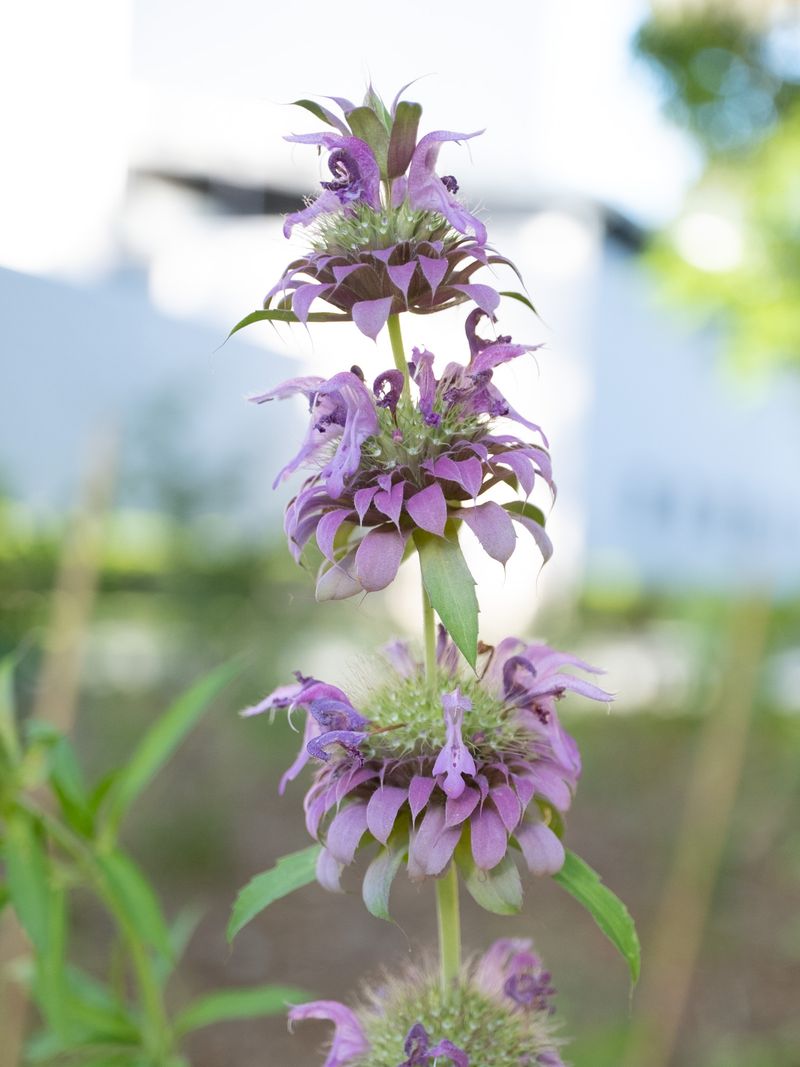
Purple whorled flower heads rising on stems barely two feet tall, a sharp lemon scent when you brush the leaves, and a Latin name that Texas wildflower enthusiasts recognize immediately: this is Monarda citriodora, commonly sold or listed as lemon beebalm, lemon mint, or purple horsemint. It is a Texas-native species that behaves as a generally annual plant, completing its life cycle in one growing season and relying on reseeding to return the following year.
The Native Plant Society of Texas profile for Monarda citriodora describes flower colors ranging from pink to purple to near white, foliage with a distinctive lemon fragrance, and a mature height that typically stays between one and two feet.
The USDA NRCS Southern Plains Plant Guide confirms its native range across Texas and the southern United States, where it grows along roadsides, in prairies, and along woodland edges. That native status matters for gardeners who want a border plant adapted to regional heat, drought cycles, and soils without the extra care that non-native ornamentals often demand.
Here is where the correction belongs: the popular claim that lemon beebalm quietly pushes rats away from backyard beds is not backed by direct garden or field evidence. The plant contains aromatic compounds, and some of those compounds have been studied for effects on rodent behavior, but a systematic review of plant secondary metabolites as rodent repellents found inconsistent results across laboratory, enclosure, and field studies, with very few plant-derived repellents currently registered for use.
Planting lemon beebalm around your beds is a genuinely good idea for pollinator support and low-water landscaping. Counting on it to handle a rat problem is not.
Why lemon beebalm suits many Texas borders
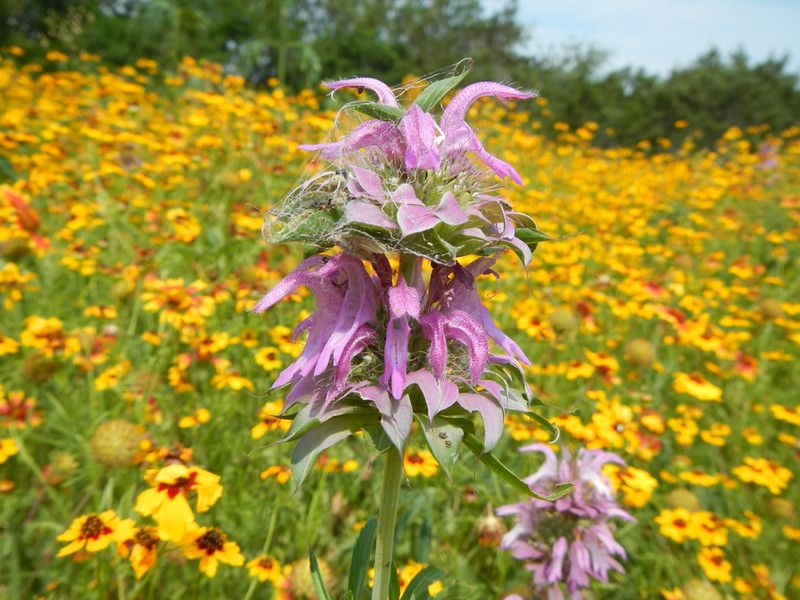
Few annual wildflowers perform as reliably across the range of conditions that Texas gardens actually present. Lemon beebalm grows in full sun or part shade, which means it can anchor a south-facing border that bakes through July or fill a spot that catches afternoon shade from a fence or neighboring shrub.
Soil flexibility is one of its most practical traits: the Native Plant Society of Texas Plant of the Month feature for lemon mint notes that the plant handles clay, dry rocky ground, limestone outcrops, loam, and sandy soils, which covers a wide swath of what Texas gardeners actually dig into.
Low water demand is the other reason this plant fits so many regional yards. Once established from seed or transplant, lemon beebalm needs minimal supplemental irrigation, which matters in areas under municipal watering restrictions or during the extended dry stretches that arrive most summers between the Gulf Coast and the Hill Country.
Garden Style San Antonio’s Monarda page reinforces its heat tolerance and suitability for Central Texas conditions, where alkaline limestone soils and high summer temperatures eliminate many ornamentals.
That said, a Texas-wide recommendation still needs local calibration. Texas spans multiple distinct ecoregions, from the Piney Woods of East Texas to the Trans-Pecos desert in the far west, and the NPSOT species profile reflects that the plant’s performance can vary with local rainfall patterns, humidity levels, and sun exposure.
Gardeners in far West Texas or the High Plains may find the plant needs more attention to drainage and seed timing than those in Central or South Texas. Matching the plant to your specific site conditions rather than applying a single statewide rule gives it the best chance to establish quickly and reseed reliably.
Aromatic chemistry does not create a proven rat barrier
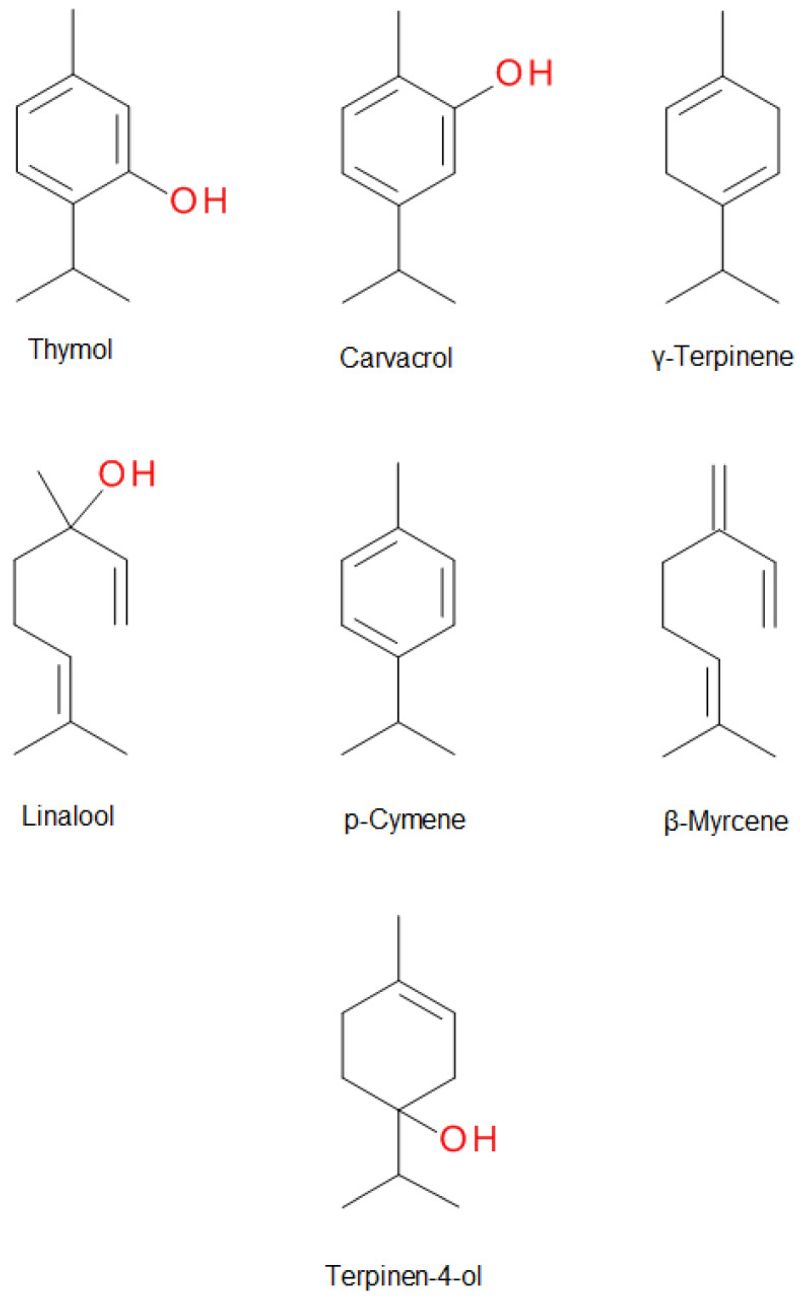
Lemon beebalm genuinely smells strong. Crush a leaf and you get a sharp, herbal, lemon-forward scent that comes from a mixture of volatile compounds in the plant’s oil glands.
Research published on the volatile phytochemistry of Monarda species confirms that these plants contain thymol, carvacrol, and related phenolic compounds, and a study on Monarda volatile chemistry from South Alabama populations found measurable variation in compound profiles across different plants and growing conditions. Thymol and carvacrol are also the active ingredients in some registered insect repellents and antimicrobial products, so the idea that they might affect rodent behavior is not far-fetched as a hypothesis.
The problem is the distance between a hypothesis and a working garden application. Some laboratory and controlled-exposure studies have shown that certain plant-derived compounds can influence rodent movement or feeding choices under experimental conditions.
But those studies use concentrated extracts, enclosed spaces, and controlled variables that do not exist in a backyard bed. A living border plant releases its volatile compounds into open air, at concentrations far below what a controlled experiment uses, against a background of many other odors, food sources, and shelter options that rats weigh simultaneously.
The decisive finding comes from a systematic review of plant secondary metabolites as rodent repellents, which found inconsistent results across laboratory, enclosure, and field studies and noted that very few plant-derived repellents have reached registered status. The review also found that rodent responses were species- and context-dependent, meaning a result with one rodent species in one setting does not transfer reliably to another species or an outdoor environment.
Utah State University Extension’s commensal rodent guidance reinforces that rats are adaptable and persistent animals that respond primarily to food, water, and shelter rather than to plant odors alone. Aromatic foliage is not a rat barrier, and treating it as one leaves the actual problem unaddressed.
Plant it for pollinators, not as a rat-control substitute
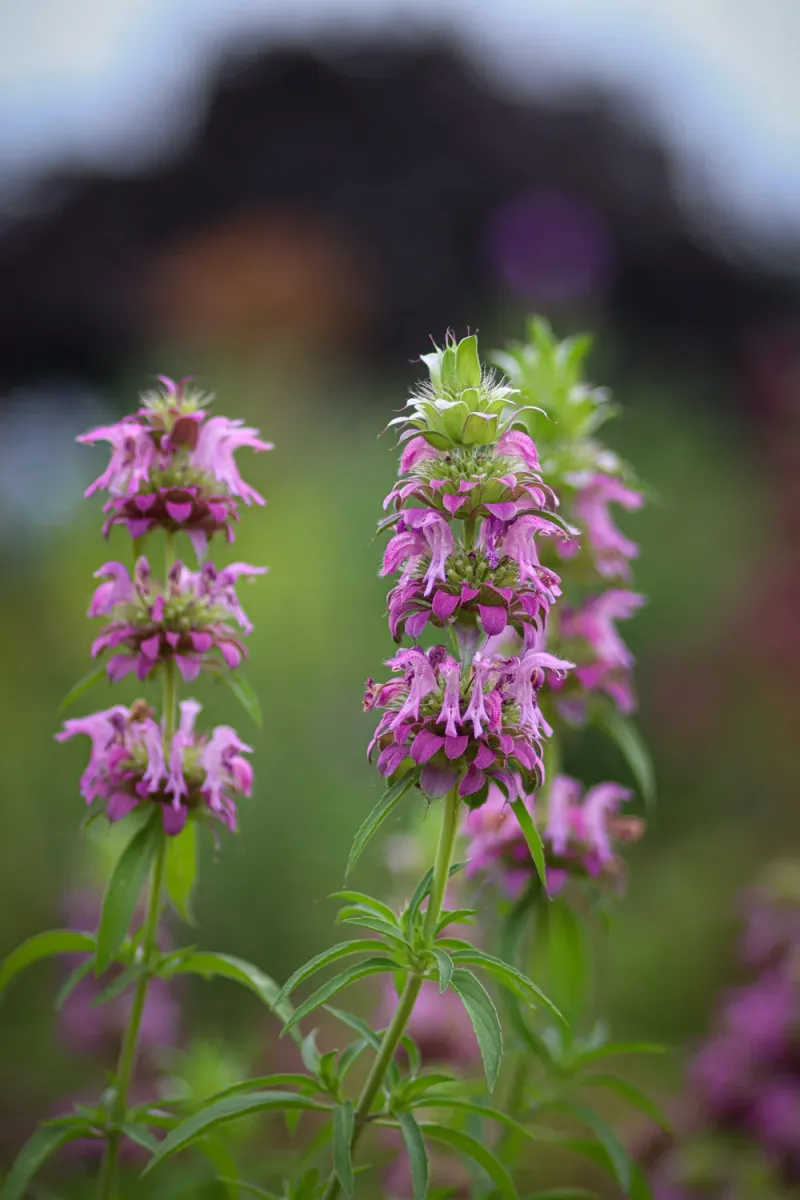
Whatever its scent does or does not do to rats, lemon beebalm’s effect on pollinators is visible, immediate, and well-documented. The whorled flower heads open in tiers along each stem and provide nectar and pollen to a wide range of visitors.
The NPSOT species profile for Monarda citriodora lists bees, butterflies, and hummingbirds among the regular flower visitors, and gardeners in Central and South Texas commonly report that blooming plants draw multiple bee species and skippers within days of opening.
That pollinator value is the plant’s genuine selling point, and it holds up regardless of the rat-repellent story. A low-water, heat-tolerant annual that attracts native bees and hummingbirds without demanding irrigation or rich soil is useful in any Southern border, especially during the late spring and early summer bloom window when many ornamentals have already faded or not yet opened.
Where the plant’s habitat contribution gets stronger is when it shares a border with other native species that bloom across different seasons. Texas Parks and Wildlife recommends increasing native-plant diversity and maintaining blooms across spring, summer, and fall rather than depending on a single species to carry the whole season.
A bed that pairs lemon beebalm with early-blooming natives like bluebonnets and late-season species like fall asters gives pollinators continuous forage from March through October. Lemon beebalm fits that plan as a strong mid-season contributor, not as a standalone solution for either pollinators or pest control.
Manage reseeding, density, and airflow
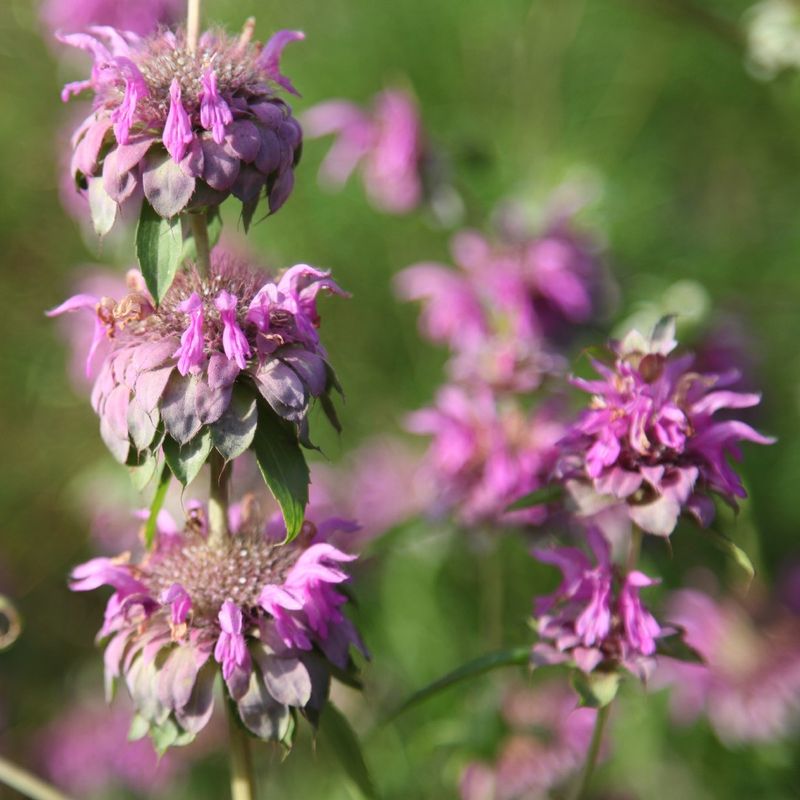
Calling lemon beebalm low-maintenance is accurate in the sense that it does not need fertilizer, frequent watering, or rich soil. Calling it effortless would be misleading.
The plant reseeds freely, and a single season’s planting can produce a dense patch the following spring if seed heads are left to scatter. The NPSOT species profile notes the heavy reseeding habit, which is an asset for naturalized areas and a potential management task for tidy formal borders.
Gardeners who want a naturalized meadow-style planting can simply allow seed heads to dry and drop after flowering ends. Those who prefer a more controlled border should deadhead spent flower stalks before seeds fully mature or pull extra seedlings in early spring when they are easy to identify and remove.
The USDA East Texas Native Pollinator Plants guide supports using lemon beebalm in both managed pollinator plantings and more informal settings, confirming that the plant adapts to different management styles as long as spacing and site conditions are considered.
Powdery mildew is the other management issue worth knowing before you plant. Monarda species are susceptible to this fungal disease, particularly when plants are crowded together and air cannot circulate freely between stems.
Garden Style San Antonio’s Monarda page notes the mildew risk and the importance of good airflow, especially in humid stretches during late spring. Thinning seedlings to six to twelve inches apart and avoiding overhead irrigation reduces mildew pressure significantly.
Finally, sourcing seed or transplants from locally appropriate stock pays off in establishment speed and resilience. Texas Parks and Wildlife recommends using locally sourced native plants where possible, because local genetics are adapted to the specific rainfall, temperature swings, and soil chemistry of the area where you are gardening.
Build an integrated rat-control plan
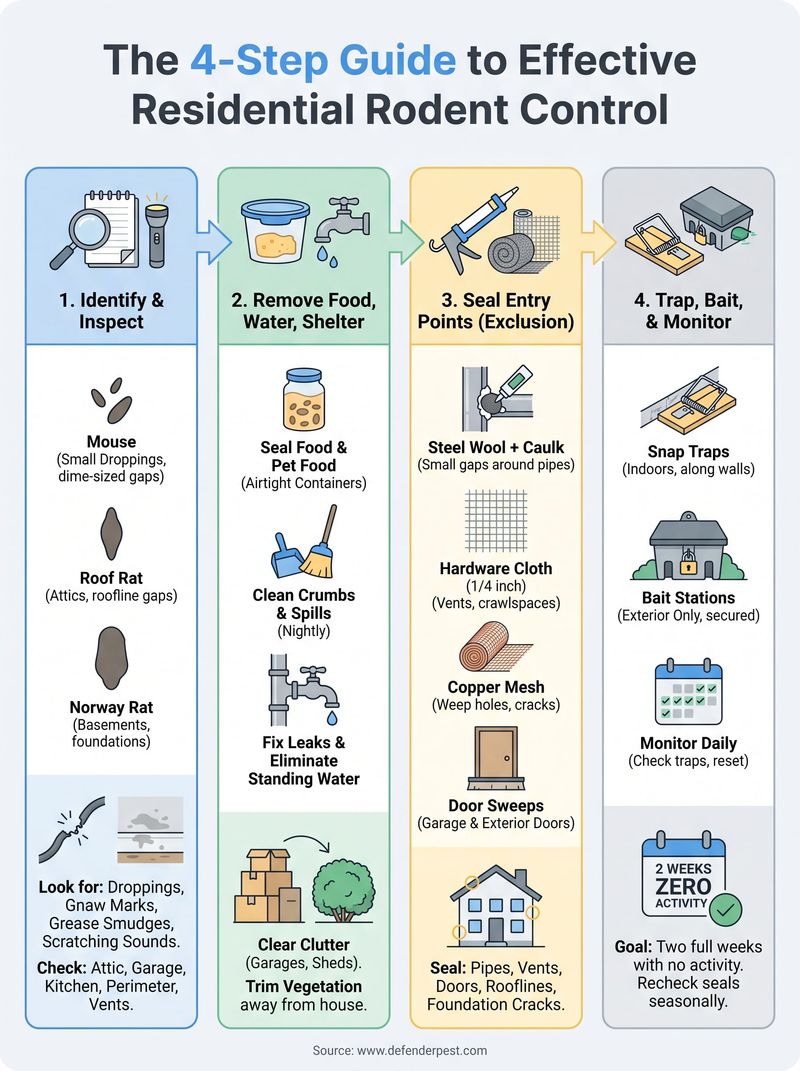
Rats respond to food, water, and shelter, not to the scent of a nearby flower bed. Any serious effort to reduce rat activity around a home has to start with removing what draws them in and blocking the routes that let them stay.
UC IPM’s residential rat guidance identifies sanitation as the foundation: pick up fallen fruit promptly, store birdseed in sealed metal containers, keep pet food indoors after feeding, use rodent-resistant garbage cans, and avoid adding meat scraps or cooked food to open compost piles. Each of those food sources is a stronger rat attractant than any garden plant is a deterrent.
Habitat modification comes next. Rats use dense, low-growing vegetation as cover and travel corridors, so thinning overgrown shrubs, clearing debris piles, and keeping mulch layers no deeper than a few inches removes shelter options near the house.
Prune tree branches and climbing vines that reach within several feet of rooflines, since roof rats in particular use overhead routes to access attics and wall voids. CDC guidance on sealing up to prevent rodents recommends closing any opening larger than approximately one-quarter inch around pipes, vents, doors, and foundations using hardware cloth, steel wool backed with caulk, or metal flashing.
Population control is part of a complete integrated approach, not an afterthought. UC IPM identifies snap traps as an effective, economical, and relatively safe option for residential settings when traps are placed where children and pets cannot reach them, such as inside a bait box or along a wall behind a piece of furniture or lumber.
If rodenticide products are considered, EPA guidance on safely using rodent bait products requires reading the label fully, using tamper-resistant bait stations, keeping bait away from areas where children, pets, or wildlife can access it, and removing dead rodents promptly to reduce secondary poisoning risk to raptors and other predators. Rodenticides near pollinator gardens carry extra risk and should be considered only after sanitation, exclusion, and trapping have been tried.
Match the plant to the region and species
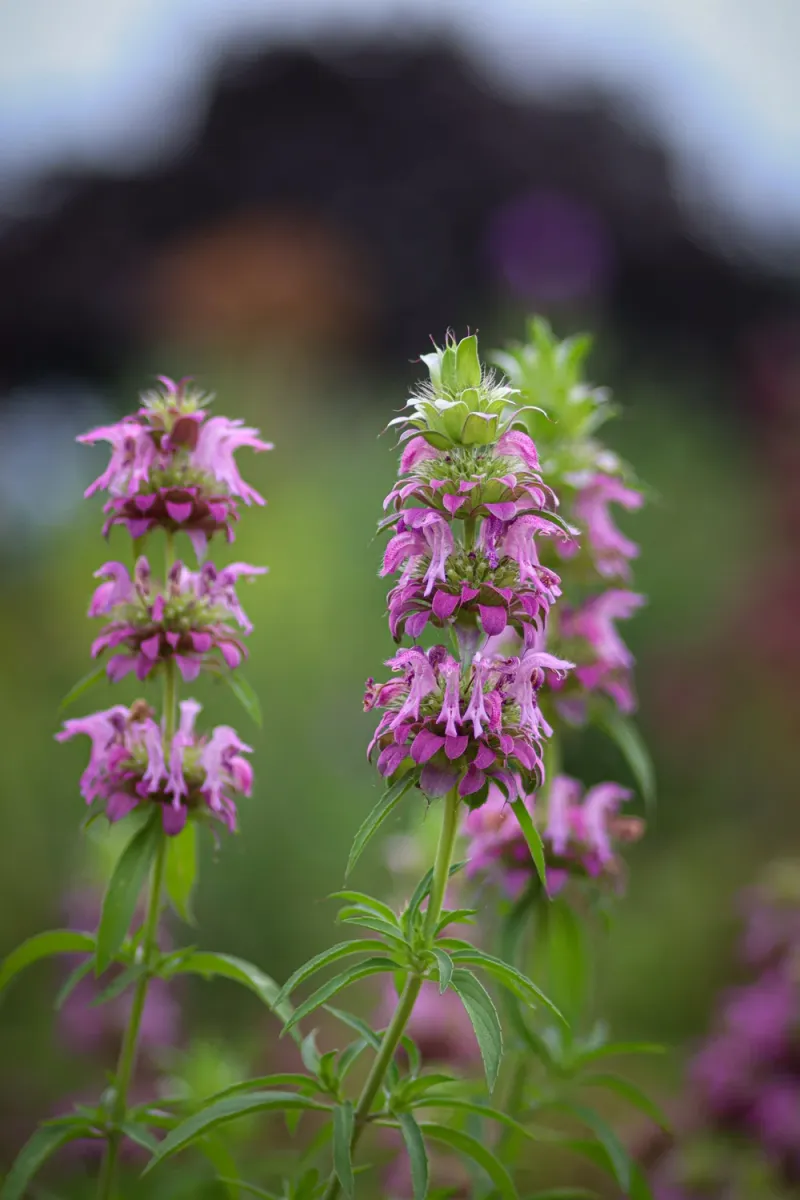
Native status is a regional designation, not a universal one, and that distinction matters when you are choosing plants for a specific yard. Lemon beebalm is native to Texas and the southern United States broadly, but Texas alone contains multiple ecoregions with different soils, rainfall totals, and growing conditions.
A plant that naturalizes easily in the Edwards Plateau may need more attention to drainage in the heavy clay soils of the Blackland Prairie or more irrigation support in the dry Trans-Pecos. Texas Parks and Wildlife recommends matching plant selections to local ecoregion conditions and sourcing from local or regional seed suppliers when possible to improve establishment and protect regional plant genetics.
Florida readers face a specific species distinction worth getting right. Lemon beebalm is not native to Florida, and the plant that fills a similar ecological niche there is spotted horsemint, Monarda punctata.
These are related species but not interchangeable ones. UF/IFAS identifies Monarda punctata as native to Florida and suitable for sunny or partly shaded, well-drained sites, which describes much of the Florida landscape.
The Florida Museum’s profile of dotted horsemint describes its distinctive spotted, cream-colored flowers and confirms its value for native bees and other pollinators in Florida’s sandy-soil habitats.
Substituting M. citriodora for M. punctata in a Florida garden, or the reverse in a Texas garden, skips the local adaptation that makes native plants worth planting in the first place. The broader principle applies everywhere: a diverse planting of locally appropriate native species, selected to bloom across multiple seasons, delivers more reliable pollinator support and more resilient garden performance than any single species chosen for a secondary benefit that remains unproven.
Choose lemon beebalm for the garden, not for a promise
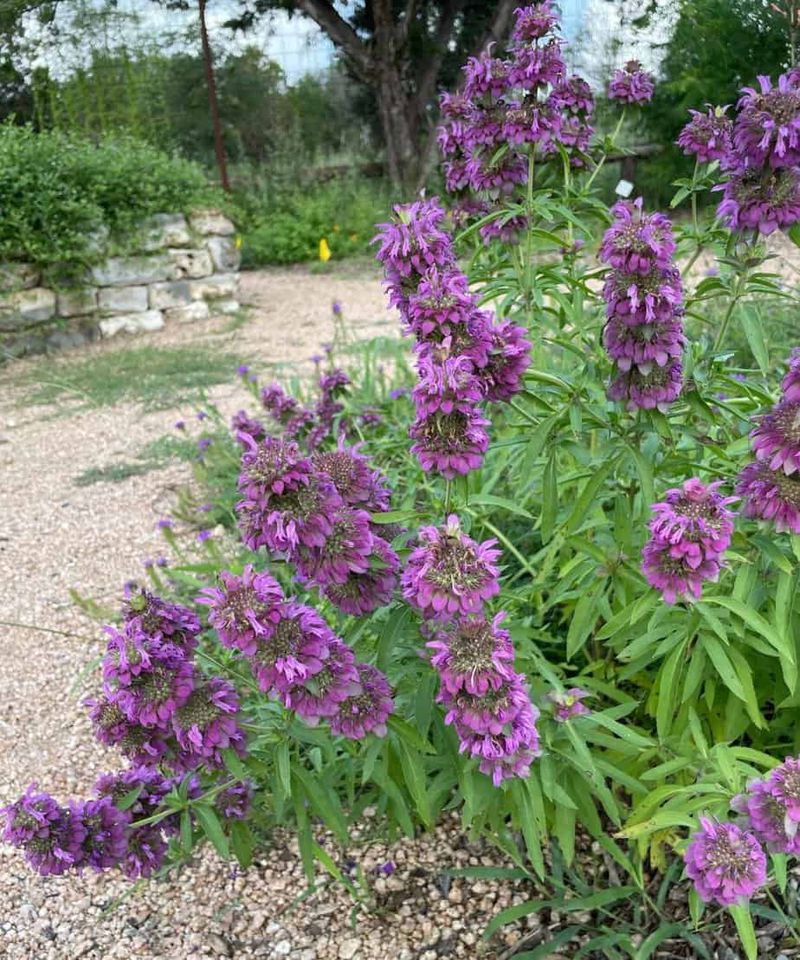
Lemon beebalm earns a place in many appropriate Southern beds on its own merits. Its profile as a Texas-native, low-water annual with wide soil tolerance, reliable reseeding, and strong pollinator appeal makes it a practical choice for sunny borders, roadside strips, and naturalized areas where other plants struggle through summer heat.
Those are real, repeatable benefits that hold up season after season without depending on any pest-control claim.
Rats, on the other hand, require a real plan. UC IPM’s integrated approach covers the full toolkit: remove food sources, modify habitat, seal entry points, and use snap traps or other appropriate controls as needed.
No garden plant replaces that work. Plant lemon beebalm because it is genuinely well-suited to where you live and because the bees and hummingbirds will find it within days of bloom.
That payoff is real, and it requires no exaggeration to sell it.