
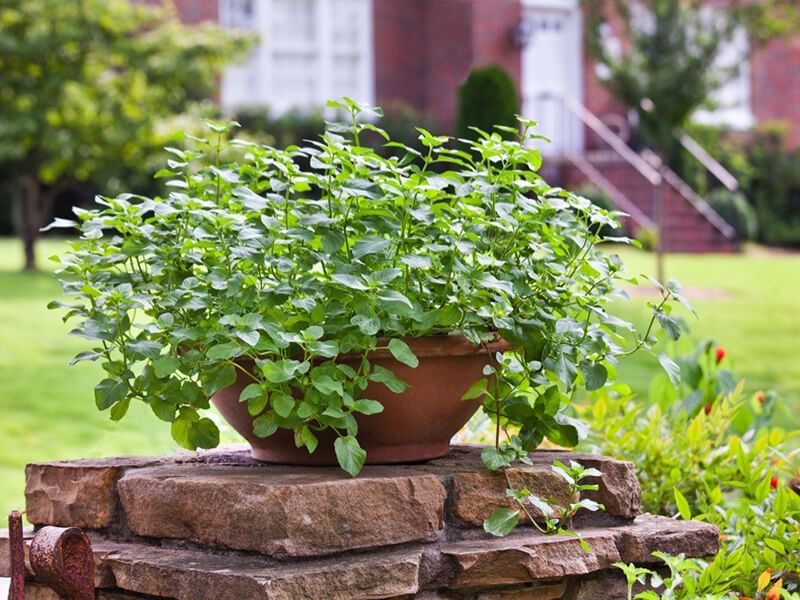
Fall is a great time to refresh a Florida porch because the worst heat is easing, but plants still have plenty of warmth to grow. Herbs are especially useful near the door because they look good, smell fresh, and handle containers well.
Many also bring pollinators, help dress up bare corners, or make evenings outside more pleasant. Here are seven porch-worthy herbs that earn their space in more ways than one.
1. Rosemary
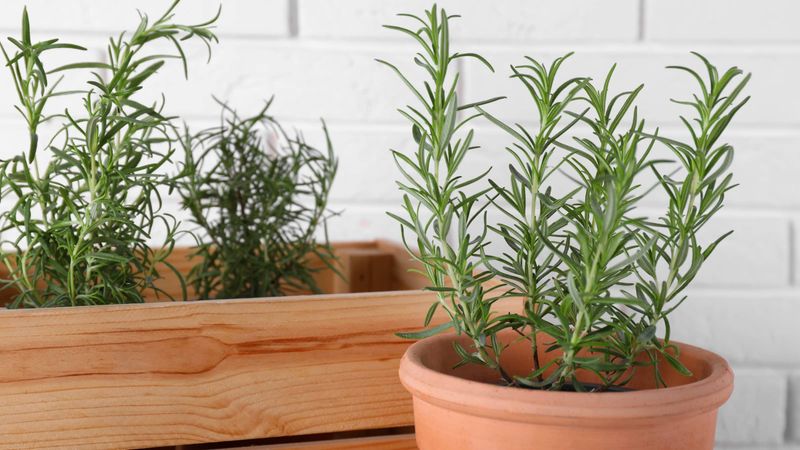
A brushed sleeve is all it takes for rosemary to make a porch smell like a clean, piney garden. That strong scent is part of its charm, especially near a front step, patio chair, or outdoor table where people pass by often.
In Florida, rosemary is a smart fall choice because it prefers good drainage and does not want soggy roots. That matters in porch pots, where a gritty mix and a container with drainage holes can keep it happier than a low, flood-prone bed after a heavy rain.
Beyond cooking, rosemary gives structure. Its narrow leaves and woody stems look tidy beside softer plants, so it can act like a small evergreen accent in a porch grouping.
Give it bright sun, avoid overwatering, and trim lightly to keep it bushy. In humid parts of Florida, leave space around the plant so air can move through the stems, which helps reduce disease problems.
2. Lemongrass
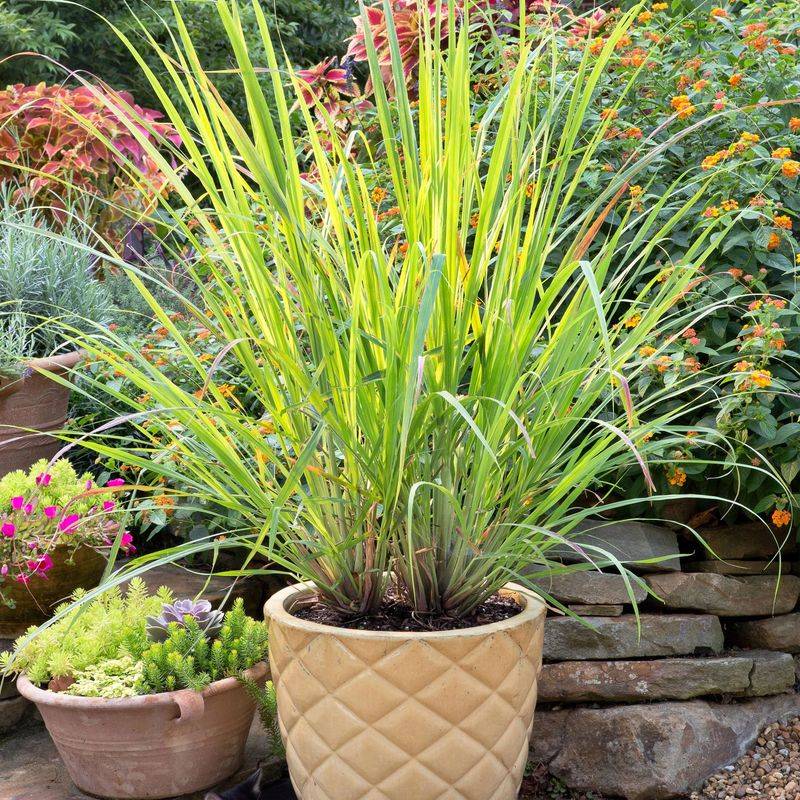
Porch corners often need height, and lemongrass brings it without feeling stiff or formal. Its long, arching blades can soften railings, screen a plain wall, or make a container garden look fuller fast.
Many Florida gardeners know lemongrass for tea and recipes, but its fresh citrus scent is another reason to keep it close to outdoor seating. While no plant can make mosquitoes disappear, brushing or cutting the leaves releases fragrance that can make a porch feel cleaner and more inviting during warm fall evenings.
Lemongrass likes sun, warmth, and steady moisture, so it fits much of Florida’s long growing season. A roomy pot is best because the clump can get large, and a heavy container helps keep it from tipping during breezy weather.
Trim older blades at the base to refresh the plant and reduce messy growth. If a cold snap reaches your area, move the pot against the house or cover it, since lemongrass is more cold-sensitive than woody herbs like rosemary.
3. African Blue Basil
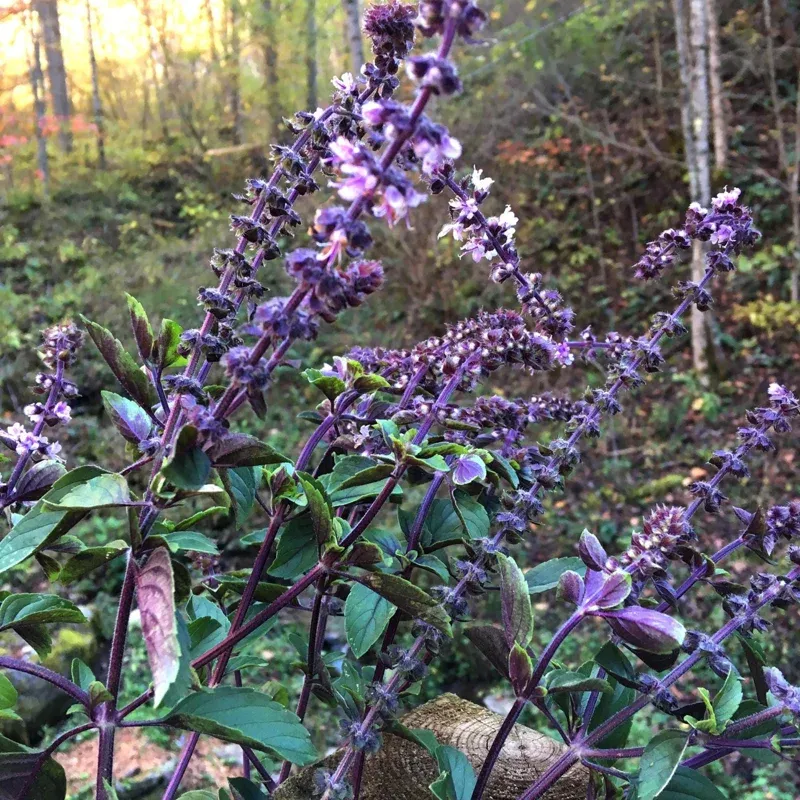
Bees seem to find African blue basil before people do. The purple flower spikes can turn a quiet porch pot into a tiny pollinator stop, which makes this herb feel more like a living feature than a simple kitchen plant.
Unlike sweet basil, African blue basil is grown as much for its flowers and toughness as for its leaves. It is a sterile hybrid, so it keeps blooming instead of rushing to seed, a handy trait when you want steady color through Florida’s warm fall weather.
Place it where it gets strong light and enough room to spread. The leaves have a spicy clove-like scent, and the purple-tinted stems add contrast next to silver, green, or grassy plants.
For porch use, regular pinching keeps the plant from getting too leggy. Water when the top of the potting mix begins to dry, and avoid letting the container sit in a saucer of water after rain, since Florida downpours can soak roots quickly.
4. Garlic Chives
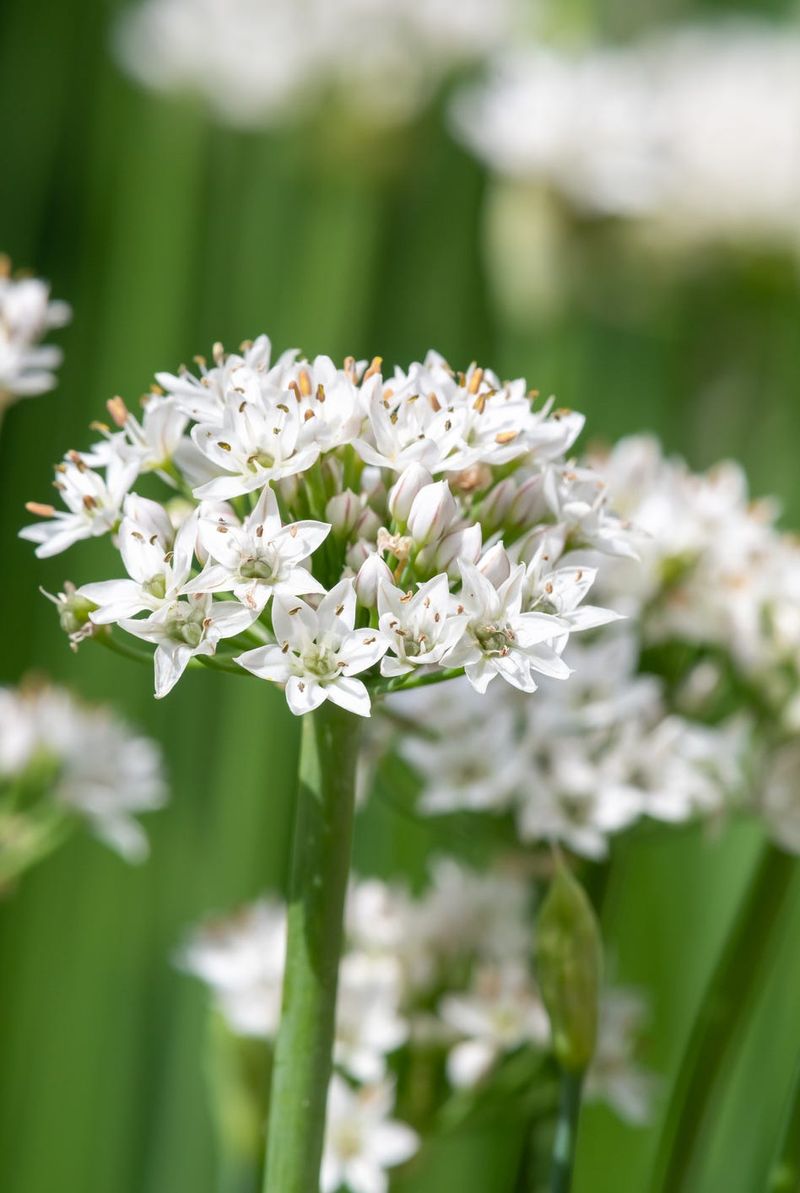
When a porch needs something neat, edible, and flower-friendly, garlic chives quietly do all three jobs. The leaves stand upright like green ribbons, then the plant sends up white starry blooms that look surprisingly elegant for such an easy herb.
Garlic chives are useful along a porch because they stay fairly compact compared with big, sprawling herbs. Their mild garlic scent can be clipped for meals, but the flowers are the real bonus for a visible entry or patio edge.
Florida fall weather gives them a comfortable window to grow, especially in containers that drain well. They can handle sun, though a little afternoon relief may help in hotter parts of the state where porch surfaces reflect heat.
Snip leaves from the outside instead of cutting the whole clump flat every time. After flowering, remove spent blooms if you want to limit self-sowing and keep the pot looking tidy.
5. Mint
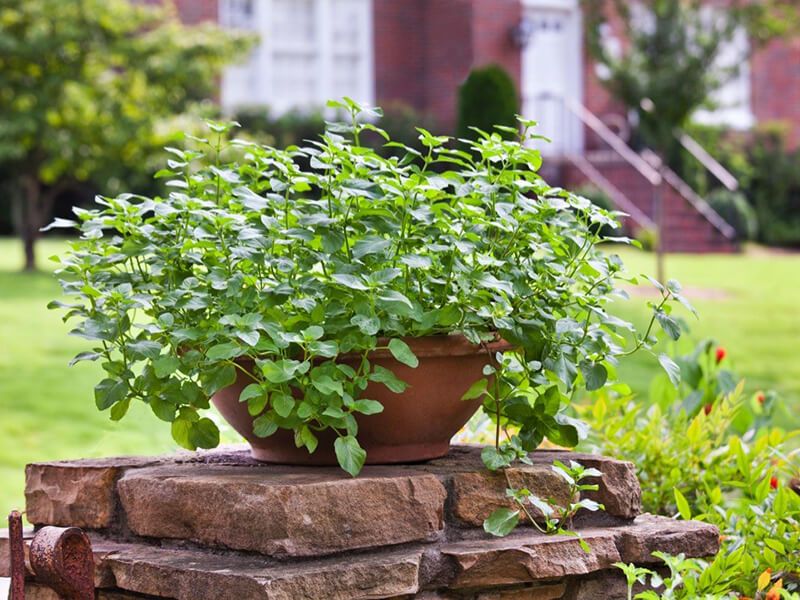
Mint is the porch guest that should always have its own room. It is fresh, pretty, and useful, but it can spread aggressively if planted in a shared bed, so a separate pot is the easiest way to enjoy it without regret.
For Florida porches, mint shines in spots with morning sun and afternoon shade. That setup helps the leaves stay lush when paved areas, steps, and walls hold extra warmth during the day.
Its value goes well past drinks and desserts. A pot of mint near a chair gives you a quick scent boost when you pinch a leaf, and the bright green growth can make a shaded porch corner look alive again.
Keep the soil lightly moist, not swampy, and trim often to encourage fresh leaves. If stems get woody or tired, cut the plant back and let new shoots fill in, which usually happens quickly in Florida’s mild fall conditions.
6. Cuban Oregano
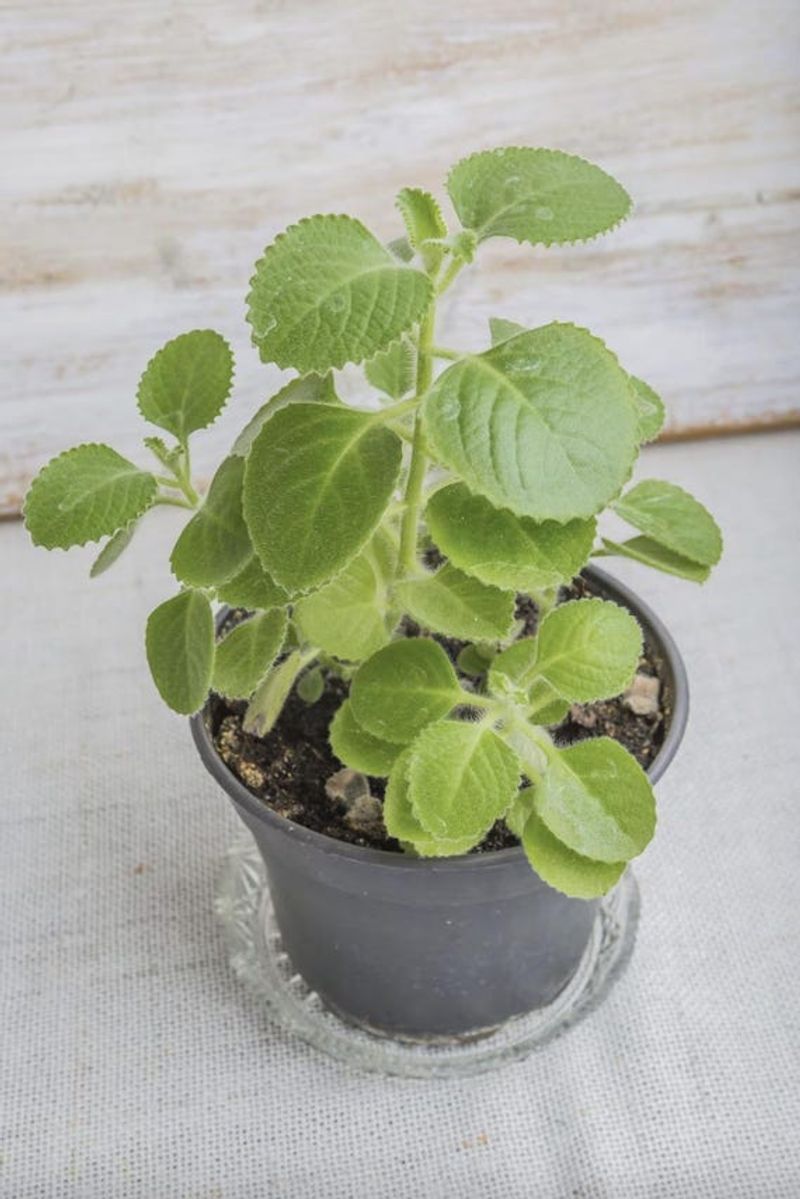
One touch tells you Cuban oregano is not built like delicate parsley or cilantro. The thick, fuzzy leaves feel almost succulent, which gives the plant a bold look and helps it cope with short dry spells better than many softer herbs.
Despite the name, Cuban oregano is not true oregano, but Florida gardeners often appreciate it because it brings strong fragrance, sturdy texture, and tropical style to containers. It looks especially good near the porch steps where its rounded leaves can be seen up close.
Bright filtered light or morning sun is usually kinder than harsh all-day exposure, especially in warm coastal or central Florida spots. Use a fast-draining mix, because the fleshy stems do not like staying wet after repeated rain.
Pinch the tips to make the plant branch, and root cuttings if you want extras for another pot. During cooler weather, protect it from cold snaps, since this herb prefers the same warm, easygoing porch life many Floridians do.
7. Holy Basil
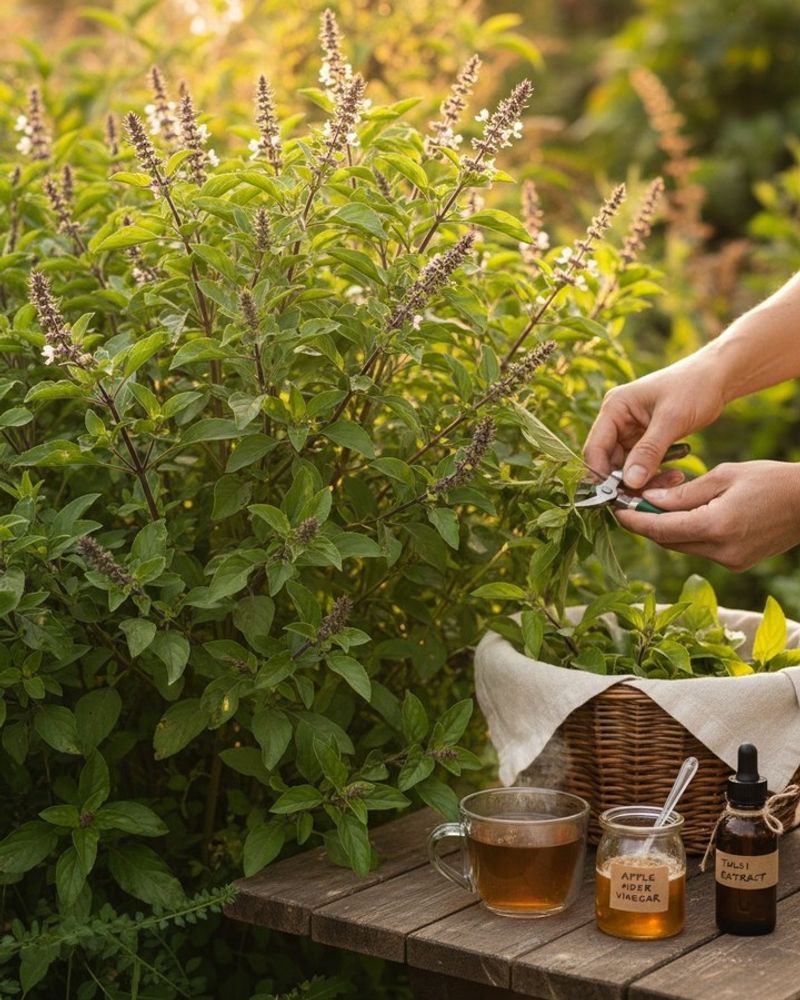
Holy basil brings a calm, old-garden feeling to a porch, especially when its flower spikes rise above the leaves and catch the morning light. Also called tulsi, it has a long history in home gardens and is often valued for fragrance, tea, and tradition.
In a Florida fall container, holy basil can be both beautiful and busy with pollinators. Its blooms draw small bees and other beneficial insects, so it works well for gardeners who want their porch planting to support more life without taking up much space.
The scent is warm, spicy, and a little sweet, different from common sweet basil. That makes it stand apart from African blue basil, which is more of a nonstop flowering showpiece, while holy basil feels softer and more cottage-like.
Grow it in sun to part sun, water consistently, and pinch back early growth for a fuller plant. Let some flowers remain for pollinators, but trim a few stems now and then to prevent the plant from becoming thin or top-heavy.