
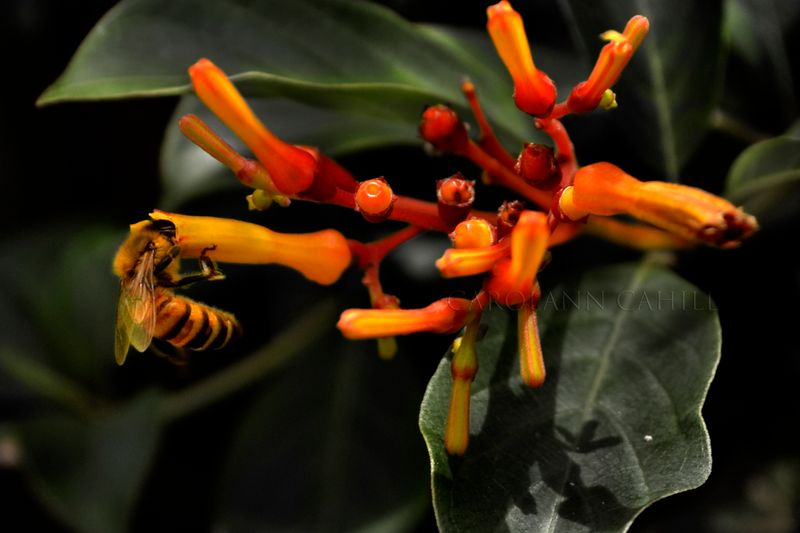
Firebush is one of those Florida plants that earns its spot fast. It handles heat, feeds hummingbirds and butterflies, and brings bright color to sandy yards with little fuss.
The tricky part is that many nursery plants look close, but not all are the true Florida native firebush. Use these seven common look-alikes to shop smarter and bring home the real wildlife-friendly plant.
1. Dwarf Firebush
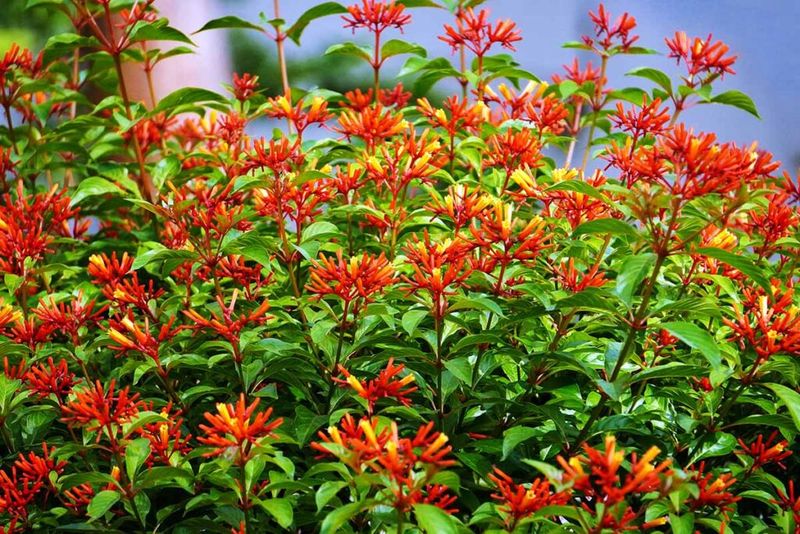
A small, tidy firebush can feel like the answer to every front-bed problem, especially when the tag promises easy color without a giant shrub. Dwarf firebush types are popular because they fit near walkways, patios, and mailboxes where a full native firebush may get too large.
The catch is that many dwarf plants sold in Florida are selected forms or related types, not the straight Florida native form. They often stay lower, bloom heavily in containers, and have smoother, shinier leaves than the wild-looking native shrub.
To spot the real native firebush, look for a plant that wants to grow upright and a bit loose rather than tight and rounded. Native firebush, Hamelia patens var. patens, usually has softly hairy leaves, reddish stems, and clusters of narrow red-orange flowers followed by dark berries.
Dwarf forms are not automatically bad garden plants, but they can be a different choice for wildlife-minded Florida yards. If your goal is a tough native shrub for hummingbirds, butterflies, and birds, read the botanical name carefully and ask whether it is the Florida native form, not simply a compact firebush.
2. Hamelia patens var. glabra
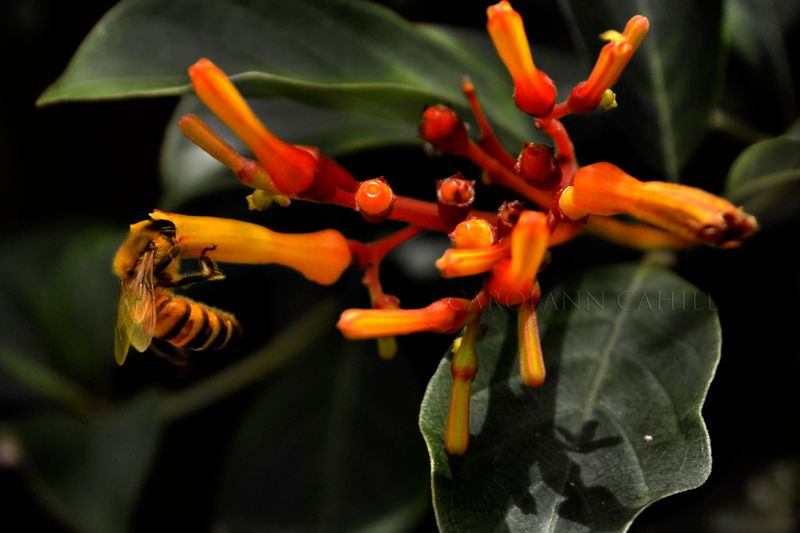
Here is the one that fools many careful shoppers because the name looks almost right. Hamelia patens var. glabra is closely related to firebush, and it may be sold under names that sound native, tropical, or hummingbird-friendly.
The word glabra is your first clue. It means smooth or hairless, and that matches one of the easiest field marks: the leaves often feel slick instead of softly fuzzy.
The flowers may also lean more yellow-orange than the deeper red-orange tubes many gardeners expect from Florida native firebush.
In a nursery aisle, run your eyes over the leaves before falling for the blooms. The true Florida native firebush usually has leaves arranged in whorls, often three at a node, with a slightly fuzzy or matte surface and reddish new stems.
It tends to look a little less polished than the shiny tropical selections.
For Florida gardeners planting for birds and pollinators, that less-perfect look is part of the charm. If the tag says Hamelia patens var. glabra, treat it as a look-alike and keep searching for Hamelia patens var. patens or a grower tag that clearly states Florida native firebush.
3. Bahama Firebush
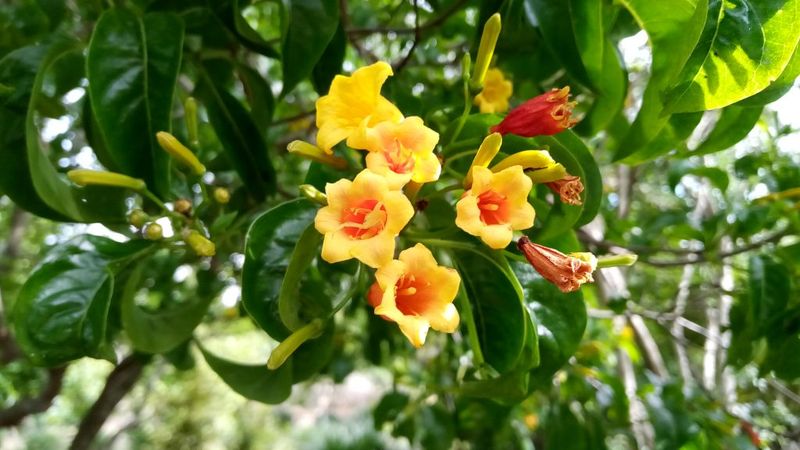
South Florida plant benches love a tropical showoff, and Bahama firebush has plenty of island flair. It brings warm flower color, glossy foliage, and a neat landscape look that can make it seem like the same plant with a prettier sales pitch.
Bahama firebush is usually Hamelia cuprea, a Caribbean relative rather than the Florida native firebush. Its flowers can look more coppery or orange, and the leaves often appear shinier and more refined.
In a polished mixed border, that difference may not jump out right away.
The real Florida native is typically rangier and more natural-looking, with red-orange tubular blooms that hummingbirds can work easily. It also produces dark berries that birds may visit, making it a strong fit for backyard habitat plantings from Central Florida into South Florida where conditions suit it.
When shopping, do not rely on the common name alone. A tag that says Bahama firebush, Caribbean firebush, or Hamelia cuprea points to a look-alike.
Choose a plant labeled Hamelia patens var. patens if your goal is the native shrub recommended for Florida wildlife gardens.
4. Lime Sizzler Firebush
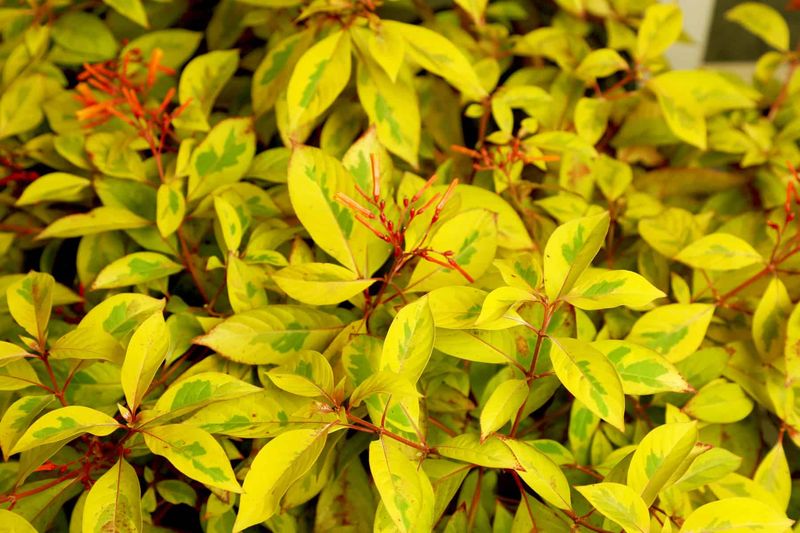
Bright variegated leaves can stop a cart in its tracks. Lime Sizzler firebush is often sold because it looks cheerful before it even blooms, with splashes of lime, yellow, and green that brighten containers and small beds.
That splashy foliage is also the giveaway. Florida native firebush does not naturally wear bold variegation like a tropical houseplant.
Its leaves are green, usually with a softer texture, and the overall plant has a looser, more wildlife-garden shape.
Lime Sizzler can be useful where you want ornamental color near a porch, pool cage, or patio, especially in warm parts of Florida. Still, gardeners should not mistake a variegated selection for the straight native form.
Cultivars can behave differently in size, vigor, cold response, and wildlife value.
If you are building a native hedge or replacing thirsty ornamentals in sandy soil, skip the flashy leaves and look for the plain green plant with the right name. The most reliable tag will say Hamelia patens var. patens, Florida native firebush, or come from a nursery that specializes in native plants.
5. Firespike
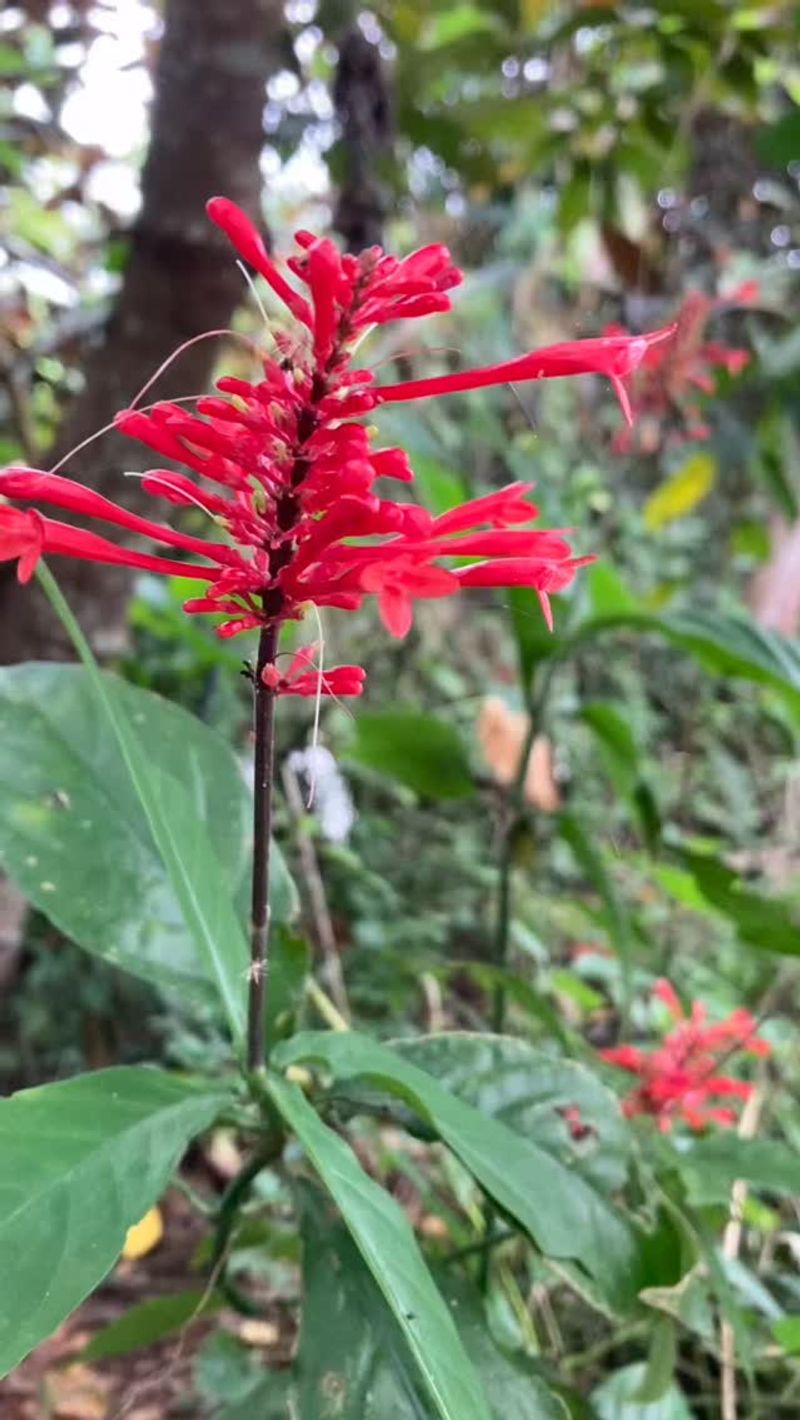
A shady side yard with red blooms can make firespike look like firebush at first glance. Both plants attract hummingbirds, both handle Florida warmth, and both show up in garden centers when people are hunting for low-effort color.
Firespike, usually Odontonema strictum, gives itself away with flower spikes that stand upright like red candles. Firebush flowers are smaller tubes held in clusters, not tall, stacked spikes.
Firespike leaves are also larger, broader, and more tropical-looking.
The planting spot is another clue. Firespike is often used in part shade and moist, protected beds, while native firebush shines in sun to part sun once established and tolerates Florida’s lean, sandy soil better than many showy shrubs.
Firebush also develops berries after flowering, which adds another wildlife layer.
Firespike is a fine nectar plant in the right place, but it is not a firebush substitute if you want the native shrub. At the nursery, compare the flower shape first: spikes mean firespike, clustered narrow tubes plus dark berries and fuzzy green leaves point you toward the real Florida native firebush.
6. Ixora
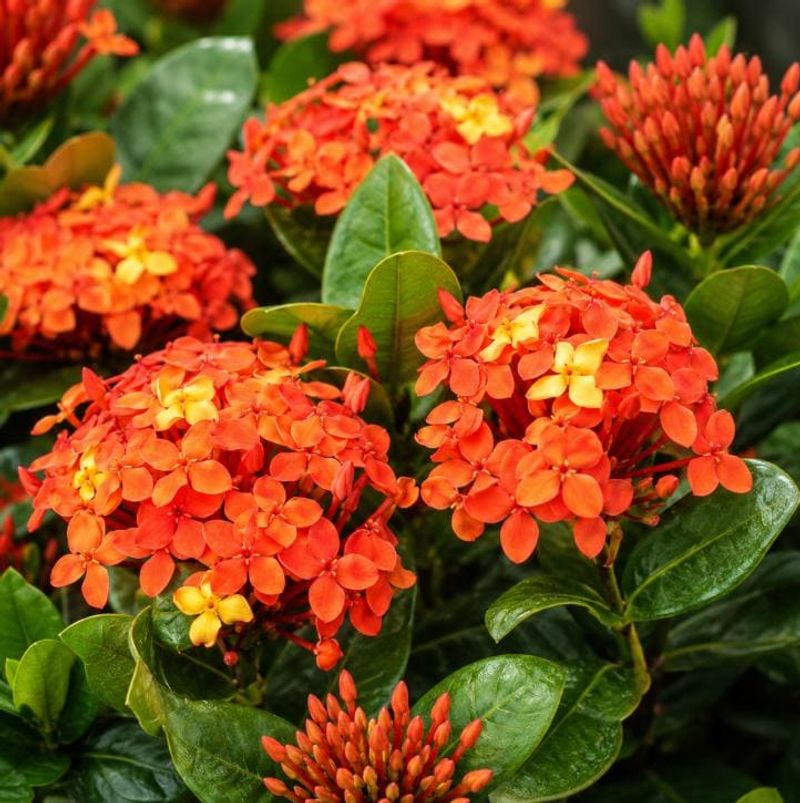
Drive through many Florida neighborhoods and you will see ixora glowing in foundation beds like little red bouquets. Because the flower color is similar from a distance, shoppers sometimes lump it together with firebush when planning a hummingbird or butterfly border.
Up close, ixora is easy to separate from native firebush. Its flowers sit in dense, rounded clusters made of many small star-shaped blooms.
Firebush has longer tubular flowers, looser clusters, and a more open habit that looks less like a clipped hedge.
Ixora also tends to prefer more amended, well-drained, slightly acidic conditions and can show nutrient problems in Florida’s tricky soils, especially where pH is high. Native firebush is usually more forgiving in sandy yards once established, which makes it a stronger set-and-forget choice for many homeowners.
If you are shopping for curb appeal only, ixora may tempt you with neat color. If you want the real native firebush, look beyond the red blooms.
Choose the shrub with narrow tubes, reddish stems, softer leaves, and a tag that gives the native botanical name rather than Ixora coccinea or a named ixora cultivar.
7. Pentas
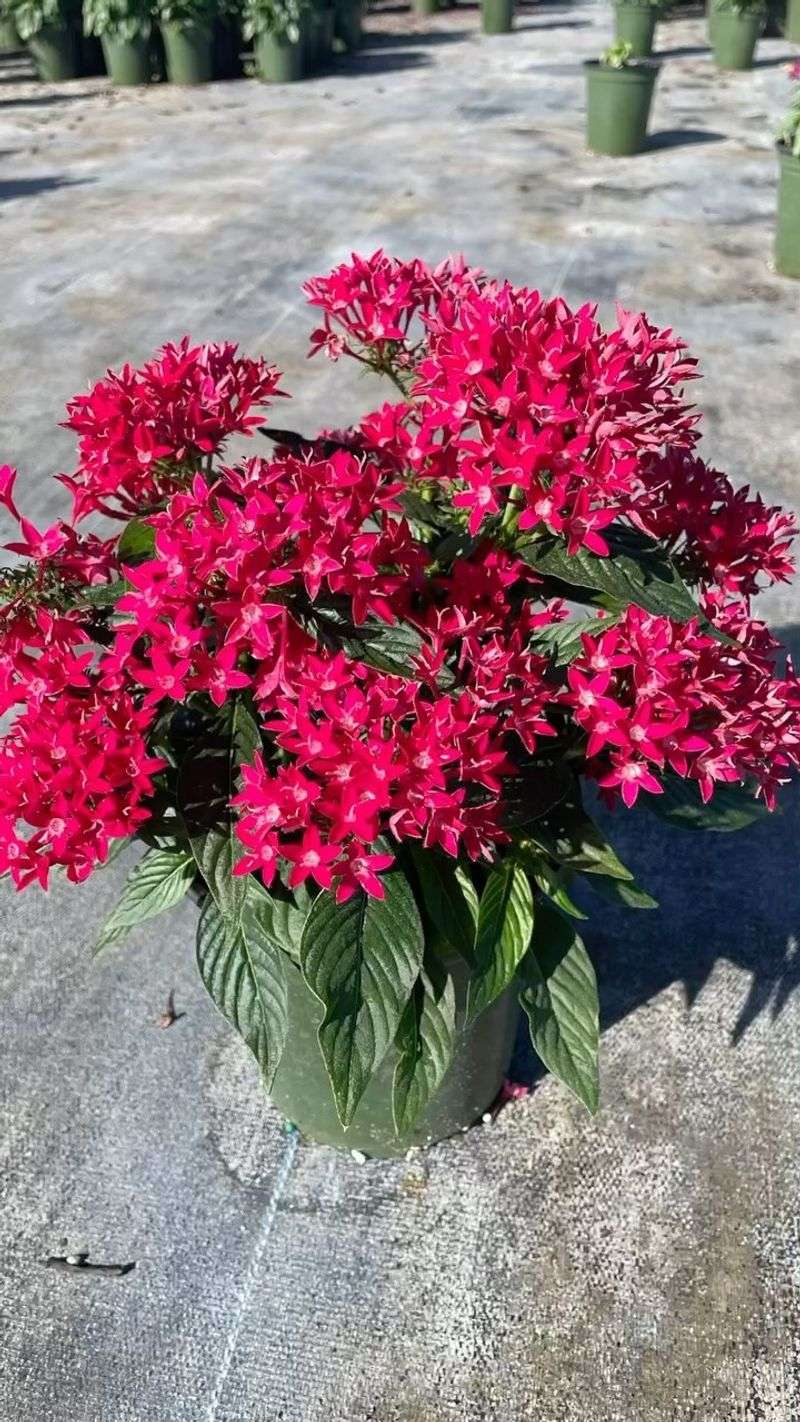
Butterflies can make any plant feel native, and pentas often come covered with them at the garden center. The bright red, pink, lavender, or white flower clusters are so busy with pollinators that it is easy to toss them into the same mental basket as firebush.
Pentas are usually sold as bedding plants or small perennials, not woody shrubs. Their blooms are clusters of tiny five-pointed stars, while native firebush carries slender tubes built for hummingbirds and long-tongued pollinators.
The size difference matters too: firebush can become a large shrub, while pentas stay much smaller and softer.
For Florida yards, pentas can be a useful nectar plant in sunny beds and containers, especially when you want quick color near a patio. They do not replace the structure, berries, or native shrub value that firebush brings to a wildlife-friendly landscape.
When you are standing in front of a bench full of red blooms, check the plant’s bones. Soft bedding plant with starry flower clusters means pentas.
Woody stems, whorled slightly fuzzy leaves, red-orange tubular flowers, and blackish berries mean you are much closer to the real Florida native firebush.