
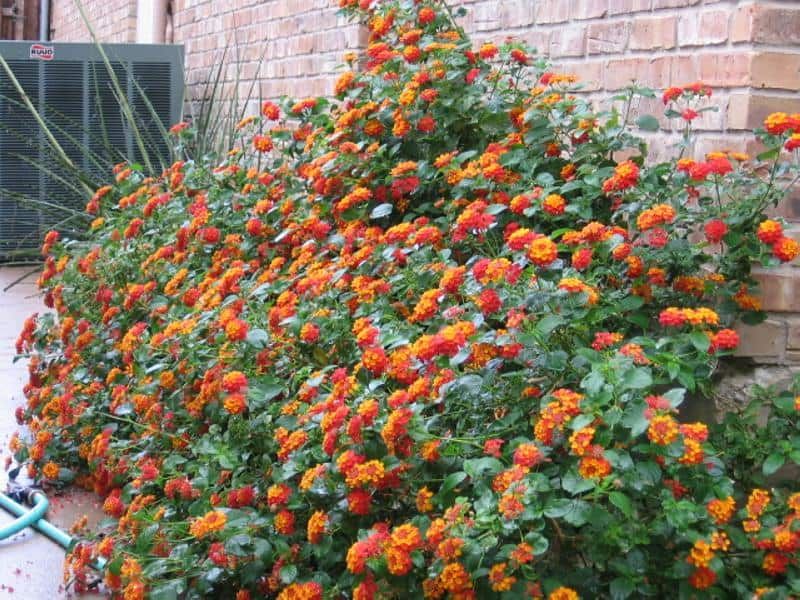
Lantana is one of the toughest bloomers you can grow in Central Texas, shrugging off triple-digit heat while other flowers fry. But even this heat-loving champ has a breaking point, and a few common mistakes can shut down those bright clusters fast.
Get these things wrong and your buzzing, butterfly-covered plant can go quiet almost overnight. Here are the mistakes to avoid so your lantana keeps blooming from spring straight through fall.
1. Overwatering It Like a Thirsty Lawn

Lantana earned its reputation as a drought fighter, so treating it like a fussy fern is the fastest way to disappoint yourself. Roots sitting in constantly wet soil suffocate, and the plant responds by dropping flowers and yellowing leaves.
In Central Texas, our clay soils hold water longer than you might expect, especially after a summer storm. A deep soak once a week during the hottest stretch is usually plenty for established plants.
Let the top couple inches of soil dry out before you reach for the hose. When lantana gets the lean, dry conditions it evolved for, it rewards you with wave after wave of color instead of soggy sulking.
2. Planting It in the Shade
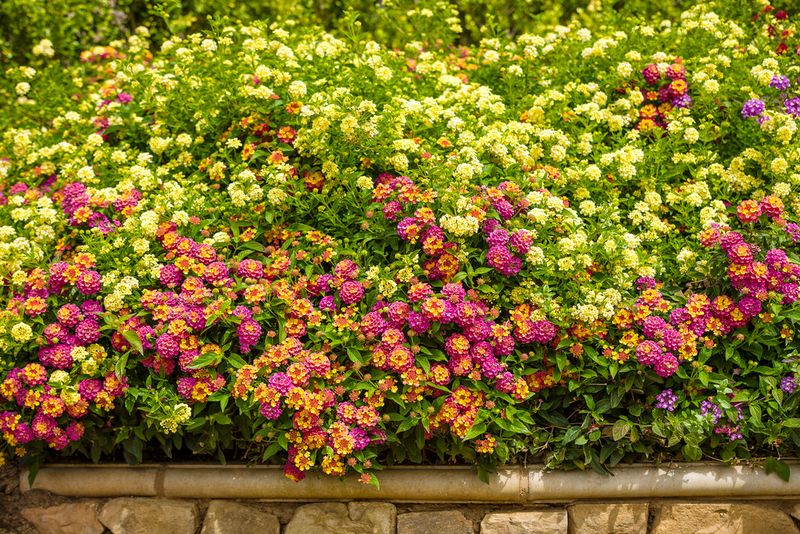
Ever wonder why the lantana near your fence blooms like crazy while the one by the porch looks like a leggy stick? Sunlight is almost always the answer.
Lantana is a full-sun plant, plain and simple. It wants six to eight hours of direct Texas sun a day, and anything less pushes it toward long stems and stingy flowering.
If you planted yours under a live oak or on the north side of the house, that is likely your bloom killer. Move it to the sunniest spot you have, and watch it transform from spindly to spectacular within a few weeks of warm weather.
3. Piling On the High-Nitrogen Fertilizer
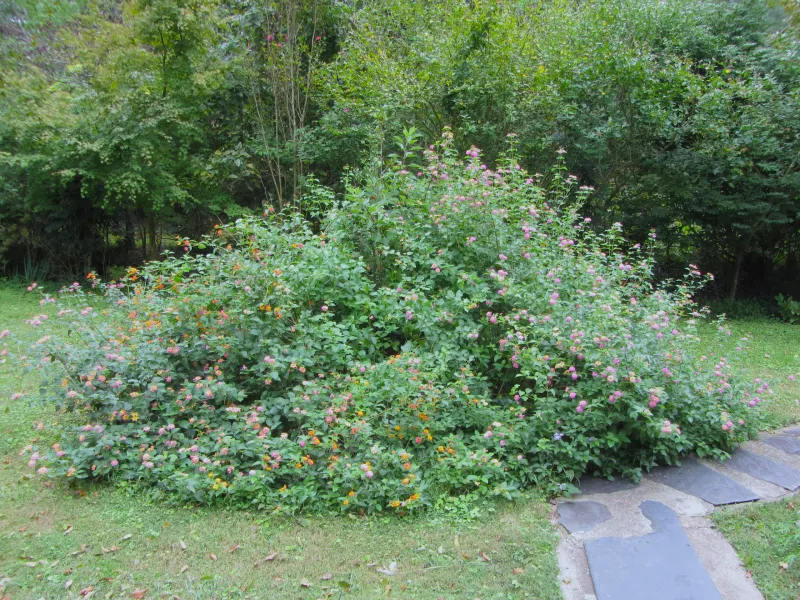
Here is a trap that fools well-meaning gardeners: you feed your lantana to help it bloom, and instead you get a jungle of leaves and hardly a flower in sight. High-nitrogen fertilizer tells the plant to grow foliage, not blossoms.
Lantana is a light feeder that actually prefers slightly lean soil. Dumping on the same fertilizer you use for your Bermuda lawn works against you.
If you feed at all, use a balanced or bloom-focused formula sparingly, maybe once in spring. Skip the nitrogen-heavy stuff completely, and your plant will spend its energy where you want it, on those butterfly-magnet clusters.
4. Letting Old Seed Berries Take Over
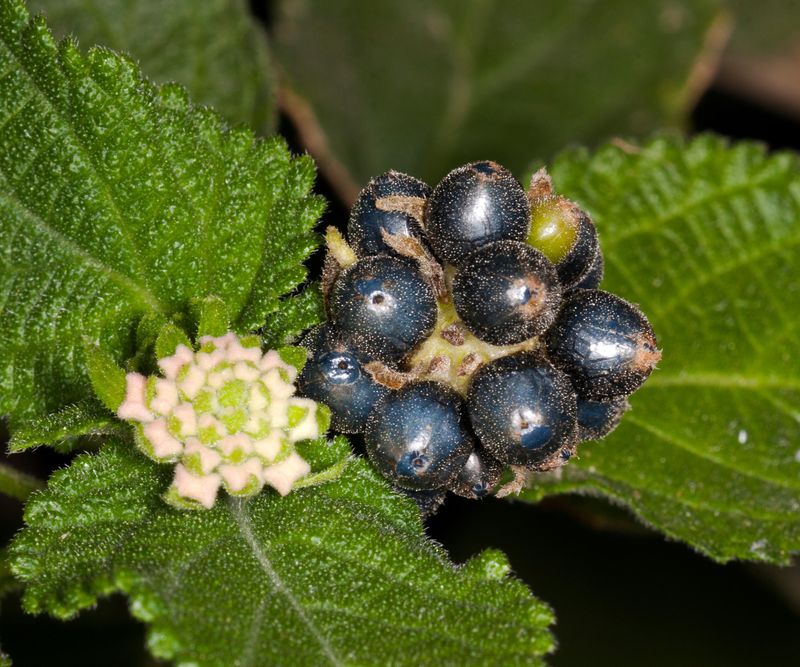
Those little dark berries that form after the flowers fade might look harmless, but they are quietly telling your lantana to quit. Once a plant sets seed, it thinks its job is done and slows down new blooms.
Removing spent flower heads, called deadheading, tricks the plant into producing more. A light shearing every few weeks keeps fresh flowers coming through the long Texas season.
You do not have to snip every cluster by hand. A quick trim with hedge shears across the top works fine and encourages a flush of new growth.
Keep those berries from forming and you keep the color rolling into fall.
5. Cutting It Back at the Wrong Time
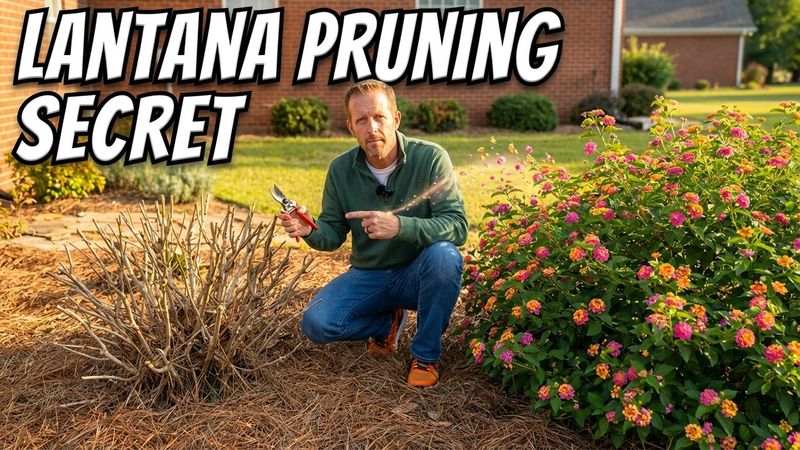
Timing your pruning wrong can leave you staring at bare stems when your neighbors are drowning in blooms. Chop lantana back too early or too late and you sacrifice weeks of flowering.
In Central Texas, wait until spring when you see new green growth pushing out before you cut back the old woody stems. Pruning during a random warm winter spell can leave tender new shoots exposed to a late freeze.
A hard cutback in late winter or very early spring resets the plant for a bushy, bloom-heavy season. Mid-summer, stick to light trims only, since a heavy chop in July stalls blooming right when you want it most.
6. Crowding It Against Other Plants
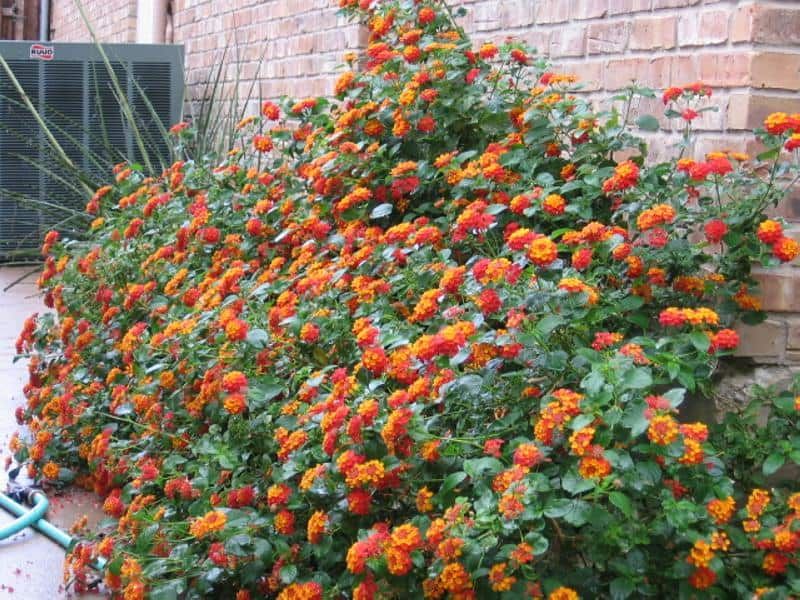
Squeezing lantana into a packed flower bed feels efficient, but the plant hates elbow-to-elbow living. Poor air flow and competition for sun leave it stretching and blooming less.
Give each plant enough room to reach its full spread, which for many varieties means two to four feet across. Crowded plants also trap humidity, inviting powdery mildew and other problems in our muggy stretches.
Space matters more than people think when you want maximum flowers. Open up the area around your lantana, and it will fill that space with mounded color instead of fighting its neighbors for a sliver of light.
7. Ignoring Spider Mites in the Heat
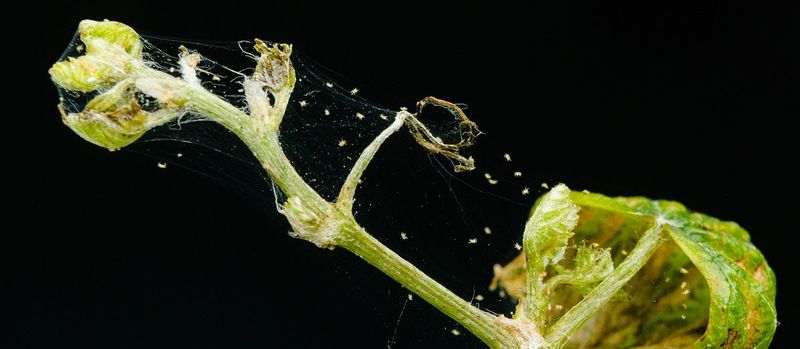
When July temperatures spike, a tiny enemy shows up that most gardeners never see coming. Spider mites love hot, dry, dusty conditions, and they can drain a lantana until it stops flowering.
Look for fine webbing and leaves that turn dull, speckled, or grayish. These pests are almost invisible, so by the time damage shows, the population is already large.
A strong blast of water to the undersides of leaves knocks many of them off and may help keep numbers down. In stubborn cases, insecticidal soap can reduce the problem.
Catch them early during heat waves and you save your bloom show.
8. Planting a Cold-Sensitive Variety Too Late
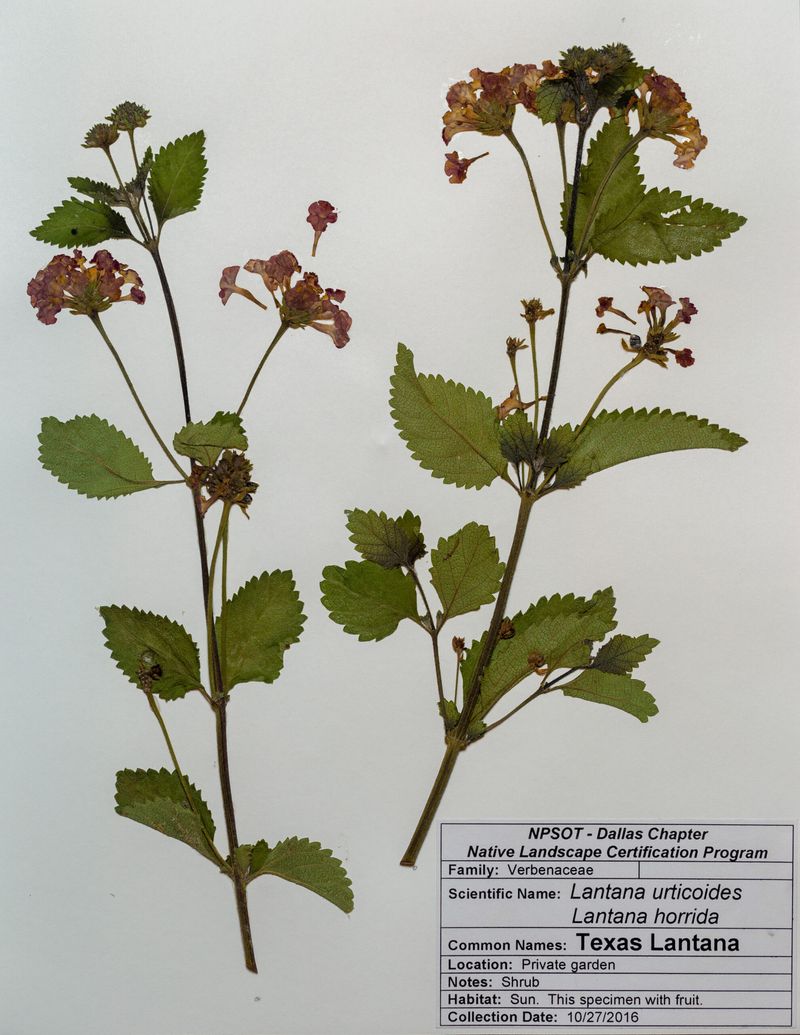
Not every lantana handles a Central Texas winter, and choosing the wrong one can leave you replanting every spring. Some tropical varieties are gorgeous but tender, while natives like Texas lantana bounce back reliably.
If you want a plant that returns year after year, look for cold-hardy or Texas-native types suited to our zone. Setting out a tender variety late in the season gives it no time to establish before the first freeze.
Get your lantana in the ground in spring so its roots settle in during the warm months. A well-established, hardy plant survives our mild winters and roars back with blooms when the heat returns.
9. Mulching Right Up Against the Stems
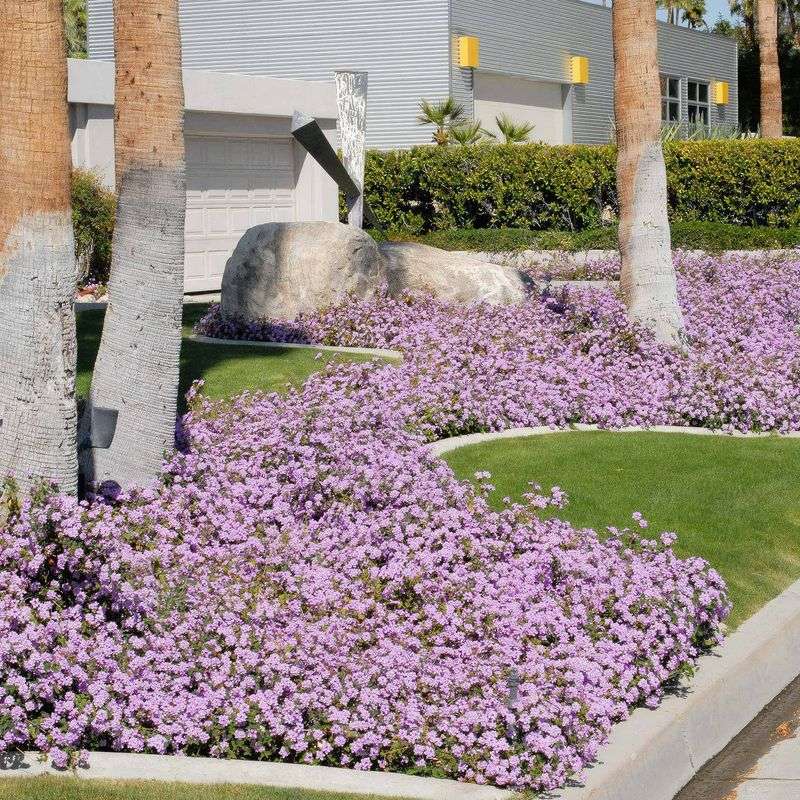
Mulch is your friend in the Texas heat, but pile it wrong and it turns on your lantana. Heaping mulch against the stems traps moisture right where the plant is most vulnerable to rot.
That soggy collar of wet mulch invites disease and can slowly choke the base of the plant. Blooms drop as the plant struggles to stay healthy.
Spread a two to three inch layer of mulch to hold moisture and cool the roots, but keep it a few inches away from the stems. A proper mulch ring conserves water during drought restrictions while letting the plant breathe and flower freely.
10. Growing It in a Pot That Dries Out Constantly
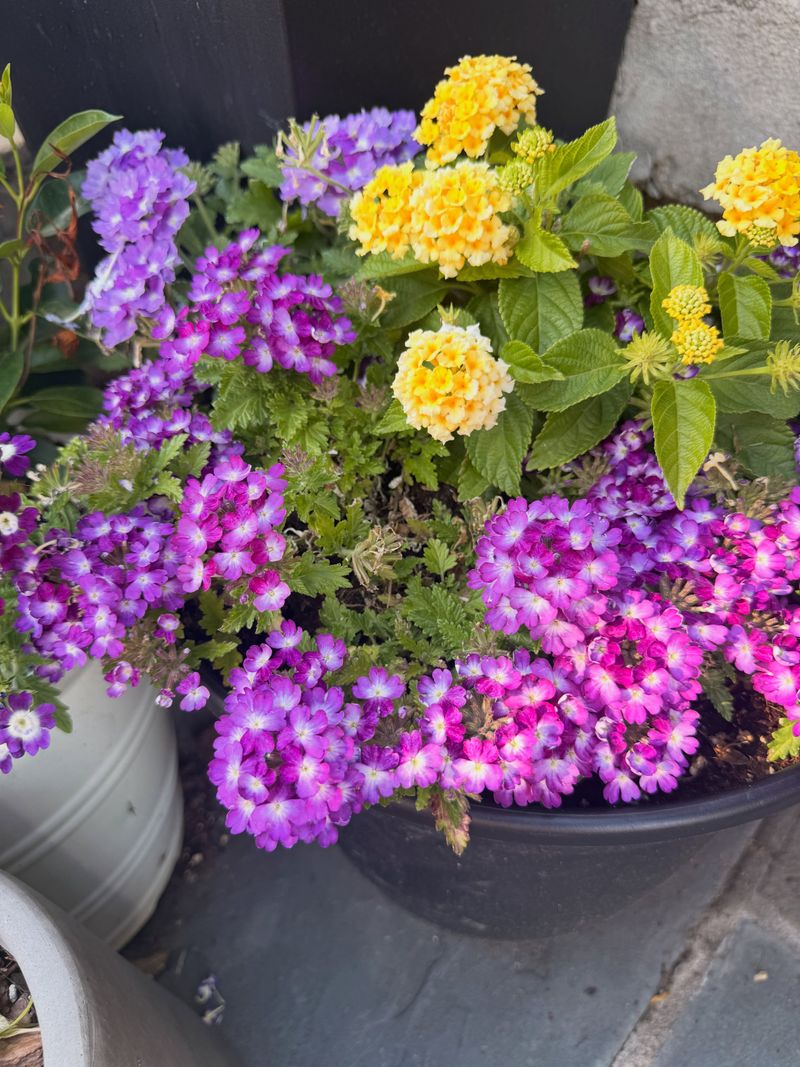
Container lantana can be stunning on a porch, but a too-small pot on a scorching patio becomes a bloom disaster. Small pots bake in the sun and swing between bone-dry and drenched, stressing the plant into dropping flowers.
Lantana in the ground tolerates dry spells because deep roots find moisture, but a potted plant only has what fits in the container. Extreme dryness followed by a flood confuses it and stalls flowering.
Choose a larger container with good drainage and check it daily in peak summer heat. Steady moisture, not soaking wet and not crispy dry, keeps a potted lantana blooming right through the long Central Texas season.