
Bare dirt in a Florida yard can feel like a losing battle, especially when sand, heat, weeds, and heavy rain all take turns making trouble. The good news is that a lawn does not have to mean thirsty turfgrass from fence to fence.
Florida native groundcovers and meadow-style plantings can fill open soil, support pollinators, and look better with less fuss over time. Give them one growing year, and many can change a tired patch into a yard that feels alive.
1. Sunshine Mimosa
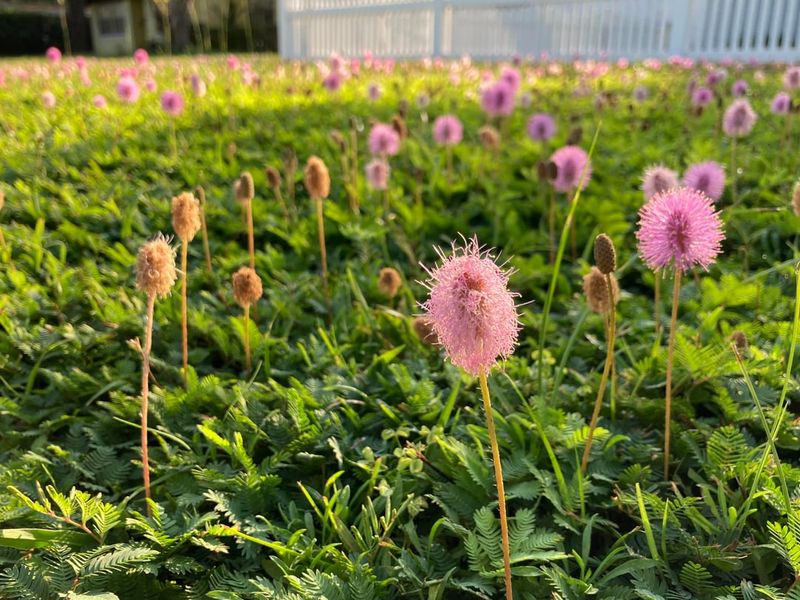
Walk barefoot across a patch of Sunshine Mimosa and you quickly understand why so many Florida gardeners fall for it. The tiny leaflets fold when touched, the pink puffball blooms look almost playful, and the plant creeps across bare sand without acting like a stiff, formal lawn.
Sunshine Mimosa, also called powderpuff, is a Florida native groundcover that works best in sunny spots where turfgrass has thinned from heat and dry soil. It spreads by runners, so one year can make a big visual difference if you start with several small plugs spaced across a prepared area.
It is especially useful near driveways, mailbox beds, sidewalk edges, and sunny side yards where you want green coverage but not constant mowing.
For the best first-year results, clear weeds before planting and water regularly while roots settle in. Once established, it handles dry spells better than many traditional lawn grasses, though it will look fuller with occasional rain or irrigation during long droughts.
The standout reason to choose Sunshine Mimosa is its lawn-like feel with real flower power. It is not meant for rough football games every weekend, but it can handle light foot traffic and gives pollinators a reason to visit a space that used to be plain dirt.
2. Frogfruit
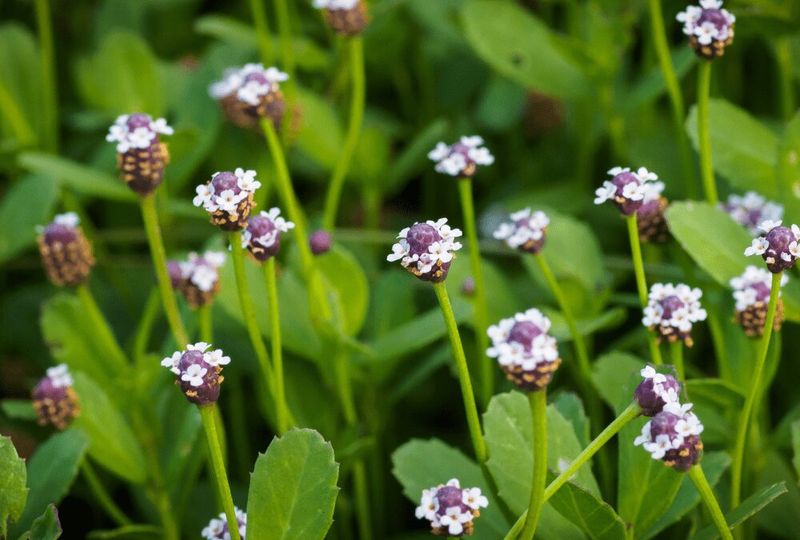
Bees seem to find Frogfruit before people do, which is part of its charm. From a distance it reads as a tidy green mat, but up close the little button-shaped flowers turn a bare patch into a tiny pollinator stop.
Frogfruit, known botanically as Phyla nodiflora, is one of Florida’s most useful native swaps for low, open areas. It can grow in sun to part shade, tolerates moist spells better than many dry-loving groundcovers, and also handles periods of heat once established.
That flexibility makes it a smart choice for yards that are not perfectly dry or perfectly wet, which describes plenty of Florida lawns after summer storms.
Use Frogfruit where you want a relaxed, natural lawn look rather than a putting-green finish. It can be mowed high if you want a neater surface, or left unmowed so the flowers keep feeding small native bees, butterflies, and other beneficial insects.
A year later, Frogfruit often looks like a soft green carpet stitched with blooms, especially when planted from plugs instead of one lonely starter pot. Its biggest advantage is balance: it covers soil, helps wildlife, and still feels familiar enough for homeowners who are nervous about giving up turf all at once.
3. Lyreleaf Sage
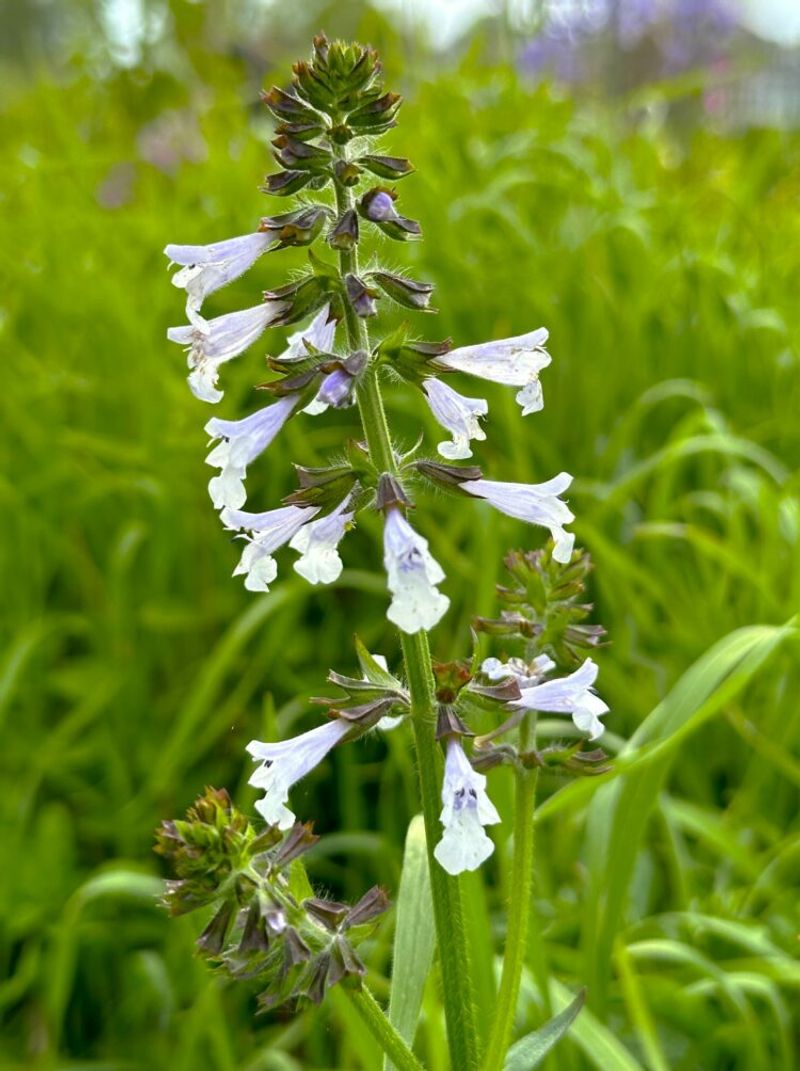
Under a live oak, regular grass often gives up and leaves behind dusty soil, exposed roots, and frustration. Lyreleaf Sage steps into that difficult shade with a looser, woodland-lawn look that feels right at home in Florida.
This native sage forms low rosettes of leaves and sends up purple-blue flower spikes, often in spring. It is especially helpful in part shade, bright shade, and those awkward areas under trees where irrigation does not fully fix the problem.
Instead of forcing sun-loving turf to survive, you are choosing a plant that already understands dappled light and lean soil.
Lyreleaf Sage is not the swap for a high-traffic play zone, but it shines in quiet parts of the yard: under trees, along natural paths, beside rain gardens, and around informal seating areas. After flowering, you can mow or trim the spent stalks if you prefer a lower look.
Its special strength is turning shade from a problem into a feature. The leaves can form a green base through much of the year, while the flower spikes bring a soft, cottage-garden feeling that standard grass never offers.
Plant it with leaf litter or light mulch between young plants the first season, then let it seed and spread naturally where conditions suit it.
4. Blue-Eyed Grass
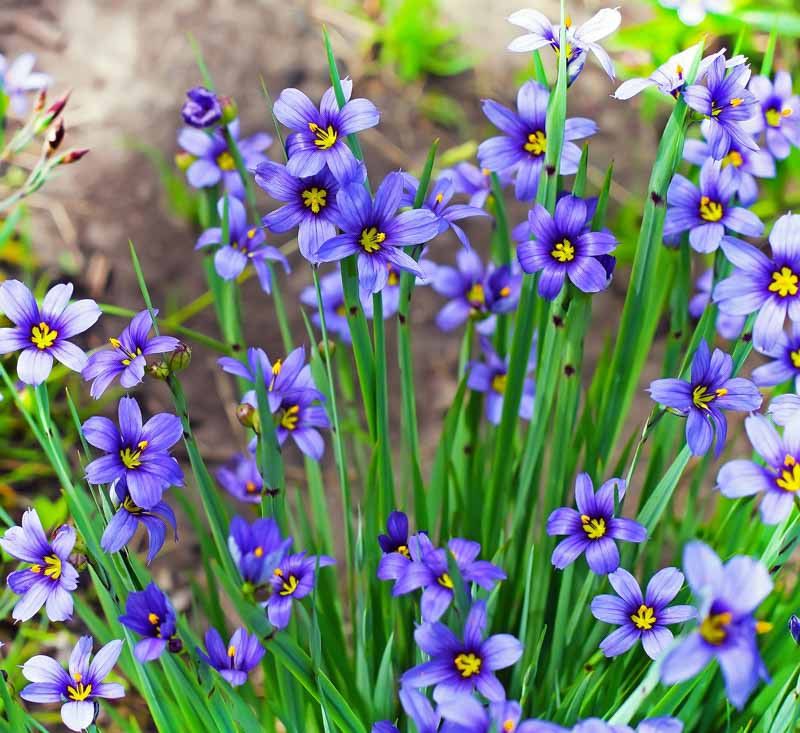
A patch of Blue-Eyed Grass can fool you at first. It has narrow, grassy leaves, but then the little starry blooms open and the whole space suddenly looks intentional instead of neglected.
Despite the name, Blue-Eyed Grass is not a true grass. It is a native wildflower in the iris family, and it works beautifully when mixed into a low meadow lawn or used to soften the edge between turf, beds, and pathways.
In Florida yards, it prefers sunny to lightly shaded spots with decent drainage, making it a good match for sandy soils that do not stay soggy for long.
Think of this swap as the bridge between a lawn and a wildflower planting. It will not create a dense walking surface by itself, but planted in groups with Frogfruit, Sunshine Mimosa, or native grasses, it adds seasonal color and a fine texture that keeps the yard from looking flat.
Blue-Eyed Grass earns its place because it gives bare dirt a gentle, finished look without demanding a formal flower bed. Over one year, clumps can thicken and bloom, especially when weeds are controlled early.
For homeowners who want a lawn alternative that still nods to the look of grass, this little native brings just enough polish and surprise.
5. Dune Sunflower
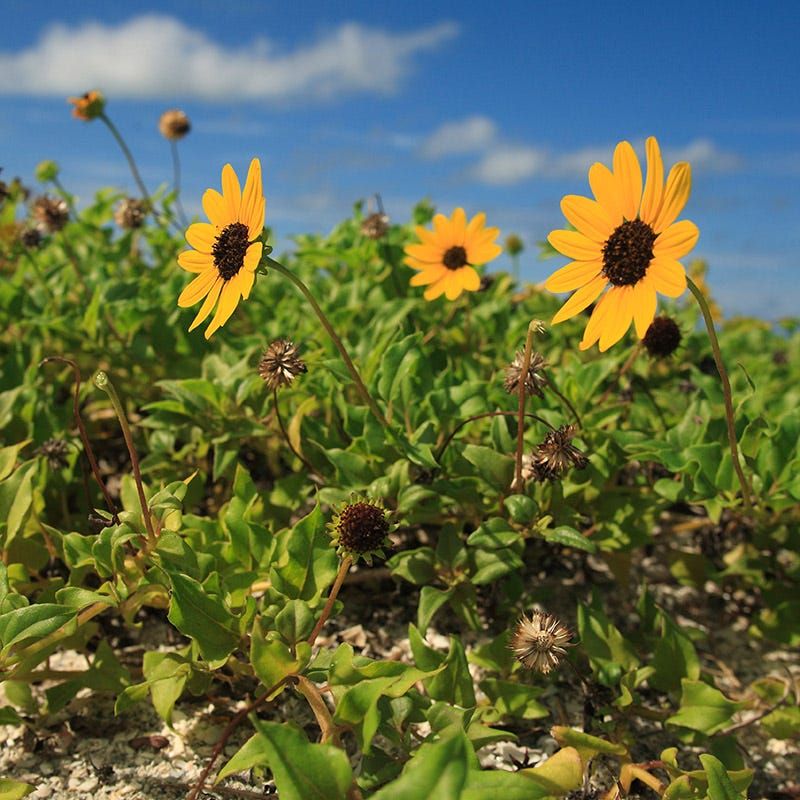
Some bare spots need a plant with a little swagger. Dune Sunflower brings it with bright yellow blooms, sprawling stems, and the kind of sunny attitude that fits Florida’s coastal neighborhoods perfectly.
Dune Sunflower, Helianthus debilis, is a native wildflower that can spread quickly in sunny, sandy sites. It is especially useful where turfgrass struggles near the coast, along hot driveways, or in broad front-yard areas where you want an eye-catching groundcover instead of a clipped lawn.
The flowers attract pollinators, and the plant’s loose habit can make a yard look full much faster than slower groundcovers.
Give it room, because this is not a tiny edging plant. It may wander into paths or nearby beds, so plan to trim it back when needed.
In return, it helps cover exposed soil, softens hardscape, and can keep blooming through warm weather when many yards look tired.
The reason Dune Sunflower stands apart is speed and curb appeal. If your goal is to make a bare, sandy patch look cheerful within a year, few native swaps are as visually rewarding.
It suits informal yards, beachy landscapes, and homeowners who like flowers more than a perfectly flat green surface.
6. Elliott’s Lovegrass
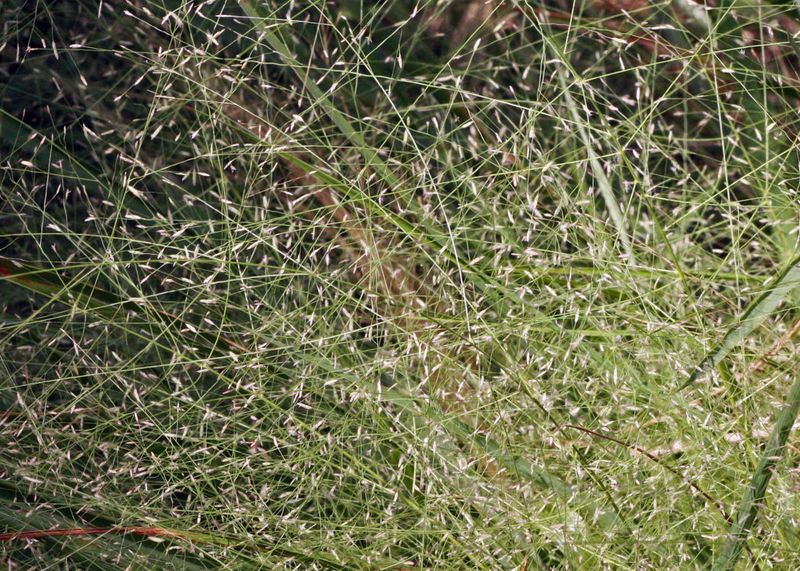
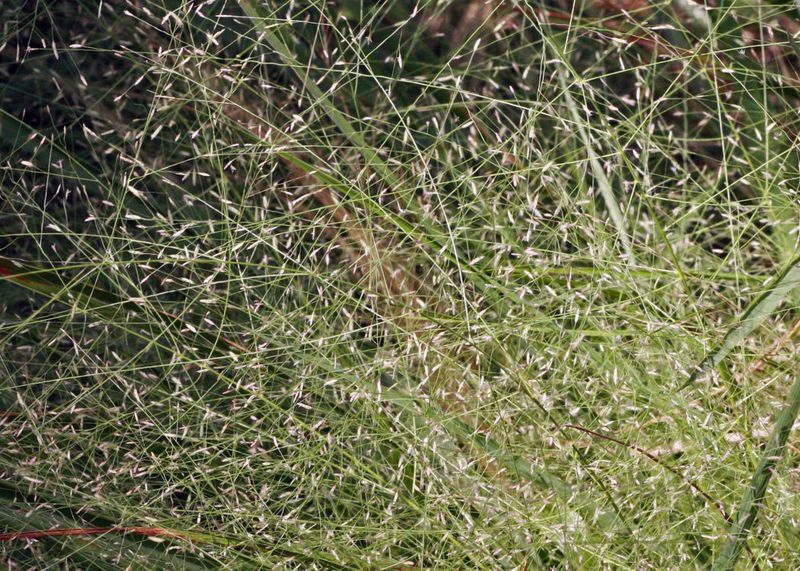
When a yard needs movement instead of another flat mat of green, Elliott’s Lovegrass gives the breeze something to work with. Its fine leaves and airy seedheads catch light in a way that makes a simple planting feel designed.
This Florida native bunchgrass is a strong choice for homeowners who are ready to replace bare dirt with a meadow-style lawn rather than a traditional turf look. It grows in clumps, prefers sun, and can handle sandy, well-drained conditions once established.
Because it does not spread like a running groundcover, it works best when planted in repeated groups with open spaces filled by mulch, Frogfruit, Blue-Eyed Grass, or other compatible natives.
Elliott’s Lovegrass is useful in hot front yards, septic-safe open areas where deep digging is avoided, and low-maintenance borders that need year-round texture. Cut it back once a year if it looks tired, usually before fresh growth pushes strongly again.
Its unique value is structure. Groundcovers cover soil, but native grasses give a yard shape, rhythm, and a more natural Florida identity.
One year after planting, a bare area can look like a soft mini-prairie, especially if you use repeated drifts rather than scattering single plants far apart.
7. Twinflower
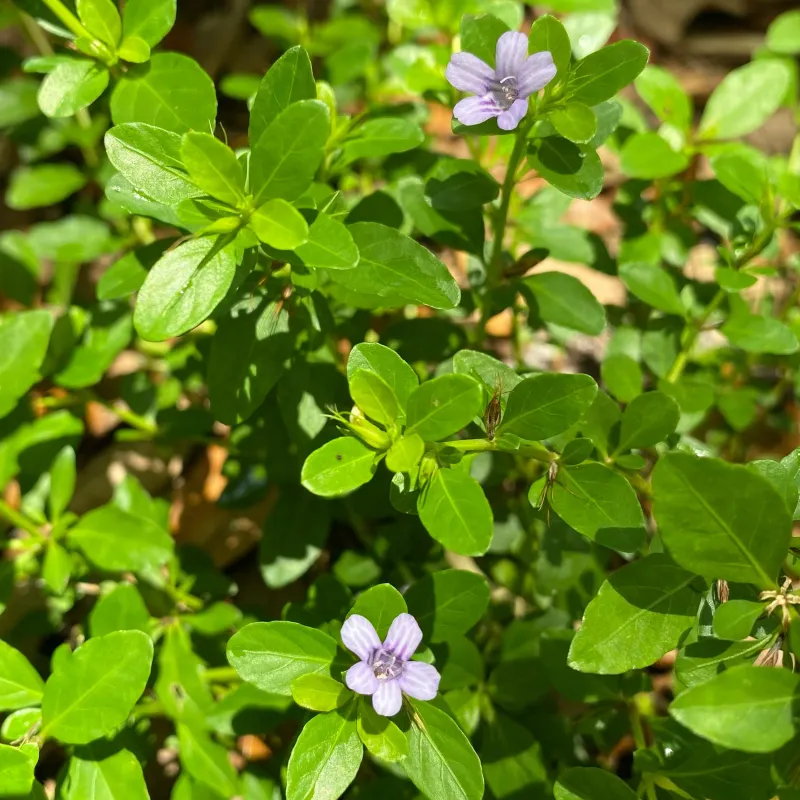
Small yards sometimes need a quiet plant, not a show-off. Twinflower stays low, offers little purple blooms, and can make a patch of bare soil look calm and cared for without stealing attention from the rest of the landscape.
Twinflower, Dyschoriste oblongifolia, is a Florida native groundcover that often works well in part shade to sun, depending on moisture and site conditions. It is a good candidate for areas beside walkways, under open-canopy trees, around patios, and in smaller front yards where a wild, sprawling plant would feel too messy.
Its growth is lower and more restrained than many flowering groundcovers, which helps it fit into neighborhoods where a neat appearance still matters.
During the first year, water during dry stretches and keep weeds from crowding young plants. A light mulch between plugs can protect sandy soil until the Twinflower fills in.
Once established, it can form a green, living layer that reduces the dusty, unfinished look of exposed ground.
Twinflower belongs on this list because it offers a softer landing for gardeners moving away from turf. It feels tidy, Florida-appropriate, and wildlife-aware without turning the whole yard into a tall meadow.
For bare spots near outdoor living areas, that modest personality can be exactly what makes the swap work.