
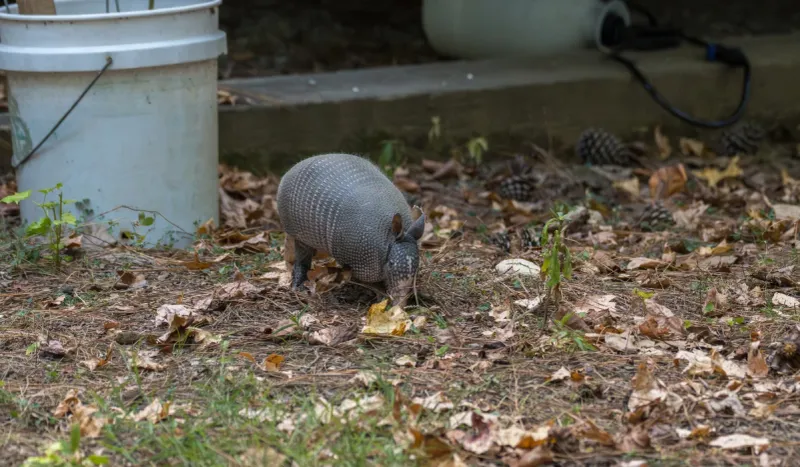
Armadillos can turn a neat Florida lawn into a patchwork of small holes almost overnight. They are not trying to ruin your yard, they are usually hunting for insects, grubs, and soft digging spots.
The trick is learning which yard conditions invite them in first. Once you know what pulls them in, you can make smarter fixes without guessing.
1. Soft, Overwatered Lawn Soil
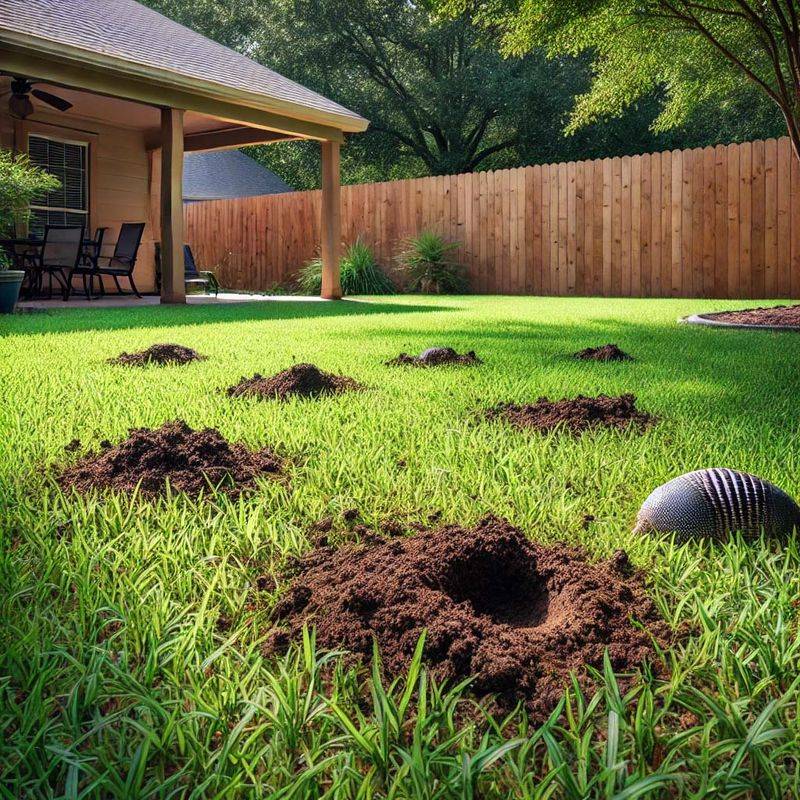
A lawn that stays squishy under your shoes is almost like a welcome mat for an armadillo. In much of Florida, sandy soil drains fast, but heavy irrigation, low spots, compacted layers, or repeated summer rain can keep certain patches soft enough for easy digging.
Armadillos have strong claws, but they still favor the path of least resistance. When the soil is moist, they can nose around for beetle larvae, earthworms, ants, and other small prey without burning much energy.
That is why the damage often shows up after a wet spell or after sprinklers have been running too often.
The fix starts with checking your irrigation schedule, not blaming the animal first. UF-IFAS guidance often reminds Florida homeowners to water based on lawn need and local rules, not a fixed daily habit.
If grass blades are folded, footprints linger, or the color turns bluish gray, water may be needed, but soggy turf is a different problem.
Adjust sprinkler coverage so one zone is not soaking a corner every cycle. Fill small depressions, improve drainage near downspouts, and avoid watering at night when soil stays damp longer.
A firmer lawn does not guarantee armadillos will leave forever, but it removes one of the easiest invitations.
2. Grub-Rich Turf and Insect Hot Spots
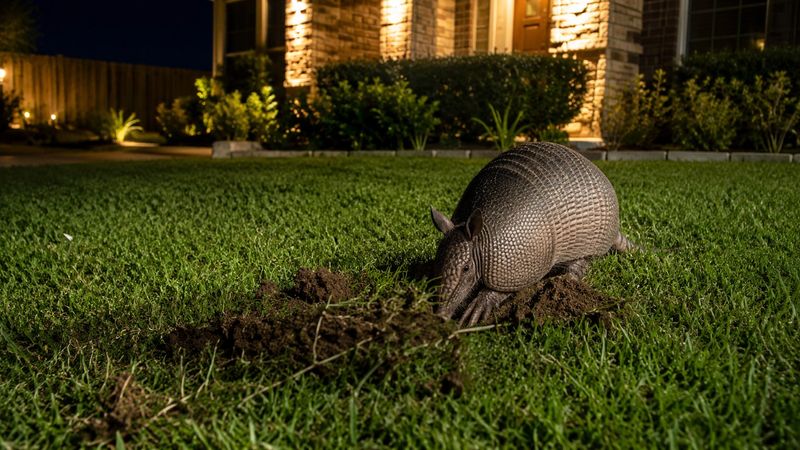
Picture an armadillo reading your lawn like a menu. It does not care about curb appeal, but it can smell and hear tiny food sources under the surface better than most homeowners realize.
Grubs, mole crickets, beetle larvae, ants, termites in decaying wood, and other soil insects can draw repeated visits. Florida lawns can support plenty of insect life, especially during long warm seasons when pests stay active for much of the year.
Armadillo holes often appear as shallow, cone-shaped pits where the animal tested the soil for food.
Before treating anything, confirm there is a real pest problem. Dig a small square of turf in damaged areas and look for grubs or other larvae near the root zone.
If you see widespread turf thinning, spongy grass, or birds also feeding heavily, insects may be part of the pull.
Use targeted controls instead of blanket pesticide use. Healthy turf, proper mowing height, and correct watering can reduce stress that makes lawns more vulnerable.
When insect control is needed, choose products labeled for the pest and your lawn type, and follow Florida extension recommendations carefully.
Removing the food source is not instant, but it changes the pattern. Armadillos are persistent foragers, and a yard with fewer underground snacks becomes less rewarding over time.
3. Mulched Beds Packed With Worms and Beetles
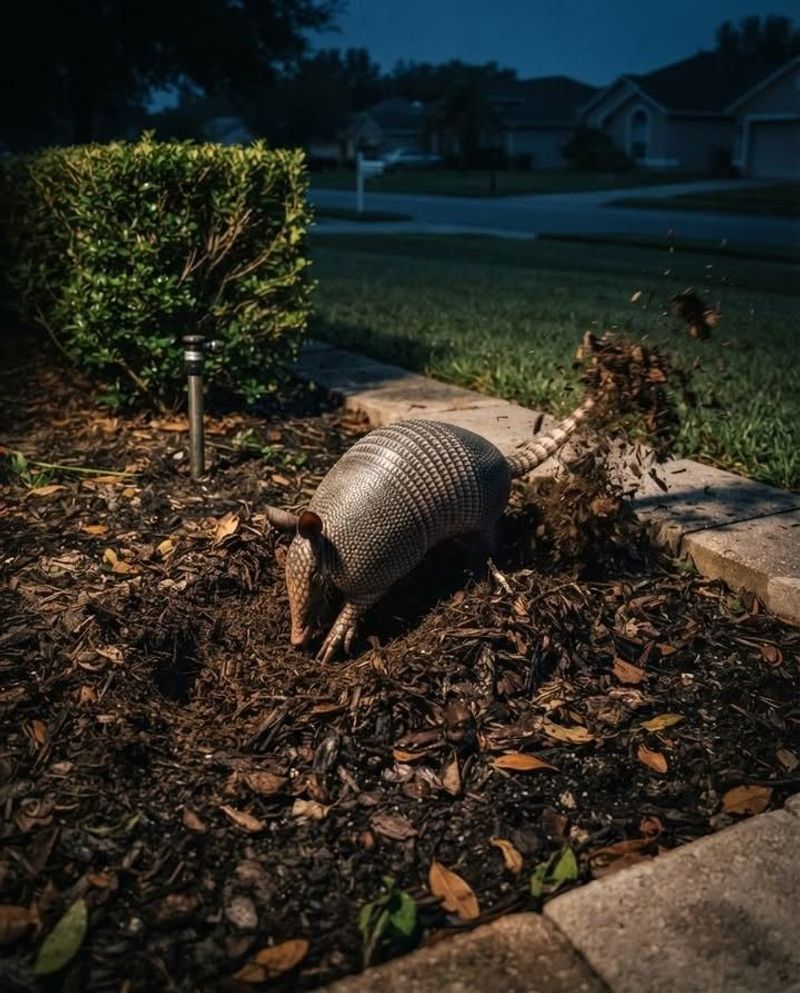
Fresh mulch can make a front bed look finished, but to an armadillo it may feel like a loose buffet line. Bark nuggets, pine straw, leaves, and composted material hold moisture and shelter the small creatures armadillos hunt.
Garden beds are easier to dig than compacted lawn, especially along edges where mulch meets turf. That border is a favorite search zone because insects collect there, roots create little pockets, and irrigation overspray often keeps the area damp.
The damage may look like scattered rooting, flipped mulch, or small holes beside ornamental plants.
Mulch is still useful in Florida gardens, especially for cooling soil, conserving moisture, and reducing weeds. The goal is not to remove every bit of it.
Instead, keep mulch at a sensible depth, usually around 2 to 3 inches for many landscape beds, and avoid piling it against trunks or stems.
If armadillos keep tearing up the same bed, try a heavier mulch texture in that area or create a firmer edge with stone, brick, or metal edging set partly into the soil. Pull mulch back from tender new plantings until roots settle.
Native, well-adapted plants that need less frequent irrigation can also make beds less damp and less attractive to foraging wildlife.
4. Low, Hidden Spaces Under Decks, Sheds, and Porches
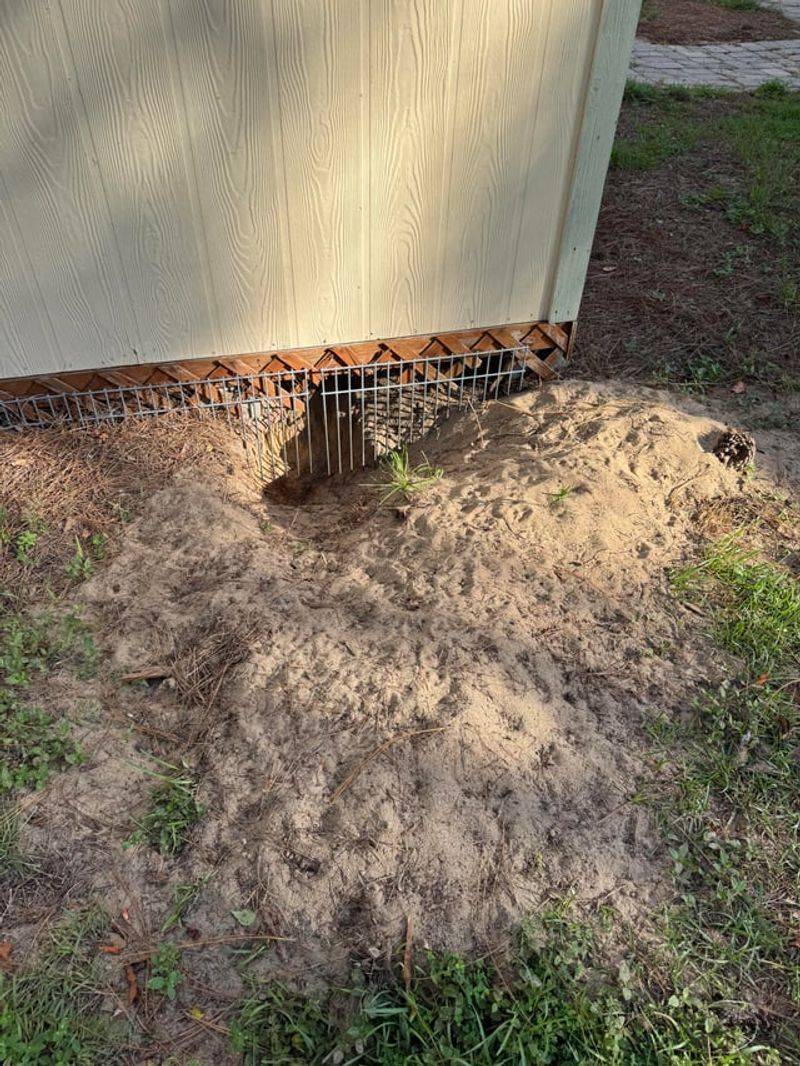
The quietest corner of the yard is often the one armadillos inspect first. A low gap under a shed, porch, deck, or raised air-conditioning platform can look like safe shelter from heat, dogs, people, and afternoon storms.
Nine-banded armadillos dig burrows for resting and raising young, and Florida yards offer plenty of tucked-away spots. Loose sandy soil makes the work easier.
If the area is shaded, dry, and close to food-rich lawn or beds, it becomes even more appealing.
Look for a rounded entrance, loose soil pushed out like a small fan, and repeated tracks or paths leading to the opening. Do not block a hole until you are sure the animal is out.
Trapping and wildlife rules can vary, so Florida homeowners should check current state and local guidance or call a licensed wildlife professional for persistent burrow problems.
Prevention works best before a burrow is established. Install hardware cloth or sturdy exclusion material around vulnerable openings, burying the bottom edge several inches into the soil and angling it outward where possible.
Repair loose lattice, broken skirting, and gaps under steps.
Keep storage areas neat, too. Stacked boards, old pots, and clutter create protected lanes that let armadillos move around without feeling exposed.
5. Leaf Litter, Brush Piles, and Messy Back Corners
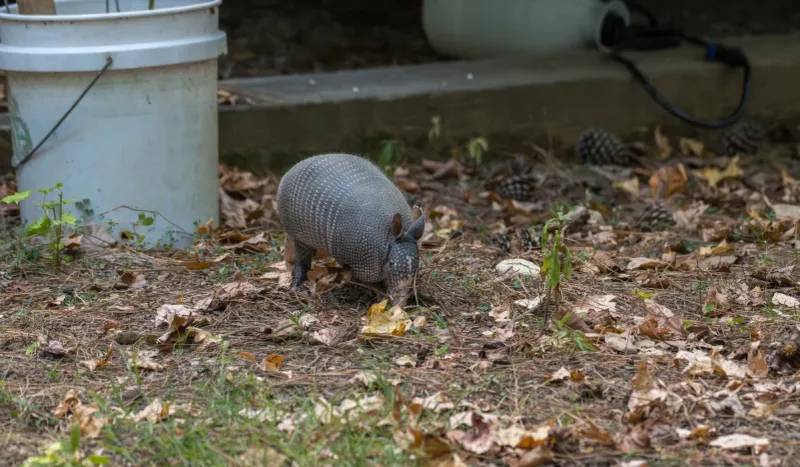
Every yard has a spot where palm fronds, oak leaves, and weekend cleanup projects seem to pile up. Armadillos are quick to investigate those messy back corners because they often hide insects, moisture, and cover all in one place.
Leaf litter is not bad by itself. In fact, a light layer under trees can support beneficial insects and improve soil over time.
The trouble starts when debris becomes thick, damp, and undisturbed right beside lawn, fences, sheds, or foundation plantings.
In Florida, warm weather speeds up decomposition and keeps bugs active. A brush pile can become a mini habitat for roaches, beetles, ants, worms, and other invertebrates.
To an armadillo, that is useful foraging ground with a roof over it.
You do not have to sterilize the yard. Move habitat piles to a planned wildlife corner away from the house and away from freshly damaged turf.
Keep the area near patios, walkways, vegetable beds, and foundation shrubs cleaner and more open.
Bag or compost heavy piles after storms, especially when hurricanes or summer squalls drop branches and palm debris. If you want a wildlife-friendly yard, make the habitat intentional rather than accidental.
A tidy edge around living spaces can reduce armadillo traffic while still leaving room for birds, lizards, and pollinators elsewhere.
6. Freshly Planted Beds With Loose Sandy Soil
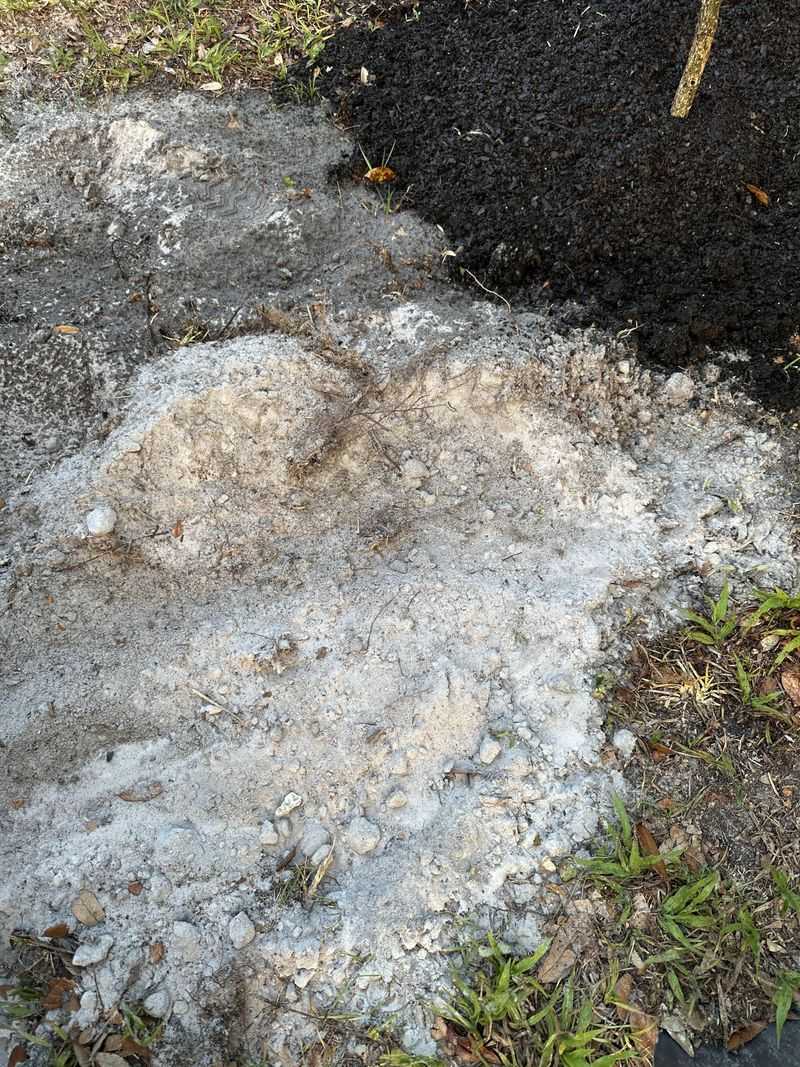
New garden beds have a way of attracting attention from everyone, including wildlife. After you loosen soil, add compost, install plants, and water everything in, an armadillo may find the area much easier to probe than the surrounding packed ground.
Florida gardeners often work with sandy soil, which already shifts easily. When it is freshly turned and damp, roots have not locked it together yet.
Young transplants also create small pockets where insects gather and water lingers, giving armadillos more reason to nose around.
The frustrating part is that the animal may not be after the plant at all. It may simply be searching near the root ball for worms, larvae, or other prey.
Unfortunately, shallow-rooted annuals, vegetables, herbs, and new perennials can get lifted or exposed in the process.
Protect new beds during the first few weeks, when they are most vulnerable. Press soil firmly around root balls, water deeply but not constantly, and cover exposed soil with a moderate mulch layer after planting.
For high-value beds, temporary low fencing or landscape staples holding wire mesh flat over open soil can help until roots settle.
Choose Florida-adapted plants whenever possible, especially natives suited to your light and drainage. Stronger plants establish faster, need less fussing, and help the bed become less easy to disturb.
7. Yards With Easy Night Access and No Barriers
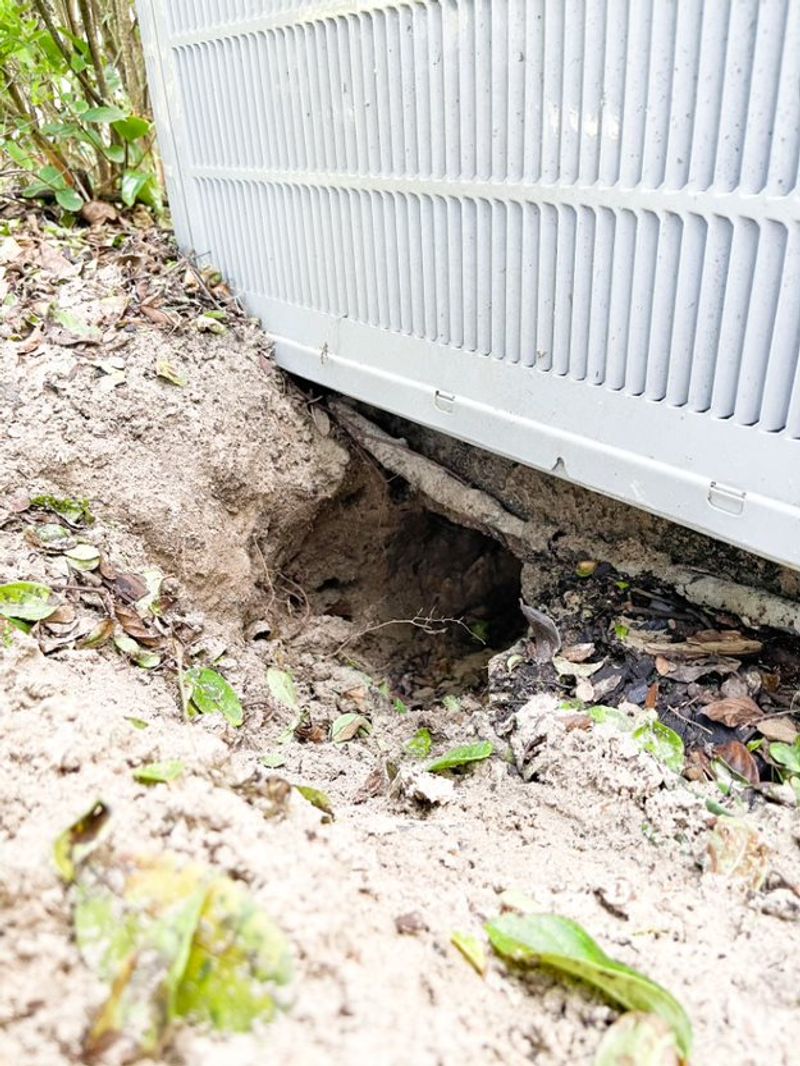
Sometimes the biggest invitation is not food, water, or mulch. It is a simple gap under the fence that lets an armadillo stroll in after dark like it owns the place.
Armadillos are most active during cooler parts of the day and night, especially in warm Southern climates. A yard with open side gates, loose fence bottoms, drainage gaps, or unfenced green space behind it is easier to enter and revisit.
Once the animal learns the route, the same damage can show up night after night.
Standard fencing alone is not always enough because armadillos can dig. The barrier needs to address the lower edge.
Hardware cloth, welded wire, or sturdy fencing buried several inches below grade and bent outward can make digging under more difficult.
Walk the fence line after rain when tracks and disturbed sand are easier to spot. Look behind shrubs, near gates, beside drainage swales, and along the back property line.
Small openings can be more important than they look.
Barrier work is especially useful when paired with the other fixes on this list. If your lawn is full of grubs and your beds are soft, a fence repair alone may not solve the issue.
But when the yard offers fewer rewards and fewer easy entrances, armadillos have less reason to keep testing it.