
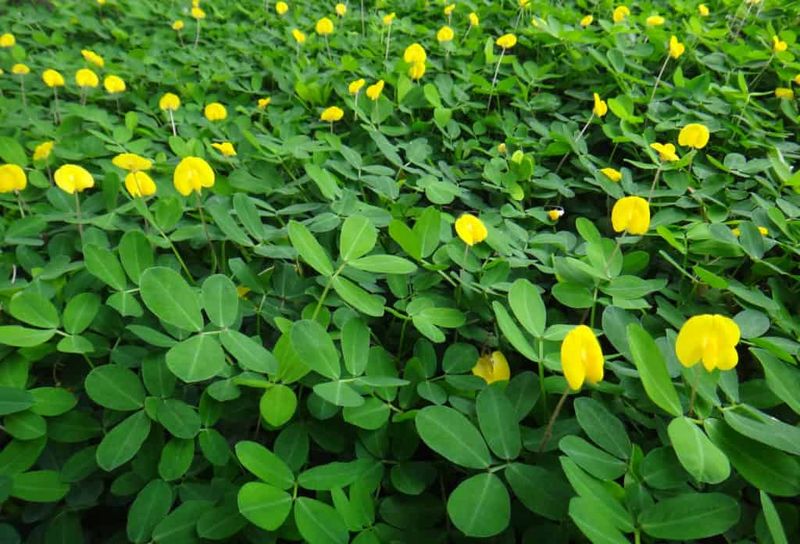
By September, many Florida lawns look tired, patchy, and brown around the edges. St. Augustine grass can struggle after months of heat, sandy soil, pests, and uneven rain.
Native ground covers give you another option, especially in spots where turf keeps failing. These plants can help your yard stay greener, softer, and more wildlife-friendly with less fuss.
1. Sunshine Mimosa
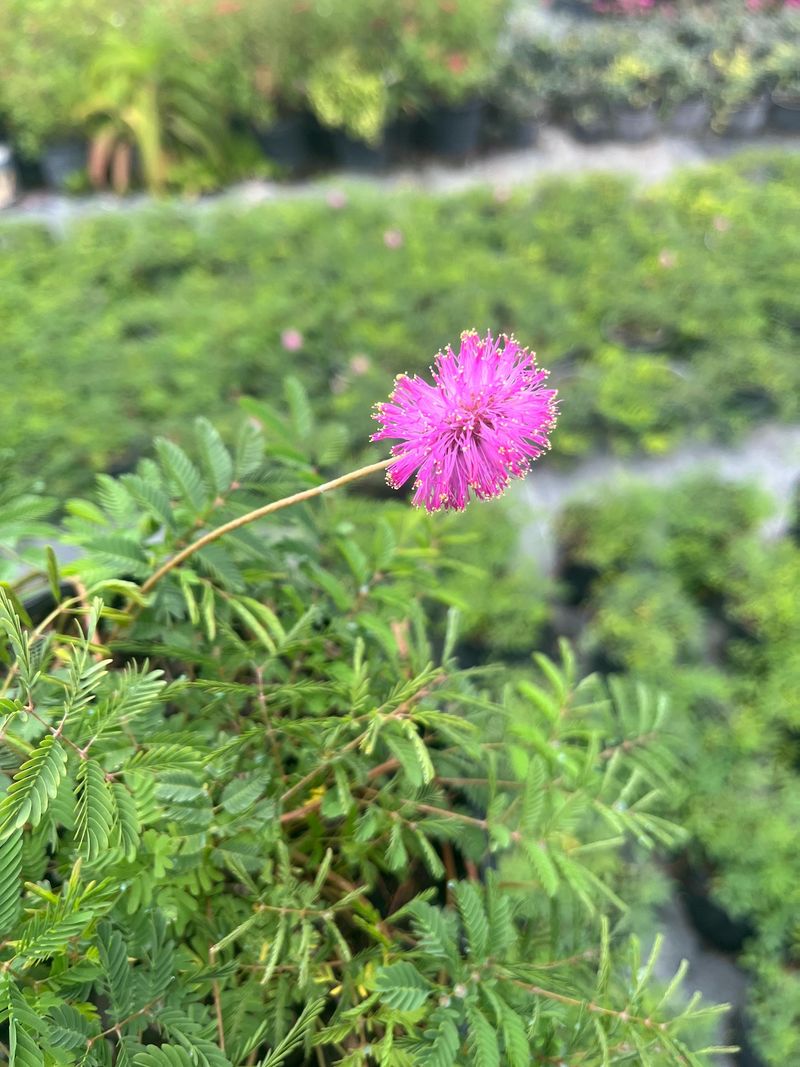
A little pink puffball can change the whole mood of a tired lawn. Sunshine mimosa, also called Mimosa strigillosa, is one of the best-known native lawn alternatives in Florida because it stays low, spreads by runners, and brings cheerful blooms that look almost like tiny fireworks.
Use it where St. Augustine thins in full sun or light shade, especially in sandy soil that drains fast. Once established, it can handle foot traffic better than many flowering ground covers, though it is not meant for constant rough play like a sports field.
What makes sunshine mimosa stand apart is its lawn-like feel. The foliage forms a soft green mat, and the flowers attract pollinators without making the planting look messy or overgrown.
Give new plugs steady moisture while they knit together, then back off as roots settle in. It may go a little sparse in winter in cooler parts of North Florida, but in much of the state it gives a green, lively look long after September heat has worn down thirsty turf.
2. Frogfruit
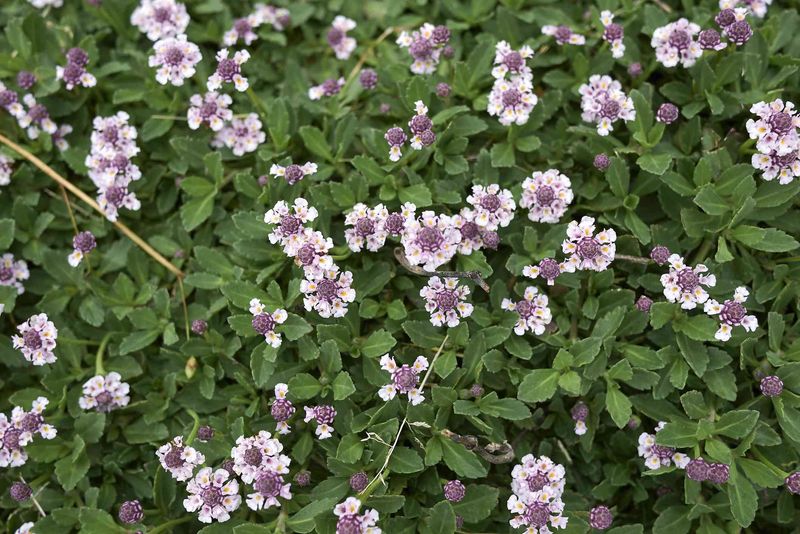
Butterflies seem to find frogfruit before people do. Phyla nodiflora is a tough native ground cover with tiny flower clusters that feed small pollinators, including several native bees and butterflies, while keeping a yard from looking bare.
Frogfruit earns its place on this list because it tolerates the rough middle ground where many plants complain. It can grow in sun to part shade, handles moist periods, and also copes with drier stretches once established.
The look is informal, not golf-course neat, so it fits best in natural lawns, side yards, pollinator strips, and mixed native plantings. Mowing it high a few times a year can keep it lower and denser, but frequent close mowing will reduce flowers.
Gardeners who are tired of fighting chinch bugs in St. Augustine often like frogfruit because it shifts the goal from perfect turf to living green cover. In late summer, when traditional grass may look stressed, frogfruit often keeps pushing along with fresh leaves and small blooms.
3. Perennial Peanut
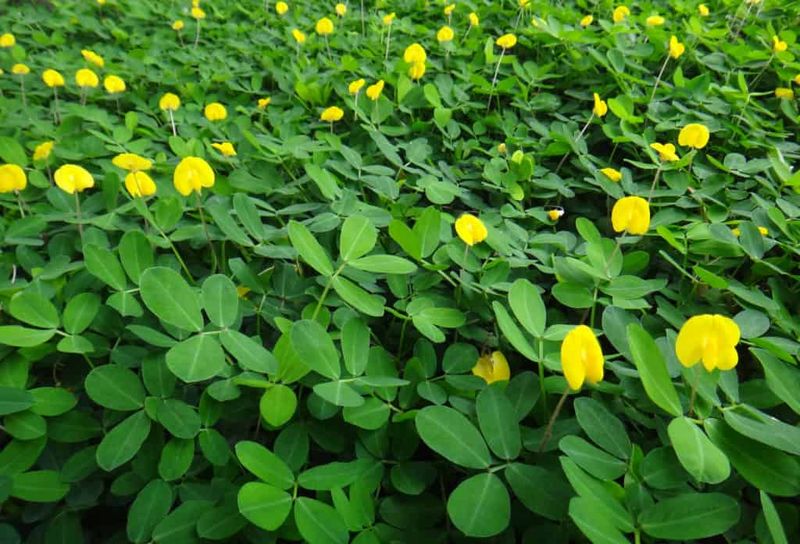
Few ground covers look as happy in heat as perennial peanut. Although homeowners often talk about it alongside native-style Florida lawn alternatives, choose Florida-friendly, non-invasive selections carefully and use it where UF-IFAS recommendations support it for your area.
Its standout trait is durability in sunny, open places. Perennial peanut forms a dense, bright green carpet with yellow flowers, and it asks for much less mowing than St. Augustine once it fills in.
Plant it in full sun for the best coverage and bloom. It dislikes heavy shade, so do not expect it to solve problems under dense live oaks or along the north side of a house.
In September, its color can be a relief when turf nearby looks cooked. Sandy soil is not a dealbreaker, but establishment matters, so water new plantings until roots spread and keep weeds down while the patch thickens.
One practical note: perennial peanut spreads from rhizomes and is usually installed by plugs, sod, or rhizome pieces rather than seed. That can cost more up front, but the payoff is a clean, low-growing cover that suits hot Florida front yards and sunny hell strips.
4. Beach Sunflower
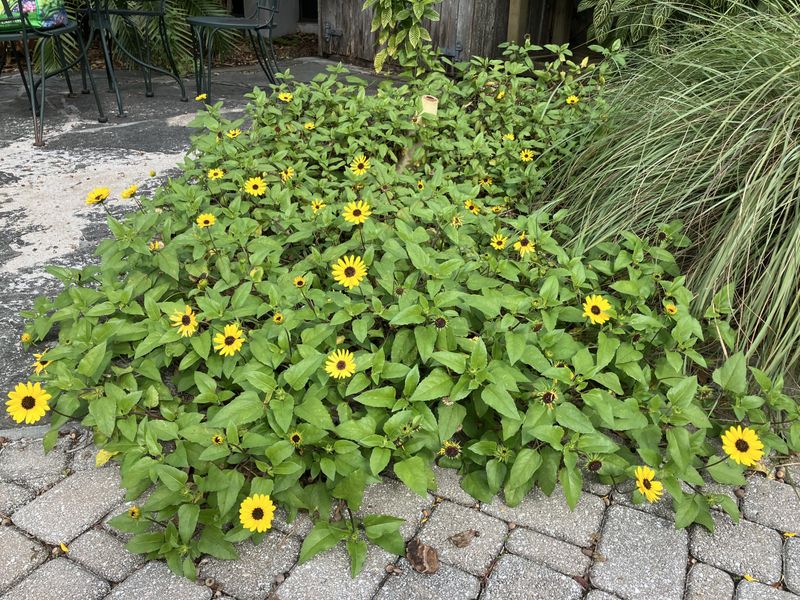
Salt air, blazing sun, and sandy soil do not scare beach sunflower. Helianthus debilis is a Florida native that brings a coastal, cheerful look to places where St. Augustine often turns thin and crispy.
Unlike tighter lawn substitutes, beach sunflower has a looser, flower-forward personality. It spreads across open ground, blooms with sunny yellow daisies, and helps cover hot bare soil along driveways, mailboxes, dunes, and curb strips.
Give it full sun and room to wander. In rich or irrigated beds it can move quickly, so edge it or place it where spreading is welcome.
The big advantage is visual impact. A patch of beach sunflower does not just stay green, it turns a problem area into a bright feature that looks intentional from the street.
After heavy bloom or storm damage, trim it back to refresh the growth. Coastal gardeners especially appreciate its tolerance for wind and salt, but inland gardeners can use it too if the site drains well.
For a yard that feels more Florida and less thirsty suburban turf, this plant makes a strong case.
5. Lyreleaf Sage
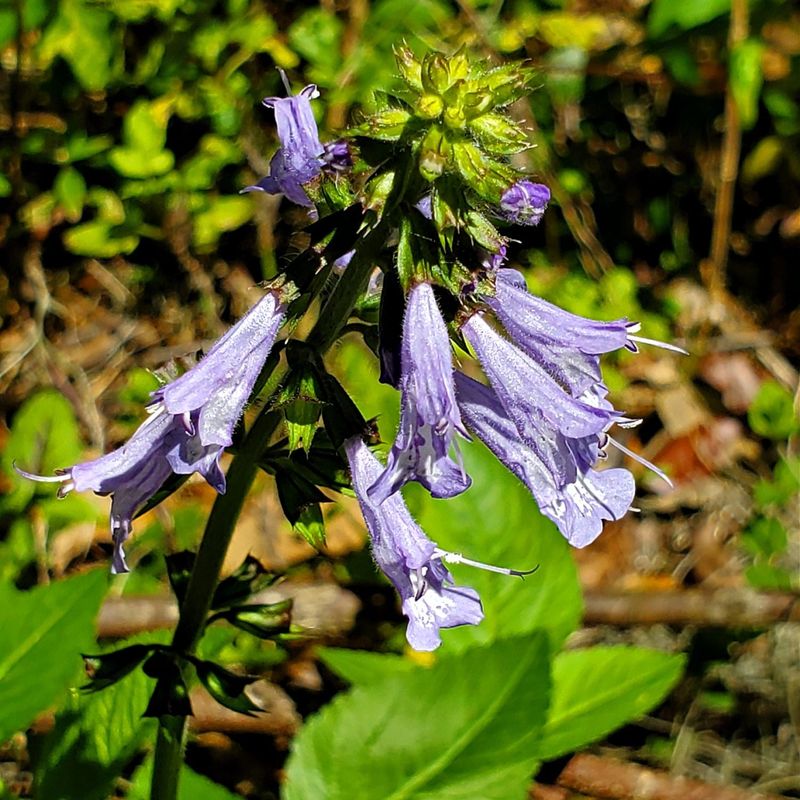
Under trees, the lawn battle can feel rigged from the start. Lyreleaf sage, Salvia lyrata, steps into those partly shaded spaces with green basal leaves and spring flower spikes that bring a soft woodland look.
Its best use is not as a smooth turf copy. Instead, think of it as a living layer for areas where grass keeps fading under high pine shade, open oak canopies, or along the edge of a natural bed.
Lyreleaf sage can self-seed when it is happy, which is helpful if you want a relaxed native patch that fills in over time. The low rosettes stay attractive through much of the warm season, and the flowers support pollinators without demanding showy-bed maintenance.
Moist, well-drained soil helps it settle in, but it is more forgiving than many ornamental perennials. Avoid soggy, compacted spots that stay wet after storms.
What makes lyreleaf sage different from the sun-loving picks is shade tolerance. When September arrives and St. Augustine has thinned into dirt beneath trees, lyreleaf sage can make that same area look like a planned native garden instead of a failed lawn.
6. Twinflower
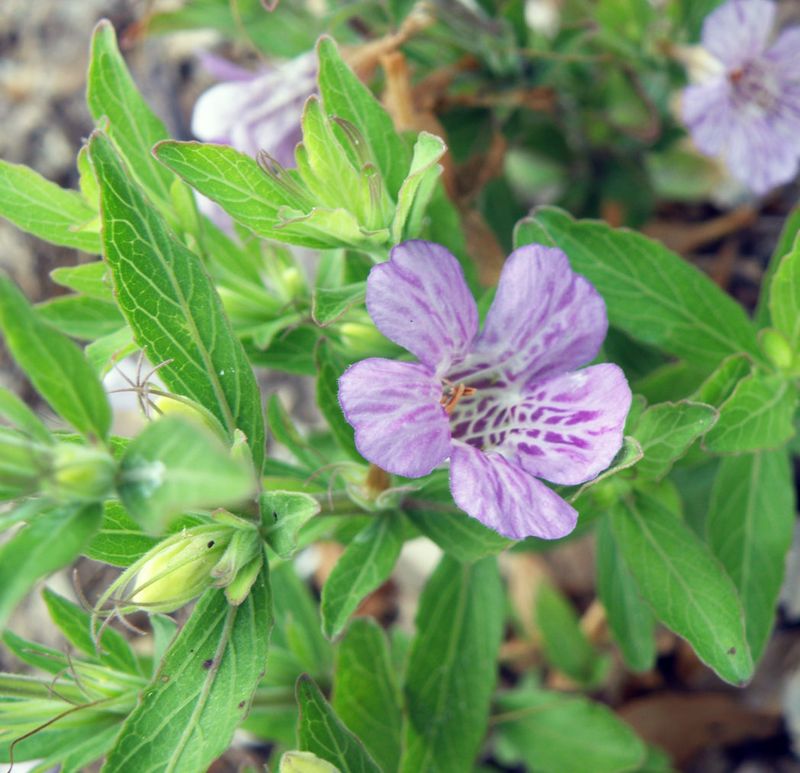
Paired little blooms give twinflower its name, and they add charm without shouting for attention. Dyschoriste oblongifolia is a Florida native ground cover that works beautifully where you want a neat, green layer with small lavender flowers.
Twinflower stands out because it can bridge the gap between lawn substitute and garden edging. It looks tidy enough near walkways, but it still has the ecological value of a native plant that supports small pollinators.
Use it in sun to part shade, especially in areas with average moisture. It is not the plant for the driest, hottest strip of sand by the road, but it can shine in beds, borders, and softer lawn transition zones.
Once established, twinflower can spread into a pleasant mat. Light trimming helps keep it compact if it starts leaning into paths or neighboring plants.
For homeowners trying to shrink a stressed St. Augustine lawn one piece at a time, twinflower is a friendly starter plant. It makes sense around patios, beneath open shrubs, or in front-yard islands where a patch of green needs to look cared for without becoming another high-maintenance chore.
7. Creeping Sage
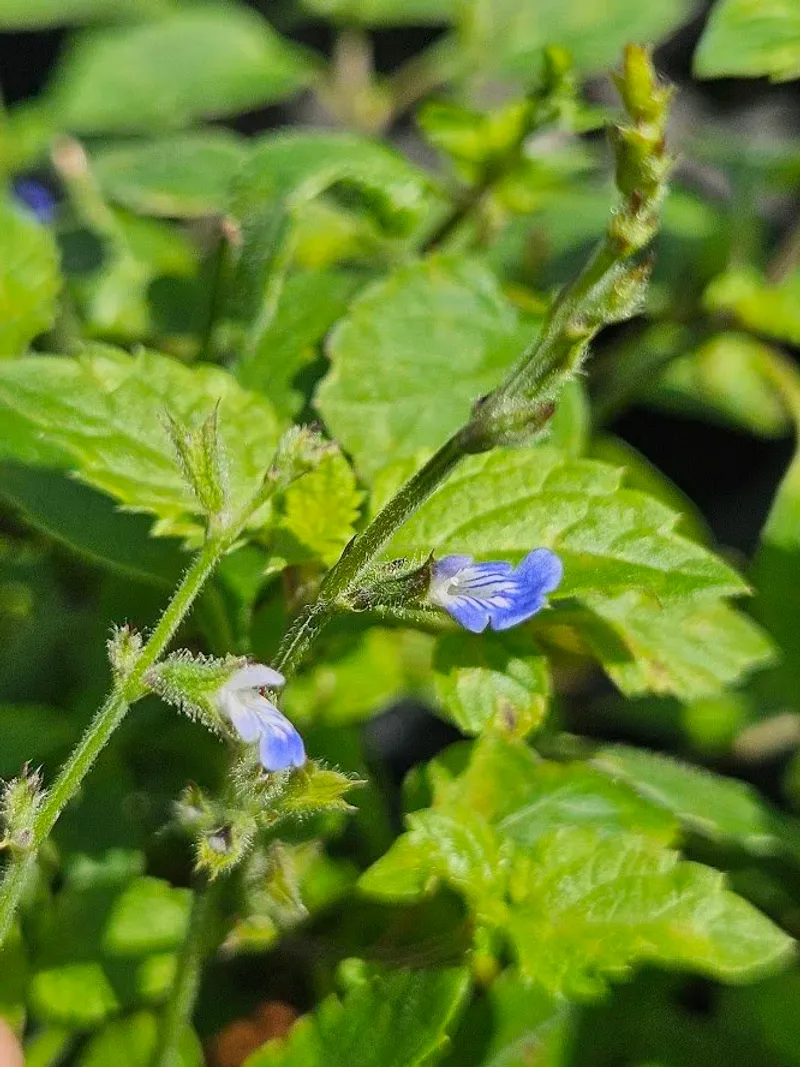
A dry patch beside the driveway does not have to stay bare. Creeping sage, Salvia misella, is a low native plant that can handle lean Florida conditions while adding small flowers and a soft green texture.
Its quiet strength is flexibility. Creeping sage can grow in sun to part shade, and it is useful in sandy areas where you want coverage without the thirsty habits of traditional turf.
The plant stays low and natural-looking, so it fits best in informal native lawns, pocket meadows, and between stepping stones where traffic is light. It will not give you the thick, uniform look of St. Augustine, but that is part of the point.
Small blooms attract pollinators, and the foliage helps protect soil from baking in late summer. In a Florida yard, that matters because exposed sand heats up fast and invites weeds after rain.
Start with plugs or divisions, water them through establishment, and let the planting fill in gradually. Creeping sage is a good choice for gardeners who want a low-key native cover that feels relaxed, practical, and more in tune with Florida weather than a lawn that browns out before fall even begins.