

Your California yard might be doing something you never intended: inviting cockroaches to move in right next to your house. Little everyday habits like overwatering, stacking firewood, or letting mulch pile up create the exact damp, hidden shelter roaches love.
The good news is that most of these mistakes are easy to spot once you know what to look for. Here are the yard habits that quietly welcome roaches, and the ones worth breaking first.
1. Overwatering Your Lawn and Beds
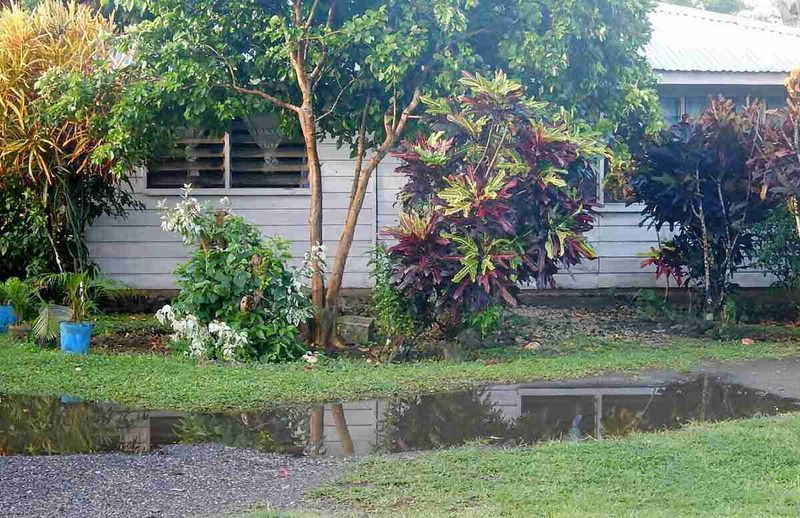
Water is the number one thing cockroaches hunt for, and a lawn that stays soggy hands it to them free of charge. In much of California, where summers run long and dry, roaches will travel toward the most reliable moisture on your property, and an overwatered yard becomes a magnet.
Puddles that linger, sprinklers running at dusk, and beds that never fully dry give roaches a place to drink and breed. American cockroaches in particular thrive in damp mulch and wet soil close to the foundation.
Switch to deep, infrequent watering in the early morning so the surface dries out by afternoon. Drip irrigation aimed at plant roots, rather than overhead spray, cuts the standing water that pests rely on.
As a bonus, watering this way fits California’s water-wise goals and can lower your bill.
2. Thick Mulch Piled Against the Foundation

Mulch does wonderful things for a drought-conscious garden, holding moisture and cooling roots, but pile it too thick and too close to the house and you have built roaches a cozy apartment. The dark, damp layer underneath is exactly the kind of hideout they seek during long California dry spells.
The trouble usually starts when mulch creeps right up to the stucco or siding, giving insects a shaded highway straight to your walls. Wood-based mulches that stay wet are especially inviting.
Keep mulch to about two or three inches deep and pull it back six to twelve inches from the foundation, leaving a dry gap. Consider decomposed granite or gravel in that border zone, which drains fast and offers no cover.
You still get the water-saving benefits farther out in the beds where they belong.
3. Stacking Firewood Right Next to the House
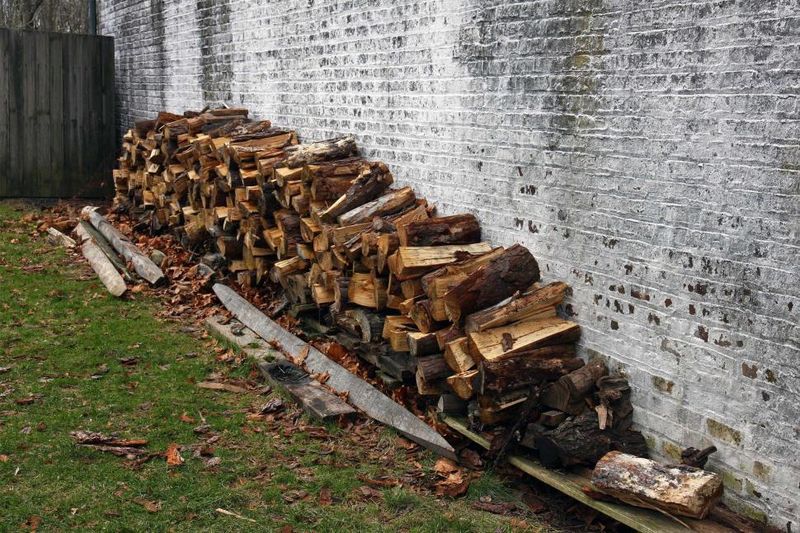
That tidy woodpile against the garage may look like smart prep for cool evenings, but to a cockroach it reads as a five-star hotel. The gaps between logs stay dark, sheltered, and often damp, which is everything a roach wants in a home base.
Firewood stacked against a wall also gives pests a direct bridge from the pile to the cracks in your siding. Once they settle in the wood, they are just a short crawl from getting indoors.
Move woodpiles at least twenty feet from the house and raise them off the ground on a rack. Only bring in what you plan to burn soon, since long-stored wood collects both moisture and insects.
Keeping the stack out in the open sun makes it far less appealing to anything looking to hide.
4. Letting Leaf Litter and Yard Debris Build Up
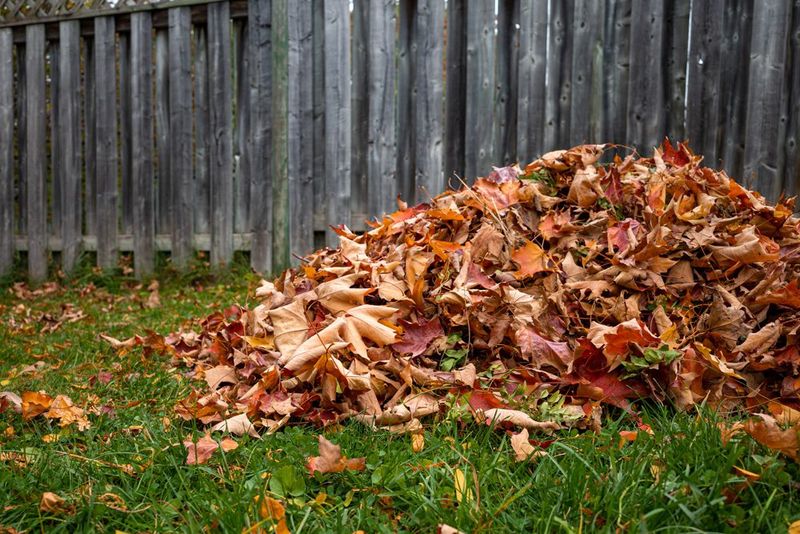
A blanket of fallen leaves in the corner of the yard feels harmless, almost natural, until you flip it over and find the moist, protected world roaches adore. Decaying organic matter gives them both food and shelter in one convenient pile.
Grass clippings left in heaps, forgotten planter trays, and leaves clogging drainage areas all trap moisture and rot slowly. Along fence lines and side yards, where the sun rarely reaches, these spots stay damp for weeks.
Rake up debris regularly and compost it in a sealed bin well away from the house instead of leaving loose piles. Clear leaves out of drains and low spots so water moves through rather than sitting.
A yard that dries out and stays clear of clutter simply has fewer places for pests to settle.
5. Overgrown Shrubs Touching the House
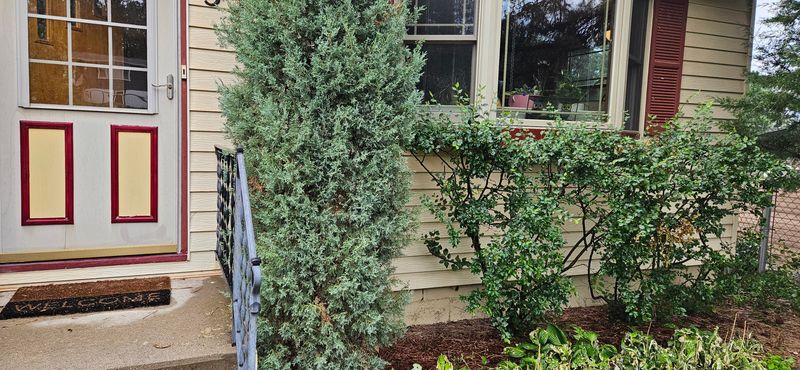
Picture a shrub whose branches brush right against your window frame every time the wind blows. To a cockroach, that leafy bridge is an invitation to skip the ground entirely and climb straight toward the cracks around your doors and vents.
Dense plantings pressed against walls hold humidity, block airflow, and create the shaded, still conditions pests love. Ivy climbing the siding is one of the worst offenders, hiding activity you would never spot from the yard.
Trim shrubs so a clear gap of a foot or more sits between foliage and the house. Thin out crowded plants to let light and air move through, which dries the area and discourages hiding.
Choosing drought-tolerant California natives that you space properly keeps the look lush without turning your walls into a pest runway.
6. Leaky Hoses, Faucets, and Drain Spouts

A slow drip from an outdoor spigot seems like a minor nuisance, the kind of thing you mean to fix eventually. Cockroaches, though, treat that steady trickle as a private watering hole, and in dry California conditions it can sustain a whole population.
Leaky hose bibs, cracked hose connections, and downspouts that dump water right at the foundation all create the constant moisture roaches depend on. The damp soil left behind stays inviting long after the drip is gone.
Walk your perimeter and fix worn washers, tighten fittings, and replace any hose that seeps at the joints. Redirect downspouts several feet away from the house with extensions or splash blocks.
Cutting off these small water sources removes one of the strongest reasons roaches choose to linger near your walls.
7. Uncovered Trash and Pet Food Left Outside
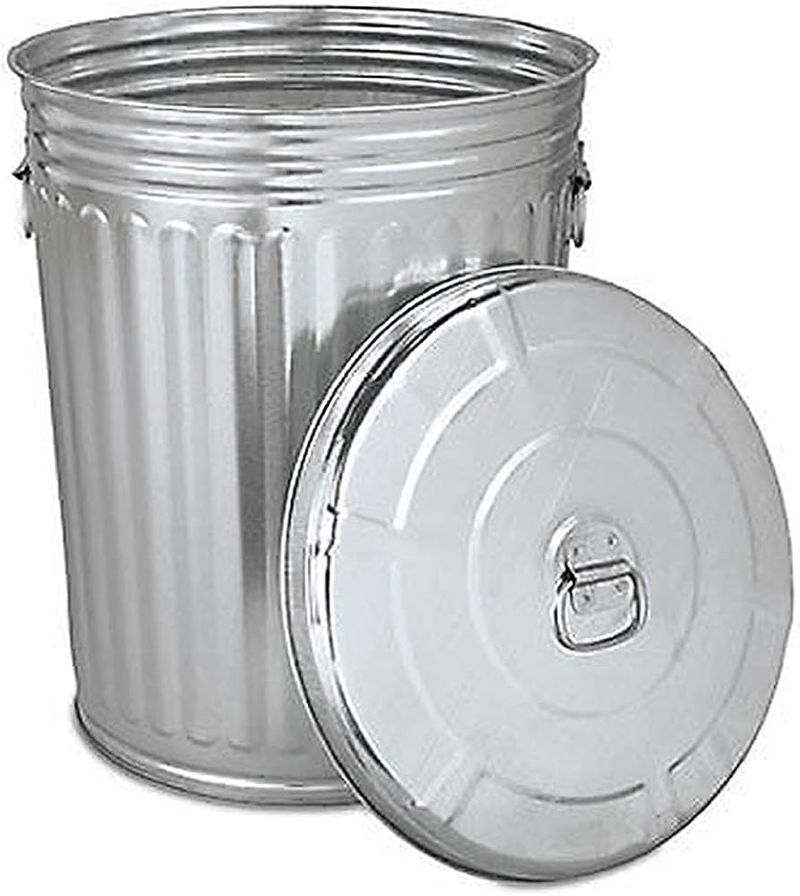
Roaches will happily settle for water alone, but hand them an open buffet and they will never want to leave. An uncovered trash can or a bowl of kibble on the patio gives them the food supply that turns a passing visit into a full-blown infestation.
Cans without tight lids, spilled birdseed, fallen fruit under trees, and pet dishes left out overnight all read as dinner. Even a bit of grease on an outdoor grill can keep them coming back.
Use bins with snug, locking lids and rinse them out when they get grimy. Bring pet food indoors after meals and sweep up dropped seed and fruit promptly.
When the free meals disappear, your yard loses much of its appeal, and roaches move along in search of an easier target elsewhere.