
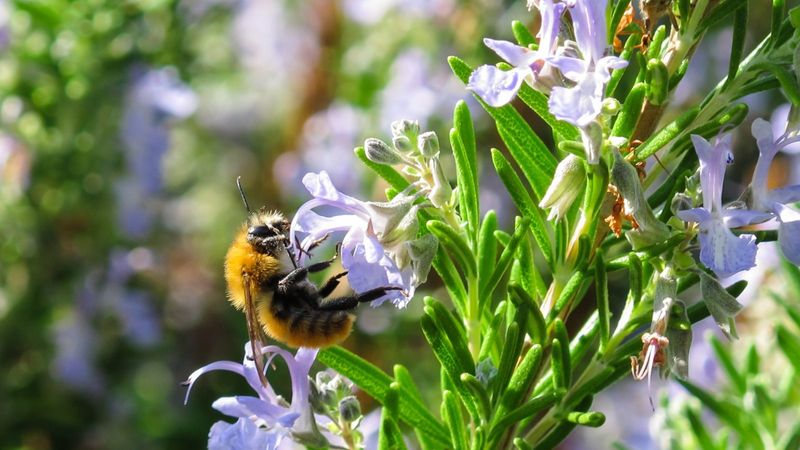
Imagine sitting in your California yard on a warm summer evening, watching butterflies float by while mosquitoes stay far away. The right plants can make that happen without any chemicals or extra effort.
Many California natives and Mediterranean-friendly plants naturally welcome pollinators while giving mosquitoes reasons to keep their distance. Here are ten plants that do both jobs at once, and they fit right into a water-wise, drought-tolerant yard.
1. California Lilac (Ceanothus)
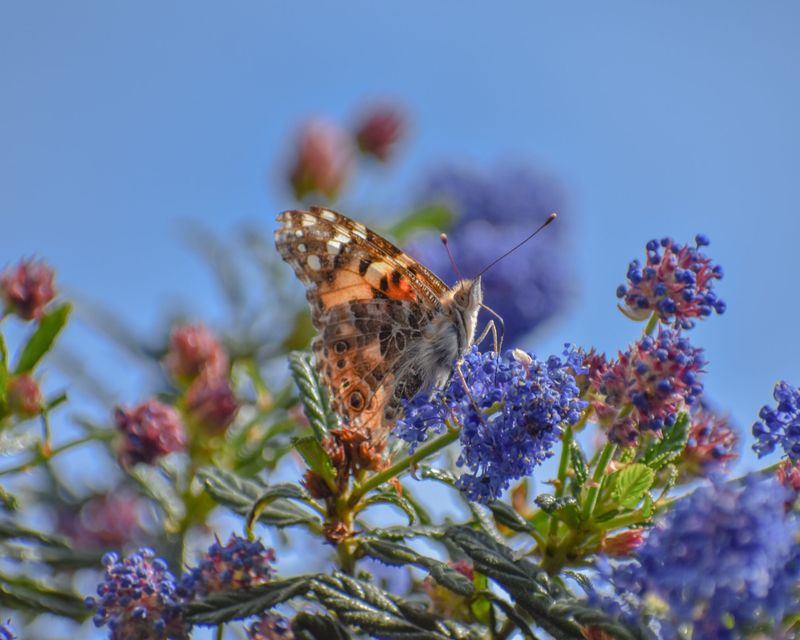
Few native shrubs put on a show quite like Ceanothus when its clouds of blue flowers open in spring. Butterflies and native bees swarm those blossoms like it is the only cafe in town.
Once established, this California native barely needs water, which makes it a natural fit for drought-conscious yards. Overwatering actually harms it, so it rewards the gardener who leaves it alone.
While it draws pollinators in, its dense, dry-loving nature does not create the standing moisture mosquitoes crave. A thriving Ceanothus means fewer soggy spots for larvae and more wings fluttering above your beds.
2. Lavender
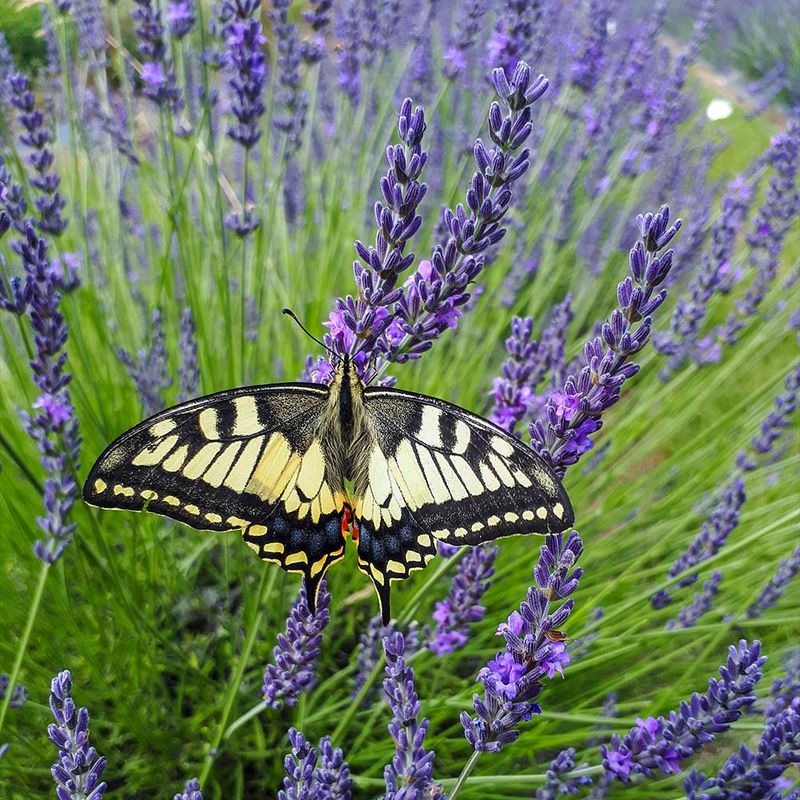
Run your hand across a lavender plant and you release the very scent that mosquitoes seem to hate. That same fragrance is a beacon for swallowtails and painted lady butterflies.
Lavender loves the long, dry California summer and thrives in full sun with little water once it settles in. It practically begs to be planted along walkways and patio edges where you spend time.
The essential oils packed into its foliage can help mask the scents that draw mosquitoes to people. Plant a few near your seating area and you get color, fragrance, and a quieter evening all at once.
3. California Buckwheat (Eriogonum)
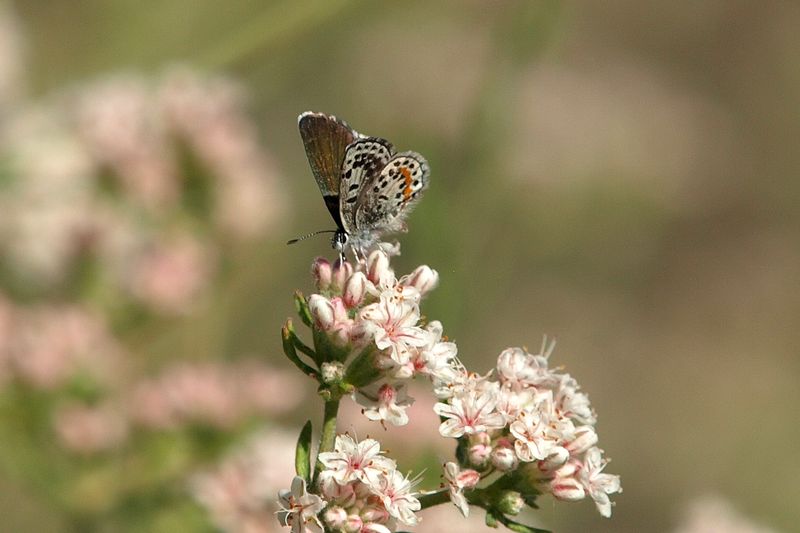
Do not let the humble name fool you. California buckwheat is one of the hardest-working pollinator plants in the state, feeding dozens of native butterfly species through the hottest months.
Its pom-pom flower clusters shift from creamy white to rusty pink as the season stretches on. This gives long-lasting nectar exactly when other plants have given up in the summer heat.
Because it thrives on neglect and bone-dry soil, it never leaves puddles behind for mosquitoes to breed in. For fire-prone hillside homeowners, low-growing buckwheat varieties can also fit into defensible-space planting plans.
4. Marigolds
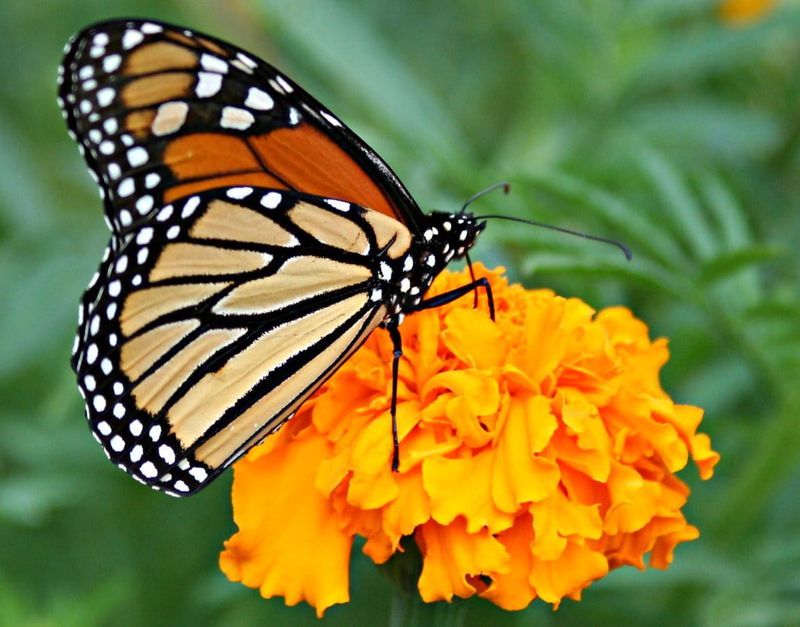
Cheerful and impossible to ignore, marigolds bring a burst of orange and gold to any bed. Butterflies appreciate the open, easy-to-reach blooms almost as much as gardeners appreciate the color.
Marigolds carry a scent many mosquitoes find off-putting, which is why they show up in so many companion-planting guides. Tucking them around a patio or vegetable bed adds beauty with a bonus.
They handle California heat like champs and bloom for months with just occasional watering. For a fast, affordable way to test the butterfly-in, mosquito-out idea, marigolds are hard to beat.
5. Yarrow
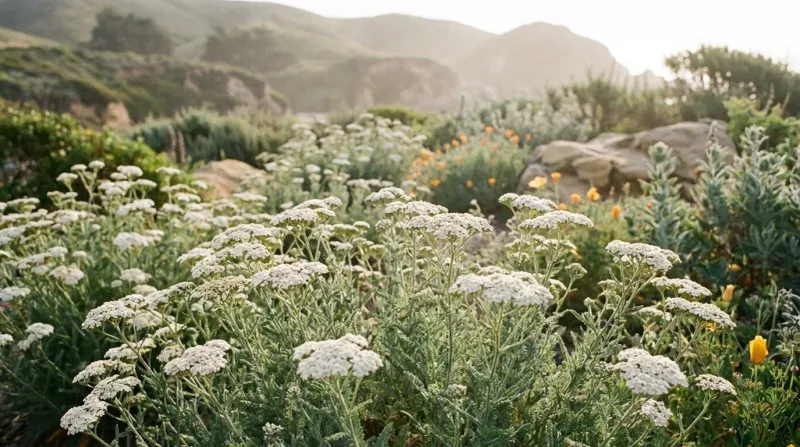
Flat-topped and full of tiny blooms, yarrow acts like a landing pad for butterflies who need a place to perch and sip. It hums with pollinator activity from spring into fall.
This tough native shrugs off drought, poor soil, and blazing sun without complaint. Once its roots dig in, watering becomes almost an afterthought.
Yarrow’s aromatic, feathery leaves are not to a mosquito’s liking, and the plant’s love of dry conditions keeps breeding spots to a minimum. It spreads gently to fill in bare patches, giving you more coverage each year.
6. Lemongrass
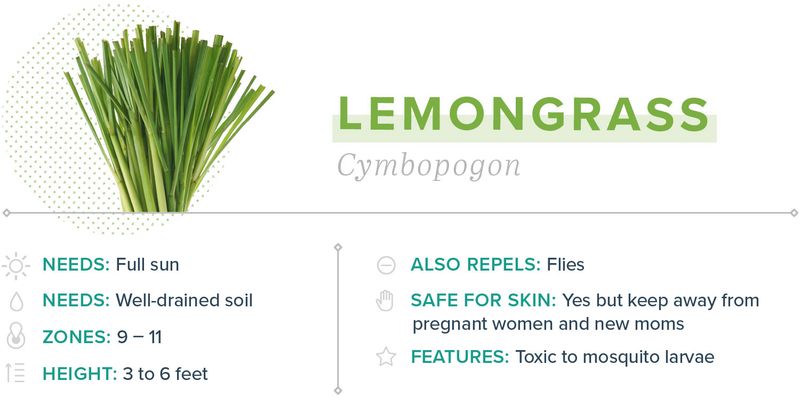
The same lemony oil that flavors your favorite dishes is the reason lemongrass keeps mosquitoes at arm’s length. Citronella, its famous cousin, gets all the fame, but true lemongrass packs a similar punch.
Grown in a big pot, it makes a striking, fountain-like accent for patios and entryways. In California’s warm zones it thrives outdoors through the long growing season.
While mosquitoes dislike its scent, the surrounding flowering plants still pull butterflies close. Set a clump near your seating and let it do double duty as decor and quiet defense.
7. Milkweed (Native Asclepias)
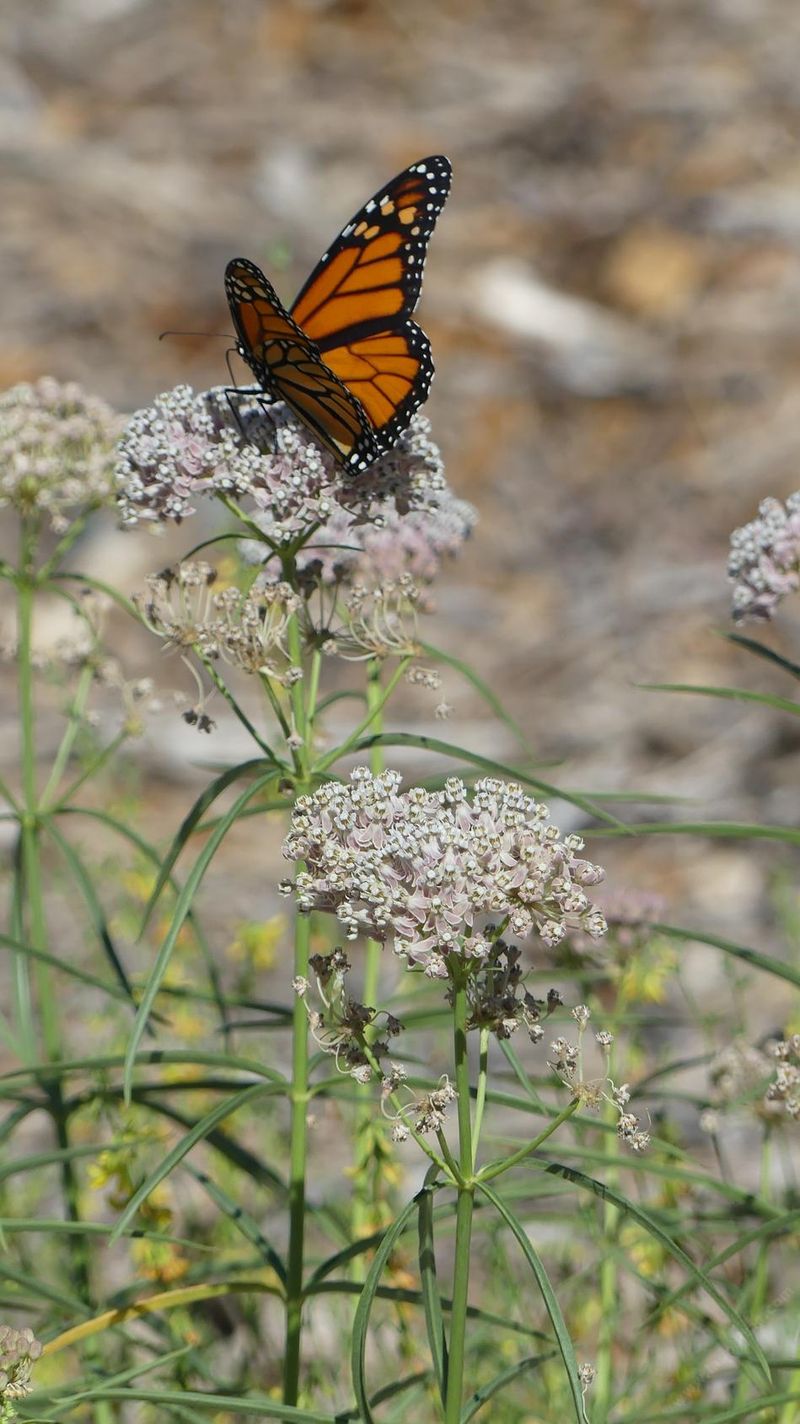
No plant list about butterflies would be honest without milkweed, the one and only host plant for monarch caterpillars. Plant it and you are handing struggling monarchs a lifeline.
Stick with California native species like narrowleaf milkweed rather than tropical types, which can actually harm monarchs by disrupting their migration. Choosing native here is a real act of stewardship.
Adult butterflies of many kinds sip the nectar while monarchs lay their eggs on the leaves. Milkweed prefers dry, sunny spots, so it fits a water-wise yard without inviting mosquito puddles.
8. Rosemary
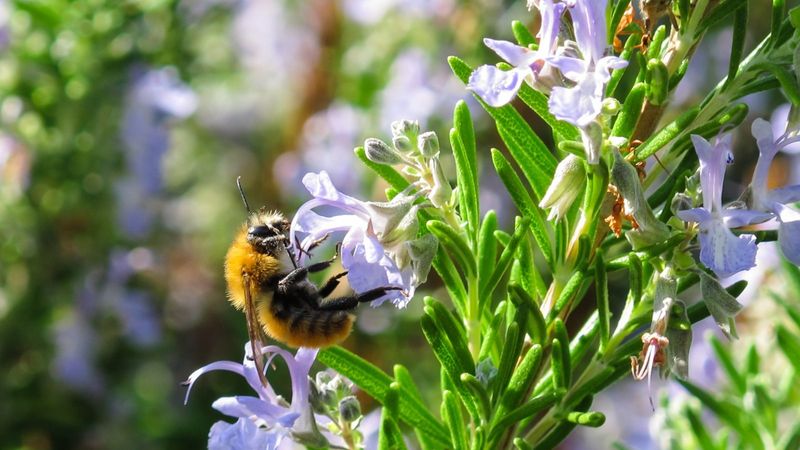
Part herb, part landscape workhorse, rosemary earns its keep in the kitchen and the garden alike. Its little blue flowers quietly feed bees and butterflies through much of the year.
Brush against it and the piney, resinous scent that drifts up is one mosquitoes tend to avoid. Toss a sprig on the grill and it doubles as a natural smoke repellent for evening cookouts.
Rosemary practically thrives on California’s dry summers and rocky soil, needing almost no water once mature. Trailing varieties even spill nicely over walls and slopes.
9. Salvia (Sages)
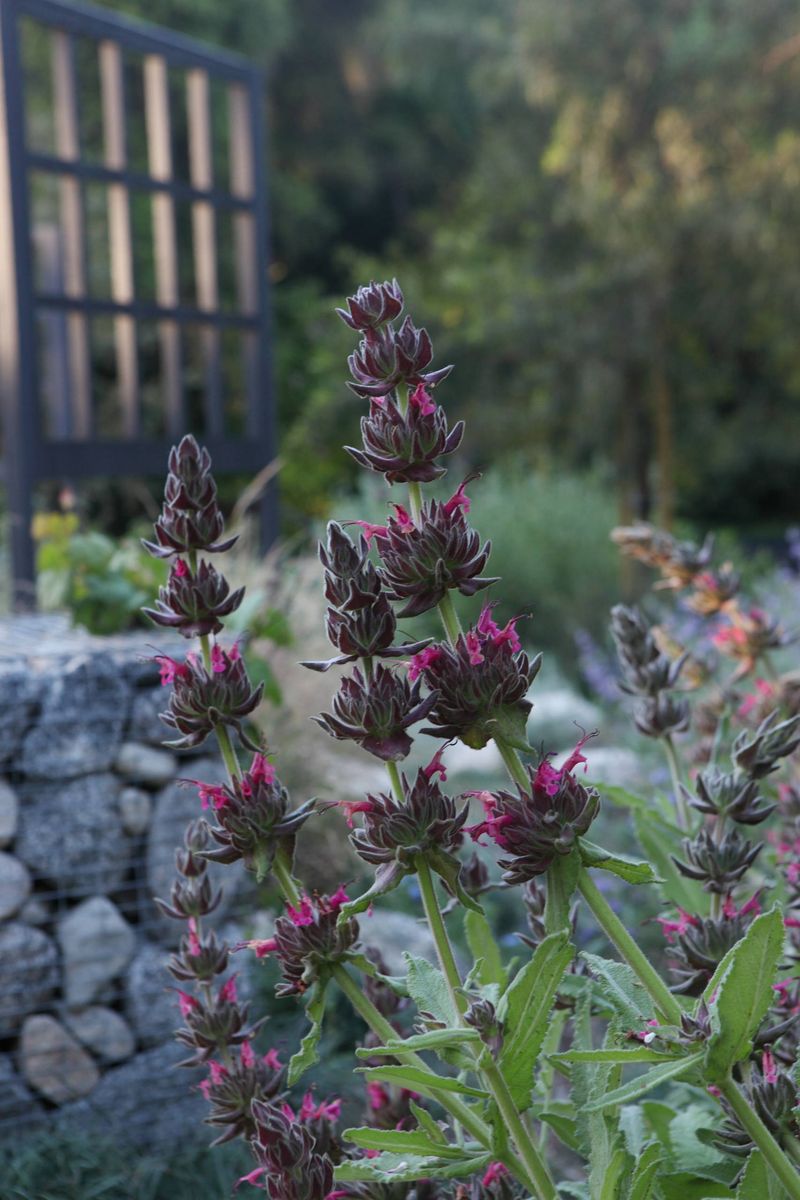
Tall spires of purple, blue, and red make salvia a magnet not just for butterflies but for hummingbirds too. California native sages like Cleveland sage carry a bonus: an intensely fragrant foliage.
That strong, resinous aroma is pleasant to us but tends to keep mosquitoes moving along. Crush a leaf and you will understand instantly why.
These sages are built for the Mediterranean climate, sailing through long dry spells with hardly a drink. Plant a few varieties together for waves of blooms and a nonstop parade of pollinators.
10. Catmint (Nepeta)
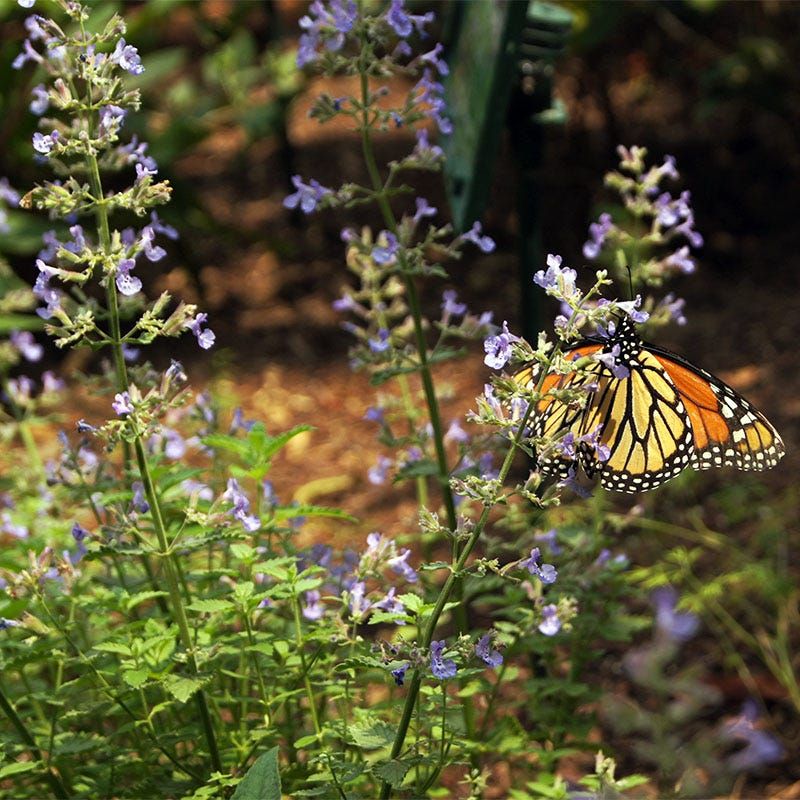
Soft mounds of lavender-blue flowers give catmint a relaxed, cottage-garden charm that butterflies adore. It blooms for weeks and reblooms if you give it a light trim midseason.
The plant contains nepetalactone, a compound studied for its mosquito-deterring qualities, which is a handy trait for a border plant. That same oil is what sends cats into a happy roll, so expect some feline fans too.
Catmint handles heat and drought with ease and asks for very little once established. Line a walkway with it and you get a fragrant, buzzing edge that quietly discourages biting pests.