
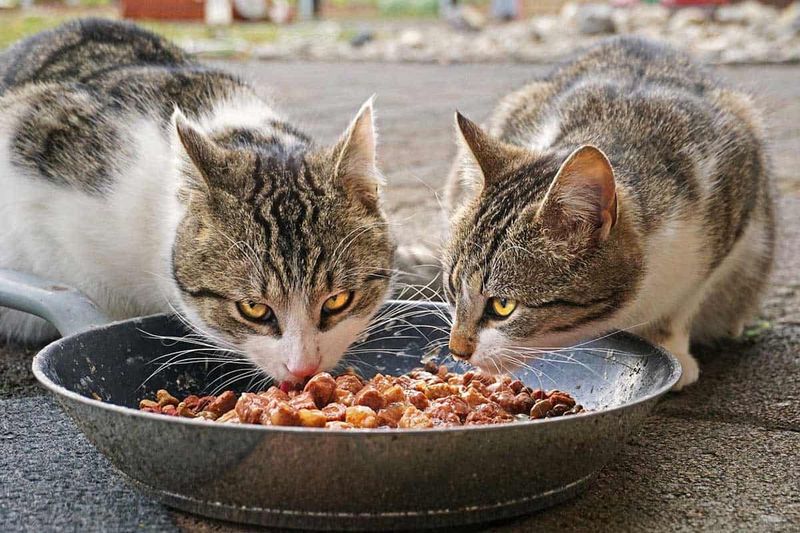
Fall in Florida can bring cooler evenings, busier wildlife, and a few surprise visitors near the garden bed. Bobcats usually avoid people, but they may pass through a yard if it offers food, cover, water, or an easy travel path.
Knowing what draws them in helps you protect pets, tidy problem spots, and keep your outdoor space comfortable. Here are the yard conditions most likely to make your property part of a bobcat’s nightly route.
1. Thick Brush and Overgrown Border Plants
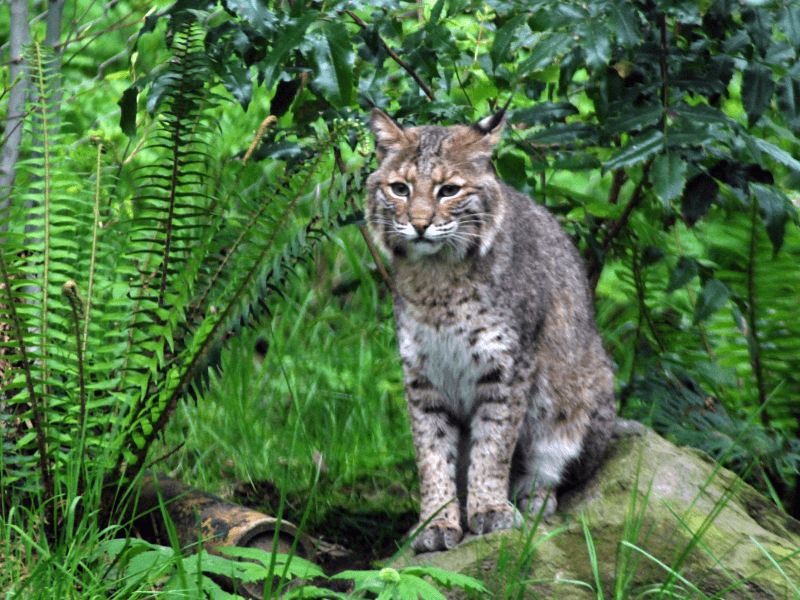
A quiet, leafy corner may look harmless in daylight, but to a bobcat it can feel like a private hallway with walls. Dense brush, tangled vines, tall ornamental grasses, and untrimmed shrubs give this shy cat the cover it wants while moving through suburban Florida yards.
Bobcats are ambush hunters, so they prefer places where they can stay hidden, pause, and watch for small animals. Overgrown beds beside fences, drainage ditches, sheds, or wooded lots are especially inviting because they connect one safe pocket to another.
Florida gardeners do not need to strip the yard bare. Instead, lift lower shrub branches, thin crowded plantings, and keep a clean sightline near patios, pet areas, and walkways.
Native shrubs still have a place, especially for birds and pollinators, but placement matters. Keep the thickest habitat toward the back edge of the property and avoid creating a covered tunnel that leads straight to your porch, chicken coop, or small dog run.
2. Abundant Rodents Around Bird Feeders
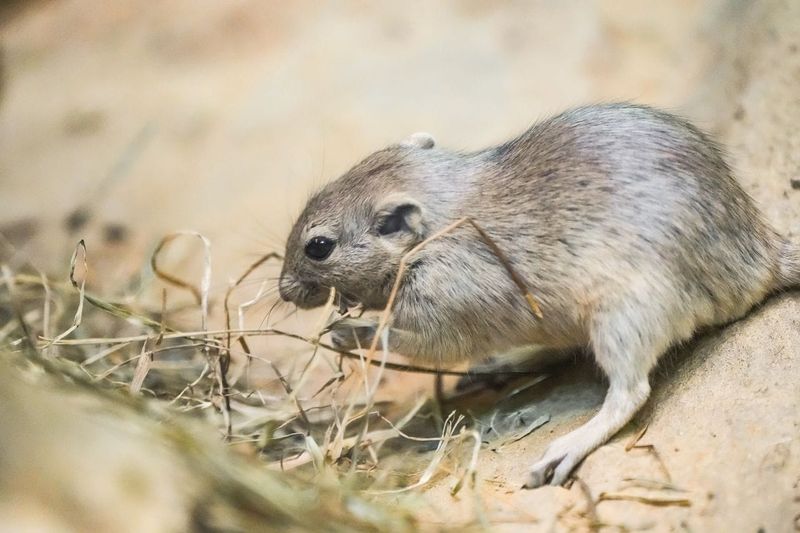
Spilled birdseed is like an open snack bar after dark. Cardinals and doves may be the guests you had in mind, but seed on the ground can also pull in mice, rats, and squirrels, which can then attract a bobcat looking for an easy meal.
Fall is a common time for homeowners to refresh feeders as outdoor weather improves. In Florida’s mild climate, that feeder activity can support a steady chain of wildlife, especially when seed piles up under shrubs or near a fence.
Try using a seed tray, sweeping or raking fallen seed often, and choosing no-waste blends when possible. Move feeders away from dense cover so rodents have fewer places to hide while feeding.
If you notice burrows, droppings, gnawed plastic, or nighttime rustling near the feeder station, treat the rodent issue first. A bobcat passing through is often responding to the prey your yard is already feeding, not the feeder itself.
3. Pet Food Left on Porches or Patios
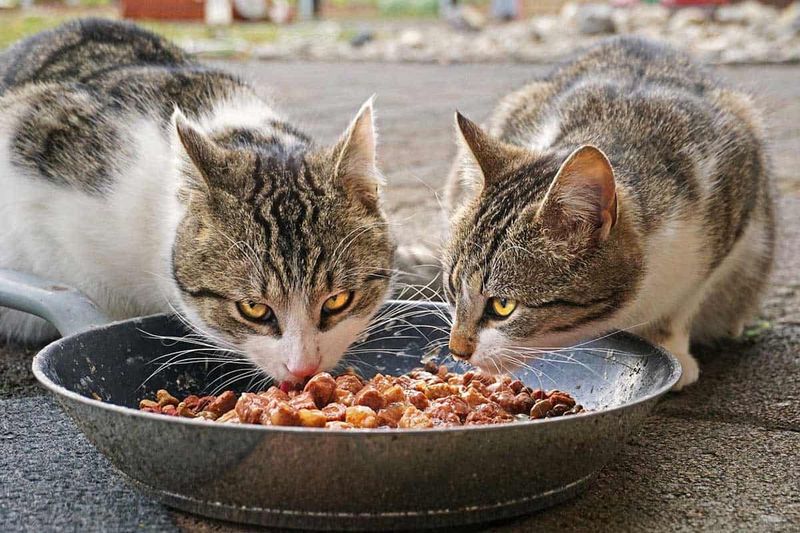
One forgotten bowl can change the nighttime traffic in your yard. Dry kibble, cat food, and even leftover treats can draw raccoons, opossums, feral cats, rodents, and other small animals, turning your patio into a feeding stop.
Bobcats are not usually prowling for pet food as their first choice, but they may follow the activity it creates. A porch that smells like food and hosts smaller animals after sunset becomes more interesting to a wild predator.
Feed pets indoors whenever you can, especially in fall when cooler evenings make people more likely to leave doors open or linger outside. If outdoor feeding is necessary, pick up bowls right after mealtime and rinse the area so smells do not build up.
Small pets should never be left outside unattended at dawn, dusk, or overnight. For Florida homeowners with cats, toy-breed dogs, or backyard chickens, this one habit is one of the simplest ways to lower unwanted wildlife visits.
4. Unsecured Chicken Coops and Small Animal Pens
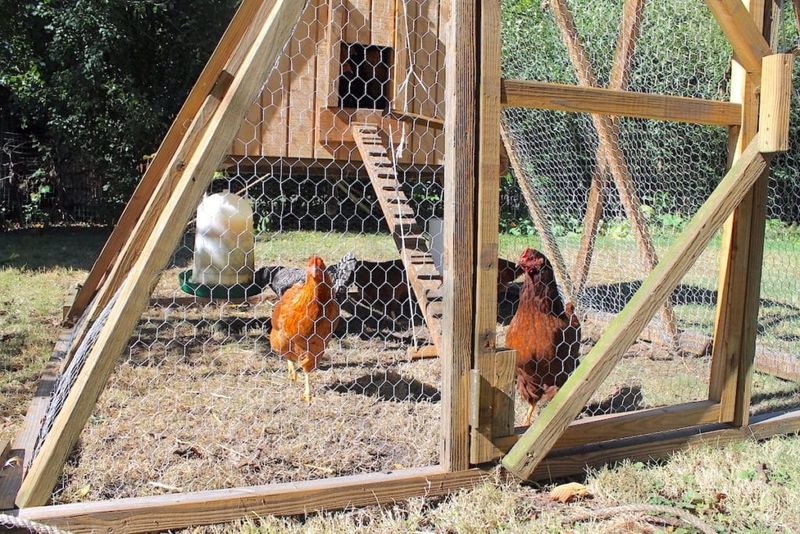
Backyard chickens have become part of many Florida gardens, and bobcats notice. A coop with loose wire, a weak latch, or a gap at ground level can draw attention even if the birds are safely inside most nights.
The difference here is sound and scent. Chickens, rabbits, ducks, and guinea pigs create regular movement, bedding odors, feed smells, and soft nighttime noises that can interest a passing predator.
Use hardware cloth rather than flimsy chicken wire for vulnerable areas, since chicken wire keeps birds in better than it keeps predators out. Bury or apron the wire along the ground, secure doors with predator-resistant latches, and close birds in before dusk.
Keep feed in sealed metal or heavy-duty containers, and clean up spilled grain around the run. In Florida’s damp fall weather, old feed can also invite rodents, which adds another reason for a bobcat to investigate the same corner of the yard.
5. Water Sources During Dry Fall Stretches
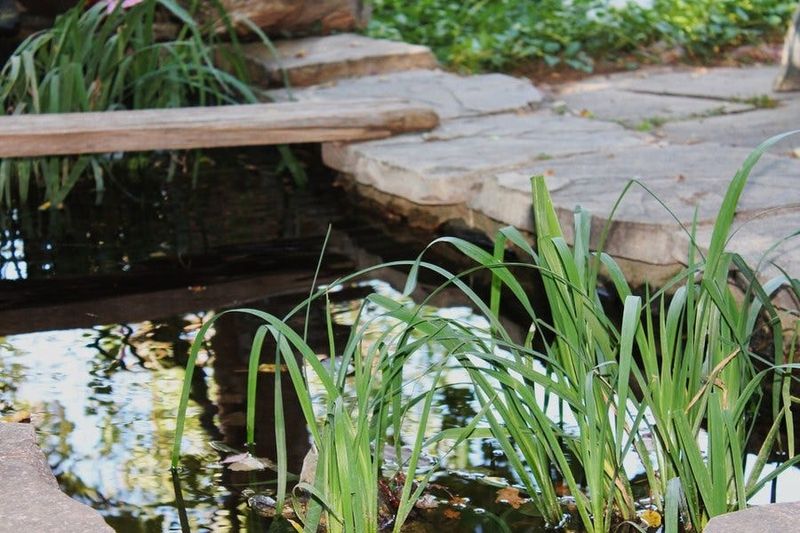
After a run of dry days, a simple birdbath can become more valuable than it looks. Bobcats get much of their moisture from prey, but they may still use ponds, fountains, ditches, pet bowls, or low spots that hold water.
Florida fall weather can swing between heavy rain and crisp, dry stretches. When natural puddles shrink, yards with reliable water may draw more birds, squirrels, rabbits, raccoons, and other animals, with bobcats sometimes moving along behind them.
You do not have to remove every wildlife-friendly water feature. The better move is to place birdbaths and small fountains away from thick cover, pet doors, and children’s play areas.
Refresh water often to reduce mosquitoes, a constant Florida concern, and empty accidental containers such as buckets, saucers, tarps, and clogged gutters. A tidy water setup can still support songbirds without creating a hidden, messy watering hole for nighttime visitors.
6. Easy Fence Gaps and Wildlife Corridors
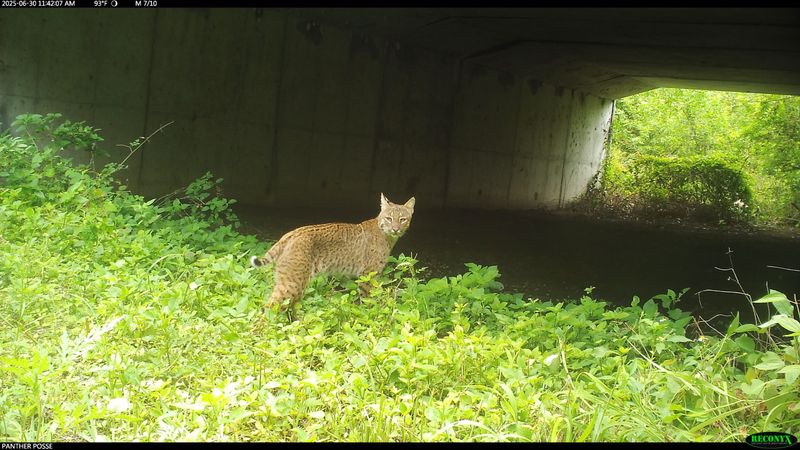
A bobcat does not need a grand entrance. A loose fence board, washed-out spot under a gate, or narrow strip beside a canal can be enough to make your yard part of a regular route.
Many Florida neighborhoods sit near preserves, golf courses, stormwater ponds, canals, or wooded drainage areas. Bobcats often travel these edges because they offer cover and connect hunting areas without forcing the animal into open streets.
Walk your fence line in the morning and look for pushed-down grass, paw prints in sandy soil, rub marks, or openings under gates. Fall is a smart time to do this because hurricane-season rain can shift soil, weaken posts, and leave new gaps along low sections.
Repairing access points will not make a yard bobcat-proof, since these cats can climb and jump. Still, closing easy ground-level passages can reduce casual traffic, especially if you pair repairs with trimmed vegetation and fewer food sources.
7. Fruit Drop, Compost Scraps, and Messy Yard Edges
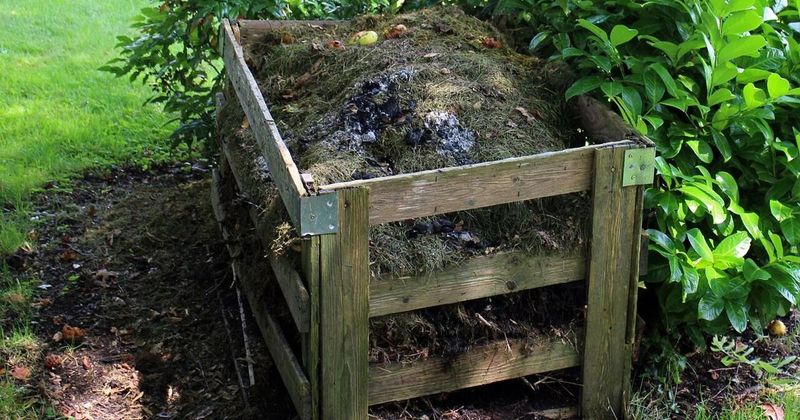
Fallen fruit has a way of starting a whole backyard parade. Citrus, figs, loquats, bananas, palm berries, and garden scraps can bring in insects, rodents, raccoons, opossums, and armadillos, which can make the yard more active after dark.
Bobcats are drawn by prey, not by a desire to raid your compost pile. Still, a messy edge that feeds smaller animals night after night can become a reliable hunting stop.
Pick up fallen fruit before evening, especially near fences, sheds, and thick hedges. Use a secure compost bin rather than an open pile, and avoid adding meat, grease, dairy, or cooked leftovers that create stronger odors.
Leaf litter has benefits in Florida gardens, especially under native plantings where it protects sandy soil and supports beneficial insects. Keep that natural mulch intentional by raking it away from doors, coops, and pet zones while leaving cleaner habitat areas in less-used corners.