
A yard does not need to be a wild swamp to feel alive with wading birds. In Florida, the right native plants can turn wet corners, pond edges, rain gardens, and shallow ditches into feeding spots for egrets, herons, ibises, and other long-legged visitors.
These plants help support small fish, frogs, insects, and shelter that birds look for when they stop by. If you have damp soil or a small water feature, these seven natives can make your yard more useful, beautiful, and bird-friendly.
1. Pickerelweed
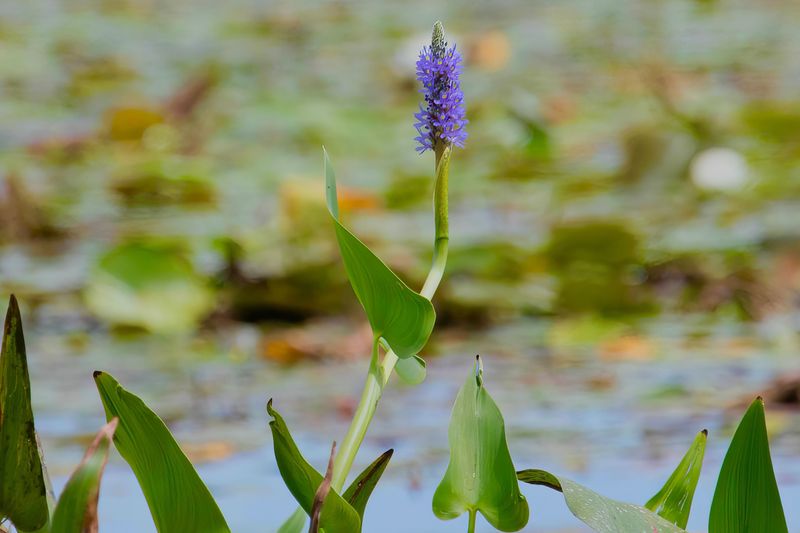
A flash of purple along the pond edge can do more than look pretty. Pickerelweed is one of the most useful native plants for Florida homeowners who have a small pond, retention edge, rain garden, or low wet spot that stays soggy after storms.
Its upright leaves and blue-purple flower spikes create cover for dragonflies, small fish, tadpoles, and aquatic insects. Great egrets and other wading birds are not visiting for the flowers alone.
They are drawn to the small living buffet that gathers around the plant roots and stems.
Pickerelweed is especially helpful because it behaves well when planted in the right place. It likes shallow water or consistently moist soil, so it is not the plant for a dry sandy bed beside the driveway.
Use it along pond margins, swales, or the wet side of a rain garden where summer downpours collect.
Home gardeners also get a long bloom season in warm parts of Florida, plus visits from pollinators. The plant can spread, so give it room or plant it in containers sunk at the water edge if you want a cleaner border.
For yards trying to attract egrets, pickerelweed works like a living shoreline in miniature.
2. Soft Rush
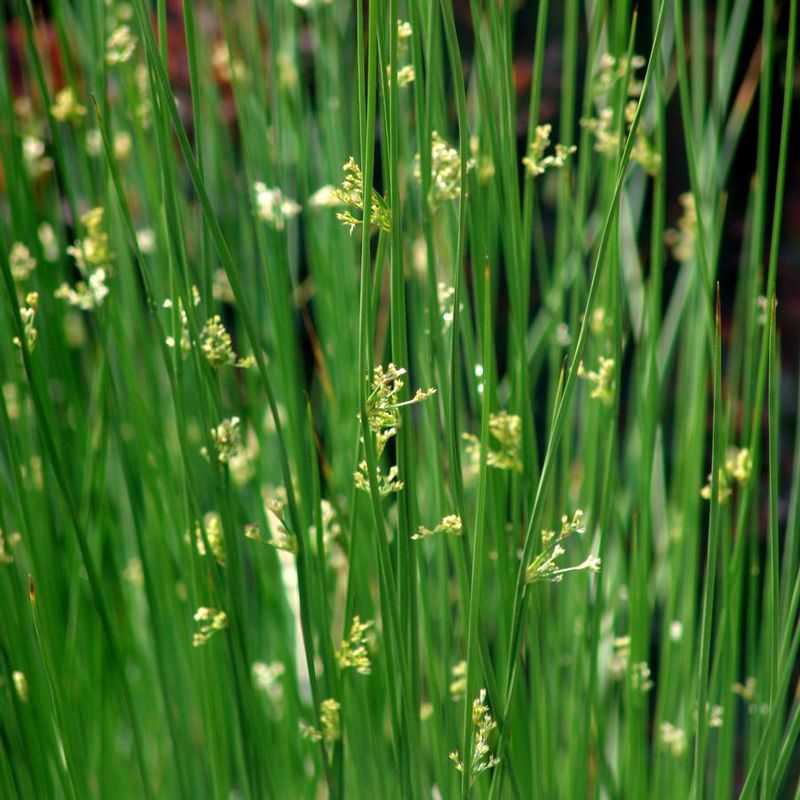
Some plants look quiet until you notice how much wildlife uses them. Soft rush is a clean, vertical native that turns soggy, hard-to-mow patches into useful bird habitat without making the yard look messy.
The round green stems form dense clumps that slow runoff, hold soil, and give small aquatic creatures places to hide. That matters because wading birds often hunt where cover meets open water.
A great egret may stalk the edge, waiting for minnows, frogs, or insects to move out from between the stems.
Soft rush is a smart choice for Florida yards with drainage dips, pond edges, roadside swales, or low areas that flood during heavy rain. It handles wet feet far better than many common landscape plants, yet it can also survive short dry spells once established.
In sandy soils, adding organic matter around the planting area can help it settle in.
The shape is part of the appeal. Soft rush brings a modern, tidy look that fits near patios, pool cages, and backyard water features.
Plant it in groups rather than lonely single clumps so birds have a real edge to work. It is also useful where you want wildlife value but still want the garden to read as intentional.
3. Duck Potato
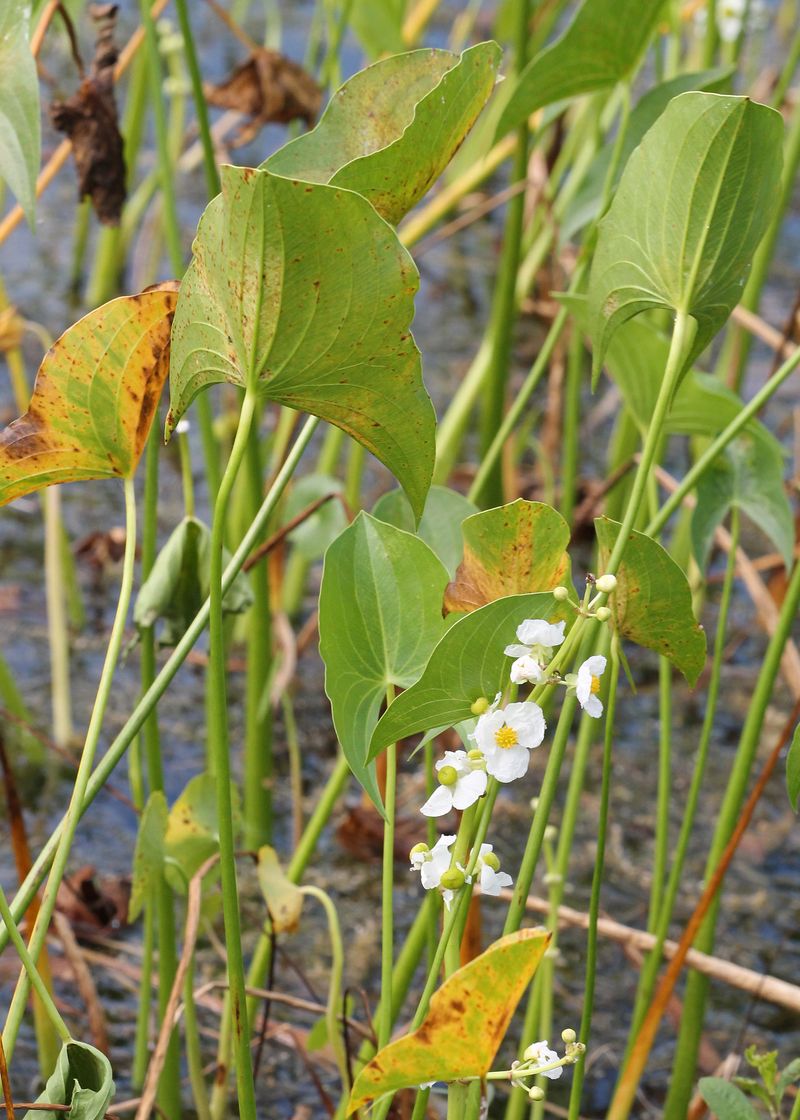
Arrow-shaped leaves make duck potato easy to spot, even before the white flowers appear. In a Florida yard with shallow standing water, it brings that true marsh-edge look that makes wading birds feel right at home.
Duck potato grows from wet soil into shallow water, building a patch of leaves and stems where small animals gather. Egrets, herons, and ibises often search these margins because they offer easy hunting.
The plant helps create a gradual transition instead of a bare, steep pond edge where prey has fewer places to live.
Its name comes from the underground tubers that are eaten by ducks and other wildlife. For homeowners, the larger value is habitat structure.
A patch of duck potato can soften a retention pond, brighten a backyard water garden, and help stabilize muddy edges after heavy rain.
Give it full sun to part sun and keep it where the soil stays wet. It is not a fit for dry beds, and it can spread in ideal conditions, so start with a manageable cluster.
If your yard backs up to a pond or canal, avoid planting anything where it could interfere with required drainage or maintenance access.
Where it fits, duck potato is one of the best native choices for making a plain wet edge look alive. Birds notice that change quickly.
4. Spatterdock
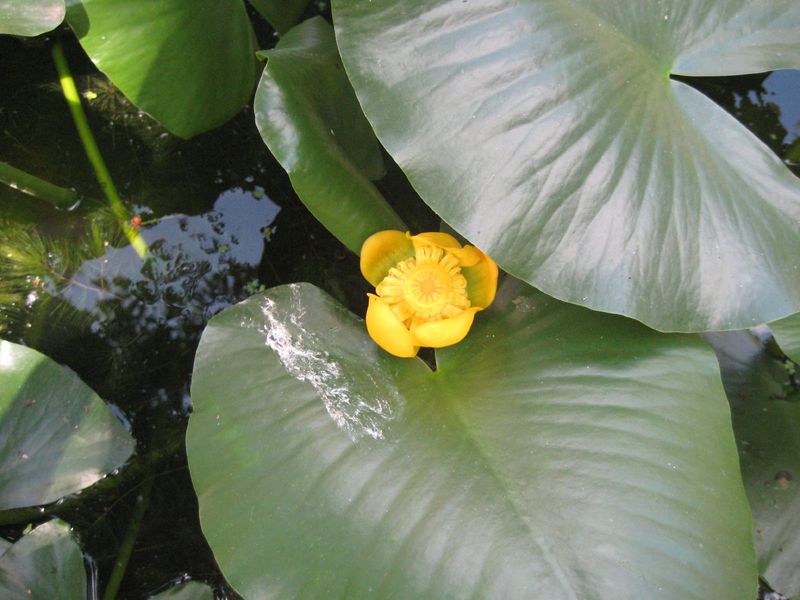
A still pond with bare water can look peaceful, but to a hunting egret it may not offer much. Spatterdock adds floating leaves, underwater stems, and yellow cup-like flowers that help turn open water into a working habitat.
Also called yellow pond lily, spatterdock is native to Florida freshwater wetlands. Its leaves shade the water, and its underwater growth gives cover to fish, insects, snails, and tadpoles.
Wading birds are drawn to the edges of these patches because prey often slips in and out of the cover.
For home use, spatterdock makes the most sense in ponds, large water gardens, or natural low areas with standing freshwater. It is not a small accent plant for a tight container fountain.
Give it space, and place it where growth can be managed without blocking water flow or taking over the whole surface.
One practical benefit is shade. By covering part of the water, spatterdock can help cool shallow pond areas and make them more comfortable for aquatic life during Florida heat.
That can support the food chain wading birds depend on.
Plant thoughtfully, especially near shared ponds or stormwater systems. In the right setting, spatterdock gives your water feature the layered look of a real Florida marsh, which is exactly the kind of place egrets know how to use.
5. Swamp Milkweed
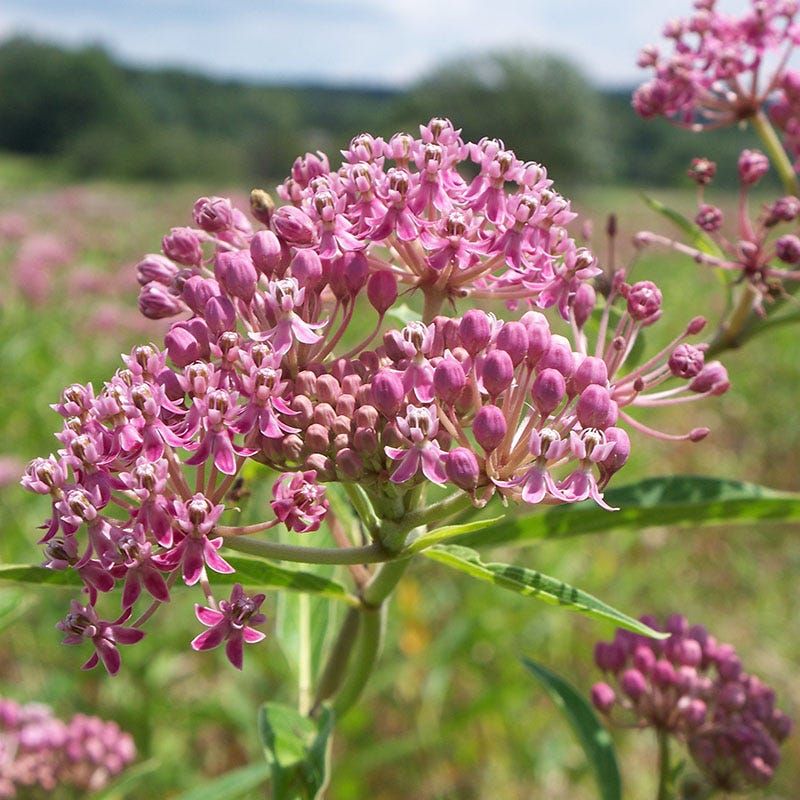
Not every egret-friendly plant has to grow in standing water. Swamp milkweed earns its place because it supports insects near wet areas, and those insects help feed the larger backyard food web.
The pink flower clusters are best known for attracting monarchs and other pollinators, but the plant also brings in a wider mix of small insects. Around a rain garden, pond edge, or damp native bed, that extra activity can support frogs, lizards, and small prey species that wading birds may hunt nearby.
It is a supporting player, not the whole stage.
Swamp milkweed prefers moist soil and sun, making it useful for the upper edge of a wetland planting where the ground is damp but not always underwater. That makes it different from true aquatic plants like spatterdock or duck potato.
It can bridge the space between your regular landscape and the wetter bird-attracting zone.
In Florida, choose native swamp milkweed rather than tropical milkweed when possible, and follow local extension guidance for your area. Native milkweeds fit better into the seasonal rhythm of local wildlife.
For curb appeal, swamp milkweed is a winner. It adds color, height, and movement without looking too wild.
Plant it in small groups, keep young plants watered while they establish, and let the blooms bring life close to the places where egrets like to search.
6. Blue Flag Iris
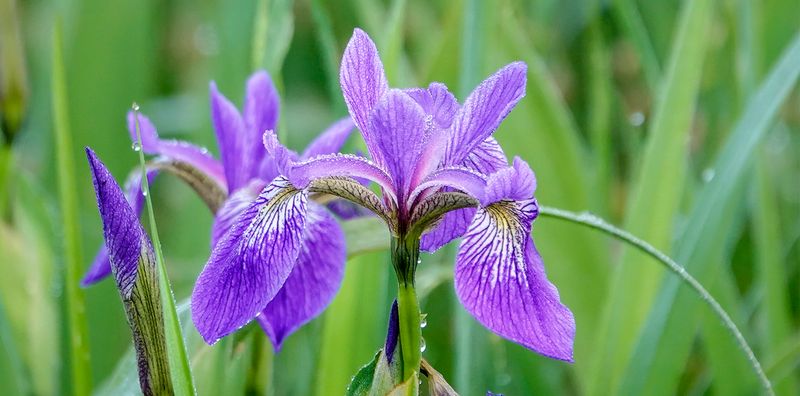
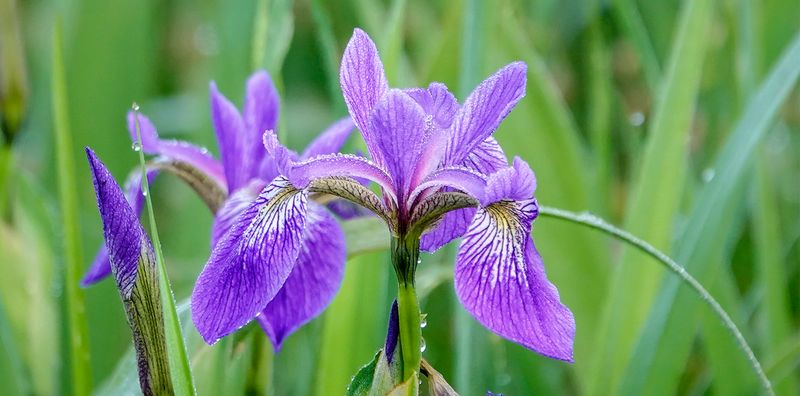
Blue flag iris brings a dressed-up look to the wet parts of a Florida yard. The flowers feel garden-worthy, but the plant still belongs in native pond edges, rain gardens, and damp borders where wildlife can use it.
The sword-like leaves grow in clumps that give small creatures shade and shelter near shallow water. When planted along a pond or swale, blue flag iris helps break up a hard edge and creates pockets where insects, frogs, and other prey can gather.
Egrets and herons often patrol those edges because movement is easier to spot there.
Its biggest difference from the more marshy plants on this list is appearance. Blue flag iris can fit into a front-yard rain garden or a tidy side-yard drainage area without looking like an accident.
The spring flowers add a polished burst of purple-blue, while the foliage holds a strong shape after bloom.
Give it moist to wet soil and sun to part sun. In Florida sand, it performs best where water naturally collects or where irrigation reaches during dry spells.
Mulch lightly around nearby upland plants, but do not bury the iris crowns too deeply.
Blue flag iris is a good choice for gardeners who want bird habitat and a neat landscape at the same time. It says wildlife garden without giving up beauty.
7. Buttonbush
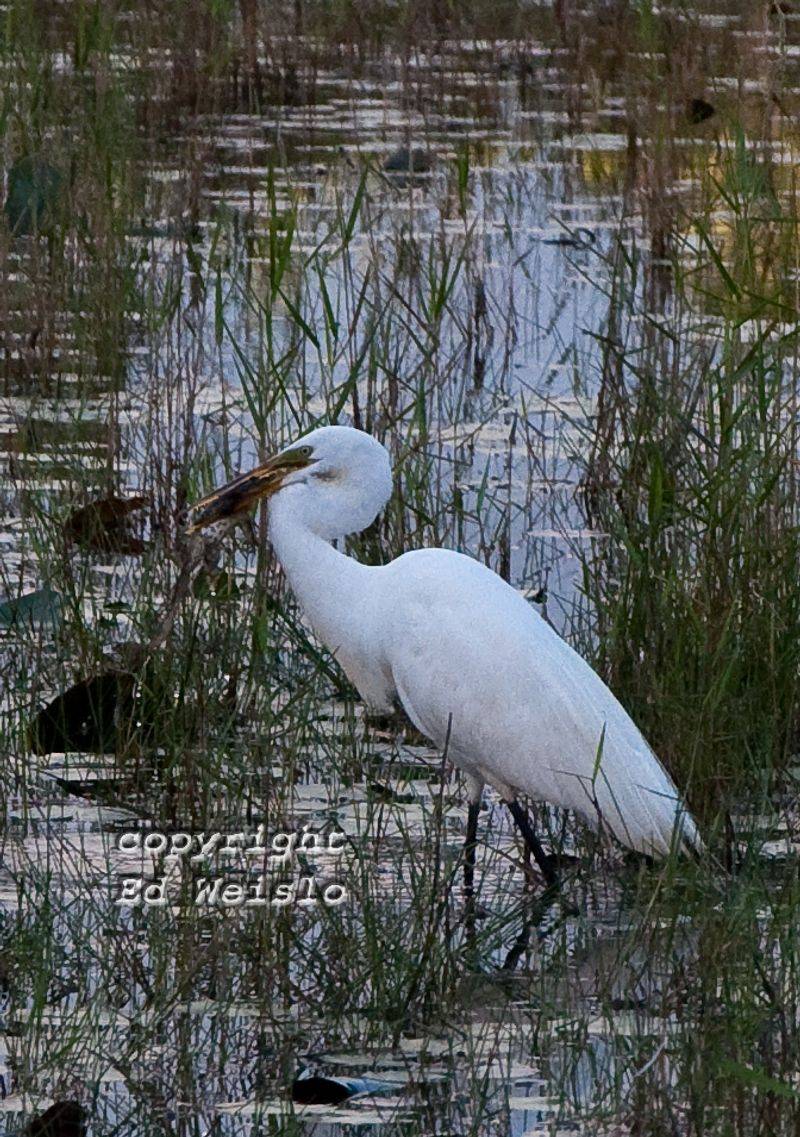
Round white flowers that look like tiny pincushions make buttonbush hard to ignore. For wading birds, though, the real value is the shady, shrubby edge it creates beside water.
Buttonbush is a native shrub that thrives in moist soil, wet ditches, pond margins, and low places that many landscape shrubs dislike. Its branches offer perching and cover for smaller birds, while the flowers attract bees, butterflies, and other insects.
Beneath and around the shrub, the damp habitat can support frogs, small fish near the waterline, and other prey that egrets watch for.
This plant is different from the low marsh plants because it adds height. That vertical layer makes a backyard pond feel more natural and gives birds a sense of cover nearby.
It is especially useful at the back of a rain garden or along the far side of a pond where you want screening plus habitat.
Buttonbush can grow large, so plan its spot before planting. Give it room away from walkways and sight lines, or prune after flowering to keep it shaped.
It handles wet spells well, which is a major advantage in Florida yards dealing with summer storms and brief flooding.
If your water feature looks flat, buttonbush adds structure fast. It turns a simple wet edge into a layered place where insects, amphibians, songbirds, and wading birds all have a reason to show up.