
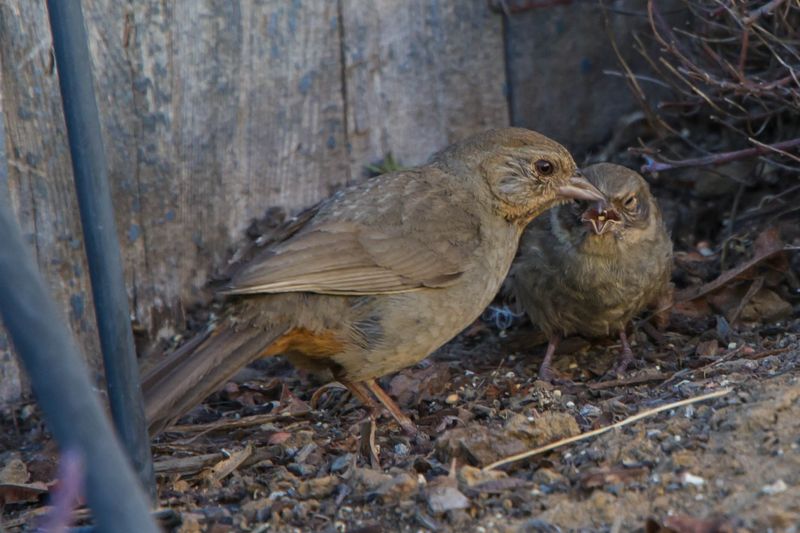
A plain brown bird hopping through your flower bed might seem like a nuisance, but that scratch-scratch-scratch in the leaf litter could mean something more useful is happening. California Towhees are year-round residents across California’s yards, chaparral edges, and suburban gardens, and they spend a good part of their day turning over soil and debris in search of food.
Understanding what they are actually doing, and what they are not doing, helps you decide whether to welcome them, protect your seedlings, or both.
Meet the California Towhee behind the scratch marks
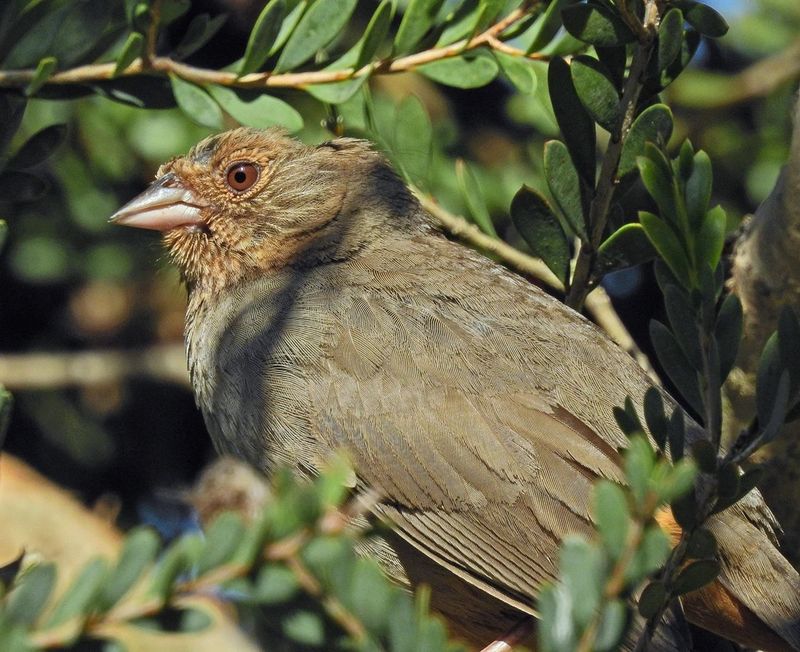
Plenty of brownish ground birds visit California gardens, and not all of them are the same species. The California Towhee (Melozone crissalis) is a stocky, warm-brown bird with a buffy rust patch under the tail, a long tail, and a short, thick seed-cracking beak.
It looks understated at first glance, which is exactly why so many gardeners overlook it entirely.
Geographically, this is a California-region bird. Audubon’s field guide for the California Towhee places its core range in California’s foothills, lowlands, chaparral, coastal scrub, riparian edges, and urban habitats, extending into southern Oregon and Baja California.
If you garden in Florida, Texas, or elsewhere in the South and you see a similar bird, you are likely looking at a different species entirely.
Even within California, a brown ground bird is not automatically a California Towhee. Canyon Towhees look nearly identical but belong to the drier interior Southwest, and Abert’s Towhees are found in riparian areas of the desert Southwest.
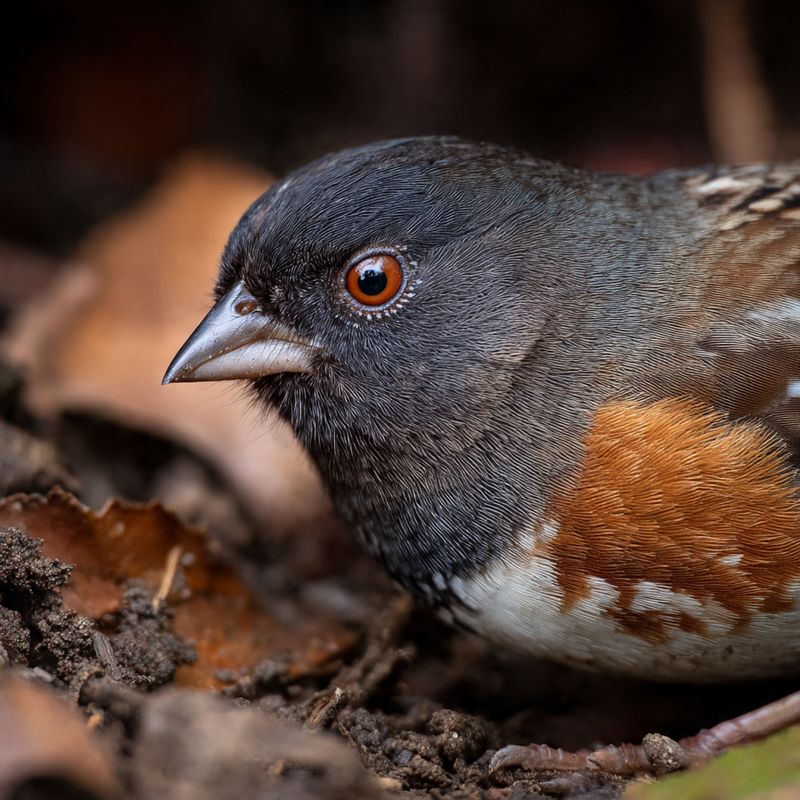
Spotting a rufous-orange face patch or a spotted breast points toward a different bird altogether.
Field marks that help confirm a California Towhee include the overall plain brown body, the buffy-rust undertail coverts, a faint necklace of streaks at the throat, and a relatively long tail. Cornell Lab’s California Towhee overview notes that the bird rarely ventures far from dense shrubby cover, so finding a plain brown bird foraging on open ground right next to a dense hedge or shrub in a California yard is a useful behavioral clue.
Knowing which bird you are actually watching matters before drawing any conclusions about what it is doing to your garden. The rest of this article focuses specifically on the documented behavior of Melozone crissalis in California, not on ground-foraging birds as a general category.
What the double-scratch can uncover
Watch a California Towhee work a patch of ground for more than a minute and you will notice a distinctive move repeated over and over. The bird lunges forward, then rapidly hops backward with both feet scratching simultaneously, flicking leaves and loose debris out of the way.
Cornell Lab’s California Towhee life history account describes this as the species’ characteristic double-scratch, a technique shared by many towhees and sparrows that exposes food hidden beneath the surface layer.
What the double-scratch actually uncovers depends entirely on what is under the debris. In a garden with natural leaf litter, the bird may expose beetles, grasshoppers, spiders, millipedes, snails, and other small invertebrates.
Around fruit-bearing shrubs or near a seed bed, it may simply find seeds or fallen fruit instead. The foraging technique is the same regardless of what lies beneath.
The location where towhees prefer to scratch is worth noting. They favor open ground adjacent to brushy cover, not the center of an exposed lawn or a heavily trafficked vegetable row.
A sheltered bed near a dense shrub, a shady border with leaf litter, or a mulched area at the base of a hedge fits their preferred setup well.
For gardeners, the tradeoff is real and worth acknowledging honestly. A scratching towhee may flip out a cutworm hiding just below the surface, which is genuinely useful.
The same bird may also scatter a fresh layer of fine mulch, expose a germinating seedling, or displace seeds you just sowed. Whether the bird looks helpful or disruptive on a given morning depends on what it happens to find, not on any preference it has for your pest problems.
The behavior itself is simply foraging. Calling it targeted pest hunting would be giving the bird more credit than the evidence supports, but dismissing it as pure destruction would be equally inaccurate.
Breeding season makes insects more important
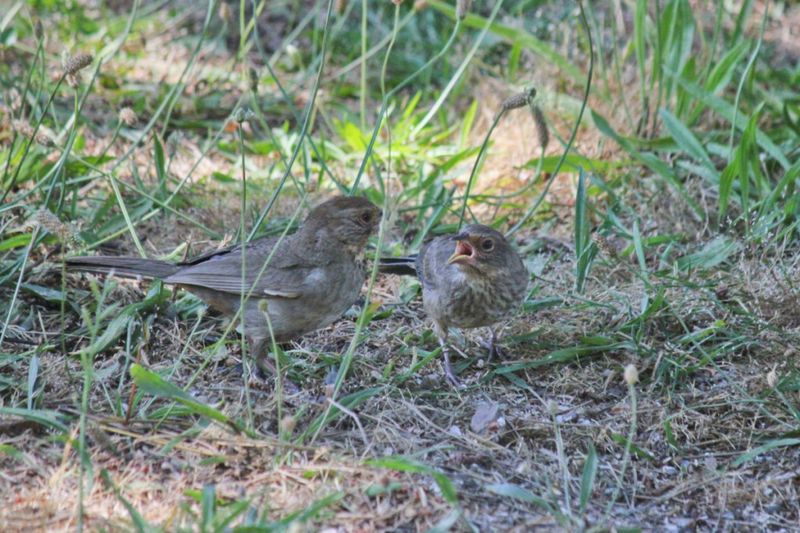
Seeds and fruit make up a large share of the California Towhee’s diet throughout the year. Cornell Lab documents a broad menu that includes beetles, grasshoppers, spiders, millipedes, snails, berries, acorns, and garden produce such as peas, plums, and apricots.
Thinking of this bird as an insect specialist misreads what the evidence actually shows.
Breeding season shifts that balance noticeably. The California Department of Fish and Wildlife’s life history account for the California Towhee notes that insects can make up roughly one-third of the diet during the breeding season, when adults need protein-rich food to feed rapidly growing nestlings.
That is a meaningful seasonal increase, but it still leaves the majority of the diet as seeds and other plant-based food even at peak insect consumption.
The documented breeding window runs from early April into early August, with the busiest period from early May to mid-June. During those weeks, a pair of towhees working the edges of your yard is genuinely more likely to be gathering insects than at any other time of year.
If you notice more scratching activity near your beds in late spring, the breeding calendar is a reasonable explanation.
What that insect gathering actually consists of is harder to specify. The Cornell Lab life history page lists beetles and grasshoppers prominently, along with spiders and other invertebrates.
Whether the insects a towhee picks up in your yard include the exact species chewing your seedlings depends on what is present in your soil and litter at that moment, not on any preference the bird has for garden pests over other available prey.
Gardeners who notice a towhee foraging more actively near beds in May or June can reasonably infer that some of what it picks up may be pest insects. Extending that observation into a claim that the bird is systematically patrolling for seedling pests overstates what a seasonal dietary shift actually tells us.
A possible garden benefit remains unproven
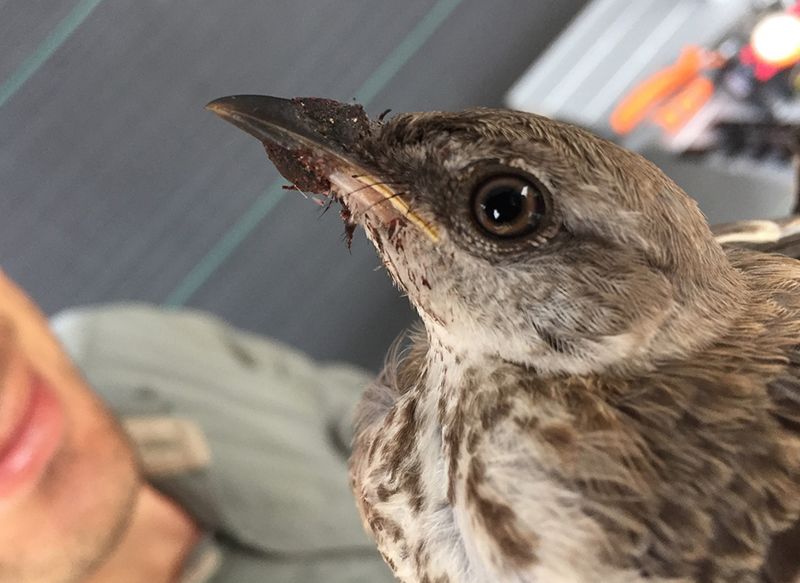
Birds eating insects in a garden sounds like a clear benefit, and in some situations it may be. The honest assessment, though, is that the available research does not measure what California Towhees specifically do to pest populations, seedling damage, seedling survival, or yields in home gardens.
No California Towhee-specific garden trial has been located that tracked those outcomes.
Broader predator research does support the general idea that birds and other predators can suppress herbivorous insects and sometimes reduce plant damage. A meta-analysis published in Proceedings of the Royal Society B found that predators can reduce pest pressure and increase yields across a range of crop types and climates, but the magnitude of those effects varied considerably depending on the crop, the predator community present, the habitat, and the season.
Applying those broad findings to a single towhee in a suburban vegetable bed requires a significant leap.
A further complication is that predators are not selective consumers of only the insects gardeners want eliminated. Research on cascading predator effects in arthropod communities shows that vertebrate insectivores can also consume beneficial predatory arthropods, such as ground beetles and spiders, that themselves suppress pest populations.
A towhee eating a ground beetle that would have eaten aphid eggs is not a net gain for the gardener.
None of that makes the California Towhee unwelcome. A bird that eats beetles, grasshoppers, snails, and millipedes while working through the leaf litter around your beds is participating in the kind of layered ecosystem activity that healthy gardens depend on.
Welcoming it as one participant in that system is reasonable and ecologically sound.
What does not hold up is treating the bird as a dependable stand-alone pest-control service. Monitoring your plants, identifying actual pests before treating anything, and using targeted integrated pest-management measures remain necessary regardless of how many towhees are visiting your yard.
Create the brush-and-open-ground habitat it uses
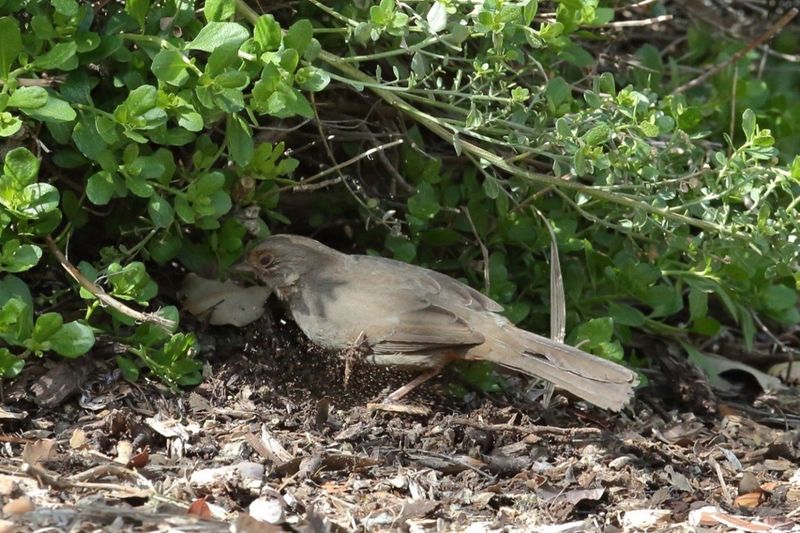
Matching your yard to what California Towhees actually use is more straightforward than it might seem, and it lines up well with water-wise, wildlife-friendly California landscaping in general. The core combination is simple: brushy shrubs close to open ground, with some leaf litter retained rather than raked away entirely.
Native plants strengthen that setup considerably. A 2023 Ecosphere study on native-plant landscaping in Southern California residential yards found that yards with more native plants provided greater habitat value for resident bird species, including California Towhees, compared with conventionally planted yards.
Native shrubs such as coyote brush, toyon, coffeeberry, and native sages can provide the dense, low cover towhees prefer for nesting and escape from predators while also producing seeds, berries, and insect populations that support foraging.
UC Agriculture and Natural Resources’ guidance on gardening for birds with native plants recommends layering plants of different heights to create the edge habitat where ground-foraging birds feel secure. A dense shrub backing onto a small open patch of bare soil or thin leaf litter gives a towhee what it needs: cover to retreat to and open ground to scratch through.
Water is a genuine draw for backyard birds, including towhees. Audubon recommends providing a clean, shallow water source year-round as part of a broader habitat design that also includes food and shelter.
A shallow dish or ground-level basin with no more than two inches of water works well. Change the water every two to three days to prevent mosquito breeding and keep algae from building up.
One thing to skip: scattering large amounts of seed directly in vegetable beds to attract towhees. Cornell Lab notes that ground or tray feeders can attract the species, but placing seed in a vegetable bed invites soil disturbance, possible rodent activity, and more seed consumption near your plants, not less.
A ground feeder placed near a shrub border, away from seedling beds, serves the bird without creating new problems.
Protect seedlings while sharing the yard
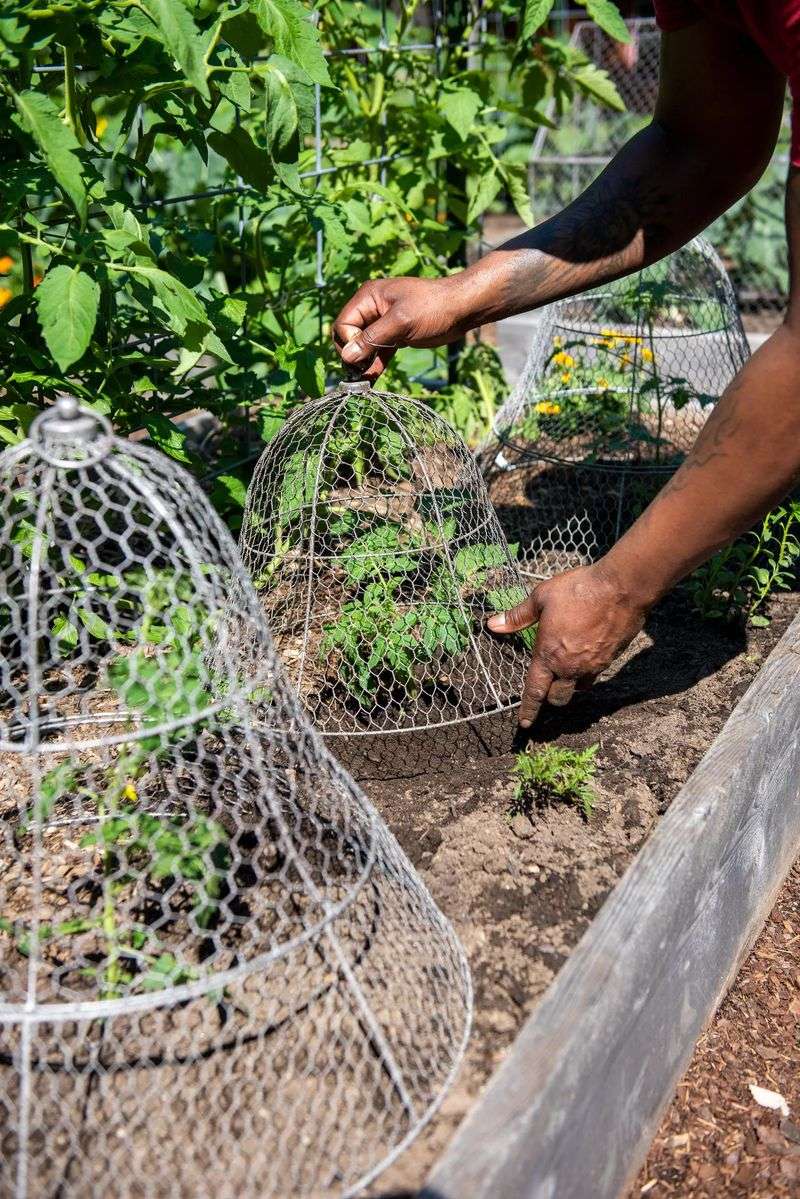
Sharing a yard with a ground-foraging bird that eats seeds and fruit as well as insects calls for some practical precautions, especially around newly planted beds. The same scratching behavior that might uncover a beetle can also scatter freshly sown seeds, uproot germinating seedlings, or damage low-growing transplants.
Managing that tradeoff is mostly a matter of timing and physical barriers.
When a towhee is actively scratching in a bed where you have just planted, the most reliable response is a physical barrier rather than a behavioral change in the bird. Wire mesh cloches, floating row cover, or even a few sticks pressed into the soil at angles create enough of an obstacle to redirect the bird to adjacent open ground.
Cornell Lab’s life history documentation confirms that towhees eat garden produce including peas and fruit, so covers over young pea plants and low-hanging fruit during peak foraging periods are a sensible precaution based on documented behavior.
Before reaching for any pest treatment, take a closer look at what is actually happening to your plants. UC IPM’s home and landscape guidance is direct on this point: the presence of insects in your garden does not automatically mean treatment is needed.
Confirm that a suspected pest is present, identify it correctly, and verify that it is causing the damage you are seeing before taking any action.
Once a pest is confirmed, work through a response in order of least impact first. Hand removal works well for caterpillars, snails, and other visible pests.
Row covers and copper tape barriers address slugs and some crawling insects without any chemical exposure. Targeted biological controls or narrow-spectrum products come after those options have been tried or ruled out.
Avoid placing seed or food directly in vegetable beds to attract towhees as a pest-management strategy. The additional soil disturbance, seed consumption, and potential for attracting rodents create more problems than any incidental insect predation is likely to offset.
Protect the bird from garden hazards
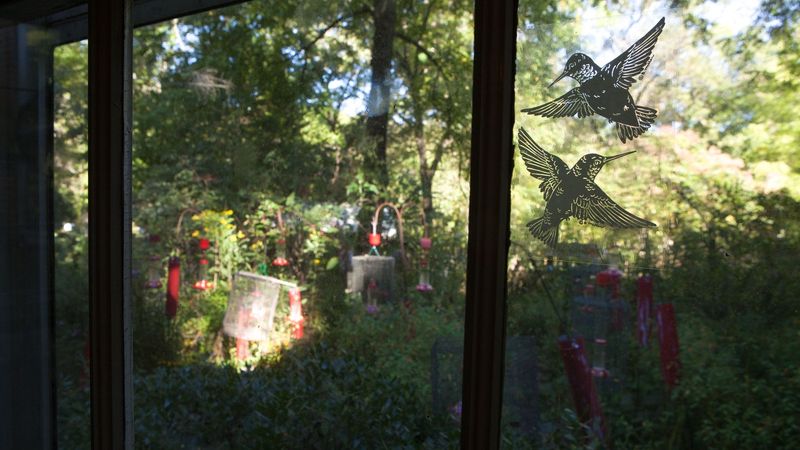
A yard set up to attract wildlife creates responsibility in both directions. Welcoming a California Towhee means thinking about what in your garden could harm it, and several common garden practices carry real risks for ground-foraging birds.
Pesticides are the most significant concern. EPA guidance on reducing pesticide impacts on wildlife explains that birds can be harmed directly through skin or respiratory exposure and indirectly through contaminated insects, seeds, water, soil, runoff, and spray drift.
A towhee scratching through soil where granular pesticides were recently applied, or eating an insect that carried a systemic pesticide, faces the same risks as any other ground-foraging bird. Use pesticides only when monitoring confirms they are necessary, limit applications to the affected area, choose the most targeted product available, and follow the label exactly.
Windows are a hazard that most gardeners do not connect to bird safety, but collisions with glass kill large numbers of birds each year. If your yard has a birdbath or feeder near a large window, placing the water source within three feet of the glass or more than thirty feet away reduces the risk of a bird building up enough speed to cause fatal impact.
Outdoor cats present a separate and serious threat to ground-foraging birds like towhees, which spend most of their time at or near soil level. Audubon’s assessment of common backyard hazards identifies free-roaming cats as one of the leading causes of bird mortality in residential areas.
Keeping cats indoors or in an enclosed outdoor run protects both the cats and the birds.
If you find a California Towhee nest in your yard, leave it undisturbed. Do not handle eggs or attempt to relocate the nest.
The Migratory Bird Treaty Act prohibits unauthorized take of protected migratory birds, their nests, and their eggs. Before trimming shrubs or removing vegetation near an active nest, consult your regional California Department of Fish and Wildlife office or the U.S.
Fish and Wildlife Service to understand what is and is not permitted in your specific situation.
Let the towhee help without outsourcing pest control
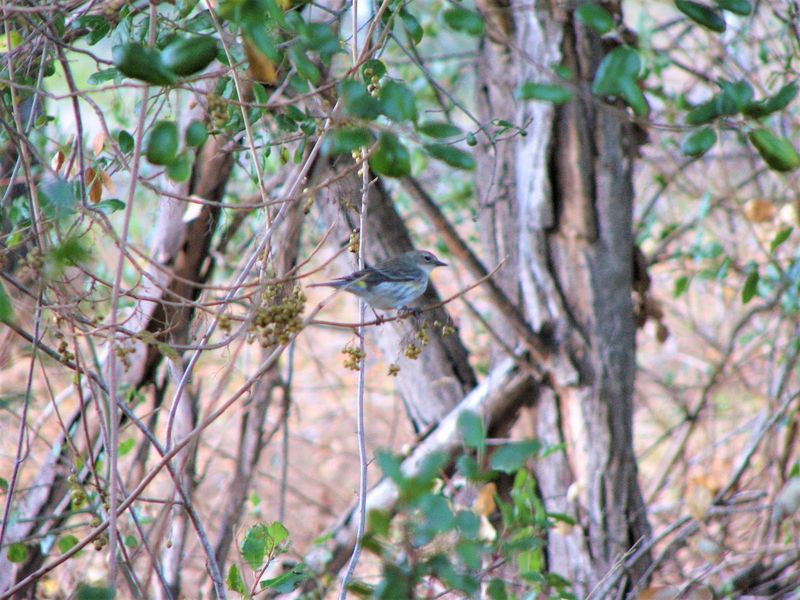
A practical approach to California Towhees in the garden comes down to a short sequence: confirm you are actually watching a California Towhee using location and field marks, provide brushy cover and open ground if you want to support the species, observe whether its foraging helps or disturbs a particular bed, and protect vulnerable seedlings with physical barriers when scratching causes real problems.
On the pest-control side, keep expectations proportional to what the evidence actually shows. Cornell Lab’s life history documentation confirms that towhees eat insects, especially during breeding season, but their diet is broad and their foraging is not targeted at specific pest species.
The broader predator research supports possible, variable pest suppression across different systems, not a guaranteed outcome in any single yard. Continue monitoring your plants, confirm pest identity before treating, and use UC IPM’s home and landscape guidance to choose targeted, evidence-based responses when a real problem is confirmed.
The California Towhee is worth knowing. A bird that works the leaf litter, eats beetles and snails, and raises its young on a diet that includes garden insects is a functioning part of a healthy yard ecosystem.
Recognizing it for what it actually contributes, rather than what gardening folklore sometimes credits it with, is the more useful and more honest way to share the garden with it.