
Fall in California is a tricky time to feed your trees. Some trees drink up nutrients before winter and reward you with a stronger spring, while others get hurt when you push new growth right before the cold or dry stress hits.
Feeding the wrong tree at the wrong time can waste water, invite pests, or even weaken it. Here is a simple, California-specific guide to which trees welcome a fall meal and which ones you should leave alone.
1. Citrus Trees (Fertilize with Care)
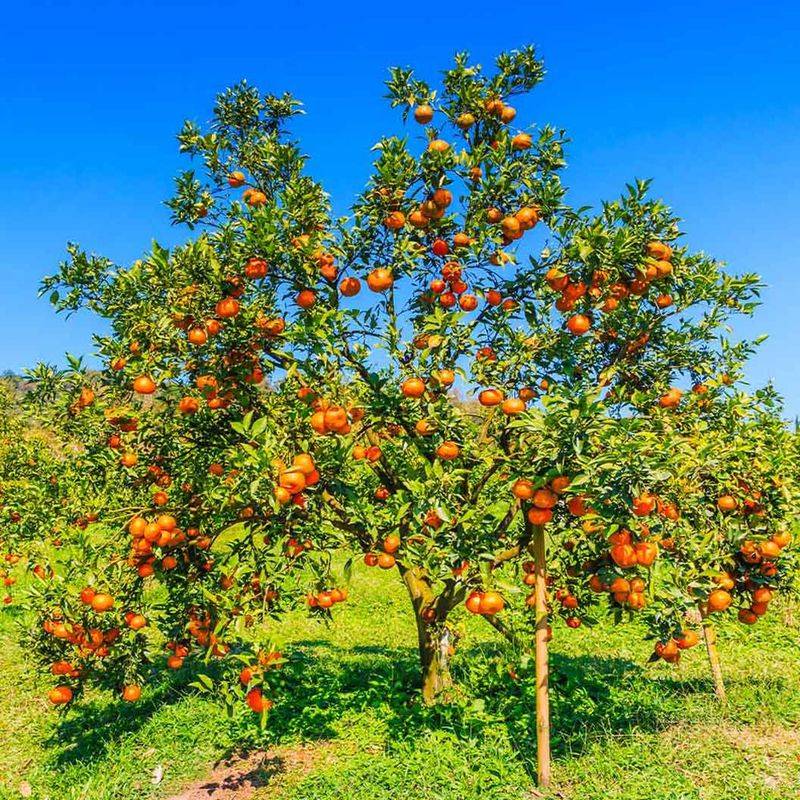
Backyard lemons and oranges are the pride of many California yards, and they do appreciate steady nutrition. In mild coastal and inland zones, a light feeding in early fall can help fruit finish and roots stay strong through the cool months.
The key word is light. Heavy nitrogen late in the season pushes tender new leaves that frost can burn, especially in inland valleys where nights drop fast.
Aim for a balanced citrus formula and stop pushing growth once temperatures cool.
Water deeply after feeding, since dry roots cannot use the nutrients you just gave them. If your area is under water restrictions, spread the feeding around a slow soak rather than a quick sprinkle.
2. Coast Live Oak (Leave It Alone)
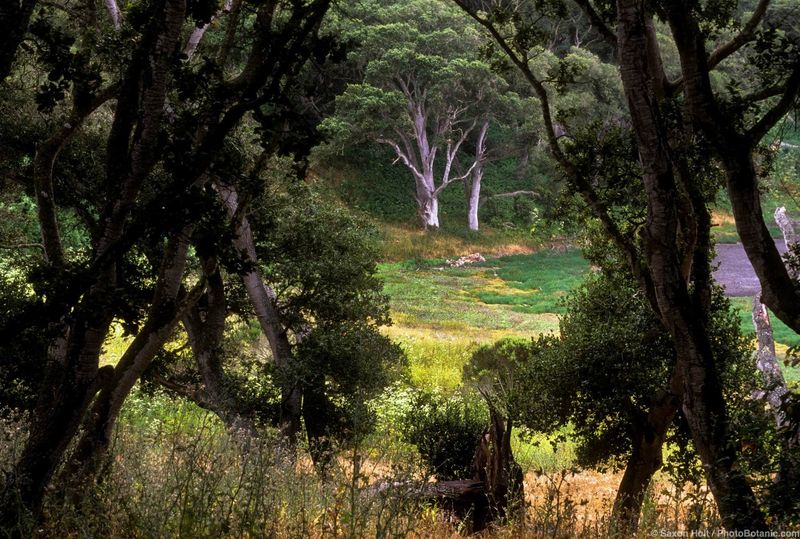
If there is one tree you should keep your hands off in fall, it is the mighty coast live oak. These natives evolved to thrive on lean, dry California soils, and extra fertilizer does more harm than good.
Pushing new growth going into the dry season stresses the tree and can make it more attractive to pests and diseases. Oaks are also sensitive around their roots, so piling on rich amendments near the trunk invites rot.
The best gift you can give an oak is simply to leave the ground beneath it undisturbed. Skip the summer water, skip the fertilizer, and let this drought-adapted giant do what it has done for centuries.
3. Japanese Maple (Skip the Fall Feeding)
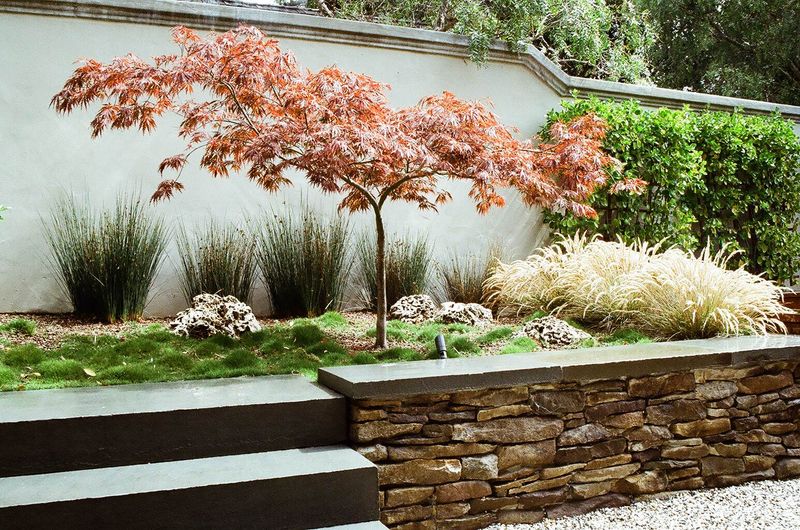
Homeowners love the fiery fall color of Japanese maples, and that is exactly why you should not feed them now. As the leaves turn, the tree is winding down for the season, not gearing up.
Feed a Japanese maple in fall and you may trigger a flush of soft new leaves that get scorched by dry Santa Ana winds or an early cold snap. That tender growth also drains energy the tree wants to store in its roots.
Wait until early spring to give it a gentle, slow-release feeding. For now, a layer of mulch and consistent, careful watering is all this graceful tree asks for.
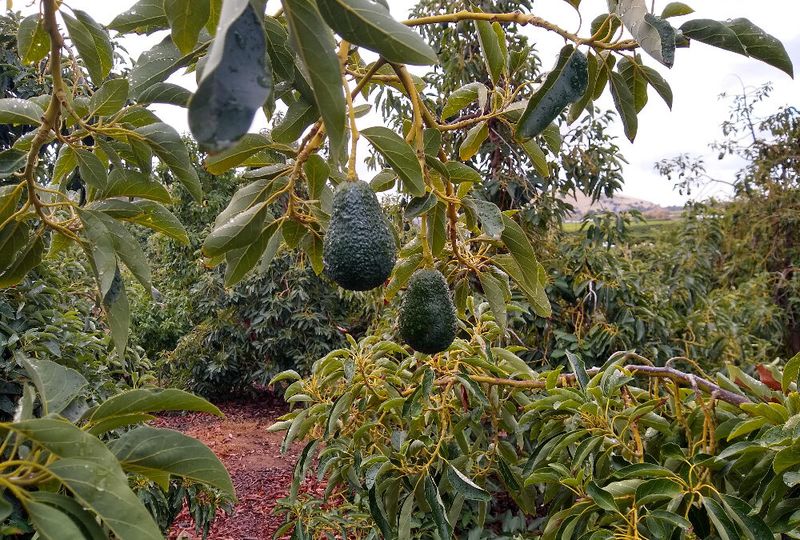
4. Avocado Trees (Feed Lightly and Early)
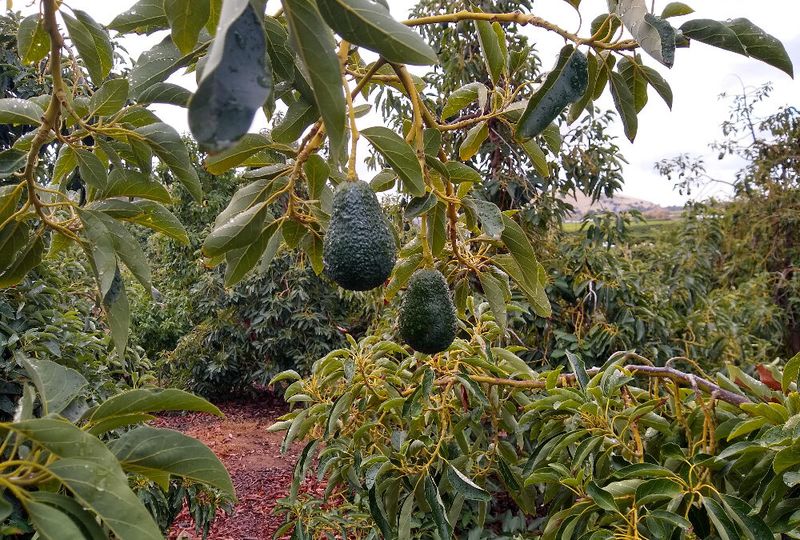
Ask any Southern California homeowner with an avocado tree and they will tell you it can be fussy. Fall feeding is possible, but timing and restraint matter more than with almost any other backyard fruit tree.
Avocados have shallow, delicate roots that hate salty buildup, so a light early-fall feeding paired with a deep, slow soak keeps things safe. Push too much nitrogen late and you get leafy growth that frost can nip and fruit set that suffers.
Mulch generously with leaf litter, which avocados actually prefer, and let the natural breakdown feed the soil. Sometimes the gentlest approach gives you the guacamole you were hoping for.
5. California Sycamore (Do Not Push It)
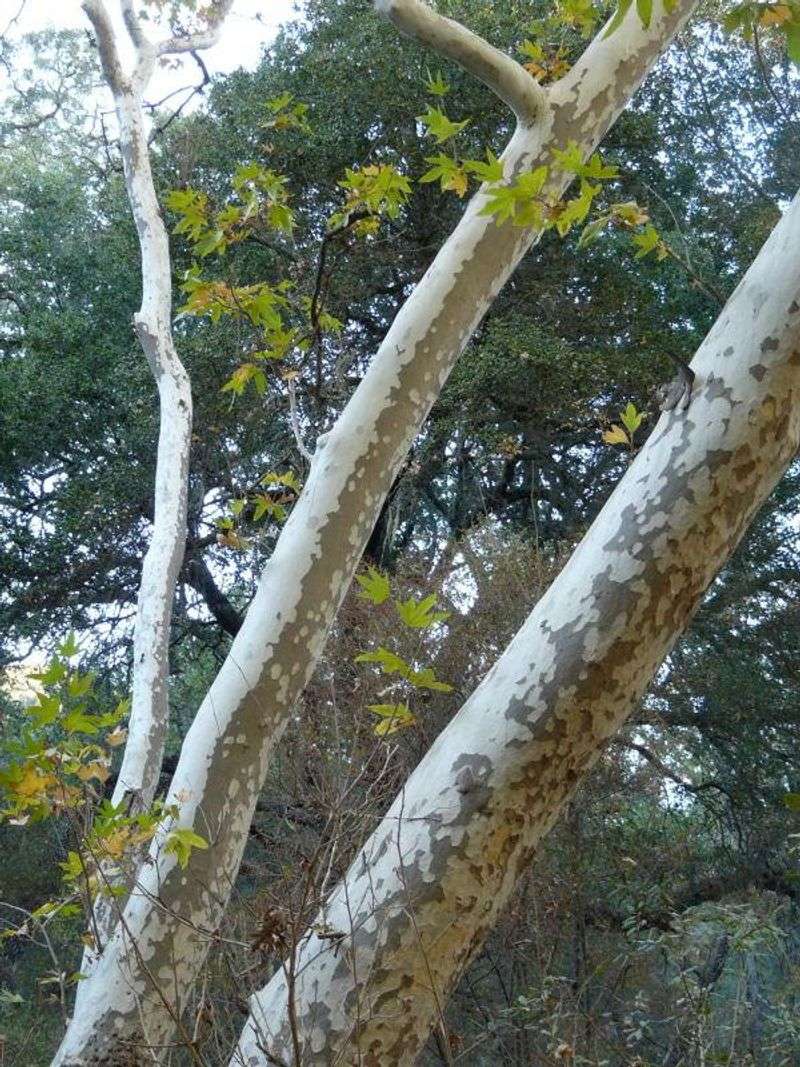
With its peeling, patchwork bark and huge leaves, the California sycamore is a native standout, and it does not want your fall fertilizer. These trees are built for the rhythm of wet winters and bone-dry summers.
Feeding late in the year encourages growth the tree cannot support once the dry stress returns, and sycamores are already prone to leaf diseases like anthracnose. Extra nitrogen can make that worse, not better.
Let it drop its leaves and rest. A native sycamore planted in the right spot rarely needs anything more than the winter rains California naturally provides.
6. Deciduous Fruit Trees (Apple, Peach, Plum)
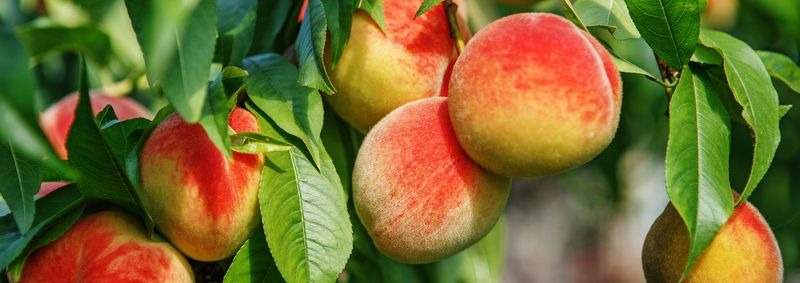
Here is a group that actually benefits from a smart fall approach. Apples, peaches, and plums in California’s inland zones store energy in their roots after the leaves fall, and a well-timed feeding supports next year’s crop.
The trick is to wait until the tree is dropping leaves and going dormant, not while it is still green and active. A light application of a balanced or slightly potassium-rich fertilizer helps root reserves without forcing risky new shoots.
Pair it with a deep watering before the soil cools. Come spring, those stored nutrients can translate into stronger blossoms and better fruit set.
7. Coast Redwood (Hands Off in Fall)
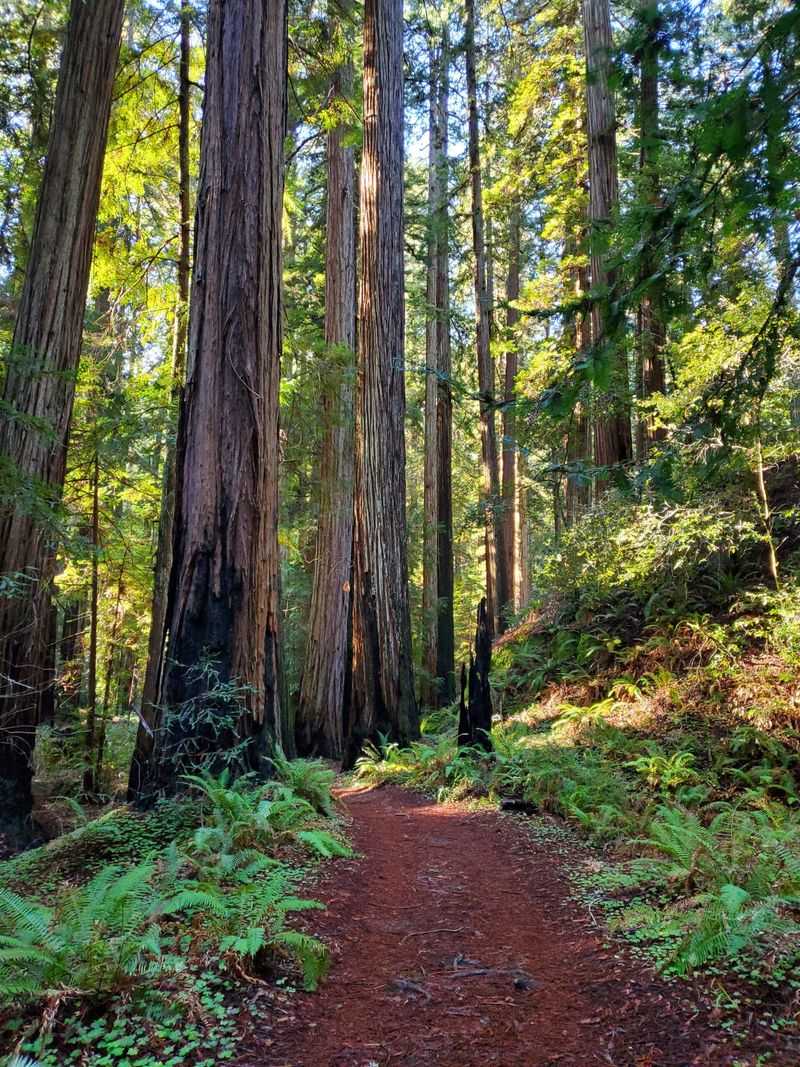
Few trees command respect like a coast redwood towering over a yard. But feeding one in fall is a mistake many homeowners make without realizing it.
Redwoods pull most of their moisture from fog and cool, damp conditions, and they are not heavy feeders. Adding fertilizer, especially high-nitrogen types, can burn their roots and encourage growth the tree cannot sustain through drought.
What a redwood truly wants is a thick blanket of its own fallen needles as mulch and steady moisture at the roots. Skip the feeding entirely and focus on keeping that soil cool and slightly damp.
8. Young Landscape Trees (A Gentle Boost)
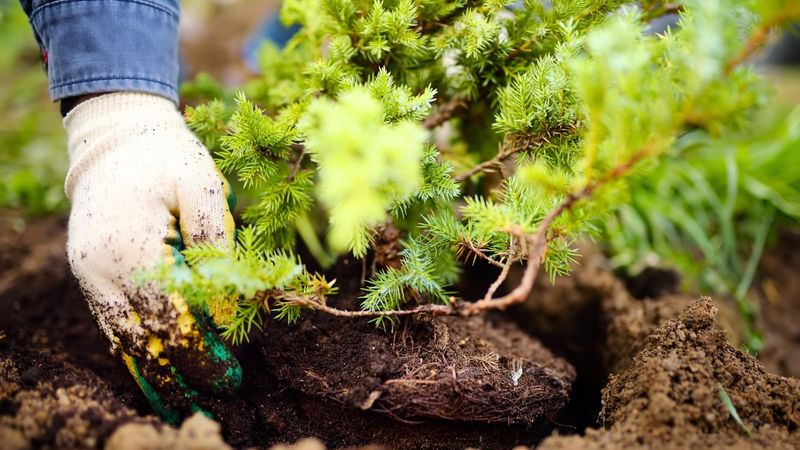
Just planted a new tree in your front yard this year? Young, establishing trees are one of the few cases where a careful fall boost genuinely helps in California’s mild-winter zones.
Their small root systems are still spreading, and a light, slow-release feeding can encourage root growth during the cooler, moister months rather than the harsh dry summer. Keep the fertilizer away from the trunk and water it in well.
Do not overdo it, though. A modest amount plus a wide mulch ring beats a heavy dose that could scorch those tender young roots before winter rains arrive.
9. Manzanita and Ceanothus (Never Feed)
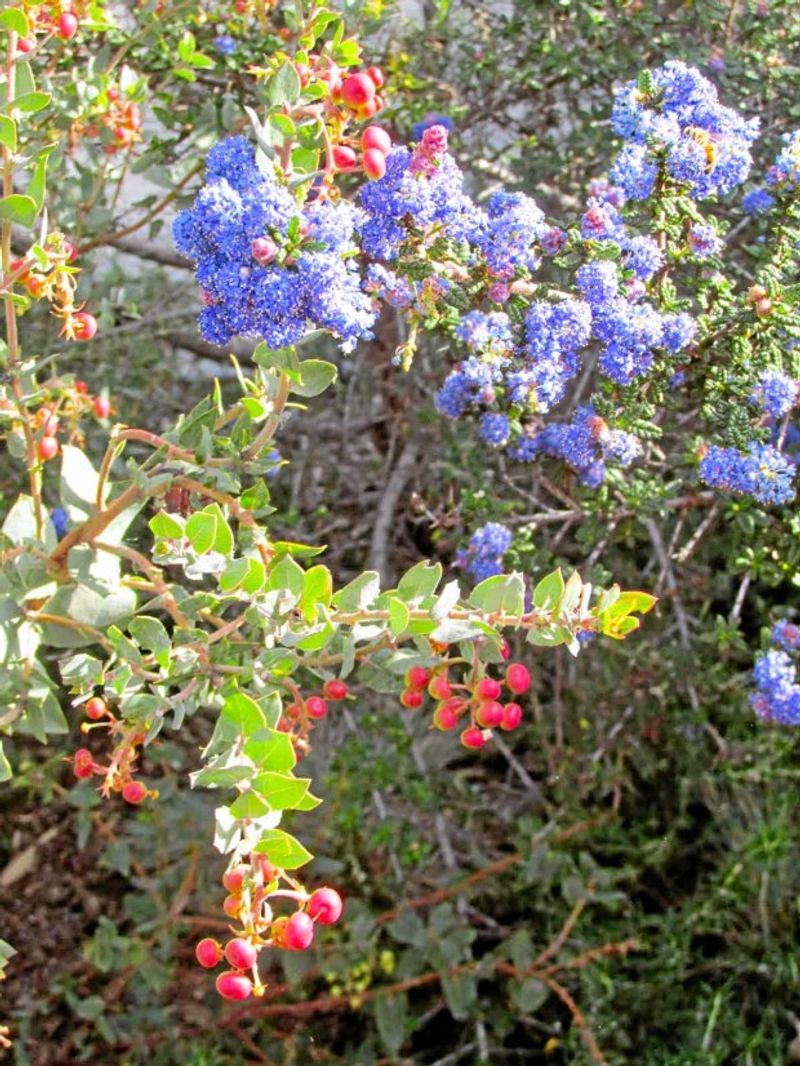
Two of the most beloved California natives, manzanita and ceanothus, share a golden rule: do not feed them, ever, especially in fall. These plants are drought royalty, adapted to poor, fast-draining soils.
Rich fertilizer overwhelms them and can actually kill them, causing weak, leggy growth or root rot. Ceanothus in particular is famous for resenting any pampering, from extra water to extra nutrients.
Plant them in lean soil, water sparingly while they establish, and then step back. Their reward to you is water-wise beauty and a buffet for native pollinators and birds, no feeding required.
10. Palm Trees (Feed Before the Cool-Down)
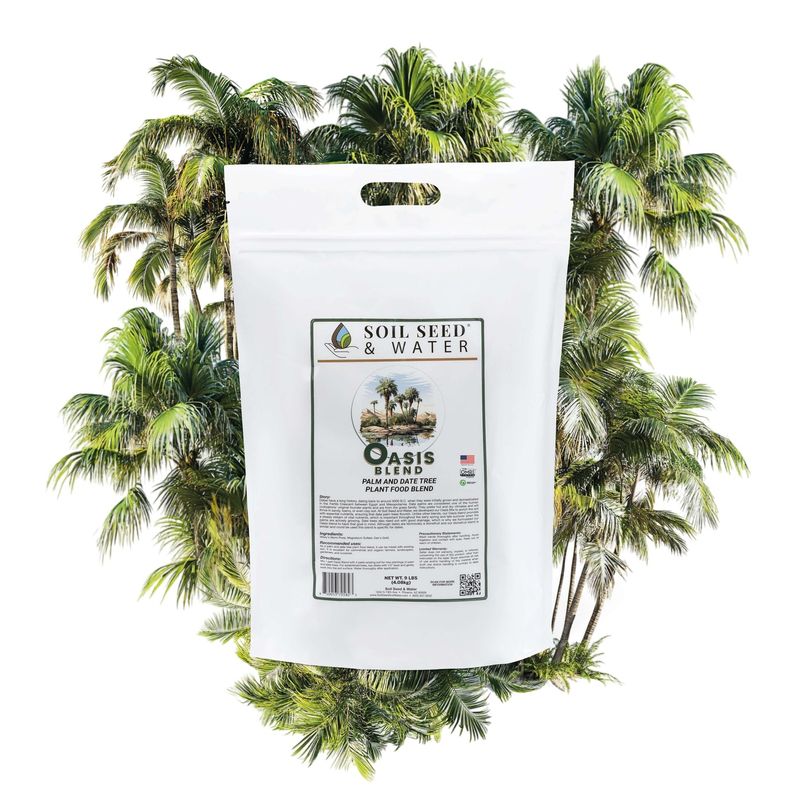
Palms give California yards that resort feel, and unlike the natives on this list, they often do appreciate a fall meal in the right zones. Palms are heavy users of specific nutrients like potassium and magnesium.
A palm-specific fertilizer applied in early fall, before the weather cools, helps prevent the yellow, frizzled fronds that signal a hungry palm. Spread it in a wide band under the canopy and water it in deeply.
Time it right, though. In cooler inland areas, feed early enough that the palm can use the nutrients before growth slows, rather than dumping fertilizer that just sits and washes away.
Get the timing wrong across any tree on this list and you either waste resources or stress the plant. Match the feeding to the tree’s nature and California’s wet-winter, dry-summer rhythm, and your yard stays healthier with far less effort.