
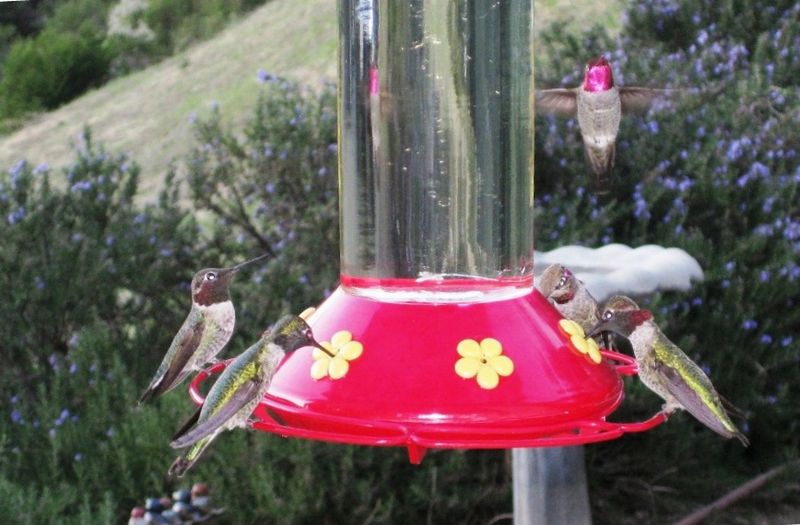
If your hummingbird feeder has gone quiet this fall, you are not alone, and you probably have not done anything wrong. Across California, feeder visits often drop noticeably between late summer and early winter, and the reasons are more interesting than a simple goodbye.
Understanding what is actually happening can help you take better care of the birds that are still around, even when you cannot see them at the feeder.
A fall feeder decline does not mean every bird left
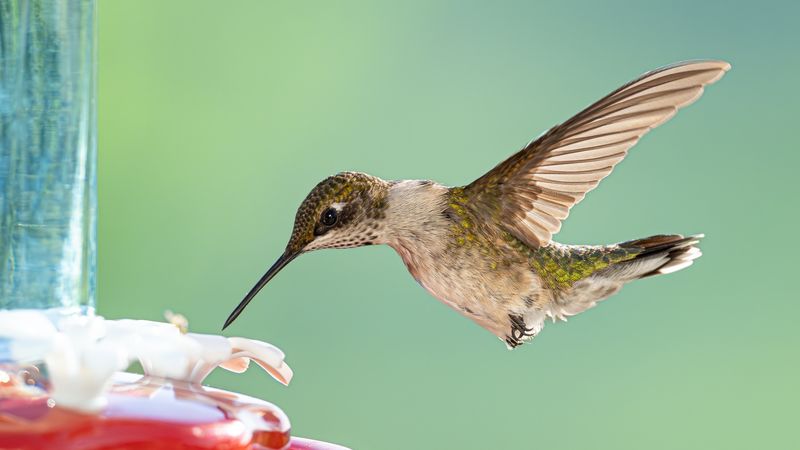
Fewer hummingbirds at your feeder this fall is almost certainly not a sign that something went wrong. What most California homeowners are seeing is a shift in which birds are using the yard, not a mass exit or a signal that the feeder stopped working.
A quiet feeder and an empty neighborhood are two very different things.
California is home to both migratory and resident hummingbirds, and that mix matters enormously when you try to interpret a fall slowdown. Anna’s Hummingbirds are present across California year-round and do not follow a predictable migratory schedule the way many other species do.
Allen’s Hummingbirds include both migratory birds and a resident subspecies that stays in parts of Southern California through winter.
Because species, geography, and individual behavior all shape the fall pattern, a coastal Los Angeles yard, a Sierra foothill yard, and a Central Valley yard can experience completely different changes in the same week. Cornell Lab notes that hummingbird numbers naturally fluctuate and that a drop in feeder traffic does not automatically mean birds have left the surrounding area.
The California Wildlife Habitat Relationships System documents just how many species and habitat types exist across the state, which is a reminder that no single pattern fits every California yard.
A bird that has stopped visiting your feeder may be foraging in a neighbor’s garden, perching in a tree two lots over, or simply working a patch of fall-blooming flowers nearby. Keeping that possibility in mind is the first step toward reading the season accurately.
Species and location shape the fall pattern
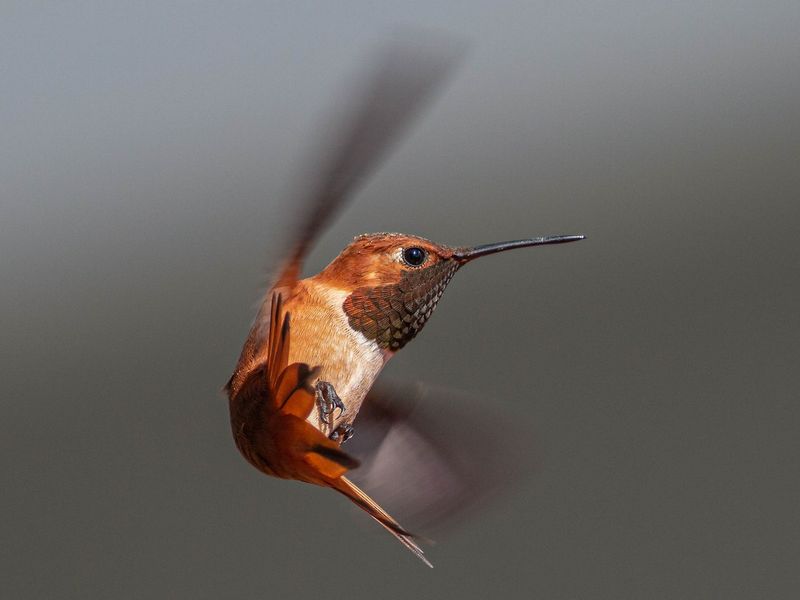
Rufous Hummingbirds are often the most visible reason for a sharp late-summer or early-fall feeder drop. California Department of Fish and Wildlife describes Rufous Hummingbirds as common migrants that move south through the Sierra Nevada, mountain habitats, and southern deserts after breeding, with most leaving California by mid-September.
A yard that hosted a wave of these bright orange birds in August can feel strikingly empty by the time September ends. Some Rufous Hummingbirds do overwinter in Southern California, so a complete disappearance is not guaranteed everywhere.
Allen’s Hummingbirds present a more complicated picture. CDFW’s Allen’s Hummingbird life history describes a migratory population that generally winters in Mexico and a resident subspecies found year-round around Los Angeles, the Channel Islands, and parts of Southern California.
Range maps from Cornell Lab confirm that the resident Allen’s range is fairly narrow, which means a Northern California yard losing Allen’s in fall is probably watching migratory birds depart, while a coastal Southern California yard may still have residents nearby.
Anna’s Hummingbirds are the most consistent year-round presence across California. They rarely make long-distance migrations and can be found at feeders from the Oregon border to the Mexican border in every season.
If your yard has had Anna’s before and visits have slowed, the explanation is more likely to be local food, territorial behavior, or weather than a seasonal departure.
For Southern California homeowners, Costa’s Hummingbirds add another layer. CDFW’s Costa’s Hummingbird account notes that these birds can move upslope after breeding and shift during fall migration, with some wintering along the southern coast or in desert areas.
A desert yard in the Coachella Valley and a coastal yard in San Diego can have very different Costa’s activity in the same October week.
Where some hummingbirds go after summer
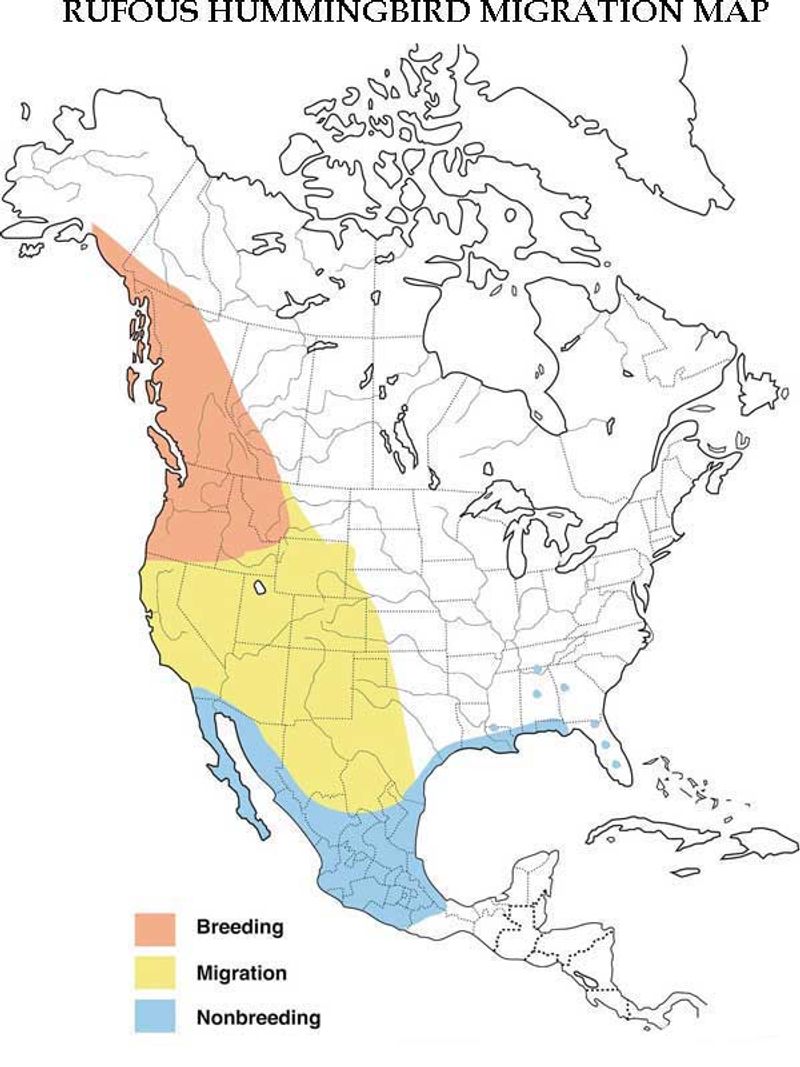
The honest answer to “where did they go?” is that it depends on the bird. Some migratory hummingbirds, particularly Rufous and migratory Allen’s, continue south toward Mexico after passing through California.
Others move through the state’s interior habitats, including mountain meadows, riparian corridors, chaparral slopes, and desert washes, rather than making a straight shot south from your backyard. CDFW’s Rufous Hummingbird account describes a postbreeding movement that uses multiple California habitat types before birds exit the state.
Resident birds complicate the story further. A California study using RFID-equipped feeders found that Anna’s and Allen’s Hummingbirds displayed what researchers called “facultative migration,” meaning the same local population contained both birds that stayed and birds that left.
That study, published in Proceedings of the Royal Society B, tracked individual birds at two California sites and found that the mix of resident and migratory behavior varied between individuals rather than following a single pattern. Importantly, those two sites cannot represent every California yard, so the finding is a useful caution against assuming all birds in a given location behave the same way.
Costa’s Hummingbirds add a third possibility for Southern California readers. CDFW’s Costa’s account describes upslope movement after breeding and a fall shift toward coastal and desert wintering areas, which means some birds may simply be moving to a different part of the same region rather than leaving California at all.
The practical takeaway is that “they went to Mexico” is a reasonable answer for some species and some individuals, but it is too broad to describe what happens to every bird that stops appearing at a California feeder in fall. Some are nearby, some are in other California habitats, and some genuinely did continue south.
A quiet feeder is not a population count
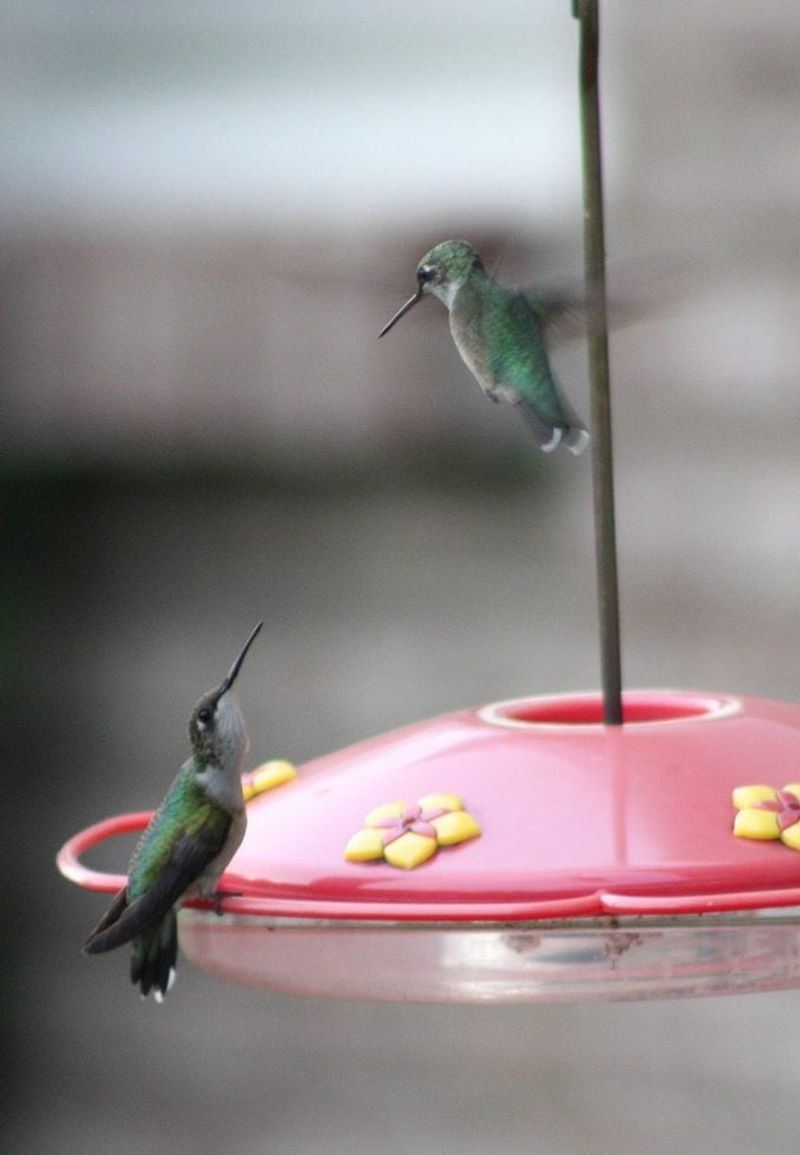
Feeder traffic is a useful signal, but it is a poor substitute for a real bird count. Cornell Lab points out that abundant wildflowers can pull hummingbirds away from feeders entirely, leaving the nectar untouched even when birds are active nearby.
A fall flush of California fuchsia, salvia, or late-blooming penstemon can reduce feeder visits to nearly zero while the yard remains full of hummingbirds.
Weather, breeding-cycle changes, and simple movement to another part of the yard can produce the same effect. A bird that spent summer perching on a specific branch near the feeder may shift to a different shrub or foraging route as fall temperatures change, making it seem to vanish from the homeowner’s usual vantage point.
Territorial behavior is one of the most underappreciated explanations for a sudden apparent disappearance. Male hummingbirds can aggressively defend a feeding area, chasing subordinate birds away so persistently that only the dominant male appears at the feeder.
If visits seem to have dropped from several birds to one, or from one to none, a territorial takeover is worth considering before assuming migration or illness. UC ANR’s hummingbird garden guide recommends spacing multiple feeders out of sight from each other as a practical way to reduce territorial exclusion and give subordinate birds a better chance at feeding.
Placing feeders on different sides of the house or at different heights can make a noticeable difference without requiring any major yard changes.
The broader point is that a quiet feeder tells you something changed, not necessarily what changed or how serious it is. Pairing that observation with what else is happening in the yard gives a much more reliable picture.
Keep the feeder available and maintain it correctly
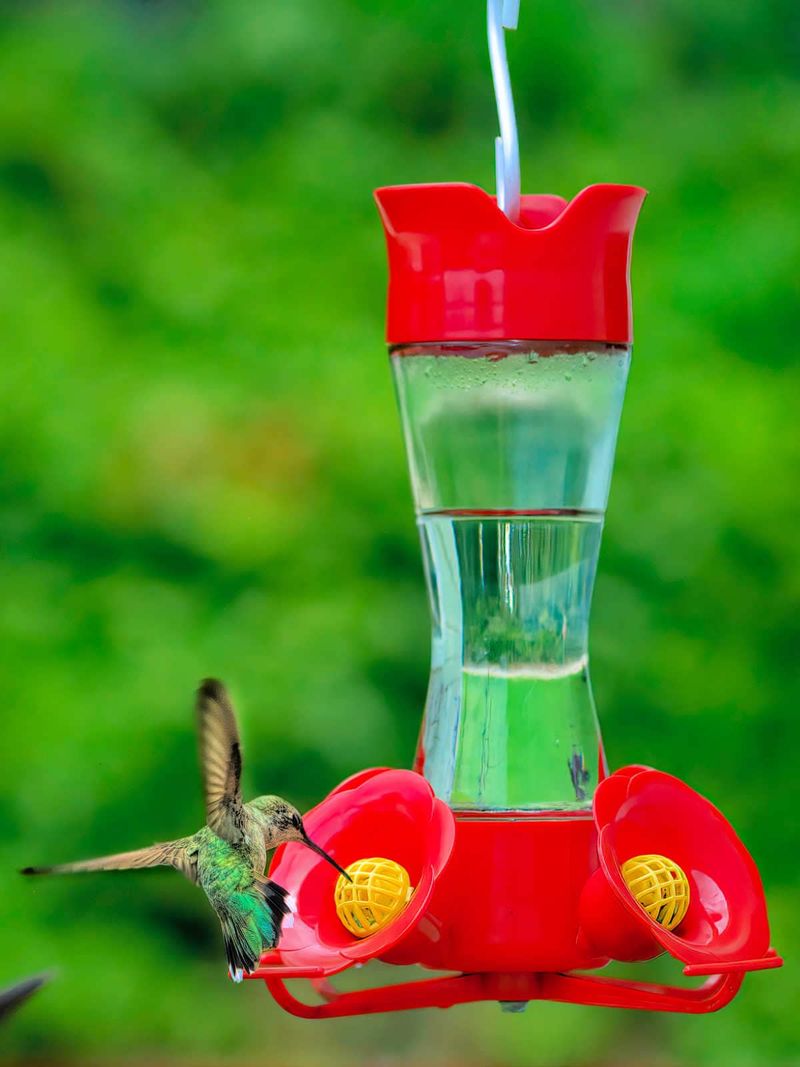
One of the most persistent worries among California feeder owners is that leaving a feeder up will somehow trap birds and prevent them from migrating at the right time. Audubon’s hummingbird feeding guidance addresses this directly, explaining that feeders do not appear to prevent normal migration.
Seasonal cues influence when birds move, and a full feeder of sugar water does not override those cues. Keeping the feeder available through fall means any resident birds, late migrants passing through, or unusual winter visitors will have a reliable food source.
The nectar recipe matters more than most homeowners realize. Use one part plain white sugar dissolved in four parts water, and stop there.
Cornell Lab’s Anna’s Hummingbird page and UC ANR’s Bay Area hummingbird garden guide both advise against honey, which can promote dangerous fungal growth, as well as artificial sweeteners, which provide no energy, and red food coloring, which is unnecessary and potentially harmful. A stronger sugar mixture is not better for the birds and can actually stress their kidneys.
Freshness is the other half of the equation. UC Cooperative Extension in Ventura County recommends replacing nectar roughly every two to three days in warm weather, and sooner if the solution turns cloudy or you notice fermentation.
California’s warm fall days in inland and Southern California valleys can spoil nectar faster than many homeowners expect. UC ANR’s feeder cleaning guide recommends cleaning with hot water and rinsing thoroughly before refilling.
Placing the feeder in partial shade can slow spoilage, which is genuinely helpful in a hot California fall. Shade is a useful tool, but it does not eliminate the need for regular cleaning and nectar replacement.
A shaded feeder with stale nectar is still a problem.
Hygiene matters, but it does not explain every decline
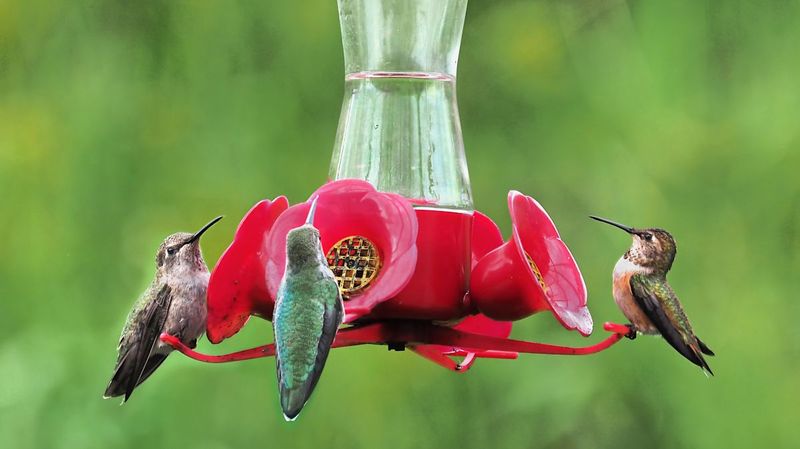
Feeder cleanliness is a genuine stewardship responsibility, and the science behind it is worth understanding accurately. Researchers found that hummingbird feeder solutions contain distinct microbial communities, different from those found in natural flower nectar.
A peer-reviewed study on feeder microbial communities identified a range of organisms present in feeder solutions, but most were not known to cause disease in hummingbirds. The health consequences of altered microbial exposure remain uncertain based on current evidence.
UC Davis researchers who summarized the feeder microbe findings framed the results as a reason to maintain feeders carefully, not as proof that ordinary feeder use harms birds. Microbial presence alone does not explain a seasonal decline in visits, and a normal fall slowdown should not be read as evidence that the feeder made birds sick.
The signs that genuinely warrant concern are different from a quiet feeder. Visibly spoiled nectar, nectar that smells fermented or looks cloudy and stringy, is a clear reason to clean and refill immediately.
Finding a sick or dead bird near the feeder, or noticing multiple dead birds over a short period, would be a reason to take the feeder down temporarily, clean it thoroughly with hot water and proper rinsing as UC ANR advises, and consider whether something else in the yard might be causing harm.
An ordinary fall reduction in visits, especially one that follows a summer of heavy Rufous or Allen’s traffic, is far more likely to reflect natural seasonal change than a hygiene problem. Good feeder maintenance is the right habit regardless, because it keeps the option available for birds that do stop by.
Build a yard that offers more than sugar water
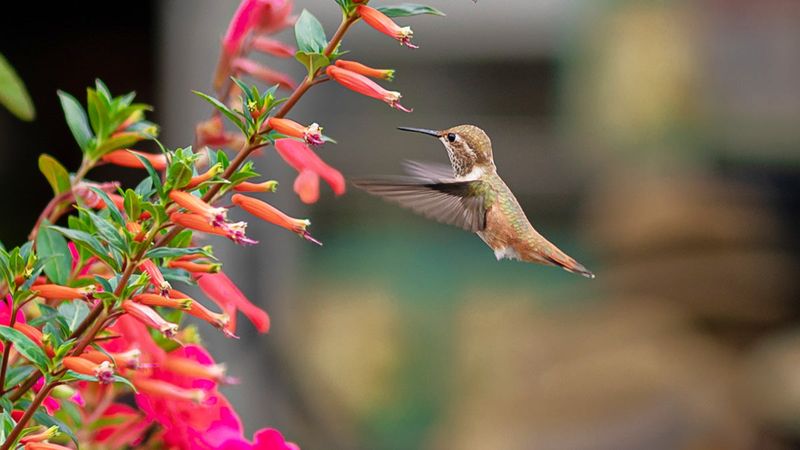
Sugar water provides carbohydrate energy, and hummingbirds will use it readily, but it does not replace everything a bird needs to thrive. Natural nectar from flowers delivers a more complex nutritional profile, and insects and spiders supply the protein that hummingbirds require for muscle maintenance, feather condition, and chick development.
A yard built around a feeder alone is missing most of what makes a space genuinely useful to hummingbirds.
California offers a remarkable range of native plants suited to different regions and climate zones. UC ANR’s hummingbird garden resource recommends California fuchsia, native salvias, monkeyflower, penstemon, currant, gooseberry, and manzanita as plants that provide reliable nectar across a long season.
Locally appropriate choices matter: a coastal San Diego garden and a Sacramento Valley garden will support different species mixes, and matching plants to your specific climate zone helps birds find food when and where they need it. CDFW’s Allen’s Hummingbird account specifically notes the importance of native flowering plants for supporting resident populations.
Pesticide use deserves careful thought in any yard where hummingbirds are present. Insecticides reduce the arthropod populations that hummingbirds depend on for protein, even when flowers remain plentiful.
The U.S. Fish and Wildlife Service notes that insects and spiders are essential to hummingbird diets and that habitat quality affects more than just nectar availability.
Feeder placement also affects how safely birds can feed. UC ANR’s hummingbird-friendly garden guide advises placing feeders near usable perches, such as open branches or thin wires, where birds can rest and watch for threats.
Positioning a feeder directly against dense shrubs can create cover where cats or other predators wait, so a little open space around the feeder is worth maintaining.
Use the whole pattern to decide whether concern is warranted
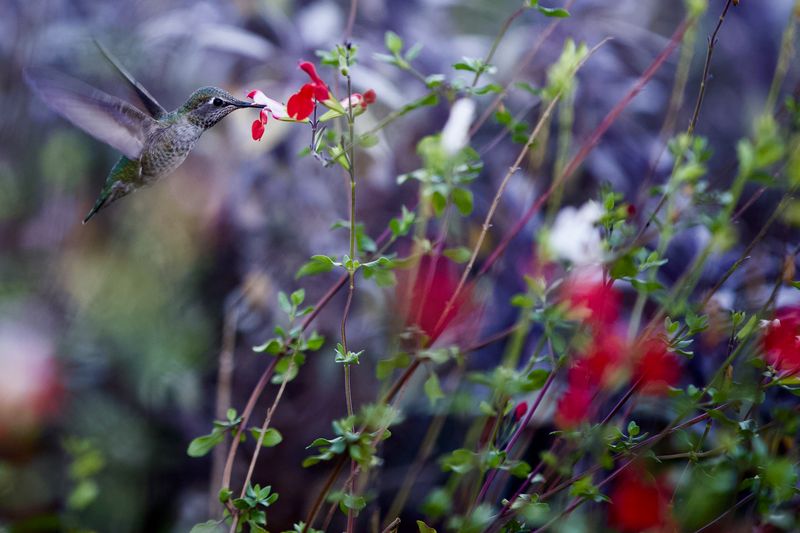
A normal fall decline in feeder visits, especially after a summer when Rufous or migratory Allen’s Hummingbirds were frequent visitors, is not evidence that birds were harmed, trapped, or driven away. Reading the pattern accurately means looking at several things together rather than treating the feeder as a single reliable source of information.
Start with what you know about the species in your yard. If you had a mix of Rufous and Anna’s all summer, a September drop makes sense because the Rufous are moving south while the Anna’s may still be nearby.
Consider what is blooming locally, whether a neighbor recently planted something attractive, and whether one aggressive bird seems to have claimed the feeder area. Cornell Lab’s guidance on feeder declines encourages homeowners to consider natural food availability and territorial behavior before assuming something is wrong.
The signs that genuinely shift the picture are specific and observable. Sick or dead birds near the feeder, nectar that looks visibly spoiled or fermented, a documented local disturbance such as a nearby pesticide application or wildfire smoke event, or a feeder that has not been cleaned in weeks are all reasons to take action.
Audubon’s feeder FAQ and the microbial research summarized by UC Davis researchers both point toward maintenance and observation as the appropriate response to uncertainty, not alarm.
Keep the feeder clean, keep the nectar fresh, and keep adding native plants where you can. A yard that provides flowers, insects, shelter, and safe perches will attract hummingbirds more reliably than a feeder alone, and it will hold that value through every season, not just the busy ones.
The quieter months are simply a different chapter in the same ongoing story.