
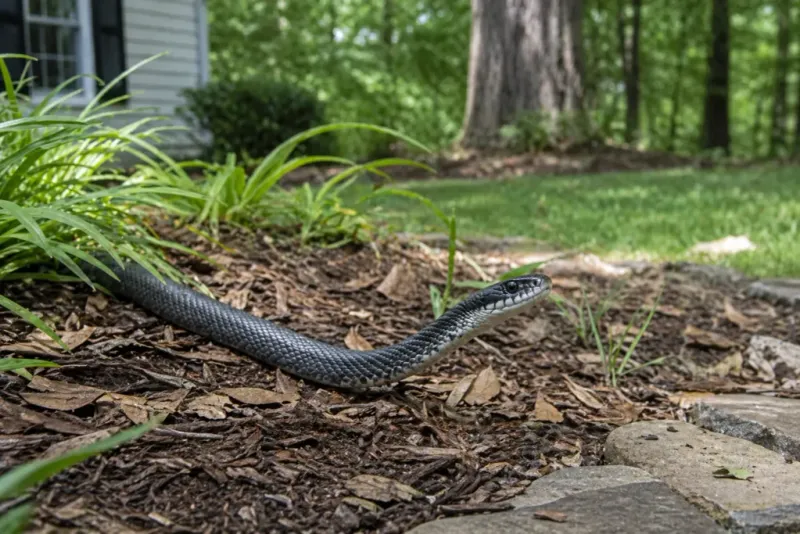
September is a busy month in Florida yards, and small snakes often show up just when people are trimming, planting, and cleaning beds for fall. Most are not looking for trouble.
They are usually following food, shade, moisture, or shelter. Knowing what draws them in helps you make safer, cleaner yard choices without harming helpful wildlife.
1. Thick Groundcover Near the House
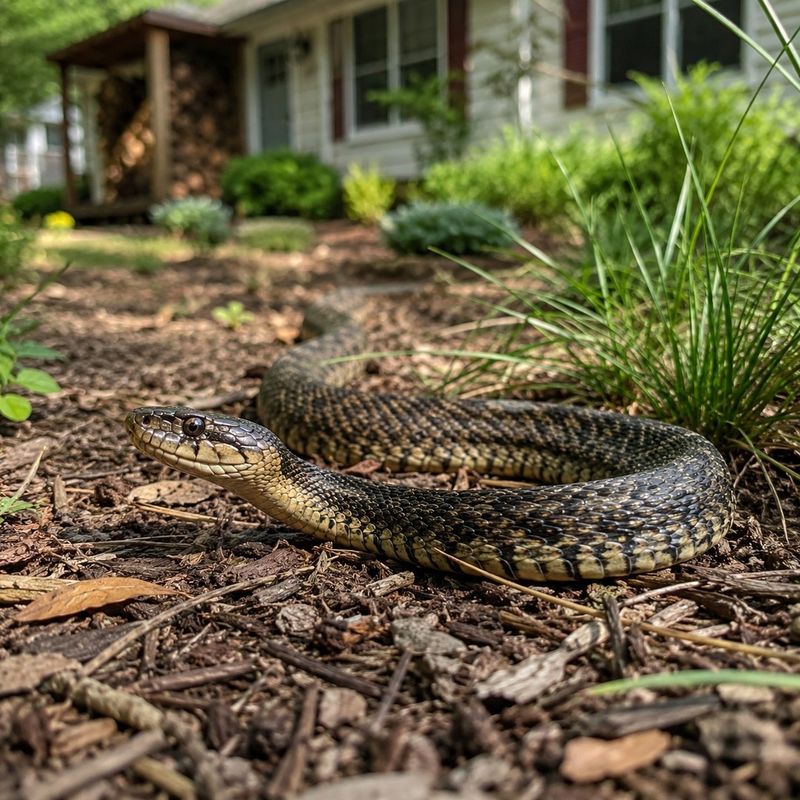
A snake crossing the walkway can feel like it appeared from nowhere, but low, thick plants often give it a hidden path right up to the porch. In Florida, fast-growing groundcovers can fill in quickly after summer rain, especially around foundations, AC pads, and shaded side yards.
Dense jasmine, liriope, wedelia, mondo grass, and tangled weeds can hold moisture and keep the soil cooler than open mulch. That cover is useful for lizards, frogs, insects, and tiny rodents, which also happen to be common snake food.
You do not have to strip your beds bare. Keep plants trimmed back from the wall, open a clear inspection strip along the foundation, and thin crowded patches before they become a green mat.
A neat edge gives you better visibility and makes small snakes less likely to linger where people step, kneel, or reach.
2. Leaf Litter Piled Under Shrubs
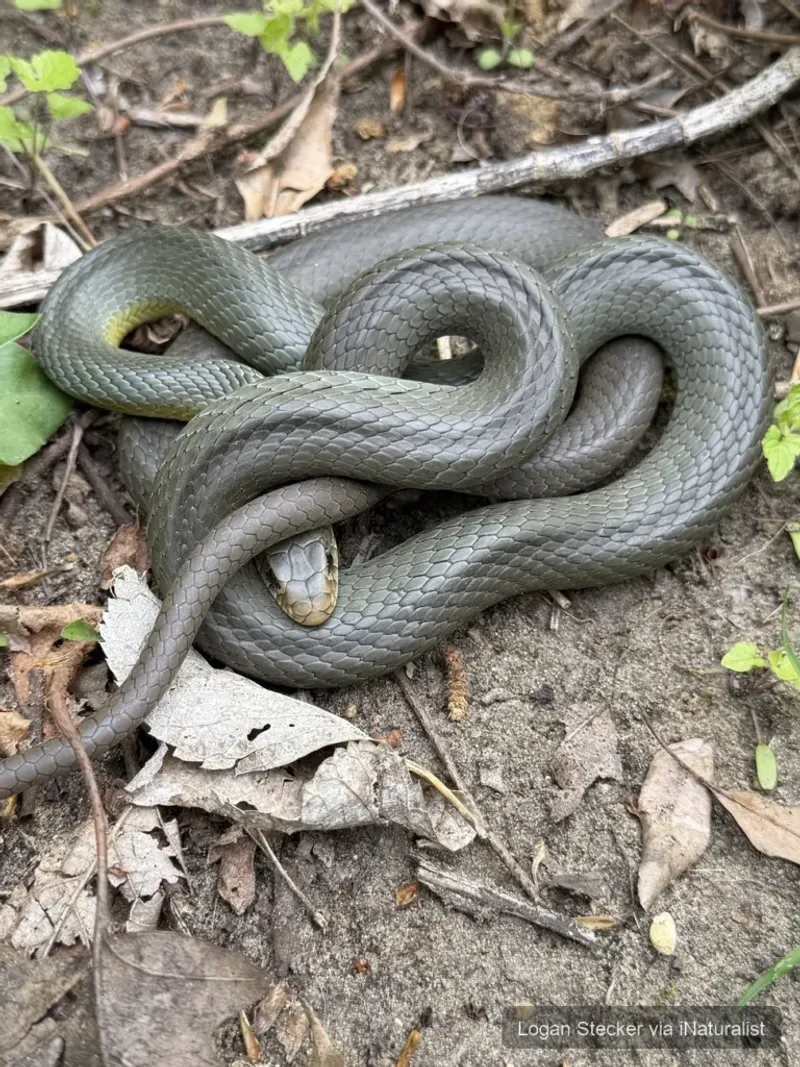
Crunchy leaves under a shrub may look harmless, and in many wildlife gardens they are helpful. The problem starts when leaf litter gets deep, damp, and packed against walkways, patios, and doors where people do not expect movement.
September storms knock down oak leaves, palm fronds, seed pods, and twigs across much of Florida. Under shrubs, that debris becomes a cool blanket filled with roaches, beetles, worms, slugs, frogs, and small skinks.
For a tiny snake, it is both a buffet and a hiding place.
A smarter approach is selective cleanup. Leave some natural leaf layer in the back of deeper beds if you want habitat, but pull piles away from entries, play areas, hose bibs, and stepping stones.
Rake matted debris into a compost area or a designated wildlife corner that sits away from the house. You keep the soil benefits while reducing surprise encounters in high-traffic spots.
3. Overwatered Beds and Soggy Mulch
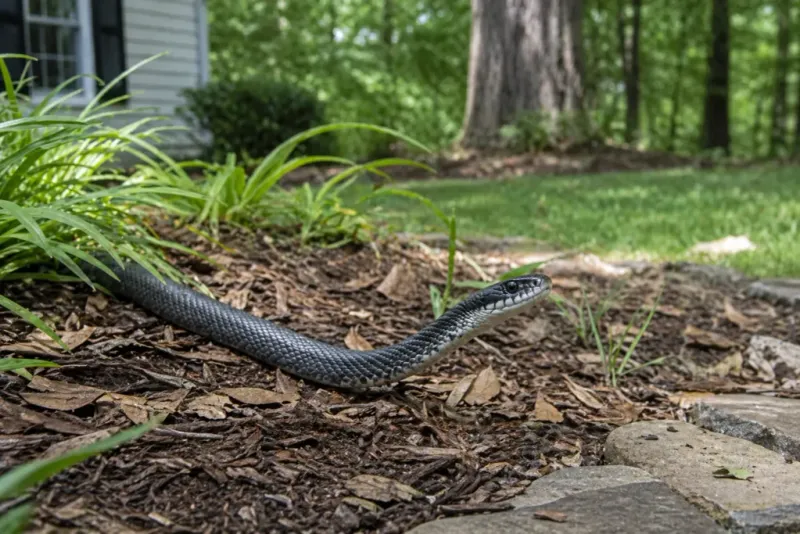
That soft, wet mulch smell after an irrigation cycle can attract more than plant roots. When beds stay damp day after day, they become a magnet for insects, earthworms, frogs, and other small animals that snakes hunt.
Florida yards can be tricky because sandy soil drains fast in one spot while compacted areas hold water nearby. Add automatic sprinklers, afternoon storms, and heavy mulch, and a bed beside the house may stay wetter than you realize.
Small snakes often use those damp edges to travel while staying cool.
Check your irrigation schedule as September rain patterns shift. Many homeowners water out of habit even when the yard is already soaked.
Aim sprinkler heads away from walls, avoid piling mulch against stems or siding, and keep mulch around 2 to 3 inches deep rather than creating a thick, sour layer.
If you see mushrooms, standing water, or mulch that never dries on top, treat it as a signal. Fixing the moisture problem improves plant health and removes one of the strongest reasons small snakes pause near the house.
4. Stacks of Pots, Lumber, and Yard Supplies
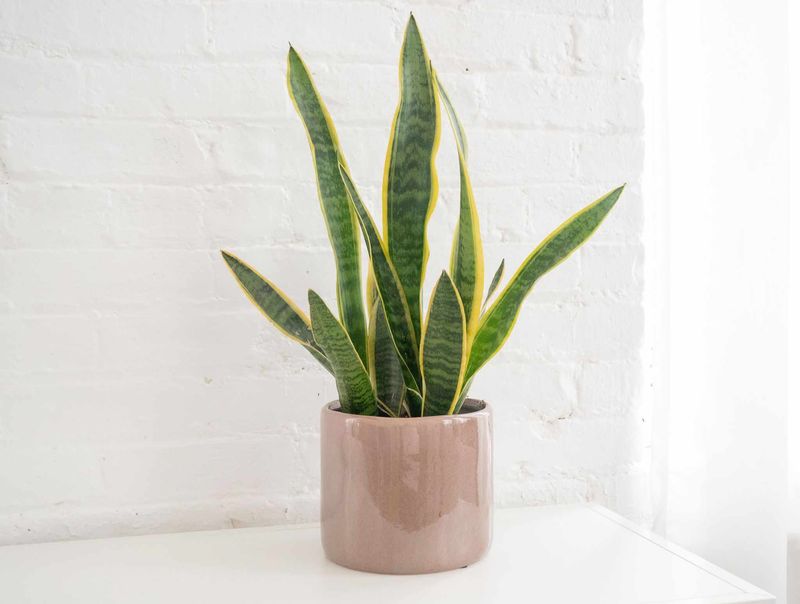
Every side yard has a collection zone. A few extra nursery pots, a bag of soil, leftover pavers, and a board from an old project can quietly turn into a tiny apartment complex for backyard wildlife.
Small snakes like tight, protected spaces where larger predators cannot easily reach them. Stacked pots hold shade and moisture.
Lumber and pavers create flat, dark gaps. Even a folded tarp can shelter insects and lizards long enough to make the area worth checking for a snake.
Florida gardeners often save supplies because the growing season is long and another project is always around the corner. Keep that habit, but organize it with airflow and visibility in mind.
Store pots upside down on a shelf, raise lumber off the ground, shake out tarps before moving them, and avoid leaving bags of mulch or soil open.
Before reaching into a cluttered corner, use a rake handle or gloved hand to shift items slowly. The goal is not to panic.
It is to stop giving small snakes hidden pockets right beside gates, garages, and laundry-room doors.
5. Rodent Activity Around Birdseed and Pet Food
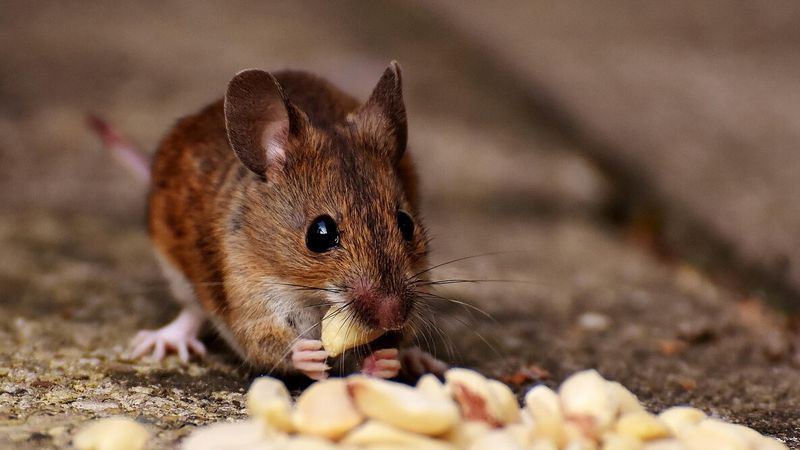
A spilled scoop of birdseed can start a whole backyard chain reaction. First come doves, cardinals, squirrels, and ants.
After dark, mice and rats may investigate the leftovers. Where rodents gather, snakes may eventually follow.
Most small snakes around Florida homes are not large enough to handle big prey, but young rat snakes, racers, corn snakes, and other species may explore areas where small rodents, lizards, or insects are active. Pet food left outdoors has a similar effect, especially near patios, sheds, and screened enclosures.
September is a good time to tighten the routine because stormy weather can push animals toward dry cover around homes. Sweep under feeders, use seed trays, bring pet bowls in after meals, and store seed in a sealed container.
If fruit drops from palms, citrus, or other trees, pick it up before it ferments and draws pests.
Reducing rodent signs is one of the most practical snake-prevention steps a homeowner can take. It also helps with mosquitoes, roaches, and general yard cleanliness, so the payoff goes well beyond one surprise reptile sighting.
6. Low Decks, Skirting, and Open Crawl Spaces
The coolest spot in the yard may be under your deck. After a hot Florida afternoon, that shaded space can stay comfortable, protected, and quiet while the rest of the landscape bakes.
Low decks, loose lattice, mobile-home skirting, and open crawl-space vents can create excellent shelter for small animals. If rainwater drains toward those areas, they may also collect frogs, insects, and soft soil.
A snake does not need a large opening. A narrow gap under a board or panel can be enough.
Walk the perimeter after mowing and look for loose skirting, burrow openings, washouts, and spots where leaves collect. Repair damaged lattice, add sturdy hardware cloth where appropriate, and keep plants from pressing directly against access panels.
Be careful not to trap animals inside. If you suspect something is already living there, call a qualified wildlife professional before sealing major openings.
For gardeners, the big lesson is access control. Shaded structures are useful and attractive, but they should not become mystery spaces you never inspect.
Good airflow, clean edges, and secure panels make the area less inviting.
7. Freshly Disturbed Soil During Fall Garden Prep
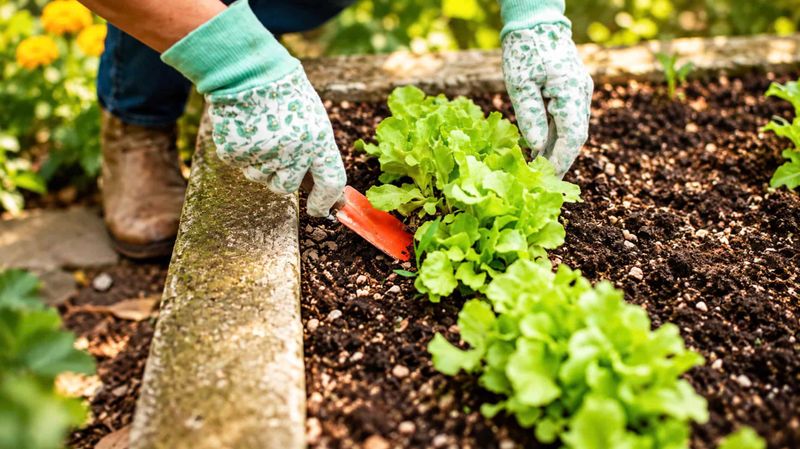
Fall planting season can stir up the yard in ways snakes notice. When you pull old summer annuals, move mulch, dig compost into sandy soil, or edge a bed, you expose insects, worms, grubs, and small hiding places all at once.
September is a real transition month for Florida gardeners. Many people are refreshing containers, starting cool-season vegetables, trimming tired tropicals, and cleaning storm debris.
That activity can flush small snakes from where they were resting, which makes it seem like they suddenly arrived.
Work with a little awareness rather than fear. Wear gloves, lift boards or pots away from your body, and look before placing your hands into thick vegetation.
If you uncover a small snake, step back and give it a clear escape route. Most will leave quickly if they are not cornered.
Fresh soil and clean beds are still worth the effort. Once the project is done, smooth out deep gaps, remove unused debris, and avoid leaving overturned pots or loose plastic at the bed edge.
A tidy finish keeps your fall garden inviting for people, pollinators, and plants, without adding extra hiding spots right where you work.