
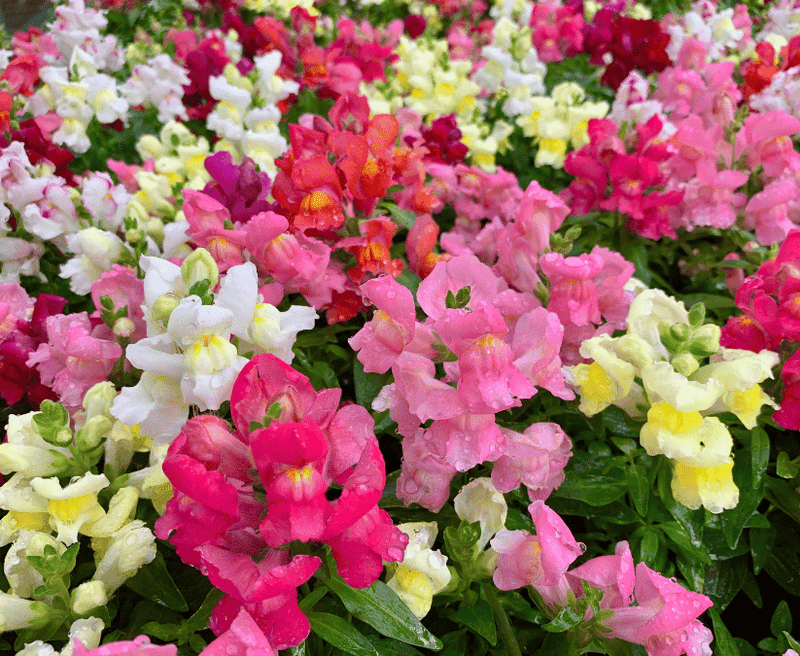
Snapdragons are one of the best cool-season flowers you can grow in Central Texas, but many gardeners watch them slow down or quit blooming right when fall color should be peaking. Improper deadheading can reduce the benefit of pruning, but it is rarely the only reason a plant stops flowering.
Heat, drought, drainage problems, disease, and cultivar differences all play a role, and sorting out the real cause is the first step toward getting your plants back on track.
Correct the premise: fall snapdragon pauses have more than one cause
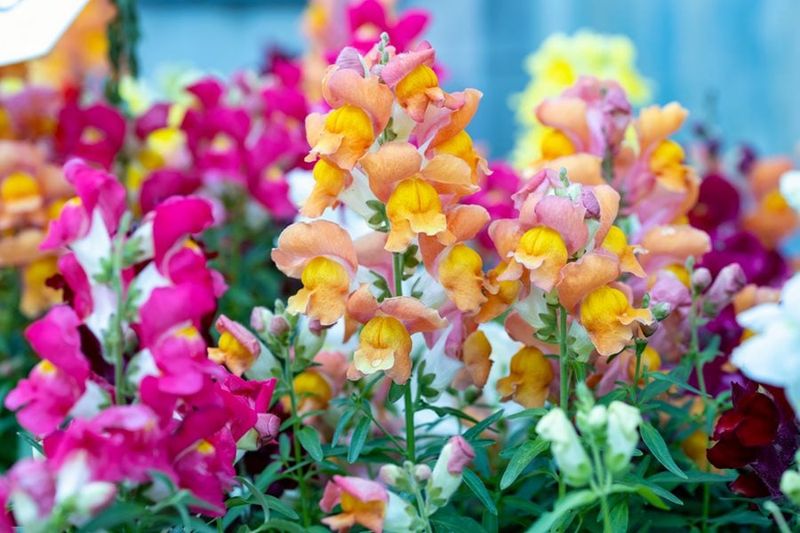
Common snapdragons, known botanically as Antirrhinum majus, are cool-season plants. They thrive when temperatures are mild and tend to slow down or stop producing new flowers when heat lingers.
Texas A&M AgriLife Extension’s Earth-Kind seasonal color guidance lists snapdragons among fall-planted annuals suited to Texas conditions, and Bell County Master Gardeners recommend sowing snapdragon seed for October planting precisely because fall-established plants sidestep the worst summer stress.
When a plant that was performing well suddenly produces fewer blooms in fall, the instinct is often to blame the last thing you did in the garden. Deadheading done incompletely may reduce the benefit of removing spent growth, but that pruning habit alone does not explain every case of a fall flowering pause.
Research on snapdragon flower development shows that sustained high temperatures can delay flowering, reduce flower size, and disrupt bud formation, which means a plant coming out of a brutal Central Texas summer may simply need cooler nights and recovery time before it can bloom again.
Other factors that can suppress flowering include drought stress, poorly drained soil, disease pressure, plant age, and cultivar differences. Texas Master Gardener notes on snapdragons describe fall-planted plants blooming from late fall into spring, which suggests the timing of your planting and the arrival of cooler temperatures matter as much as how you prune.
Realistic expectations are part of the picture: even a well-pruned, healthy snapdragon may pause before the weather cooperates.
Know what incomplete deadheading leaves behind
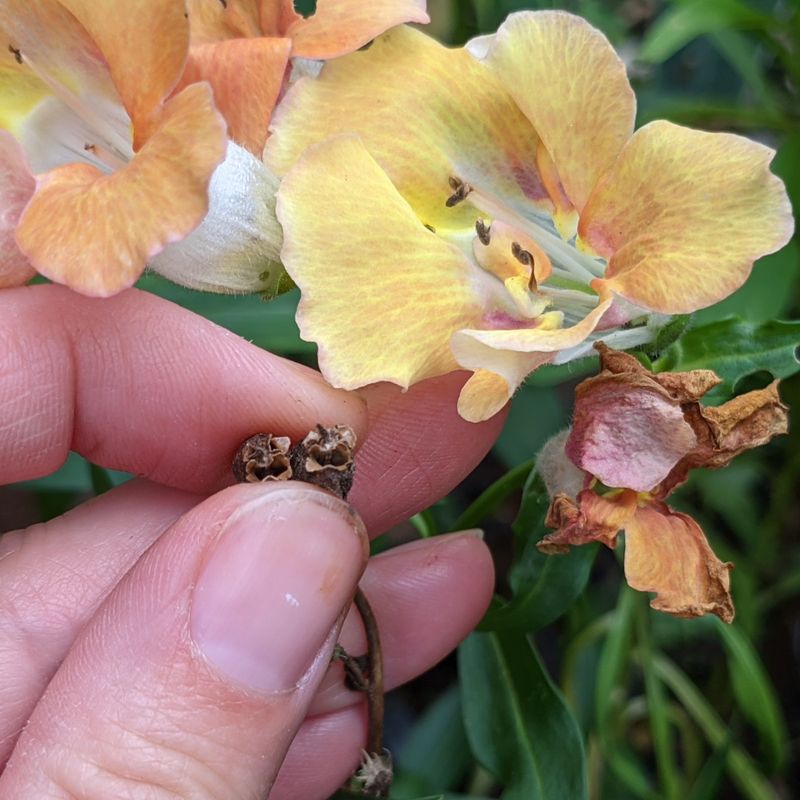
There is a real difference between plucking off a single wilted floret and removing a mostly finished flower spike. When a snapdragon spike has run its course, the individual blooms drop off from the bottom upward, leaving behind a stalk studded with developing seed capsules.
Pinching only the topmost faded florets while leaving that seed-laden stalk in place means the plant is still putting energy toward seed production rather than redirecting it toward new growth.
University of Illinois Extension recommends removing spent snapdragon flower spikes to promote rebloom, and Iowa State University Extension advises cutting a completed flower stem back to a healthy leaf or bud rather than tidying the tip. The consistent principle across both sources is that the entire finished spike needs to come off, not just the petals at the very top.
That said, leaving spent spikes in place has not been proven in a replicated Central Texas home-garden trial to be the single primary cause of a fall flowering pause. Framing it that way would be overstating what the evidence actually supports.
What is fair to say is that removing finished spikes gives the plant a better opportunity to push new lateral growth and buds, while leaving them in place may slow that process. Treating incomplete deadheading as one possible contributor, rather than the guaranteed culprit, keeps you from missing the real problem if something else is going on.
Remove the finished spike without stripping the plant
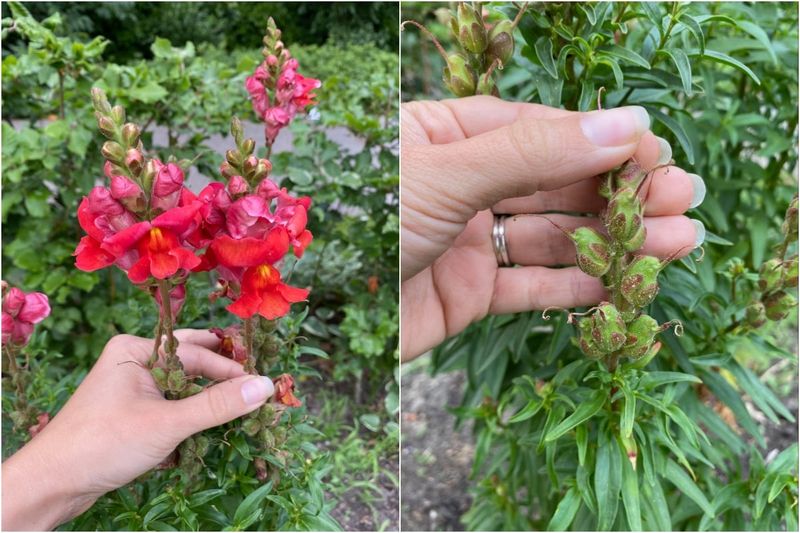
Getting the cut right is less complicated than it sounds once you slow down and look at the plant. Start by waiting until most of the flowers on a spike have faded and the remaining blooms look weak or spent.
Rushing to cut a spike that still has several open flowers removes color you could have enjoyed for a few more days.
Once the spike is clearly finished, follow the stem downward with your fingers or a pair of clean, sharp scissors. As you move down, look for signs of healthy growth: a firm set of leaves, a small side shoot branching away from the main stem, or a developing bud tucked into a leaf axil.
Cut the finished portion just above the first point of healthy growth you find. Illinois Extension supports removing spent spikes back to a healthy leaf or lateral shoot, and Iowa State Extension similarly recommends cutting back to a healthy leaf or bud rather than specifying a fixed node count from the base.
Not every spike will have a convenient lateral shoot waiting right below the spent portion. When a stem looks exhausted all the way down with no useful growth remaining, removing the entire spike is the right call.
Texas Master Gardener guidance on seasonal annuals reinforces removing finished growth to keep plants productive through the season.
One point worth repeating: there is no single universally correct node to cut above on every snapdragon of every cultivar and age. The goal is to remove spent growth while keeping healthy tissue intact.
A cut that lands above a vigorous side shoot on one plant might land on bare stem with no growth on another, so let the plant’s actual structure guide you rather than counting nodes from the top.
Keep healthy leaves and adapt the cut to the cultivar
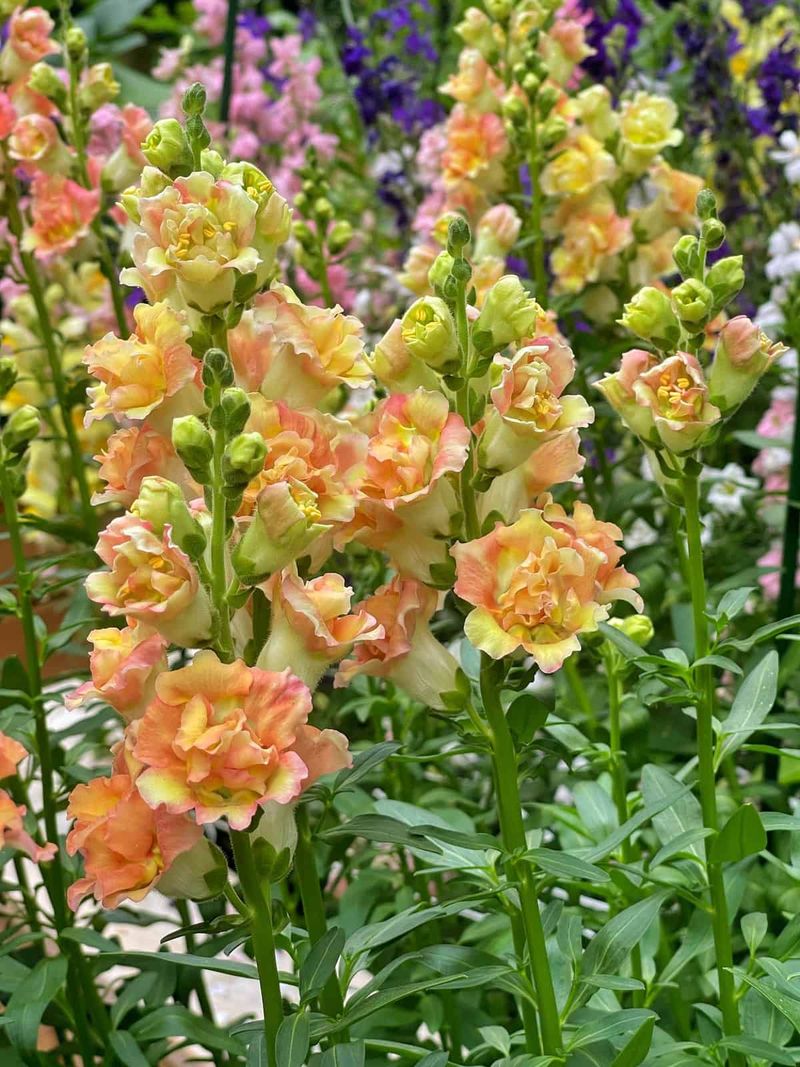
Selective deadheading and cutting the whole plant down are not the same thing. When you remove only the finished flower spike and leave healthy foliage, stems, and side shoots in place, the plant retains the photosynthetic capacity it needs to support new growth.
Strip too much greenery at once and you take away the engine that powers recovery.
Research on Antirrhinum majus found that substantial artificial removal of leaf area reduced plant growth and flower number, even when individual flower size was not dramatically affected. That finding supports a practical rule: when deadheading, take the spent spike and leave the leaves.
Side shoots and emerging lateral buds are especially worth preserving because they are where the next round of flowering will come from.
Cultivar differences also matter more than many gardeners realize. Tall cut-flower types, compact dwarf varieties, and trailing forms can respond quite differently to the same pruning approach.
Studies on pinching node positions in snapdragons found cultivar-dependent effects on stem production, flower size, and stem length, which means a pruning formula that works well on a tall landscape variety may not translate directly to a compact bedding type.
Rather than applying an identical hard cut across every plant in your bed, take a few seconds to assess each one. A tall, multi-branching variety with vigorous side growth can absorb a lower cut with ease.
A compact dwarf that is already close to the soil and has limited foliage needs a lighter hand. Matching the cut to the plant’s actual structure and growth habit will serve you better than following a fixed rule for every variety.
Help heat-stressed plants without overwatering them
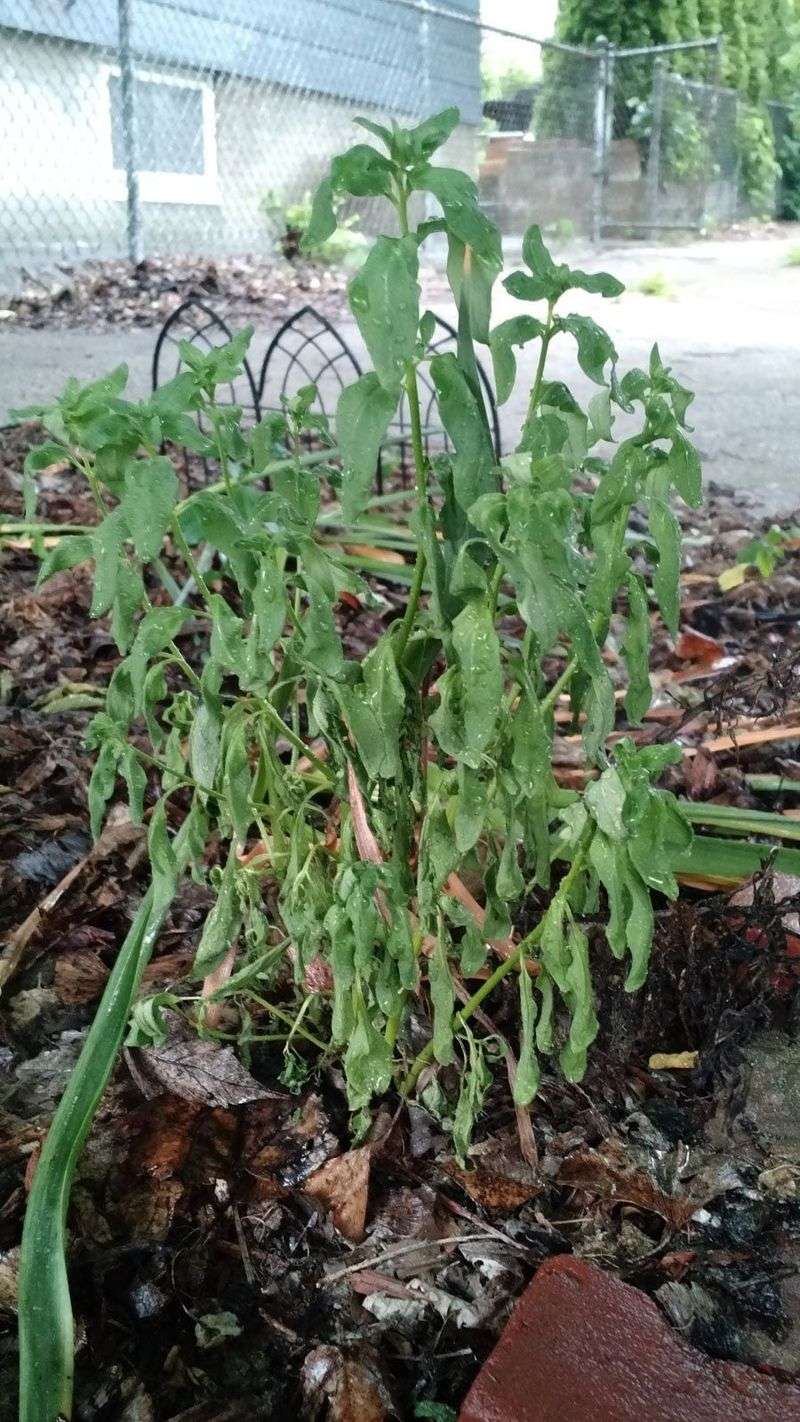
Central Texas summers are genuinely hard on cool-season plants. Temperatures that routinely climb past 100 degrees Fahrenheit can affect snapdragon flower development in measurable ways.
Controlled studies on Antirrhinum majus show that long-term heat exposure delayed flowering, reduced flower size, and disrupted bud development, which means a plant that has endured months of triple-digit heat may need cooler nights and genuine recovery time before it can produce new blooms. Correct deadheading helps, but it cannot override that kind of accumulated stress on its own.
Soil moisture is the next thing to check. Texas Master Gardener guidance on snapdragons recommends keeping plants moist while establishing and watering at the base to reduce fungal disease risk.
That advice applies in fall as well: water when the root zone feels dry, aiming to maintain consistent moisture without keeping the soil saturated. Snapdragons planted in poorly drained spots are especially vulnerable because waterlogged roots cannot take up the water and nutrients the plant needs, even when the soil surface looks wet.
Drainage problems and drought stress can look similar from above. A wilting plant in a low spot that never fully dries out is in trouble for a different reason than a wilting plant in fast-draining sandy soil that dried out between waterings.
Before reaching for the hose or adjusting your irrigation schedule, press a finger a few inches into the soil and check what is actually happening at root level.
Fertilizer is worth mentioning only because it comes up often as a quick fix. Adding a bloom booster to a plant that is struggling because of heat damage, root stress, or disease is unlikely to help and may make things worse by pushing weak, lush growth.
Address the environmental conditions first, then reassess the plant’s needs once it shows signs of active recovery.
Inspect for disease, root trouble, and plant-identity mix-ups
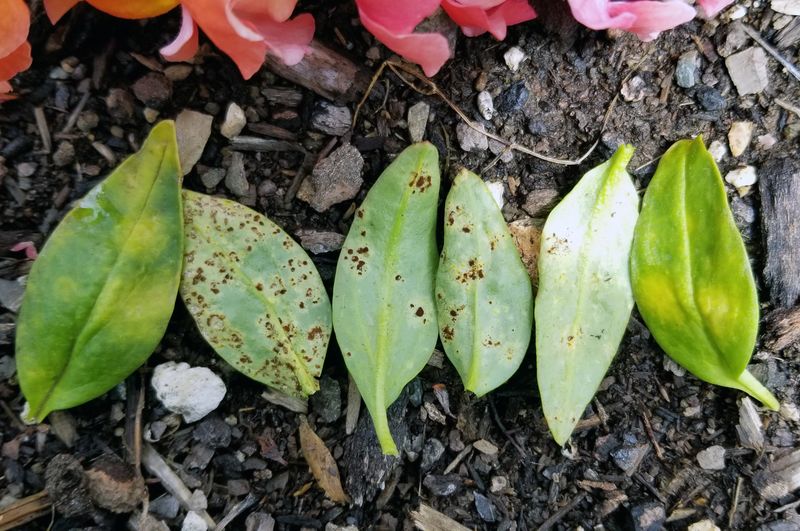
Before you cut anything else, take a close look at the plant itself. Yellowing leaves, wilting that does not improve after watering, stunted growth, brown patches, or a general failure to push new buds can all point to something other than a pruning problem.
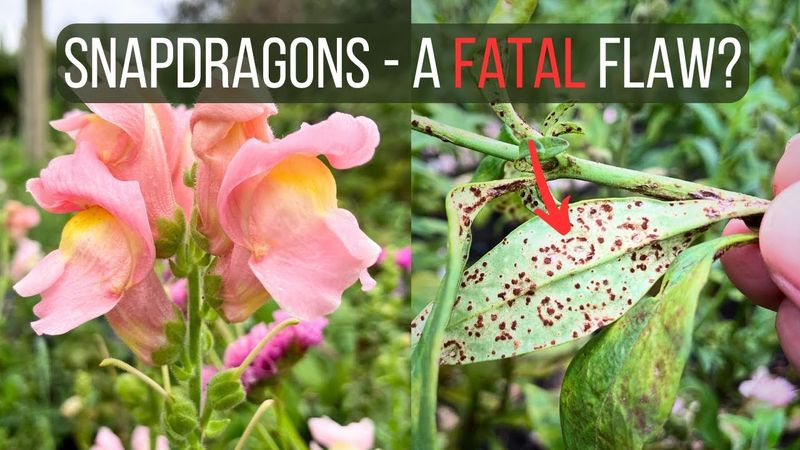
Snapdragon rust shows up as yellow spots on the upper leaf surface with orange or brown powdery pustules on the undersides. Gray mold tends to appear in cool, wet conditions as a fuzzy gray coating on flowers and stems.
Root rot often has no obvious above-ground sign until the plant is already in serious decline, but the roots will look brown, soft, or mushy rather than white and firm. None of these can be reliably diagnosed from a description alone, so a hands-on inspection matters.
Watering at the soil line rather than overhead can reduce the prolonged leaf wetness that encourages rust and gray mold. Avoid recommending a fungicide without a confirmed diagnosis: snapdragon rust, root rot, environmental stress, and heat damage can produce overlapping symptoms, and treating for the wrong problem wastes time and money.
If symptoms are severe or spreading, a local Texas A&M AgriLife Extension office can help with identification before you decide on a treatment path.
The identity question is also worth raising here. Texas Master Gardener profiles on Angelonia angustifolia, commonly sold as summer snapdragon, make clear that this is a heat-loving plant that behaves completely differently from common snapdragons.
Angelonia blooms through summer and fall without deadheading, tolerates intense heat, and does not share the cool-season preferences of Antirrhinum majus. If your plant is flowering happily through July and August with no help from you, there is a reasonable chance it is Angelonia, not a common snapdragon, and the care advice for one does not apply to the other.
Use a whole-plant check before expecting fall color
A quick sequence works better than guessing. First, confirm the plant is a common snapdragon, Antirrhinum majus, and not Angelonia or another warm-season lookalike.
Illinois Extension describes common snapdragons as cool-season performers that do their best work in mild temperatures, which means fall is genuinely their season to shine once the heat breaks.
Next, remove any mostly finished spikes by cutting back to the nearest healthy leaf set, lateral bud, or side shoot. Preserve all healthy foliage and emerging growth below the cut.
Then check the soil: press a finger a few inches down and water only if the root zone feels dry. Texas Master Gardener guidance recommends consistent moisture without saturation, which is the right target for both newly planted and established snapdragons in fall.
After that, look at the leaves and stems for rust spots, mold, wilting, or stunting that would point to a disease or root problem rather than a pruning issue. Research on heat effects in Antirrhinum majus confirms that plants coming out of prolonged high temperatures may need time to recover before flowering resumes, even when everything else is managed well.
Proper deadheading improves the plant’s odds of reblooming, but it cannot set a schedule or guarantee color on a specific date. The best outcome comes from matching the right care to the actual conditions in front of you – and then giving the plant the cooler weather it was built to enjoy.