
Every fall, North Carolina homeowners start noticing more wasp activity around their eaves, and many wonder if something is wrong with the house. The truth is usually less alarming than it looks.
Understanding what is actually happening under those overhangs, and which insect is doing it, puts you in a much better position to decide what, if anything, needs to be done.
First determine whether a nest is present and which insect built it
Seeing a wasp near your eave does not automatically mean you have a nest, and even if a nest is there, not every nest belongs to a social colony. Before drawing any conclusions about late-season behavior or risk level, the most useful thing you can do is figure out exactly what you are looking at.
Identification shapes everything that comes next, including how defensive the insects are likely to be and whether colony biology even applies.
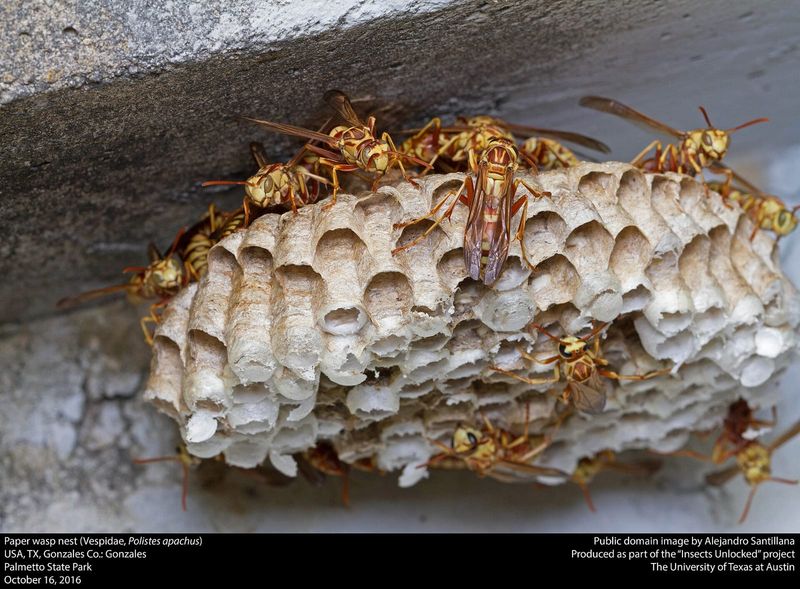
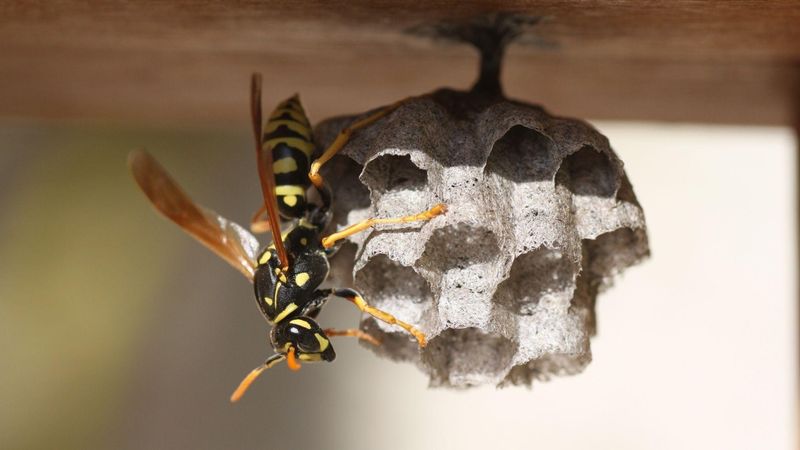
NC State Extension guidance on non-honeybee stinging insects describes paper wasps as builders of small, exposed, umbrella-shaped nests made of gray paper material, attached beneath eaves, overhangs, awnings, or railings by a single narrow stalk. The nest cells are open and visible from below.
Paper wasps themselves are often reddish-brown or marked with yellow, and they will defend the nest when it is disturbed, though they tend to be less aggressive than yellowjackets when encountered away from the colony.
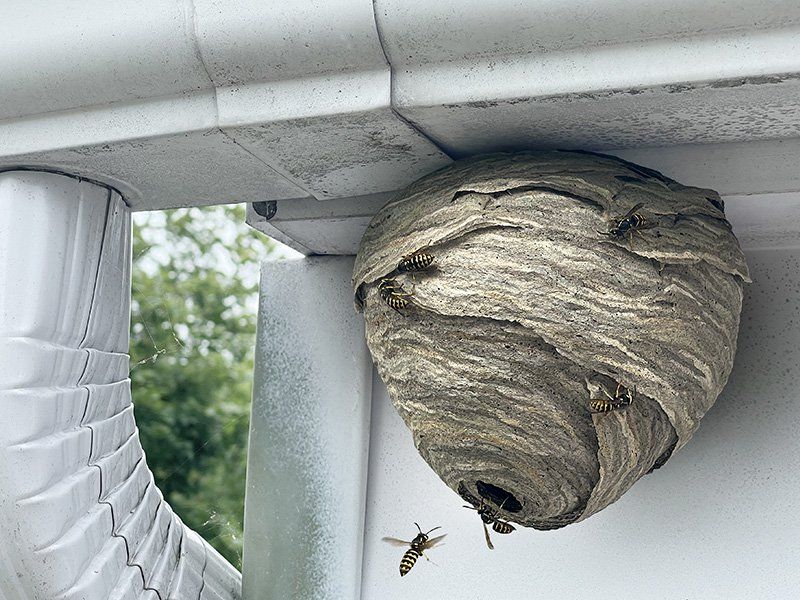
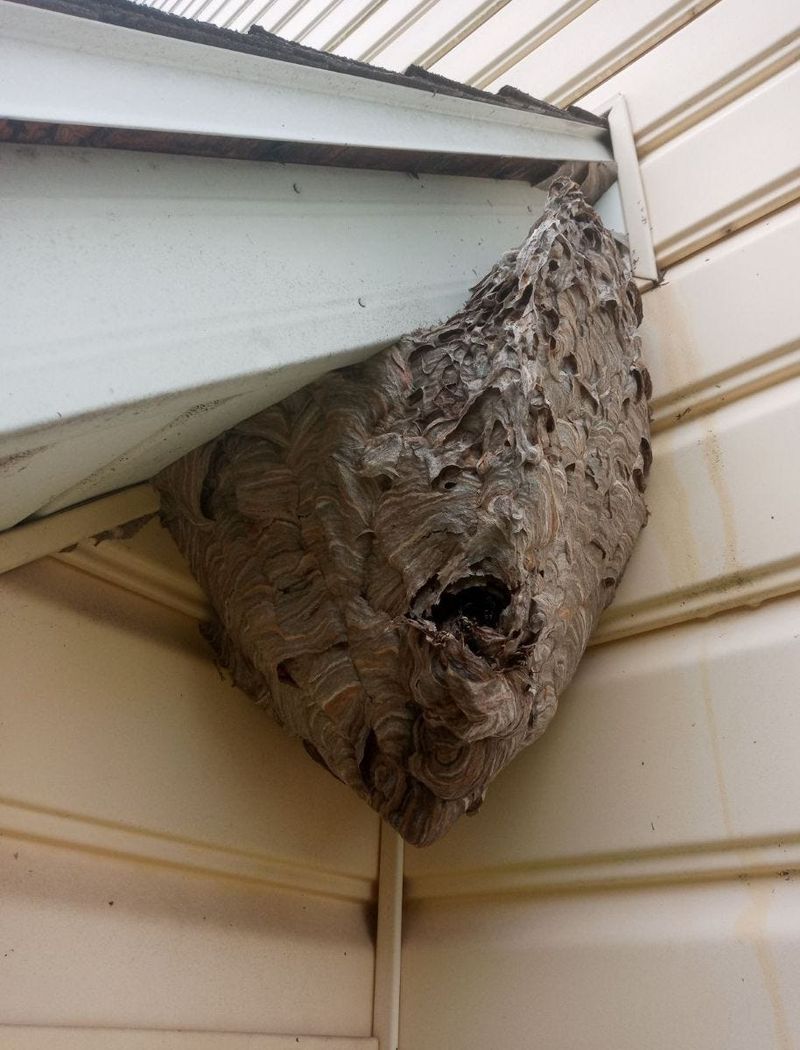
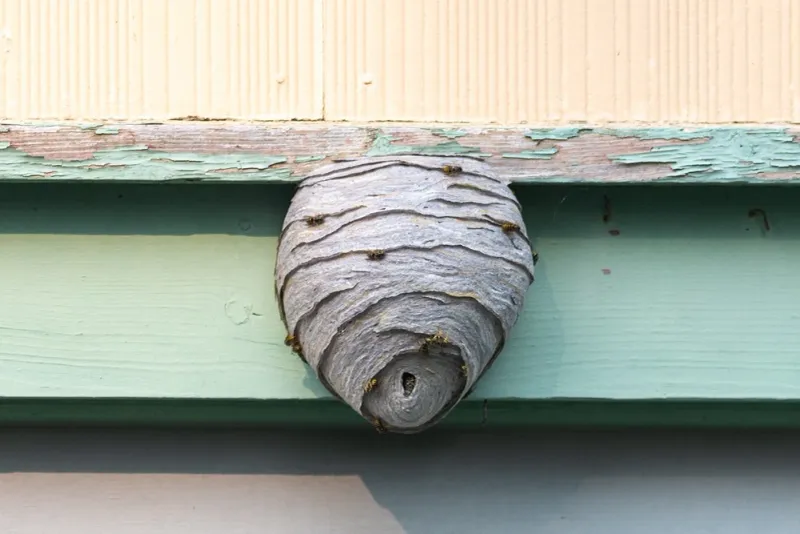
Bald-faced hornets build something noticeably different: a larger, enclosed, football-shaped nest made of gray paper that may hang under a roof overhang, in a tree, or inside a wall void. The outside looks smooth and papery, with no visible cells.
NC State’s hornets guidance notes that these colonies can be highly defensive when disturbed, so treat any enclosed gray paper structure with extra caution.
Yellowjackets are a different situation entirely. They commonly nest underground or inside wall cavities, attics, and enclosed soffits, so what looks like wasps entering a gap in your eave may actually be yellowjackets accessing a hidden void rather than building an open nest on the surface.
Mud daubers and many solitary wasps also use sheltered eave spaces, but they leave very different evidence. Mud daubers build small cylindrical tubes of hardened mud, and most solitary wasps either provision individual soil burrows or use existing cavities.
NC State’s guide to cavity-nesting residents confirms that these solitary species are generally far less defensive than social wasps and do not form colonies at all, so colony-based explanations for late-season surges simply do not apply to them.
Take a careful look before assuming the worst. If you see an open comb, a sealed paper globe, mud tubes, or just individual insects passing through a gap, each observation points toward a different species with a different level of concern.
For social wasps, fall activity often reflects a mature colony
When paper wasps, yellowjackets, or bald-faced hornets are the insects you have confirmed under your eave, the timing of that late-summer surge has a straightforward biological explanation. Social wasp colonies are not stable year-round operations.
They build up over months, and by the time the first hints of fall arrive, they have reached their largest and most visible point of the season.
NC State Extension’s stinging insect publication explains that paper-wasp colonies typically start in spring with a single founding female or a small group of females. Workers are raised through the warmer months, and colony size grows steadily.
By early fall, the colony shifts toward producing reproductive males and new queens rather than more workers, which means more adult wasps are visible around the nest and in the surrounding area at once.
Yellowjacket colonies follow a similar arc. NC State’s arthropod pest guide notes that yellowjacket populations often remain modest and relatively unnoticed through early summer, then expand substantially in late summer and fall.
That is when foraging pressure increases and encounters become more frequent, which can feel like a sudden new problem even though the colony has been there all along.
None of this necessarily signals a new infestation or a hidden problem with your home. For social wasps, the fall increase is a predictable end-of-season pattern, not evidence that something has gone wrong on your property.
The colony has simply matured to the point where it is hard to miss.
Mud daubers and solitary wasps do not fit this pattern. NC State’s cavity-nesting insect overview confirms that solitary species provision individual nests rather than building colonies, so their activity should be read separately based on species and nest type rather than through the lens of colony growth.
An eave usually signals shelter, not a failing roof
One of the most common misreads homeowners make is assuming that wasps nesting under an eave must mean something is wrong with the roof. That leap is understandable, but the connection is not supported by what we know about why wasps choose these spots.
University of Georgia Extension’s home pest management guide points to shelter and protection from weather as the primary reasons wasps select nesting sites. An eave checks all of those boxes without any help from a building defect.
Rain cannot reach the nest from above, wind is blocked on at least one side, the surface overhead keeps the comb stable and dry, and the opening below allows wasps to fly in and out freely.
Add in the fact that most residential eaves are relatively undisturbed, especially high ones above foot traffic, and you have a site that is genuinely attractive to a founding queen looking for a place to start a colony in spring. She is not responding to moisture signals or decaying wood.
She is responding to physical shelter.
Roof leaks, damp fascia boards, poor soffit ventilation, and similar building issues are real concerns worth inspecting on their own merits, but a wasp nest is not reliable evidence of any of them. If you want to know whether your eave has a moisture or structural problem, the right tool is a visual inspection of the wood and trim, not an inference from insect activity.
Separating these two questions protects you from unnecessary repair costs and keeps your focus on the actual decision at hand, which is what to do about the nest itself based on its type, location, and the realistic level of risk it presents to your household.
A recurring eave usually means a recurring opportunity, not the same colony
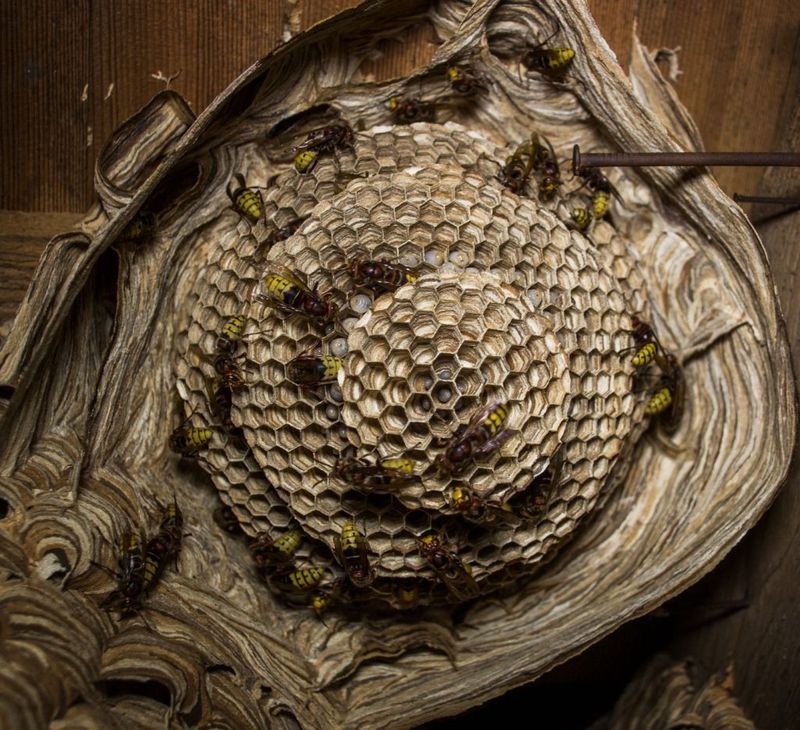
Many homeowners notice wasps returning to the same spot under an eave year after year and assume the original colony is still there or has come back. The reality is a bit different, and understanding it helps clarify what you actually need to address.
Annual social-wasp colonies, including most paper-wasp and yellowjacket species common in North Carolina, do not survive the winter as intact colonies. NC State Extension’s stinging insect resource explains that workers and the founding queen die off as conditions cool, while newly mated queens leave the colony to find protected overwintering sites.
The following spring, those surviving queens start entirely new nests, often from scratch.
What draws a new queen back to the same eave is not memory of the old nest. It is the same set of physical qualities that made the spot attractive in the first place: reliable overhead shelter, protection from wind and rain, and relative freedom from disturbance.
NC State’s arthropod pest guide supports the interpretation that repeated nesting in one location reflects a consistently favorable site rather than colony continuity.
One qualification worth noting: Penn State Extension’s European paper wasp profile indicates that this introduced species, which has expanded its range in the eastern U.S., may occasionally reuse or extend existing nest cells, making it a partial exception to the general rule. If you are seeing activity that seems tied to an old nest structure rather than a new one nearby, European paper wasps could be the explanation.
A separate situation entirely is wasps entering a gap in the soffit, fascia, or siding rather than building a visible open nest on the surface. That pattern suggests activity inside an enclosed void or attic space, which warrants a different kind of inspection and is generally better handled by a qualified pest-management professional than by the homeowner working from a ladder.
Use the nest’s location and defensive risk to decide whether to tolerate it
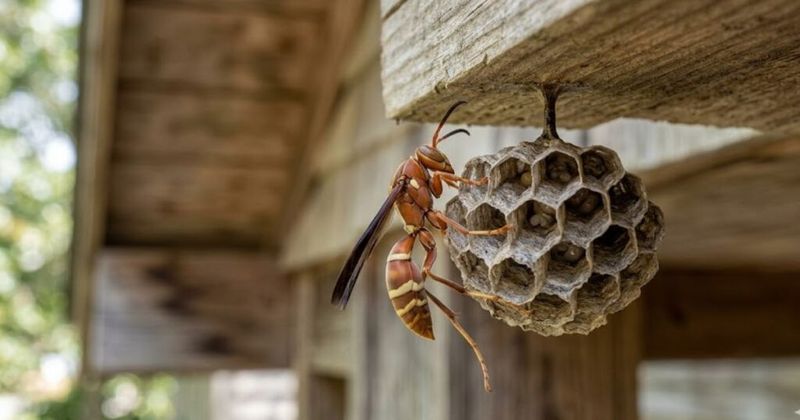
Not every wasp nest near your home requires immediate action. The location of the nest and the realistic risk it poses to the people who use that space are the two most practical factors to weigh before deciding what to do.
A nest high under an eave, well above head height and away from doorways, walkways, play areas, and the path your lawn mower takes, presents a very different situation from one beside a frequently used entrance or directly above a patio table. Penn State Extension’s five-step decision support guide for nesting wasps near homes encourages homeowners to consider exactly this kind of location-based risk assessment rather than defaulting to automatic removal.
Allergy history in your household is a critical variable. If anyone in the home has had a serious systemic reaction to a sting in the past, tolerance of a nearby active colony carries much higher stakes, and professional removal becomes the more reasonable choice regardless of where the nest sits.
Predatory wasps, including paper wasps, do hunt caterpillars and other yard insects, which can benefit the garden. NC State’s hornets resource acknowledges this predatory role while also noting that social wasps will defend their nest when disturbed.
Beneficial does not mean harmless near an active family space, so the ecological value of the colony is worth noting but should not be the deciding factor when the nest is in a high-traffic area.
Enclosed nests or wasps entering a void are a different category. Penn State Extension’s bald-faced hornet profile notes that nests in wall voids, attics, or inaccessible soffits are considerably harder to treat safely and are better left to a qualified pest-management professional.
The same applies when you cannot confidently identify the species or nest type from a safe distance.
Run through a short mental checklist: How close is the nest to daily foot traffic? Does anyone in your household have a serious sting allergy?
Can you see and identify the nest clearly from the ground? The answers will point you toward tolerance, careful monitoring, or professional help more reliably than any single rule.
Reduce attractants and seal future access only after activity ends
Two separate goals often get tangled together when homeowners start thinking about wasp management: reducing what draws wasps to the yard in the first place, and preventing future nesting under the eaves. Both are worth pursuing, but they require different timing and different actions.
Foraging attractants matter most when yellowjackets are the concern. NC State’s arthropod pest guide recommends keeping garbage cans tightly covered, cleaning up sugary spills promptly, managing food waste around outdoor eating areas, and inspecting open drinks before taking a sip in late summer and fall.
These habits reduce foraging pressure around the home, which lowers the chance of accidental stings. What they will not do is eliminate an established colony already nesting nearby.
An active nest requires a separate decision about whether and how to treat it.
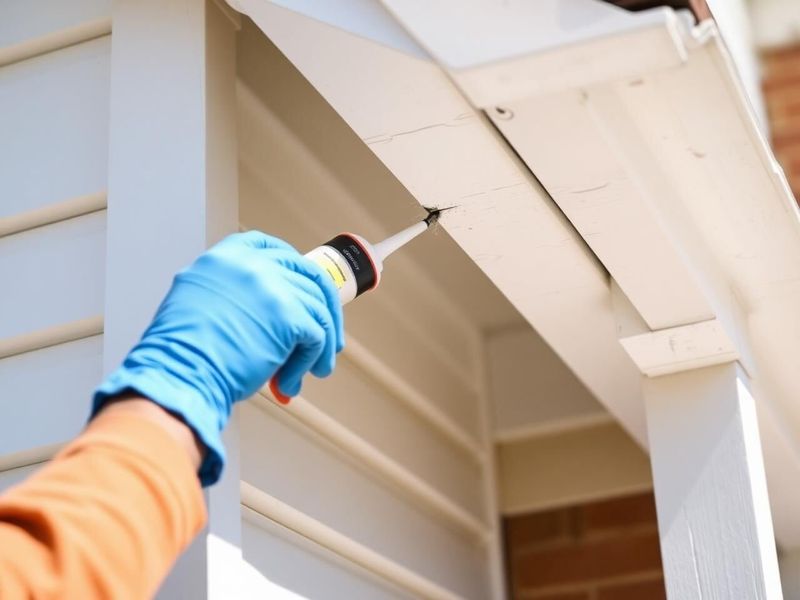
Sealing gaps and screening openings is the right long-term move for preventing future access to enclosed eave spaces, but timing matters. Attempting to seal an entry point while a colony is still active traps wasps inside, which can push them into living spaces and increase defensive behavior.
Wait until you are confident that activity has ended, which in North Carolina typically means well after sustained cold weather has settled in, though the exact timing varies across the Coastal Plain, Piedmont, and mountains.
Penn State Extension’s European paper wasp resource specifically recommends inspecting soffits, fascia boards, vents, siding gaps, and roof trim after the season ends and sealing any cracks or openings that could serve as future entry points or nest attachment sites.
University of Georgia Extension’s home pest management resource also supports exclusion as a practical prevention strategy, framing it as reducing future access to shelter rather than as evidence of a building defect. Filling a gap in your soffit is routine home maintenance, not a structural repair triggered by a wasp problem.
Handle attractant management now, during the active season, and schedule any sealing or exclusion work for after the colony cycle has run its course.
Cold weather lowers activity without creating one statewide safe date
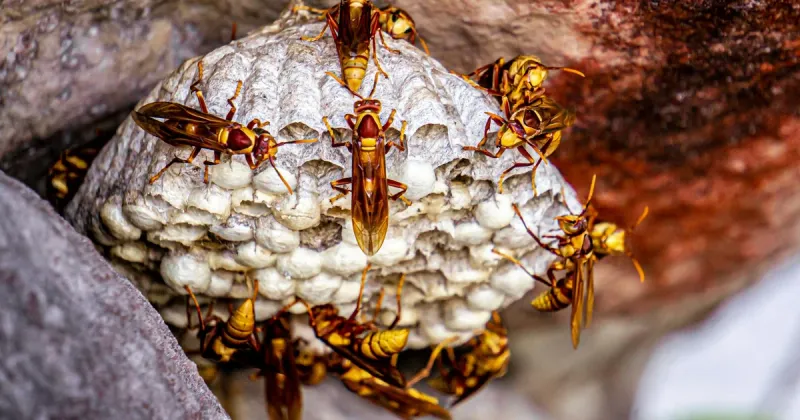
A cold snap feels like a clear signal that wasp season is over, and in many cases it does mark the beginning of the end for an active colony. The relationship between temperature and wasp activity is real, but treating one cold night as a green light to approach a nest is a mistake that can lead to stings.
NC State Extension’s stinging insect publication explains that annual social-wasp colonies, including paper wasps, yellowjackets, and bald-faced hornets, are tied to the seasonal cycle. As temperatures drop consistently, workers and the founding queen die off.
The colony does not simply pause and resume; it ends. Newly mated queens, however, do not die with the colony.
They leave to find protected overwintering sites, which can include gaps in siding, attic spaces, and other sheltered cavities close to or inside homes. Those queens can emerge in spring and start a fresh colony nearby.
The timing of colony decline is not uniform across North Carolina. The Coastal Plain typically stays warmer longer into the fall, while mountain areas may see colony activity end weeks earlier.
Sheltered nests under well-protected eaves may also remain active longer than exposed nests in open areas, because the microclimate under an overhang buffers the insects from the worst of the cold. There is no single date or temperature threshold that applies statewide.
Overwintering queens found indoors in late fall or early spring are a related issue. A queen that found her way into a wall void or attic during the fall can appear inside the home during an unexpected warm spell or when the heat comes on.
This is startling but does not indicate a colony indoors; it is a single insect that can usually be removed without treatment.
Wait for a sustained period of cold, not just one overnight freeze, before concluding that a nest is safe to approach. When in doubt, observe from a distance and give the season time to do its work.
Choose safe treatment and know when a sting requires emergency care
When a nest genuinely needs to come down, the method matters as much as the decision. Knocking an active nest down with a broom, spraying it with a garden hose, or approaching it without any preparation are all reliable ways to provoke defensive stinging from multiple wasps at once.
NC State’s hornets guidance is direct on one point: never pour gasoline or other petroleum products into or around a wasp nest. That practice is hazardous to people, pets, and the surrounding environment, and it does not work reliably.
Fire carries the same obvious risks and is not a substitute for proper treatment.
If you decide to treat a reachable, visible nest yourself, follow the pesticide label precisely. Penn State Extension’s stinging insect removal guide recommends treating when wasp activity is at its lowest, typically at night or in early morning, keeping a clear escape route behind you, avoiding shining a light directly at the nest, and keeping children and pets well away from the area until the treatment has taken effect.
Wear protective clothing that covers exposed skin.
Elevated nests, enclosed voids, uncertain identification, and any situation involving a household member with a known sting allergy are all reasons to contact a qualified pest-management professional rather than attempting treatment yourself. A professional has the equipment and training to handle inaccessible or high-risk situations safely.
CDC guidance on insect stings identifies the symptoms that require immediate emergency care: difficulty breathing, swelling of the lips, tongue, or throat, dizziness, fainting, or any rapidly worsening reaction after a sting. These can indicate anaphylaxis, which is a medical emergency.
Call 911 or get to an emergency room without delay if any of these symptoms appear.
Recurring social-wasp activity under your North Carolina eave before the first cold snap is most often a sign of a sheltered, consistently attractive site and a maturing seasonal colony, not a failing roof or a worsening infestation. Understanding that distinction gives you a calm starting point for making a measured, informed decision.