
Rock and gravel can look tidy in a planting bed, but exposed stone in a sunny Texas yard does more than sit there. On hot summer days, it can absorb heat and push it back into the soil and air around your plants, making an already tough growing environment even harder.
Silver ponyfoot, a low-growing native groundcover, is one option some Texas gardeners are exploring as a living alternative for well-drained ornamental beds. Understanding what this plant actually does well, and where it falls short, can help you decide whether it belongs in your yard.
A Gravel Bed Can Hold Heat, but the Effect Depends on the Site
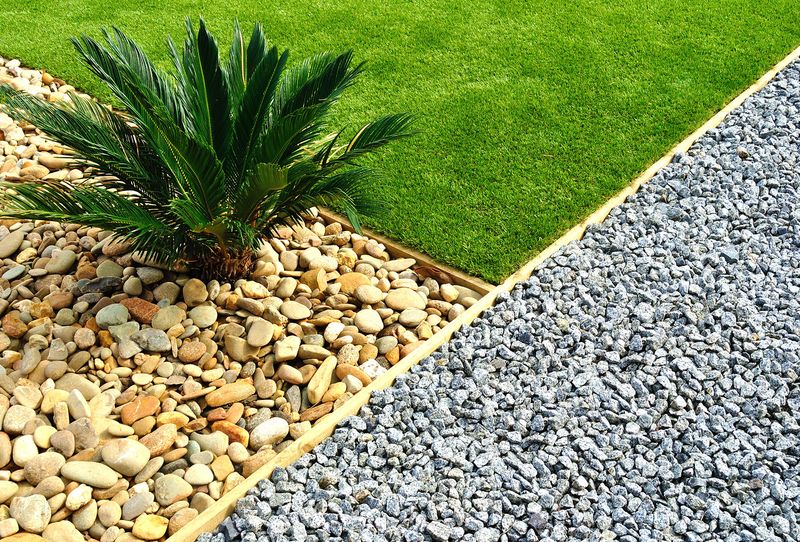
Rock and gravel are common in Texas ornamental beds for a reason. They suppress weeds, they look finished, and they do not break down the way organic mulch does.
But extensive exposed rock behaves differently in a planting bed than in a dry desert wash, and that difference matters when your plants are struggling through a Texas August.
When sunlight hits bare rock or gravel for hours at a stretch, the stone absorbs that energy and transfers it to the soil below and the air immediately above it. University of Nevada Extension research on rock mulch describes how this process can raise soil temperatures, and Penn State Extension’s mulch overview confirms that rocks and gravel absorb heat and transfer it downward into the soil.
For plants already working against triple-digit air temperatures, a hotter root zone adds real stress.
That said, rock is not universally bad. Colorado State Extension notes that small gravel can actually conserve soil moisture under certain dry-climate conditions by reducing surface evaporation.
The honest picture is more conditional: extensive exposed rock in a sunny, south-facing Texas bed can create a hotter microclimate around your plants, but gravel used in limited areas or as an accent is a different situation.
The Lower Colorado River Authority’s landscape guidelines put it plainly: rock can work as an accent in small doses, but rock mulch used broadly around planted beds can intensify heat and increase how much water those plants need. If your bed is covered wall to wall in gravel and your plants are chronically stressed despite adequate watering, the rock’s heat contribution is worth taking seriously.
A living groundcover is one way to change that dynamic, though no single plant is a guaranteed fix for every hot bed in Texas.
Silver Ponyfoot Offers a Suitable Living Alternative for Some Texas Beds
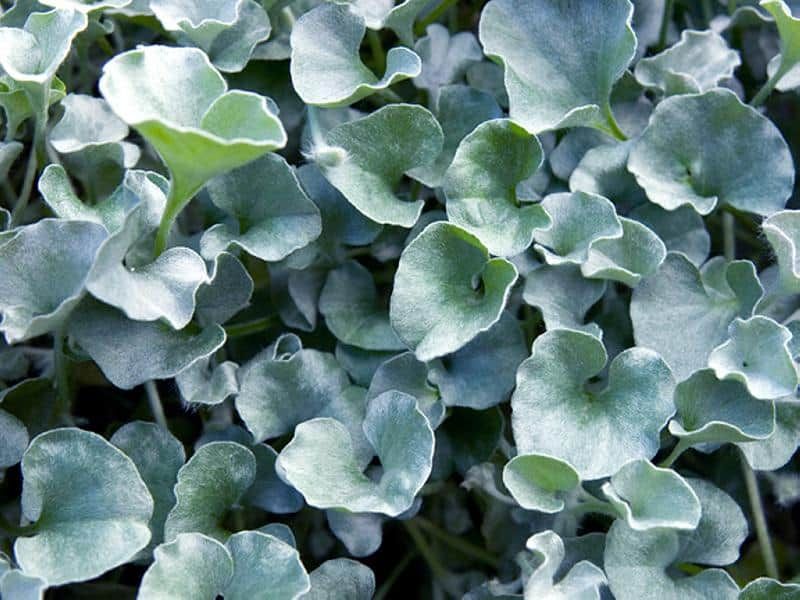
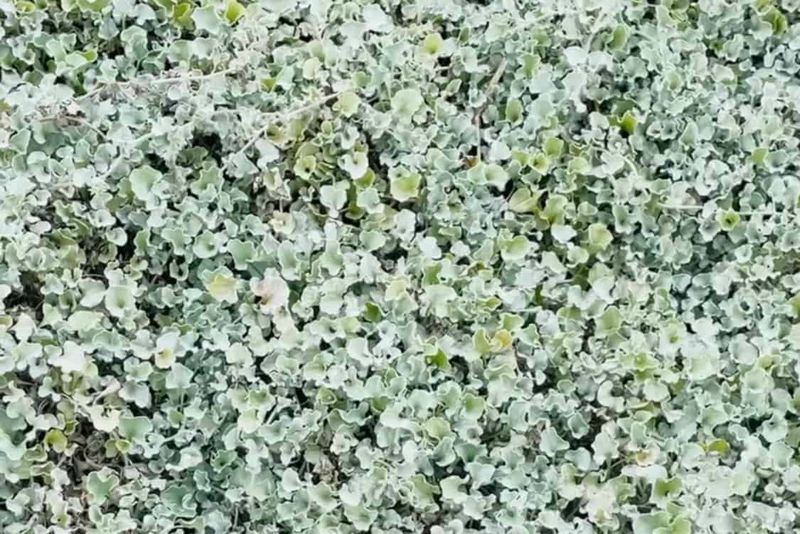
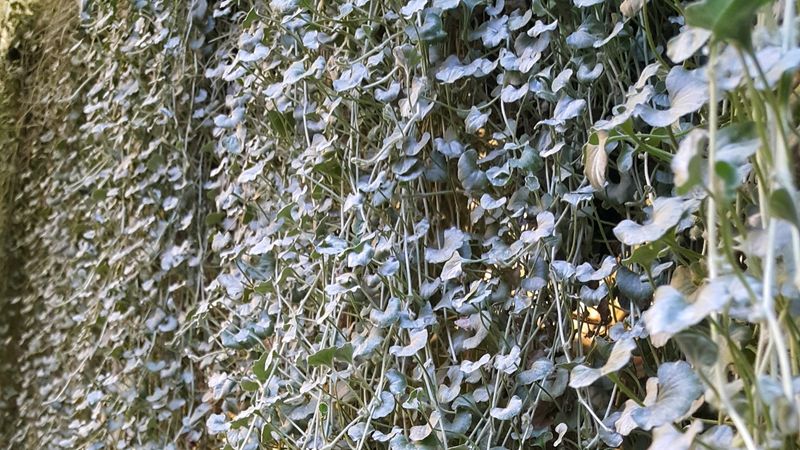
Silver ponyfoot, known botanically as Dichondra argentea, is a low-growing groundcover with small, rounded leaves in a distinctive silver-gray color. Austin’s official plant guide classifies it as a low-water groundcover suited for sun or part shade, growing about 2 to 4 inches tall and spreading roughly 2.5 feet.
The guide identifies it as native to West Texas, which is an important distinction worth keeping in mind when evaluating whether it fits your specific part of the state.
The plant forms a runner-based mat of semi-evergreen foliage that fills in over time without requiring pruning. Austin’s Grow Green plant guide confirms that no pruning is needed, which makes it genuinely low-maintenance once it settles in.
The silver foliage is one of its more appealing visual traits, giving a bed a soft, almost luminous quality that stands out against darker soil or stone borders.
Calling it a credible option for some Texas beds is the accurate framing here, not a claim that it is the single best or most widely used replacement for gravel. Its documented profile suits ornamental beds where the goal is a living, low surface rather than a traffic-bearing ground plane.
At 2 to 4 inches tall, it stays out of the way visually while providing consistent coverage when plants are healthy and the site conditions match what the plant needs.
One practical consideration: silver ponyfoot is a groundcover, not a lawn substitute. Its spread and low habit make it appropriate for filling in an ornamental bed, covering a slope, or softening the area around taller plants, but it is not intended to carry foot traffic the way turf does.
Keep that distinction in mind as you plan the layout of your bed.
Its Potential Cooling Benefit Comes From Living Coverage
One reason homeowners consider swapping exposed rock for a living groundcover is the expectation of a cooler bed. That expectation has a reasonable basis, but the mechanism is more nuanced than a simple before-and-after swap.
University of Missouri Extension’s water-efficient landscaping guidance explains that plants cool both the soil and the surrounding air through transpiration, and that foliage shading the ground reduces how much solar energy reaches the soil surface in the first place.
Combine that with what we know about rock: as described in the University of Nevada and Penn State research cited earlier, exposed gravel absorbs heat and transfers it into the soil. A dense mat of living foliage interrupts that process by shading the soil and releasing moisture into the air above it.
The result, in principle, is a cooler immediate environment around your plants compared with a bed where the soil sits exposed under a layer of hot stone.
The important qualifier is that no source located for this article directly measured silver ponyfoot’s surface temperature against a gravel bed side by side. The cooling rationale is drawn from general vegetation science, not from a trial specifically testing this plant.
How much cooling actually occurs depends on a cluster of site-specific variables: how dense the coverage is, how much soil moisture is available for transpiration, what color and size the surrounding rock is, whether walls or pavement nearby add radiant heat, how much wind moves through the area, and how much shade the bed already receives.
Silver ponyfoot’s gray leaf color may reflect some sunlight back rather than absorbing it, but that alone does not establish a measurable cooling advantage. The more defensible claim is that a well-established, dense mat of silver ponyfoot can reduce the heat load in a planting bed through shade and transpiration, and that this is a reasonable inference from how living plants behave, qualified by the site conditions that will determine the actual outcome in your yard.
Check Drainage Before You Remove Rock or Plant
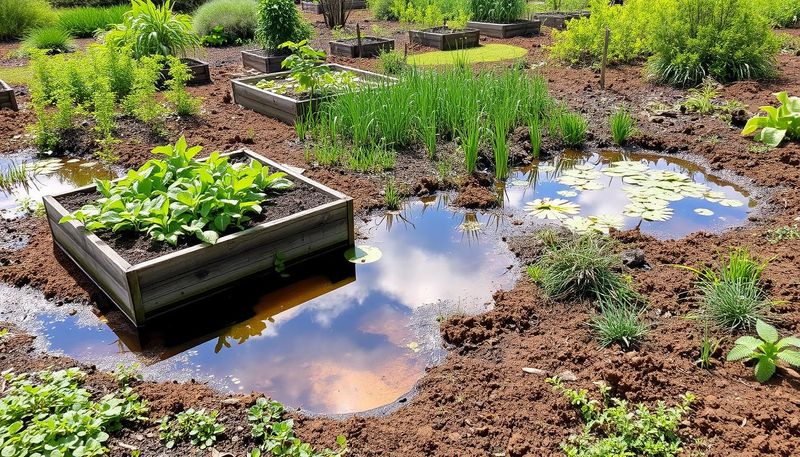
Before pulling up gravel and reaching for transplants, a quick site assessment can save you from planting silver ponyfoot somewhere it will struggle. The most critical factor is drainage.
Austin’s plant guide for silver ponyfoot specifically warns against overwatering and lists good drainage as a firm requirement. A bed that holds water after rain or stays persistently moist is not a good candidate without first correcting the drainage problem.
To check drainage, dig a hole about 12 inches deep in the area you plan to plant, fill it with water, and observe how quickly it drains. If the water is still sitting there an hour or two later, you have a compaction or drainage issue that needs addressing before planting.
Silver ponyfoot’s drought tolerance does not mean it can handle wet feet; the plant’s roots need air as much as moisture, and poorly drained soil will cause decline regardless of how little you water.
Landscape fabric is another issue to investigate before you start. Many gravel beds have fabric underneath, installed to suppress weeds.
Kansas State Extension’s analysis of rock mulch identifies landscape fabric as a potential problem over time, noting that it can restrict water movement, limit root development, and eventually become difficult to remove as it degrades and mixes with soil. If you find fabric under your gravel, plan to remove it before planting rather than cutting small holes and hoping for the best.
Weed removal is the other pre-planting step that directly affects how well silver ponyfoot establishes. Competing weeds, especially deep-rooted perennial ones, will fight the groundcover for water and nutrients during the establishment phase when the plant is most vulnerable.
Clear the bed thoroughly, address any compaction, correct drainage if needed, and then plant into prepared soil. Skipping those steps and expecting a drought-tolerant plant to outcompete weeds on its own is a setup for a patchy, frustrating result.
Establish the Plants Before You Reduce Irrigation
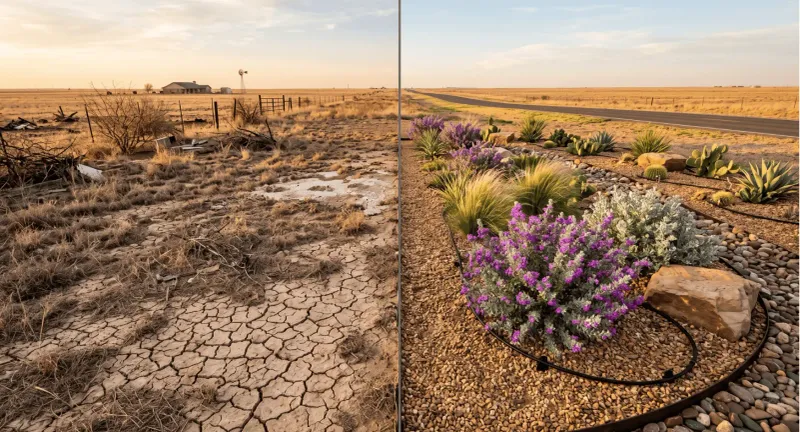
Low-water plants earn that label after they have rooted into the soil, not the day you put them in the ground. Silver ponyfoot’s low-water rating describes an established plant in a well-prepared, well-drained bed, not a newly transplanted one still trying to anchor itself.
Getting that establishment phase right determines whether the plant delivers on its promise or fades out by midsummer.
Texas A&M AgriLife’s Earth-Kind water guidance notes that native plants generally need consistent irrigation during establishment, often for the first year or more, until a root system develops that can support the plant through dry periods. Plan for regular watering from planting through the first growing season.
How often and how much will depend on your soil type, the season you plant, and the weather, so check the soil moisture rather than following a fixed schedule.
A practical approach: water deeply and less frequently rather than giving the plant a light daily sprinkle. Deep watering encourages roots to follow moisture downward, building the kind of root system that will sustain the plant once you begin tapering irrigation.
Shallow, frequent watering keeps roots near the surface where they are more vulnerable to heat and dry spells.
Austin’s guidance on silver ponyfoot warns specifically against overwatering, so the goal during establishment is consistent moisture without saturation. Once the plant shows strong new growth and fills in the bed, you can begin reducing irrigation gradually.
Even after establishment, an unusually long dry stretch or a heat event that exceeds what the plant’s root zone can handle may call for supplemental water. Low-water does not mean set-it-and-forget-it in a Texas summer.
Keep Footpaths Separate From the Groundcover
Silver ponyfoot covers a bed beautifully, but regular foot traffic is a different story. Groundcovers vary widely in how much wear they can handle, and University of Arizona Cooperative Extension guidance on groundcovers makes clear that none of them withstands the kind of heavy use that turfgrass is bred to handle.
Treating a groundcover bed as a casual walking surface will thin it out, damage the runners, and leave bare patches that weeds move into quickly.
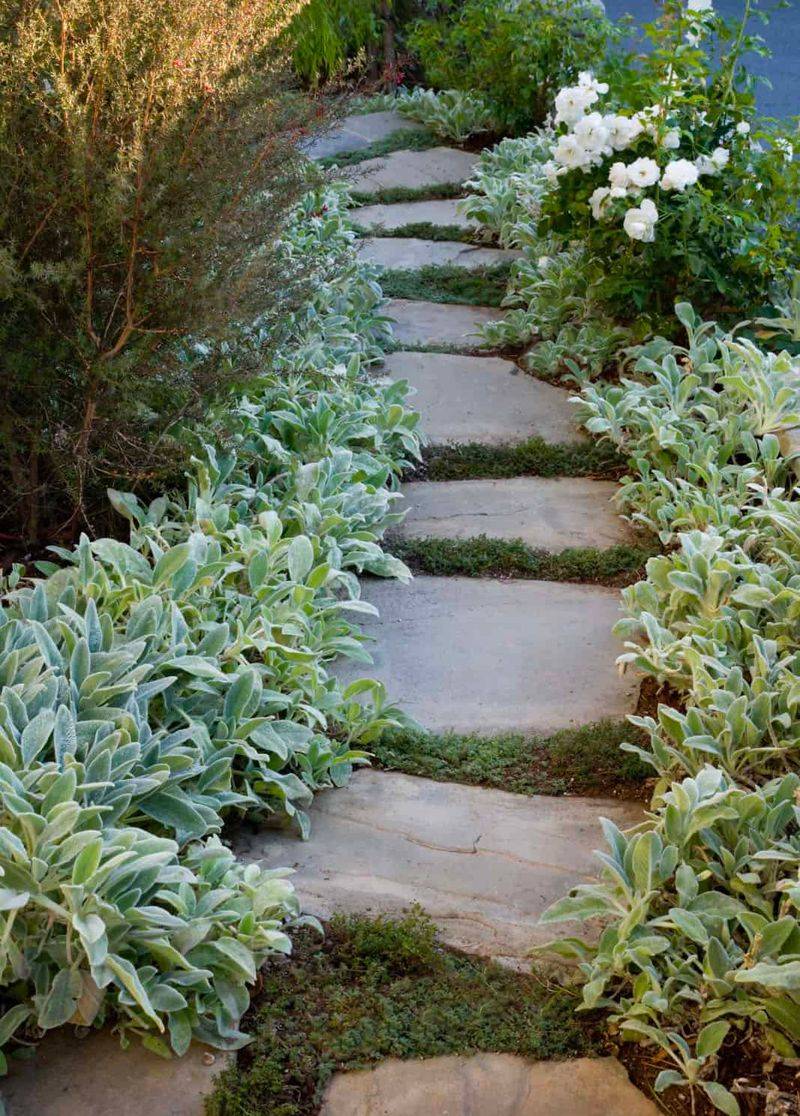
If your bed has a route people actually walk, build a defined path rather than expecting the plant to tolerate it. Stepping stones spaced for a natural stride are the most practical fix.
They give people a clear surface to use, protect the groundcover on either side, and add a finished look to the bed. Flagstone, concrete pavers, or even large flat river rock all work depending on your aesthetic.
The groundcover will eventually grow up to the edges of the stones and make the whole thing look intentional.
The design decision here does not have to be all-or-nothing. LCRA’s landscape guidelines acknowledge that rock can serve a legitimate role as an accent or in specific areas of a yard.
If gravel works well along a fence line, under a downspout, or in a spot that never gets planted, there is no reason to remove it. Silver ponyfoot makes sense for the planted ornamental beds where you want living coverage, and selective gravel retention makes sense elsewhere.
Treating the two as compatible tools for different parts of the yard is more practical than committing to one surface everywhere.
Matching the surface to its actual use, rather than covering everything with one material, will give you a yard that holds up through the season rather than one that looks good in April and looks worn by July.
Match the Recommendation to Your Texas Region
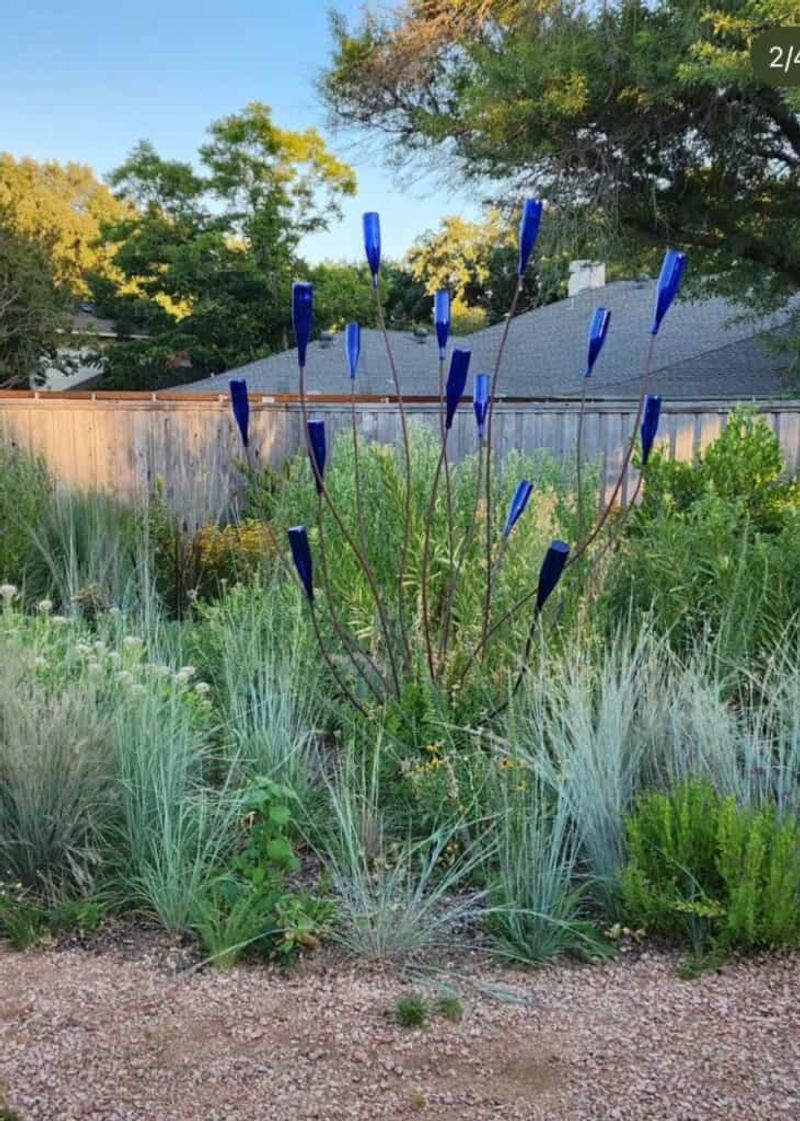
Not every Texas yard is the same, and the regional detail in the source material matters here. Austin’s official plant guide identifies silver ponyfoot as native specifically to West Texas, where the climate runs hot and dry with well-drained rocky or sandy soils.
That native-range designation does not automatically disqualify the plant from being used elsewhere in Texas as an adapted landscape choice, but it does mean gardeners in other regions should evaluate local conditions rather than assume identical performance.
A gardener in the Hill Country or Central Texas working with alkaline, well-drained soils and strong sun exposure may find silver ponyfoot performs well. Someone gardening on the Gulf Coast with heavier clay soils, higher humidity, and more frequent rain events should think carefully about whether the drainage requirements can be met and whether a plant adapted to dry, rocky West Texas terrain will stay healthy in a persistently moist environment.
The Pineywoods in East Texas present yet another set of conditions, with acidic soils and more shade, that may not suit silver ponyfoot at all.
For readers outside Texas, the regional caution extends even further. Florida is a different recommendation entirely.
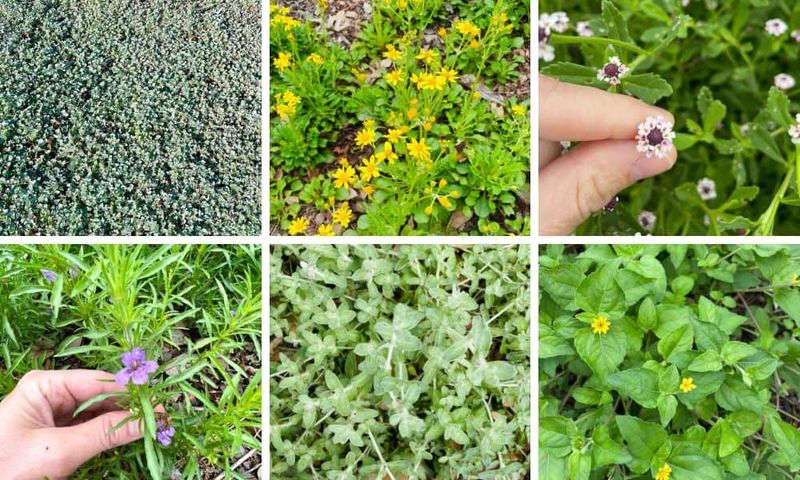
UF/IFAS describes frogfruit (Phyla nodiflora) as native to Florida, adapted to sun or partial shade, and tolerant of many soil types. UF/IFAS extension documentation on frogfruit notes that it is drought tolerant once established but can go dormant or decline during prolonged dry periods.
Florida gardeners looking for a low-water groundcover have stronger regionally specific support behind frogfruit than behind silver ponyfoot, whose documented performance comes from Texas sources.
The broader point is that transferring a recommendation from one state’s extension system to another’s yard without checking regional fit is a common mistake. Use the source material that matches your actual location, soil type, and climate rather than applying a Texas solution to a Florida problem or vice versa.
Choose Silver Ponyfoot for the Conditions It Actually Suits
Silver ponyfoot earns a place in a Texas yard when the conditions line up with what it actually needs: a well-drained bed, adequate sun or part shade, a gardener willing to water through establishment, and no expectation of regular foot traffic. Austin’s plant guide confirms those requirements, and they are not negotiable.
Meet them, and the plant has a realistic chance of delivering a low, attractive, low-water living surface.
Whether that living surface will be meaningfully cooler than the gravel it replaced depends on how dense the coverage gets, how much moisture is available for transpiration, and what other heat sources surround the bed. Missouri Extension’s research on vegetation and soil temperature supports the general principle that plant coverage shades soil and transpiration cools the air nearby, but no direct comparison between silver ponyfoot and gravel was located.
The cooling benefit is a reasonable expectation, not a guaranteed outcome with a specific temperature attached to it.
On the water question, silver ponyfoot may use less water than some gravel installations require for the surrounding plants once it is established, but that comparison shifts with site conditions. Colorado State Extension’s mulch guidance and LCRA’s landscape recommendations both note that gravel has legitimate uses in some settings, so retaining it selectively where it serves a real function makes more sense than removing every stone in the yard.
Silver ponyfoot is a credible, practical option for the right Texas bed, and knowing exactly what that means puts you in a better position to use it well.