
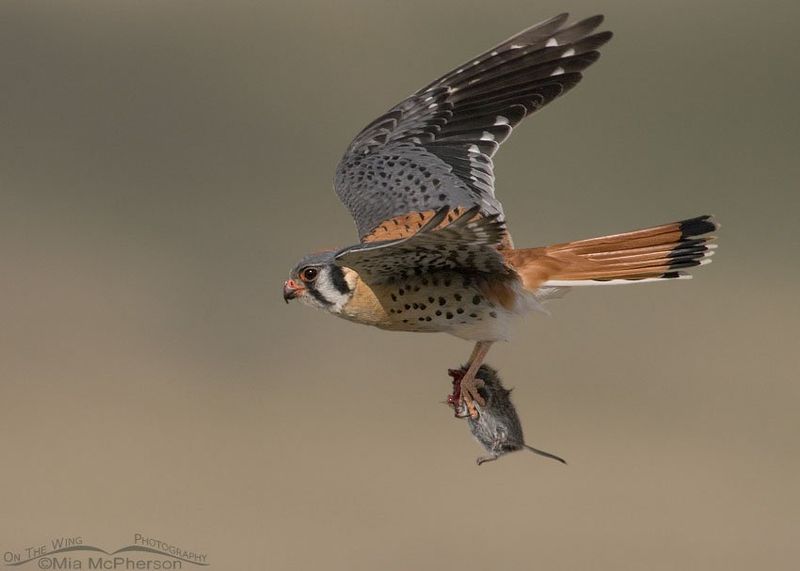
A flash of rusty orange hovering over your lawn might be the most useful bird you never thought to welcome. American kestrels are small, colorful falcons that hunt during the day and can take voles and mice right off the surface of your yard.
They are not a silver bullet for rodent problems, but understanding what they actually do, and what yard conditions help or hurt them, can make you a smarter steward of your California property.
American kestrels can hunt rodents, but they do not replace traps
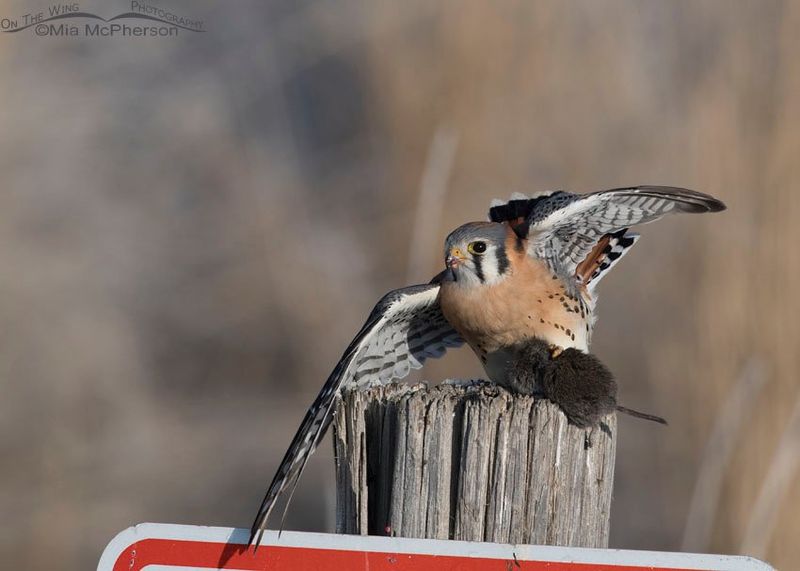
North America’s smallest falcon is a genuine daytime predator, and California homeowners who spot one perched on a wire or fence post are watching a bird that may well be scanning the ground below for movement. Cornell Lab’s kestrel life-history account describes a broad, strongly seasonal diet that includes insects, grasshoppers, beetles, lizards, small birds, mice, and voles.
Pocket gophers appear in the literature as possible prey, but they are not a reliable or predictable part of what kestrels eat in every yard or season.
Insects and other invertebrates can be the dominant food source, particularly in summer, so rodents are only one piece of a varied menu that shifts with what is available. California agricultural data add useful detail: California OEHHA CalEcotox dietary records from Yolo County pellet samples show mammals making up roughly 39 to 57 percent of pellet volume in several samples, with insects accounting for much of the rest.
Those numbers come from farmland, not suburban backyards, and they measure what was eaten, not how many rodents were removed from any particular property.
The US Forest Service species review for American kestrels confirms that kestrels hunt from elevated perches and may hover over open ground, but no published study compares how many rodents a kestrel removes from a residential yard versus a properly managed trap program. Treating kestrels as a complement to physical control is accurate; treating them as a replacement is not.
For confirmed pocket-gopher damage, UC IPM is direct: relying on predators or raptor boxes alone is unlikely to reduce gopher numbers enough to prevent plant and irrigation damage. A kestrel in your yard is a welcome wildlife ally, not a substitute for a trap.
Voles offer a clearer hunting opportunity than underground pocket gophers
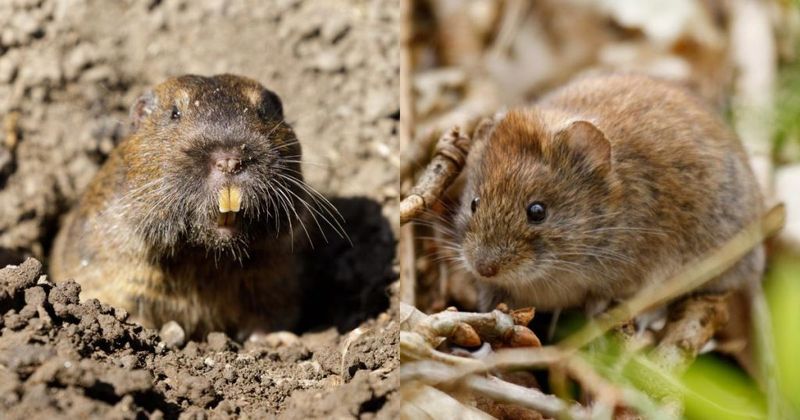
Many California homeowners use the words gopher and vole interchangeably, but the two animals live completely different lives, and that distinction matters when you are thinking about what a kestrel can realistically catch. Pocket gophers spend the vast majority of their time underground, pushing soil to the surface through tunnel systems and rarely exposing themselves to open air.
A falcon hunting from a perch or hovering above a lawn simply cannot reach an animal that is sealed inside a burrow.
Voles are a different story. These small, mouse-like rodents move through surface runways in grass and low groundcover, making them visible and catchable for a bird scanning from above.
A UC eScholarship study of kestrel nest boxes in California cherry orchards found that voles were the most common mammalian prey item in that setting, which is meaningful evidence of vole predation under orchard conditions. It does not automatically translate to a dense ornamental garden, a small urban lot, or a lawn hemmed in by fences and shrubs, where hunting conditions and prey availability differ considerably.
The practical takeaway is straightforward: if your primary concern is voles leaving surface trails through a lawn or groundcover, a kestrel hunting nearby may occasionally remove individuals. UC IPM’s pocket-gopher guidance draws a clear line between these two pests, noting that gophers’ underground lifestyle places them largely out of reach of aerial predators.
Catching exposed voles in an orchard does not demonstrate population-level control of burrowing gophers, and homeowners dealing with fresh crescent-shaped mounds and severed irrigation lines need a different approach entirely.
Excessive canopy closure can reduce hunting visibility
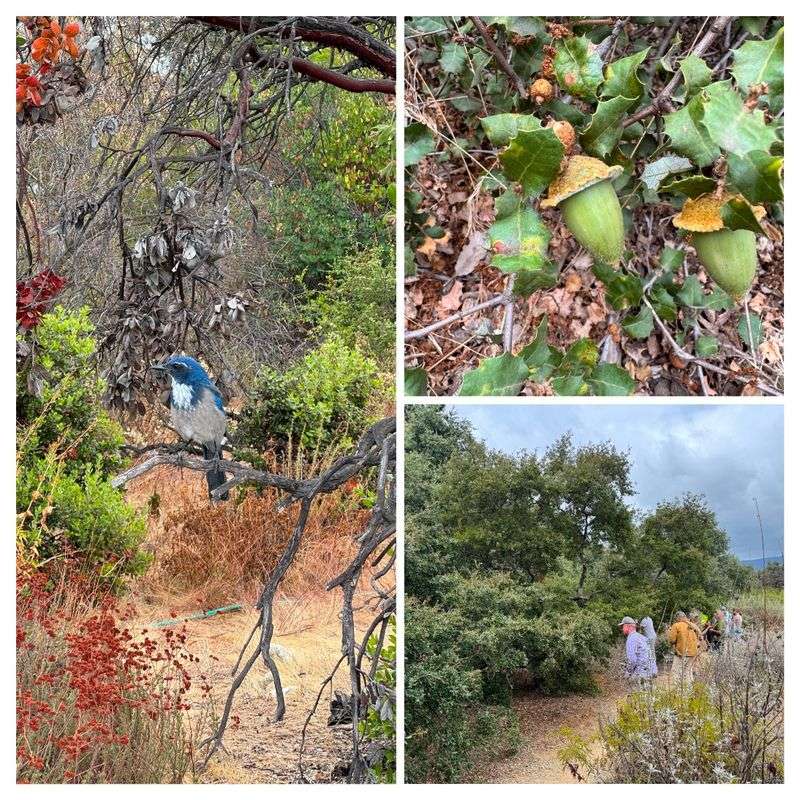
Headlines and gardening forums sometimes warn that a single pruning mistake will chase kestrels away forever, but the actual evidence is more nuanced and more useful than that. Trees are not the enemy.
Kestrels use trees for perching, sheltering, and nesting in natural cavities, and removing mature trees to attract a falcon would be counterproductive and unnecessary. The issue is not trees themselves but the overall structure of a yard that has grown so dense that a hunting bird can no longer see the ground or maneuver at low speed.
The Forest Service kestrel species review consistently describes the bird as a species of open and semi-open habitats, favoring short or sparse ground vegetation and clear flight paths. When a yard transitions from a mix of open lawn and isolated trees to a closed canopy with a thick shrub layer underneath and tall groundcover filling every gap, the conditions that make hunting possible start to erode.
A kestrel needs to see prey from a height and then move quickly to intercept it; dense vegetation at multiple layers blocks both the view and the approach.
Cornell Lab’s life-history account reinforces that kestrels select hunting areas based on visibility and access to prey near the surface. This does not mean every overgrown yard will lose kestrel visits permanently, or that thinning one hedge guarantees a falcon will appear.
The goal is a balanced yard: enough tree structure to offer perches and cavity sites, with at least some open ground where sightlines are clear and a small falcon can work. Thoughtful pruning that opens the understory or reduces groundcover height in one section of a yard can improve conditions without sacrificing mature trees or water-wise plantings.
Create habitat that kestrels can use without promising results
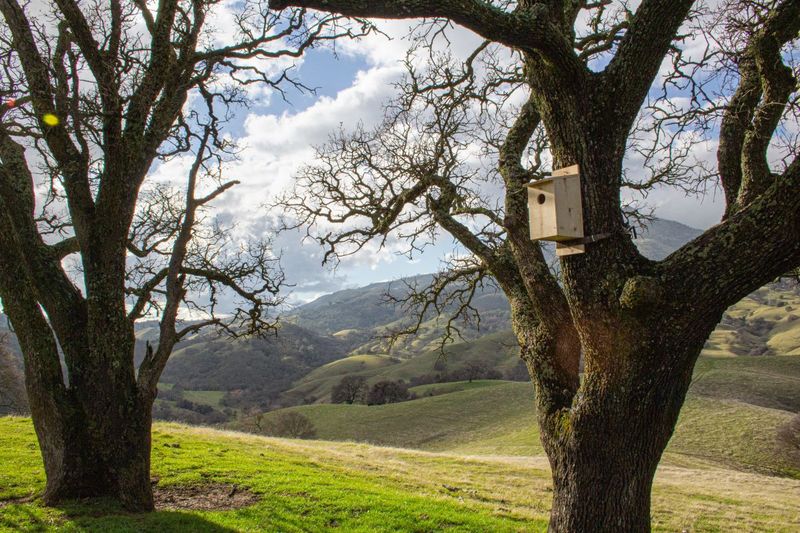
Translating habitat principles into yard changes requires honesty about what those changes can and cannot deliver. Kestrels are wild animals with territories that often span much more than a single residential lot, and a bird that uses your yard one week may not return the next.
Providing suitable features is a reasonable stewardship action; expecting a specific outcome is not.
The most practical starting point is a safe elevated perch with a clear view over some open ground. The Forest Service review documents kestrels hunting from fence posts, utility wires, snags, isolated limbs, and purpose-built perch poles.
If your yard already has a fence post at the edge of a lawn or an isolated tree limb that overlooks open ground, that feature may already be usable. Adding a simple perch pole in a corner where hunting conditions look reasonable is a low-cost option that does not require removing vegetation elsewhere.
Cornell Lab’s American Kestrel overview notes that the species is a secondary cavity nester, meaning it relies on existing holes in trees or structures rather than excavating its own. Nest boxes can substitute for natural cavities where they are lacking, but placement matters considerably.
Florida Fish and Wildlife’s nest-box guidance for the Southeastern American Kestrel recommends locating boxes in relatively open habitat with substantial suitable land around them, roughly 10 to 20 feet off the ground. Those recommendations are designed for viable kestrel territory and generally will not fit a compact California suburban lot surrounded by neighboring houses, fences, and ornamental plantings.
A box installed in a yard that lacks open hunting space, adequate prey, or a resident kestrel in the area may simply go unused for years. UC IPM makes the same point about predator boxes generally: they are unlikely to reduce rodent numbers enough to prevent plant damage.
Provide the habitat because it supports a declining bird species, not because it solves a gopher problem.
Protect trees, nests, people, and property during habitat work
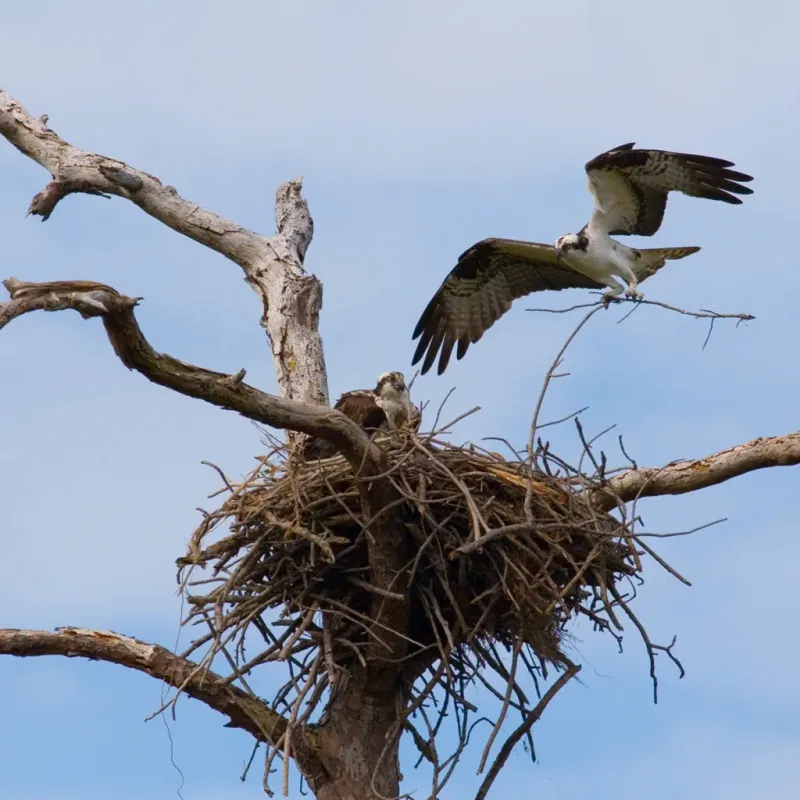
Any yard work that involves removing or pruning trees near where raptors may nest requires careful planning before the first cut. California homeowners sometimes assume that because they own a tree, they can modify it freely at any time of year.
Two separate layers of legal protection complicate that assumption, and it is worth understanding what each one actually covers.
California Department of Fish and Wildlife confirms that all raptors are protected under state law, which means deliberate harm to kestrels or their nests carries legal consequences regardless of where the nest sits. At the federal level, US Fish and Wildlife Service guidance on bird nests specifically warns that destroying an active nest containing eggs, chicks, or dependent young can violate the Migratory Bird Treaty Act.
That federal concern is targeted at active nests with occupants, not at every form of proximity or disturbance near every tree a bird has ever visited.
Before pruning a mature tree, removing a snag, or significantly altering a hedgerow, inspect the area carefully for active cavities, nesting activity, or signs of eggs and young. If work cannot be timed outside the nesting season, get current guidance from a California-licensed wildlife professional or your local California Department of Fish and Wildlife office before proceeding.
A qualified arborist can also assess whether a dead limb or snag is structurally safe to retain. In California’s fire-prone communities, local defensible-space rules may require removing dead wood regardless of its wildlife value, and those requirements take priority.
Retain a safe snag only where a qualified arborist and applicable fire-safety regulations permit it, not as a blanket habitat recommendation.
Skip rodenticides and respond directly to active gopher damage
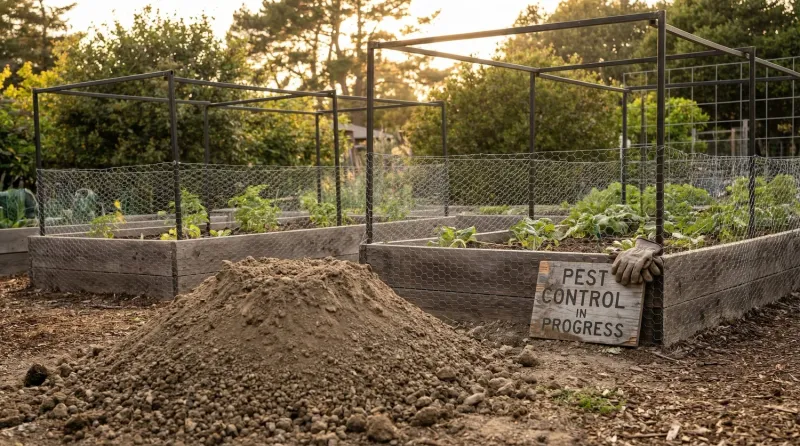
Fresh crescent-shaped mounds appearing in your lawn or garden beds are the clearest sign that a pocket gopher is actively working below. When that happens, the most effective response is direct physical control, not waiting to see whether a predator takes care of it.
UC IPM’s pocket-gopher guidance recommends locating the main burrow by probing near fresh mounds, placing traps in active tunnels, and checking them at least once or twice daily. Trapping continues until new mound production stops completely, which signals that the resident gopher is gone.
California Department of Pesticide Regulation’s step-by-step trapping guide walks through the mechanics: probe 6 to 12 inches from the freshest mound plug, set two traps facing opposite directions in the main tunnel, cover the hole to block light, and check frequently. UC IPM acknowledges that trapping is labor-intensive for small numbers of gophers but calls it effective when done consistently.
Underground wire mesh or hardware cloth baskets installed around raised beds and individual plants provide lasting protection against gophers that move in from neighboring properties.
Rodenticides are not a safe workaround, particularly in any yard where you want to support raptors. UC Davis School of Veterinary Medicine explains that raptors are regularly poisoned after eating rodents that have ingested anticoagulant products, a process called secondary poisoning.
California has already restricted several anticoagulant rodenticide products because of documented harm to nontarget wildlife, including hawks, owls, and kestrels. A kestrel or barn owl that catches a poisoned vole or mouse can receive a lethal dose without ever touching bait directly.
Kestrels and other raptors may remove individual rodents from a yard over time, and that is genuinely useful. What they cannot do is respond quickly to a confirmed infestation, locate underground burrows, or prevent the root damage and irrigation failures that a single active gopher can cause within days.
For active damage, trapping and exclusion are the tools that work reliably; predator support is a welcome supplement, not a first response.
Pair wildlife-friendly habitat with proven rodent protection
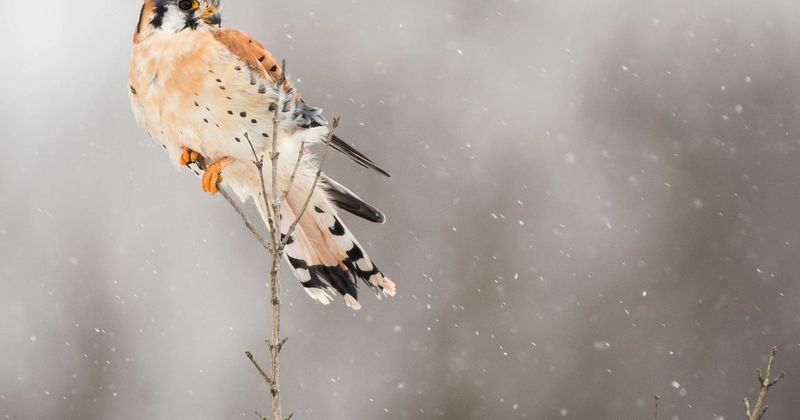
A yard that works well for kestrels and manages rodents responsibly does not require choosing one goal over the other. The practical framework is straightforward: preserve safe perches and some open sightlines if you want to support kestrels, avoid rodenticides entirely, and move to exclusion or trapping as soon as fresh gopher activity appears.
UC IPM’s guidance and UC Davis’s rodenticide warning point to the same conclusion from different directions: trapping protects plants, and skipping poison protects the birds.
A kestrel visiting your yard may be hunting insects, passing through a larger territory, or simply resting on a convenient post. It is probably not systematically clearing your rodent population, and a nest box installed without suitable surrounding habitat may sit empty indefinitely.
A USGS-linked analysis estimated an overall 29 percent decline in American kestrel populations from 1986 to 2019, with rodenticides, insecticides, and prey declines among the factors identified. Supporting suitable habitat in your yard has real conservation value for a species under pressure across the continent, and that value stands on its own even if no kestrel ever nests there.
Cornell Lab notes that kestrels thrive where open hunting space, elevated perches, and nesting cavities coexist. Measure success by a healthier yard with fewer rodenticide risks and better habitat structure, not by expecting one bird to eliminate a pest.
A yard that welcomes kestrels and manages gophers honestly is a better outcome than either approach alone.