
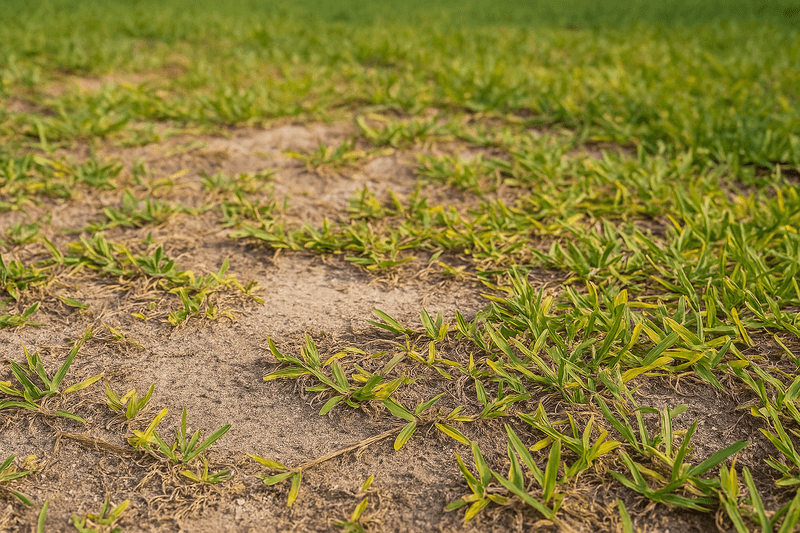
September is a turning point in Florida gardens. The heat is still hanging on, but many plants are getting ready for a fresh fall push.
Feed the right plants now and you can get stronger blooms, greener leaves, and better roots before winter. Feed the wrong ones and you may invite weak growth, pests, or cold damage later.
1. Citrus Trees
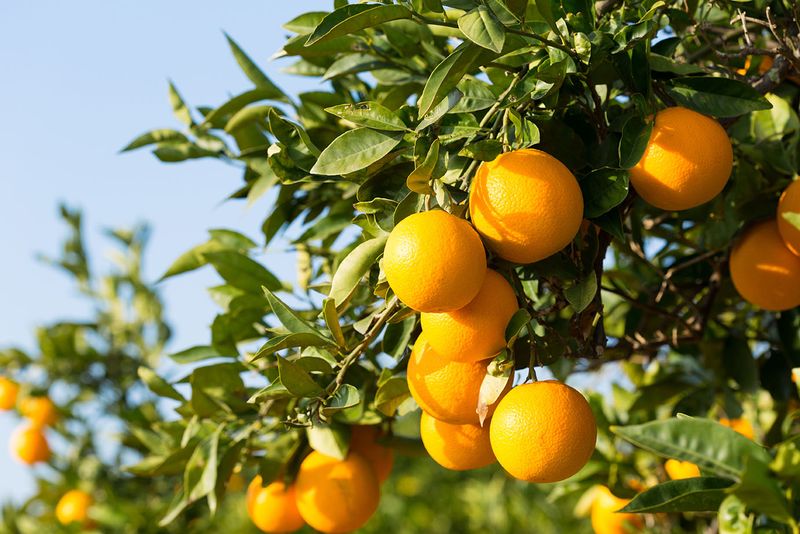
A Florida citrus tree can look calm in September, but under the leaves it is still doing serious work. Oranges, grapefruits, lemons, and limes are sizing fruit, repairing summer stress, and building strength for the cooler months ahead.
For many established citrus trees, September can be a useful time for a final light feeding if it fits your local UF-IFAS fertilizing schedule and county rules. Use a citrus fertilizer with nitrogen, magnesium, manganese, iron, and other micronutrients, because Florida’s sandy soil does not hold nutrients for long.
Keep the application modest and spread it evenly under the canopy, not piled near the trunk. Water it in well so nutrients move into the root zone instead of sitting on the surface.
Avoid pushing late, tender growth with a heavy dose. The goal is steady support for fruit and foliage, not a flush of soft leaves that pests adore.
2. Hibiscus
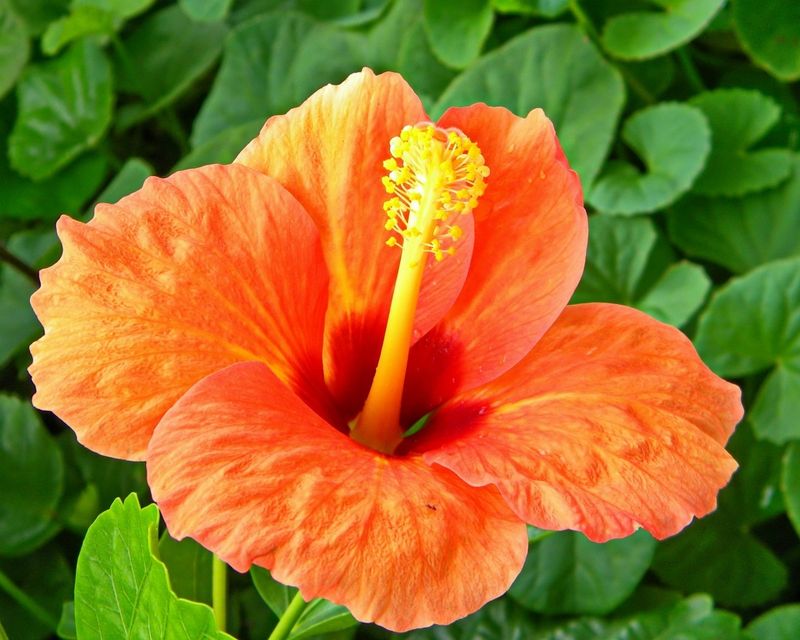
Few plants announce a Florida yard like hibiscus in full color. After months of heat, rain, and insect pressure, September feeding can help them keep blooming instead of fading into tired green shrubs.
Hibiscus are hungry plants when they are actively growing. A slow-release fertilizer with potassium and a moderate amount of nitrogen works well, especially in sandy beds where nutrients wash away after summer storms.
Skip the temptation to use a high-phosphorus bloom booster every time you see fewer flowers. Florida soils can already hold enough phosphorus in many areas, and too much can create problems instead of prettier blooms.
Feed lightly, water deeply, and watch for yellowing leaves that may point to micronutrient needs. If your hibiscus is in a pot, it may need more regular attention than one planted in the ground because containers dry and leach faster.
3. St. Augustinegrass
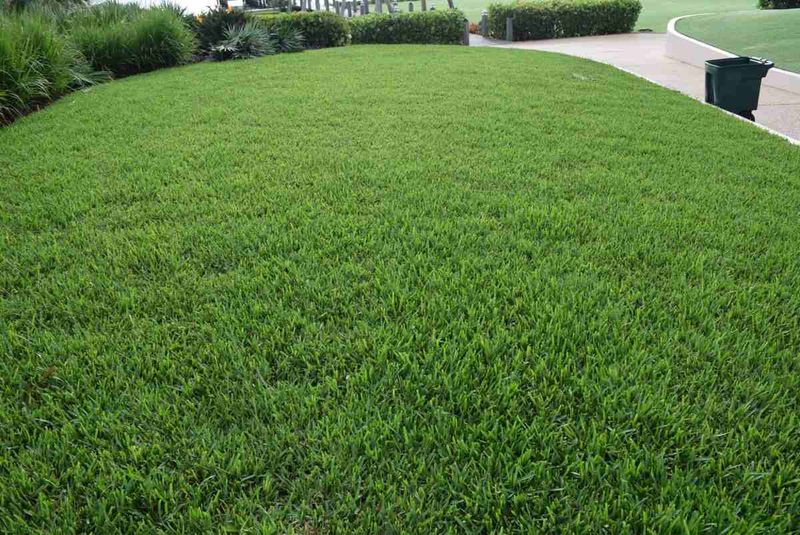
Lawns tell on you fast in September. St. Augustinegrass that was starved through summer may look thin, pale, and patchy just when the front yard should start looking pleasant again.
In much of Florida, early fall can be a good time to feed St. Augustinegrass if local fertilizer ordinances allow it. Choose a lawn fertilizer suited for Florida turf, preferably one with slow-release nitrogen and little or no phosphorus unless a soil test shows it is needed.
Timing matters. Feeding too late can encourage tender growth that is more vulnerable when cool snaps arrive in North Florida, while feeding during heavy rain can waste product and send nutrients into storm drains.
Apply evenly with a spreader, then water according to label directions. A good September feeding should improve color and density without forcing a sudden, lush surge that needs constant mowing.
4. Palms With Yellow Fronds
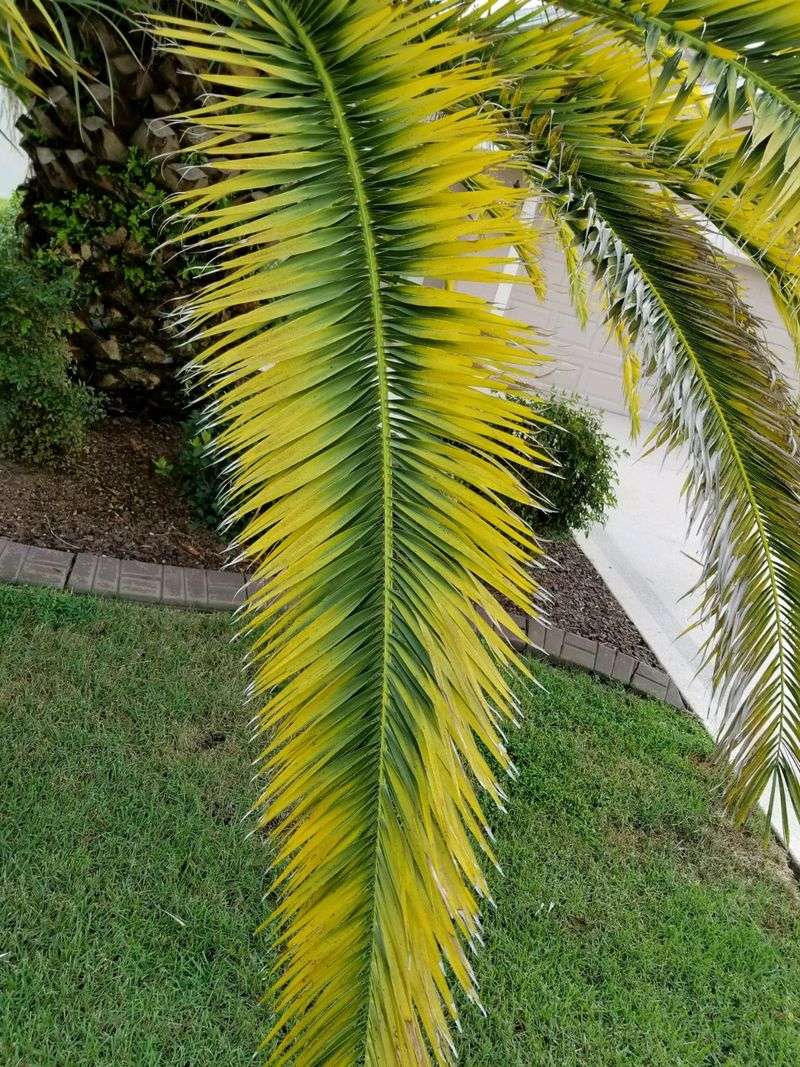
Yellow palm fronds are often blamed on age, drought, or bad luck, but nutrition is a common culprit in Florida landscapes. Palms have special needs, and ordinary lawn fertilizer usually does not solve them.
September can be a smart time to feed palms that show magnesium or potassium deficiency, especially if the growing season has been rainy. Use a palm fertilizer formulated for Florida with controlled-release nitrogen, potassium, magnesium, and micronutrients.
Do not remove yellowing fronds too quickly. Palms can pull nutrients from older fronds, and cutting them off early may make the deficiency worse.
Scatter fertilizer over the root zone, which may extend well beyond the trunk, then water it in. Keep turf weed-and-feed products away from palms, because some herbicides can cause injury.
A well-fed palm will not turn perfect overnight. New growth tells the real story, so judge progress by the next spear and newer fronds rather than old damaged leaves.
5. Roses
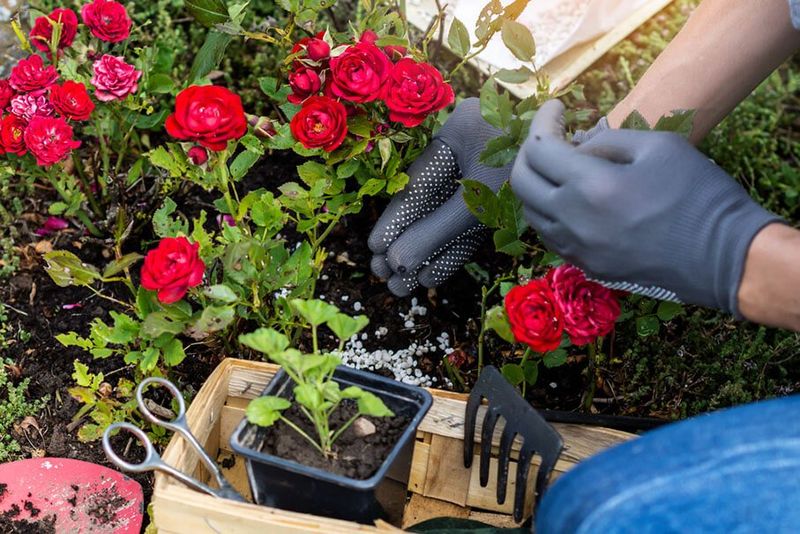
Roses often get a second wind in Florida when the worst summer heat begins to ease. September feeding can set them up for a strong fall bloom cycle, especially in Central and North Florida gardens.
After a light cleanup pruning, give roses a balanced fertilizer or a rose fertilizer used according to the label. Many gardeners also add compost around the root zone to improve moisture holding in sandy soil.
Good nutrition helps roses push fresh leaves and buds, but airflow still matters. Remove diseased leaves, keep mulch off the canes, and avoid overhead watering late in the day to reduce fungal trouble.
Container roses may need smaller, more frequent feedings because pots lose nutrients quickly in Florida rain. In the ground, avoid overdoing nitrogen, which can create soft growth that attracts aphids and chili thrips.
Think of September feeding as a reset button, not a rescue miracle. Healthy roots, sun, pruning, and steady moisture all work together.
6. Vegetable Seedlings
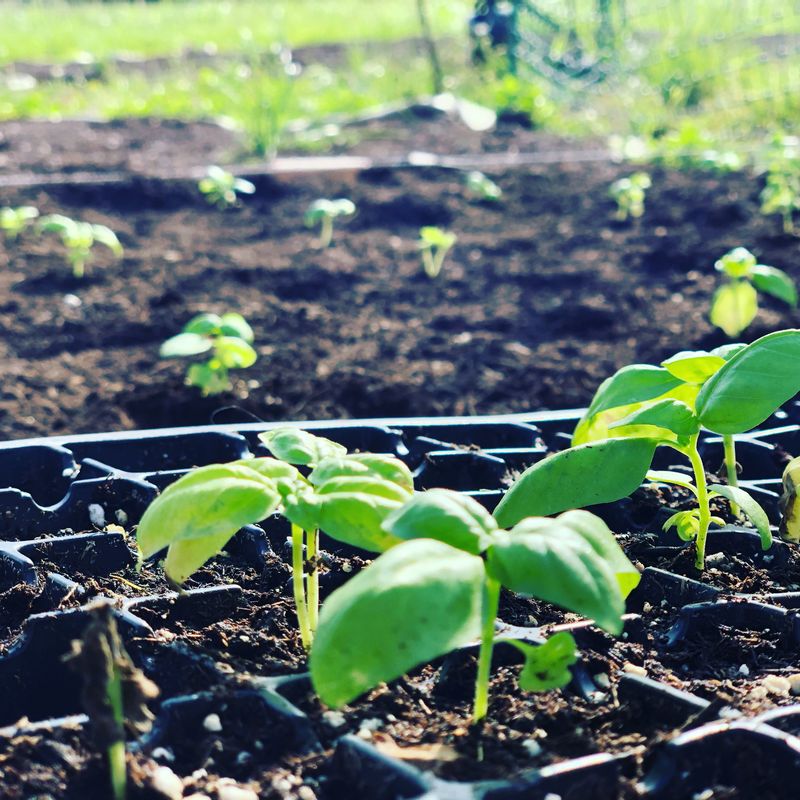
Fall vegetable season sneaks up while the air still feels like summer. Tomatoes, peppers, collards, kale, broccoli, cucumbers, and herbs need nutrition early so they can root fast and handle Florida’s warm September weather.
Seedlings do best with gentle, consistent feeding rather than a harsh blast. Mix compost into beds before planting, then use a balanced vegetable fertilizer or liquid feed at label rates once plants begin active growth.
Raised beds and containers deserve extra attention because Florida rains can flush nutrients downward. Mulch with straw, pine needles, or clean leaves to hold moisture and protect shallow roots.
Avoid placing strong fertilizer directly against stems or roots at planting time. That can burn young plants and slow them down just when they need to settle in.
For gardeners who lost steam during summer, September vegetables bring back the fun. Feed wisely now and you can harvest before pests and weather steal the show.
7. Bougainvillea in Containers
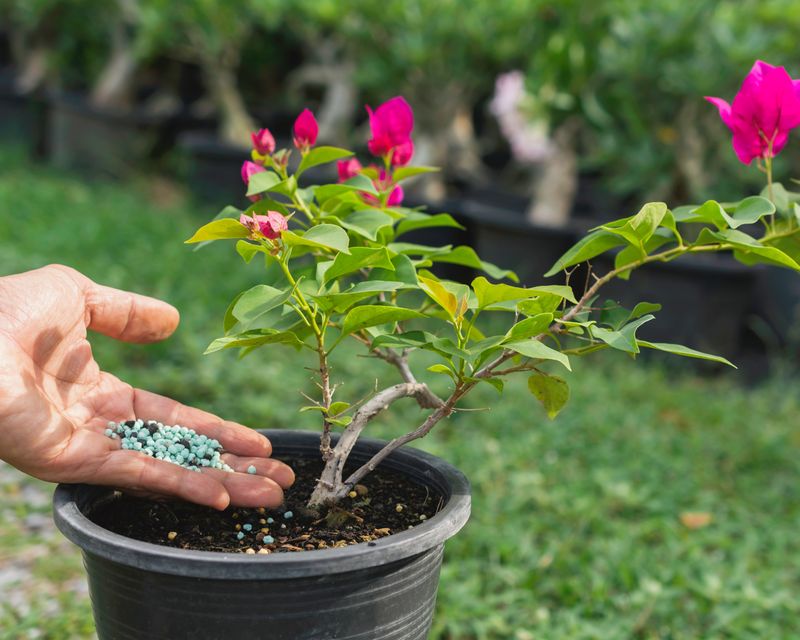
Bougainvillea can be dramatic in the best possible way, especially when it spills over a patio pot like a living waterfall. In containers, though, it burns through nutrients faster than many people expect.
A light September feeding can help potted bougainvillea stay vigorous as Florida moves into fall. Use a balanced, controlled-release fertilizer or a product labeled for flowering tropical plants, but keep the dose conservative.
The trick is not to pamper it too much. Bougainvillea blooms best with bright sun, sharp drainage, and a slightly tough-love routine, so constant watering and heavy nitrogen can leave you with vines and leaves instead of color.
If the plant is in the ground and already growing wildly, skip or reduce feeding. For a container plant that has flowered hard all summer, a careful feeding helps replace what rain and irrigation have washed out.
Never let the pot sit in soggy runoff after fertilizing. Wet feet can undo all the good you were trying to do.
8. Azaleas
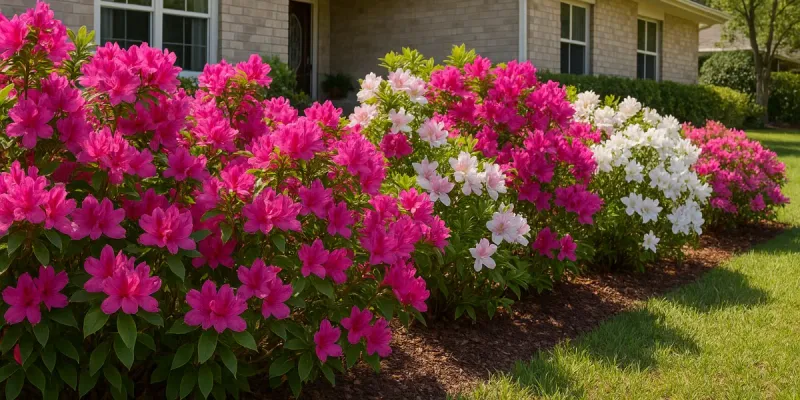
Azaleas may look like they are just sitting there in September, but many are preparing next spring’s flower buds. That hidden work is exactly why feeding them now can backfire.
In Florida, azaleas are usually fertilized after spring bloom and sometimes lightly earlier in the growing season if soil tests or plant appearance call for it. A September feeding, especially one high in nitrogen, can push tender new growth at the wrong time.
Fresh growth late in the season is more likely to be damaged by cool weather in North Florida and can draw pests in warmer parts of the state. It may also distract the plant from bud development.
Instead of fertilizing, focus on steady moisture and a good mulch layer. Pine straw or pine bark helps protect shallow roots and suits the acid-loving nature of azaleas.
If your shrub looks weak, do not guess with fertilizer. Check drainage, soil pH, irrigation habits, and light first, because azaleas often struggle from wet roots or poor placement rather than hunger.
9. Camellias
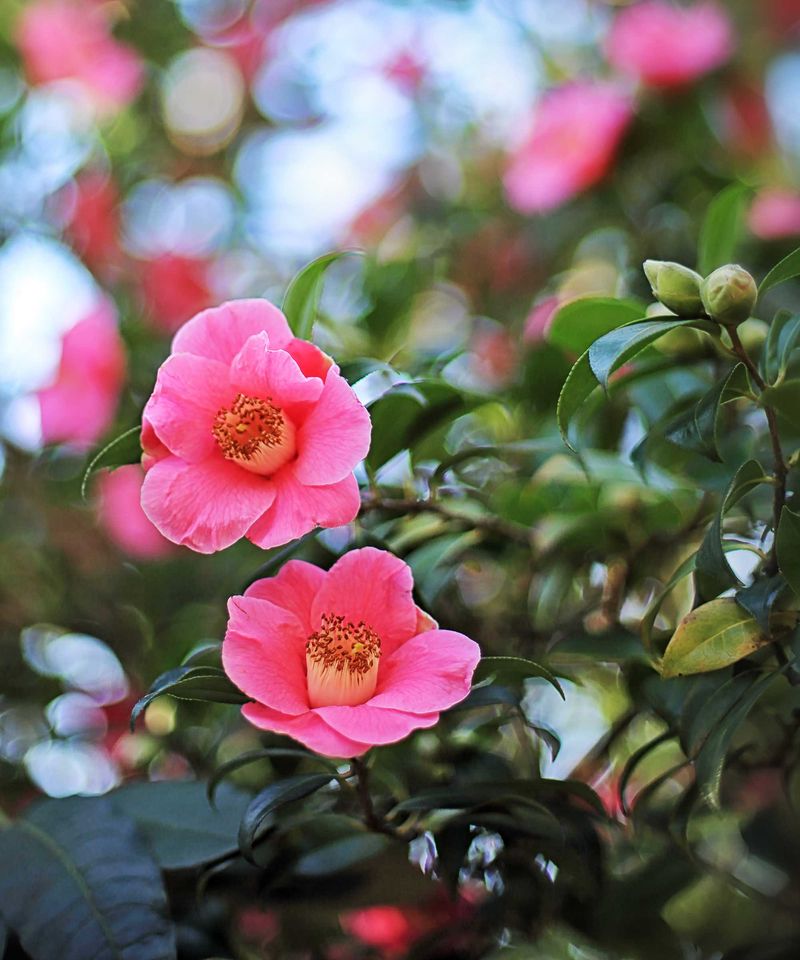
Camellias carry their winter charm months before the flowers open. By September, those rounded buds are already forming, and a careless feeding can interfere with the show you are waiting for.
Most camellias should be fed after blooming or during active spring growth, not late in the year. Nitrogen in September may encourage soft leafy shoots when the plant should be concentrating on buds and steady root health.
Florida gardeners often grow camellias under pines, oaks, or filtered shade, where roots compete for water. If the plant looks tired, dry soil, compacted ground, or root competition may be the real issue.
Give camellias a wide mulch ring and water deeply during dry spells. Keep mulch a few inches away from the trunk so bark stays dry.
For a plant with yellow leaves, consider soil pH or micronutrient issues before reaching for a general fertilizer. Camellias like acidic conditions, and the wrong product can make nutrient uptake harder instead of easier.
10. Dormant or Heat-Stressed Turf
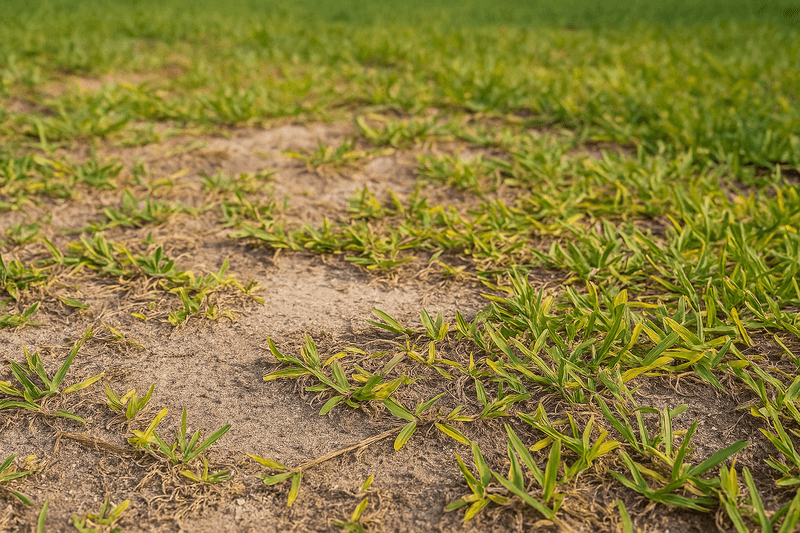
A struggling lawn can make any homeowner want to grab the fertilizer bag. Brown patches feel like an emergency, but feeding stressed turf in September can turn a fixable problem into a bigger one.
If grass is dormant from drought, damaged by chinch bugs, diseased, or sitting in soggy soil after storms, fertilizer will not solve the root cause. Nitrogen can push weak growth that the plant cannot support.
Before feeding, check for pests, irrigation coverage, disease patterns, and soil moisture. St. Augustinegrass with chinch bug damage, for example, needs pest management and recovery time, not a heavy meal.
Fertilizer ordinances also matter in many Florida counties and cities, especially near waterways. Always follow local blackout dates and product restrictions.
Once the lawn is actively growing again and the cause of stress is corrected, a proper turf feeding may help. Until then, water correctly, mow high, and resist the quick-fix urge.
11. Newly Planted Native Wildflowers
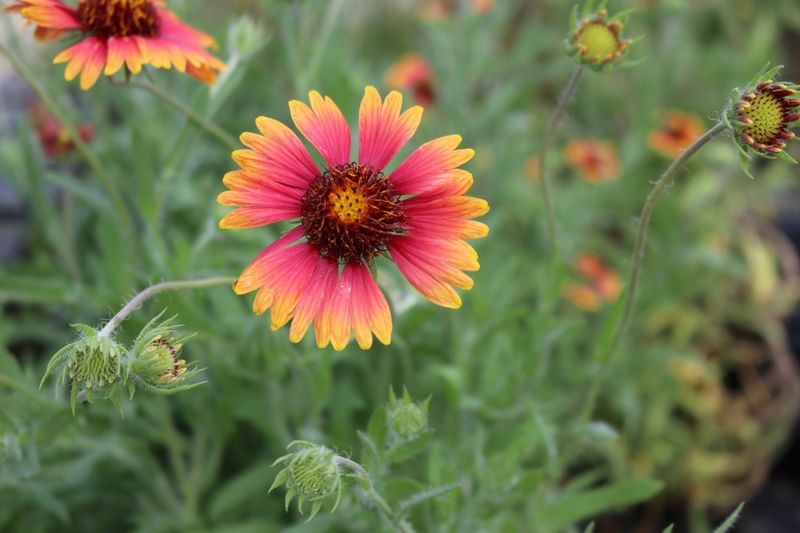
A fresh native wildflower bed feels like it should get a starter meal, especially when the plants are small. Surprisingly, many Florida natives do better when you keep the fertilizer bag closed.
Species such as coreopsis, blanketflower, black-eyed Susan, sunshine mimosa, and many native milkweeds are adapted to leaner conditions. Extra fertilizer can push floppy, leafy growth with fewer flowers.
Rich feeding may also favor weeds, which can quickly outcompete young native plants in a new bed. That is frustrating because the whole point is often lower maintenance, more pollinators, and a planting that fits Florida’s climate.
Use water as your establishment tool instead. Keep the root zone evenly moist at first, then taper as plants settle in, depending on the species and site.
If growth seems slow, be patient. Native wildflowers often spend early energy building roots before they put on a visible show, and that quiet start can pay off with tougher plants later.
12. Succulents and Cacti
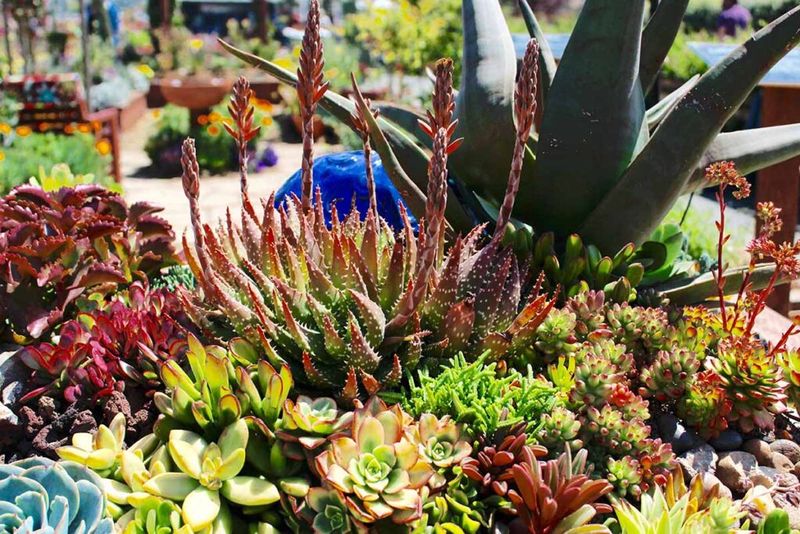
Succulents look sturdy enough to handle anything, which is why they often get overhelped. In humid Florida, September feeding can be risky if rain, heat, and soft growth all show up at once.
Many succulents and cacti slow down when conditions are stressful or days begin shifting. Fertilizer during a slow period can encourage weak, watery growth that is more prone to rot and pest trouble.
Drainage matters more than feeding now. Use gritty potting mix, containers with open drain holes, and a spot protected from repeated heavy downpours.
If a succulent has stretched, paled, or dropped leaves, fertilizer is not always the answer. It may need brighter light, less water, or a cleaner potting mix rather than more nutrients.
For plants that are actively growing and clearly healthy, a very diluted feeding earlier in the warm season may be fine. By September, cautious neglect is often kinder, especially for containers that stay damp after storms.