
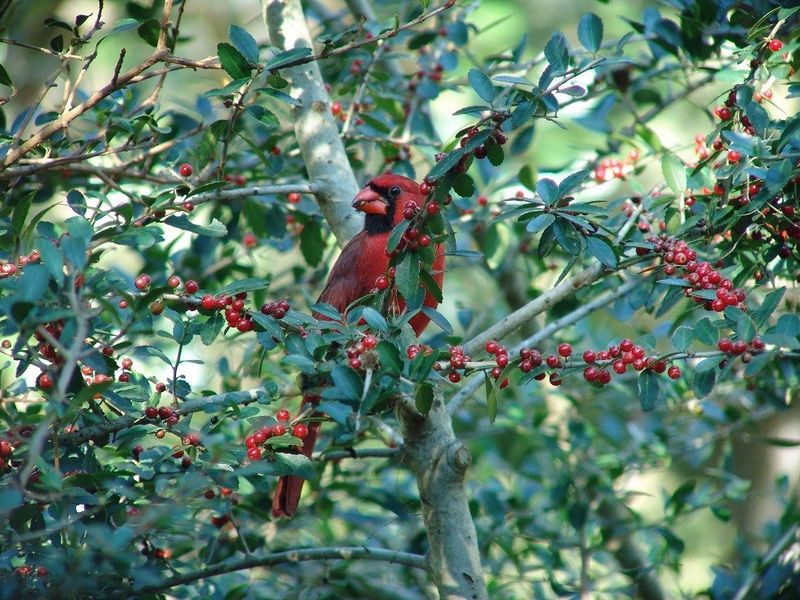
Florida yards can look neat in fall and still leave cardinals hungry. These bright red birds depend on seeds, berries, and insects hiding in the plants many people cut back too soon.
A few small cleanup changes can keep your garden tidy while saving the natural food cardinals need. Here are seven habits to rethink before you fill the next yard bag.
1. Cutting Back Seed Heads Too Early
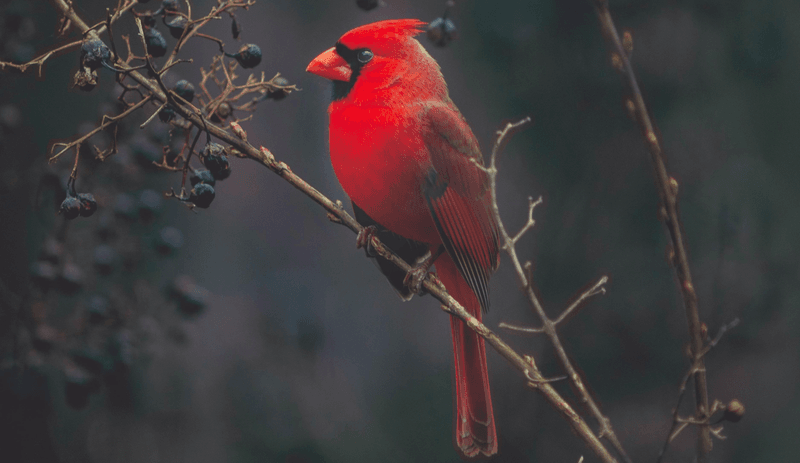
A neat row of clipped stems may feel satisfying, but cardinals see those dry flower heads as a snack shelf. In Florida fall, many plants are still holding seeds long after their blooms fade, especially native choices like black-eyed Susan, coreopsis, coneflower, and blanket flower.
Cardinals have strong, cone-shaped bills built for cracking seeds. When gardeners shear everything down at the first sign of brown, the birds lose easy food right when breeding season has ended and natural food sources begin shifting.
Try a selective cutback instead of a full reset. Remove floppy, diseased, or walkway-blocking stems, but leave sturdy seed heads standing in back corners, along fences, or behind evergreen plants.
For a tidier look, group the remaining stems rather than leaving single stalks scattered everywhere. You still get a cleaner bed, and cardinals get a living pantry that costs nothing, needs no refilling, and fits Florida’s long warm season better than a bare winter garden.
2. Removing Beautyberry Before Birds Finish the Fruit
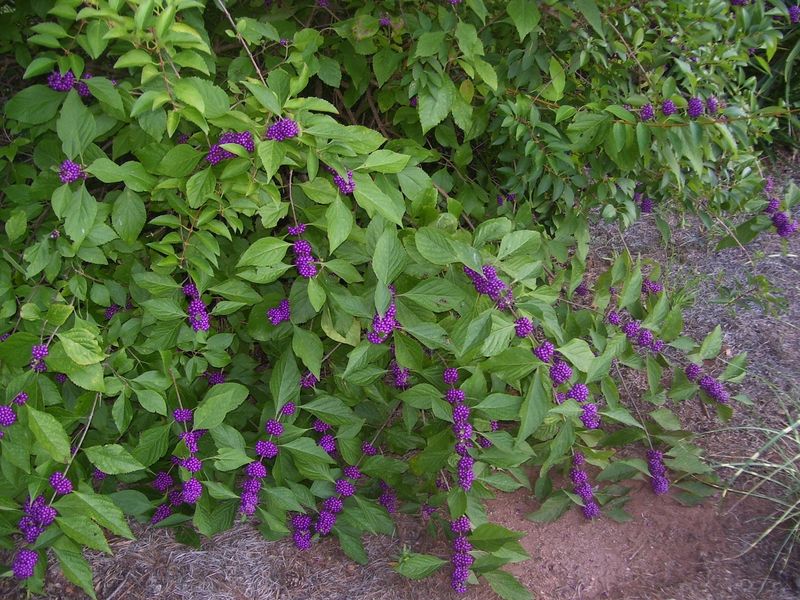
Those purple bead-like berries on American beautyberry can turn a quiet corner into a cardinal buffet. The problem starts when gardeners prune the shrub hard in fall because it looks loose, twiggy, or too wild after summer growth.
Beautyberry is a Florida native that handles heat, sandy soil, and part shade with very little fuss once established. Its fruit often hangs in clusters along the stems, where cardinals, mockingbirds, catbirds, and other backyard birds can reach it.
If the plant is blocking a path or crowding a porch, trim only the branches that are truly in the way. Save the heavier shaping for late winter, after wildlife has had more time to feed and before the next flush of spring growth.
A simple trick is to plant beautyberry where its natural arching form looks intentional, such as near a fence, under high pine shade, or behind lower groundcovers. That way, the shrub can stay berry-rich through fall without making the front walk look forgotten.
3. Bagging Every Leaf Under Shrubs
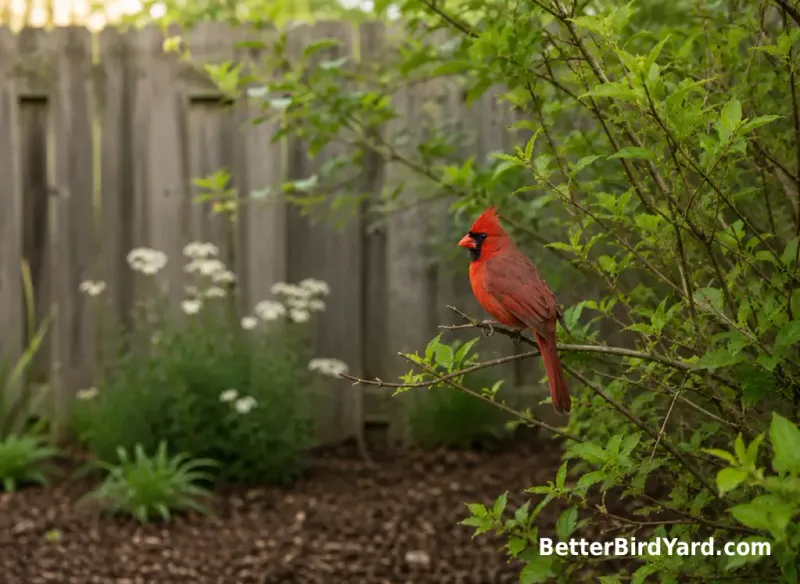
Listen under a shrub on a quiet morning and you may hear the scratchy rustle of a cardinal flipping leaves. That thin layer of fallen oak, maple, or gumbo limbo leaves is not just yard clutter, it is where insects, tiny seeds, and soft-bodied snacks collect.
Bagging every leaf removes more than the leaves themselves. It clears away the small food web that cardinals use, especially in mixed borders where shrubs give them cover from hawks and neighborhood cats.
Florida gardeners also get a soil bonus from keeping some leaves in place. Sandy soil drains fast and often struggles to hold organic matter, so chopped or settled leaves can help protect roots, moderate moisture, and slowly improve the bed.
Keep lawns, drains, and hard surfaces clear, but let leaves stay beneath hedges and wildlife shrubs when they are not smothering small plants. If the layer looks messy, rake it into a clean edge and top it with pine straw or natural mulch.
The bed looks cared for, while cardinals still have a place to forage.
4. Deadheading Every Late-Season Bloomer
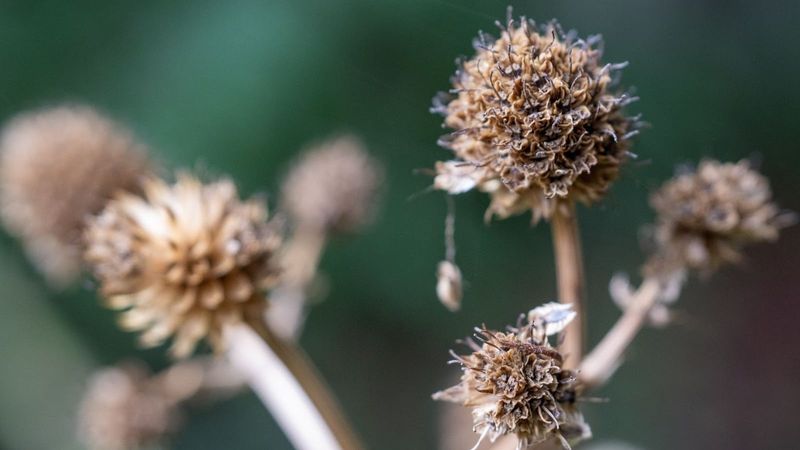
A flower bed does not have to be either pretty or useful. In Florida, many late-season bloomers keep producing flowers, seeds, and insect activity well into fall, which makes heavy deadheading a bigger loss than many gardeners expect.
Snipping spent blooms can encourage more flowers on some plants, but taking every faded head removes future seed. Cardinals are not picky about whether a seed head looks magazine-ready.
They care that it is reachable, safe, and close to cover.
Use a half-and-half method for plants that still have ornamental value. Deadhead the front of the bed where visitors notice details, then leave seed heads toward the back or on the side facing a fence.
This keeps curb appeal while preserving food.
Plants such as native sunflowers, rudbeckia, salvia, and some grasses can create a useful mix of seeds and insects if they are not groomed flat. The goal is not neglect.
It is smart editing, so the garden keeps working after the brightest blooms have passed.
5. Replacing Native Berry Shrubs With Sterile Ornamentals
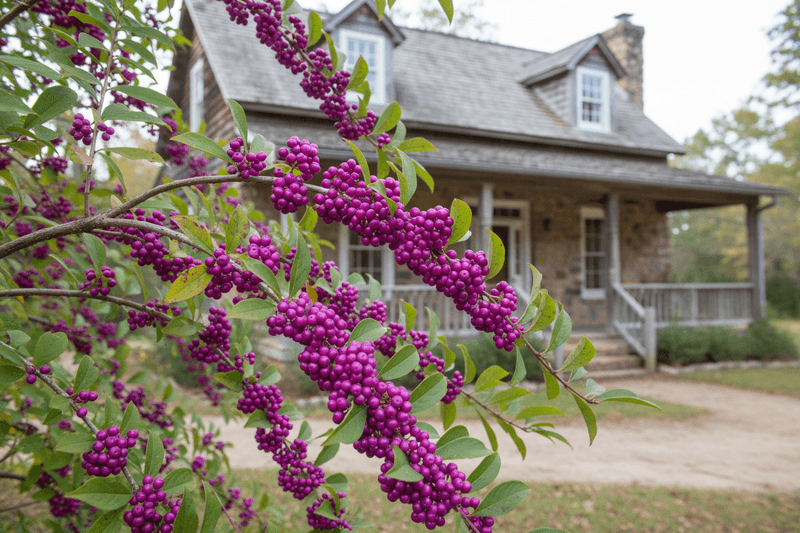
Fresh landscaping can make a home look polished fast, but some swaps quietly erase the menu cardinals were using. Replacing berrying natives with sterile, tightly clipped ornamentals often leaves the yard greener but less alive.
Florida-friendly shrubs such as Simpson’s stopper, firebush, wax myrtle, marlberry, and American beautyberry can offer cover, flowers, insects, or fruit depending on the site and season. Many also suit sandy soil once established, especially when chosen for the right light and moisture conditions.
Before removing an older shrub, watch it for a week. If cardinals perch in it, feed from it, or use it as a stop between taller trees and lower beds, it may be doing more work than you realized.
When a plant truly needs to go, replace it with something that earns its space in two ways. Look for a shrub that improves the view from the street and supports birds from the porch.
In Florida yards, that often means layered native or Florida-Friendly Landscaping plants instead of a row of green shapes that never flower or fruit.
6. Clearing Vines and Thickets All at Once
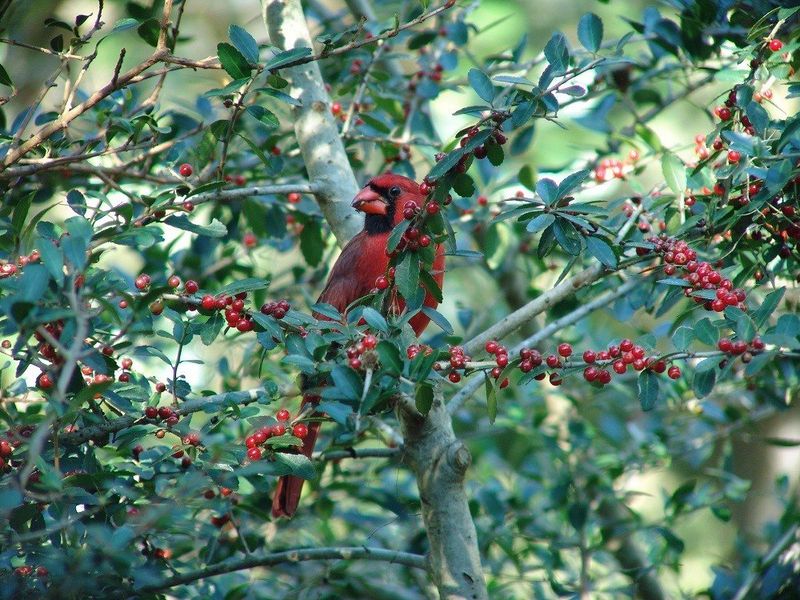
Every yard has a spot that gets called the jungle. Along a back fence, beside a shed, or under trees, vines and twiggy growth can build up fast in Florida’s long growing season.
Total clearing feels efficient, especially before holiday guests arrive or storm debris piles up. For cardinals, though, dense growth can be a shelter, a nesting area earlier in the year, and a safe feeding zone near seeds and berries.
The better move is staged cleanup. Remove invasive vines, storm-broken limbs, and anything pulling down fences first.
Then pause before stripping the whole area bare, especially if native shrubs or fruiting plants are mixed in.
Keep a small brushy pocket where it will not block airflow around the house, hide pests near doors, or create a safety concern. A corner thicket can be shaped with a clean front edge so it reads as intentional habitat rather than forgotten work.
Cardinals are often more comfortable feeding when cover is only a quick hop away. By clearing in sections over several weekends, you protect that sense of safety while still bringing the yard back under control.
7. Mowing Down Weedy Edges Before Seeds Ripen
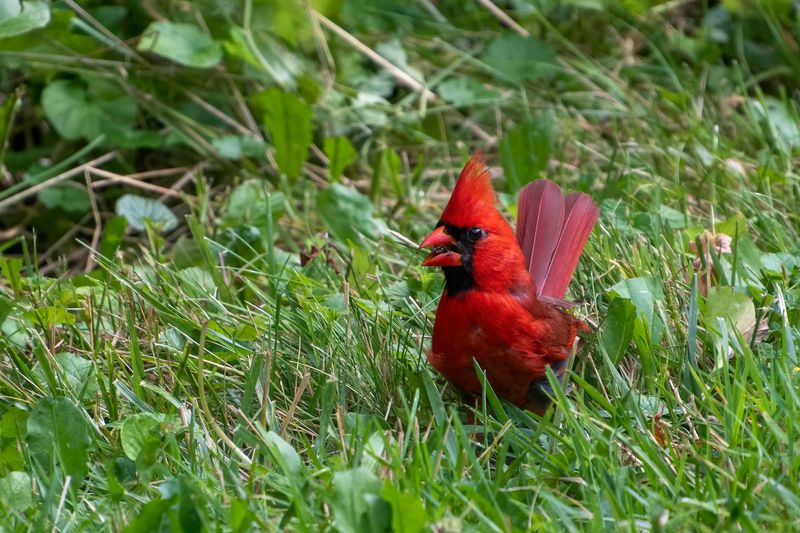
The scruffy strip beside a fence may be doing more for cardinals than the perfect patch of turf. Many fall seed sources show up in edges, ditch banks, utility areas, and the narrow spaces where lawn meets bed.
Constant mowing keeps those plants from reaching the seed stage. While some weeds should be controlled before they spread, not every seed-bearing edge needs to be scalped weekly, especially in a low-traffic backyard zone.
Florida lawns often grow through much of the year, so fall maintenance is more about managing pace than shutting everything down. Try mowing paths and visible lawn areas on schedule, then leaving one small edge taller for a few extra weeks if it is not full of invasives or problem weeds.
A defined border helps the choice look purposeful. Use a mulched strip, stepping stones, or a crisp mowed line to separate the wilder patch from the main lawn.
When the seed heads are picked over or the plants start to flop, cut the area high rather than shaving it to bare sand. Cardinals benefit from the extra food, and your yard still keeps the neat structure most neighborhoods expect.