
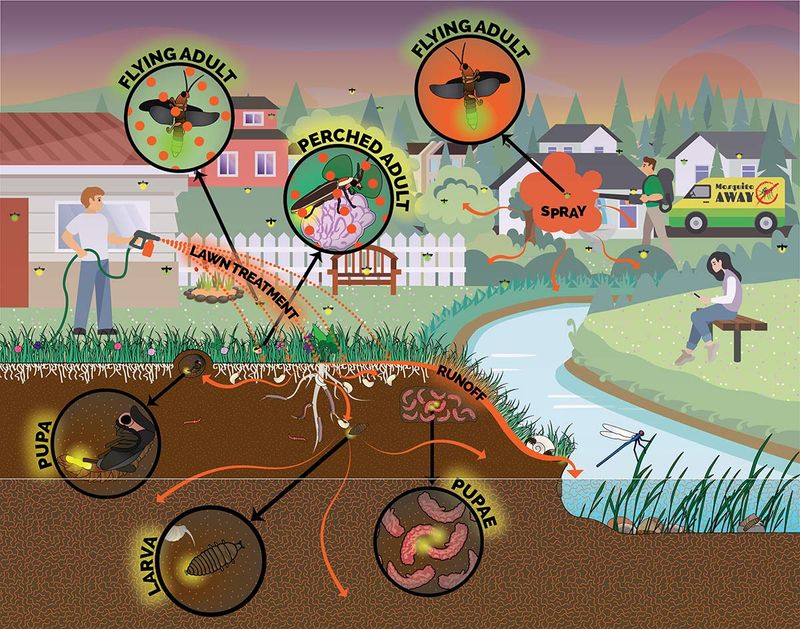
Fireflies can make a Florida backyard feel magical, but they need the right kind of space to return year after year. Many yards accidentally push them away with bright lights, short grass, dry soil, and too many chemicals.
The good news is that small changes can help your yard become safer for fireflies during warm summer nights. Here are seven practical habits that make your backyard more welcoming without turning it into a wild mess.
1. Keep Part of the Yard Dark After Sunset
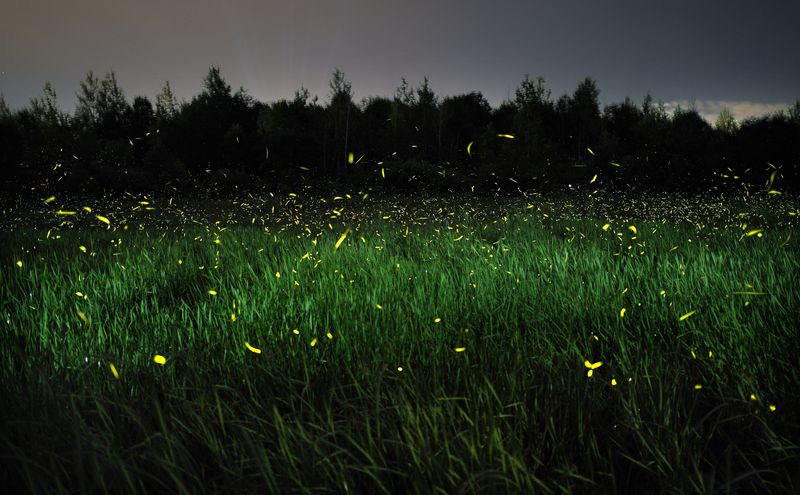
A porch light left on all night may seem harmless, but to fireflies it can feel like a giant blinking billboard in the wrong language. Fireflies use light to find mates, and bright outdoor lighting can make those signals harder to see.
Florida homes often have security lights, pool lights, pathway lights, and bright garage fixtures, so the goal is not total darkness everywhere. Start by choosing one firefly-friendly zone, such as the back corner of the yard, the edge of a rain garden, or the area near shrubs and taller grass.
Keep that spot as dark as you safely can during peak firefly activity.
Motion-sensor lights are better than fixtures that stay on from dusk to dawn. Warm-colored bulbs are also less harsh than bright white or blue-toned lights.
If you have landscape lighting, aim it downward and use shields so it does not spill across the whole lawn.
Think of darkness as habitat, not neglect. A darker patch gives fireflies room to flash, meet, and complete their summer life cycle while you still keep walkways and doors safe for people.
2. Leave Leaf Litter Under Trees and Shrubs
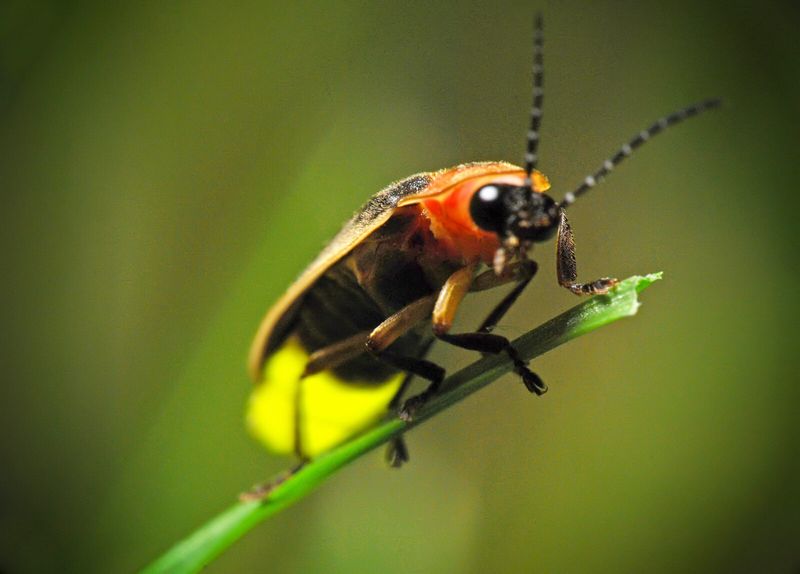
Under the neat green lawn, firefly magic often starts in the messy-looking places people rake away first. Firefly larvae live close to the soil, where they hunt tiny soft-bodied prey like slugs, snails, and worms.
A thin layer of leaves gives them shelter from sun, birds, and drying winds.
In Florida, leaf litter breaks down quickly because heat, rain, and soil life work fast. That makes it useful in sandy yards that struggle to hold moisture.
Instead of bagging every fallen leaf, move leaves into garden beds, around shrubs, or beneath trees where they look intentional.
You do not need a yard full of ankle-deep debris. A tidy, natural layer under oak, magnolia, beautyberry, Simpson’s stopper, or other shrubs can protect soil while still looking cared for.
Keep leaves a few inches away from house siding and avoid piling them against trunks.
This habit is different from simply adding mulch because it copies the forest floor that many insects already understand. It also costs nothing, saves time, and turns ordinary yard cleanup into a quiet boost for fireflies.
3. Cut Back on Lawn Chemicals
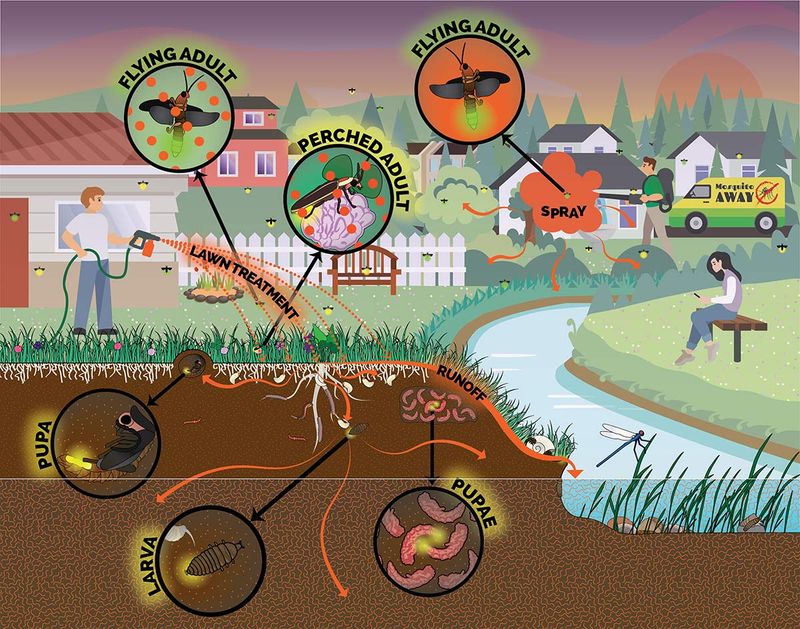
The quickest way to make a yard look controlled can also remove the tiny life that fireflies depend on. Broad insecticide treatments, grub killers, and routine mosquito sprays do not only hit the pests on the label.
They can also reduce the small insects, snails, and soil creatures that firefly larvae feed on.
Florida yards already face plenty of pest pressure, especially mosquitoes, chinch bugs, and fire ants. Still, blanket spraying the whole property every few weeks can work against a wildlife-friendly goal.
A better habit is to treat problems only where they are truly happening and choose targeted methods first.
For mosquitoes, dump standing water from saucers, buckets, tarps, and clogged gutters before reaching for sprays. For lawn problems, use UF-IFAS soil testing and proper mowing or irrigation practices so grass is less stressed.
Healthier turf often needs fewer rescue treatments.
If you hire a lawn or pest company, ask what is being applied, where it is being applied, and whether firefly-friendly or pollinator-conscious options are available. Skipping unnecessary treatments in one backyard corner can make that area much safer for fireflies without giving up the whole yard.
4. Create Damp Soil Pockets That Do Not Breed Mosquitoes
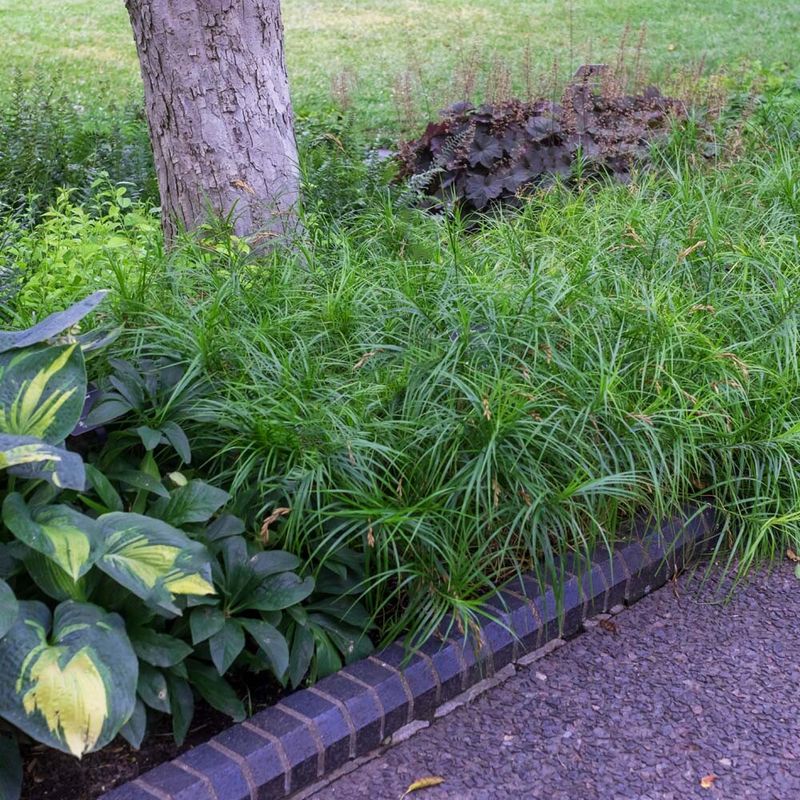
After an afternoon thunderstorm, fireflies often seem to appear out of nowhere. Moisture is one reason.
Their larvae do best in places that stay slightly damp, not baked dry like a sandy lawn in full sun.
The trick in Florida is creating moisture without making a mosquito nursery. Fireflies like damp soil and covered ground, while mosquitoes need standing water to complete their life cycle.
That difference gives homeowners a clear target.
Try building small damp pockets in low areas, beside downspouts that drain properly, or along the edge of a shaded planting bed. A shallow rain garden with Florida-friendly plants can slow runoff, hold soil moisture, and still drain after storms.
Avoid containers, saucers, tires, and birdbaths that sit with stagnant water for days.
Organic mulch, leaf litter, and dense plant roots help sandy soil hold moisture longer. In flood-prone yards, keep these areas away from the foundation and choose plants that tolerate both wet spells and dry spells.
A damp, living edge is far more useful to fireflies than a puddle, and it fits Florida’s cycle of heavy rain followed by hot sun.
5. Plant Native Edges Instead of Bare Fence Lines
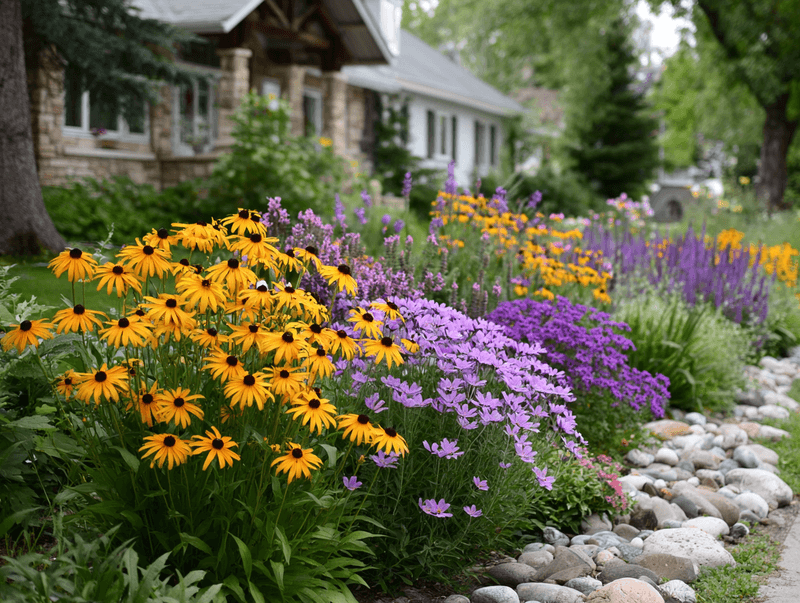
A bare fence line may look clean from the patio, but it offers fireflies almost nothing to hide in. Layered plantings create the kind of sheltered edge where adult fireflies can rest during the day and flash safely at night.
Florida-native plants are a smart starting point because they are already tied to local insects, heat, rain patterns, and sandy soil. Consider shrubs like beautyberry, firebush, Walter’s viburnum, or Simpson’s stopper where they fit your region and yard size.
For lower areas, native grasses and groundcovers such as muhly grass, sunshine mimosa, frogfruit, or native sedges can soften the border without demanding constant fuss.
The best firefly edge has layers: taller shrubs in back, medium plants in the middle, and ground-level cover near the soil. That structure holds humidity, blocks wind, and gives small creatures places to move without being exposed.
It also turns a plain fence into a better-looking backdrop.
For Florida gardeners, this habit has extra payoff. Native borders can handle summer heat better than many thirsty ornamentals, and they can reduce mowing along awkward fence corners.
Your yard looks fuller, and fireflies gain a safer path through the landscape.
6. Mow Less Often in One Chosen Area
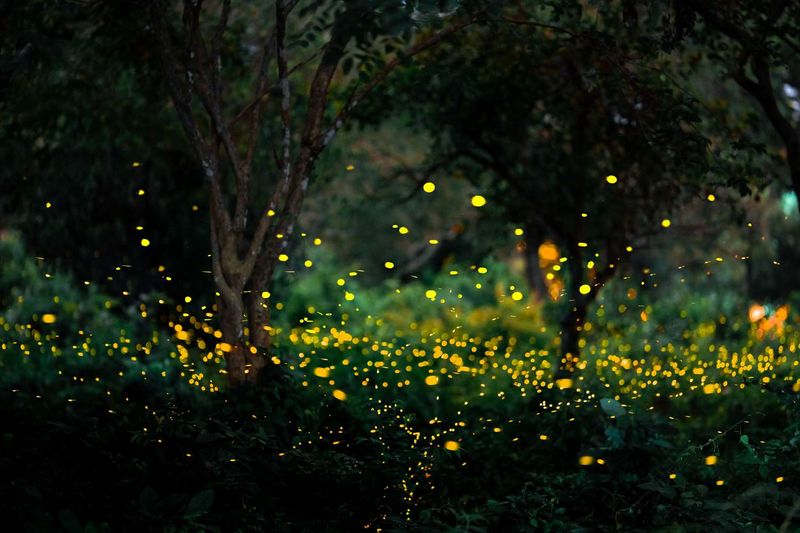
Not every inch of a Florida yard has to be clipped like a putting green. A small area of taller grass can become a summer refuge for fireflies, especially near shrubs, trees, or a damp planting bed.
Short mowing exposes soil to heat and dries out the ground faster. It also removes resting spots for adult fireflies and reduces the soft, humid cover that larvae need.
Letting one patch grow a little higher gives them shade and protection without making the whole yard look abandoned.
Choose the spot with care. A back corner, side yard strip, drainage edge, or space around native grasses usually works better than the front lawn.
Mow a clean border or path around it so the area reads as intentional. That single design move keeps neighbors from thinking you forgot the mower.
In Florida’s long warm season, you may still need to trim the area occasionally to prevent woody weeds from taking over. Avoid mowing it during peak evening firefly activity, and use a higher mower setting nearby.
The goal is not a jungle. It is a softer, cooler patch that gives fireflies a better chance to complete their life cycle.
7. Protect Snails, Slugs, and Soil Life in Habitat Zones
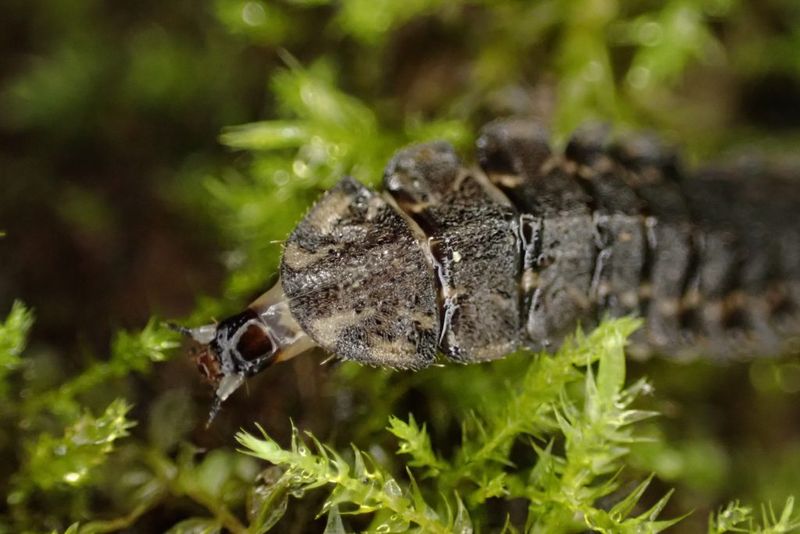
Here is the odd little secret of a firefly yard: some of the creatures gardeners dislike are part of the food web that fireflies need. Firefly larvae are predators, and many feed on small snails, slugs, worms, and other soft-bodied life near the soil.
That does not mean you have to let slugs chew through your favorite porch planters. Instead, separate high-value plants from habitat zones.
Use hand-picking, barriers, or targeted control in vegetable beds and container gardens, while leaving leafier back corners and shrub beds less disturbed.
Avoid scattering slug bait or broad pest products across the whole yard unless you know what you are using and why. Some baits can affect pets or non-target wildlife if used carelessly, so always follow the label.
In a firefly-friendly area, patience and spot control are usually better than full-yard cleanup.
Healthy soil life also depends on organic matter. Compost, fallen leaves, pine needles, and natural mulch feed fungi, microbes, and tiny invertebrates.
That underground activity may not be as flashy as summer lights, but it supports the conditions fireflies use long before adults rise and blink over the lawn.