
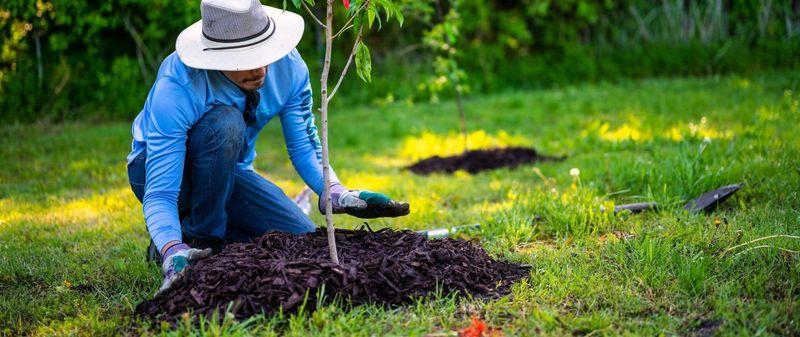
Tiny oak seedlings can show up fast after acorns drop, especially in Florida yards with squirrels, birds, and sandy soil. Some are future shade trees worth saving, while others are trouble waiting too close to a house, driveway, or power line.
Picking the right ones now can save years of pruning, digging, and regret. Here is how to spot the keepers before they turn into a yard-size project.
1. Start With Location Before You Fall for the Seedling
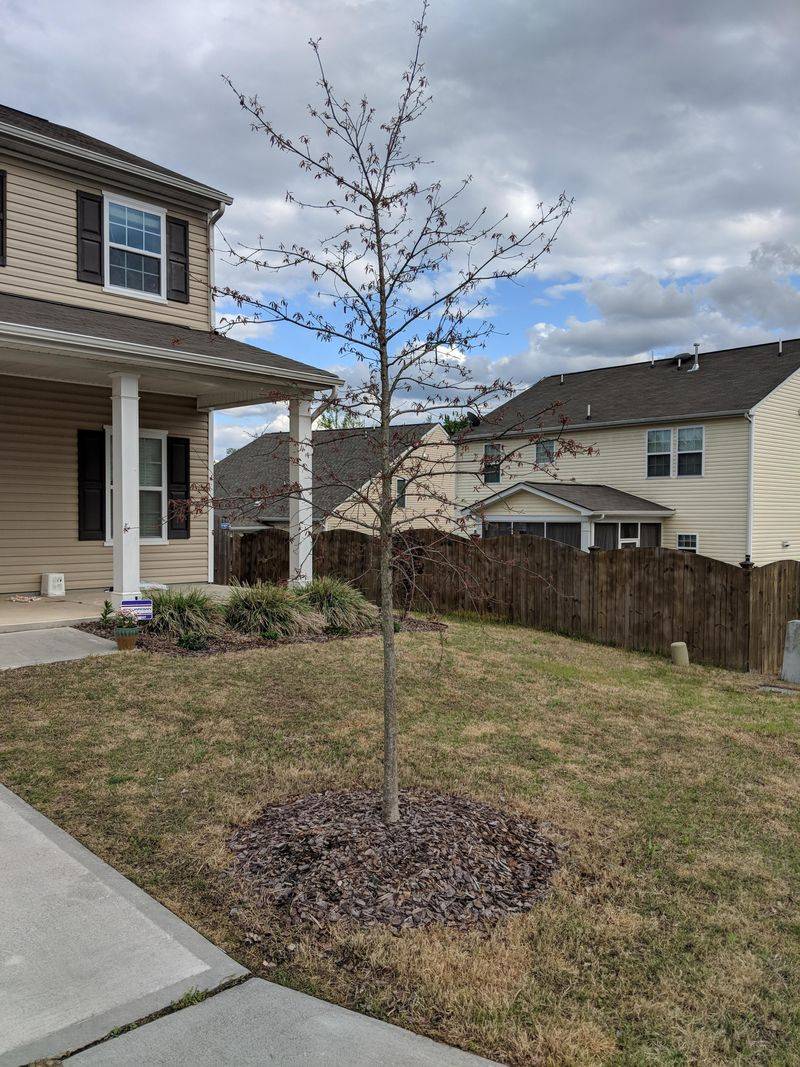
A cute little oak can feel like a free tree from nature, but the best first test is not how healthy it looks. It is where it landed.
In Florida yards, oaks can become large, wide-spreading trees that cast wonderful shade but need room to grow. A seedling within about 15 to 20 feet of a house, septic field, pool deck, driveway, sidewalk, or buried utility line is usually not the one to keep.
Even slow-growing seedlings eventually become woody plants with expanding trunks, roots, and limbs.
Look upward too. A baby oak under power lines may seem harmless now, but it can become a pruning headache for years.
The strongest candidate is usually in open lawn, at the back edge of a property, or in a wide bed where its mature canopy can spread without constant cutting.
Florida’s sandy soil can make digging easy early on, so move or remove unwanted seedlings while they are still small. Once the taproot settles in, even a waist-high volunteer may fight back.
If the spot is wrong, do not talk yourself into it just because the leaves look pretty.
2. Learn the Leaf Clues That Separate Live Oaks From Other Oaks
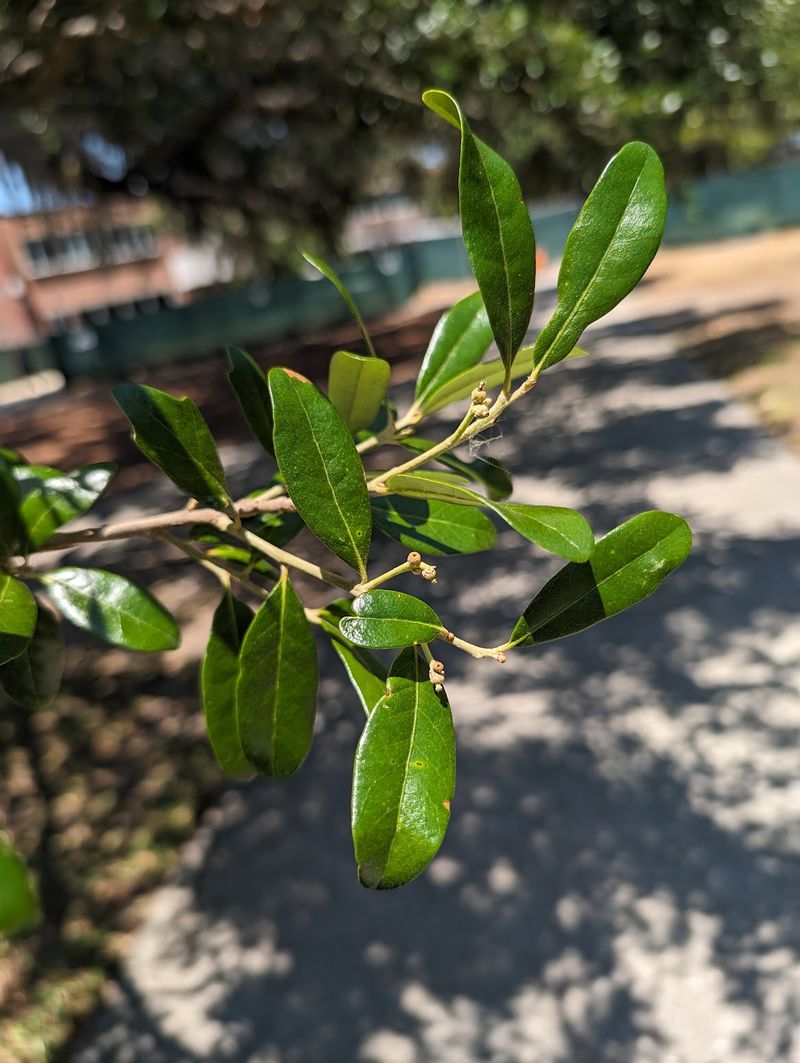
One tiny leaf can tell a bigger story than you might expect. Before saving a seedling, take a minute to identify which oak you are likely growing.
Southern live oak is a favorite in many Florida landscapes because it can become a strong, iconic shade tree with broad limbs and excellent wildlife value. Its young leaves are usually small, leathery, and oval, often with smooth or slightly wavy edges.
Laurel oak and water oak seedlings can also pop up in yards, especially where squirrels have buried acorns nearby.
Laurel oak and water oak grow faster, which sounds like a bonus, but they are often shorter-lived and can be more prone to structural problems as they age. That does not make every seedling a bad choice, but it means placement and future pruning matter even more.
In tighter suburban yards, a fast-growing oak in the wrong place can become a removal bill later.
If you are unsure, compare leaves with resources from UF-IFAS or your county Extension office. A clear photo of the leaf, stem, and acorn if present can help.
The keeper is not just the seedling that grows fastest, but the one whose species matches your yard’s space and maintenance goals.
3. Choose the Straightest Stem and Skip the Forked Little Trouble-Makers
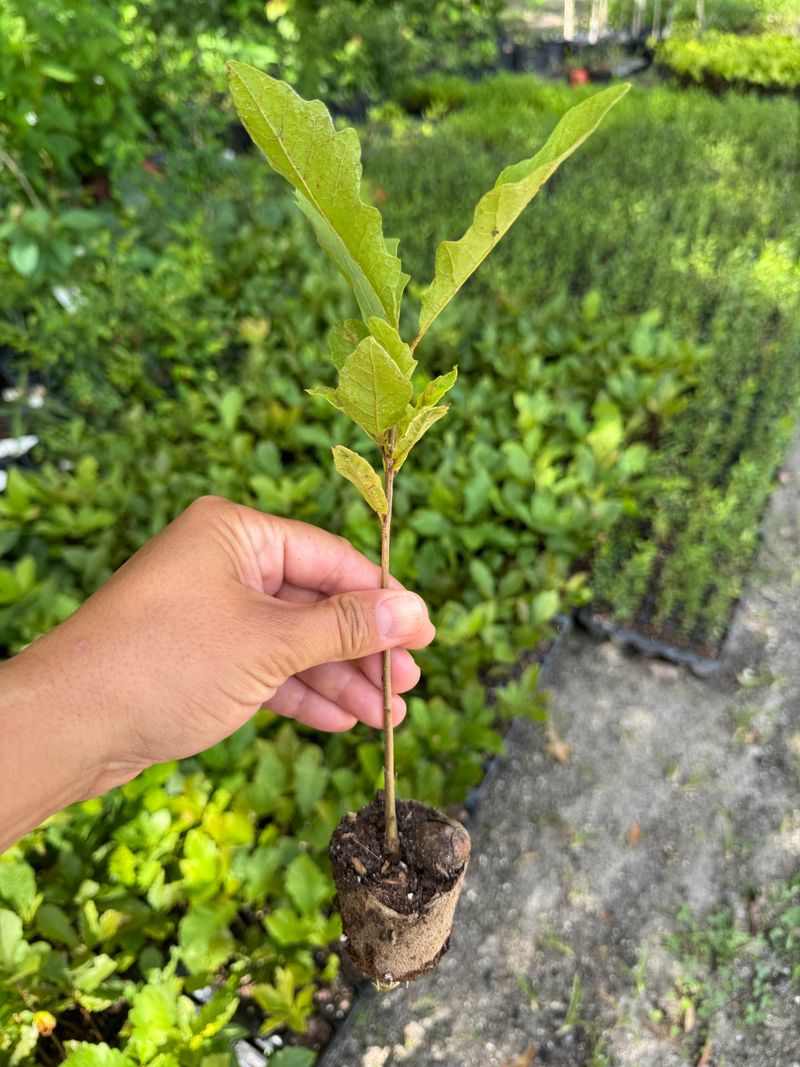
Some seedlings already show their future manners while they are only a few inches tall. A single, upright stem is usually a better bet than one that splits low like a tiny slingshot.
Strong structure matters in Florida because storms, tropical winds, and heavy summer rain can punish weak branch angles later. A seedling with two equal leaders may grow into a tree with a tight fork that traps bark between stems.
That kind of structure can split more easily as the tree gains weight.
Look for a seedling with one main leader, healthy leaves, and no obvious crack, kink, or damage near the base. Do not worry if it leans slightly because young oaks can adjust, but avoid seedlings that have been mowed, chewed, or snapped and are already resprouting from several points.
Those can become shrubby and awkward unless trained early.
If you find several seedlings in the same area, mark the straightest one and remove the rest before their roots tangle. You are not being harsh.
You are giving the best candidate room, light, and less competition so it can become a cleaner, safer shade tree.
4. Keep the Seedlings That Support Wildlife Without Taking Over the Yard
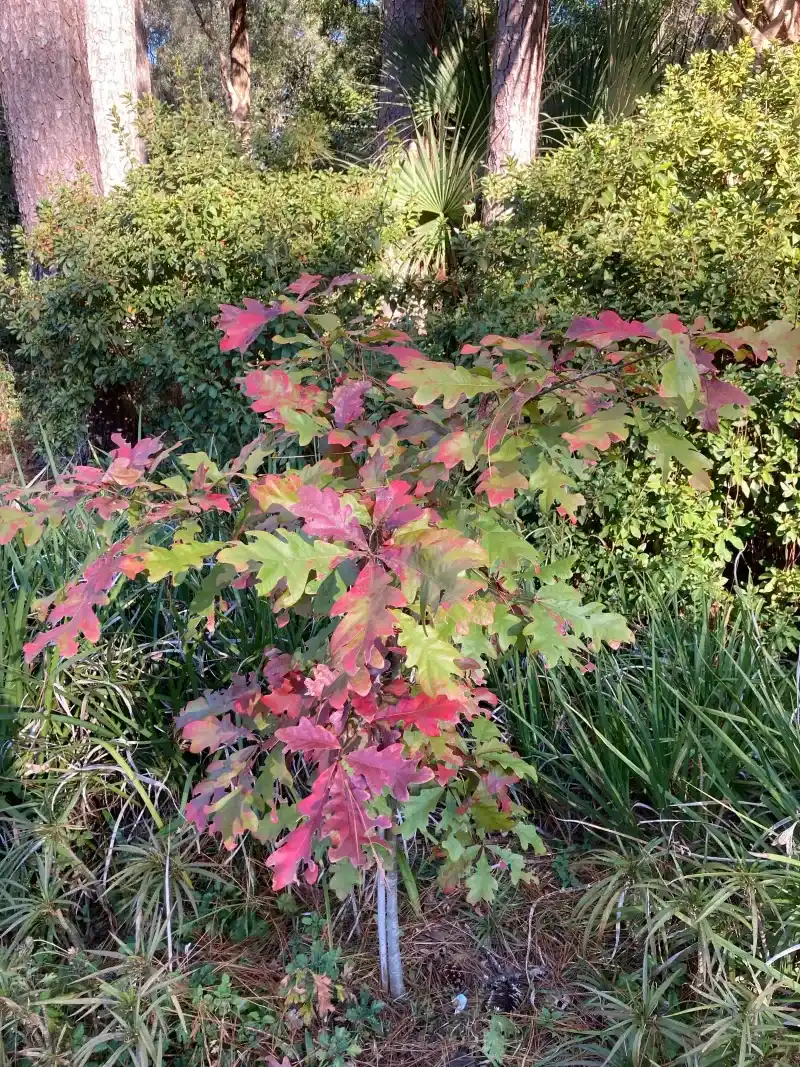
A volunteer oak is not just a tree in training. It is a tiny start to a wildlife buffet.
Oaks support caterpillars, birds, squirrels, and many small creatures that help make a Florida yard feel alive. Native oaks are especially valuable because so many insects and birds have long relationships with them.
If your goal is a yard with more songbirds, more shade, and a richer backyard habitat, a well-placed oak seedling deserves serious consideration.
The trick is balance. A seedling growing in the middle of a narrow flower bed, beside a fence, or under the canopy of an existing large tree may not have enough room to become useful or attractive.
In those spots, it can compete with shrubs, lift edging, and create clutter instead of habitat.
Pick one that fits into a larger plan. A back corner, side yard, or open lawn edge can let an oak become a wildlife anchor without swallowing your patio view.
Keep leaf litter under the future canopy when possible, since fallen leaves shelter insects and feed the soil as they break down. In sandy Florida soil, that natural mulch is a quiet advantage.
5. Watch the Soil and Drainage After Heavy Rain
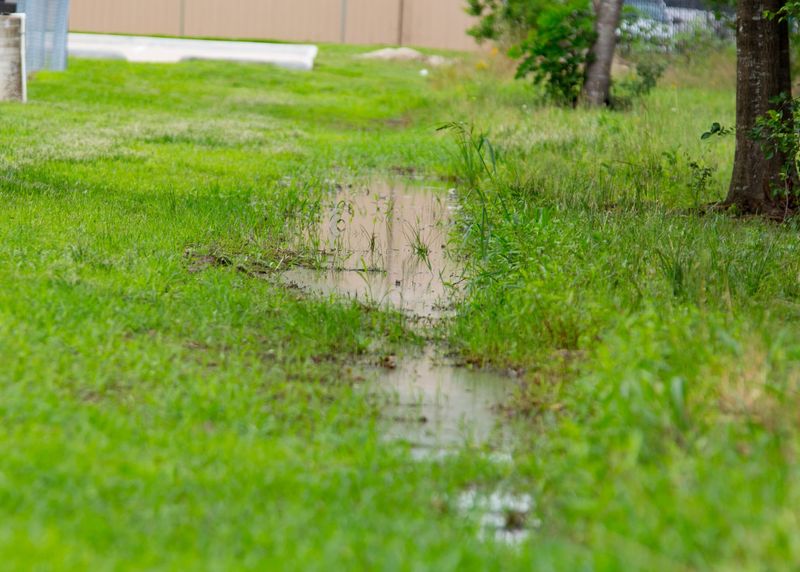
After a downpour, your yard tells the truth. The best oak seedling is often the one standing in a spot that drains well but does not turn bone-dry by lunchtime.
Florida yards can be tricky because conditions shift from fast-draining sand to soggy low pockets, sometimes within the same property. Many oaks handle average moisture once established, but young seedlings can struggle if their roots sit in standing water for long periods.
On the other hand, a seedling in pure dry sand with no mulch may stall during hot spells unless you help it through the first year.
Walk the yard after a heavy rain and again the next day. If water puddles around a seedling for many hours, think twice unless you know the species suits wet conditions and the location has enough space.
A slightly raised area with leaf litter, grass nearby, or room for mulch is often easier to manage.
For a keeper, add a thin ring of mulch several inches away from the stem, not piled against it. Water during long dry stretches while it is young, then back off as roots expand.
Good drainage now means fewer disease and stress problems later.
6. Protect One Good Seedling From Mowers, Trimmers, and Foot Traffic
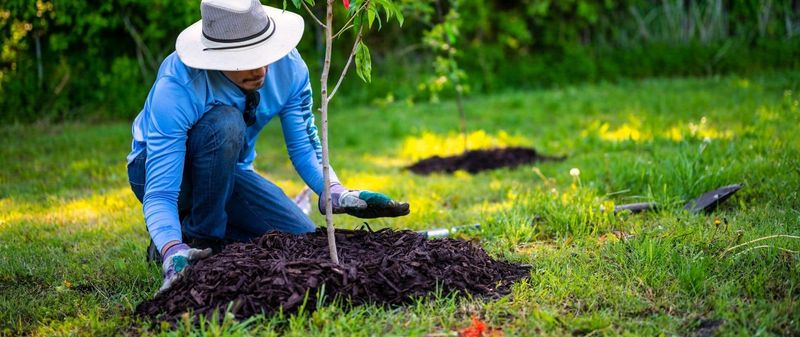
The fastest way to ruin a promising oak is not drought or bugs. It is often a string trimmer in a hurry.
Once you choose a keeper, make it visible. Use a small flag, a few low stakes, or a simple wire cage so nobody mows it down by accident.
Young oak bark is thin, and a nick at the base can slow growth, invite decay, or kill the seedling outright.
A mulch ring helps in two ways. It marks the no-mow zone and reduces competition from turf, which is especially helpful in sandy Florida soil where water and nutrients move quickly.
Keep the mulch light, about 2 to 3 inches deep, and leave a small open space around the trunk so moisture does not sit against the bark.
Skip heavy fertilizing unless a soil test or Extension guidance suggests a real need. Too much nitrogen can push soft growth that is less prepared for heat, wind, and pests.
The goal is steady root development, not a lanky seedling that shoots upward before it has a stable base.
A little protection for one season can be the difference between a future shade tree and a sad stump hidden in the grass.
7. Remove the Extras Early or Move Them While They Are Small
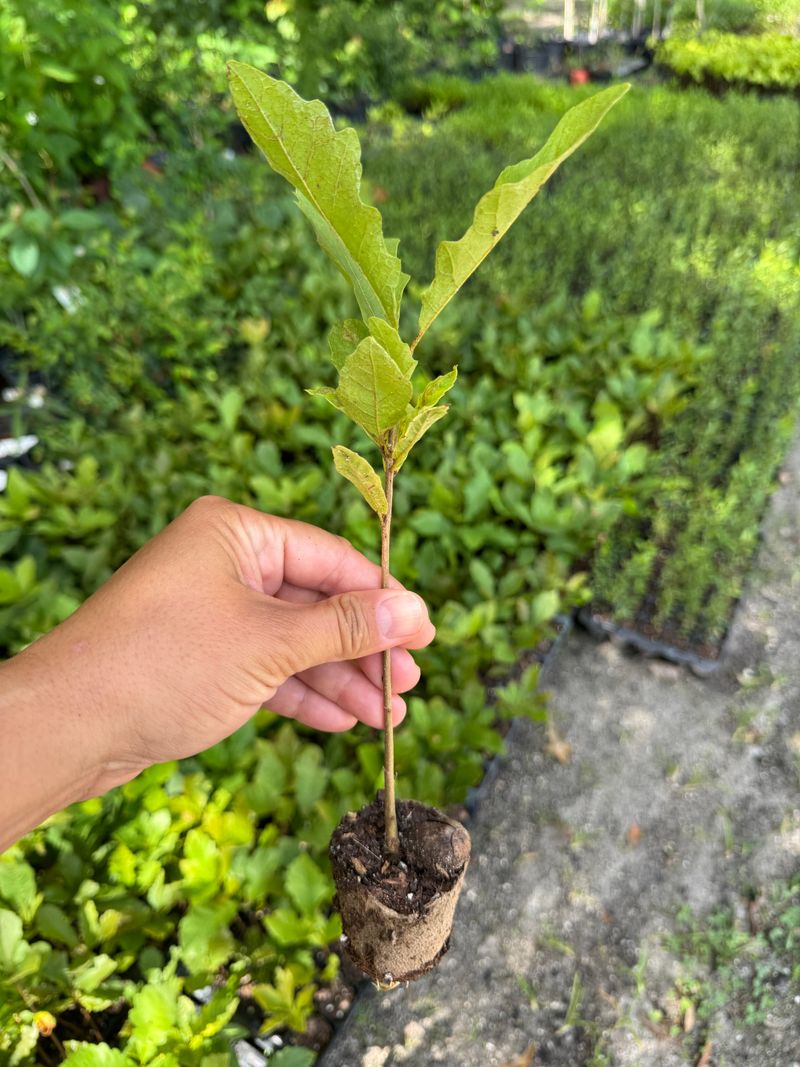
Oak seedlings have a way of turning a tidy yard into a tiny forest if you wait too long. Keeping one good tree often means saying no to a dozen others.
Pull or dig unwanted seedlings when the soil is moist and the plants are still small. Young oaks often send down a strong taproot early, so tugging from the leaves may snap the top and leave enough root to resprout.
A hand trowel or narrow weeding tool can help loosen the soil and lift more of the root.
If you want to transplant a seedling, do it while it is very young, ideally before it has grown a long, stubborn root. Choose a cloudy day or work in the evening, water the new spot first, and move as much root as possible.
Plant it at the same depth, firm the soil gently, and water it in well.
Do not crowd several baby oaks together just because they all look healthy. Competition leads to weak, stretched growth, and later thinning becomes much harder.
Pick the best one for the best spot, then clear the rest before they become part of the landscape by accident.
Florida yards reward early decisions. A few minutes now can prevent years of sawing, stump grinding, or arguing with roots near hardscape.