
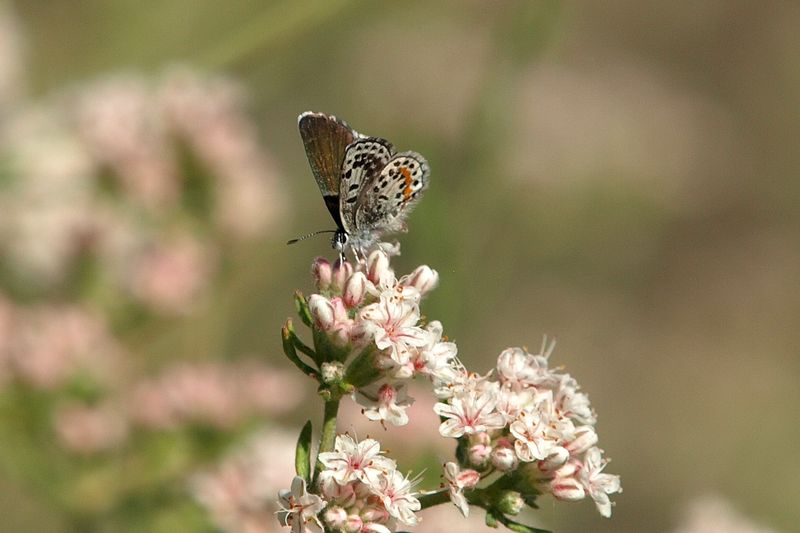
Fake grass once looked like the perfect drought fix, but a growing list of California cities is now banning it outright. Turf traps heat, sheds tiny plastic bits, and gives nothing back to the bees, birds, and native bugs that keep a yard alive.
The good news is that plenty of living plants stay green with almost no water while feeding local wildlife. Here is what is driving the bans and what you can plant instead to build a yard that works with California, not against it.
1. Why Cities Are Banning Artificial Turf
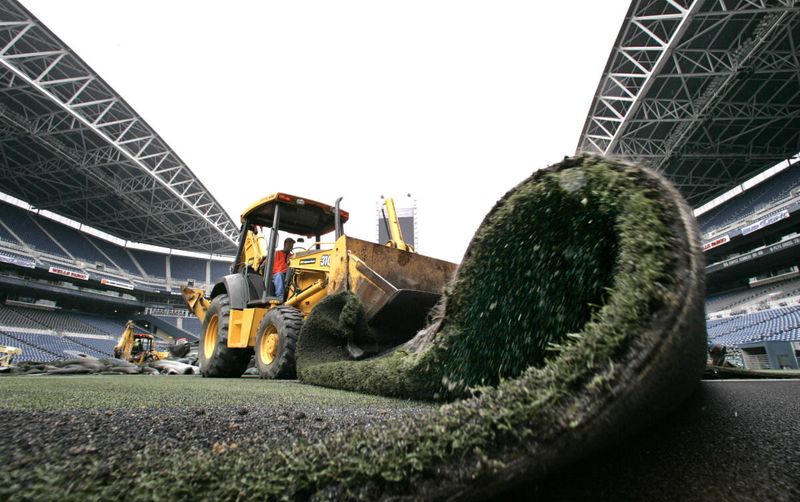
Fake lawns were sold as the ultimate water-saver, so the sudden wave of bans catches a lot of homeowners off guard. Cities like Millbrae, San Marino, and others in the Bay Area and Southern California have moved to restrict or fully prohibit new plastic turf installs.
The reasons stack up fast. Synthetic grass can heat up far hotter than air temperature on a summer afternoon, it sheds microplastics into storm drains, and it cannot be recycled easily when it wears out.
Officials also point out that turf does nothing for pollinators or soil health. A yard covered in plastic is a dead zone for the bees and birds that California ecosystems depend on.
Understanding the why makes the switch to living plants feel less like a rule and more like an upgrade.
2. Carex pansa (California Meadow Sedge)
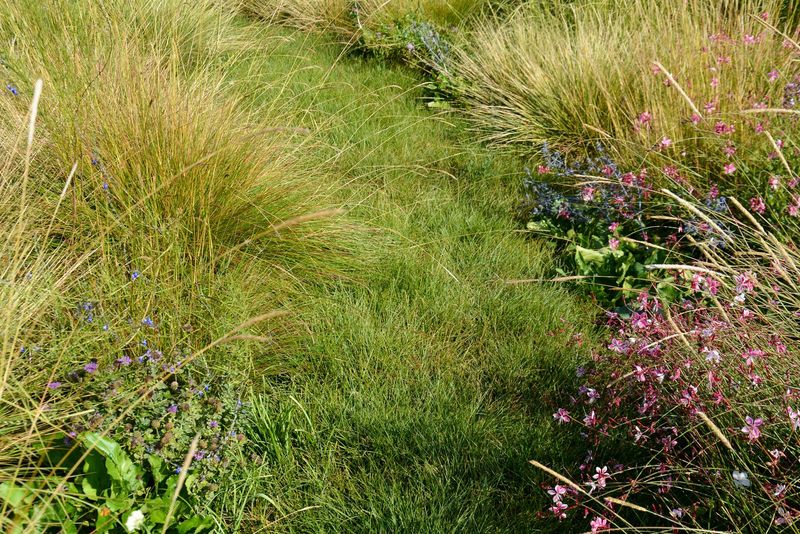
If you miss that soft, walkable green carpet, this native sedge comes closest to a real lawn feel. It forms a low, flowing meadow that you can leave shaggy or mow a few times a year for a tidier look.
Meadow sedge sips water compared to traditional turf and shrugs off California’s long dry summers once its roots settle in. It handles light foot traffic, making it a smart pick for families who still want somewhere to sit and relax.
Bonus for the wildlife-minded: unlike plastic, its living root system supports soil life and gives ground-feeding birds something to explore. It works beautifully in coastal and inland valley yards alike.
3. Kurapia Ground Cover
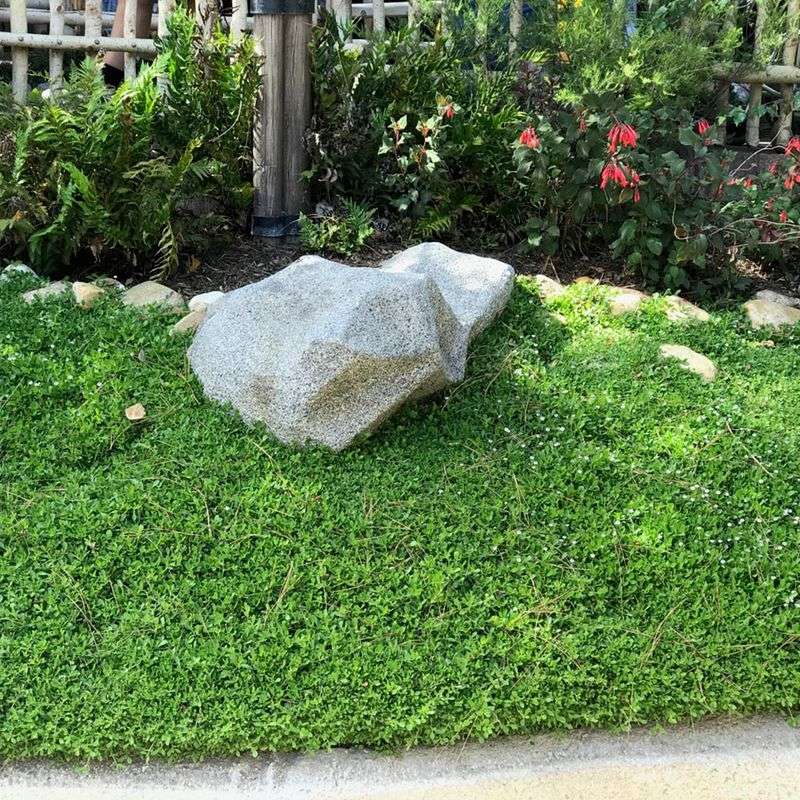
Homeowners who want the tidy, filled-in look of turf without the plastic often land on kurapia. It spreads into a dense green mat studded with tiny white flowers that honeybees adore.
Water needs drop dramatically once it establishes, often using a fraction of what a fescue lawn demands. It also handles heat and moderate foot traffic, so it holds up in real backyards where kids and pets roam.
Those little blooms turn a boring lawn replacement into a working pollinator patch. For a suburban yard that still needs to look neat for the neighbors, kurapia threads the needle between clean and alive.
4. Cleveland Sage
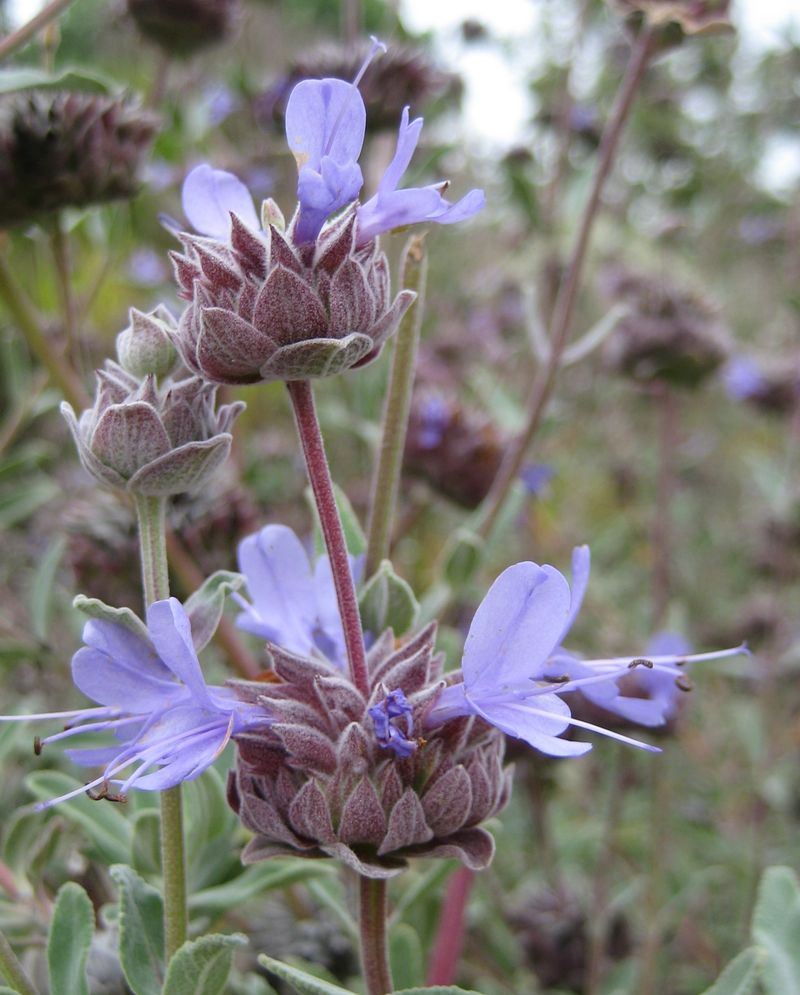
Brush past this shrub and your hand smells like a warm California hillside for hours. Cleveland sage is one of the most fragrant natives you can plant, and its purple flower whorls are absolute magnets for native bees and hummingbirds.
Drought is no problem here. Once rooted, it wants almost no summer water and actually resents being pampered with too much irrigation.
Plant it along a walkway or near a patio where you will brush against it often. In fire-prone areas, keep it well-spaced and pruned, and you get beauty, scent, and buzzing life where plastic turf gave you nothing.
5. California Fuchsia
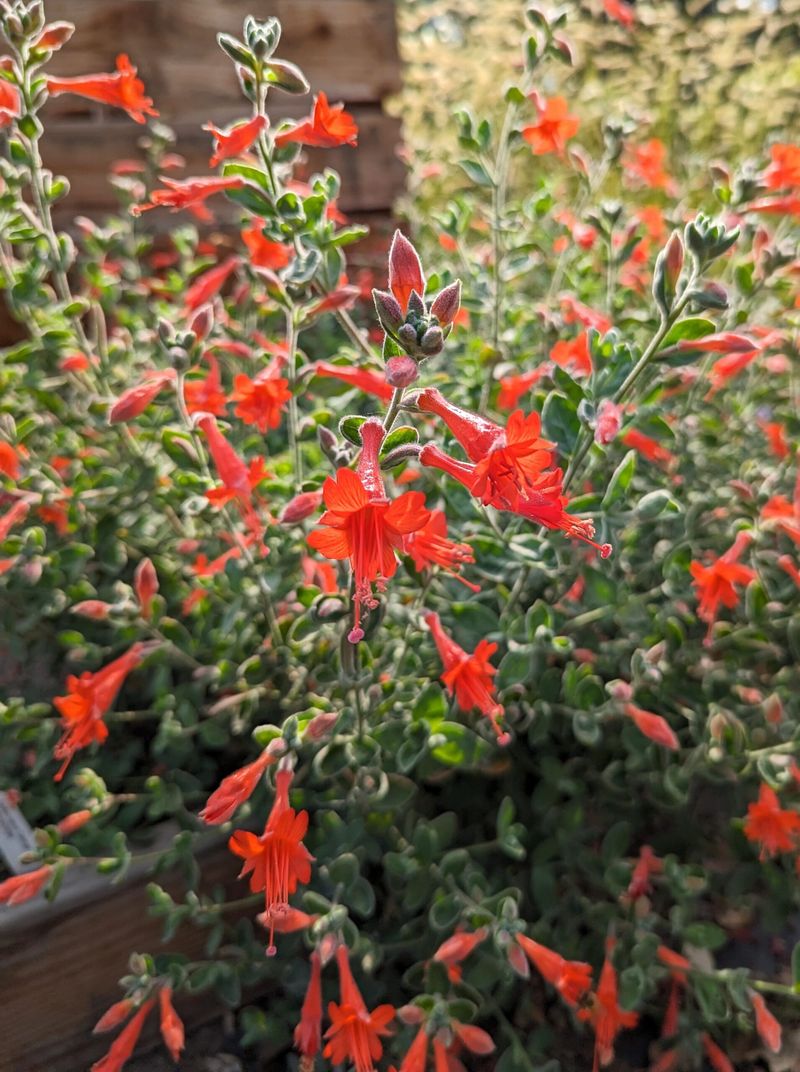
Just when everything else looks tired in late summer, California fuchsia bursts into fiery orange-red bloom. Hummingbirds treat it like a roadside diner, showing up again and again for the nectar-rich tubular flowers.
Drought tolerance is baked in. This scrappy native thrives on neglect and dry soil, filling slopes and borders with color when water is scarce.
It spreads happily to cover ground, so it doubles as a low, wildlife-feeding carpet in spots where you once might have rolled out turf. For anyone chasing more hummingbirds, this is the easy win.
6. Yarrow
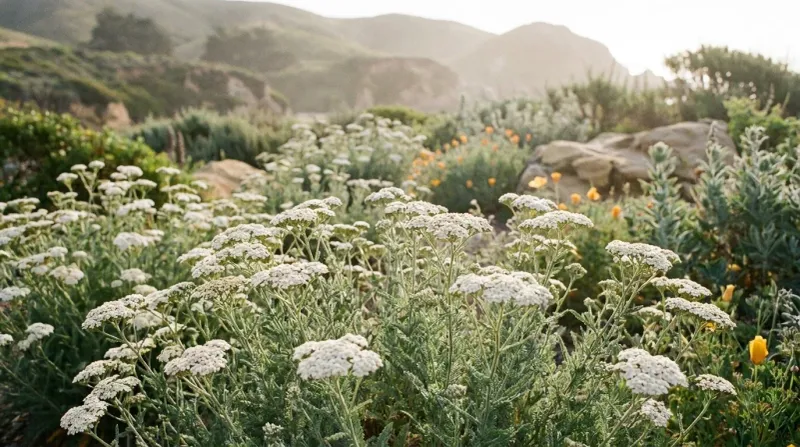
Tough as nails and pretty as a wildflower, yarrow handles what most plants cannot. Its flat flower clusters land in white, pink, and gold, giving butterflies and beneficial insects an easy landing pad.
You can grow it as a flowering accent or mow a low variety into a soft, meadowy lawn substitute that barely needs water. Either way it laughs off drought and poor soil.
Native yarrow also feeds a wide range of good bugs that keep garden pests in check naturally. It is the kind of plant that quietly does three jobs at once while asking for almost nothing.
7. Manzanita
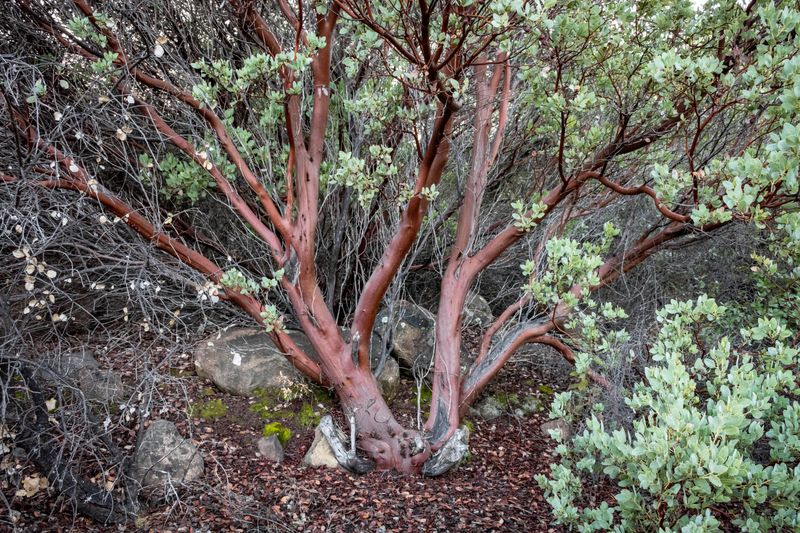
Few plants say California quite like manzanita, with its glossy red bark twisting like polished driftwood. It brings year-round structure to a yard, then blooms with delicate pink bell flowers that bees visit in winter and early spring.
Once established, it is famously drought-tough and needs little from you beyond good drainage and space to breathe.
Low-growing varieties spread as a handsome ground cover, while taller ones become living sculptures near an entry. Plant it where you want beauty that lasts every season, not just the plastic sameness turf offers.
8. Deergrass
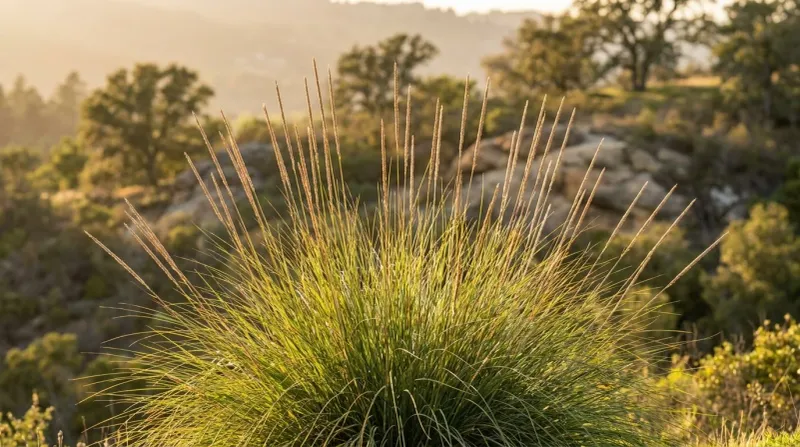
Picture a fountain of soft green blades arching outward, and you have deergrass. Native bunchgrasses like this add movement and texture that no flat turf can match, swaying with every breeze.
Water needs are minimal after the first year, and it holds soil on slopes where erosion is a worry.
Birds pick through the seed heads, and the clumps offer shelter for small creatures. Group several together to replace a chunk of lawn with a low-care meadow look that suits both valley and hillside yards.
9. Ceanothus (California Lilac)
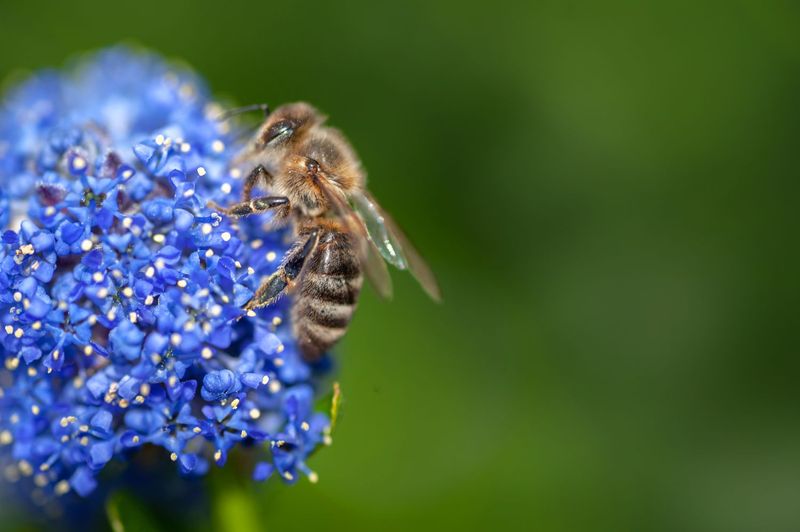
Come spring, ceanothus explodes into clouds of blue so dense the whole shrub seems to hum. Bees, butterflies, and other pollinators swarm it, making it one of the most wildlife-packed natives you can grow.
Drought tolerance is excellent once established, and many varieties stay evergreen for year-round screening or hedging.
Choose a size to fit your space, from low ground-hugging types to tall shrubs. Swapping a strip of turf for a ceanothus makes your yard the loudest pollinator party on the block, in the best way.
10. Creeping Thyme
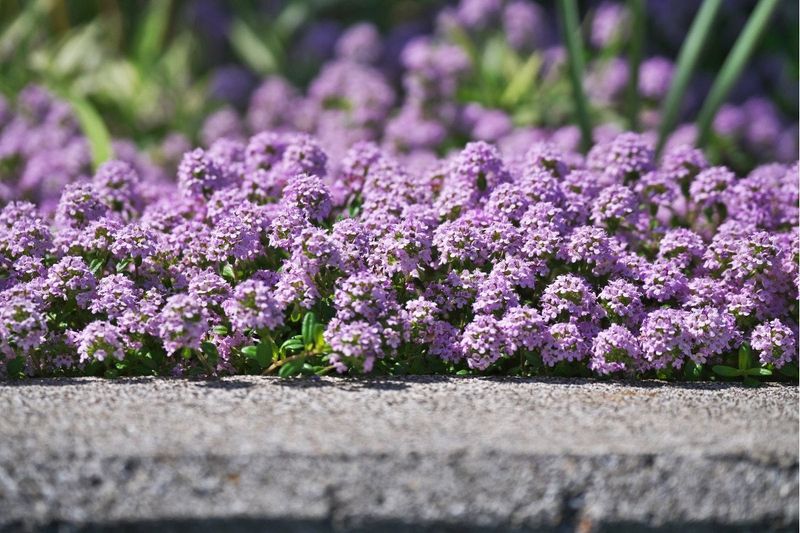
Step on it and a wave of herby fragrance rises up from the ground. Creeping thyme forms a low, tough mat that tucks between pavers or fills a small lawn area, releasing scent whenever you walk across it.
It drinks very little water and bursts into tiny purple flowers that bees cannot resist.
For narrow strips, patios, and paths where turf once baked in the sun, this fragrant carpet gives you softness, pollinator support, and a kitchen herb all at once. It suits tidy front-yard makeovers especially well.
11. Buckwheat (Eriogonum)
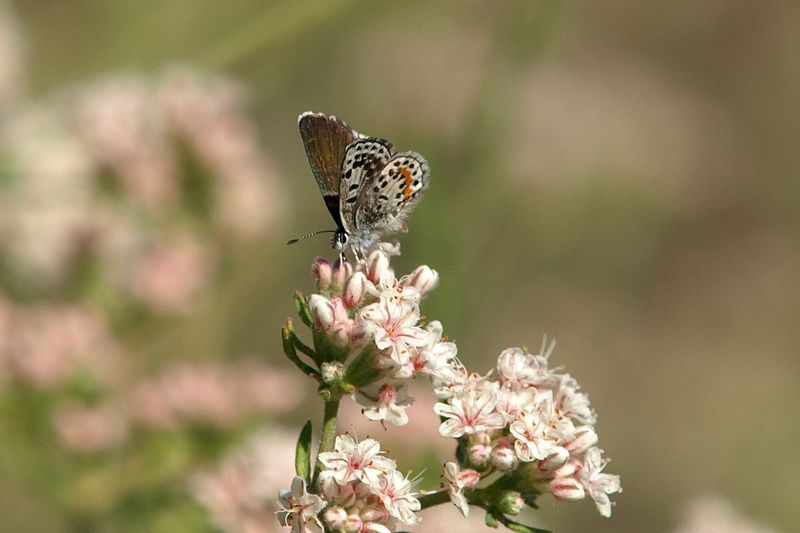
Ask a California pollinator expert for one must-have plant and buckwheat almost always makes the list. Its pom-pom flower clusters bloom cream, then age to a rusty copper, feeding butterflies, native bees, and countless beneficial insects through the dry season.
It thrives on tough, dry, rocky ground and needs almost no summer water.
Buckwheat also earns points for fire-wise gardens when spaced properly, and it holds slopes together on hillside lots. Few plants pack this much ecological value into such a low-maintenance package.
12. Wood Chip and Gravel Mulch Pathways
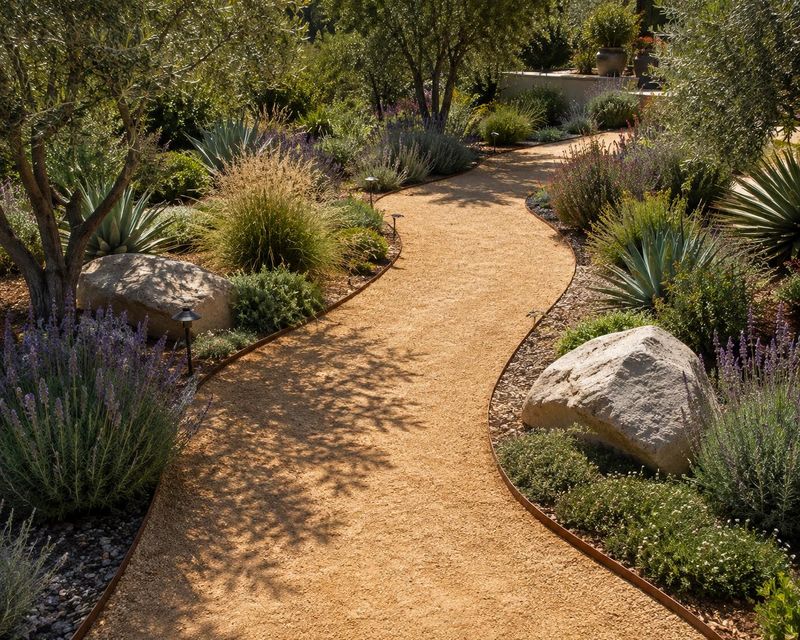
Not every square foot needs to be planted, and that is where smart mulch earns its keep. Decomposed granite paths, gravel seating spots, and wood chip beds cut down on both watering and weeding while tying your new plantings together.
Unlike plastic turf, natural mulch lets rain soak into the soil, keeps roots cool, and slowly feeds the ground as it breaks down.
Use it to shape walkways, define borders, and create low-water zones between your natives. The result is a finished, intentional yard that looks designed rather than bare, and it keeps upkeep refreshingly low.