
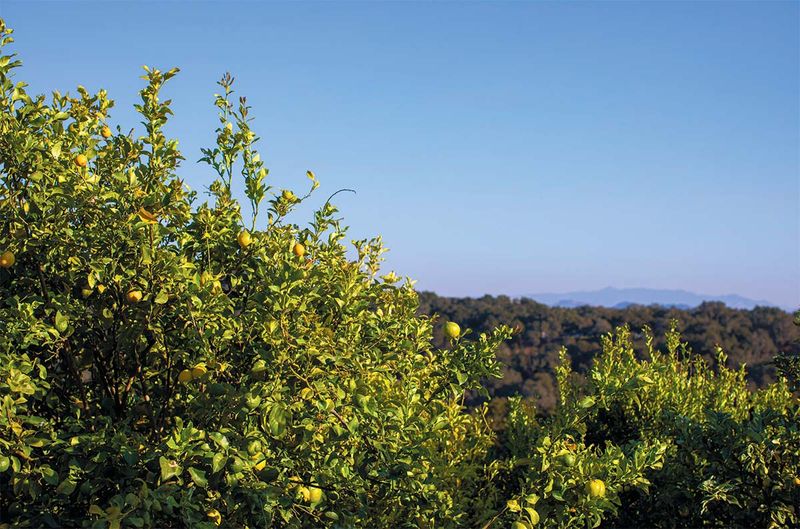
Meyer lemon trees in California can hold green fruit well into October and November, and that sight alone is not a reason to panic. Unlike many backyard crops that follow a predictable calendar, Meyer lemons operate on their own schedule, one shaped by your local climate, your tree’s age, and the temperatures your neighborhood actually sees.
Knowing what green fall fruit really signals, and learning a simple taste-based harvest test, can save you from picking too early or waiting longer than you need to.
Green fruit deep into fall can be normal
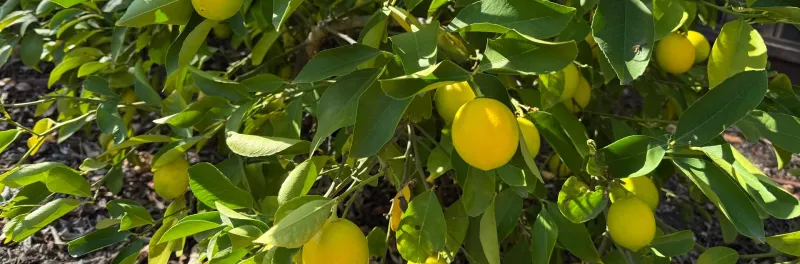
Plenty of California homeowners step outside in October or November, spot a tree full of green fruit, and assume something has gone wrong. The good news is that a green Meyer lemon crop in late fall is frequently a sign of a healthy, actively growing tree rather than a failed one.
Meyer lemons do not behave like apples or stone fruits that ripen in a single predictable window and then drop cleanly from the branch.
One of the most reassuring things about Meyer trees is that they can flower and fruit at the same time. Walk up to a mature tree in fall and you may genuinely see white blossoms, small green fruitlets, and nearly ripe yellow fruit all sharing the same branches simultaneously.
UC Master Gardener guidance for Santa Clara County confirms that citrus trees can carry multiple crop stages at once, which means green fall fruit on your tree does not automatically mean the entire crop is weeks behind.
California’s geography plays a large role here. A Meyer tree growing against a south-facing stucco wall in Riverside experiences a very different fall than one planted in a foggy coastal garden in Pacifica or a container on a San Francisco deck.
Inland valley trees may see enough cool nights by October to begin developing yellow or orange rinds, while coastal and protected-location trees may stay warmer well into winter and show little rind color change at all.
Meyer lemons are also capable of bearing fruit nearly year-round in mild California climates, with heavier harvests commonly occurring in late winter and spring. UC Cooperative Extension guidance for Sonoma County notes this extended bearing habit, which means your fall green fruit may simply be one stage of an ongoing cycle rather than a delayed or troubled crop.
No single harvest month applies to every California Meyer tree, and expecting one is the first misunderstanding worth setting aside.
Warm nights can delay the yellow peel
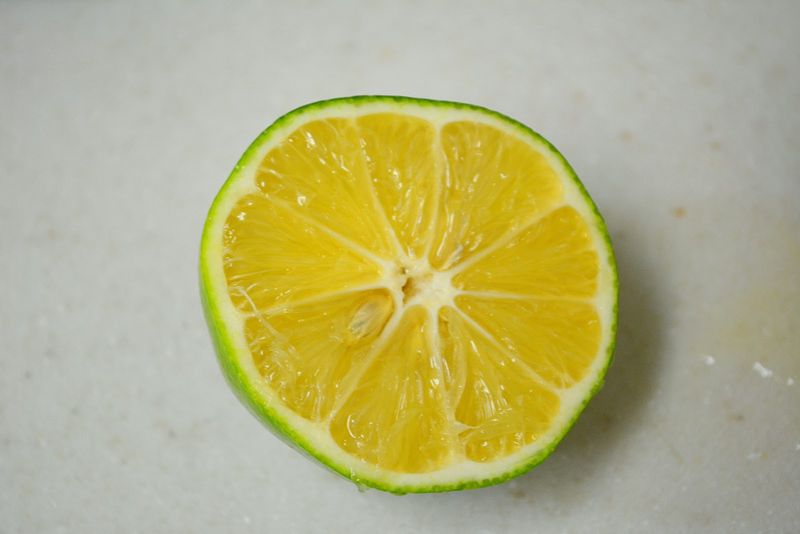
Rind color in citrus is not just a clock ticking toward ripeness. Temperature is one of the key drivers of the color change from green to yellow or orange, and in California’s warmer fall zones, that change can arrive weeks later than a grower might expect.
Cooler nights trigger the breakdown of chlorophyll in the rind, allowing the yellow and orange pigments underneath to show through. When nights stay warm, that breakdown slows down or stalls, and the fruit holds its green color even as the flesh inside continues maturing.
UC’s Meyer lemon growing guide specifically notes that fruit may remain green when there has not been enough cold weather to trigger color development, making a green rind in a warm fall a climate response rather than a ripeness verdict.
The practical implication is that color tells you something, but not everything. A green lemon may be perfectly usable, and a fully yellow one is not automatically at its flavor peak.
Rind color reflects the combination of temperature and maturity, so using it as your only harvest signal can lead you to wait too long in a cool year or to doubt good fruit in a warm one.
Commercial growers sometimes use a process called degreening or curing, where harvested green citrus is exposed to ethylene gas to turn the peel yellow before sale. University of Florida Extension research on citrus maturity explains that this color change is cosmetic: it does not add sweetness, increase juice content, or improve flavor.
A lemon sold with a bright yellow peel may have been green at harvest, and a backyard lemon with a green peel may already taste fully mature. The peel is a clue worth checking, but the fruit inside is where the real answer lives.
Taste one full-sized fruit before picking the crop
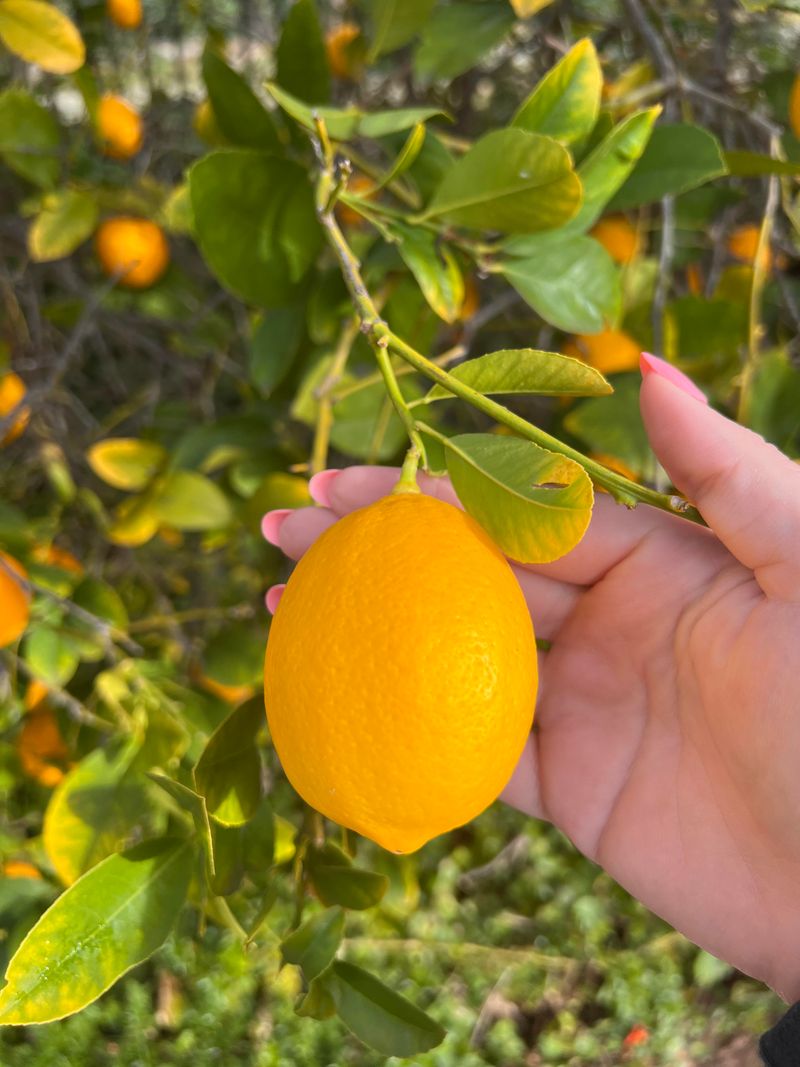
Before pulling out a basket and harvesting the whole tree, pick one fruit and taste it. That single step is more informative than checking a calendar, measuring the peel color, or counting weeks since the first blossoms appeared.
The taste test is the most reliable home harvest check available to a backyard grower.
Start by choosing the right fruit to sample. Skip the smallest lemons and any that look noticeably newer than the rest.
Instead, pick a full-sized fruit that looks representative of the majority on the tree. Size matters because small or newly set fruit will always taste sharper than the crop as a whole, and sampling one of those can send you back inside thinking the tree needs another month when most of the fruit is actually ready.
Before you cut it open, run through a few quick physical checks. The fruit should feel heavy for its size, which signals good juice content inside the rind.
Give it a gentle squeeze: a harvest-ready Meyer lemon has a firm rind with slight give, not a rock-hard shell and not a spongy or soft one. Hold the fruit close and smell the peel.
A ripe Meyer lemon has a noticeable, pleasant citrus fragrance even before it’s cut. Some color change toward yellow or orange is a useful supporting clue, though UC Cooperative Extension citrus harvest guidance identifies taste as the decisive test rather than color alone.
Cut the fruit open and taste the juice. A mature Meyer lemon should be noticeably juicy, and its flavor should carry the variety’s characteristic mildness: less sharp and acidic than a standard Eureka or Lisbon lemon, with a slightly floral quality.
If the sample tastes intensely sour, thin, or flat without that rounded Meyer character, leave the remaining fruit on the tree and retest in another week or two. UC Master Gardener guidance supports periodic retesting rather than committing to a single harvest date, because preferred tartness varies from one cook or household to the next.
Some people enjoy a slightly sharper lemon; others want the fruit fully mellowed. Both are legitimate harvest points as long as the fruit is full-sized, juicy, and clearly lemon-flavored.
Choose flavor over a calendar date
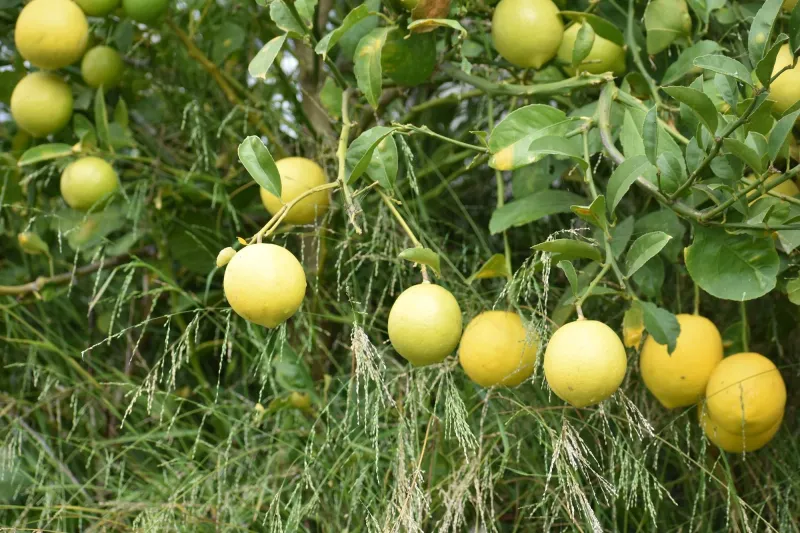
Once your sample fruit passes the taste test, you can harvest with confidence. If it falls short, the right move is to wait and retest rather than to start counting days on a calendar.
Meyer lemons generally develop their characteristic milder, rounder flavor the longer they stay on the tree, and greener fruit pulled before that point tends to taste sharper and more acidic than the variety is known for.
A common assumption among backyard growers is that a lemon left on the counter for a few days will mellow out and taste better. That is not how citrus works.
UC Cooperative Extension guidance on citrus harvest is clear that citrus does not continue increasing in sweetness or reducing in acidity after it leaves the tree. The peel may shift color during storage, which can look like ripening, but the flavor inside is set at the moment of harvest.
If a lemon tastes too sharp when you pick it, it will still taste too sharp a week later on your counter.
That said, leaving fruit on the tree indefinitely is not a safe strategy either. Overmaturity is real: rinds can begin to break down, fruit can dry out and become pithy inside, and disease or pest pressure can build on fruit that has been hanging too long.
UC guidance on protecting citrus from freeze damage also advises harvesting sufficiently mature fruit before a forecast freeze, particularly in colder inland valleys, foothill communities, and elevated locations where a hard freeze can rupture juice vesicles and leave fruit dry or prone to decay.
The practical approach is to check the tree every week or two once fruit reaches full size. Taste a representative sample each time.
Harvest the portions that meet your flavor standard and leave the rest to continue developing. This rolling harvest works well with Meyer trees because they often carry fruit at different stages anyway, and pulling the most mature lemons first gives the remaining fruit more time without risking the whole crop to a sudden cold snap.
Citrus maturity research from the University of Florida reinforces that flavor development on the tree is the only reliable path to the characteristic taste a Meyer lemon is known for.
Harvest carefully and refrigerate sound fruit
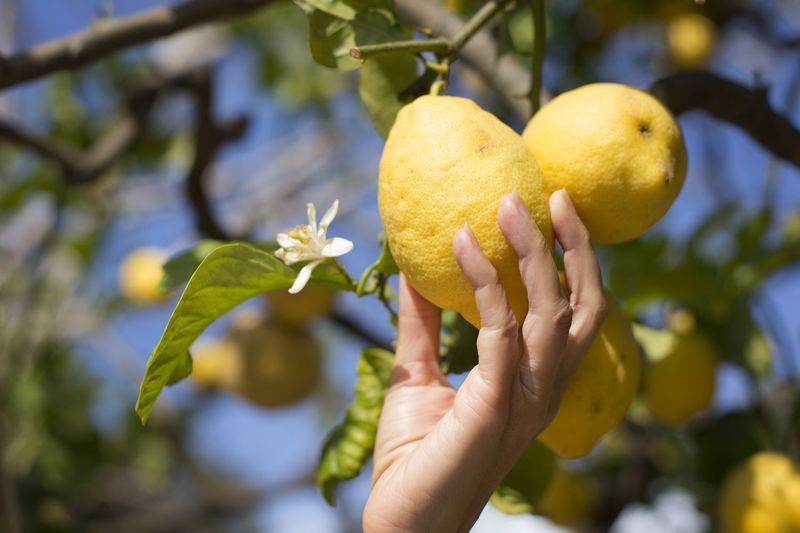
Getting the harvest decision right is only half the job. How you actually remove the fruit from the tree determines how long those lemons will stay usable once they are off the branch.
Always use hand pruners or clippers to cut Meyer lemons from the tree rather than pulling, twisting, or yanking them free. Pulling and twisting can tear the rind at the stem end, and that tear becomes an entry point for mold and bacteria almost immediately.
UC guidance on citrus harvest and handling recommends cutting with clean, sharp clippers and leaving a short stub of stem attached to the fruit. This keeps the rind intact at its most vulnerable point.
Treat the rind carefully throughout the process. Punctures from fingernails, heavy scratches from rough surfaces, and pressure bruises from stacking fruit carelessly all create pathways for decay to start.
A lemon that looks fine at harvest can develop soft spots or mold within days if its rind was compromised during picking or transport from tree to kitchen. Handle fruit gently, avoid dropping it into a hard container, and sort out any visibly damaged pieces before storing them with sound fruit.
For storage, sound harvested Meyer lemons keep well under refrigeration for several weeks. The exact storage life depends on how cold and humid your refrigerator’s crisper drawer stays, and whether any rind damage went unnoticed at harvest.
UC Cooperative Extension citrus guidance suggests that refrigerated citrus generally holds its quality better than fruit left at room temperature, where it tends to dry out faster. If you have more fruit than you can use fresh, juice the excess and freeze the juice in ice cube trays for use throughout the year.
Know when green fruit is part of a larger problem
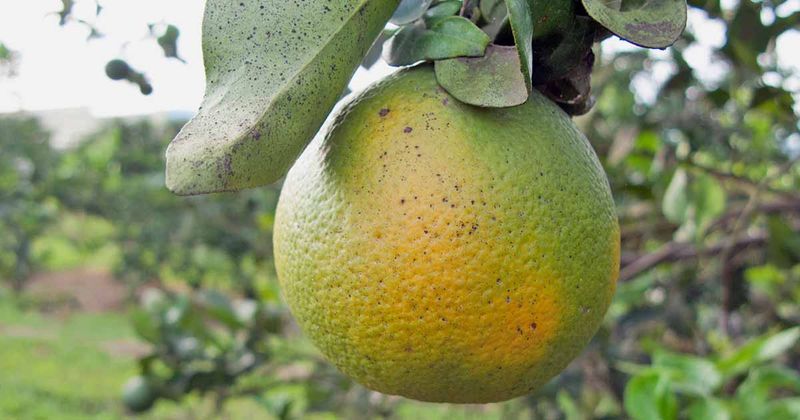
Green fruit in fall, on its own, is not a disease diagnosis. A single green lemon hanging on an otherwise vigorous, leafy, productive tree is almost certainly a normal part of your California growing season, not evidence of a systemic problem.
Where growers need to pay closer attention is when green fruit shows up as part of a broader pattern of symptoms across the tree.
Huanglongbing, commonly called citrus greening or HLB, is a serious bacterial disease spread by the Asian citrus psyllid insect. It can cause fruit to remain partially green, but the fruit associated with HLB has a distinctive character: it tends to be small, misshapen, or lopsided, and it tastes bitter rather than tart.
That bitterness is different from the sharpness of an underripe Meyer lemon. USDA APHIS information on citrus greening describes HLB fruit as often having inverted color, staying green at the bottom while coloring unevenly at the top, and containing underdeveloped, aborted seeds.
The fruit symptoms alone are not enough to raise a serious alarm. Look at the rest of the tree.
HLB is typically accompanied by asymmetrical blotchy mottling on the leaves, where yellow patches do not mirror each other across the leaf’s central vein. You may also see yellowing of entire shoots, twig dieback, premature fruit drop before lemons reach maturity, and a general decline in the tree’s overall vigor over time.
CDFA’s HLB pest profile outlines these combined indicators as the pattern that warrants official attention.
If you observe green fruit alongside several of these additional symptoms, do not attempt to diagnose the tree yourself based on appearance alone. Contact your county agricultural commissioner’s office or follow current reporting guidance from the California Department of Food and Agriculture.
CDFA’s HLB regulation and reporting page provides current guidance on how to report a suspected detection in California. Early reporting matters because HLB has no cure and spreads through the psyllid insect, making quick official response important for protecting surrounding trees.
Use a representative lemon as your final signal
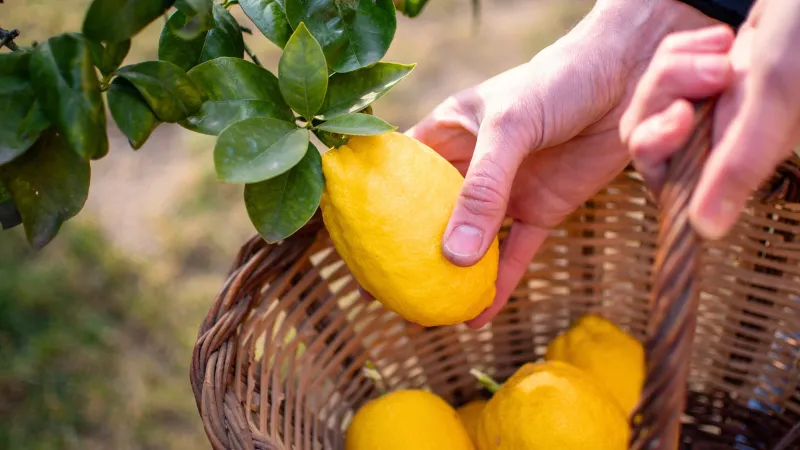
When you are not sure whether your fall Meyer lemons are ready, the simplest and most reliable thing you can do is pick one full-sized fruit, check its weight and fragrance, and taste it. That one lemon tells you more than a calendar, a peel color chart, or a general harvest season ever will.
Warm California conditions, from coastal fog zones to protected inland gardens, can delay yellow or orange rind color by weeks without affecting what is happening inside the fruit. UC’s Meyer lemon guide and UC’s broader citrus harvest guidance both point to flavor and juice as the real harvest indicators, with color as a supporting clue rather than a ruling one.
If the sample fruit is juicy, fragrant, and carries that characteristic mild Meyer flavor, your crop is ready. If it tastes sharp and thin, leave the fruit on the tree and retest in a week or two.
Keep one exception in mind: if a freeze is in the forecast, UC freeze protection guidance recommends harvesting sufficiently mature fruit before temperatures drop hard, especially in colder inland and elevated locations. And if your green fruit comes with bitter flavor, small misshapen lemons, blotchy asymmetrical leaf mottling, or declining tree health, contact your county agricultural commissioner rather than guessing at a cause.
One green lemon in fall is your tree working normally. A cluster of warning signs across the whole tree is a different conversation entirely.