
By fall, many Florida shrubs look tired from months of heat, rain, bugs, and sandy soil. The good news is that some shrubs hit their best season right when the rest of the yard starts fading.
These are the plants that bring berries, blooms, fragrance, color, or wildlife value when your front beds need a lift. If you want a yard that looks cared for without starting over, these seven shrubs are worth a closer look.
1. Firebush
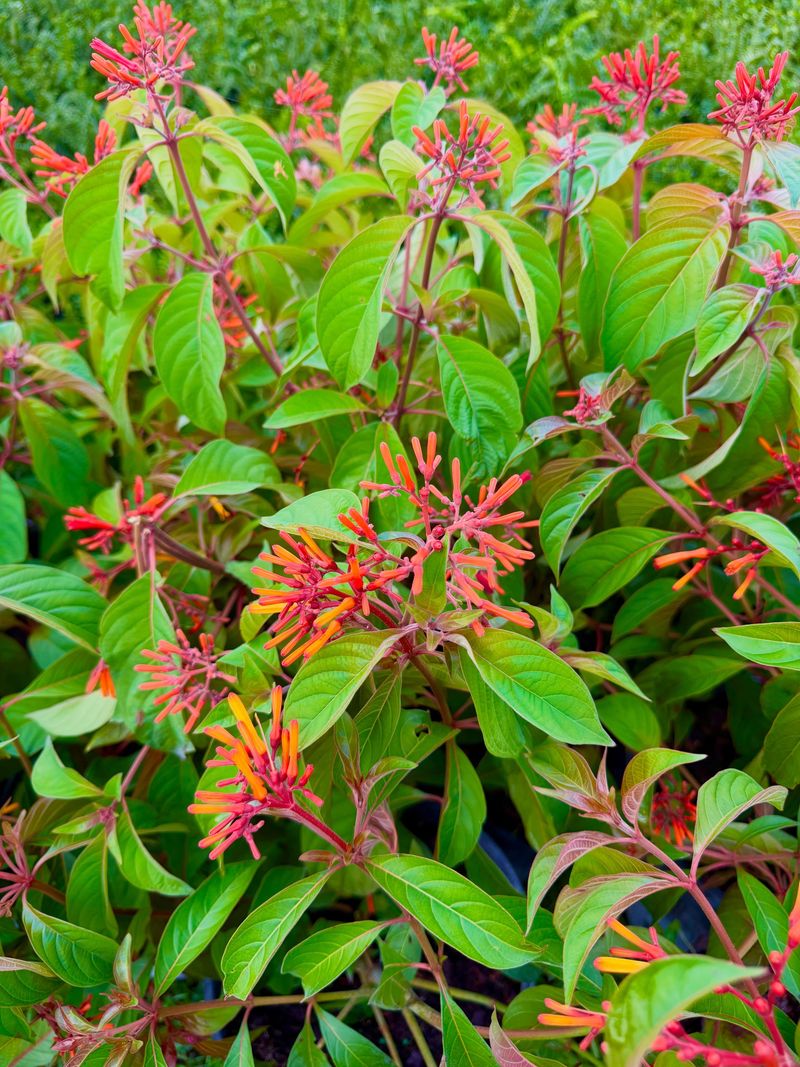
Hummingbirds seem to find firebush before people do, which is part of its charm. By late summer and fall, this Florida native often looks fuller, brighter, and more alive than it did in spring.
The orange-red tubular blooms keep coming through warm weather, making it one of the best shrubs for gardeners who want motion in the landscape. Butterflies visit it often, and in much of Florida it can flower for a long stretch if it gets sun and decent drainage.
Firebush earns its spot because it does not just sit there as a green blob. It brings color, height, and wildlife value in one plant, especially along a sunny fence, beside a patio, or near a back corner where you want a loose, natural look.
Give it room, because it can become a big, relaxed shrub in frost-free areas. In colder parts of North Florida, it may die back after a freeze and return from the roots, so plant it where that seasonal reset will not ruin the whole design.
2. Beautyberry
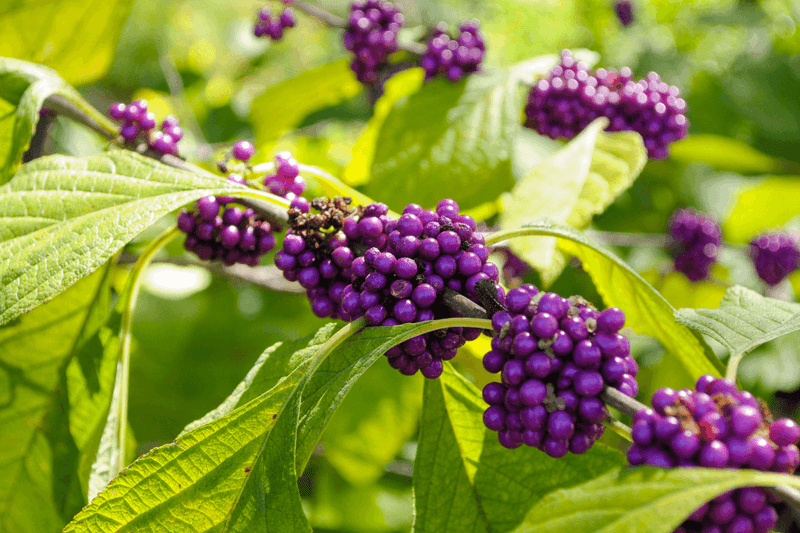
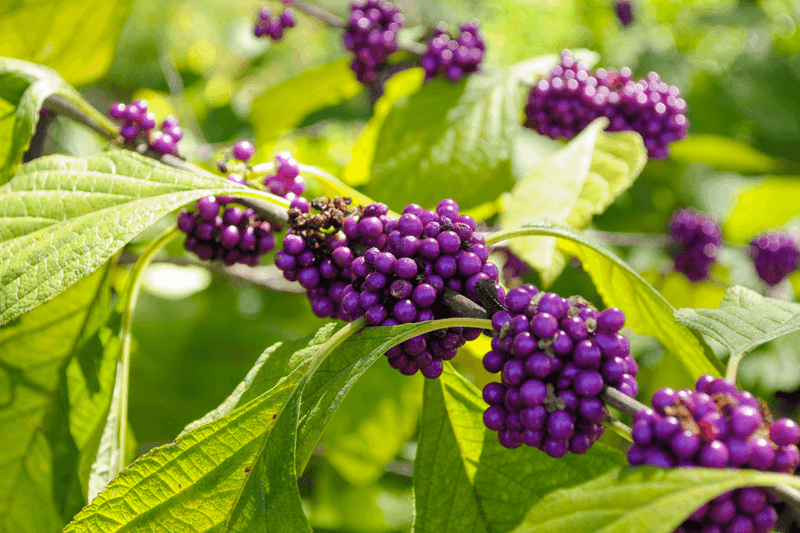
Those bright purple berries look almost fake the first time you notice them. Beautyberry saves its big show for fall, when clusters of glossy violet fruit wrap around the stems like little bracelets.
American beautyberry is a Florida native that fits beautifully into informal beds, woodland edges, and wildlife-friendly yards. Birds use the berries, and the shrub gives a soft, airy shape that works well behind lower perennials or beside a natural path.
Its strongest reason to be on this list is timing. Many shrubs finish blooming and become background plants by fall, but beautyberry becomes the thing people point at when they walk through the yard.
For best results, plant it where it has space to arch instead of forcing it into a tight hedge. It can be pruned in late winter to keep it fresh and full, since berries form on new growth.
In Florida’s sandy soil, a layer of mulch helps hold moisture while the plant settles in. Once established, it is usually easier to live with than fussy, high-maintenance ornamentals that need constant shaping.
3. Simpson’s Stopper
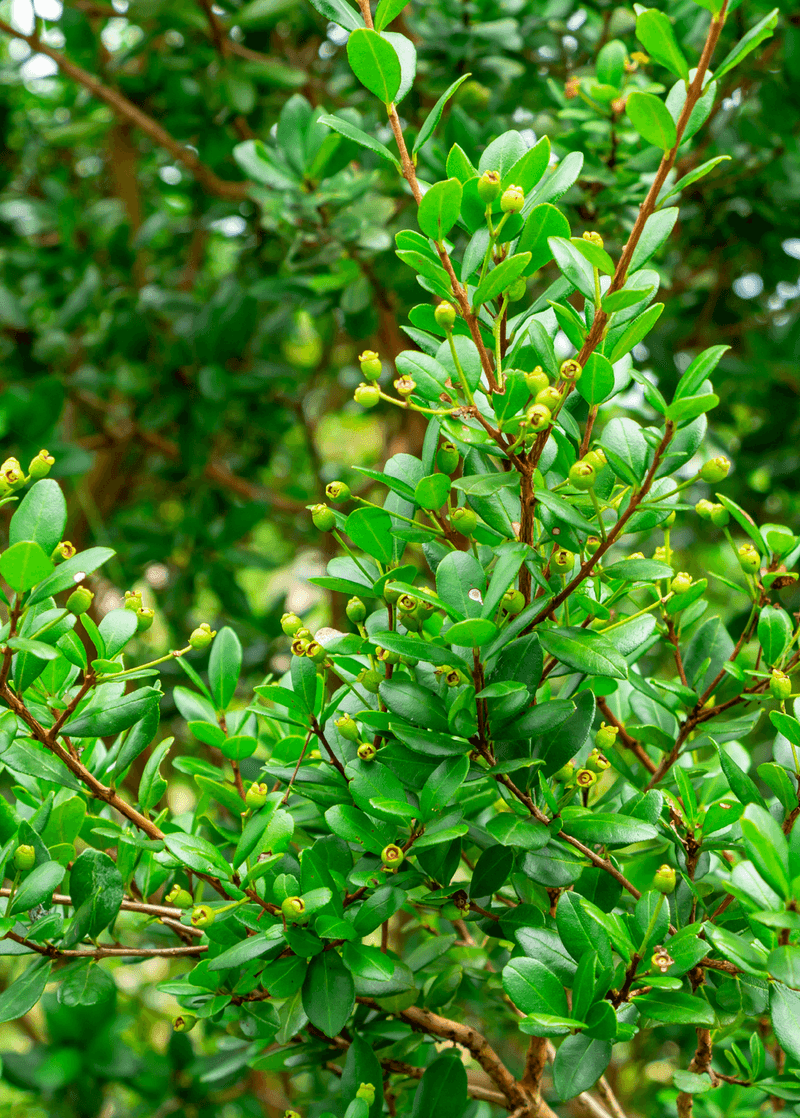
A tidy shrub that feeds birds and still looks polished near the front walk is not always easy to find. Simpson’s stopper fills that gap better than many flashier plants.
This Florida native has small, glossy leaves, white flowers, and orange to red berries that can show up as the weather begins to shift. The flowers are not huge, but they have a light fragrance, and the berries add a warm pop without making the plant look wild or messy.
What sets it apart is its manners. While firebush wants to stretch and beautyberry likes to arch, Simpson’s stopper can play the role of a more formal evergreen shrub while still supporting birds and pollinators.
Use it as a screen, a loose hedge, or a foundation plant where you want year-round structure. It handles Florida conditions well once established, especially in spots with sun to part shade and soil that drains after heavy rain.
Gardeners who are tired of replacing weak, overused shrubs may appreciate its quiet dependability. It will not scream for attention every week, but in fall its berries and clean foliage make the whole bed look more intentional.
4. Walter’s Viburnum
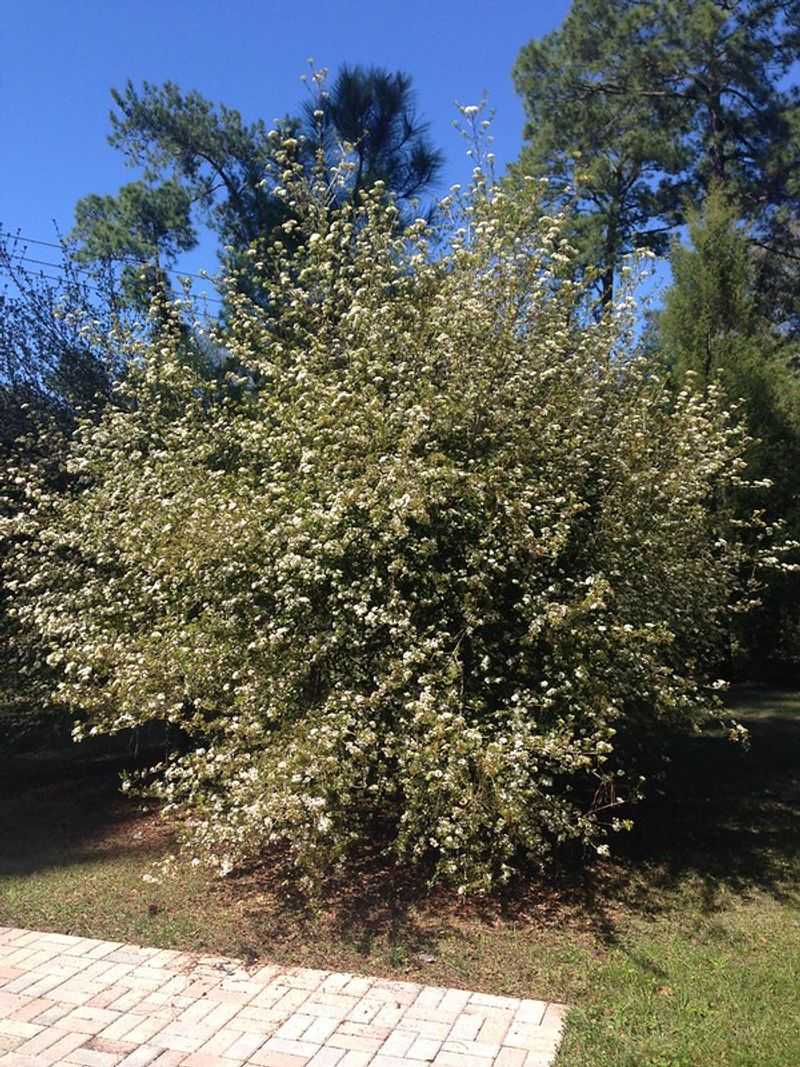
Need a shrub that can look like part of the architecture instead of a seasonal decoration? Walter’s viburnum is a strong choice for Florida gardeners who want structure first, with wildlife benefits layered in.
This native evergreen can be used as a hedge, screen, or large background shrub, depending on the variety and pruning style. In spring it carries clusters of small white flowers, and later it can produce berries that draw birds into the yard.
Its fall value is more subtle than beautyberry or firebush, but that is exactly why it belongs here. When other shrubs look thin, scorched, or tired, Walter’s viburnum keeps beds framed and gives the landscape a finished backbone.
Compact selections are especially useful near homes, driveways, and side yards where a full-size shrub would be too much. Larger forms can work along property lines or as a soft privacy screen.
Give it well-drained soil and avoid planting it where water sits after storms. In a Florida yard with sandy soil and strong sun, mulch and smart watering during establishment can make the difference between a plant that limps along and one that settles in for years.
5. Coontie
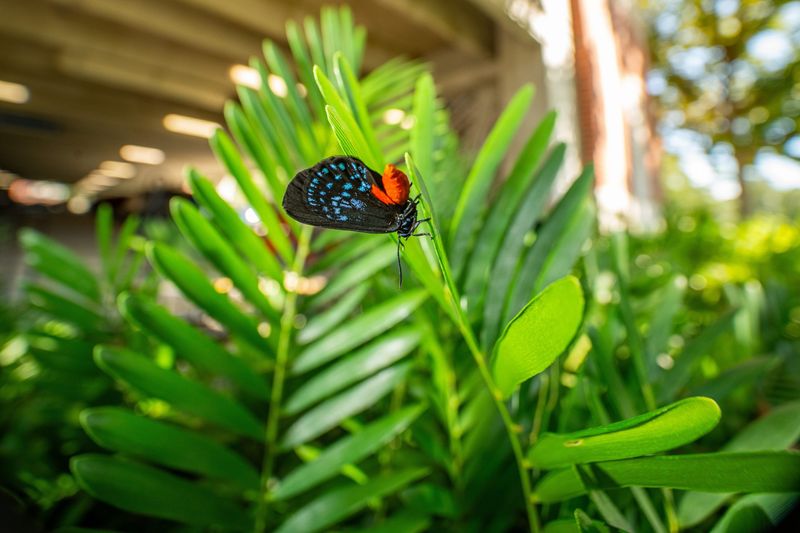
Coontie does not need flowers to look good, and that is its secret power. After months of Florida heat, its glossy, palm-like fronds can still make a bed look neat and tropical.
This native cycad is one of the best low-growing choices for gardeners who want structure without constant trimming. It works near porches, under open-canopy trees, beside pathways, or in foundation beds where taller shrubs would block windows.
Its special role is texture. Firebush brings bloom color, beautyberry brings berries, but coontie brings a clean, sculptural shape that helps tired fall beds look organized again.
Coontie also has a wildlife story. It is the larval host plant for the atala butterfly, a striking species that has become a favorite among Florida native plant gardeners.
Plant it in well-drained soil and do not bury the crown too deeply. Once established, it can handle dry spells better than many lush-looking ornamentals, which makes it useful in sandy yards where water disappears fast.
One practical caution: parts of the plant are toxic if eaten, so place it thoughtfully if pets or small children chew on landscape plants. For most front beds, it is a handsome, steady performer that looks fresh when softer plants start to fade.
6. Dwarf Yaupon Holly
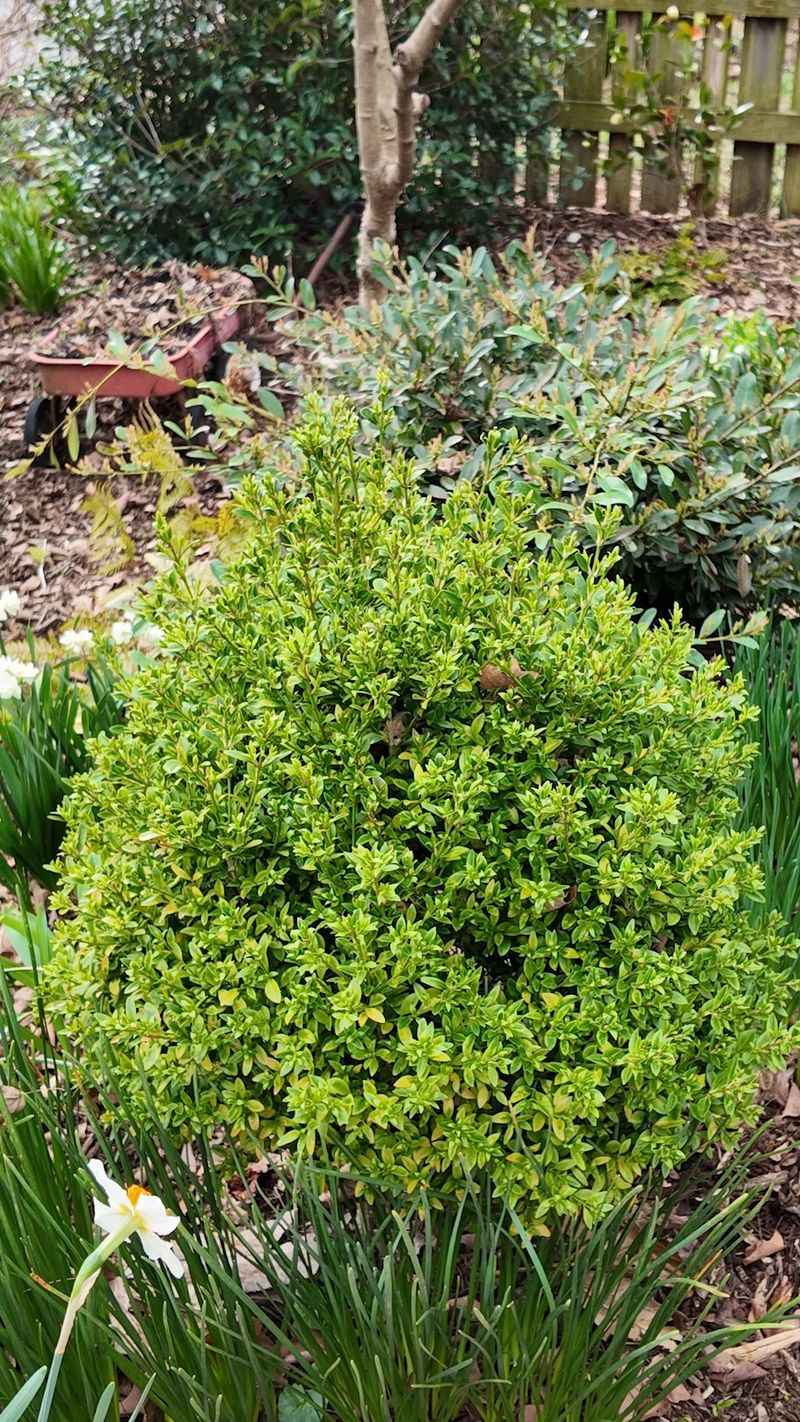
Some shrubs win by being dramatic, and others win by never looking embarrassed. Dwarf yaupon holly belongs to the second group.
This native evergreen is a smart pick for Florida foundation beds, mailbox plantings, and low borders where you need a steady shape through the long warm season. Its small leaves and naturally dense habit give it a clean look without the stiff, overworked feel of many clipped shrubs.
The reason it shines in fall is simple: it still looks composed. After rain, heat, pest pressure, and fast summer growth have roughed up other plants, dwarf yaupon can keep the front of a bed looking cared for.
Female yaupon hollies can produce berries if a male plant is nearby, though many dwarf landscape forms are used mainly for foliage and form. Either way, the plant adds dependable green structure that helps brighter seasonal plants stand out.
Use it where you want a low, rounded mass rather than a tall screen. It tolerates pruning, but it looks best when allowed to keep some natural softness instead of being sheared into hard balls.
For homeowners who want curb appeal with less fuss, this is one of the most useful shrubs on the list. It is not the loudest plant in the yard, but it makes everything around it look more finished.
7. Jatropha
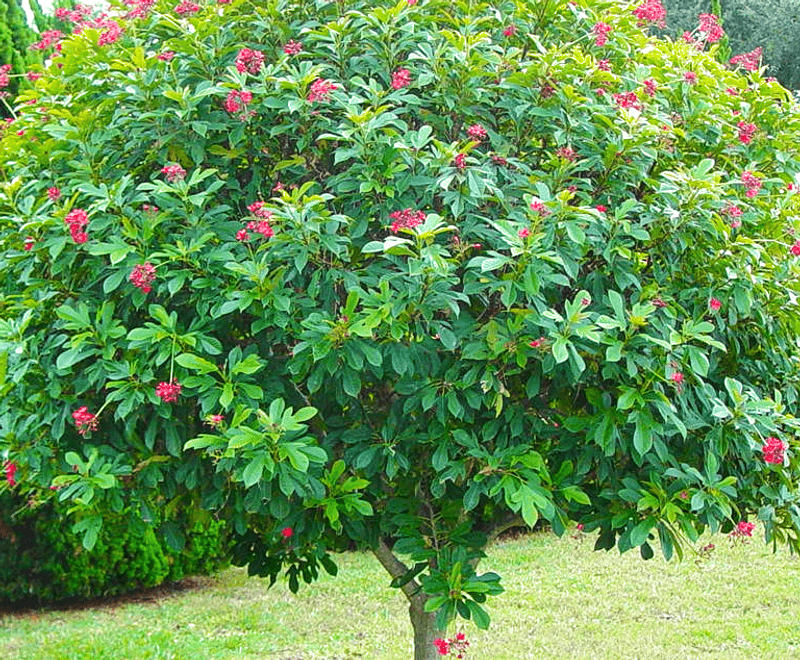
In South Florida, a red-flowering shrub in fall can make the whole yard feel awake again. Jatropha brings that bright tropical color at a time when many shrubs are just holding on.
Gardeners often use it as an accent near entries, pool cages, patios, and sunny mixed borders. The flower clusters stand out against glossy green leaves, and the plant can bloom through much of the warm season in frost-free areas.
Its reason for making the list is bold color with a tidy enough shape for visible spaces. It is not a Florida native, so it does not carry the same native-plant value as firebush or Simpson’s stopper, but it can be useful where a homeowner wants strong curb appeal in a warm zone.
Jatropha is best for Central and South Florida gardens with good drainage and full sun. In colder areas, freezes can damage it, so North Florida gardeners may want to treat it cautiously or choose a hardier native instead.
Avoid planting it in soggy spots, especially where stormwater lingers after heavy rain. Like many tropical-looking shrubs, it performs best when the roots are not sitting wet.
Place it where you can enjoy the color up close, because that is the payoff. Near a walkway or patio, the red blooms can turn an ordinary fall bed into something that still feels lively and cared for.