
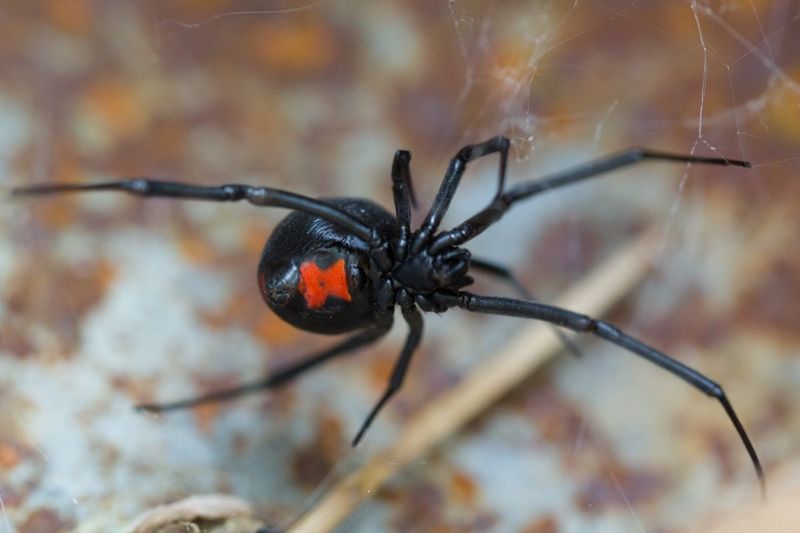
Black widows are shy spiders, but no one wants them settling near the back door, porch steps, or garage. In Florida, warm weather, thick plant growth, and cluttered outdoor spaces can give them easy places to hide.
A few common yard habits can quietly pull them closer to your house. The good news is that small cleanup changes can make your outdoor areas safer and easier to enjoy.
1. Letting Woodpiles Sit Against the House
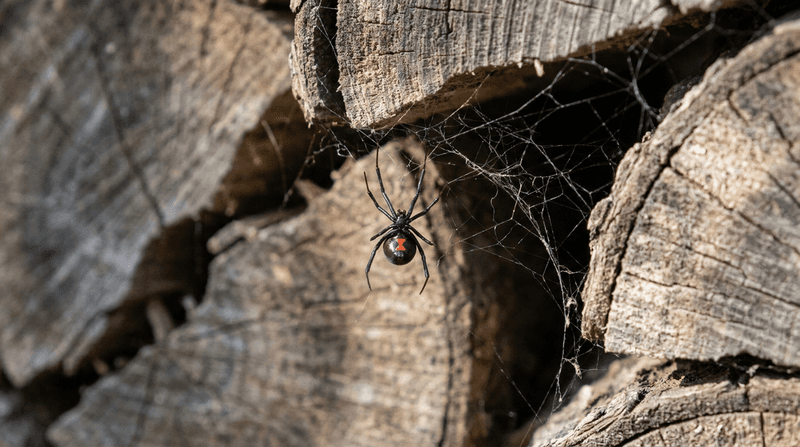
A stack of firewood can feel harmless until you remember how many dark cracks and quiet gaps it creates. Black widows often use sheltered, undisturbed spots for messy webs, and a woodpile pressed against siding gives them cover right beside your living space.
Florida homes do not always need big winter wood storage, but many yards still keep logs for fire pits, smokers, outdoor fireplaces, or storm debris waiting to be cut. When that pile stays tight to the house, spiders, roaches, ants, and other small prey can gather in the same protected area.
Move firewood at least several feet from exterior walls, raised off the ground if possible. A simple metal rack or concrete blocks can reduce damp hiding zones and make the pile easier to inspect before grabbing a log.
Wear gloves when moving older wood, especially pieces at the bottom of the stack. Shake logs gently before carrying them to a porch or garage, and avoid storing loose bark, scrap lumber, or palm debris in the same area.
2. Leaving Pots, Saucers, and Garden Trays Undisturbed
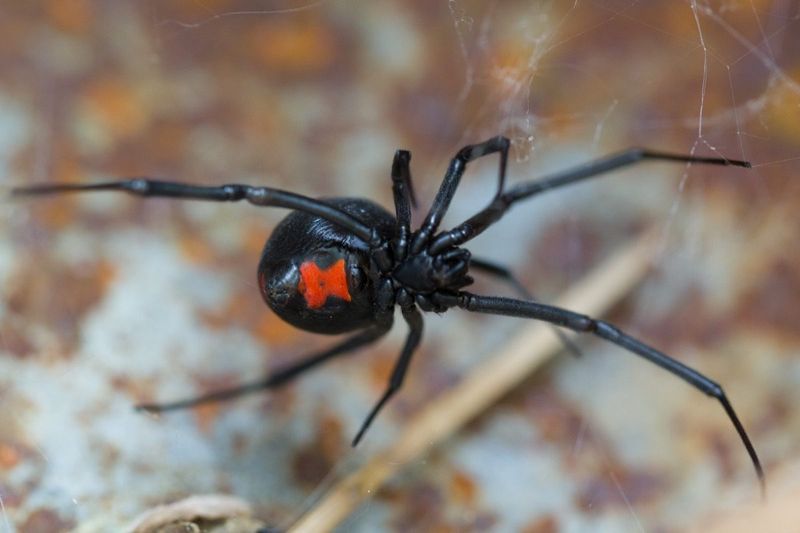
That little stack of nursery pots behind the hibiscus can become a tiny apartment building for pests. Empty containers, saucers, seed trays, and cracked planters create tight shaded spaces that stay calm even when the rest of the yard is busy.
Black widows do not need a grand hiding place. A flipped pot, a saucer tucked under a bench, or a tray behind the lanai screen can offer enough cover for a web, especially when insects are nearby.
Florida gardeners often collect containers because planting season feels nearly year-round. The problem starts when extras sit for months in a side yard, under a potting bench, or next to the back door where people reach without looking.
Sort containers every few weeks during warm, wet months. Keep usable pots nested in a sealed bin or upside down on an open shelf where you can see them, and toss broken trays that trap water and leaf bits.
Before sliding your hand into any stored pot, tap it out and check the rim and drainage holes. A quick look is easier than dealing with a surprise in a place you touch often.
3. Allowing Dense Foundation Plants to Touch Walls
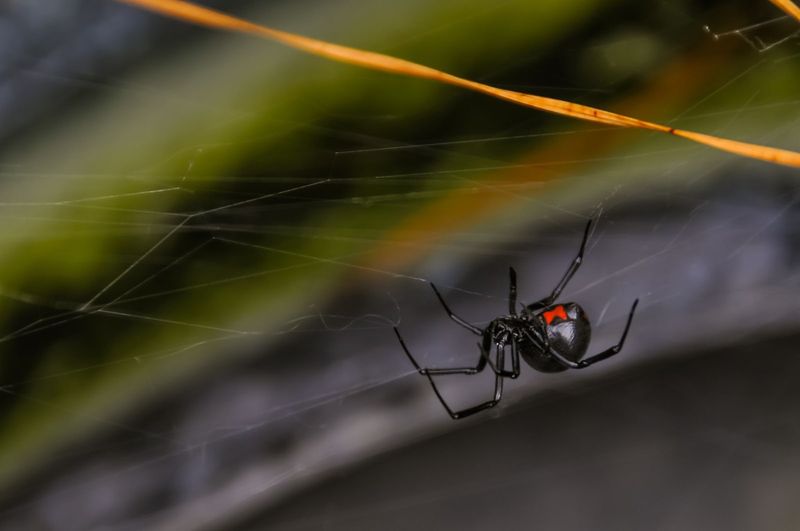
Overgrown shrubs can make a house look lush from the street while hiding a lot of trouble at ground level. When foliage presses against walls, porch skirting, hose bibs, or AC lines, it creates shaded pockets that stay protected from wind and foot traffic.
Black widows tend to favor quiet areas close to the ground, especially where they can build irregular webs and catch crawling insects. Dense plantings against the foundation can also make it harder for you to notice webs before reaching in to prune, water, or pull weeds.
In Florida, fast-growing shrubs can close a gap quickly after summer rains. Firebush, crotons, viburnum, and other landscape plants may need routine trimming to keep air moving around the base of the house.
Aim for a visible space between plants and exterior walls. You do not need a bare, harsh-looking bed, but you should be able to see behind shrubs and access the wall without pushing through branches.
Use hand pruners, gloves, and a flashlight when cleaning older foundation beds. If a shrub has become a permanent hiding wall, consider thinning it or replacing it with lower, easier-to-check plantings.
4. Keeping Clutter Under Decks, Porches, and Lanai Edges
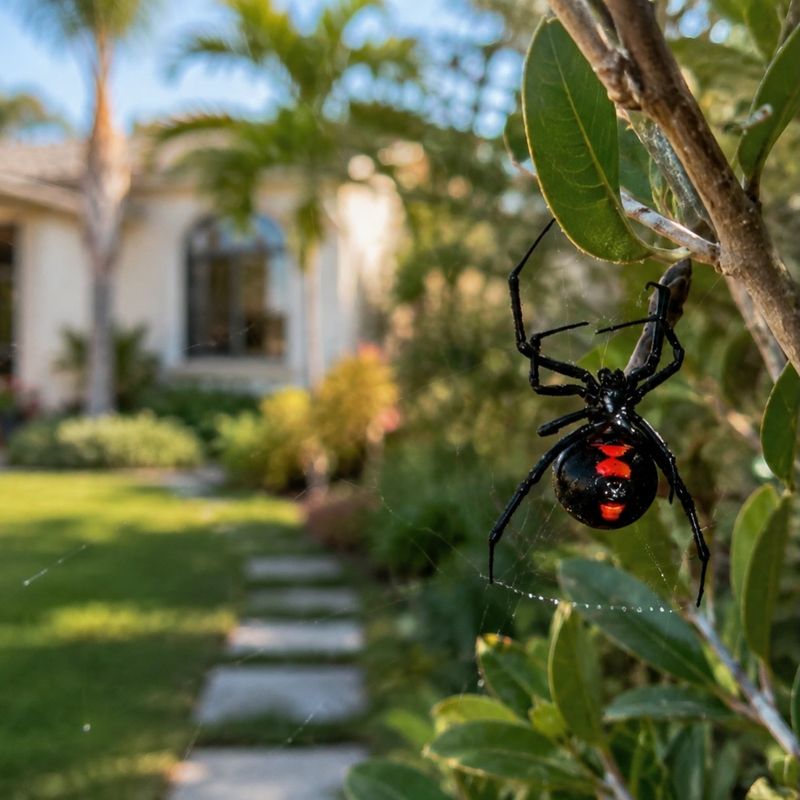
Porch clutter has a sneaky way of becoming invisible. One pool noodle, one cracked bucket, and one old bag of soil can turn into a shaded storage strip that nobody checks until something crawls out.
Black widows are not chasing people, but they do well in places that stay still. Under decks, porch steps, lanai ledges, and raised pavers, clutter blocks sunlight and gives insects a place to gather, which can make the area more attractive to hunting spiders.
Florida outdoor living makes this habit easy to fall into. Pool gear, grill tools, storm supplies, beach toys, and plant bags all need homes, but the space under a porch or along a screened enclosure often becomes the quick drop zone.
Set a simple rule: if you use it often, store it in a closed deck box or garage shelf, not loose on the ground. If you do not use it, toss it, donate it, or move it away from the house.
Check low storage areas before big weekends outside or after storm cleanup. A flashlight and gloves make the job safer, and a clutter-free porch edge also looks cleaner from the yard.
5. Ignoring Leaf Litter and Palm Frond Piles Near Entry Areas
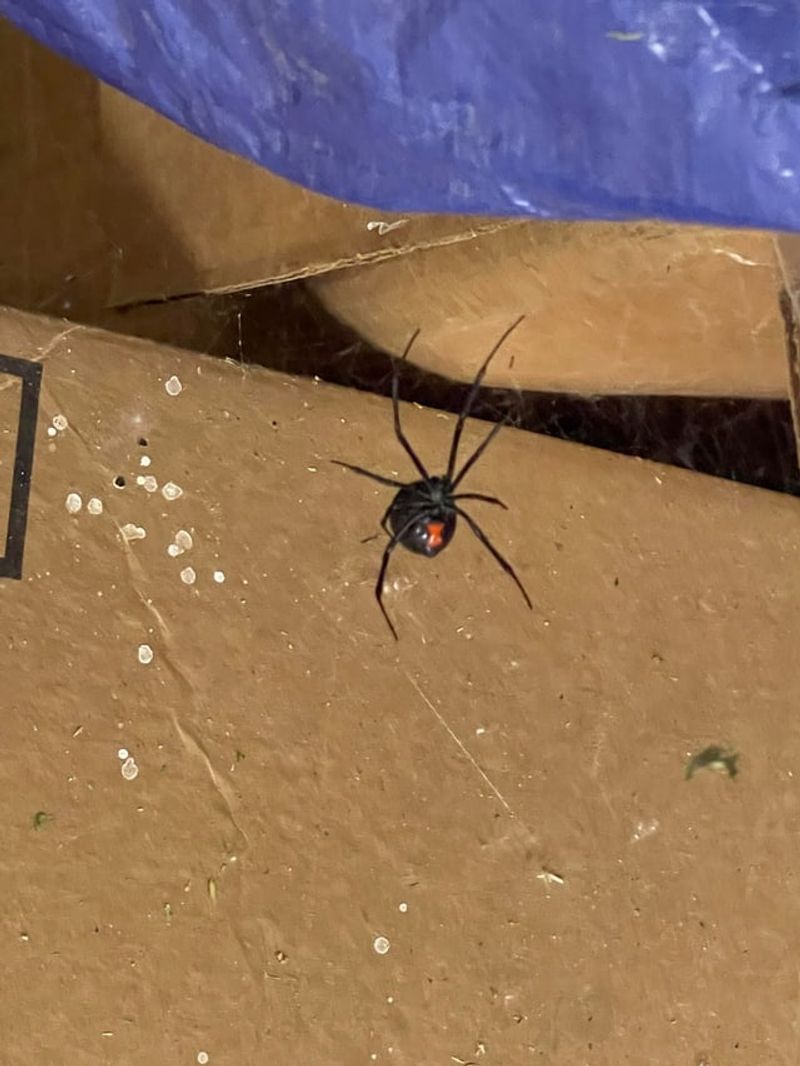
A pile of fallen palm fronds near the side gate might seem like tomorrow’s chore, but spiders and insects treat it like ready-made shelter. Dry leaves, seed pods, pine straw clumps, and palm boots can create layered pockets where small pests stay hidden.
Black widows can use low, protected spaces around debris piles, especially when the pile sits beside a doorway, garage wall, trash can pad, or outdoor shower. The closer the debris sits to your daily path, the more likely someone reaches near it without checking first.
Florida yards shed something almost every week, from live oak leaves to palm litter after windy weather. After storms, cleanup piles can sit longer than planned because there is always one more branch to add.
Try to keep yard debris moving instead of parked near the house. Bag it, compost it in a managed area away from entry points, or stage it at the curb according to your local pickup schedule.
Pay special attention to corners where leaves collect against fences, AC pads, porch steps, and paver borders. Clearing those spots reduces hiding cover and helps with other Florida pest problems too, including roaches and mosquitoes.
6. Using Thick Mulch Too Deep Beside the Foundation
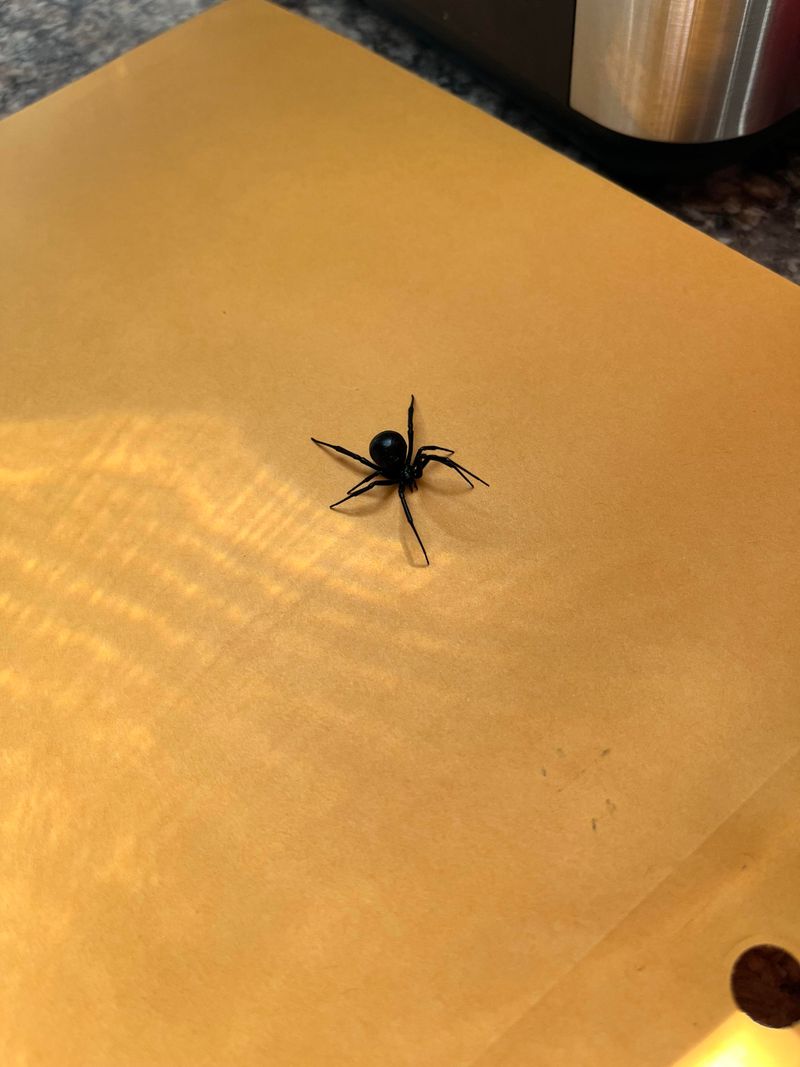
Mulch is one of the best tools for Florida beds, but piling it too deep near the house can backfire. A heavy blanket of mulch holds shade, moisture, and insect activity right where the wall meets the soil.
Black widows are more likely to settle where prey is active and disturbance is low. Deep mulch, especially when mixed with leaves, bark chunks, and plant debris, can create small protected zones around hose reels, downspouts, porch corners, and utility boxes.
UF-IFAS guidance commonly supports mulching for weed control and moisture conservation, but depth and placement matter. For many landscape beds, a moderate layer works better than a thick mound, and mulch should not be packed against siding, door thresholds, or wood trim.
Pull mulch back a few inches from the foundation so you can see the edge of the house. Rake compacted areas to break up crusty layers, remove old debris, and keep the bed from turning into a hidden pest corridor.
Choose mulch habits that fit Florida’s sandy soil without creating a damp wall-side blanket. Clean edges, visible borders, and regular light refreshing are usually safer and neater than dumping on another thick layer.
7. Forgetting About Outdoor Storage Boxes, Toys, and Grill Areas
The places people touch most often can be the easiest to overlook. Grill carts, storage benches, outdoor toy bins, folded tarps, and patio cushion boxes all have seams and corners that stay dark between uses.
Black widows sometimes build webs in protected man-made objects, especially if those items sit still through long stretches of warm weather. A grill that only gets used on holidays or a toy bin that stays closed for weeks can become a quiet pocket near the house.
Florida patios and lanais are busy spaces, so prevention needs to be simple. Do a quick visual check before reaching under a grill shelf, opening a storage box, or grabbing gloves from a patio cabinet.
Keep food crumbs, spilled drinks, and greasy grill drips cleaned up because they can attract insects. Fewer insects around the patio means less food for spiders and fewer reasons for pests to hang close to your seating area.
Store gloves, kneeling pads, and small tools in sealed containers rather than loose on shelves. Before kids play with outdoor toys that have been sitting awhile, shake them out and check handles, wheels, and hollow spaces.